Direct factory pricing and premium raw materials engineered for international industrial applications.
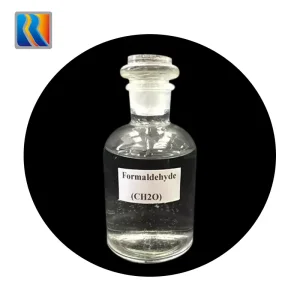
Reliable factory production with competitive pricing directly from premium China suppliers.
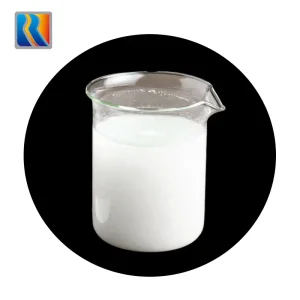
High-quality thermosetting adhesives tailored for high-density wood composites and board laminates.
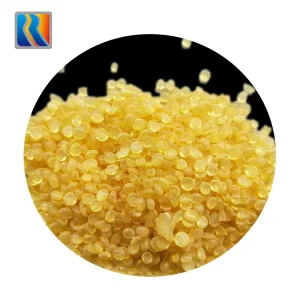
Thermosetting polymer solutions with high-temperature resistance and superior structural integrity.
Consistent and pure aqueous solutions produced with advanced silver-catalyst chemical synthesis.
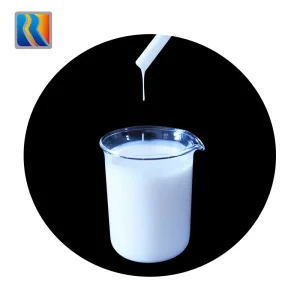
ASE viscosity modifiers designed for latex paint, textile printing, and aqueous coatings.
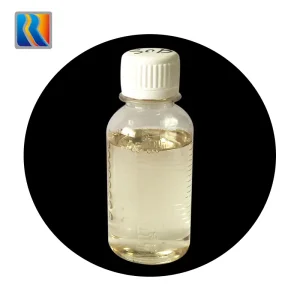
Enhance paint wetting, leveling, and pigment dispersion with high stability chemical additives.
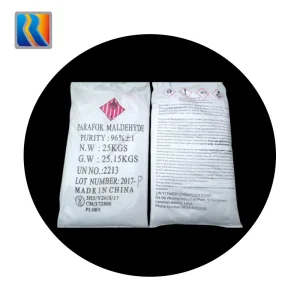
Solid-state polyoxymethylene offering precise reaction profiles for resins and chemical synthesis.
Cost-effective additive technologies to modify foam behavior, rheology, and surface tension.
Melamine Formaldehyde (MF) resins are at the core of the modern thermosetting polymer sector. Renowned for their outstanding mechanical strength, chemical inertness, flame retardancy, and thermal stability, these highly crosslinked amino resins are indispensable in the manufacturing of High-Pressure Laminates (HPL), molding compounds, surface coatings, wood binders, and specialty paper treatments.
The global melamine-formaldehyde market is currently undergoing a structural transformation. Driven by stringent environmental guidelines—such as the European Chemical Agency (ECHA) regulations, CARB Phase 2, and EPA TSCA Title VI—commercial buyers are shifting away from low-cost, high-emission resins to focus on premium, low-free-formaldehyde formulations. Manufacturers must possess deep chemical synthesis knowledge and integrated supply chains to remain competitive. Runtai New Materials addresses this demand by offering specialized chemical solutions that deliver superior performance without compromising environmental standards.
Our raw material footprint reaches markets in Asia-Pacific, North America, and Europe. By integrating formaldehyde production with downstream polymerization processes, we shield our global partners from market volatility. This ensures a reliable supply chain of raw materials and customized compounds to meet high-volume manufacturing demands.
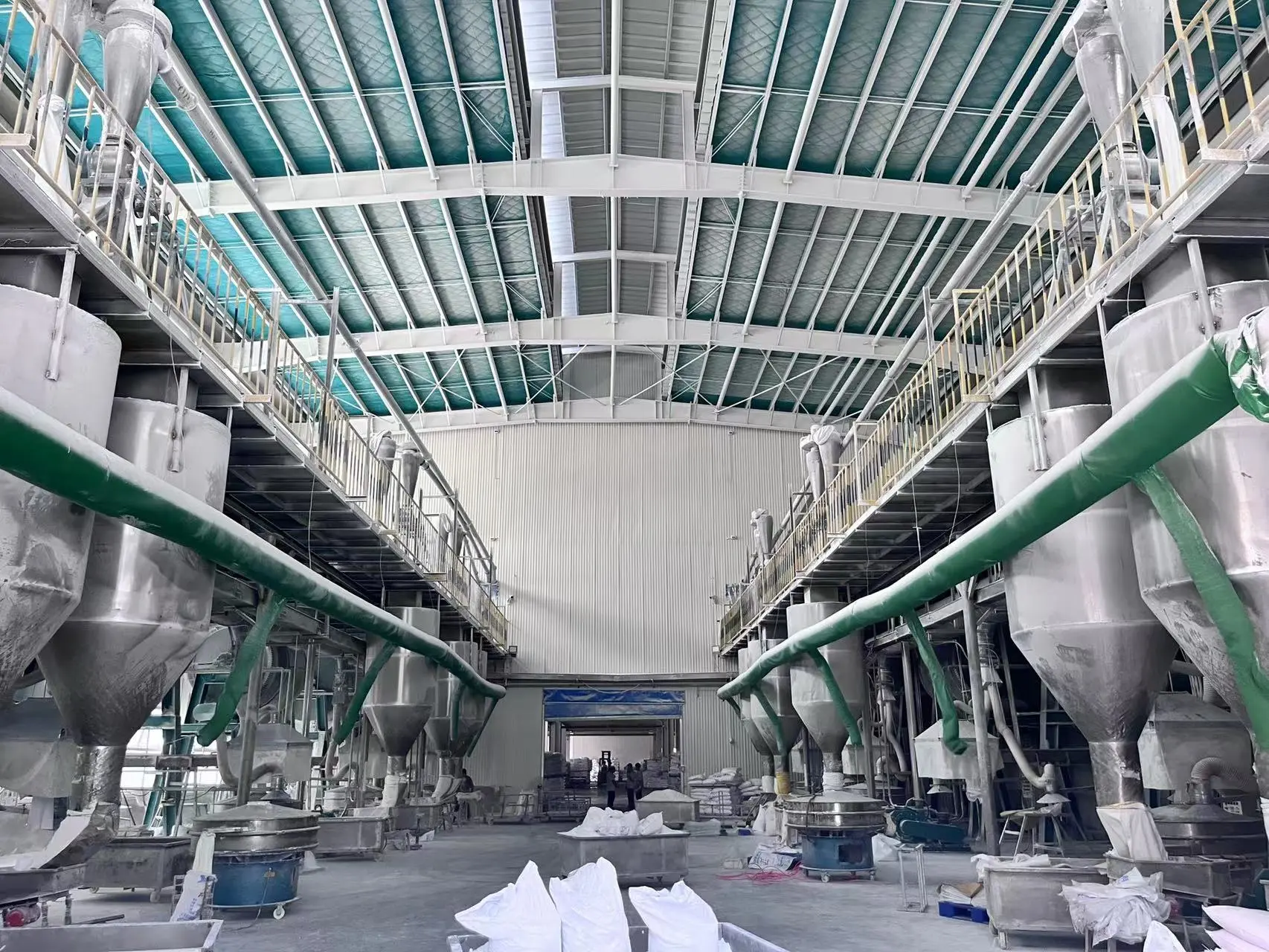
Founded in March 2020, Shandong Runtai New Materials Co., Ltd. has established itself as an industry leader in fine chemical manufacturing. We combine upstream capacity with advanced polymer production across a 270,000 square meter chemical production base, supported by a 2.06 billion yuan capital investment.
Our strategic facility in Zaozhuang City, Shandong Province, acts as our logistics and manufacturing hub. With regional offices in five cities, we coordinate bulk container shipping and inland freight routes. This vertical integration allows us to supply formaldehyde directly to our melamine and resin plants, optimizing production costs and ensuring high product quality.
Shandong Runtai's operational model focuses on scalability and consistency. Our products are exported to global markets, including the United States, Thailand, Kenya, and Egypt, meeting international standards such as ASTM and EN.
We utilize the latest Distributed Control System (DCS) to monitor chemical synthesis parameters, temperatures, and pressures in real-time. This system maintains stable polymer cross-linking and ensures batch-to-batch consistency.
We work in collaboration with the Changzhou Research Institute of Beijing University of Chemical Technology. Our dedicated doctoral research team works on developing low-emission formulations and improving resin performance.
By producing our own raw materials, from formaldehyde to complex molding compounds, we lower manufacturing costs, guarantee purity, and offer stable pricing to our commercial partners.
This technical setup directly influences product performance. In melamine-formaldehyde synthesis, maintaining a precise ratio of formaldehyde to melamine is crucial for controlling methylolation and condensation. Runtai's DCS system controls these processes to yield thermosetting resins with low free-formaldehyde content, high durability, and optimal storage life.

Melamine Formaldehyde is utilized across various industrial sectors. Our specialized chemical grades are designed to meet the strict demands of global manufacturers:
In the laminates sector, decorative sheets are impregnated with melamine-formaldehyde resins before being pressed under heat and pressure. Runtai's resins provide high cross-linking density, protecting HPL surfaces from scratches, chemical spills, and heat. This makes them ideal for kitchen countertops, laboratory furniture, and commercial interior paneling.
Our Melamine Moulding Compounds (MMC) combined with Melamine Glazing Powders are widely used to produce durable, BPA-free tableware. The low-migration properties of our glazing powder ensure food safety and compliance with international food-contact standards, including EU 10/2011 and FDA guidelines.
For outdoor-grade plywood, particleboard, and Medium Density Fiberboard (MDF), we supply Urea-Melamine-Formaldehyde (MUF) resin. This blend combines the cost-efficiency of urea with the moisture resistance and durability of melamine, preventing delamination under humid conditions.
Modified melamine-formaldehyde resins act as crosslinkers in water-based coatings, automotive finishes, and industrial baking enamels. They improve adhesion, gloss retention, and resistance to environmental weathering.
As a global chemical manufacturer, Shandong Runtai prioritizes environmental sustainability and regulatory compliance. Our modern production lines are designed to reduce carbon emissions and minimize waste generation.
Our environmental approach is built on three core pillars:
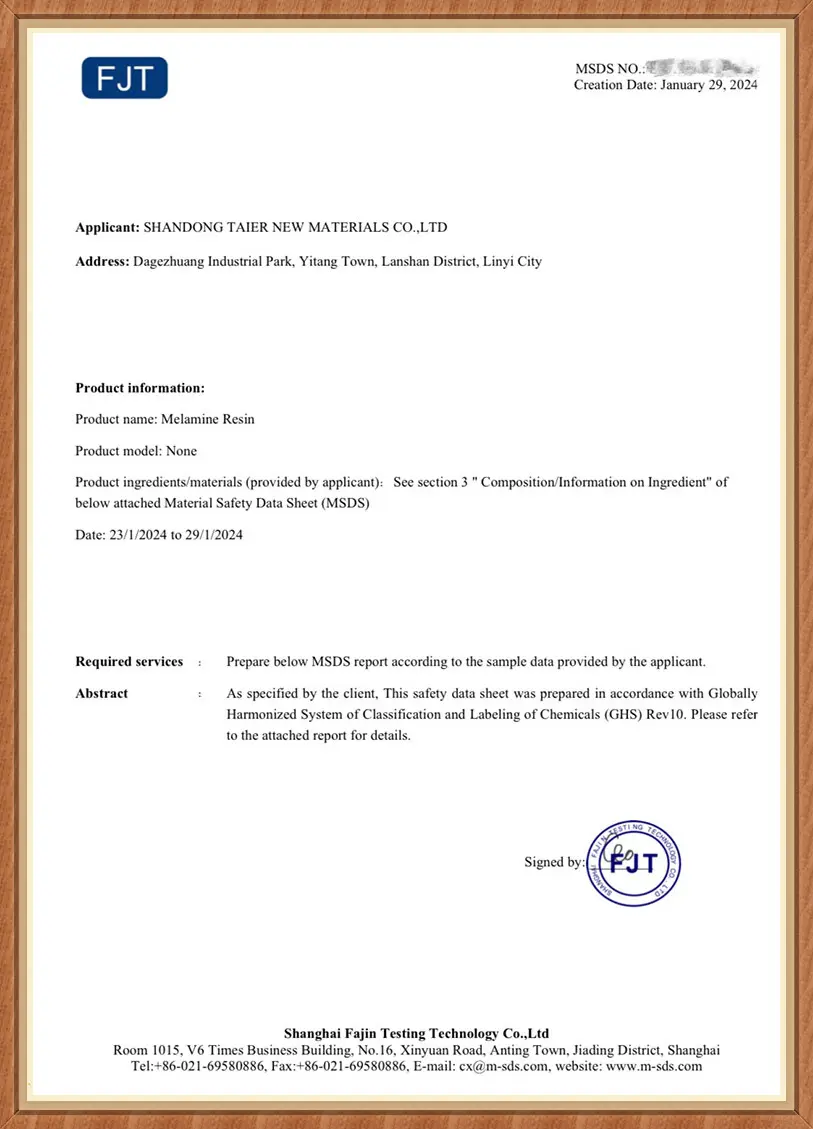
Our facilities are certified under ISO 9001:2015 for Quality Management, ISO 14001:2015 for Environmental Management, and ISO 45001:2018 for Occupational Health and Safety. We support our customers through the entire compliance process, providing detailed REACH certificates, Safety Data Sheets (SDS), and technical documentation.
Certified manufacturing quality backed by domestic patents and international standard conformance approvals.
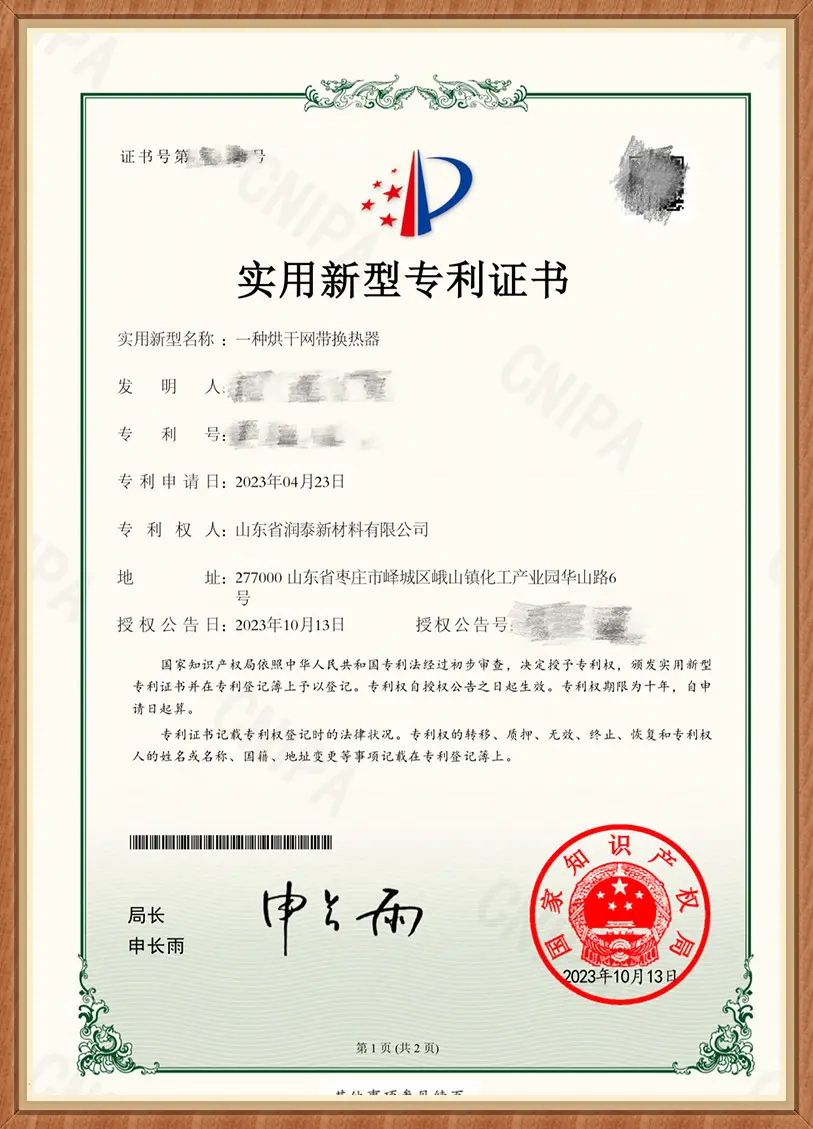
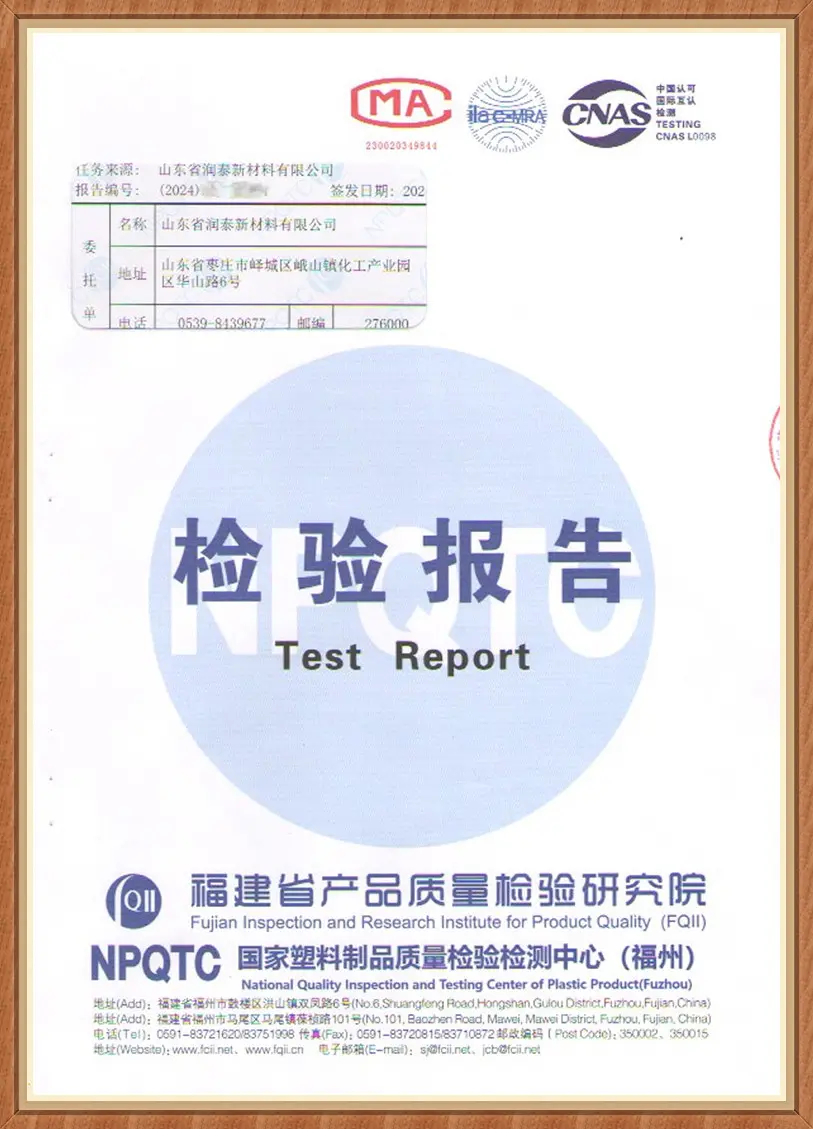
Runtai New Materials is focused on the next generation of thermosetting resins. Our technological roadmap for the next five years focuses on green chemistry and bio-based alternatives:
We are researching methods to substitute petroleum-derived urea and phenol with bio-based alternatives, such as lignin and agricultural urea. This aims to reduce the carbon footprint of our resins while maintaining their performance.
Our research team is developing latent curing catalysts. These additives remain inactive at room temperature but release rapidly during hot-pressing, improving resin storage stability and reducing press cycle times.
We plan to integrate machine learning with our DCS control systems to automatically adjust process parameters based on raw material fluctuations, optimizing overall production efficiency.
Deep technological Q&A prepared by our lead chemical engineers to assist procurement managers and quality controllers.
Explore our full range of water-based additives, crosslinkers, and thermosetting resins.
Premium adhesive grades engineered for high structural load boards and plywood products.
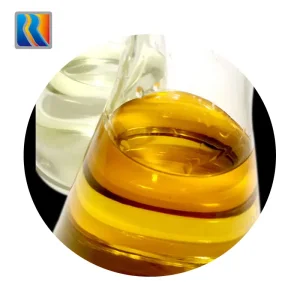
High-efficiency dispersion agents for ceramic slips, water-based inks, and paint formulations.
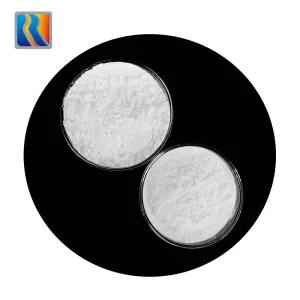
Pure resin powder that creates a scratch-resistant, glossy surface on melamine tableware.
High-purity crystalline paraformaldehyde for organic synthesis and resin manufacturing.
Reliable solid-state aldehyde sources designed for industrial resin synthesis.
Thermosetting phenol-formaldehyde polymers for friction materials and abrasive wheels.
Viscosity-adjusting agents that maintain stability in water-based paints and adhesives.
Formulated to improve coating properties, adhesion, and film formation.
 Runtai