 Runtai
1 / 1
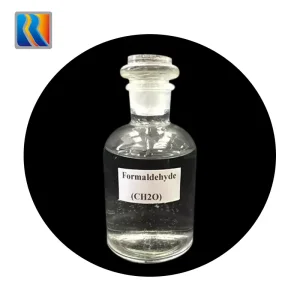
Urea formaldehyde resin is synthesized from urea and formaldehyde through a condensation reaction. This chemical structure contributes to its properties and performance.
Once cured, urea formaldehyde resin cannot be remolded or reshaped. This thermosetting characteristic provides excellent dimensional stability and durability in finished products.
UF resin exhibits strong adhesive properties, making it ideal for bonding wood and other materials. It forms a robust bond that is resistant to moisture and heat.
Urea formaldehyde resin has low water absorption properties, which helps maintain the integrity of bonded materials in humid environments.
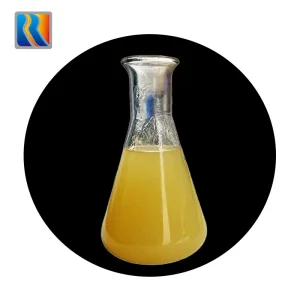
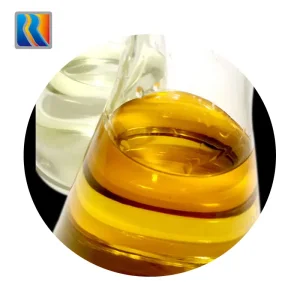
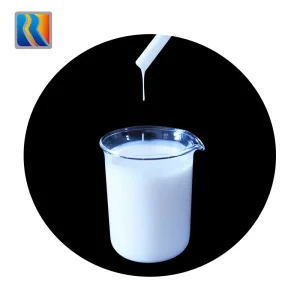
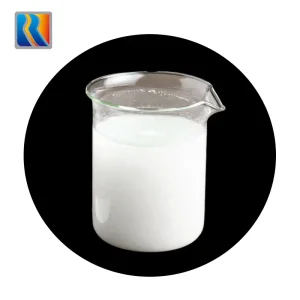
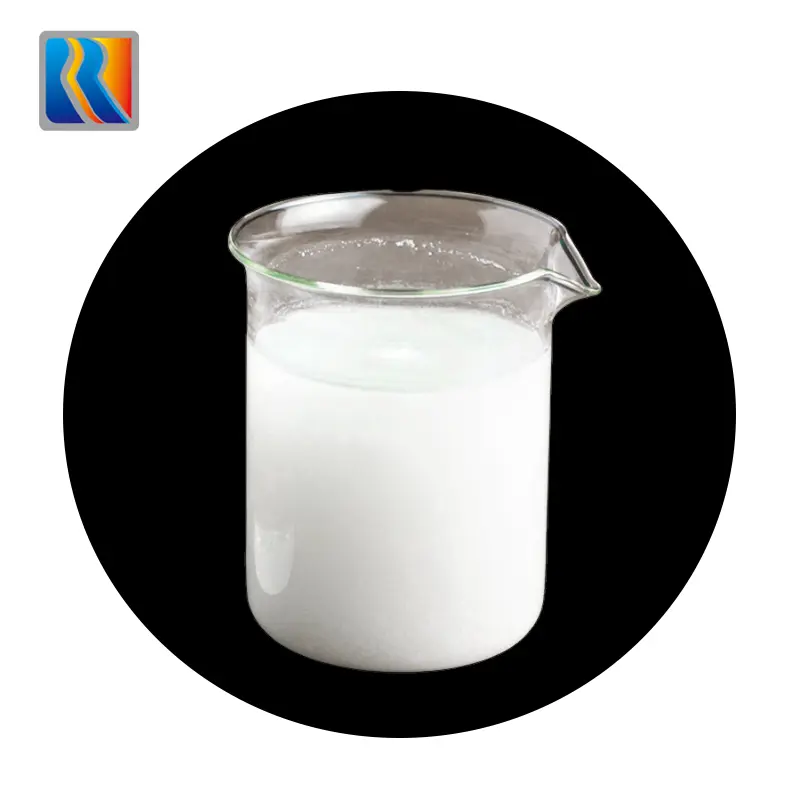
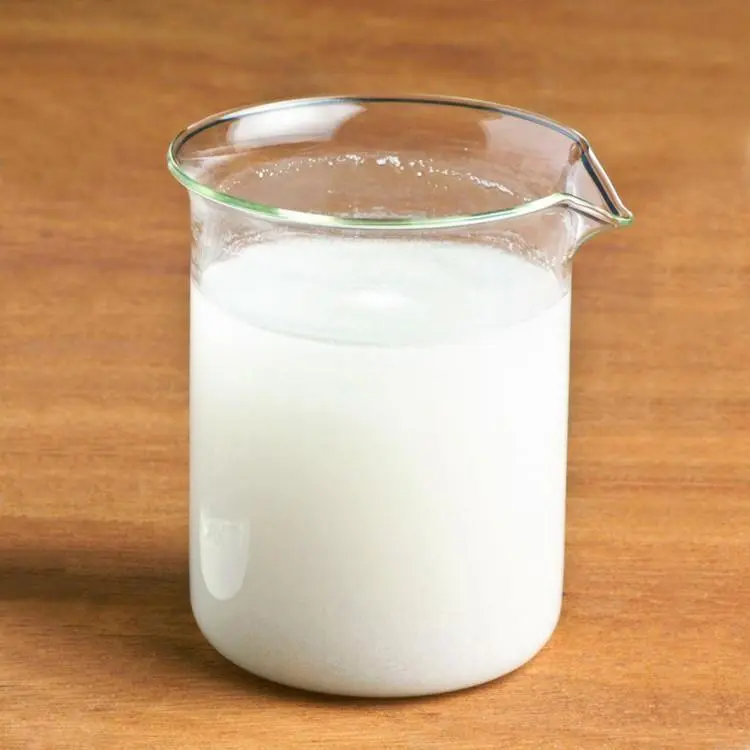
The resin typically appears as a clear to slightly yellowish liquid before curing. Once cured, it can be transparent or opaque, depending on the formulation and fillers used.
While UF resin is strong, it can be somewhat brittle, which may limit its use in applications requiring flexibility.
Urea formaldehyde resin is relatively inexpensive compared to other synthetic resins, making it a popular choice in the manufacturing of particleboard, plywood, and other engineered wood products.
UF resin can be modified with various additives to enhance specific properties, such as fire resistance, water resistance, and improved bonding capabilities, making it suitable for a wide range of applications.
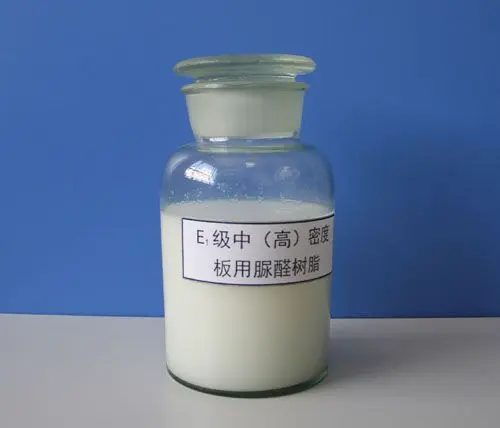
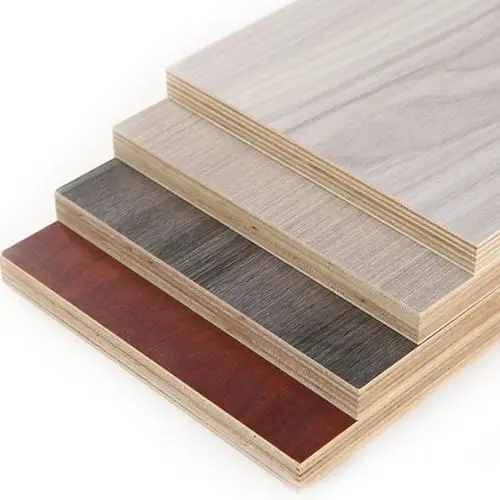
Urea-formaldehyde resin is widely used as an adhesive in the production of wood-based composite materials such as particleboard, medium-density fiberboard (MDF), and plywood. It provides strong bonding properties and enhances the structural integrity of these materials.
Urea-formaldehyde resin is utilized in surface coatings for wood products, providing a protective and decorative finish. It enhances the durability and aesthetic appeal of wood surfaces.
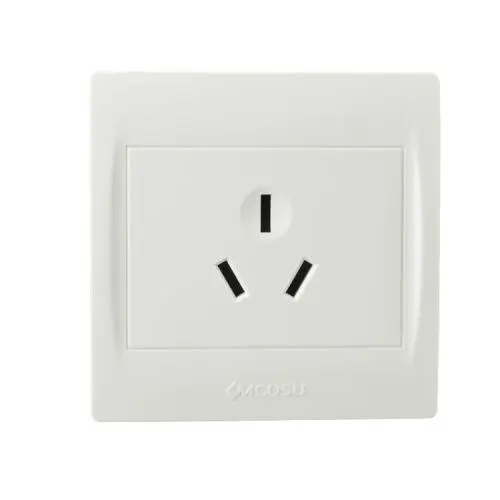
Urea-formaldehyde resin is used in the production of molding compounds for electrical appliances, automotive parts, and consumer goods. It offers excellent molding properties and heat resistance.
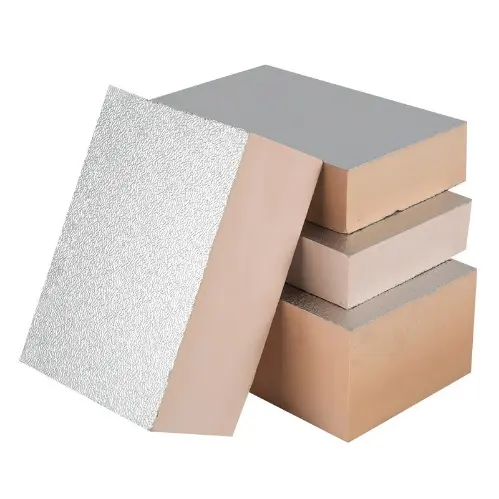
Urea-formaldehyde resin is used in the production of insulation materials for its fire-retardant properties and durability.
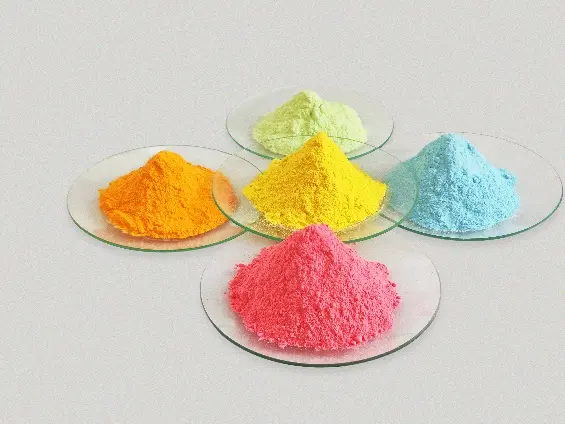
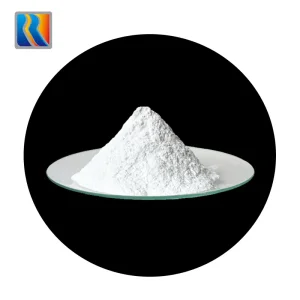
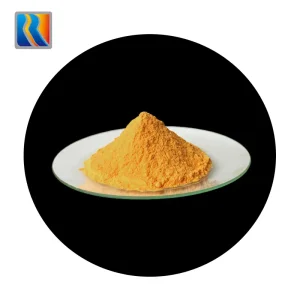
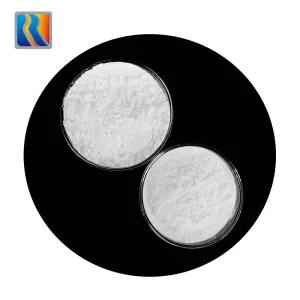
Before curing, it typically appears as a white or pale yellow powdery substance with good flowability. Once cured, it solidifies into a transparent or translucent state.
Once cured, urea formaldehyde resin undergoes a chemical change that prevents it from being remolded or reshaped. This thermosetting nature delivers high dimensional stability and structural durability.
It is widely used in wood-based composite materials (like plywood, MDF, and particleboard), surface coatings, electrical and automotive molding compounds, and fire-retardant insulation materials.
Yes, it has low water absorption properties, which helps maintain the structural integrity of bonded wood materials in humid environments.
Compared to other synthetic resins, urea formaldehyde is relatively inexpensive to synthesize and produce, making it highly popular in large-scale industrial manufacturing and woodworking.