Explore our top-performing fine chemicals and compounding materials manufactured under stringent ISO 9001 and ISO 14001 specifications.
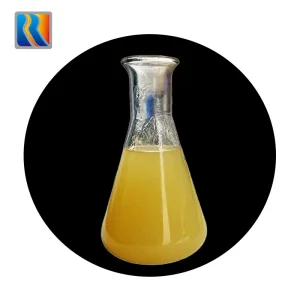
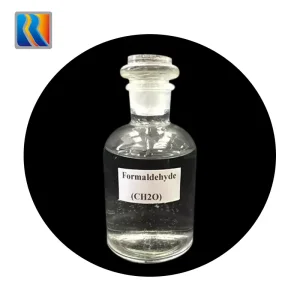
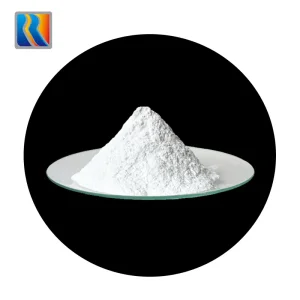
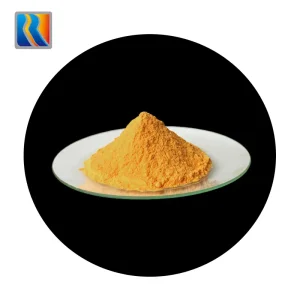
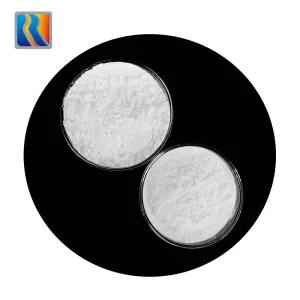
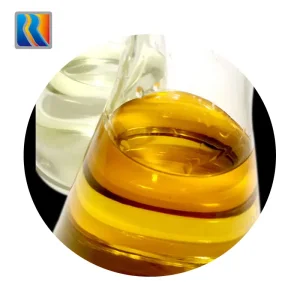
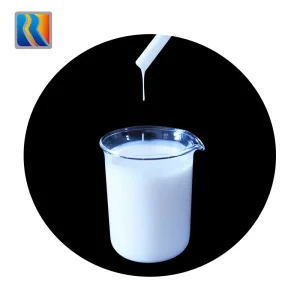
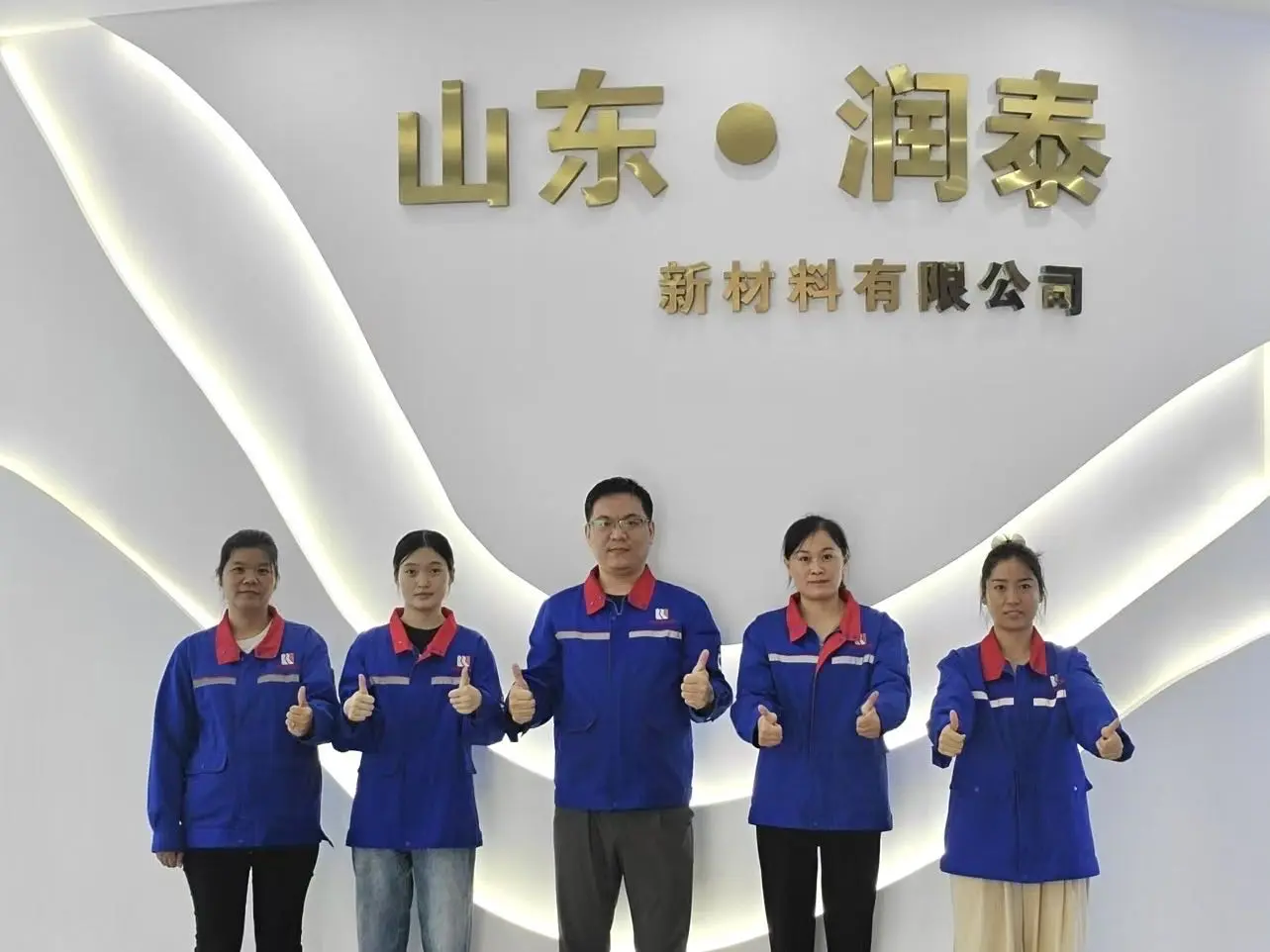
Founded in March 2020, Shandong Runtai New Materials Co., Ltd. has rapidly emerged as a leading authority in fine chemical manufacturing, specializing in large-scale synthesis, compounding, and chemical processing technologies. Headquartered in Zaozhuang City, Shandong Province, and spanning across a modern 270,000 square meter infrastructure, we represent a strategic investment of 2.06 billion yuan designed to satisfy growing global demands.
With branches operational in five industrial cities throughout China, our logistics and technical support network bridges raw chemical synthesis with complex downstream applications. From premium high-grade formaldehyde and specialized resins to advanced melamine molding compounds, Runtai serves as an essential link in the supply chain for automotive, construction, housewares, packaging, and agricultural sectors worldwide.
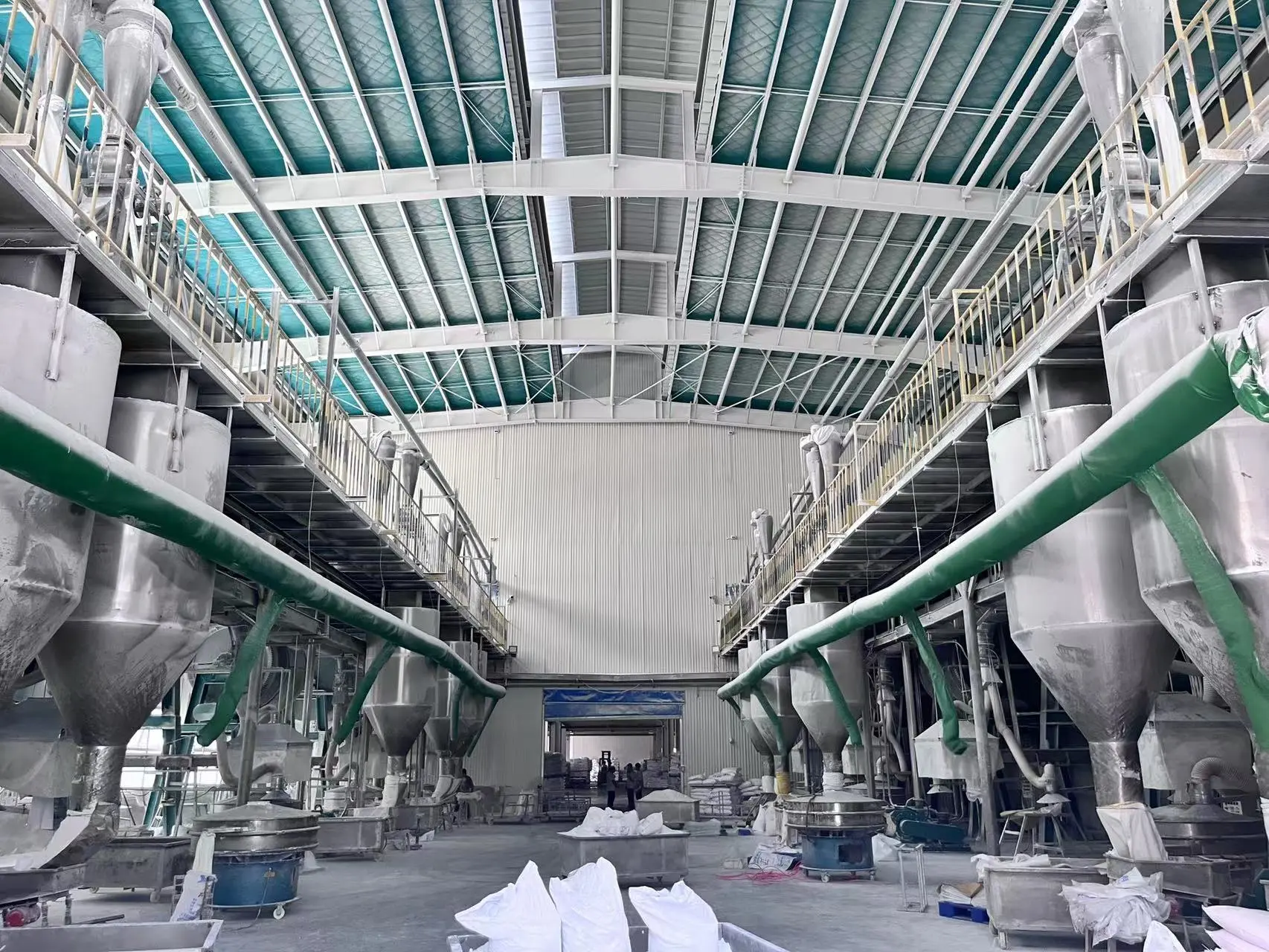
Our capacity metrics demonstrate our resilience, scale, and ability to fulfill massive industrial procurement demands without supply disruptions.
Our domestic market share (approx. 80%) provides us with immense leverage to stabilize chemical commodity prices and material access. Concurrently, our global export reach includes highly regulated markets in the United States, Europe, Thailand, Kenya, Egypt, and beyond. Runtai handles the complexity of shipping hazard-sensitive chemicals and bulk dry powders globally, ensuring that custom compounds reach downstream factories exactly on schedule.
In modern chemical supply chains, global enterprises do not simply search for commodities; they demand structural consistency, process compatibility, and strict compliance assurance. Procurement divisions face significant issues with batch-to-batch variation, volatile raw material inputs, and regulatory hurdles (such as CARB Phase II, EPA TSCA Title VI, REACH, and environmental controls on free formaldehyde emission). Understanding these challenges is at the core of Shandong Runtai's customer-focused service model.
Thermosetting materials like Urea Moulding Compound (UMC) and Melamine Moulding Compound (MMC) require precise curing profiles. Minor deviations in particle size distribution, moisture levels, or flow indexes lead to defects in compression molding. Runtai solves this by integrating advanced inline process analytical technology (PAT) and automated gas chromatography. This keeps raw material inputs highly uniform, drastically reducing factory rejects for compression molders.
We approach production through macro-industry blueprints rather than isolated shipments:
"Optimizing fine chemical procurement means selecting partners who can assure regulatory safety, steady capacity access, and verifiable physical chemistry data." — Senior Growth Director, Runtai New Materials
Our technological strategy is built on five pillars designed to minimize carbon output while optimizing raw chemical utilization: automatic control, process safety, operational stability, energy conservation, and resources utilization.
Through our close alliance with the Changzhou Research Institute of Beijing University of Chemical Technology, our doctoral research team continuously patents new technologies in formaldehyde mitigation, polymer crosslinking density optimization, and sustainable water-based additives. This collaborative approach translates directly into superior product grades that help our clients stay ahead of shifting regulatory limits.

By employing a sophisticated Distributed Control System (DCS), our manufacturing units monitor temperatures, pressure variables, and flow rates in real-time. This eliminates human error, increases yield consistency, and enhances safety across the facility.
Our in-house R&D center works with leading domestic chemical institutions. This focus on independent innovation allows us to customize physical parameters like viscosity, reactivity, and color matching to suit niche markets.
We prioritize environmental sustainability. From carbon capture and thermal recycling of reaction heat to lowering VOC levels, our plants actively meet strict environmental standards while reducing manufacturing overhead.
Exporting fine chemicals globally requires thorough regulatory compliance. Runtai New Materials has established robust compliance frameworks addressing chemical safety regulations, including: EU-REACH, US TSCA, ISO 9001:2015 for Quality Management, and ISO 14001:2015 for Environmental Management.
Every shipment is accompanied by detailed Safety Data Sheets (SDS), Certificates of Analysis (CoA), and technical specifications. We provide complete transparency regarding monomer composition, trace metals, and volatile organic compounds (VOCs).
Get professional advice on chemical properties, storage, safety, and supply chain logistics directly from Runtai's technical team.
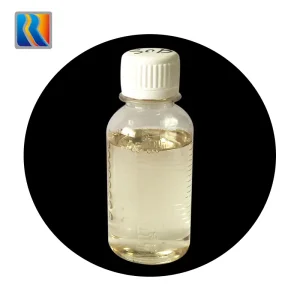
Review further products from our manufacturing divisions, perfect for custom compounding and bulk production processes.
 Runtai