 Runtai
1 / 1
These additives are either soluble or dispersible in water, making them easy to incorporate into water-based systems.
Water-based additives are often considered more environmentally friendly compared to solvent-based additives, as they typically emit fewer volatile organic compounds (VOCs).
They can be used to modify a variety of properties, such as viscosity, stability, adhesion, and appearance.
Help to evenly distribute solid particles in a liquid medium, preventing clumping and settling. Commonly used in paints, inks, and coatings.
Adjust the viscosity and flow properties of a formulation. Examples include cellulose derivatives and acrylic thickeners.
Reduce surface tension to improve wetting, spreading, and emulsification. Used in detergents, cleaners, and emulsions.
Prevent or reduce foam formation during manufacturing processes. Essential in coatings, adhesives, and industrial processes.
Prevent microbial growth to extend the shelf life of water-based products. Common in paints, personal care products, and industrial fluids.
Protect metal surfaces from corrosion in water-based systems. Used in coatings, cooling systems, and metalworking fluids.
Increase the flexibility and workability of materials. Often used in water-based adhesives and sealants.
Provide color to water-based formulations. Used in paints, inks, and personal care products.
Enhance the stability of emulsions, suspensions, and other formulations. Common in food products, cosmetics, and pharmaceuticals.
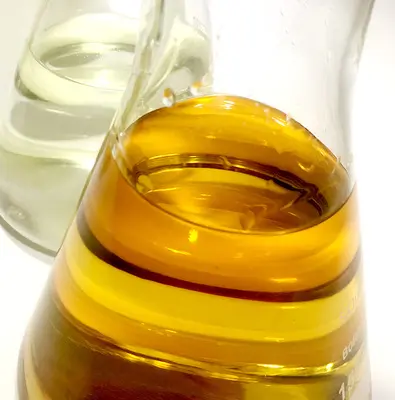
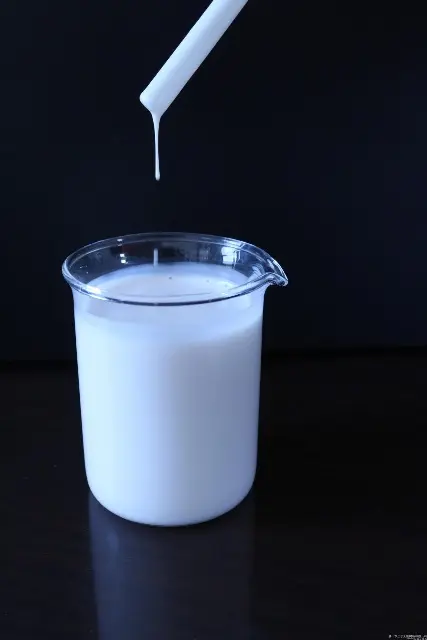
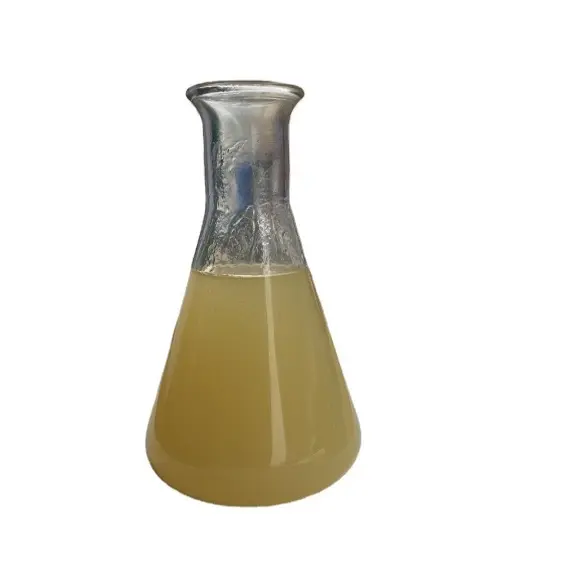
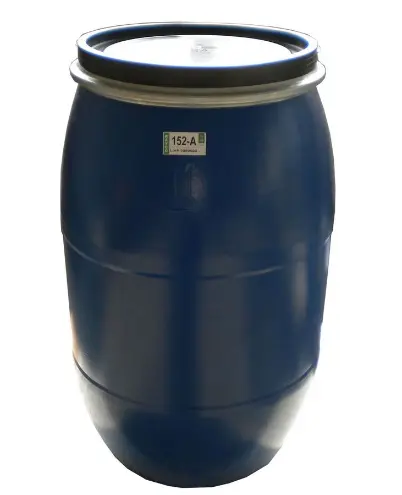
Water-based additives improve the performance, appearance, and durability of paints and coatings.
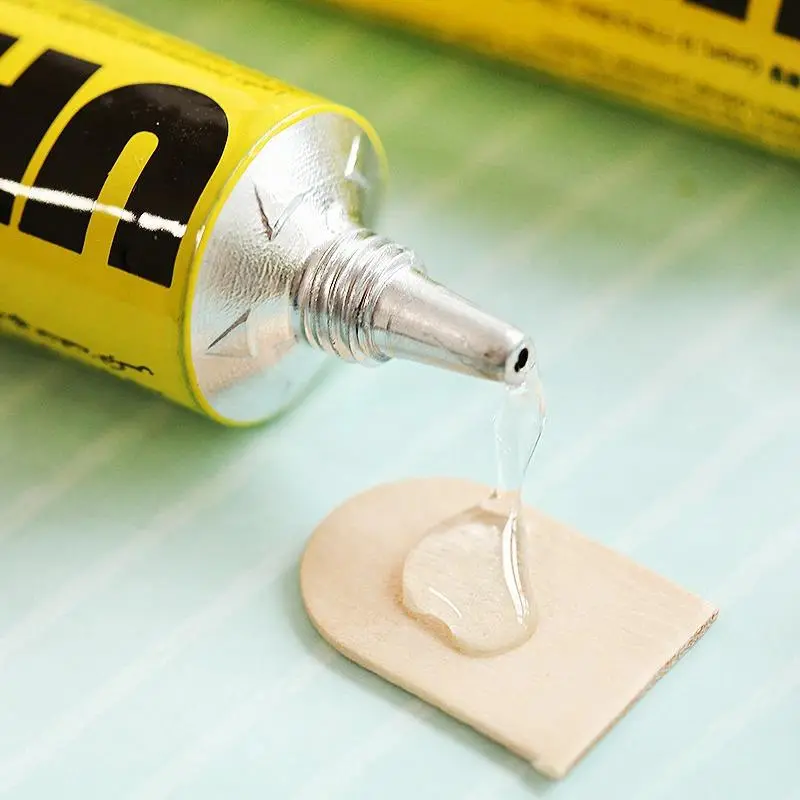
Enhance adhesion, flexibility, and curing properties.
Improve print quality, drying time, and stability.
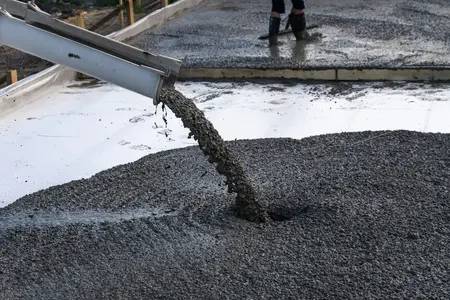
Used in concrete, mortars, and other building materials to improve workability, strength, and durability.
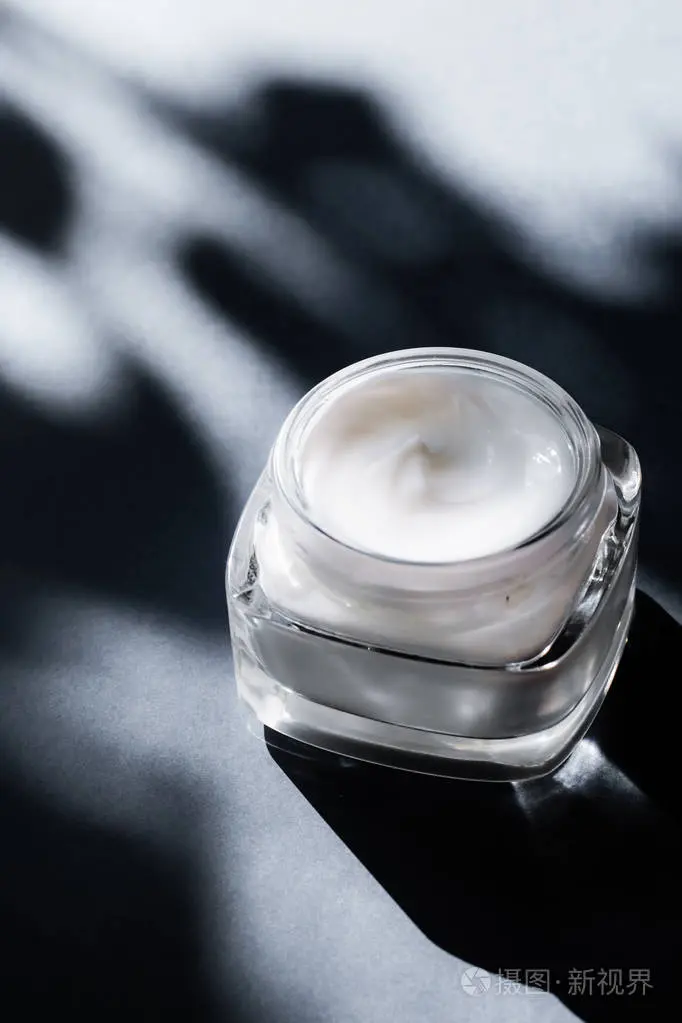
Enhance the texture, stability, and efficacy of lotions, shampoos, and other personal care items.
Improve the efficiency and effectiveness of various manufacturing and processing operations.
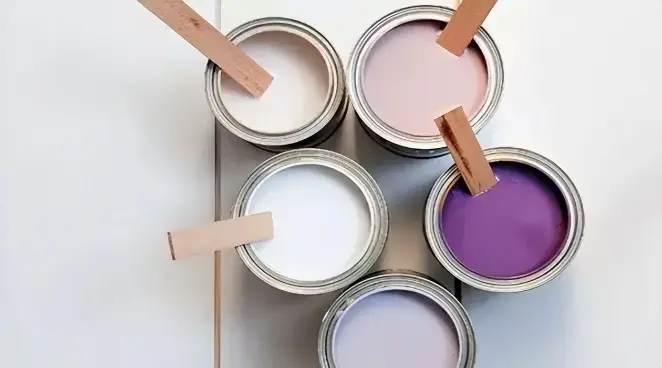
Water-based additives are characterized by their water solubility or dispersibility, environmental friendliness (lower VOC emissions compared to solvent-based alternatives), and high versatility in modifying formulation properties like viscosity, stability, and adhesion.
Dispersants help to distribute solid particles evenly in liquid mediums to prevent clumping and settling, which is essential for paints and inks. Surfactants reduce surface tension to enhance wetting, spreading, and emulsification in detergents, cleaners, and emulsions.
Thickeners and rheology modifiers (such as cellulose derivatives and acrylic thickeners) are used to adjust the viscosity and flow. Defoamers and antifoaming agents are utilized to prevent or reduce foam formation during manufacturing processes.
Biocides and preservatives prevent microbial growth to extend the shelf life of water-based products. Corrosion inhibitors protect metal surfaces from corroding when they come into contact with water-based systems, such as in coatings and cooling systems.
They are widely applied in coatings and paints, adhesives and sealants, inks, construction materials (like concrete and mortars), personal care products (lotions, shampoos), and various industrial manufacturing processes.
Plasticizers increase the flexibility and workability of materials like adhesives and sealants. Stabilizers, on the other hand, enhance the overall stability of emulsions, suspensions, and other complex formulations in food, cosmetics, and pharmaceuticals.