Best High-Quality Formaldehyde from China Suppliers | Reliable Factory Production with Competitive Pricing Factory, Factories

Formaldehyde is a widely used chemical product, recognized for its simple production process and abundant supply of raw materials. As a colorless gas with a strong, pungent odor, formaldehyde is essential in various industries. In China, leading suppliers and factories excel in the manufacture and distribution of high-quality formaldehyde, meeting global demand and ensuring reliable supply chains. Choose trusted China suppliers for your formaldehyde needs to guarantee quality and consistency.

Product Description

Appearance

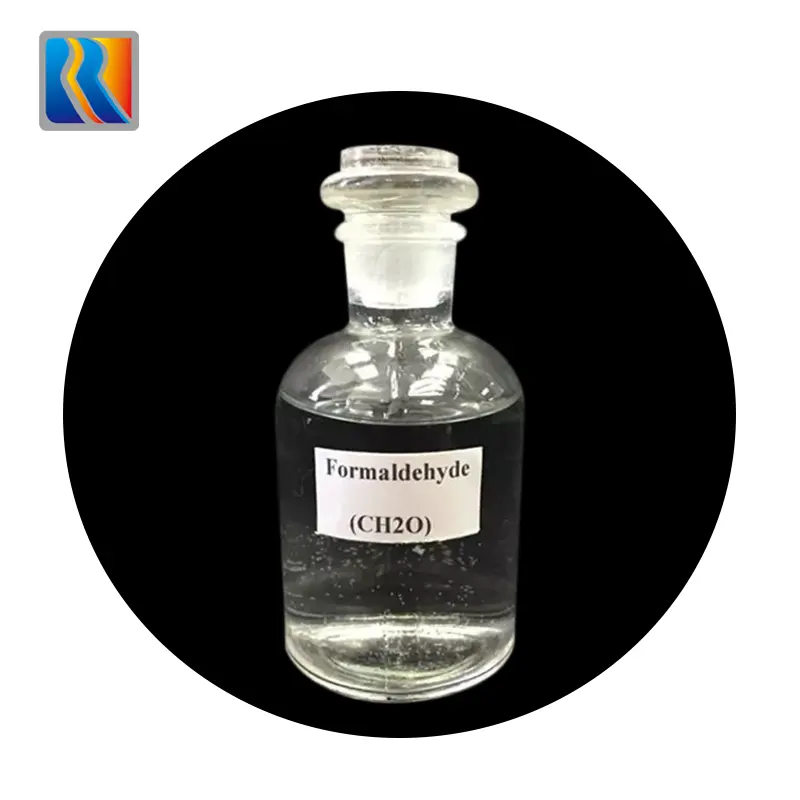
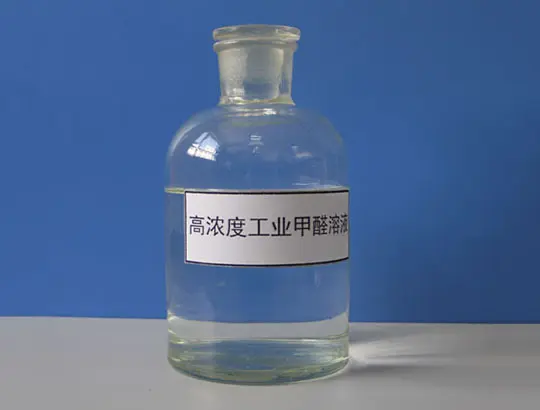
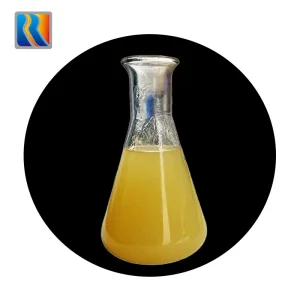
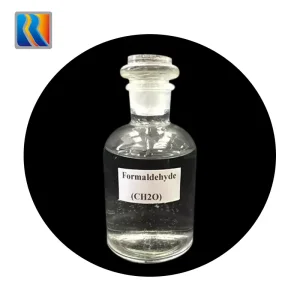
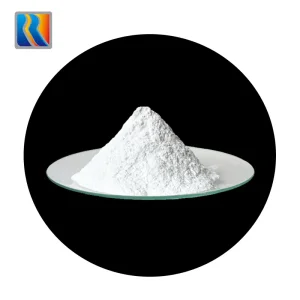
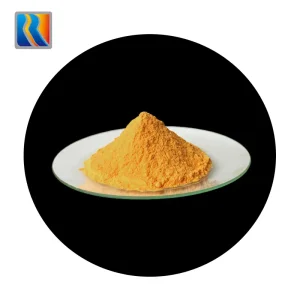
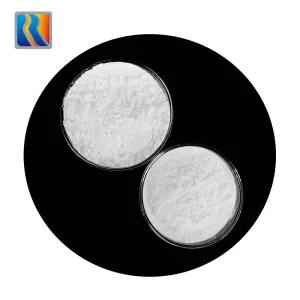
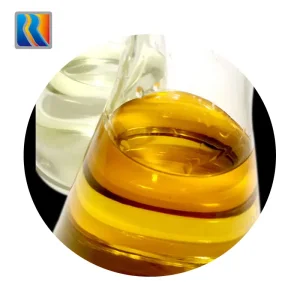
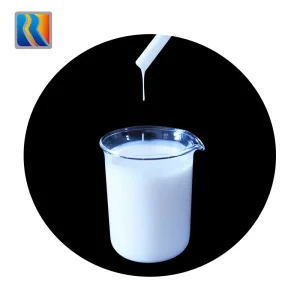
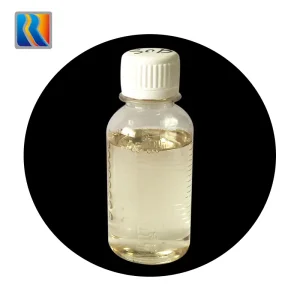
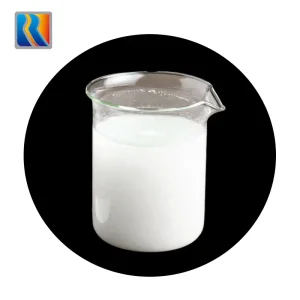
Formaldehyde is a mass chemical product with wide use, simple production process and sufficient supply of raw materials. Formaldehyde appears as a colorless gas with a strong, pungent odor. It is highly soluble in water and is often used in its aqueous form, known as formalin. In its gaseous state, formaldehyde is not visible to the naked eye, but its distinctive odor can be detected at low concentrations. When formaldehyde is in liquid form, it is clear and has a sharp, acrid smell. In solid form, formaldehyde can exist as a white, crystalline powder.
Formaldehyde appearance analysis
Formaldehyde chemical characterization

Applications

Formaldehyde has a wide range of applications across various industries. Some of the key uses of formaldehyde include:
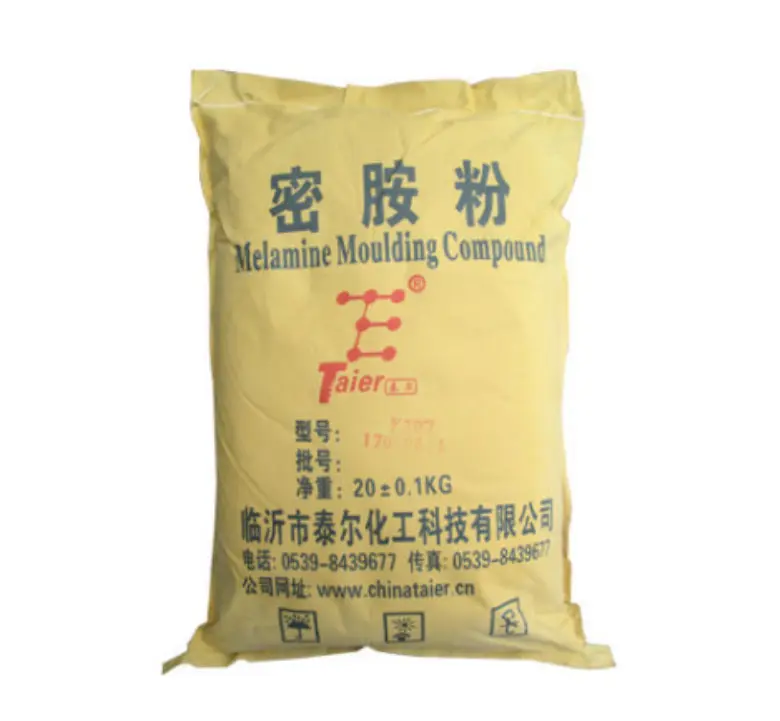
Resins and Adhesives: Formaldehyde is a key building block in the production of resins such as urea-formaldehyde, phenol-formaldehyde, and melamine-formaldehyde, which are used in the manufacturing of wood products, laminates, and adhesives.
Textile Treatment: It is used in the textile industry for finishing and wrinkle-resistant treatments of fabrics.
Disinfectants and Biocides: Formaldehyde-based solutions are used as disinfectants and biocides in healthcare settings, laboratories, and industrial facilities.
Production of Plastics: Formaldehyde is a precursor in the production of various plastics, including polyoxymethylene (POM) and polyacetal.
Preservatives: It is used as a preservative in some consumer products, such as cosmetics, personal care items, and household cleaners.
Agriculture: Formaldehyde-based products are used in agriculture as preservatives for animal feed and as a fumigant for controlling pests.
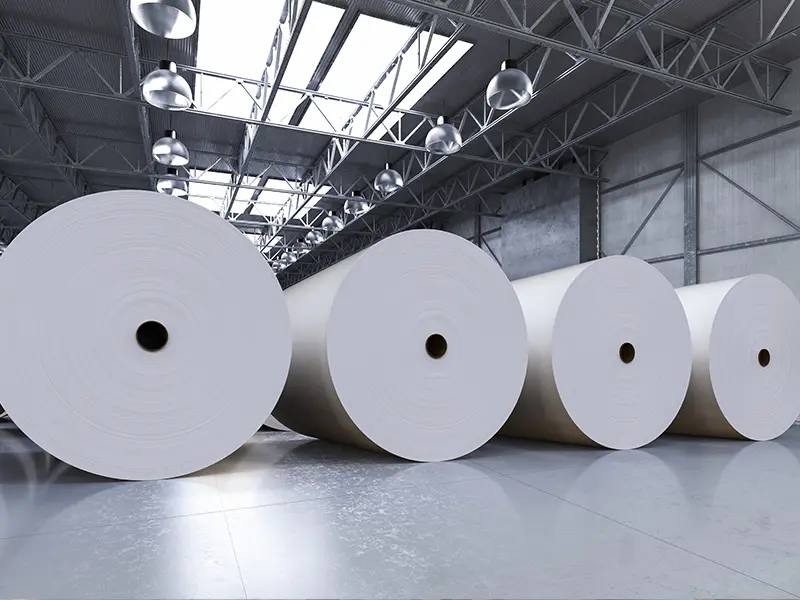
Paper Industry: It is used in the production of paper and paper products as a wet-strength resin.
Automotive Industry: Formaldehyde-based resins are used in the manufacturing of automotive components and parts.
These are just a few examples of the diverse applications of formaldehyde in various industrial and commercial sectors.

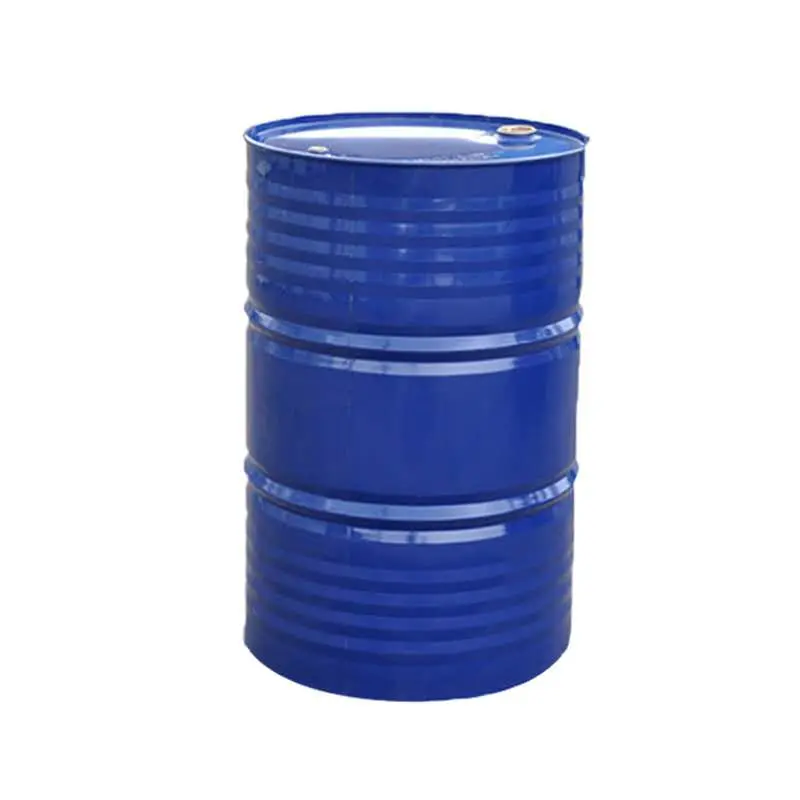
Formaldehyde application in resins
Formaldehyde industrial usage
Formaldehyde manufacturing process
Formaldehyde chemical applications

Frequently Asked Questions (FAQ)

What is the physical appearance of formaldehyde?

Formaldehyde is a colorless gas in its natural state. When dissolved in water, it forms a clear liquid known as formalin. It can also exist as a white, crystalline powder in its solid form.

Does formaldehyde have a noticeable smell?

Yes, formaldehyde has a highly distinctive, strong, and pungent odor. This sharp, acrid smell can be easily detected even at low concentrations, despite the gas being invisible to the naked eye.

How is formaldehyde used in the wood and adhesive industries?

Formaldehyde acts as a key building block for producing essential industrial resins, including urea-formaldehyde, phenol-formaldehyde, and melamine-formaldehyde. These resins are widely used to manufacture wood products, laminates, and strong adhesives.

Is formaldehyde used in consumer products and agriculture?

Yes, it serves as a preservative in consumer products such as cosmetics, personal care items, and household cleaners. In agriculture, it is used as a preservative for animal feed and as a fumigant for pest control.

What role does formaldehyde play in the textile and paper industries?

In the textile industry, formaldehyde is used for finishing treatments to make fabrics wrinkle-resistant. In the paper industry, it is utilized as a wet-strength resin to improve the durability of paper products.

Related Products