 Runtai
1 / 1
Phenolic resins are thermosetting, meaning they undergo a curing process that forms a hard, infusible, and insoluble material. Once set, they cannot be remelted.
Phenolic resins exhibit excellent mechanical properties, including high tensile strength and rigidity.
Phenolic resins can withstand high temperatures without losing their structural integrity, making them suitable for high-heat applications.
Phenolic resins are resistant to a wide range of chemicals, including acids and bases, which makes them useful in harsh chemical environments.
Phenolic resins have good electrical insulating properties, making them ideal for electrical and electronic applications.
Phenolic resins are inherently flame-retardant, which adds to their safety in various applications.
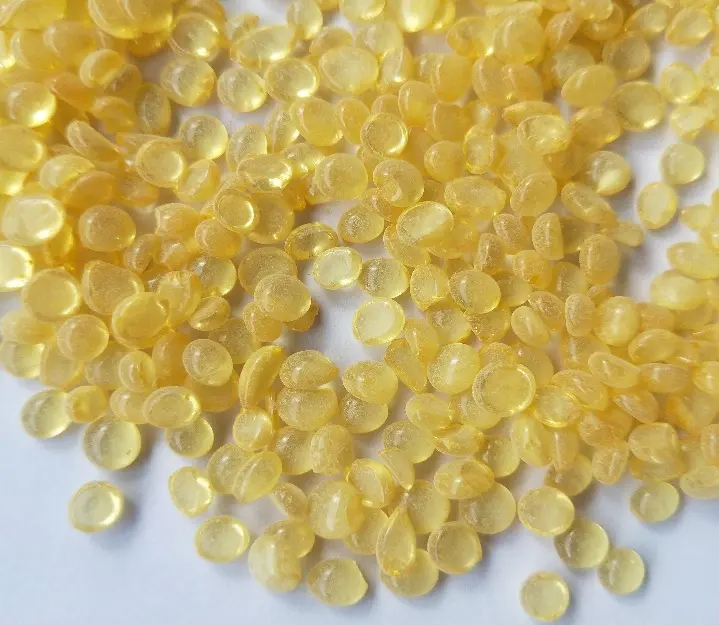
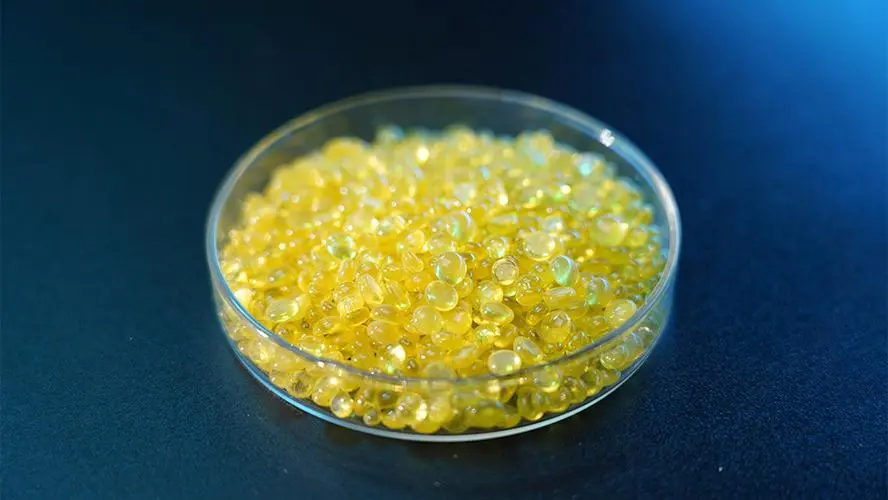
Used in the production of plywood, particleboard, and other wood products.
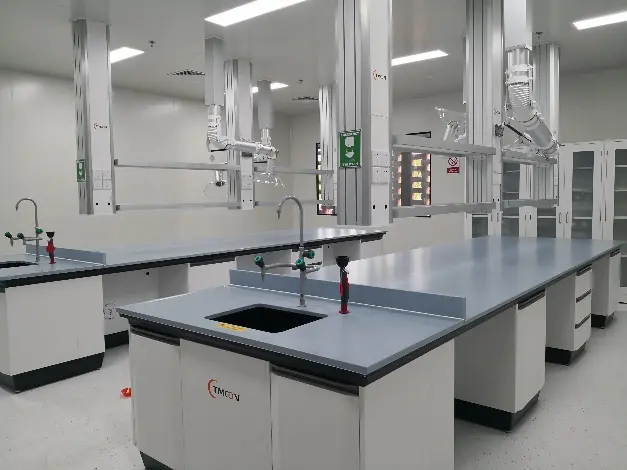
Utilized in the manufacturing of molded items such as billiard balls, laboratory countertops, and automotive parts.
Employed in surface coatings and laminates for their durability and resistance to heat and chemicals.
Used in high-performance composites and friction materials like brake pads and clutch plates.
Applied in the production of circuit boards, insulators, and other electrical components due to their insulating properties.
Used as a binder in foundry sand molds and cores.
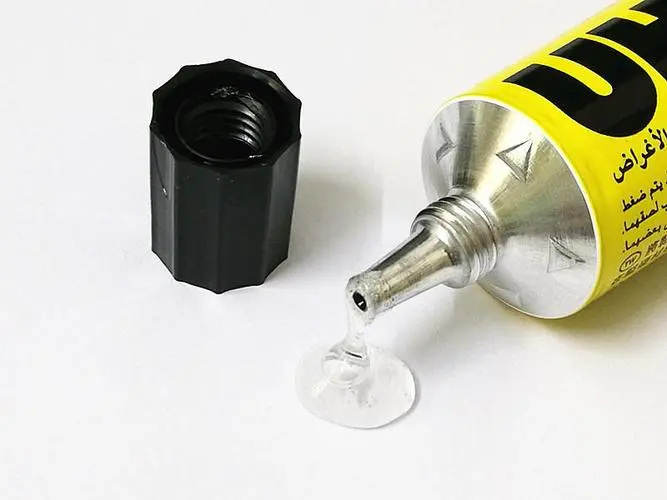


Phenolic resins exhibit exceptional heat resistance, allowing them to maintain their structural integrity and mechanical properties even when exposed to high temperatures.
As thermosetting polymers, phenolic resins undergo a chemical curing process that forms cross-linked molecular structures. This makes them permanently hard, infusible, and insoluble, preventing them from being remelted.
Due to their strong electrical insulating properties, they are widely used in manufacturing circuit boards, electrical insulators, and various other electronic components.
They are key materials in high-performance composites and friction components, such as brake pads, clutch plates, and structural parts that require high durability and heat resistance.
Yes, phenolic resins provide excellent resistance to a broad range of chemicals, including acids and bases, making them ideal for harsh industrial and laboratory environments.