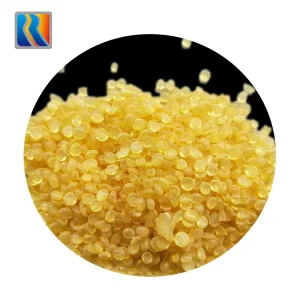
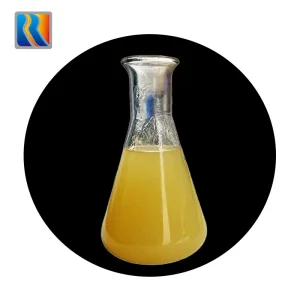
An in-depth analysis of factors affecting the cost of formaldehyde and downstream derivatives.
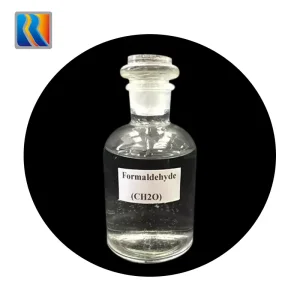
Formaldehyde (CH2O) remains the foundational cornerstone of modern thermosetting resins, polymer chemistry, and industrial adhesives. As an essential platform chemical, evaluating the cost of formaldehyde is not merely a matter of checking spot raw material markets; it requires a systemic comprehension of methanol feedstocks, regional gas-to-coal energy configurations, catalytic efficiencies, and localized logistics. Global manufacturers must navigate these multi-layered variables to achieve operational reliability and cost-efficiency.
Methanol feedstock constitutes roughly 60% to 70% of the total cash production cost of formaldehyde. The conversion stoichiometry dictates that approximately 0.44 tons of pure methanol are consumed for every ton of standard 37% formaldehyde solution produced. Consequently, any microeconomic fluctuations in natural gas pricing (predominantly in the US and Middle East) or coal markets (predominantly in the Asia-Pacific region) directly feed into the market price of formaldehyde. High-performance factories mitigate this volatility by establishing integrated, long-term supply arrangements or utilizing direct coal-to-chemical/gas-to-chemical pipelines to secure predictable feedstock costs.
Evaluating how Silver Catalyst vs. Metal Oxide systems determine yields and utility expenditures.
Shandong Runtai New Materials utilizes state-of-the-art Distributed Control Systems (DCS) to manage continuous reaction parameters. This real-time loop feedback maintains reactor temperatures within 0.5°C margins, preventing runaway methanol oxidation and maximizing molar yield.
Operating in a methanol-rich environment above the upper flammability limit, this pathway yields high-concentration formaldehyde. Advanced silver catalyst regeneration intervals are optimized to decrease downtime and reduce structural maintenance overheads.
For applications requiring ultra-low methanol residuals, the iron-molybdenum oxide process operates under lean methanol conditions, offering high single-pass conversion rates (exceeding 98%) that reduce separation costs down the line.
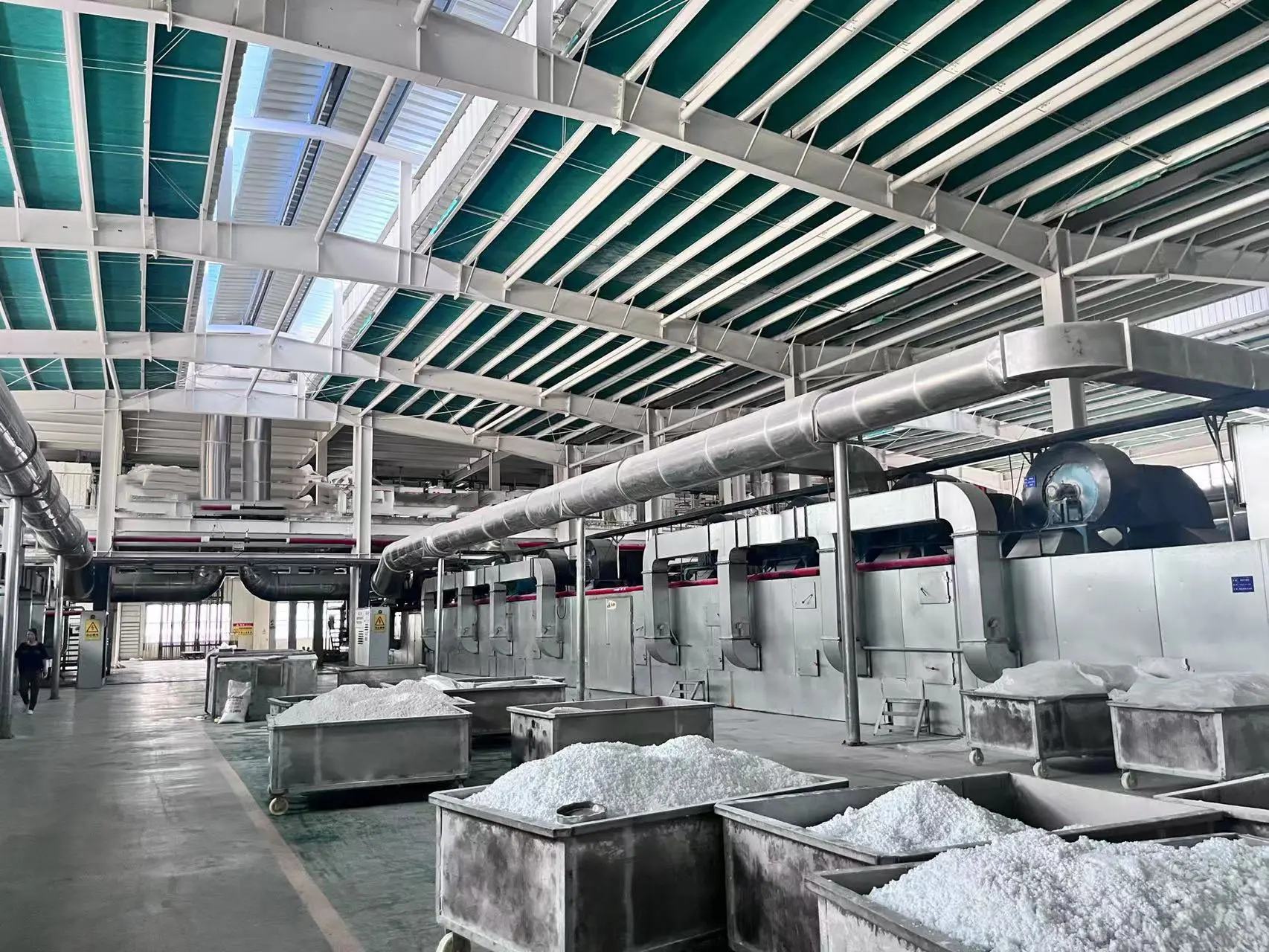
Beyond feedstock costs, utility consumption represents a critical cost center. Runtai New Materials implements energy recovery loops: the intense exothermic heat generated during methanol oxidation is harnessed via waste heat boilers to generate high-pressure steam. This steam is then piped to downstream production loops, including our Urea Formaldehyde Resin and Melamine Powder systems, driving down the overall energy profile of the manufacturing facility.
Shandong Runtai New Materials Co., Ltd. - A Global Chemicals Powerhouse
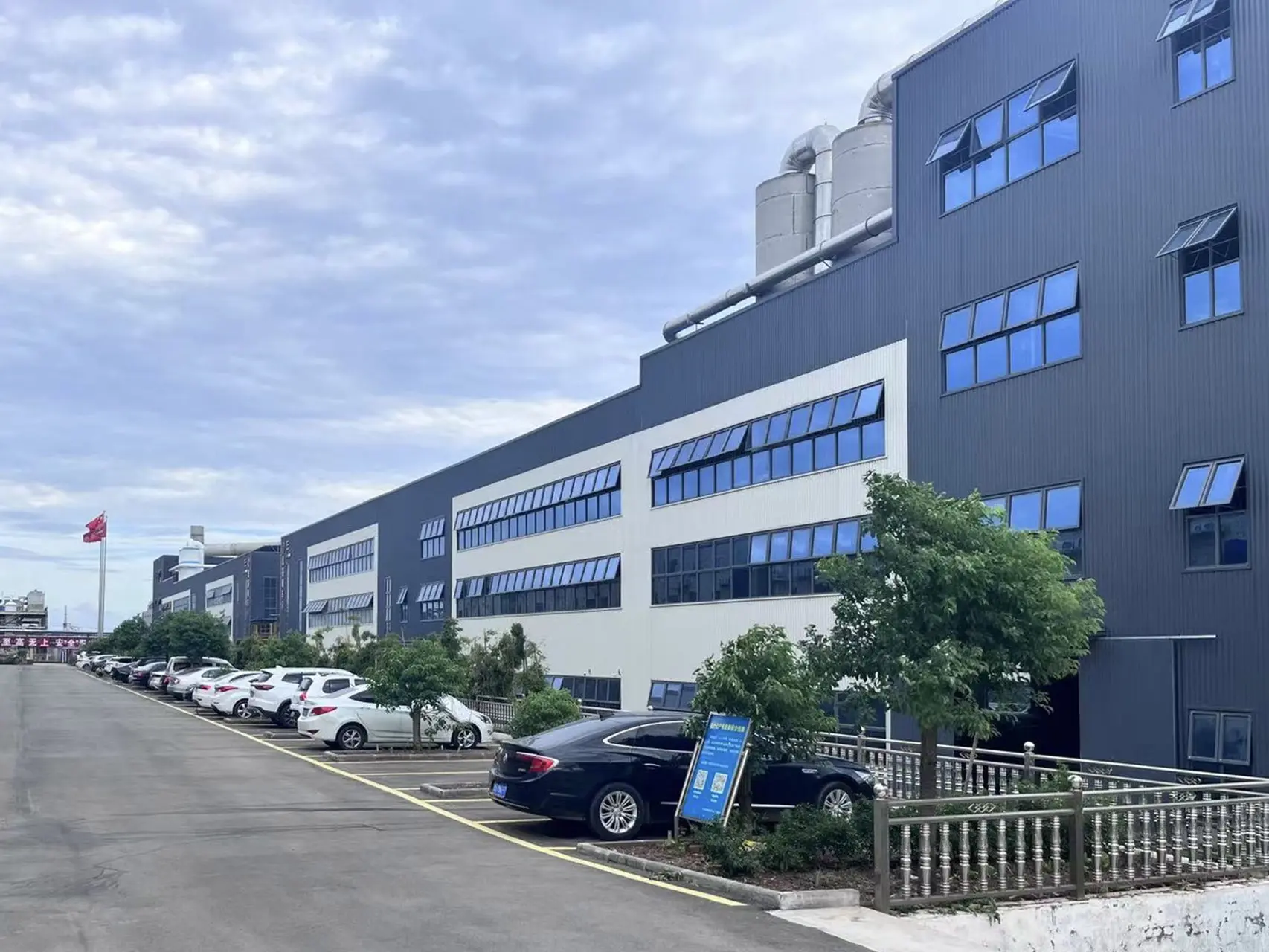
Founded in March 2020, Shandong Runtai New Materials Co., Ltd. is a comprehensive group firm specializing in fine chemical research, manufacturing, and international trade. The corporation has established operational branches across five strategic hubs in China, with its flagship headquarters located in Zaozhuang City, Shandong Province.
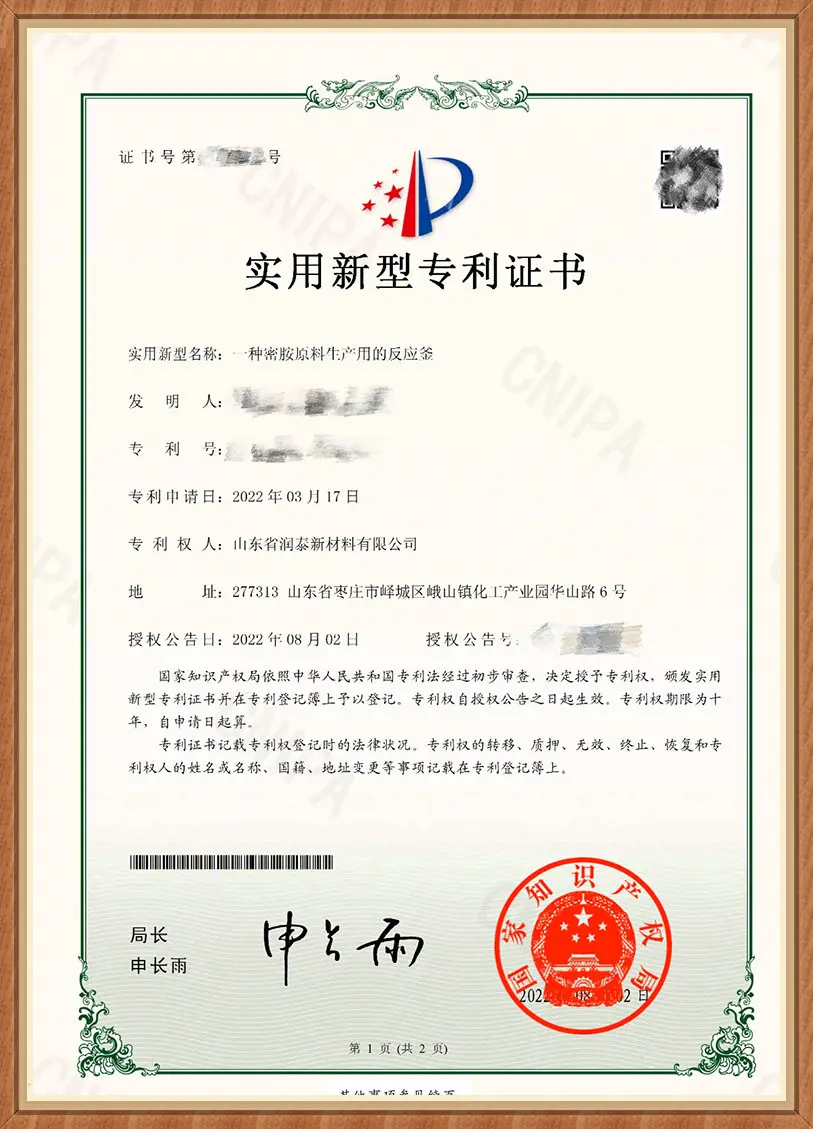
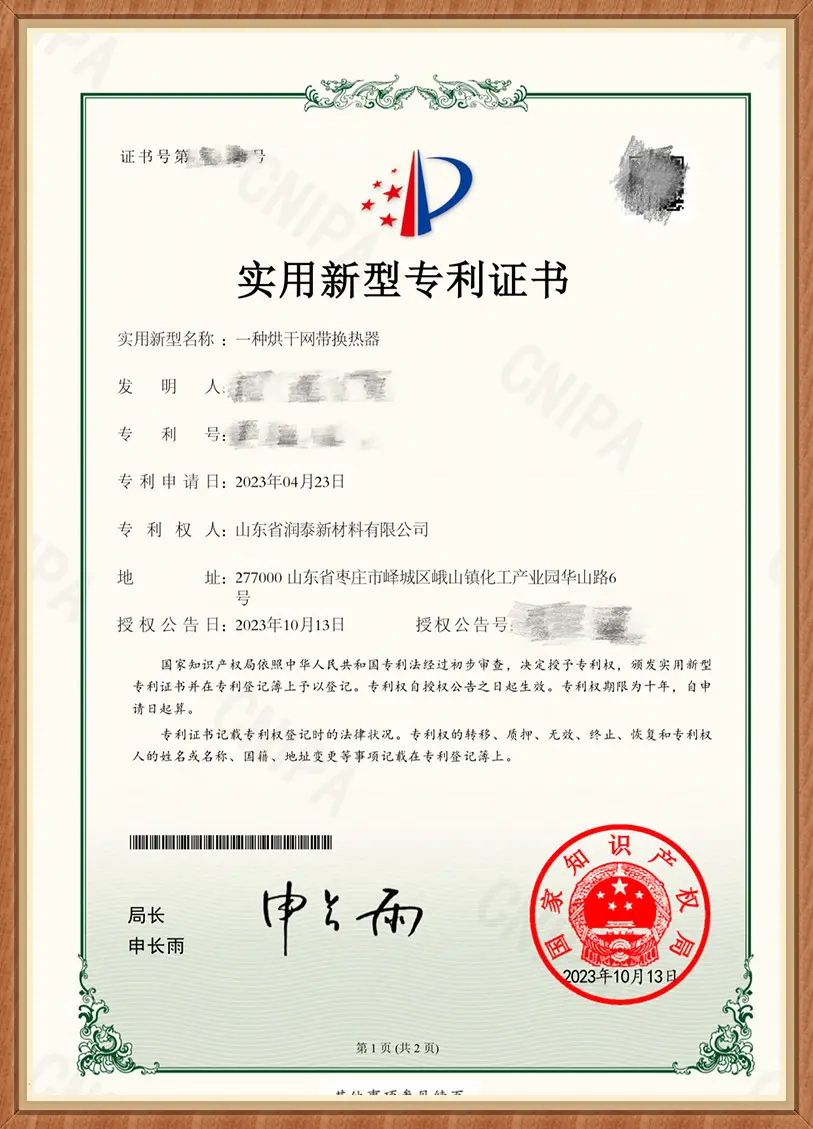
Spanning a state-of-the-art facility of 270,000 square meters and backed by a total investment of 2.06 billion yuan, Runtai integrates scientific research with full-scale production. We maintain key partnerships with elite institutions like the Changzhou Research Institute of Beijing University of Chemical Technology, housing an advanced doctoral R&D team and holding numerous proprietary technology patents.
By leveraging our deep integration of raw materials, we achieve unprecedented cost-efficiency. Over 80% of our production supports both key domestic initiatives and global markets in the United States, Thailand, Kenya, Egypt, and beyond.
Explore Our Technical Capacity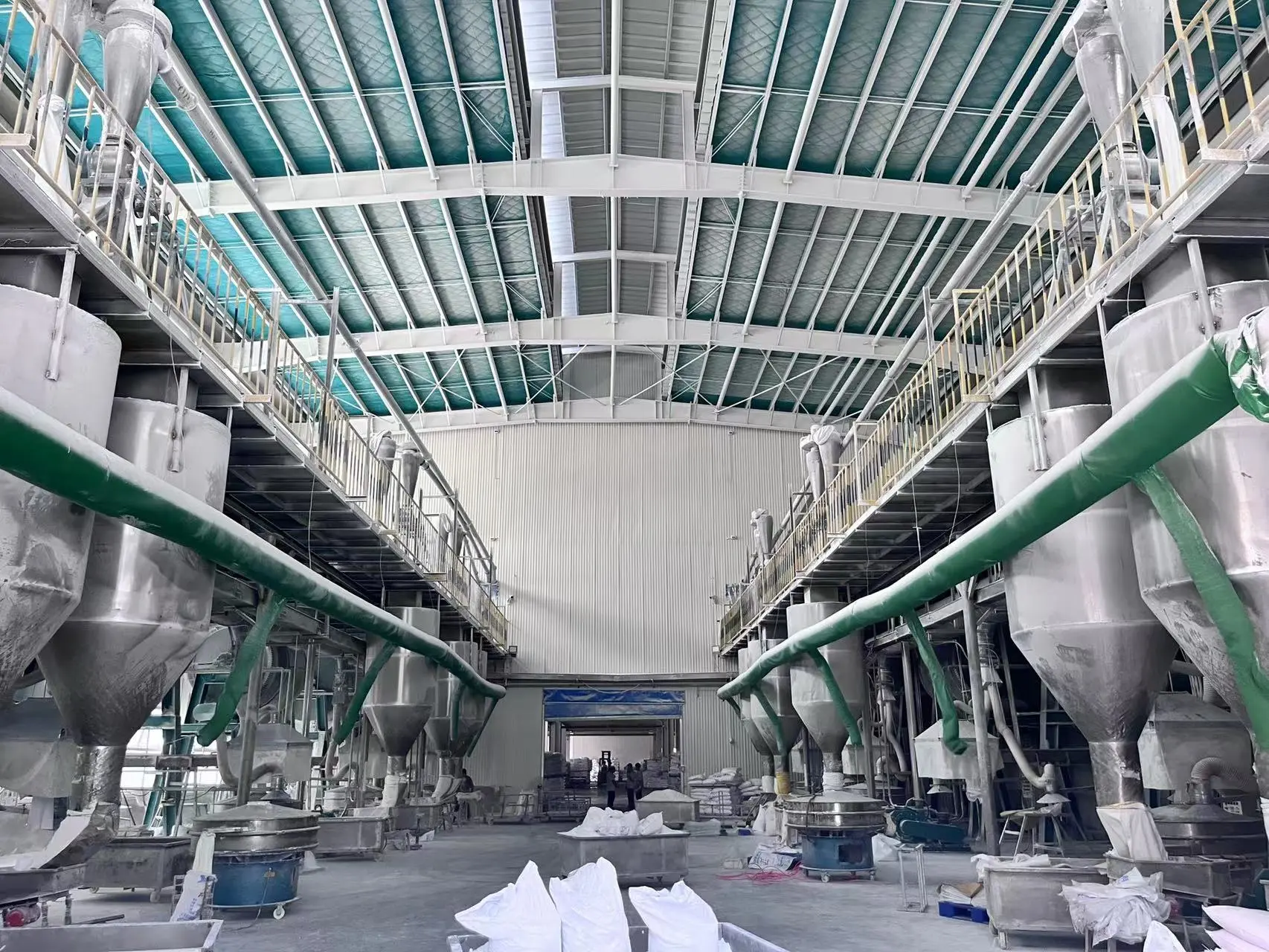
How our vertically integrated production chain reduces costs and ensures product purity.
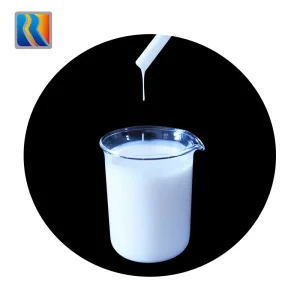
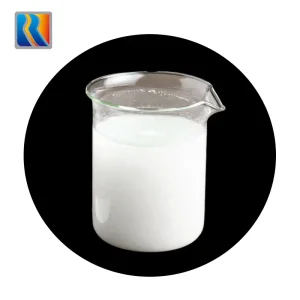
Representing a primary consumer of our onsite formaldehyde production, our 300,000-ton capacity ensures high-strength wood-bonding adhesives. Our direct-pipe supply eliminates transportation costs and prevents temperature degradation, passing the savings on to downstream plywood and composite board factories.
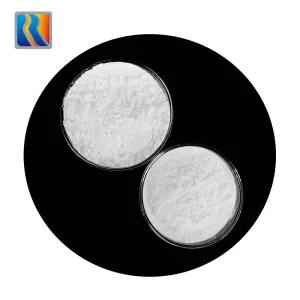
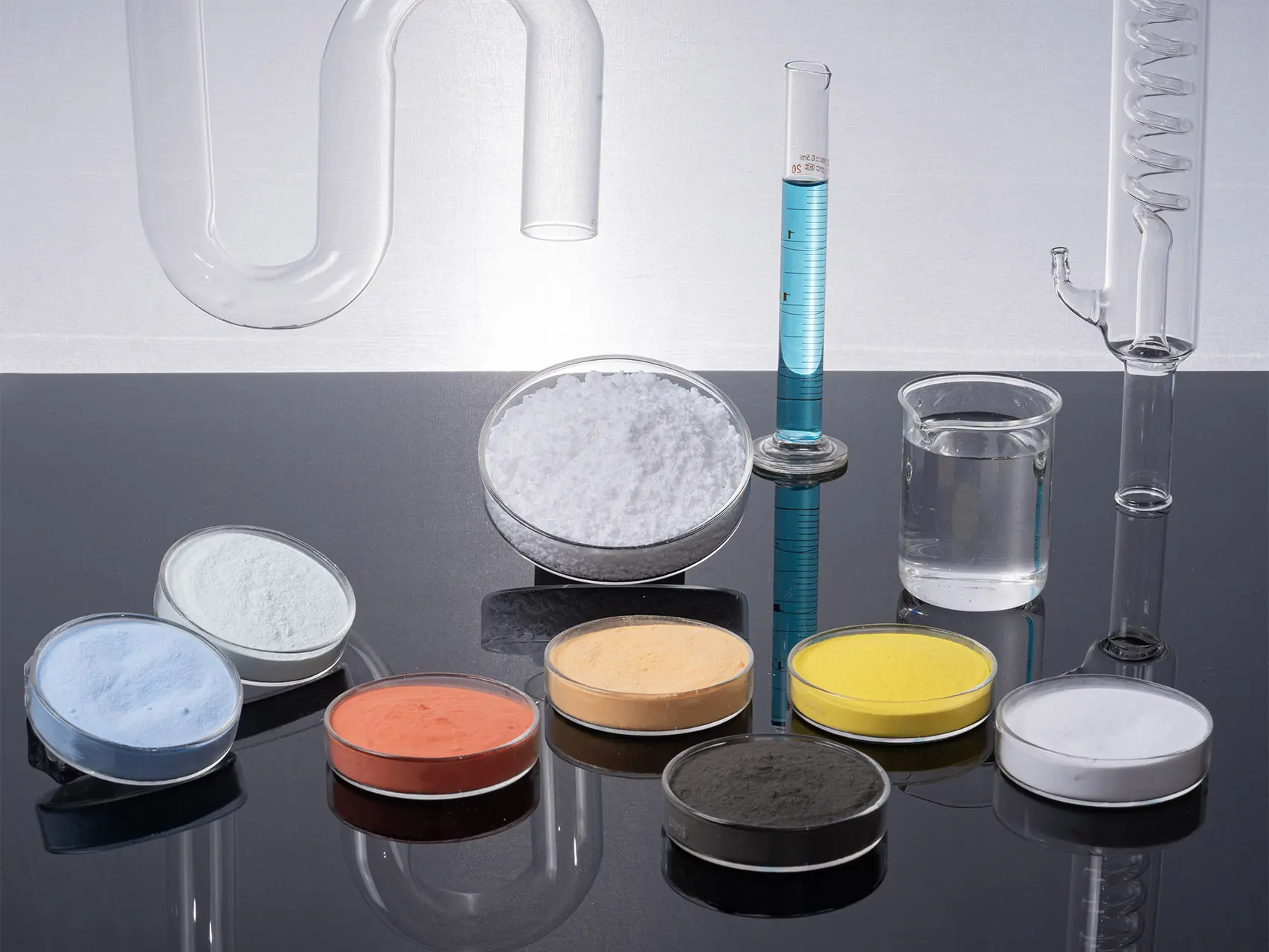
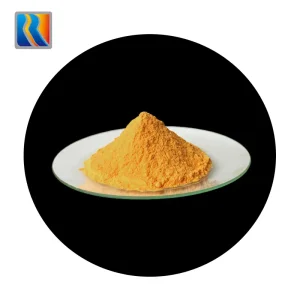
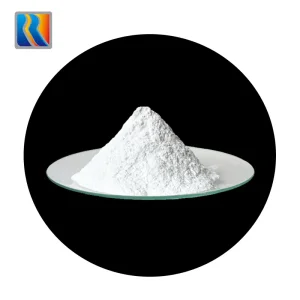
Leveraging our 60,000-ton annual melamine output and local formaldehyde supply, we produce MMC engineered for high-performance compression molding. This combination results in thermal stability and excellent electrical insulation.
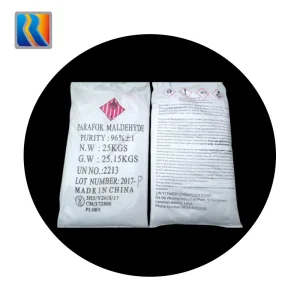
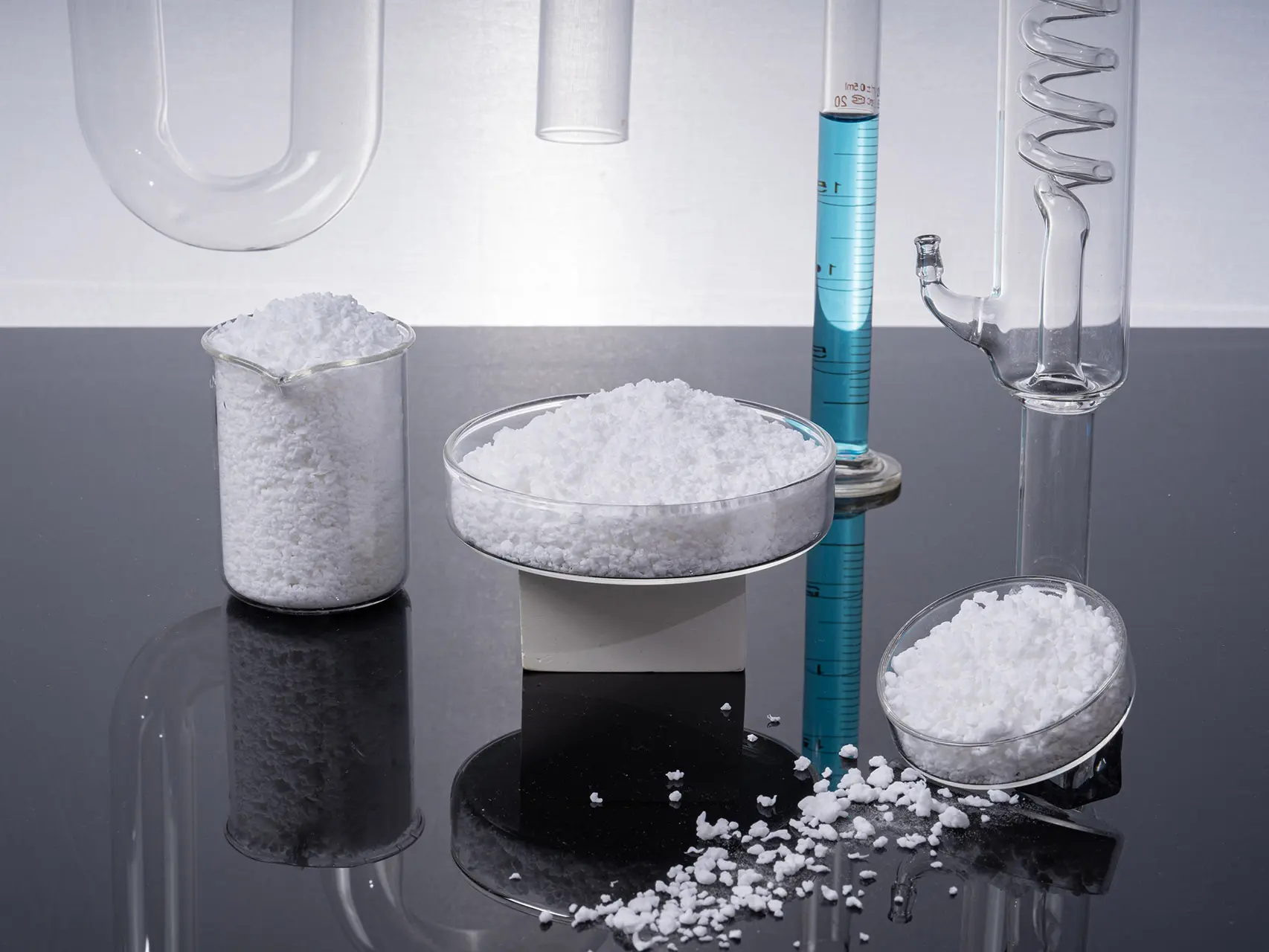
By dehydrating formaldehyde under controlled vacuum conditions, we produce paraformaldehyde containing up to 96% active ingredient. This solid alternative lowers international transport costs, making it ideal for organic synthesis, pharmaceutical, and pesticide applications.
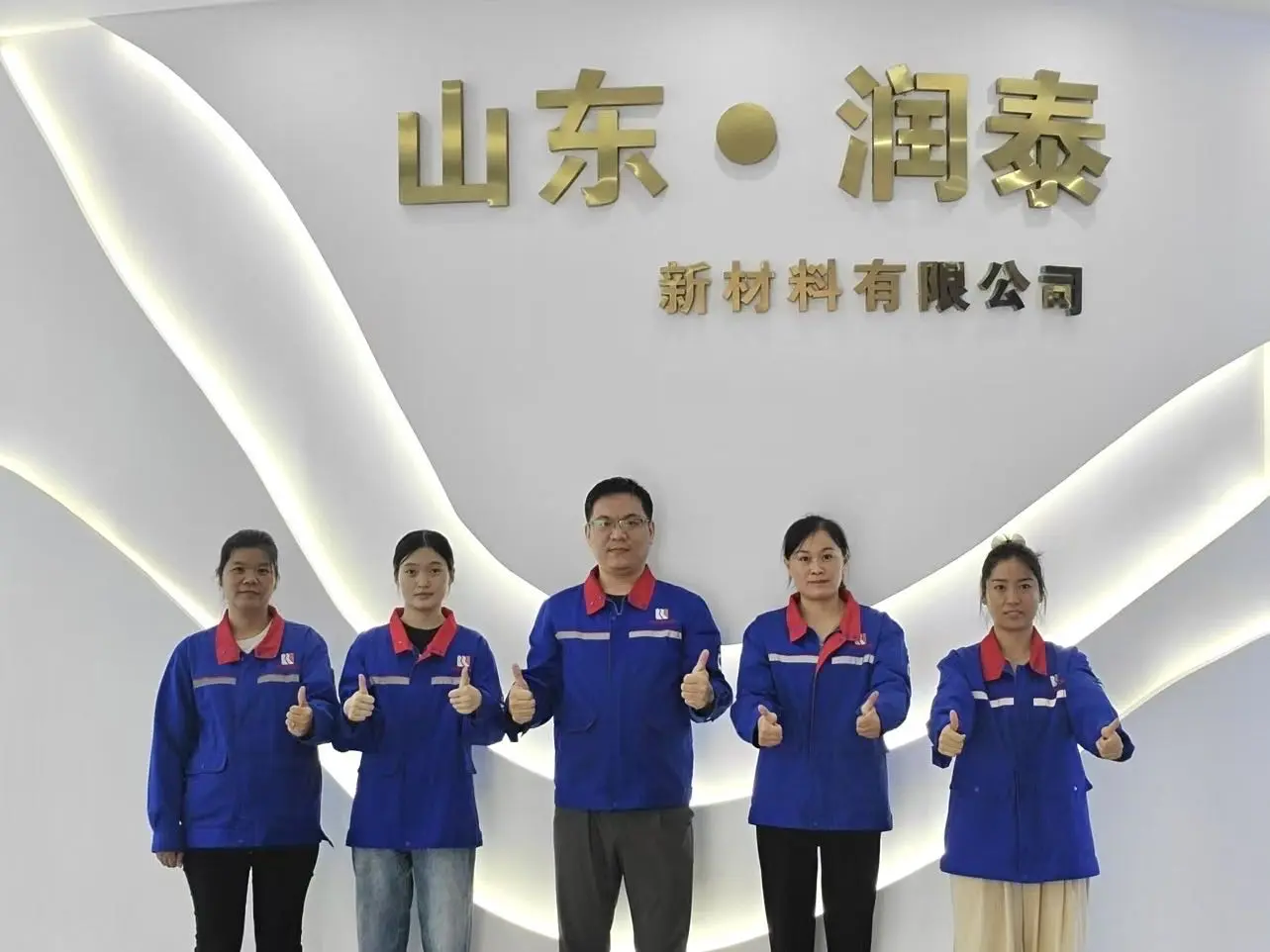
Runtai New Materials is a professional chemical supplier dedicated to satisfying customer requirements with superior chemical products and solutions. Our professional staff and cutting-edge production machinery are committed to the production of chemical goods that satisfy global standards.
We recognize that wood composites require different formaldehyde-to-urea molar ratios compared to coating additives. Hence, we offer tailor-made formulations. Our technical engineering team works directly with your facility to calibrate concentration, pH levels, and stabilizer types, ensuring compatibility with your current machinery.
Runtai New Materials prioritizes sustainable development and environmental preservation. Our commitment lies in developing and producing eco-friendly products that minimize their negative effects on the environment while adhering to pertinent laws, regulations, and standards.
We implement closed-loop tail gas catalytic incinerators that capture hydrogen and carbon monoxide off-gases, converting them into thermal energy. This strategy reduces carbon emissions and eliminates gaseous pollution. The "quality first, customer first" attitude has always guided our business, and we embrace customer service with honesty and professionalism.

Why global buyers trust Runtai New Materials as their primary chemical partner.
Following the expansion of our melamine projects, we have secured a leading market position. Our massive manufacturing scale provides us with bulk purchasing power for raw methanol, yielding cost advantages.
By integrating DCS control schemes across our production loops, we optimize energy usage, minimize structural catalyst wear, and maintain consistent quality parameters.
Partnering with institutions like the Changzhou Research Institute of Beijing University of Chemical Technology allows us to commercialize new products and improve catalytic pathways.
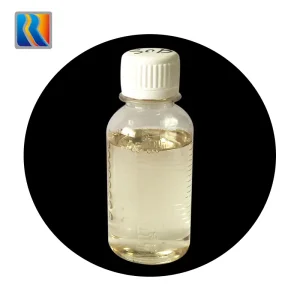
Our production chain spans from basic formaldehyde to adhesives, resins, and defoamers, allowing us to insulate downstream partners from volatile intermediate markets.
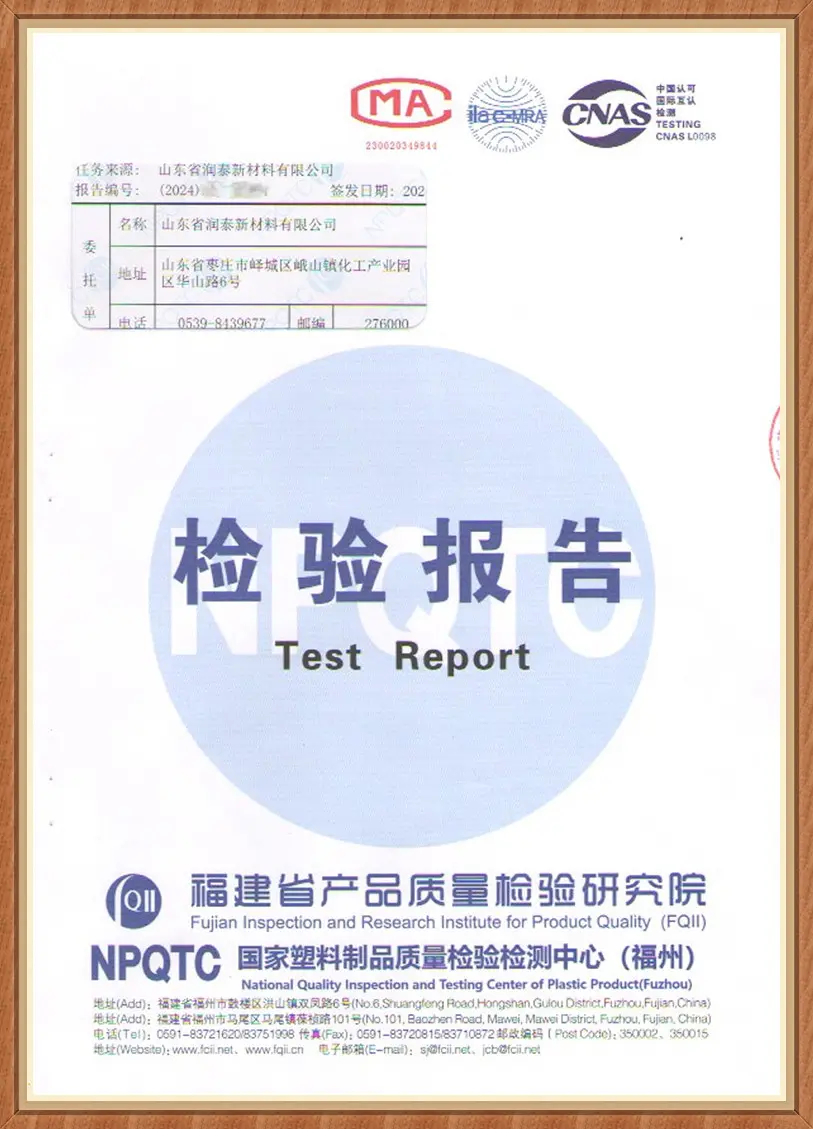
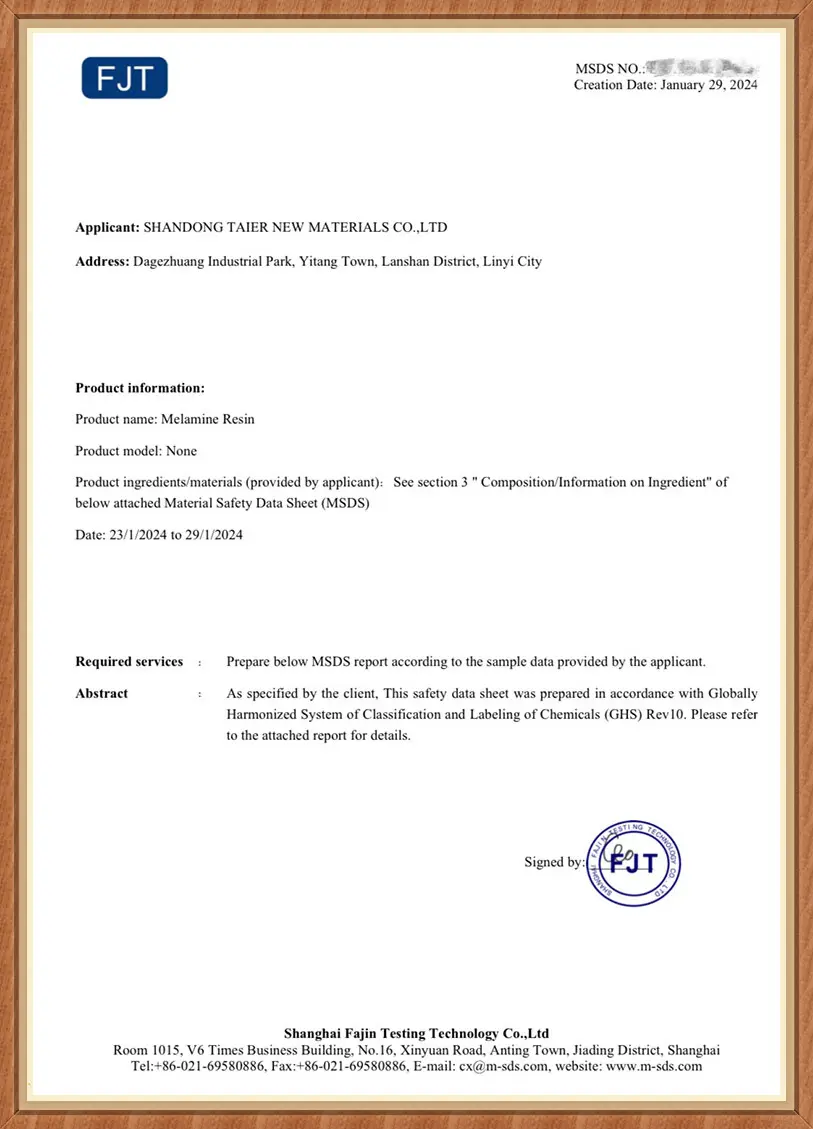
A look inside our ISO-certified facilities and global logistics systems.
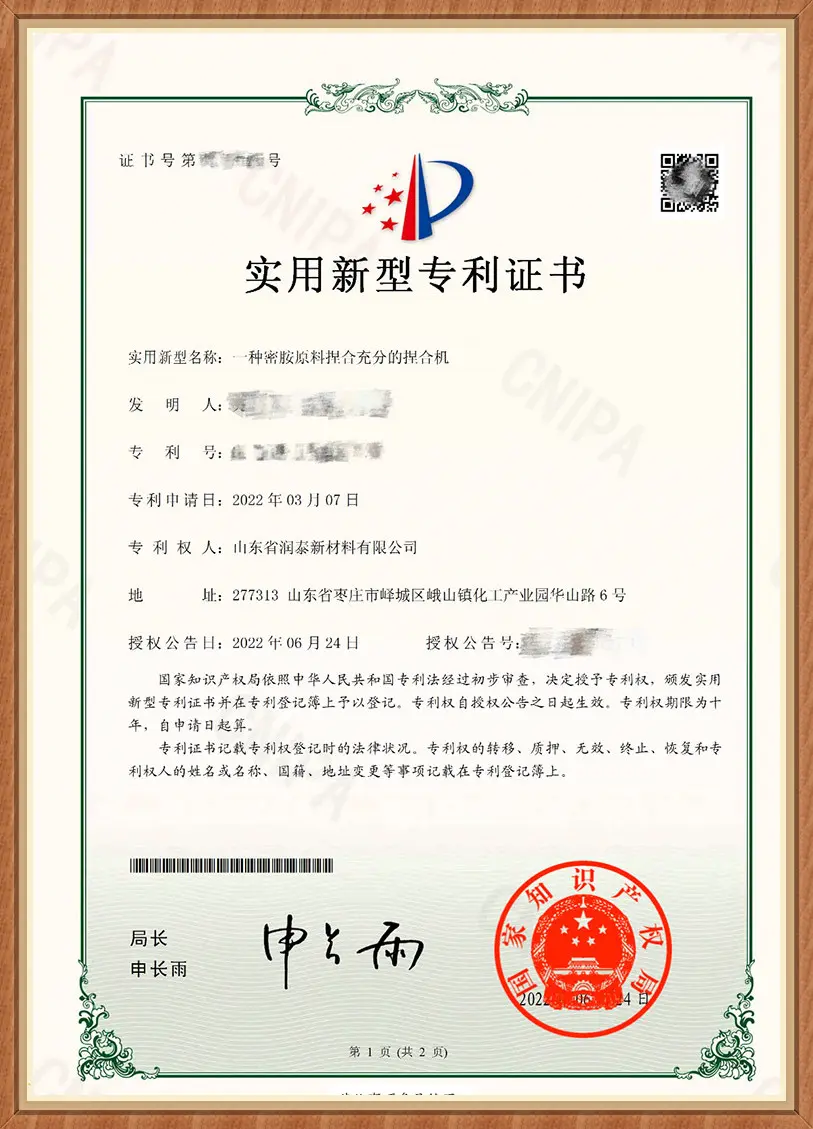
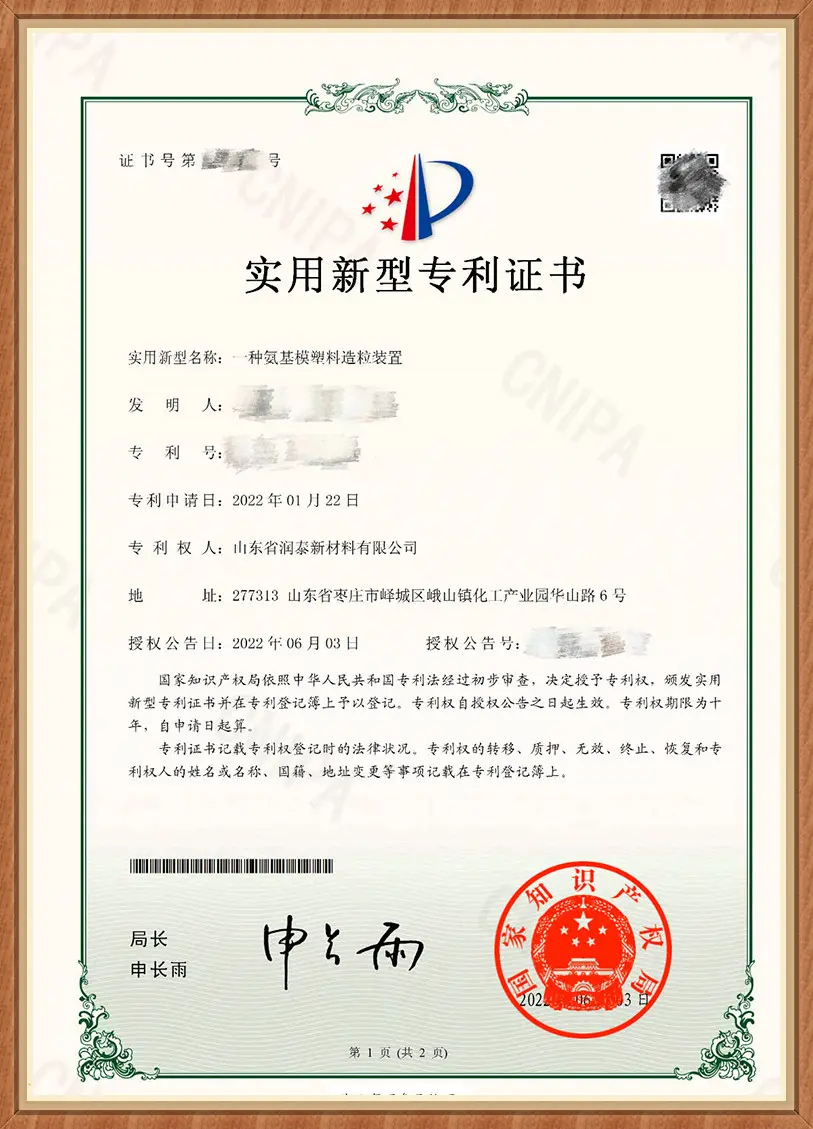
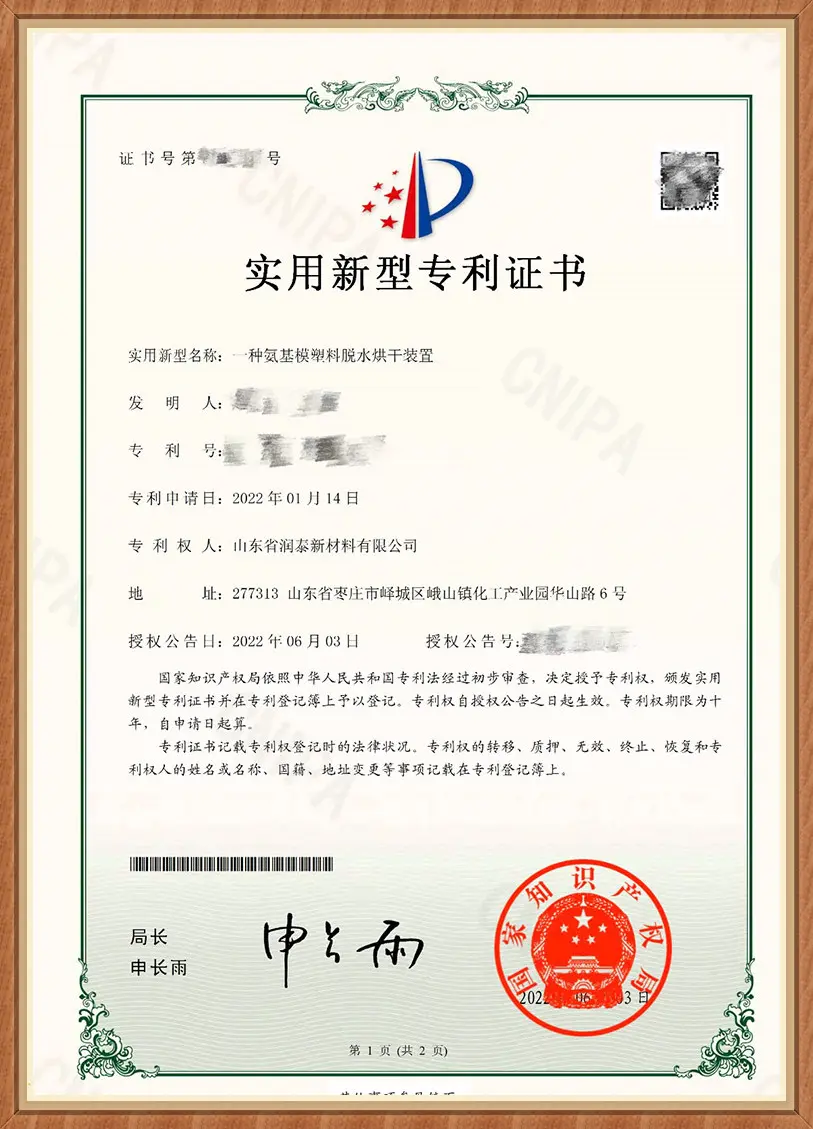
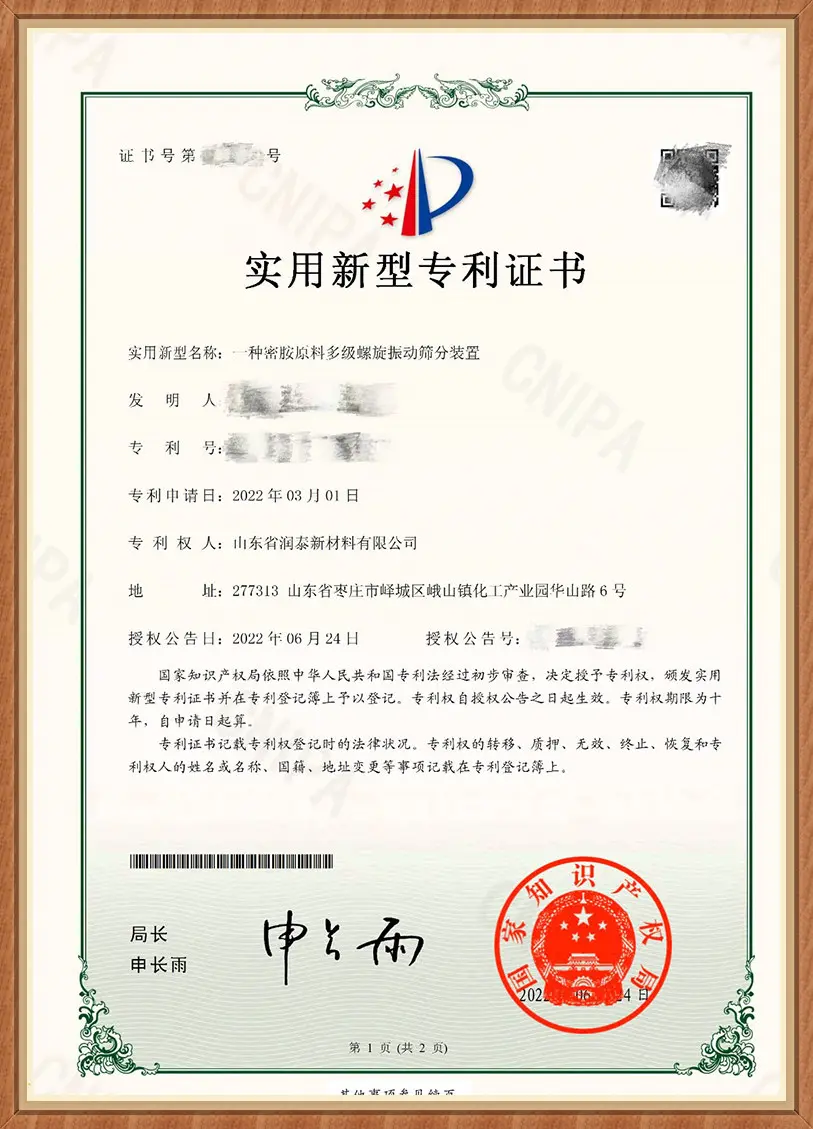
Expert insights regarding shipping mechanics, stabilizers, pricing indexes, and customized formulation protocols.
 Runtai