Explore our specialized range of high-efficiency liquid chemical compounds, resins, and active additives engineered for high-performance applications.
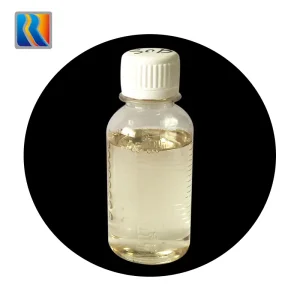
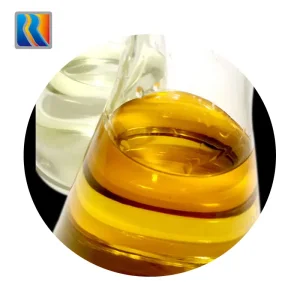
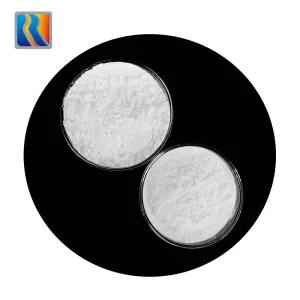
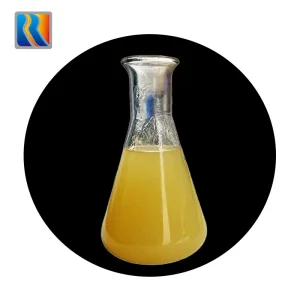
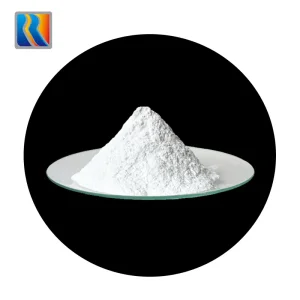
Analyzing the chemistry, stabilization, and commercial positioning of industrial-scale aqueous formaldehyde.
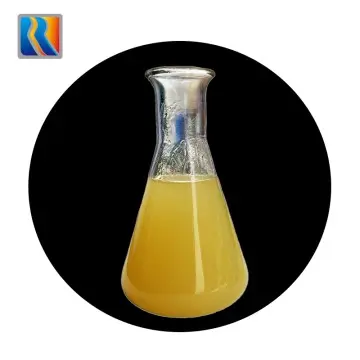
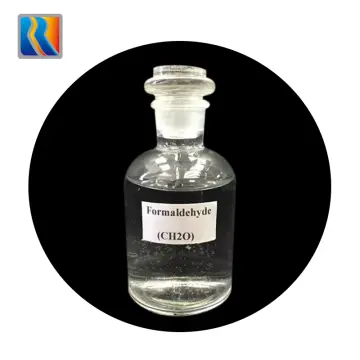
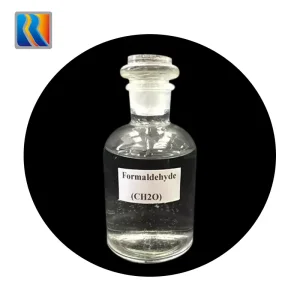
Formaldehyde liquid (methanal in aqueous solution, commonly known as formalin) serves as one of the most critical structural building blocks in modern synthetic chemistry. From architectural particle boards to advanced aerospace polymers, its high reactivity makes it indispensable. To source cheap formaldehyde liquids effectively, global industrial buyers must look beyond the unit price. Cost efficiency is defined by the manufacturer's vertical integration, thermal management during synthesis, and capacity to limit polymerization during shipping and storage.
Commercial formaldehyde is primarily manufactured through the catalytic oxidation of methanol. There are two dominant industrial processes: the silver catalyst process and the metal oxide catalyst process (Formox). The choice of process dictates the product's concentration, residual methanol (which acts as a natural stabilizer), and overall purity profile. At Shandong Runtai New Materials, we leverage automated control loops and high-purity feedstocks to supply consistent liquid formaldehyde grades ranging from standard industrial concentrations to ultra-stable low-free-formaldehyde formulations.
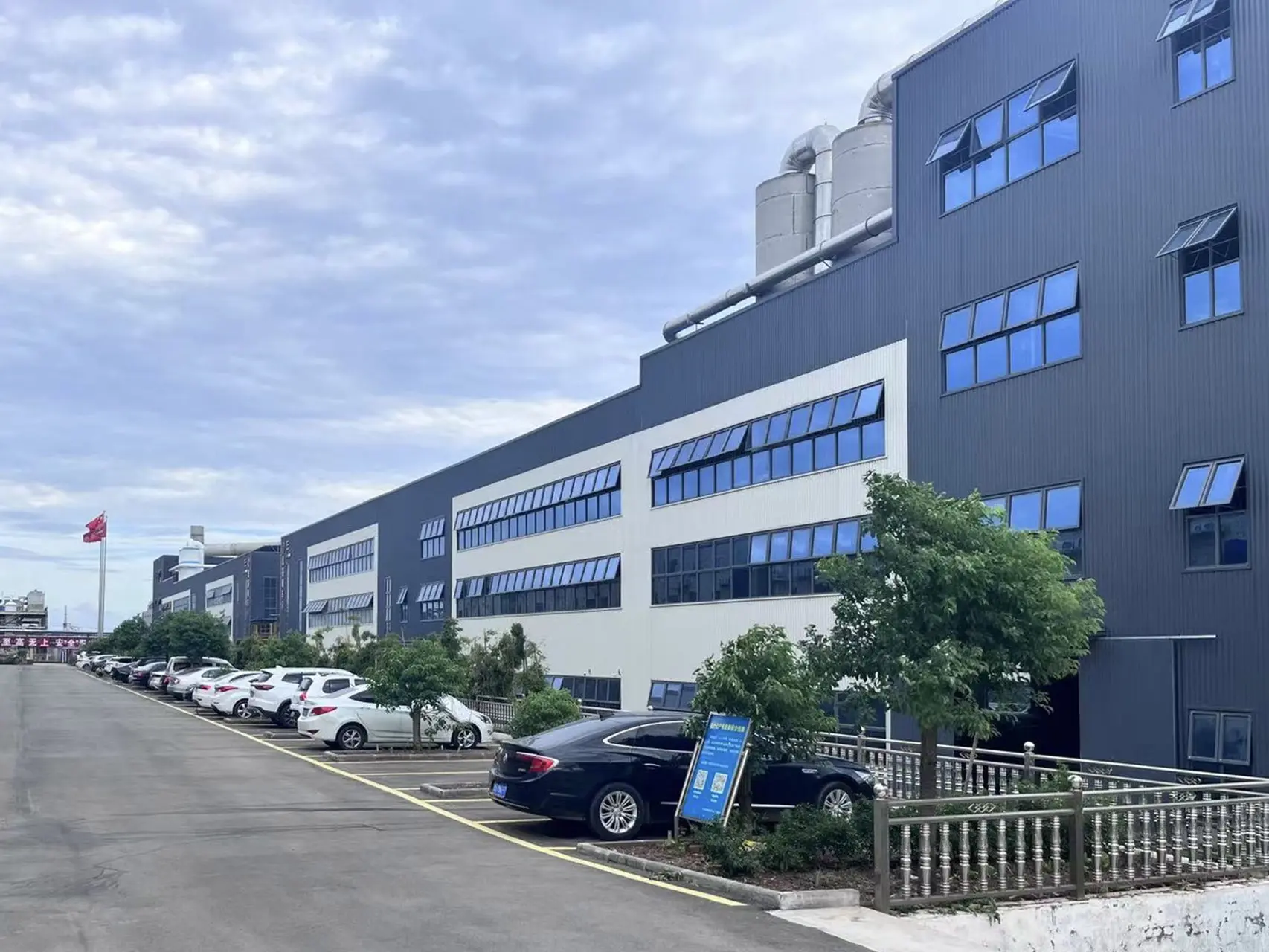
Founded in March 2020, Shandong Runtai New Materials Co., Ltd. is a comprehensive group firm specializing in high-performance fine chemical products. Our operations span an impressive footprint of 270,000 square meters in Zaozhuang City, Shandong Province, backed by a total strategic investment of 2.06 billion yuan.
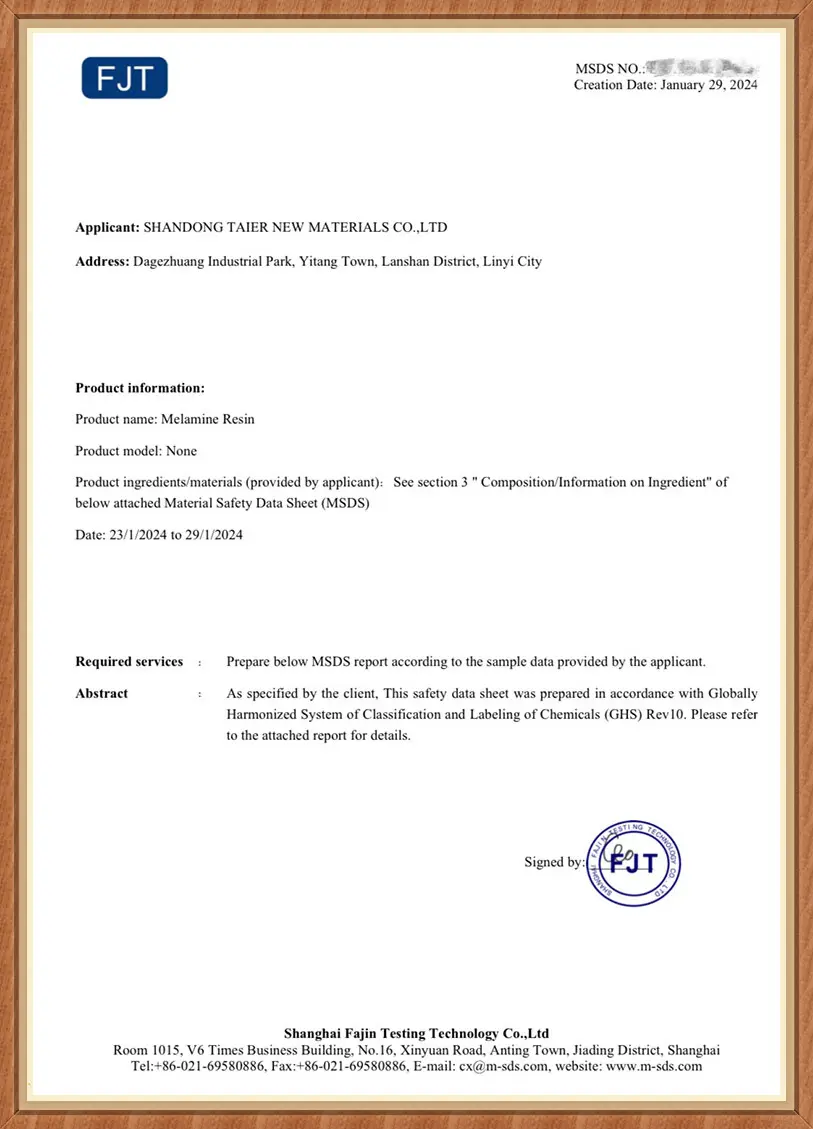
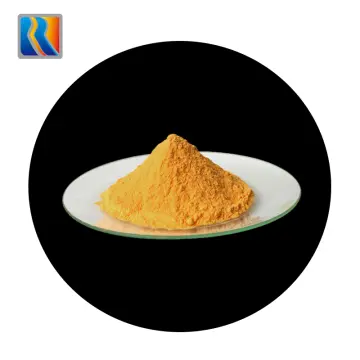
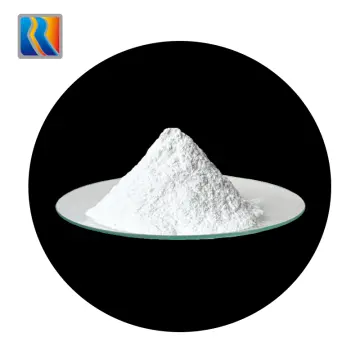
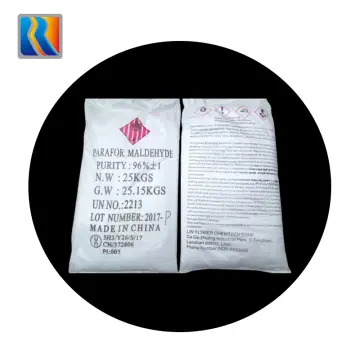
Our industrial ecosystem is designed to close the loop on formaldehyde-based derivatives. We manage supply chains across five domestic offices, guaranteeing continuous supply lines for key chemical building blocks, including liquid formaldehyde, paraformaldehyde, urea formaldehyde resin, melamine, and melamine glazing powder.
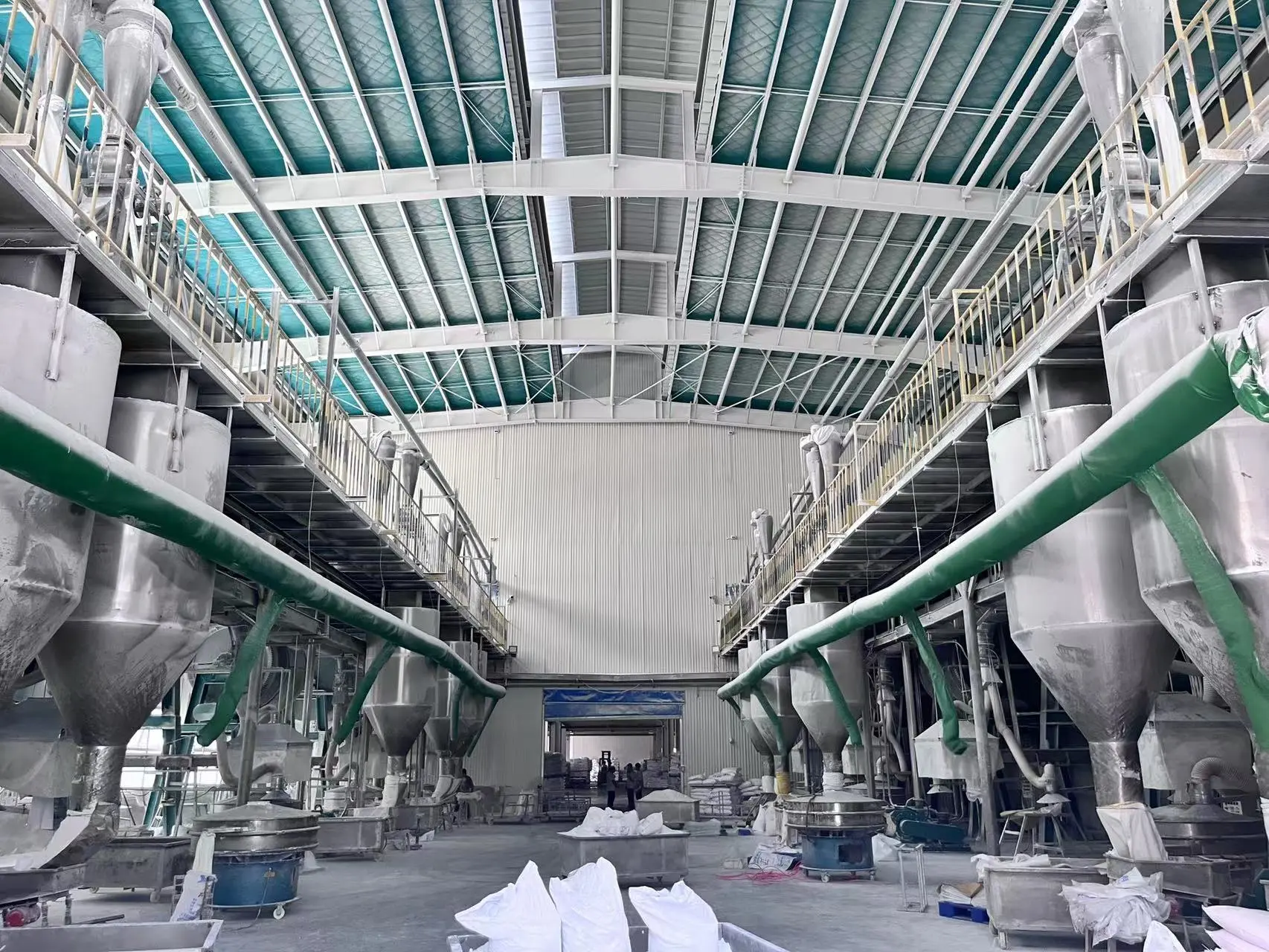
*Supporting production also includes 11,000 tons of specialized resin systems, commands an estimated 80% domestic market share, and supplies growing markets in the US, Europe, Southeast Asia (Thailand), East Africa (Kenya), and North Africa (Egypt).
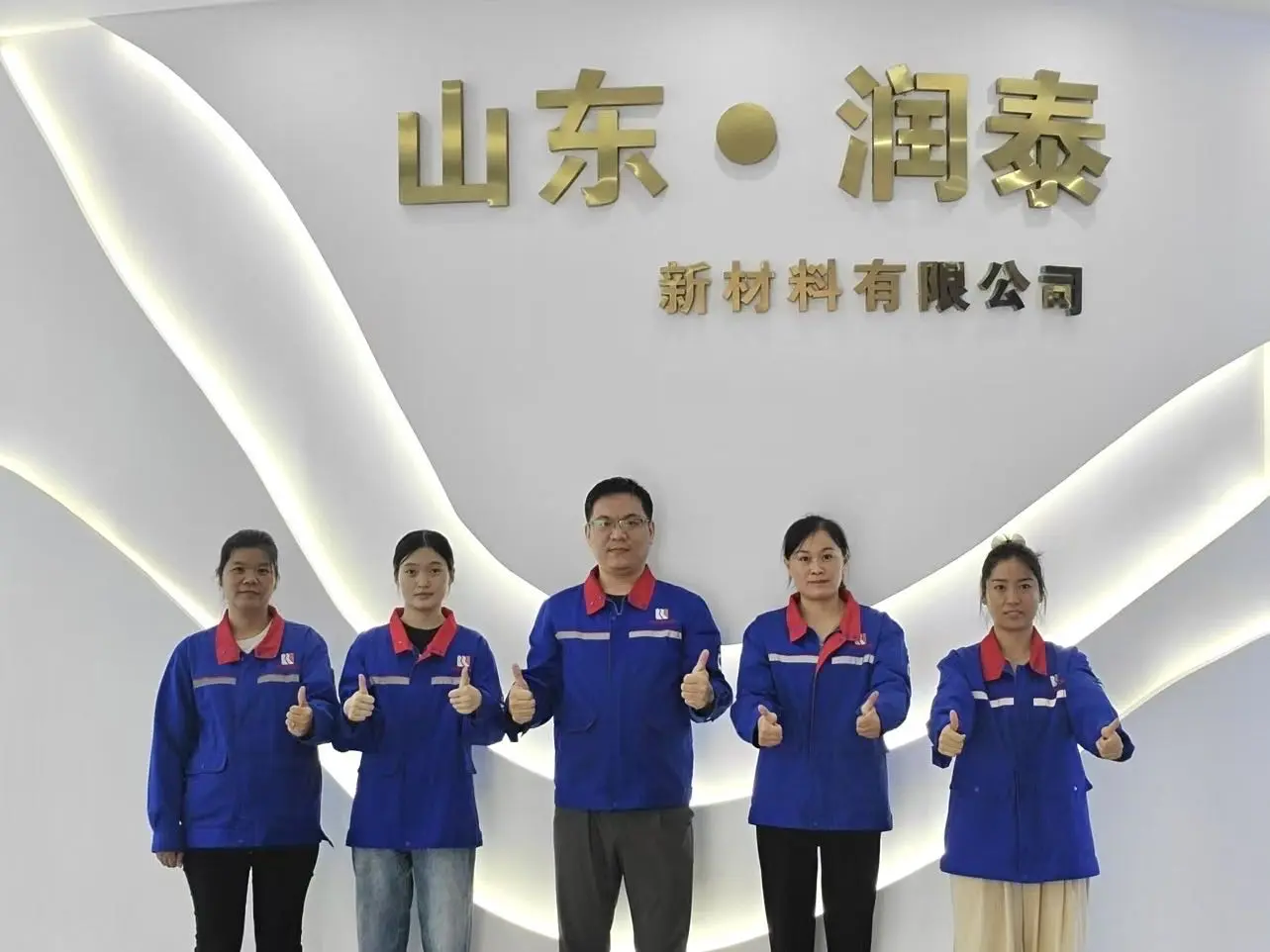
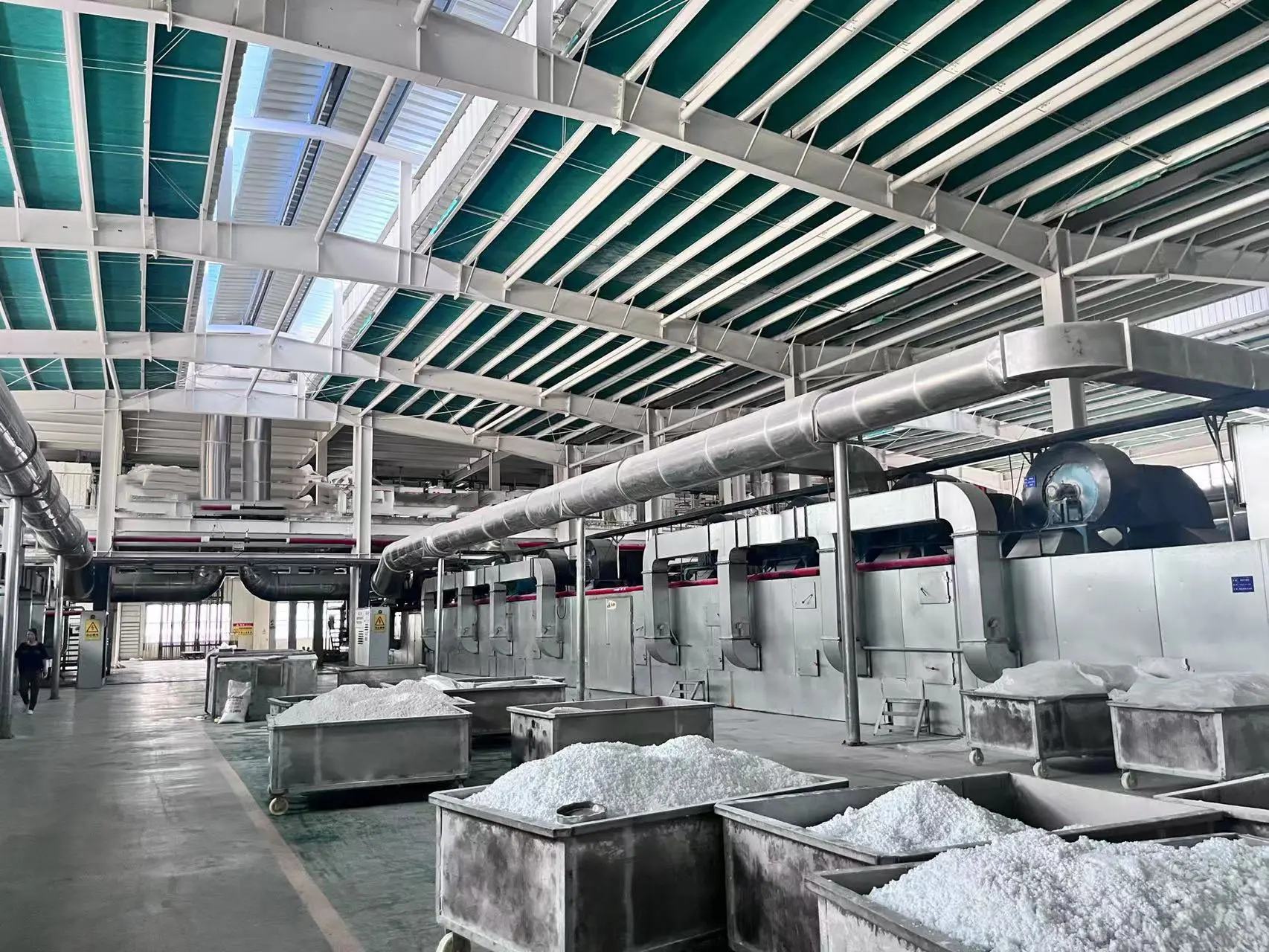
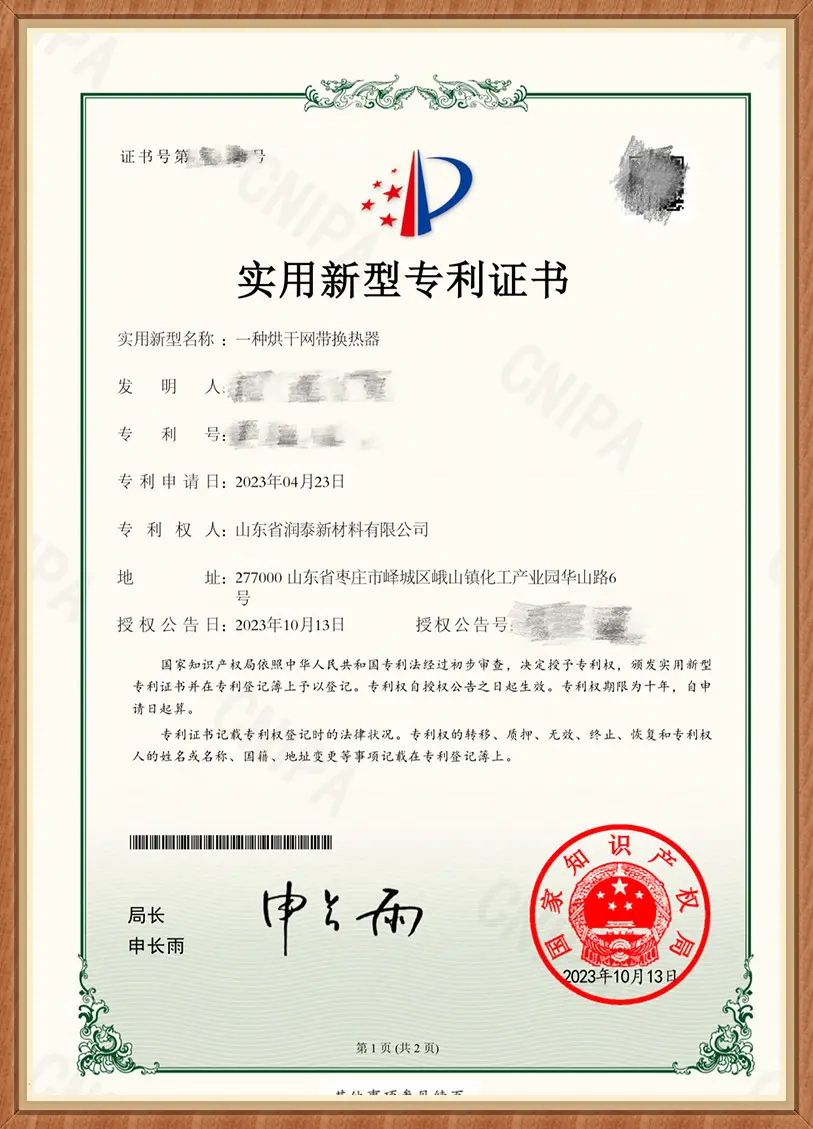
In high-volume chemical manufacturing, price competitiveness is not achieved by cutting corners; it is engineered through technology. Shandong Runtai New Materials utilizes the latest Distributed Control System (DCS) architecture to manage process parameters across the entirety of our multi-stage synthesis lines.
By automating catalyst bed temperatures, vaporized methanol flow rates, and absorption tower water-feed ratios, we maximize carbon conversion efficiency while reducing waste. Energy conservation is built directly into our process loop: the exothermic heat from methanol oxidation is recovered and converted to steam, which is then recycled to power the purification towers. This reduces external energy inputs, enabling us to offer highly competitive pricing to global buyers.
Bridging academic research and industrial-scale manufacturing to deliver the next generation of eco-friendly polymers.
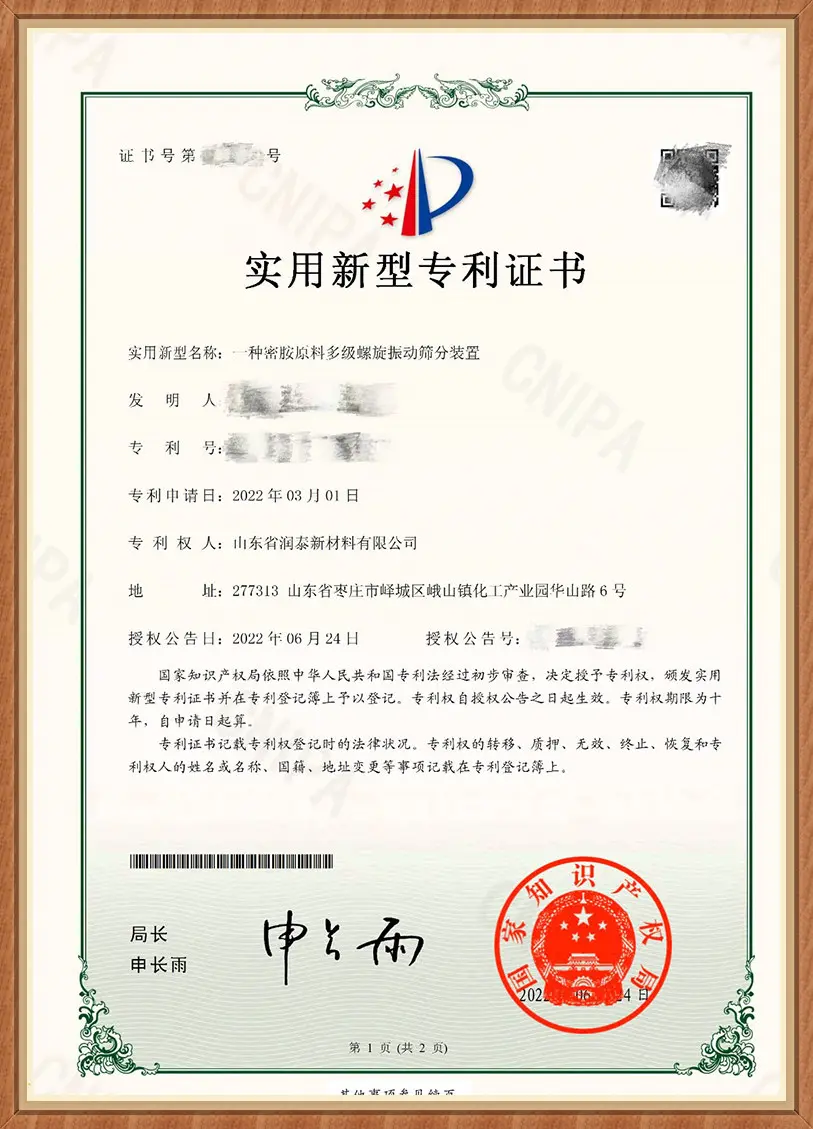
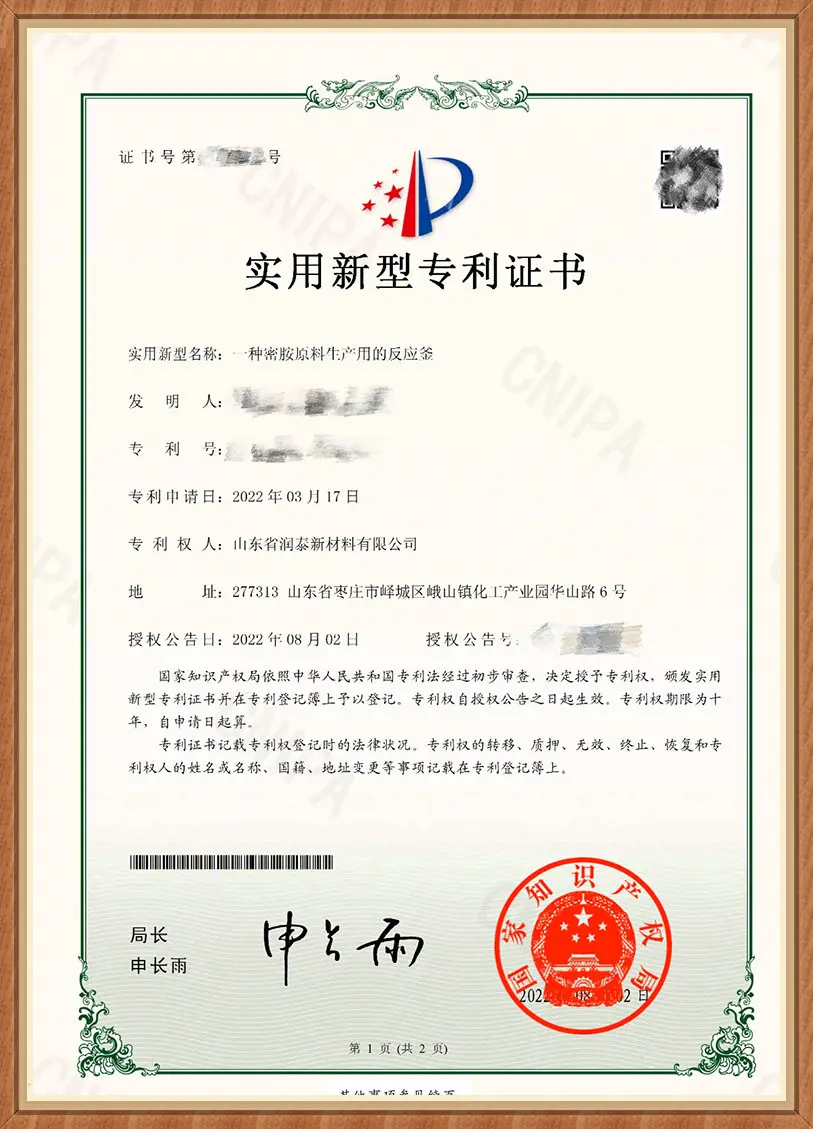
We work in collaboration with the Changzhou Research Institute of Beijing University of Chemical Technology (BUCT). Our joint laboratory focuses on synthesis catalysts and molecular optimization for lower free-formaldehyde contents.
Our research pipeline includes developing next-generation urea-formaldehyde (UF) and phenol-formaldehyde (PF) resins that comply with stringent CARB Phase II and F★★★★ emission regulations without sacrificing bond strength.
By tailoring stabilizer formulation matrices (including controlled methanol fractions and organic co-stabilizers), we guarantee that our bulk liquids remain free of paraformaldehyde precipitation during sub-zero shipping conditions.
Providing essential polymer precursors that support manufacturing in critical industrial sectors.
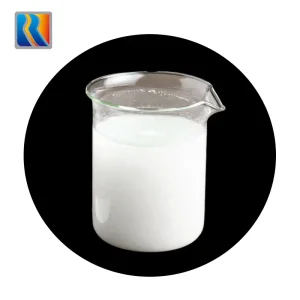
Our high-solids Urea-Formaldehyde (UF) and Melamine-Urea-Formaldehyde (MUF) resin range provides durability, water resistance, and fast curing times for Medium Density Fiberboard (MDF), plywood, and particleboard manufacturing.
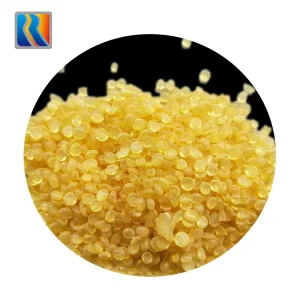
We supply raw melamine moulding compound (MMC) and urea moulding compound (UMC) matrices to tableware, electrical housing, and automotive component molding lines, ensuring uniform density and high thermal stability.
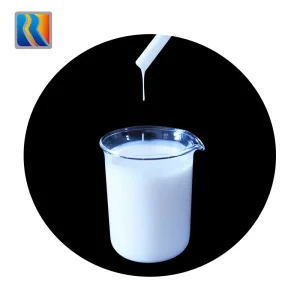
Our low-viscosity, water-based packaging adhesives and synthetic thickeners support high-speed lamination machines. They offer strong adhesion, food-contact safety compliance, and consistent performance across varying ambient conditions.
Our liquid formaldehyde precursors are used to produce melamine resins for automotive topcoats, metal coatings, and high-pressure laminates (HPL). They offer excellent scratch resistance, color retention, and chemical durability.
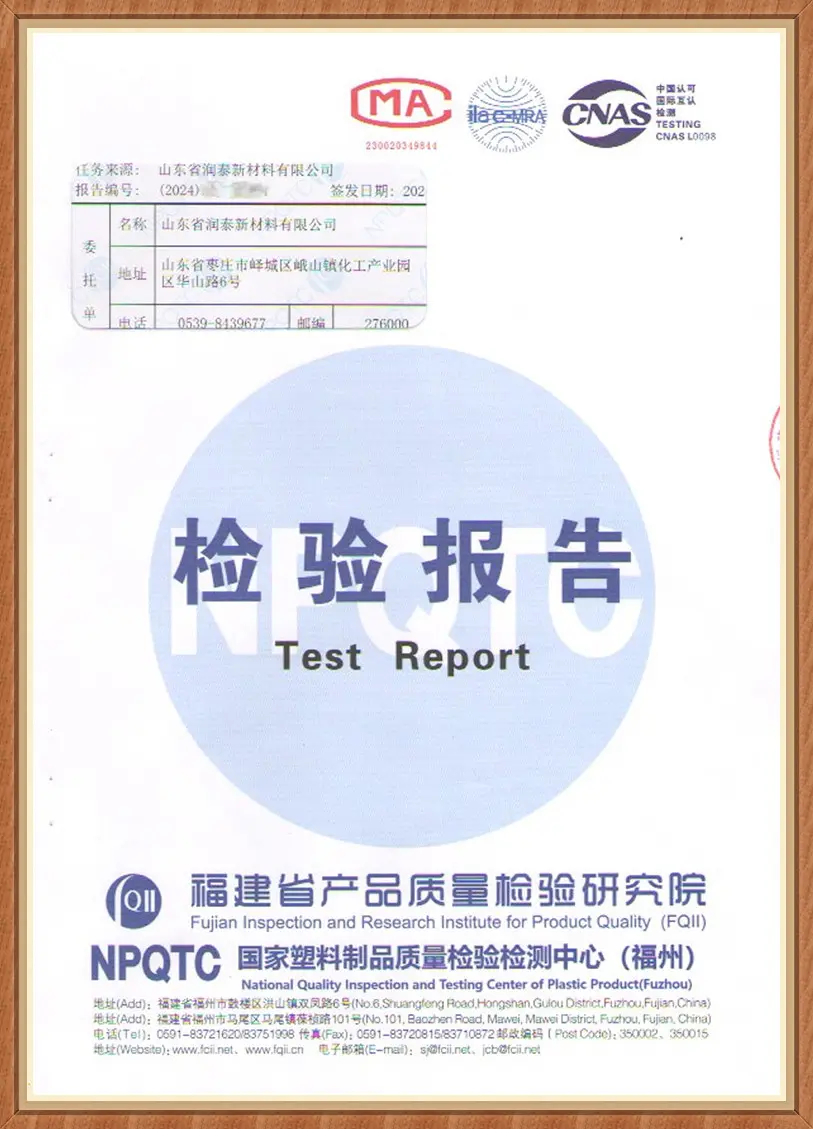
Navigating global regulatory landscapes requires a chemical partner with deep compliance expertise. Shandong Runtai New Materials ensures all export shipments conform to country-specific standards, including REACH compliance for the European Union, EPA TSCA rules for the United States, and strict national safety guidelines in emerging markets like Egypt, Kenya, and Thailand.
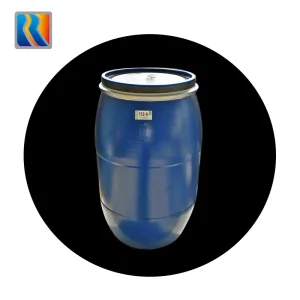
Our logistics operations are optimized for handling hazardous chemicals. We offer standardized shipping in tankers, ISO tanks, and heavy-duty drums. We also customize our packaging systems to protect against temperature shifts, ensuring the chemical stability of your formaldehyde solutions during long maritime transits.


As a chemical supplier, Runtai prioritizes environmental protection and sustainable development. We manufacture in compliance with ISO 9001:2015 Quality Management Systems and ISO 14001:2015 Environmental Management Systems.
We operate advanced wastewater recycling and tail-gas combustion treatment processes. These steps minimize our carbon footprint and ensure our plant operations conform to regional eco-protection mandates. By reducing raw material consumption and minimizing emissions, we build reliable, sustainable partnerships with global buyers.
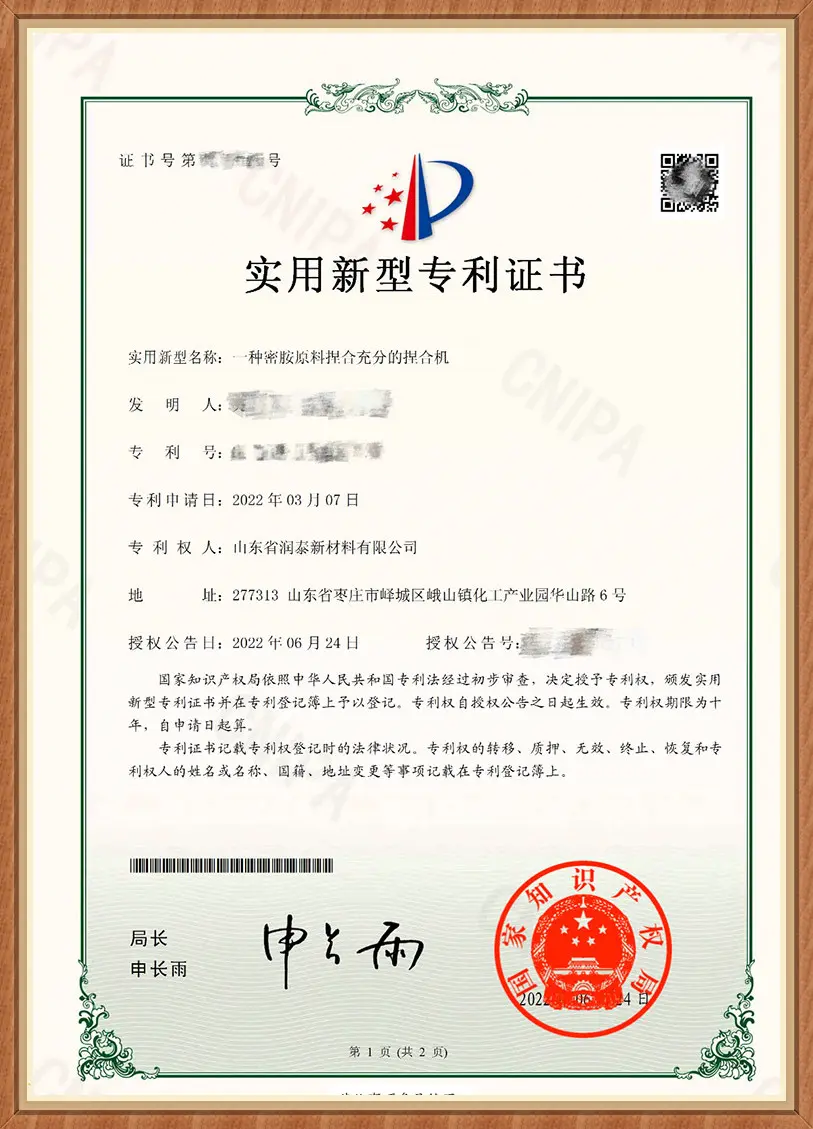
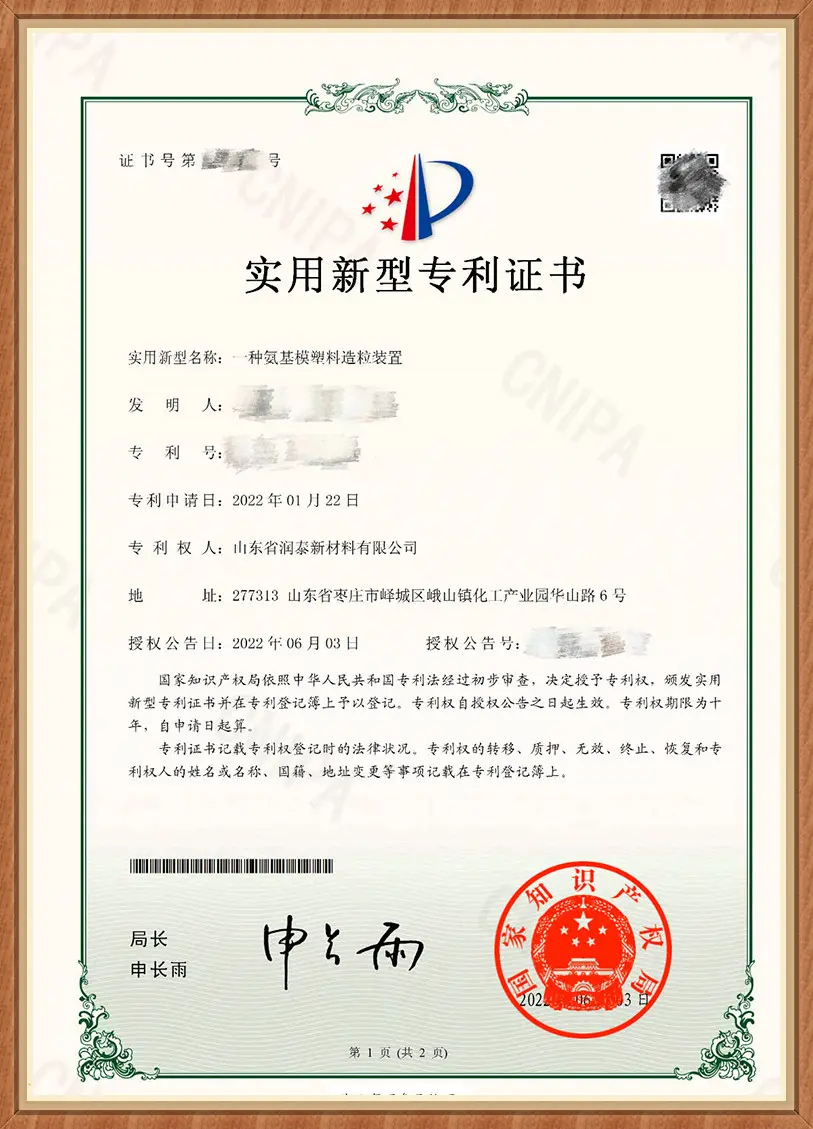
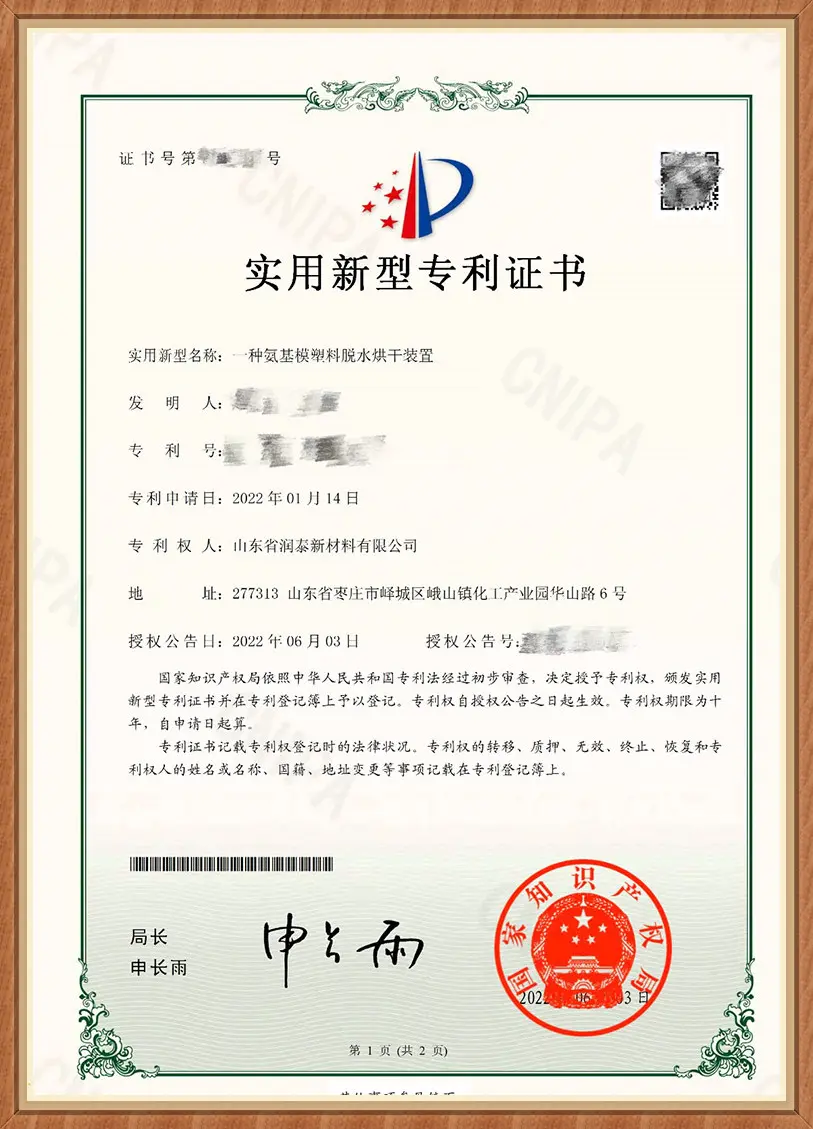
Get answers to common technical, logistics, and quality questions about bulk liquid formaldehyde sourcing.
Formaldehyde in aqueous solution naturally polymerizes into paraformaldehyde over time, particularly at lower temperatures. To prevent this, we closely control concentration-specific methanol levels (typically 0.5% to 15% acting as a natural inhibitor) or add trace organic stabilizers based on our buyers' requirements and the transit route's expected temperatures. We also utilize temperature-controlled ISO tank containers for long-distance maritime shipments.
While our standard high-volume commercial grades are 37% and 44% concentration, our synthesis facilities can customize solutions from 30% up to 50% formaldehyde. The concentration is carefully balanced against your process requirements, desired methanol stabilization levels, and storage system parameters.
This partnership gives our production lines access to advanced catalytic models and custom polymerization technologies. It allows us to continuously optimize raw material consumption, reduce trace impurities (such as iron or formic acid), and develop low-free-formaldehyde resin formulations that help our clients meet strict global emission standards.
Our price efficiency is driven by scale and vertical integration. With a large annual capacity of 380,000 tons of formaldehyde and 300,000 tons of urea-formaldehyde resin, we purchase raw methanol in bulk. Additionally, our automated DCS plant structure captures exothermic process heat to generate steam, minimizing utility costs and allowing us to pass the savings on to our clients.
Explore our range of formaldehyde derivatives, polymer molding resins, and active additives for advanced manufacturing.
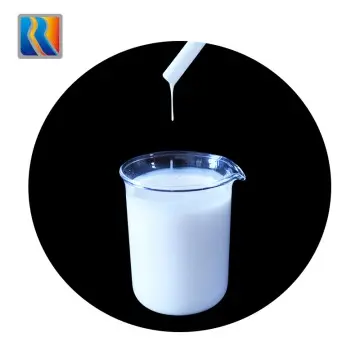
Providing custom chemical formulations designed to maximize efficiency and performance in manufacturing.
 Runtai