Explore our premium product portfolio tailored for industrial manufacturing, flexible packaging, surface treatments, and advanced rheology modification.
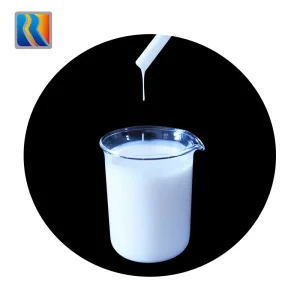
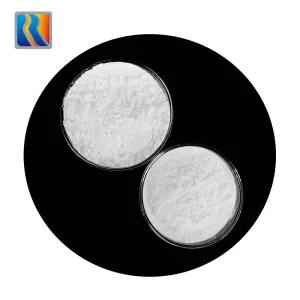
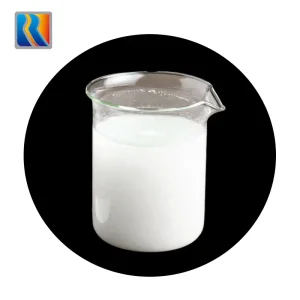
Understanding thermodynamic stabilization, micelle kinetics, and interfacial tension reduction in personal care formulations.
Cosmetic emulsions represent thermodynamically unstable systems consisting of at least two immiscible liquid phases—typically water and oil—stabilized by the addition of surface-active agents known as emulsifiers. In cosmetic science, the creation of stable creams, lotions, and serums depends on reducing the interfacial tension between the aqueous phase and the lipid phase. Without the introduction of emulsifiers, these systems will undergo phase separation, driven by the thermodynamic pressure to reduce the contact area between incompatible molecules.
According to Gibbs Free Energy equations, the dispersion of oil in water generates a massive increase in interfacial surface area (ΔA). The free energy of emulsification (ΔG) remains positive unless interfacial tension (γ) is minimized significantly: ΔG = γΔA - TΔS. Cosmetic emulsifiers align at the boundary layer, placing their hydrophilic heads in the water and lipophilic tails in the oil, successfully reducing γ and preventing immediate coalescence.
Modern cosmetic formulations require specific rheological characteristics, sensory textures, and prolonged shelf-life stability (often exceeding 30 months under various temperature conditions). To achieve this, chemists must understand the differences between Oil-in-Water (O/W) and Water-in-Oil (W/O) systems. O/W emulsions, where oil droplets are dispersed inside a continuous aqueous phase, feel light and non-greasy, making them highly popular for daily facial moisturizers. W/O emulsions, featuring water droplets dispersed throughout a lipid medium, provide rich, barrier-repairing skin sensations suitable for dry skin therapies and heavy night creams.
Categorizing emulsifying agents by ionic charge, molecular structure, and Hydrophilic-Lipophilic Balance (HLB) value.
To construct a robust formulation, cosmetic scientists categorize emulsifiers based on their ionic nature when dissolved in water. This classification directly impacts compatibility with other cosmetic ingredients (such as active botanical extracts, preservatives, and thickeners) and dictates the final skin feel.
| Class of Emulsifier | Typical HLB Range | Common Cosmetic Examples | Primary Formulation Purpose |
|---|---|---|---|
| Anionic Emulsifiers | 8 - 18 | Sodium Stearoyl Glutamate, Potassium Cetyl Phosphate, Stearic Acid salts | Forms high-stability O/W emulsions with rich, traditional cream textures. Often used in body lotions. |
| Cationic Emulsifiers | 8 - 15 | Behentrimonium Methosulfate, Cetrimonium Chloride, Distearyldimonium Chloride | Provides conditioning properties. Ideal for hair care formulations and skin creams that require a powdery, velvet feel. |
| Non-Ionic Emulsifiers | 3 - 18 | Glyceryl Stearate, PEG-100 Stearate, Cetearyl Glucoside, Polysorbate 60, Sorbitan Olivate | Extremely versatile, low irritation potential. Compatible with electrolytes and active ingredients across a wide pH range. |
| Amphoteric / Lecithin | 4 - 10 | Hydrogenated Lecithin, Sodium Cocoamphoacetate | Biomimetic structures that mirror skin lipid bilayers. Promotes liposomal delivery and high biocompatibility. |
| Polymeric / Co-emulsifiers | N/A (Steric stabilization) | Acrylic Acid polymers, Acrylates/C10-30 Alkyl Acrylate Crosspolymer | Thickens the water phase and creates a polymer network that prevents oil droplet migration. |
The selection of non-ionic emulsifiers is guided by Griffin's HLB system, which assigns a value from 1 to 20 based on the molecular weight percentage of the hydrophilic portion of the molecule. Emulsifiers with low HLB numbers (3 to 6) are hydrophobic and promote Water-in-Oil (W/O) emulsions. Conversely, emulsifiers with high HLB numbers (8 to 18) are hydrophilic and promote Oil-in-Water (O/W) emulsions. Achieving a stable system often requires combining low-HLB and high-HLB emulsifiers to form a rigid, structured interfacial film around the dispersed droplets.
How advanced synthetic thickeners and water-based additives prevent phase separation through steric and electrostatic mechanisms.
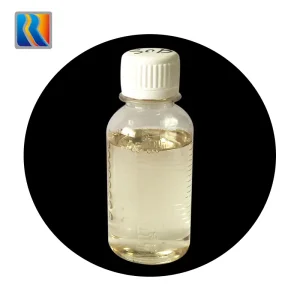
While primary emulsifiers reduce interfacial tension, modern cosmetics rely heavily on polymeric rheology modifiers to ensure long-term physical stability. Products like Shandong Runtai’s Acrylic Acid-Based Swelling Thickeners and Ammonium Salt Dispersants act as essential stabilizing agents. By swelling in the aqueous phase, these polymers create a three-dimensional network that traps dispersed oil droplets, preventing them from moving or separating over time.
This stabilizing mechanism is described by Stokes' Law, which states that the velocity of droplet creaming or sedimentation is inversely proportional to the viscosity of the continuous phase. Elevating the low-shear viscosity of the aqueous phase using cross-linked acrylic polymers reduces separation velocity to nearly zero.
Furthermore, polymeric thickeners provide shear-thinning (pseudoplastic) flow behavior. Under shear stress—such as pumping, squeezing, or rubbing the cream onto the skin—the polymer chains align, reducing viscosity for an easy, pleasant application. When the shear stress is removed, the structured network rebuilds instantly, preventing the formula from running or dripping.
Tailoring emulsion designs and thickening agents to meet regional climate demands, humidity variations, and sensory preferences.
In hot, humid regions like Thailand or Indonesia, heavy oil phases feel uncomfortable on the skin. Formulators design ultra-lightweight O/W gel-creams using minimal oil phases (5-10%). These formulas are stabilized with Acrylic Acid-Based Swelling Thickeners and non-ionic emulsifiers. The result is a quick-absorbing, matte finish that resists sweating and prevents clogged pores.
Dry air and cold winds damage the skin's lipid barrier. Formulations designed for these climates utilize high-lipid W/O emulsions (oil phase 30-50%). These products rely on specialized polymeric emulsifiers combined with mineral oil defoamers and structure-enhancing waxes to provide deep, long-lasting moisturization and skin protection.
With rising regulatory scrutiny in the EU and North America, formulations are shifting toward natural, PEG-free non-ionic emulsifiers (like Cetearyl Glucoside and Sorbitan Olivate). To support these milder but inherently less stable emulsification systems, formulators add biocompatible ammonium salt dispersants and cross-linked water-based additives to keep the final product stable.
The evolutionary trajectory of cosmetic chemistry, from synthetic polymers to bio-based emulsification matrices.
Transitioning manufacturing processes to Distributed Control System (DCS) architectures. This step optimizes reaction parameters like monomer feed rates and temperature profiles, ensuring polymers like acrylic thickeners have consistent molecular weights and contain virtually zero residual monomers.
Developing plant-derived, biodegradable emulsification systems, such as alkyl polyglucosides (APGs) and polyglyceryl esters, designed to replace traditional petroleum-based surfactants without compromising emulsion stability.
Designing responsive emulsions that release active ingredients in response to changes in skin temperature, pH, or moisture levels. This phase also includes implementing nano-emulsions for enhanced transdermal delivery of bio-actives.
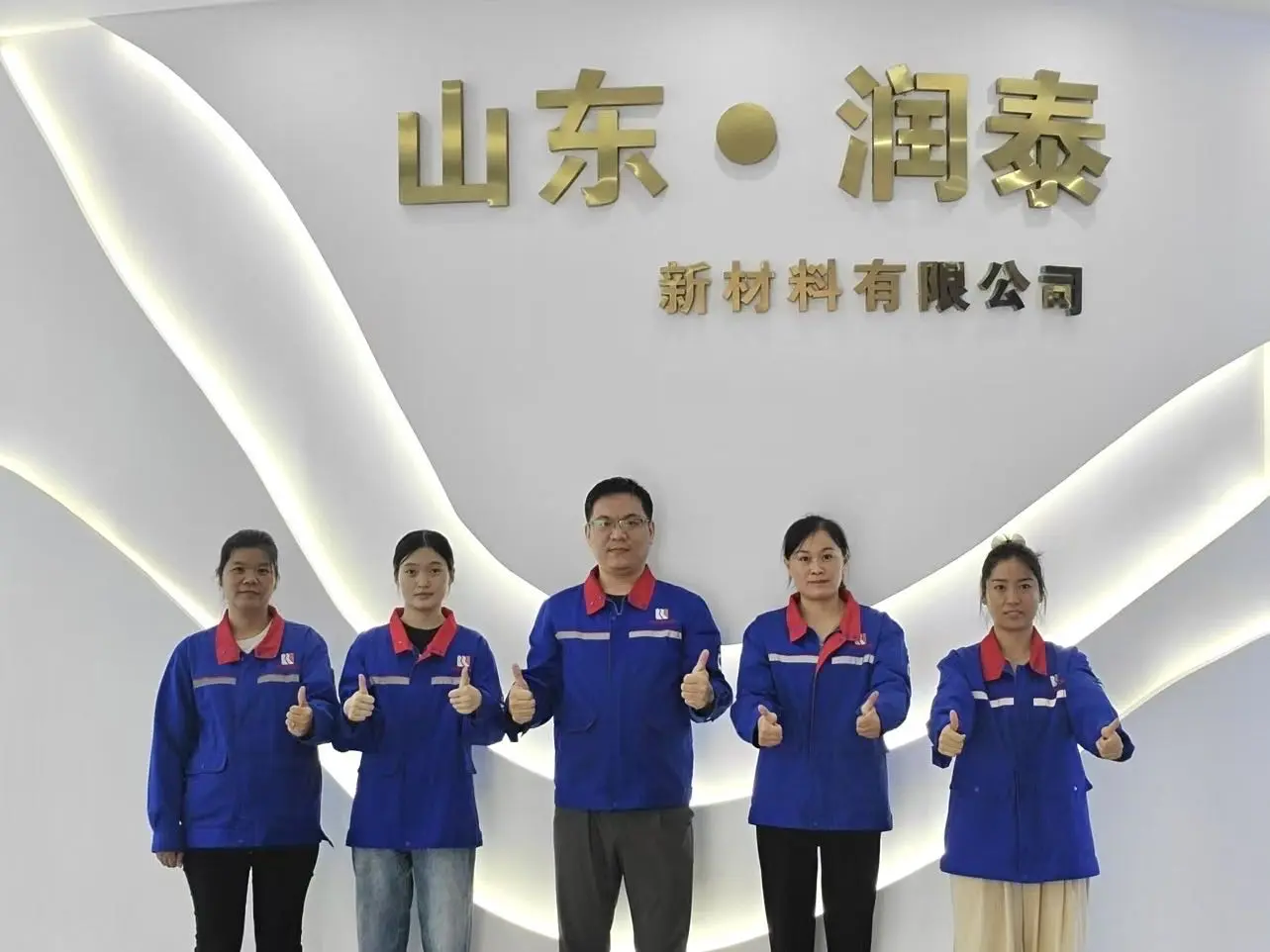
Founded in March 2020, Shandong Runtai New Materials Co., Ltd. is a comprehensive group firm that specializes in producing fine chemical products. The corporation has branches in five different cities throughout China, with its headquarters located in Zaozhuang City, Shandong Province. Runtai New Materials covers an area of 270,000 square meters with a total investment of 2.06 billion yuan.
Runtai New Materials has grown to be one of China's top producers of melamine and formaldehyde due to recent improvements in production line growth. Currently, the company produces 380,000 tons of formaldehyde annually, 60,000 tons of melamine annually, 20,000 tons of melamine glazing powder annually, 11,000 tons of resin annually, and 300,000 tons of urea formaldehyde resin annually. We have reached about 80% market share in China.
Discover how integrated raw material access, automation, and logistics enable us to deliver reliable chemical supplies globally.
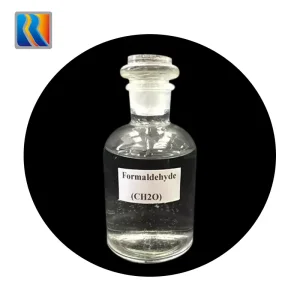
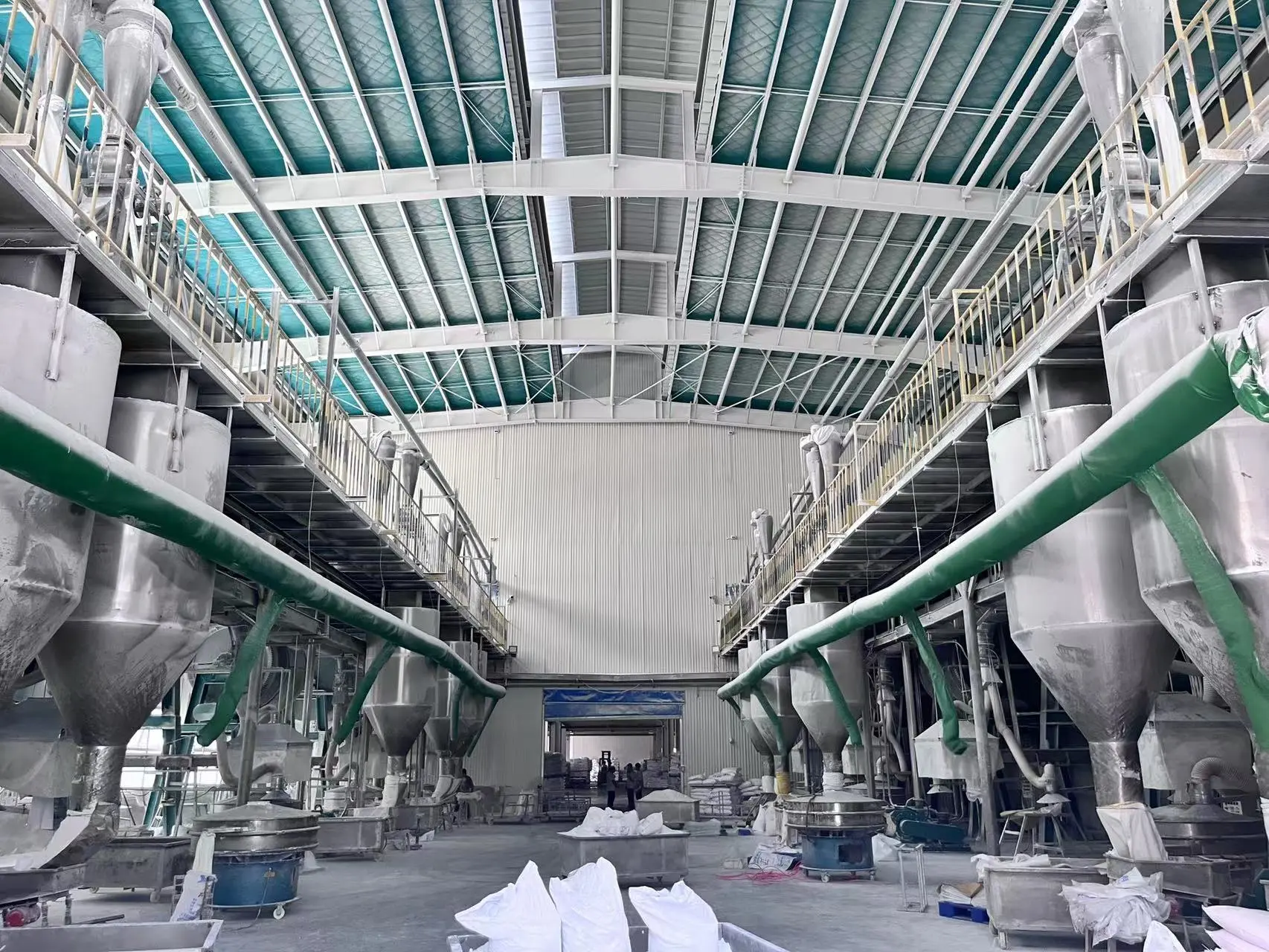
Our chemical facilities feature vertically integrated supply lines, starting with key raw materials like formaldehyde. This upstream integration insulates our production schedules from market volatility, allowing us to offer stable pricing and consistent deliveries for derivatives like urea-formaldehyde resins, melamine powders, and specialty water-based polymers.
Our plants utilize state-of-the-art Distributed Control Systems (DCS) to monitor and adjust key reaction parameters in real time. This high level of automation guarantees batch-to-batch consistency, minimizes impurities, maximizes energy efficiency, and ensures safe chemical processing.
Leveraging efficient shipping connections from Qingdao Port, our products reach markets in the United States, Thailand, Kenya, Egypt, and beyond. We offer tailored logistics solutions, specialized container packaging, and full customs documentation to streamline imports for our global partners.
As an ethical company, Runtai New Materials prioritizes sustainable development and environmental preservation. Our commitment lies in developing and producing eco-friendly chemical products that minimize their negative effects on the environment while adhering to pertinent international laws, regulations, and standards. The "quality first, customer first" attitude has always guided our business, and we embrace customer service with honesty and professionalism.
Operating under international quality standards to ensure safety, tracking, and reliability in every batch.
To supply global cosmetic brands and industrial clients, we implement strict, multi-stage quality control protocols. Our laboratories are equipped with advanced testing devices, including High-Performance Liquid Chromatography (HPLC) and Gas Chromatography (GC), to verify chemical purity and monitor trace impurities.
Our manufacturing sites operate in compliance with ISO 9001 and ISO 14001 standards, verifying that our quality management systems and environmental practices meet international requirements. Furthermore, our raw materials and specialty additives are developed and documented to support regulatory registrations worldwide, helping clients streamline their product approvals in North America, Europe, and Asia.

Technical guidance and answers to common formulation and supply chain questions from our R&D team.
Acrylic acid-based swelling thickeners work by neutralizing and swelling inside the aqueous phase, forming a micro-gel network. This network traps dispersed oil droplets and restricts their movement, preventing physical separation (creaming or coalescence) without relying solely on high concentrations of primary emulsifiers.
Using a combination of high-HLB (hydrophilic) and low-HLB (lipophilic) emulsifiers creates a more cohesive, tightly packed interfacial film at the oil-water boundary. This blended barrier is stronger than a single-emulsifier layer, improving emulsion stability against temperature fluctuations and storage stress.
Yes, our water-based additives and thickeners are designed with high purity profiles and low residual monomers, making them suitable for personal care and cosmetic applications where skin compatibility and low irritation potential are required.
We run our manufacturing lines using a Distributed Control System (DCS) that automates and controls process parameters like temperature, pressure, and feeding speed. This minimizes human error and guarantees consistent quality across every batch.
Yes, our R&D team—collaborating with academic and research institutions—can adjust molecular weights, cross-linking density, and viscosity profiles to meet specific customer requirements and performance standards.
Lead times depend on the order volume and destination. Standard product shipments usually depart our Chinese facilities within 2 to 3 weeks of order confirmation. Our logistics team handles shipping routes and customs paperwork to ensure timely delivery.
Browse our complete list of industrial polymers, defoamers, and raw material intermediates manufactured under international quality standards.
 Runtai