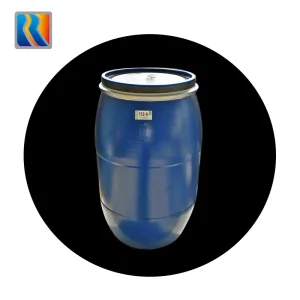
Direct supply from Runtai New Materials: reliable logistics, strict quality assurance, and high raw material purity.
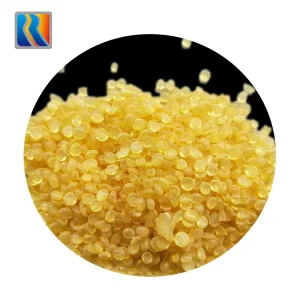

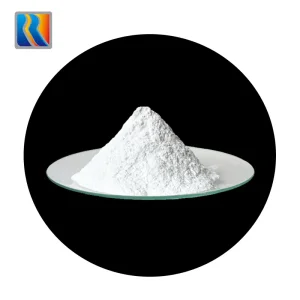
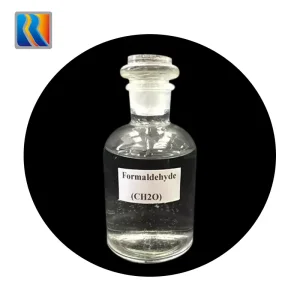

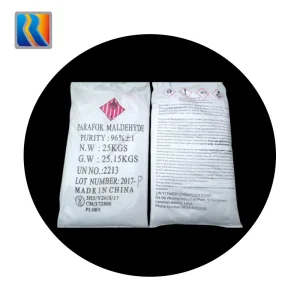
Ensuring constant material supply and process safety through scale economies and automation.
In contemporary biomedical diagnostics, histopathology, molecular biology, and fine chemical manufacturing, the role of high-purity Paraformaldehyde Phosphate Buffer Solutions has evolved from a routine reagent to a critical process input. These solutions—commonly used in formulation benchmarks such as 4% paraformaldehyde in 0.1M phosphate-buffered saline (PBS)—serve as the golden standard for cell and tissue fixation. By stabilizing cellular structures, cross-linking nucleic acids and proteins without altering morphological features, they form the cornerstone of accurate disease diagnostics, immunohistochemistry (IHC), and clinical trial evaluations.
The global demand for bulk-scale, pre-formulated, and custom-grade Paraformaldehyde Phosphate Buffer Solutions is undergoing significant expansion. This growth is heavily driven by the rise of cellular therapeutics, vaccine developmental workflows, and the expansion of clinical research outsourcing (CRO) across North America, Europe, and Asia-Pacific. However, biological and pharmaceutical developers face a persistent challenge: sourcing buffer solutions that maintain a strict pH range (typically 7.2 to 7.4) and a highly standardized concentration of monomeric formaldehyde upon depolymerization. Standard laboratory-grade preparation is highly labor-intensive, exposes personnel to toxic vapors, and is susceptible to batch-to-batch variation. Consequently, global buyers are increasingly outsourcing sourcing to specialized industrial chemical plants capable of supplying stable, bulk-format, pre-formulated solutions.
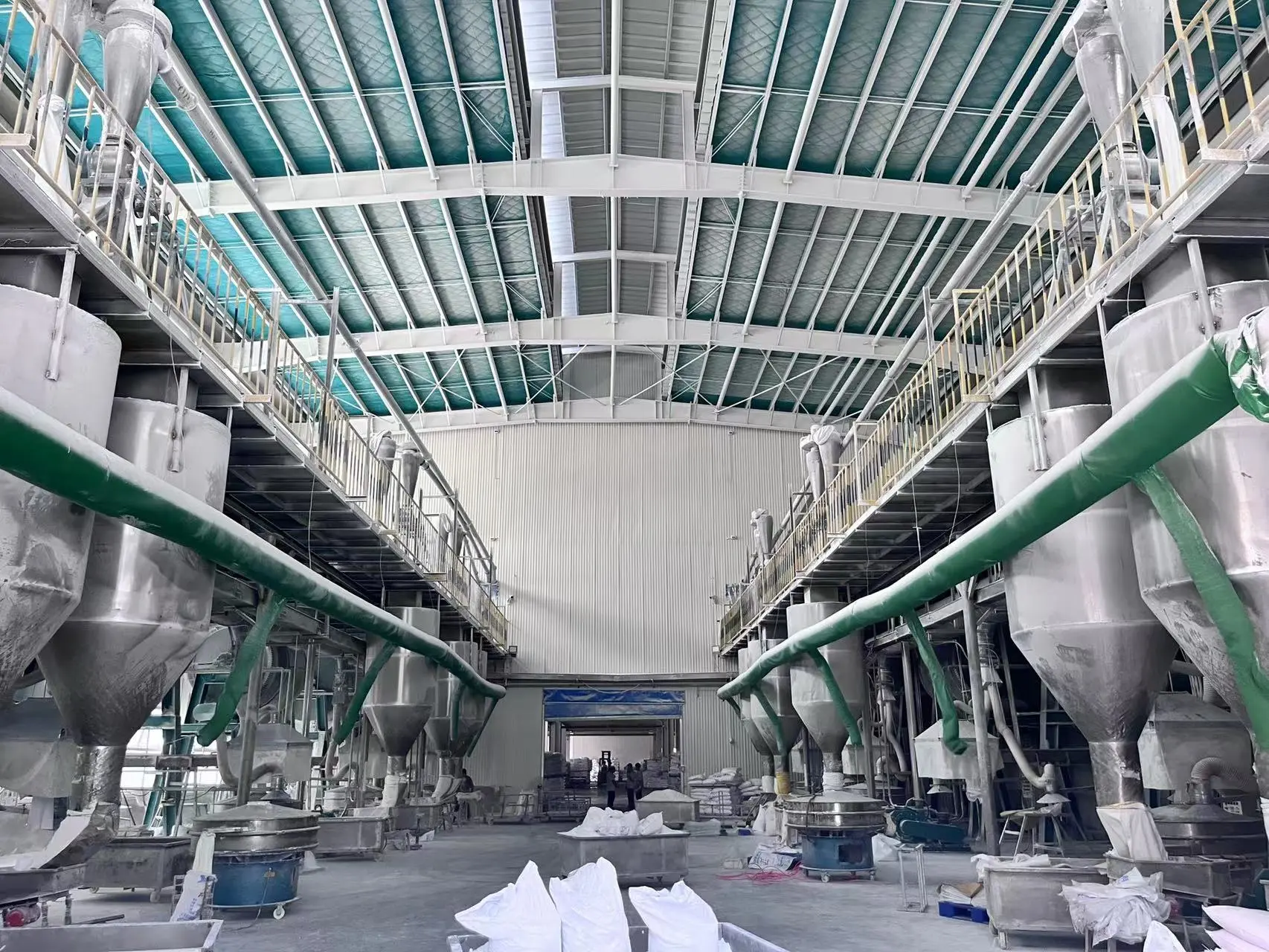
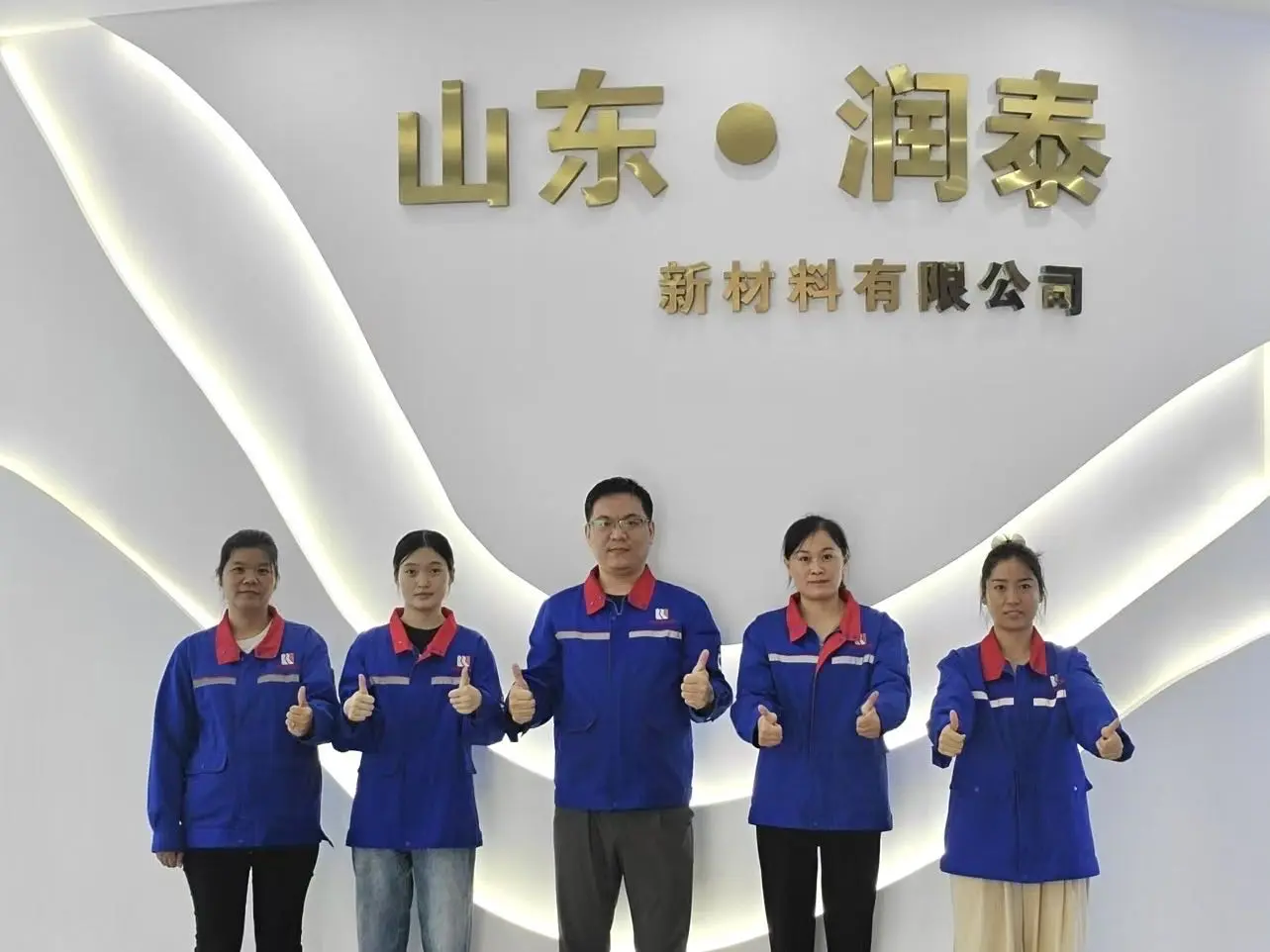
When sourcing bulk Paraformaldehyde and related buffer constituents, supply chain security and cost-efficiency are paramount. Shandong Runtai New Materials Co., Ltd. represents the next generation of chemical manufacturing in China. Established in March 2020 and headquartered in Zaozhuang City, Shandong Province, our state-of-the-art facility occupies a massive footprint of 270,000 square meters. The core competitive edge of Runtai lies in our integrated upstream and downstream capabilities: we control the full manufacturing chain starting directly from basic formaldehyde, producing 380,000 tons annually. This integration insulates our operations from raw material price volatility and quality disruptions.
Runtai operates using an advanced Distributed Control System (DCS). This digital automation architecture continuously regulates processing parameters across the entire production path. In chemical synthesis and compounding, precision is vital. In the production of Paraformaldehyde Phosphate Buffer Solutions, the control of depolymerization temperature, pH stability, and filtration limits is handled by automated loops. By deploying DCS technology, we minimize human error, reduce energy consumption, and guarantee that every batch exhibits identical specifications—from pH value to osmotic balance. This ensures our global clients receive high-purity chemical solutions without paying high premiums.
We maintain an ongoing academic-industrial integration with the Changzhou Research Institute of Beijing University of Chemical Technology. Backed by a dedicated doctoral research and development team, we continuously advance our polymer chemistries, improving solution stability and shelf-life, and minimizing precipitate formation during shipping.
Standardized properties engineered for clinical pathology and high-throughput cellular assays.
| Parameter | Target Standard Specification | Industrial Application Impact |
|---|---|---|
| Paraformaldehyde Purity | 96% ± 0.5% (Crystalline starting material) | Guarantees minimal trace contaminants and low formic acid levels. |
| Active Formaldehyde Conc. | 4% w/v (Customizable up to 10% on order) | Optimal tissue cross-linking kinetics without over-hardening cell structures. |
| Buffer Base | Phosphate Buffered Saline (PBS) or Sodium Phosphate | Maintains precise isotonic conditions to prevent osmotic cell lysis. |
| pH Range | 7.4 ± 0.1 at 25°C | Crucial for preserving enzyme activity and biological structure conformation. |
| Methanol Stabilizer | Methanol-Free or Low Methanol (< 0.1% or custom configured) | Reduces structural degradation in fluorescence-based assays. |
| Particulate Levels | Filtered through 0.2 μm membrane filters | Ensures zero residue or precipitation, safeguarding laboratory automation. |
Understanding user intent in sourcing chemical inputs requires matching technical parameters with field-level execution. Paraformaldehyde Phosphate Buffer Solutions are utilized differently across regions and vertical markets:
By tailoring our chemical solutions to these scenarios, Runtai helps labs bypass on-site chemical preparation. This shifts the operational focus from tedious, hazardous formulation steps to core analytical workflows.

Navigating regulatory hurdles, shipping costs, and shelf-life metrics for global operations.
The global fine chemical industry is transitioning toward sustainable packaging. At Runtai, we are replacing traditional single-use plastic drums with recyclable high-density polyethylene (HDPE) containers and bulk IBC totes. These containers feature integrated barriers to minimize chemical off-gassing and oxidation during transit, lowering carbon footprints across long-distance distribution.
Logistical constraints and hazardous chemical handling tariffs are leading procurement managers to order high-purity crystalline Paraformaldehyde (96%+) alongside concentrated dry phosphate buffer mixes. This approach allows laboratories to reconstitute solutions locally, reducing water transportation weight, tariff overheads, and inventory footprint.
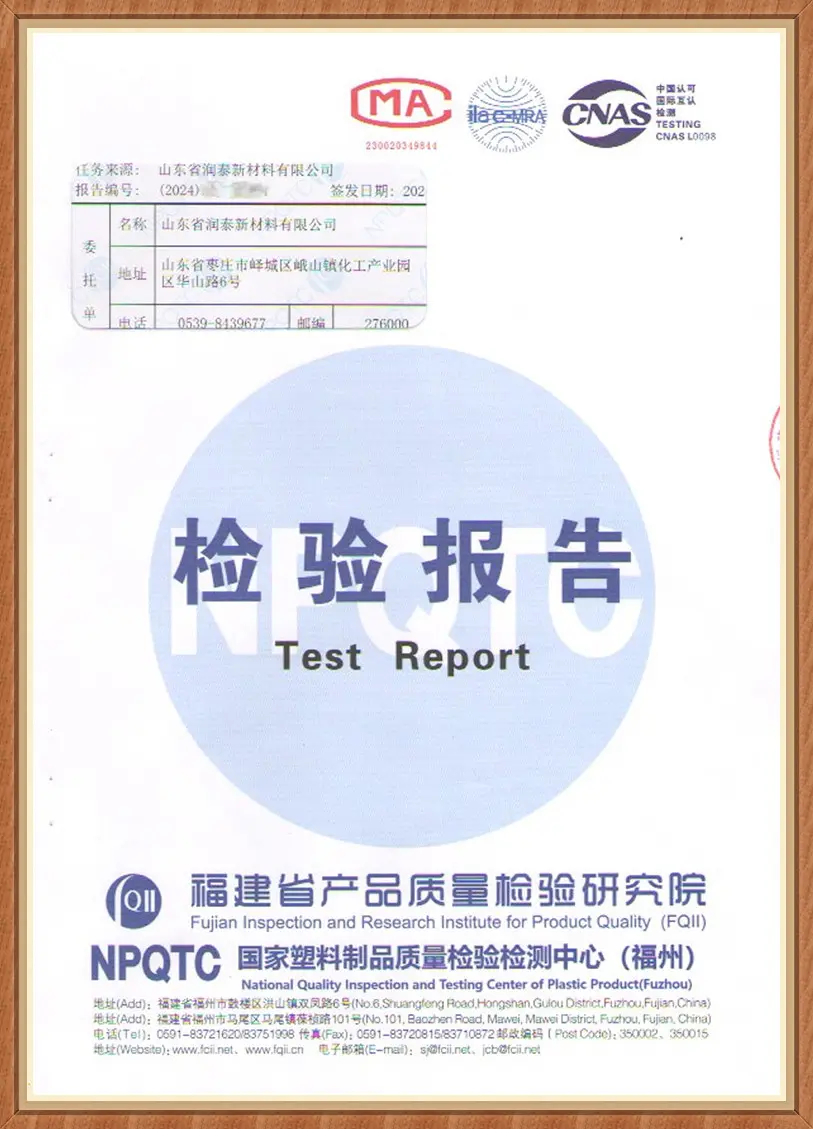
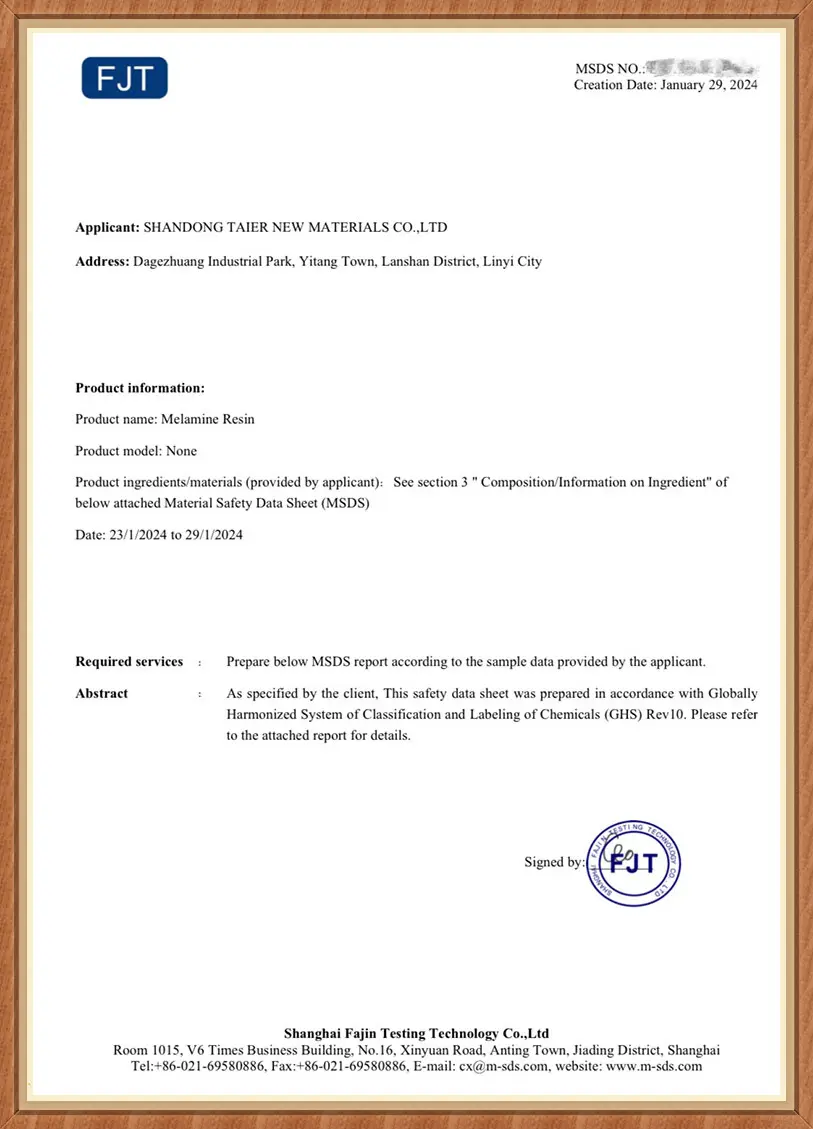
Chemical regulatory compliance is key to commercial viability. Our production lines operate under ISO 9001, ISO 14001, and ISO 45001 management frameworks. We ensure all shipments arrive with detailed Safety Data Sheets (SDS) in the buyer's language, fully matching global customs declarations and local chemical handling guidelines.
Crucial commercial and technical details for international buyers.
High-capacity supply chains serving diverse chemistry, resin molding, and coating industries.

At Runtai New Materials, sustainable development is core to our corporate identity. Operating chemical plants at our scale requires strict environmental stewardship and energy conservation. We implement waste gas recycling systems and advanced wastewater treatment facilities to minimize emissions. Guided by our core philosophy of "quality first, customer first", we integrate eco-friendly protocols directly into our daily manufacturing workflows.
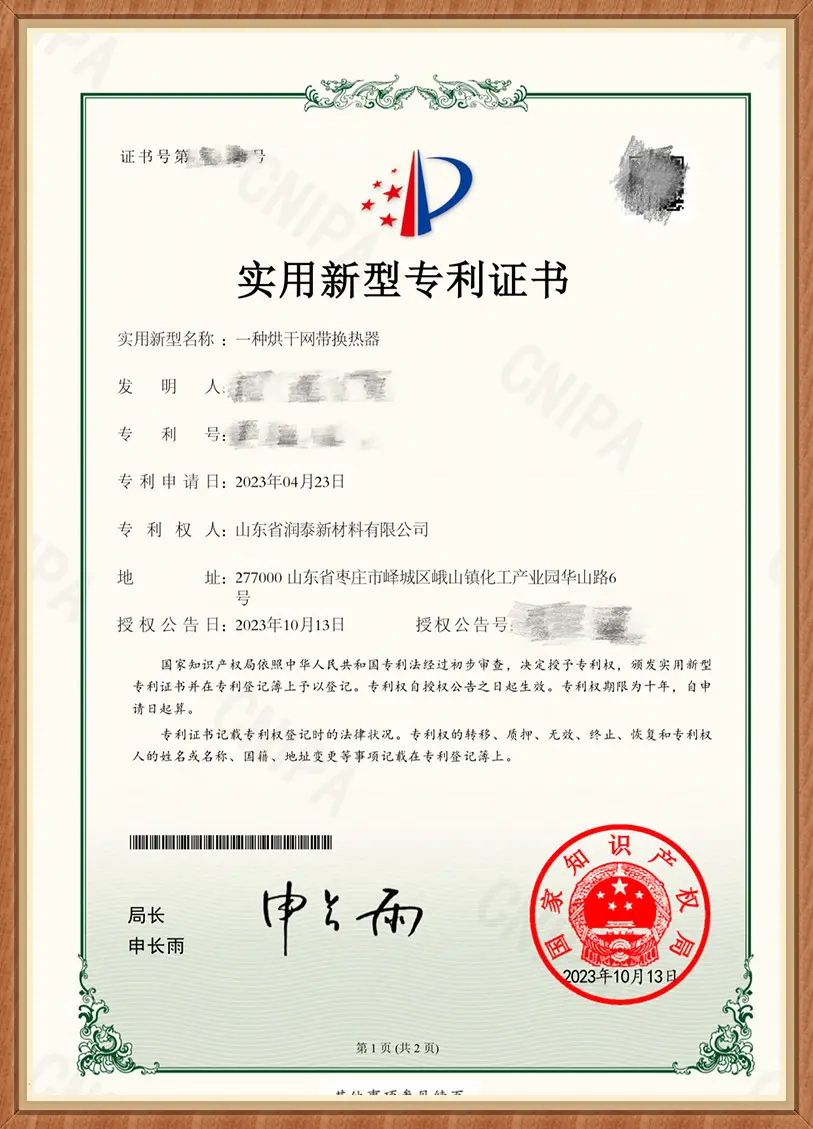
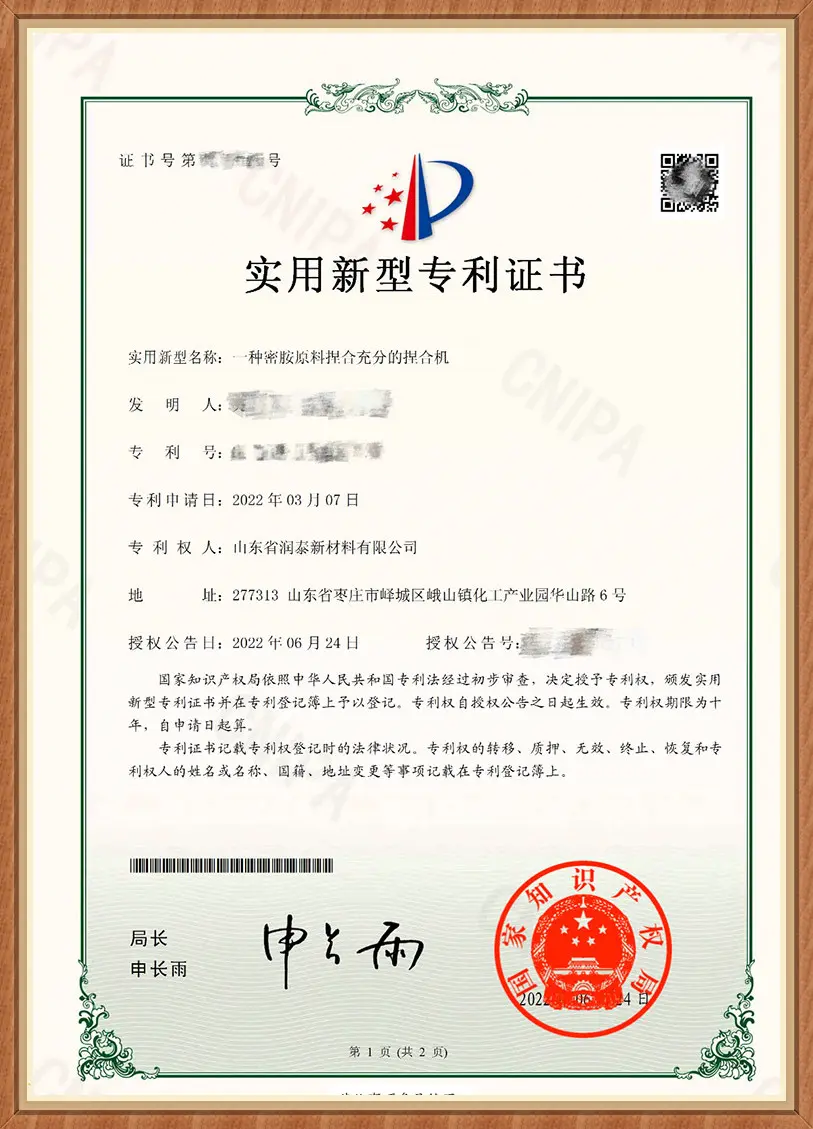
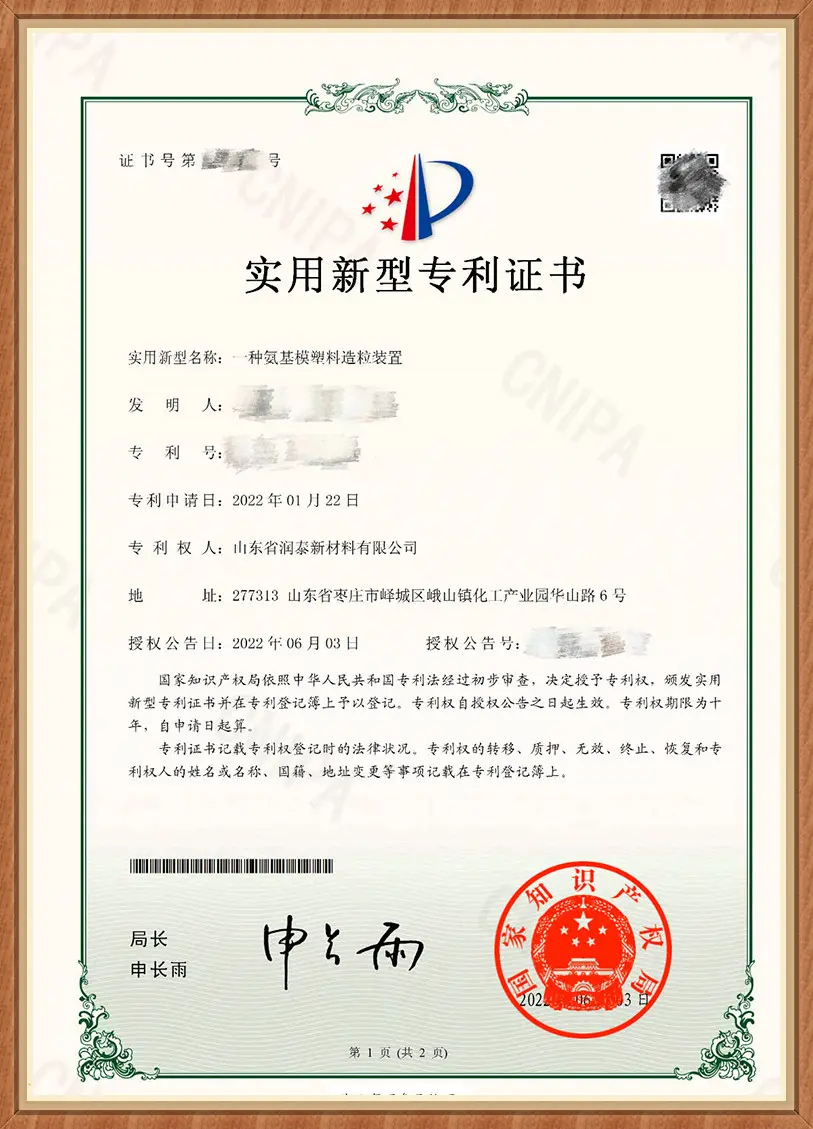
Our commitment to quality is backed by certified processing facilities, extensive patent holdings in fine chemical synthesis, and a reliable global distribution network. We invite partners and buyers from all over the world to visit our headquarters in Zaozhuang City and inspect our production facilities. Together, we can build a highly resilient, reliable supply chain for fine chemicals.

 Runtai