Direct factory supply chain integrated with DCS automated safety parameters and high-purity chemical manufacturing processes.
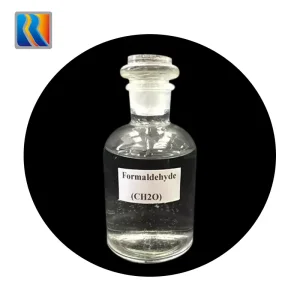
A deep dive into regulatory evolution, green chemistry formulations, and global compliance for industrial wood composites and engineered structural elements.
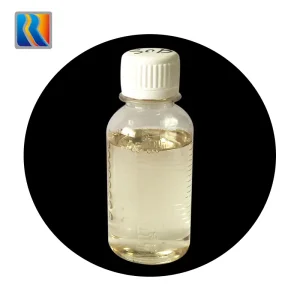
No Added Formaldehyde (NAF) resin formulations represent a complete departure from traditional urea-formaldehyde (UF) condensation chemistry. Rather than relying on standard formaldehyde reactions, NAF adhesive platforms utilize alternative cross-linking mechanisms. These include Polymeric Diphenylmethane Diisocyanate (pMDI), soy-based proteins, and customized bio-based polymer networks. When cross-linked under high temperature and pressure, these binders form covalent polyurethane and polyurea linkages that exhibit exceptional resistance to hydrolysis. This chemical configuration results in structural stability without releasing VOC emissions or off-gassing toxic residues.
The structural wood panel and interior building product markets are governed by rigorous safety regulations. Key compliance standards include CARB Phase 2 (California Air Resources Board), U.S. EPA TSCA Title VI, and the European EN 13986 standard (E1, E2, and the newer E1-D383 / ENF levels). While standard Urea-Formaldehyde adhesives struggle to consistently meet the ENF (Emissions Non-Formaldehyde) limit of ≤0.025 mg/m³ or CARB NAF limits, engineered NAF systems easily bypass these limitations. Incorporating NAF materials provides structural panel suppliers with a path to compliance, future-proofing exports against tightening emissions regulations globally.
Founded in March 2020, Shandong Runtai New Materials Co., Ltd. has established itself as a comprehensive industrial group specializing in fine chemicals and advanced polymer intermediates. Operating from our central headquarters in Zaozhuang City, Shandong Province, the corporation maintains strategically distributed logistics and manufacturing branches across five major domestic economic centers.
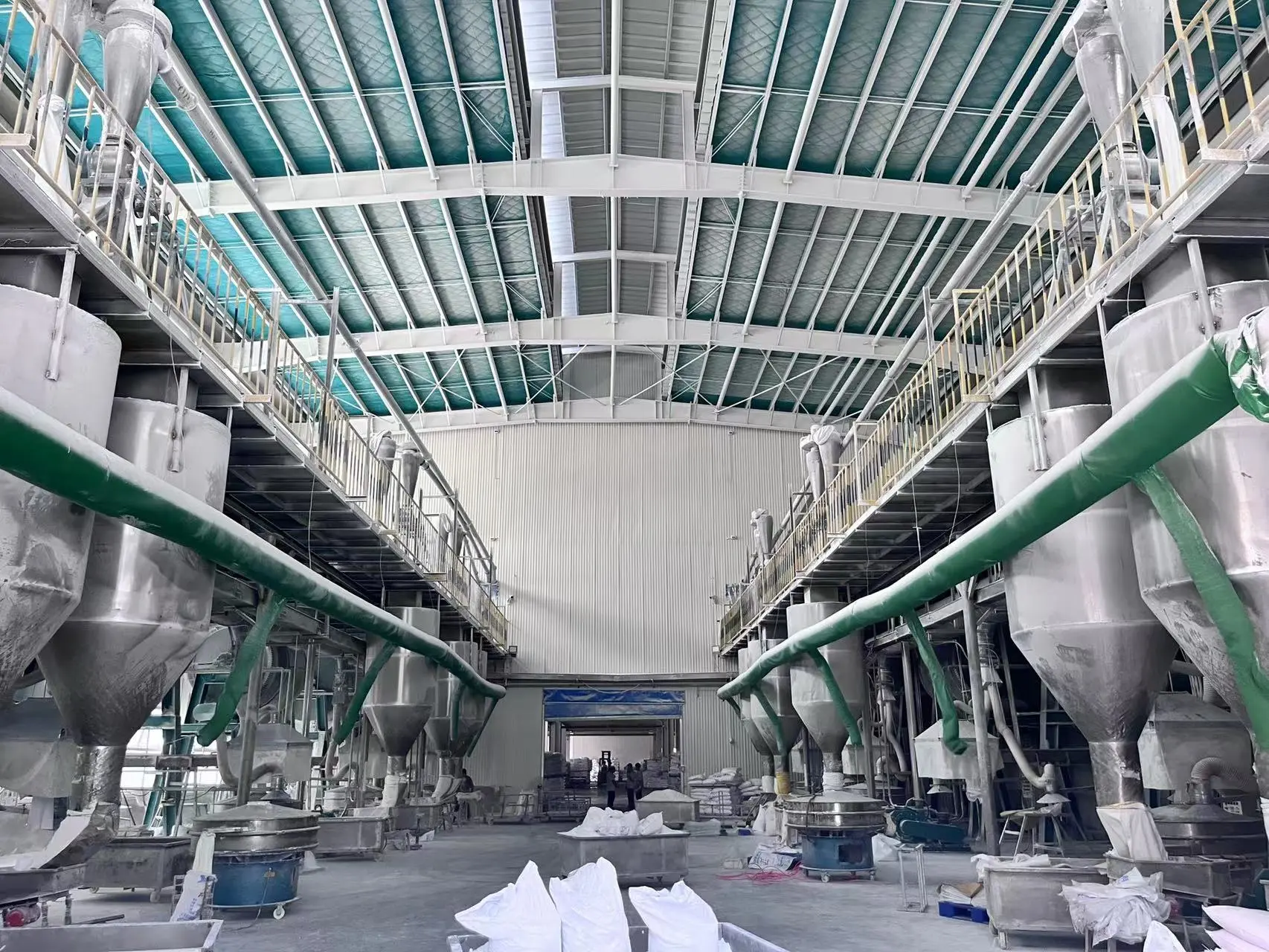
Our manufacturing footprint spans 270,000 square meters, supported by a total capital investment of 2.06 billion Yuan. Our facilities are designed around automated process control loops, featuring DCS (Distributed Control Systems) to monitor critical chemical reactions, thermal profiles, and material flow rates. This advanced instrumentation ensures consistent chemical batches and reliable feedstock supply for structural panels, thermosets, adhesives, coatings, and downstream chemical synthesis.
A detailed examination of physical-chemical properties, adhesive bonding performance, and compliance metrics across primary resin matrices.
| Resin Type | Adhesive Backbone / Chemistry | Formaldehyde Off-Gassing (mg/m³) | Water / Moisture Resistance | Target Applications |
|---|---|---|---|---|
| No Added Formaldehyde (NAF) | pMDI / Soy-Protein / Polyurethane | < 0.005 (Below Detection Limits) | Excellent (Boil-resistant / Type I) | Eco-Friendly Flooring, High-End Cabinetry, Marine Wood Composites |
| Phenol-Formaldehyde (PF) | Phenolic Condensation Polymer | < 0.030 (Ultra Low Emission) | Superior (Weatherproof) | Exterior Cladding, Structural Plywood, Concrete Formwork |
| Melamine-Urea-Formaldehyde (MUF) | Melamine Co-condensation | 0.030 – 0.050 (Low Emission) | High (Moisture Resistant) | Bathroom furniture, Laminate Flooring Substrates |
| Urea-Formaldehyde (UF) | Urea Formaldehyde Condensation | 0.060 – 0.120 (Standard Emission) | Moderate (Interior Grade Only) | Dry-use Particleboard, Interior MDF, Basic Furniture Panels |
How integrated industrial clusters, advanced automation, and domestic raw material networks provide cost-effective and reliable chemical sourcing.
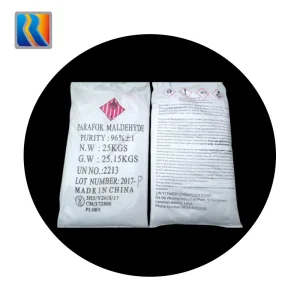
Shandong Runtai's operational model integrates the synthesis of primary chemical building blocks like formaldehyde and melamine with downstream polymers and specialty resins. This configuration reduces reliance on external raw material suppliers, insulates production from feedstock price volatility, and ensures consistent quality control throughout the manufacturing lifecycle.
By implementing Distributed Control Systems (DCS), our manufacturing lines optimize real-time thermodynamic and chemical reactions. This level of automation reduces energy consumption, limits waste generation, and lowers labor requirements. The resulting efficiency allows us to deliver high-quality chemical products at scale while maintaining competitive pricing.
Our products are exported to key international markets, including the United States, Thailand, Kenya, and Egypt. We handle all aspects of export documentation, maritime chemical cargo safety, and compliance with REACH, EPA, and CARB standards, ensuring reliable delivery and smooth customs clearance for our clients.

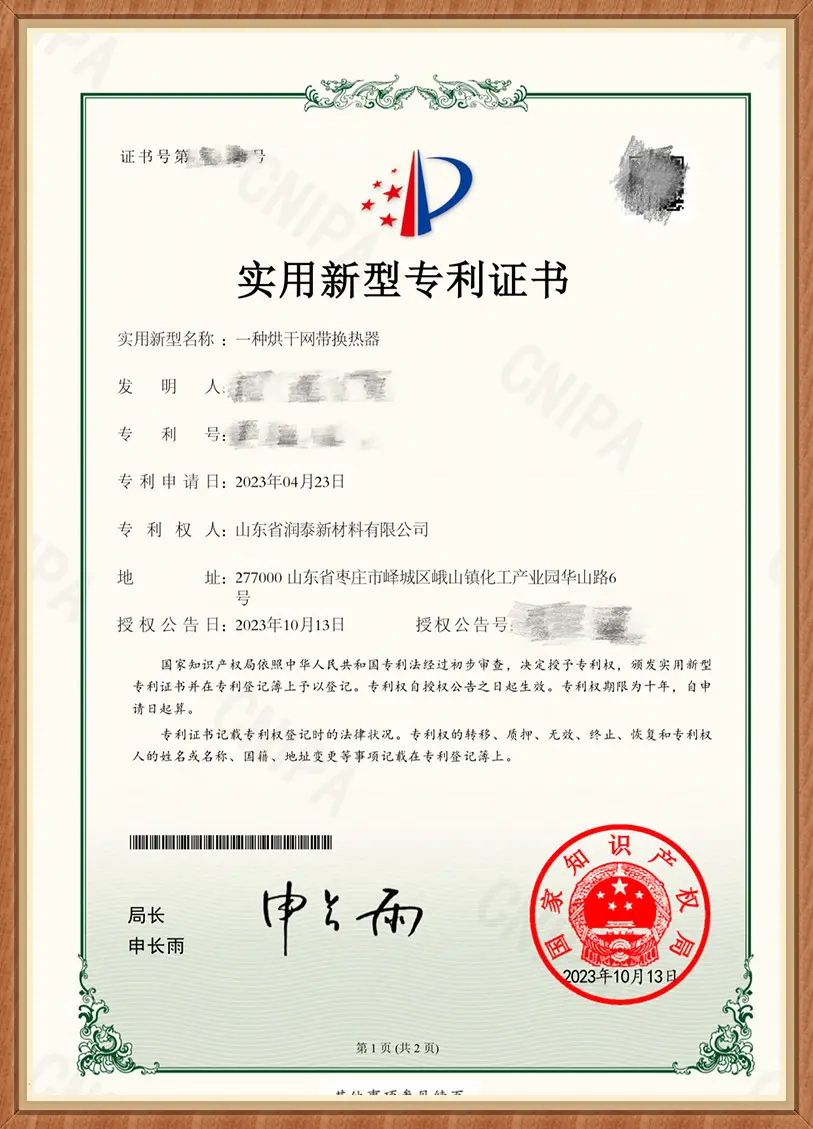
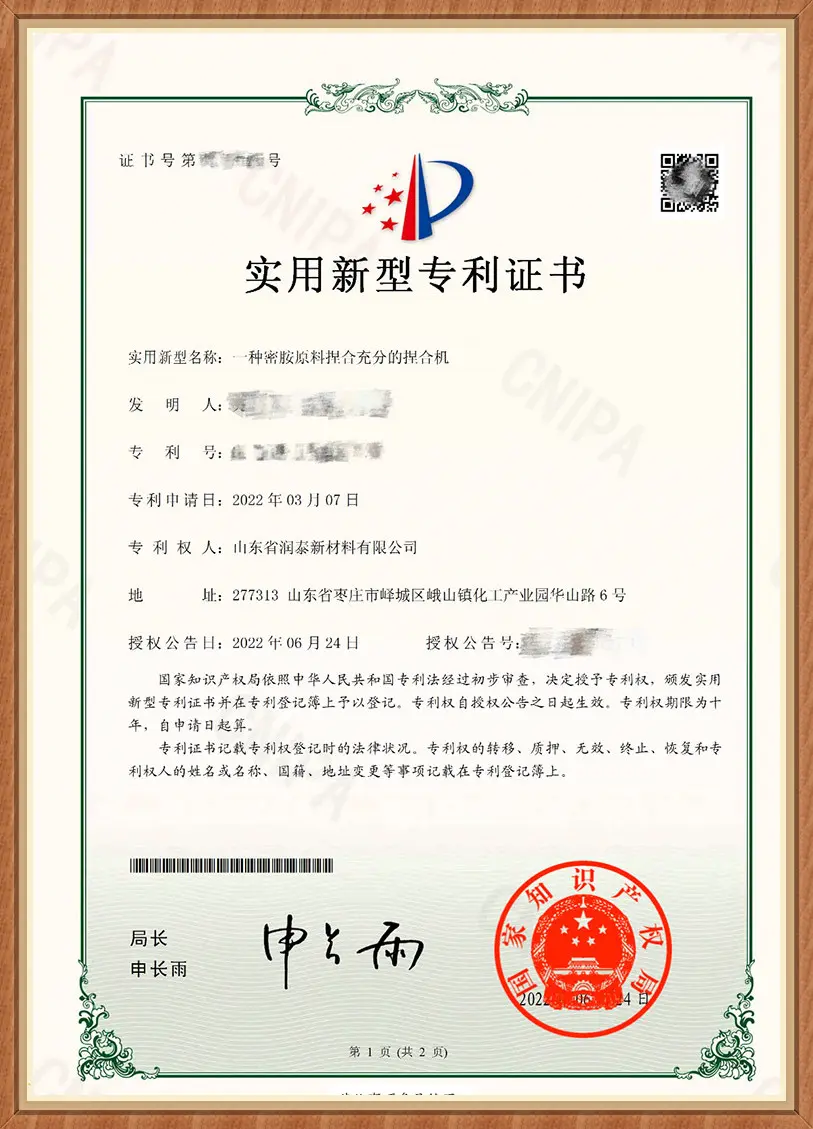
Innovation is central to Shandong Runtai's development strategy. We work in partnership with the Changzhou Research Institute of the Beijing University of Chemical Technology (BUCT) to bridge the gap between academic research and industrial application. Supported by a dedicated doctoral research and development team, this collaboration has resulted in several patented technologies in the fields of high-density resins and low-emission adhesives.
Our production facilities utilize advanced process control systems (DCS) to monitor critical manufacturing parameters. This technology maintains stable process conditions, reduces resource consumption, and improves plant safety. In line with global environmental goals, we prioritize energy-efficient processes and the development of sustainable chemical formulations to minimize our ecological footprint.
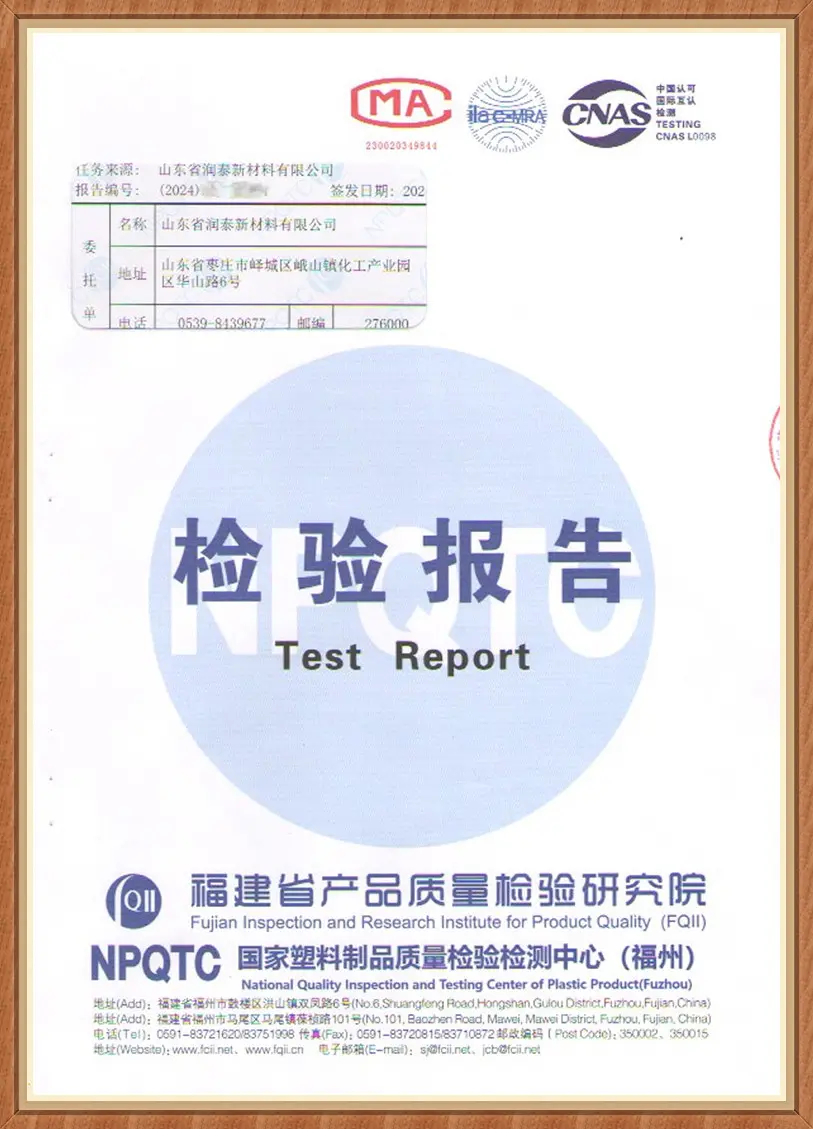
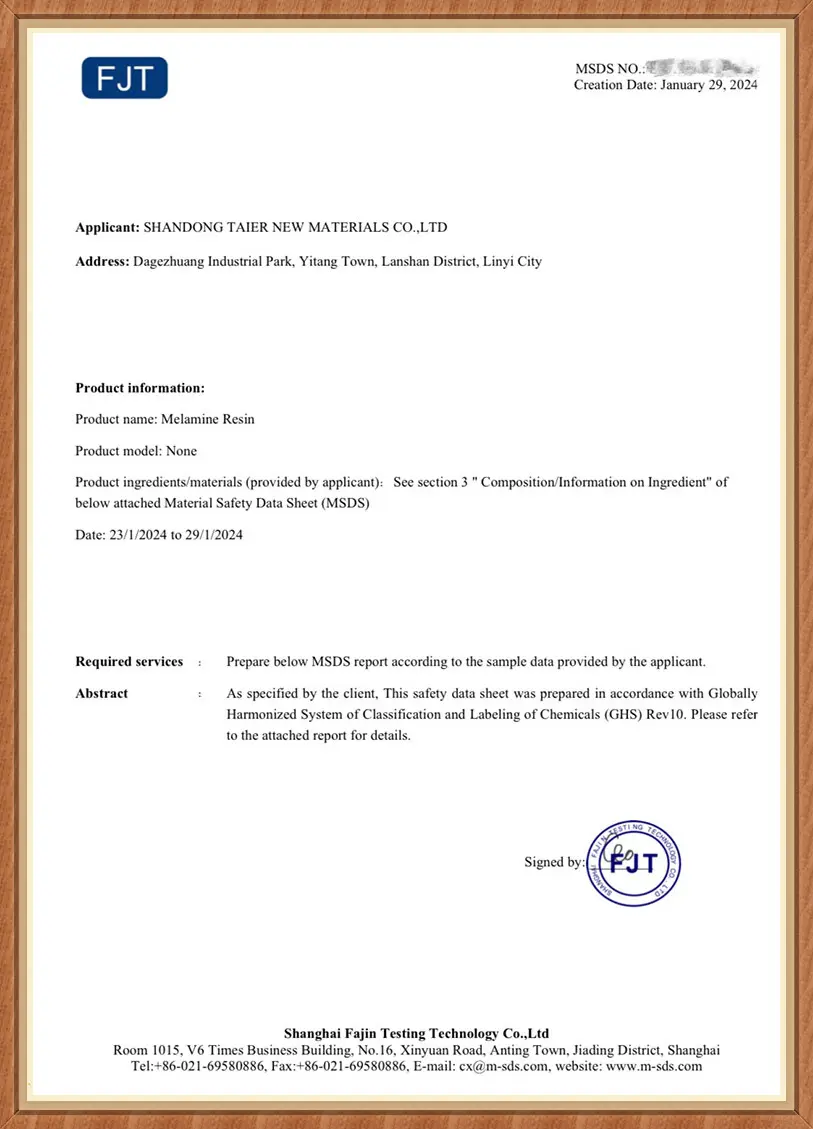
We maintain strict quality control standards throughout our manufacturing processes, supported by modern testing equipment. Our production lines operate under ISO 9001 and ISO 14001 certifications to ensure product quality and environmental compliance. By maintaining high-precision specifications, our chemicals help clients meet regulatory requirements for low-emission and sustainable products.
Providing high-performance chemical solutions for construction, furniture manufacturing, and paper impregnation industries worldwide.
Our resins and additives are used in the manufacturing of MDF, HDF, particleboard, and plywood. These materials provide strong structural bonding and stability, helping manufacturers meet regulatory standards for low emissions and clean indoor air quality.
Our Melamine Moulding Compounds and glazing powders are formulated to produce high-durability surfaces. They provide scratch resistance, chemical resistance, and thermal stability for decorative laminate sheets, flooring surfaces, and commercial tableware.
We manufacture water-based additives, acrylic thickeners, and specialty defoamers designed for paint, coating, and flexible packaging formulations. These additives improve film formation, chemical stability, and coating performance.
Expert answers to technical specifications, compliance standards, and global purchasing procedures from our engineering team.
Downstream polymer formulations, dispersants, and moulding compounds for international manufacturers.
 Runtai