Explore our industrial grade chemicals optimized for plywood, MDF, particleboard, tableware, and high-performance laminating coatings.
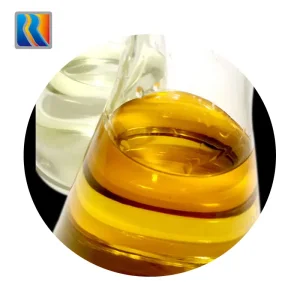
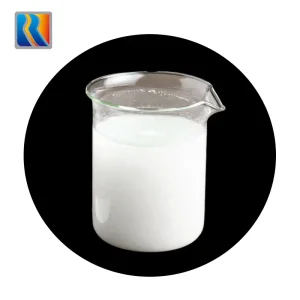
A comprehensive guide on synthesis, polymer science, emission regulations, and next-generation composite resins.
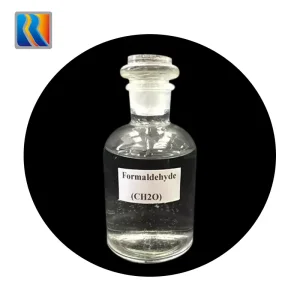
Formaldehyde is the cornerstone raw chemical for modern wood-based panel industries. Due to its exceptional reactivity, high efficiency, and affordability, formaldehyde acts as a key cross-linking agent in thermosetting synthetic resins. When reacted with urea, melamine, or phenol, it forms complex, three-dimensional polymeric networks that deliver the mechanical strength, moisture protection, and structural integrity required by modern architectural applications.
Specifically, Urea-Formaldehyde (UF), Melamine-Formaldehyde (MF), and Phenolic (PF) resins represent the vast majority of binding technologies applied in the manufacture of Medium Density Fiberboard (MDF), Oriented Strand Board (OSB), Particleboard (PB), and Plywood. Without these highly reactive formaldehyde-derived networks, producing large-format engineered timber sheets with uniform density, strength, and fire-resistant configurations would be technically unviable.
Mainly utilized in interior-grade applications, particleboards, and furniture panel fabrication. Known for fast curing cycles, low cost, and clear bond lines. However, it exhibits susceptibility to hydrolytic degradation under warm, humid conditions.
Engineered for applications requesting elevated humidity tolerance. The addition of melamine molecules enhances the resistance against hydrolysis, rendering the resulting engineered panels suitable for kitchen modules, flooring bases, and exterior structural components.
Reserved for heavy-duty structural exterior materials (such as marine plywood and OSB sheets). PF resin forms fully water-proof bonds that resist boiling water tests, extreme climatic conditions, and biological attack, despite requiring higher thermal curing cycles.
In recent decades, structural wood composite manufacturers have pivoted to align with stringent international limits on volatile organic compounds (VOCs). The industry must satisfy various regulatory standards:
CARB Phase 2 & EPA TSCA Title VI: Established in the United States, these regulations limit formaldehyde emissions from hardwood plywood to 0.05 ppm, particleboards to 0.09 ppm, and thin MDF to 0.11 ppm. Compliance is tested using standard chamber methods (such as ASTM D6007 or E1333).
European Standard (EN 13986): Defines E1 (≤ 0.1 ppm) and E2 limits. Additionally, many forward-thinking manufacturers now align with "E0" or "Super E0" benchmarks (≤ 0.05 mg/L in desiccator values) to meet voluntary eco-labeling programs.
F-Star Ratings (JIS A 1460): The Japanese rating system places its strictest designation, F★★★★ (≤ 0.3 mg/L average emission), representing the safest level, permitting unlimited indoor application of the engineered panel products.
By utilizing advanced production methods and low formaldehyde-to-urea (F:U) molar ratios during synthesis, Shandong Runtai New Materials successfully produces resins that achieve these low-emission requirements without sacrificing bonding performance.
Your Premier Fine Chemical Partner & Technology Innovator
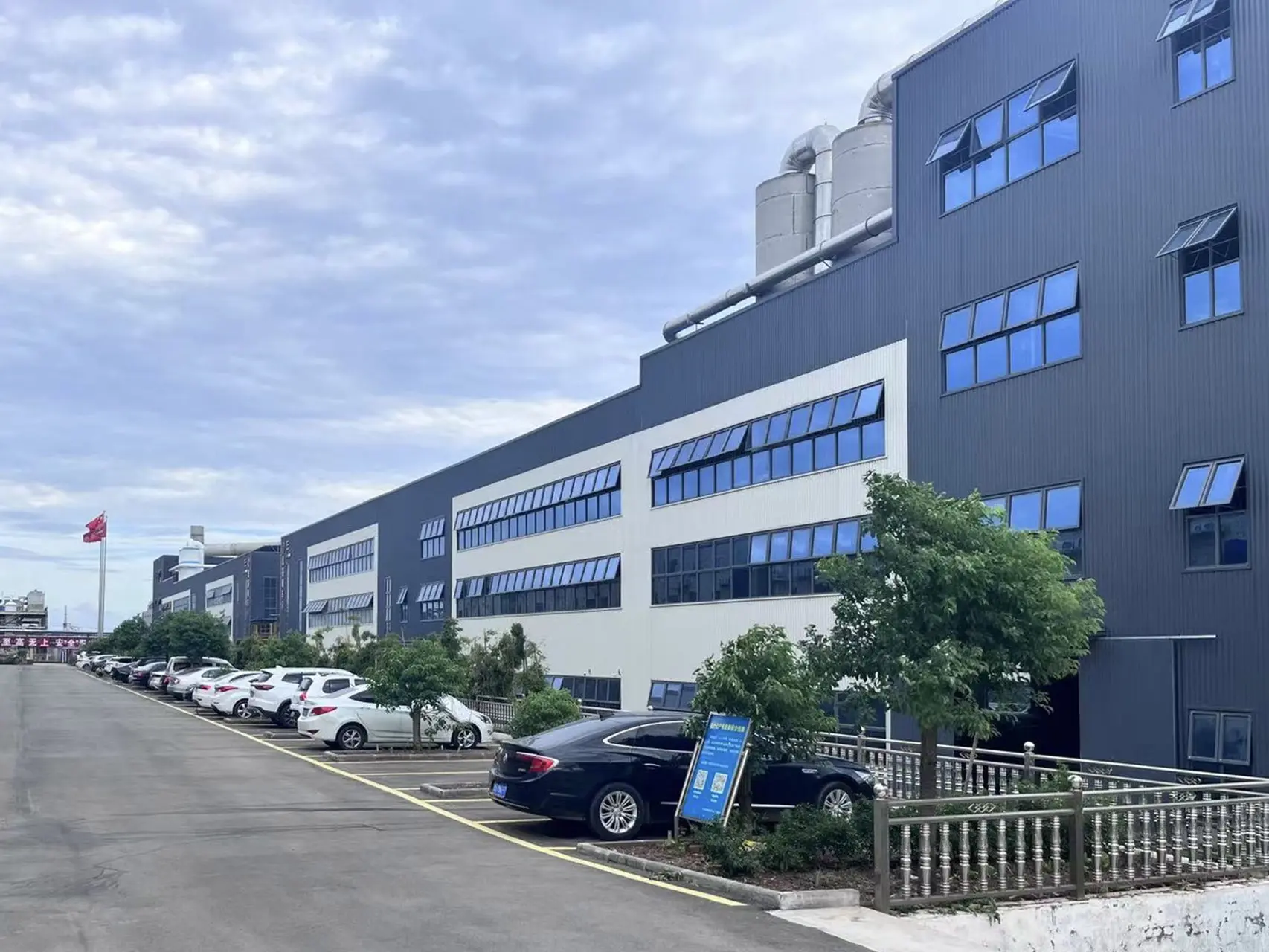
Founded in March 2020, Shandong Runtai New Materials Co., Ltd. is a comprehensive group firm that specializes in fine chemical products. Our primary products include formaldehyde, polyformaldehyde, urea formaldehyde resin, melamine powder and melamine glazing powder. The corporation has branches in five different cities throughout the whole country, with its headquarters located in Zaozhuang City, Shandong Province. Runtai New Materials covers an area of 270,000 square meters with a total investment of 2.06 billion yuan.
As a leading force in modern industrial chemical manufacturing, we have constructed an industrial chain extending from raw formaldehyde production to advanced downstream thermosetting polymers. This deep integration allows us to achieve superior quality control and stable supply capacities, making us a preferred global partner.
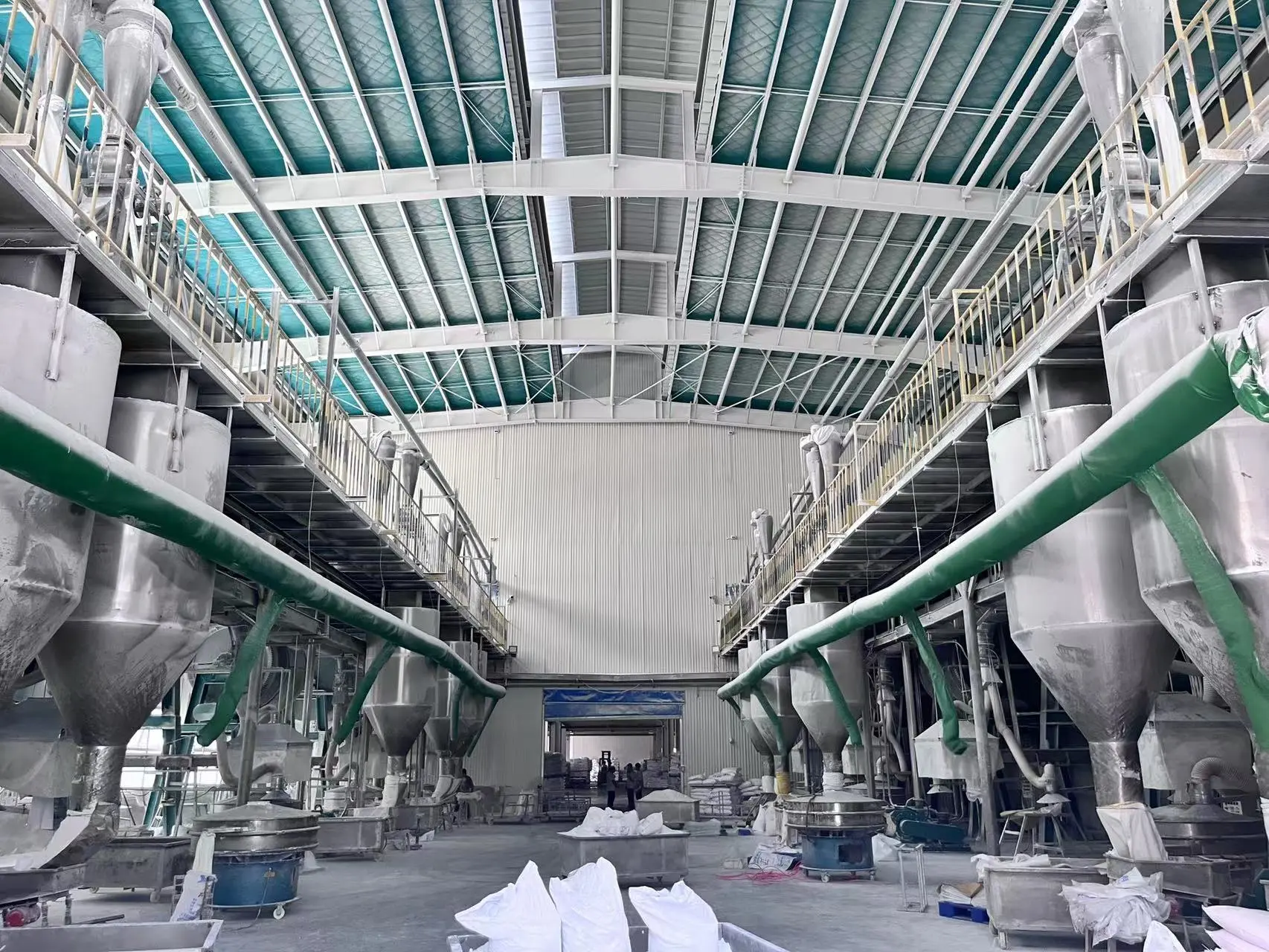
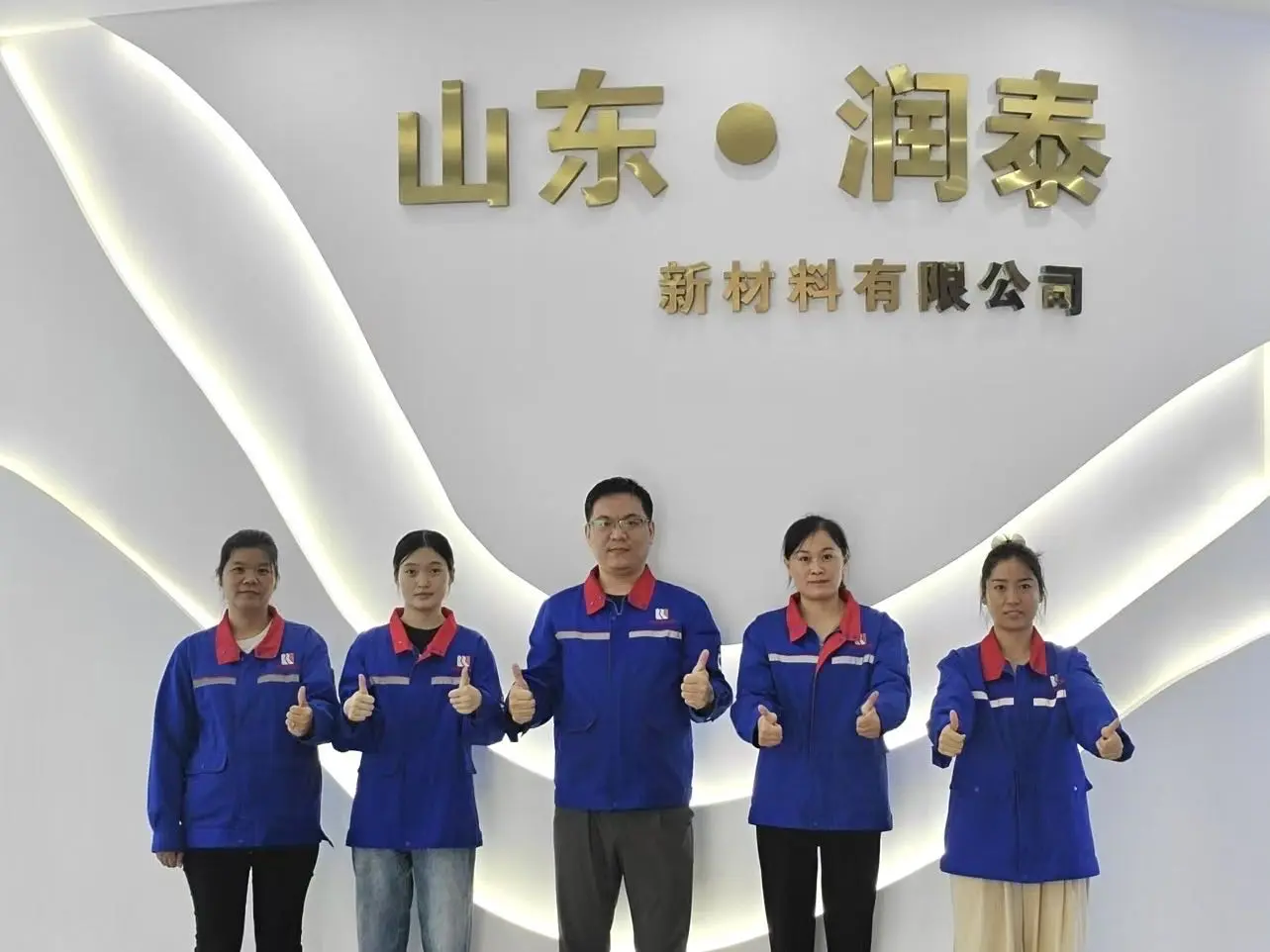
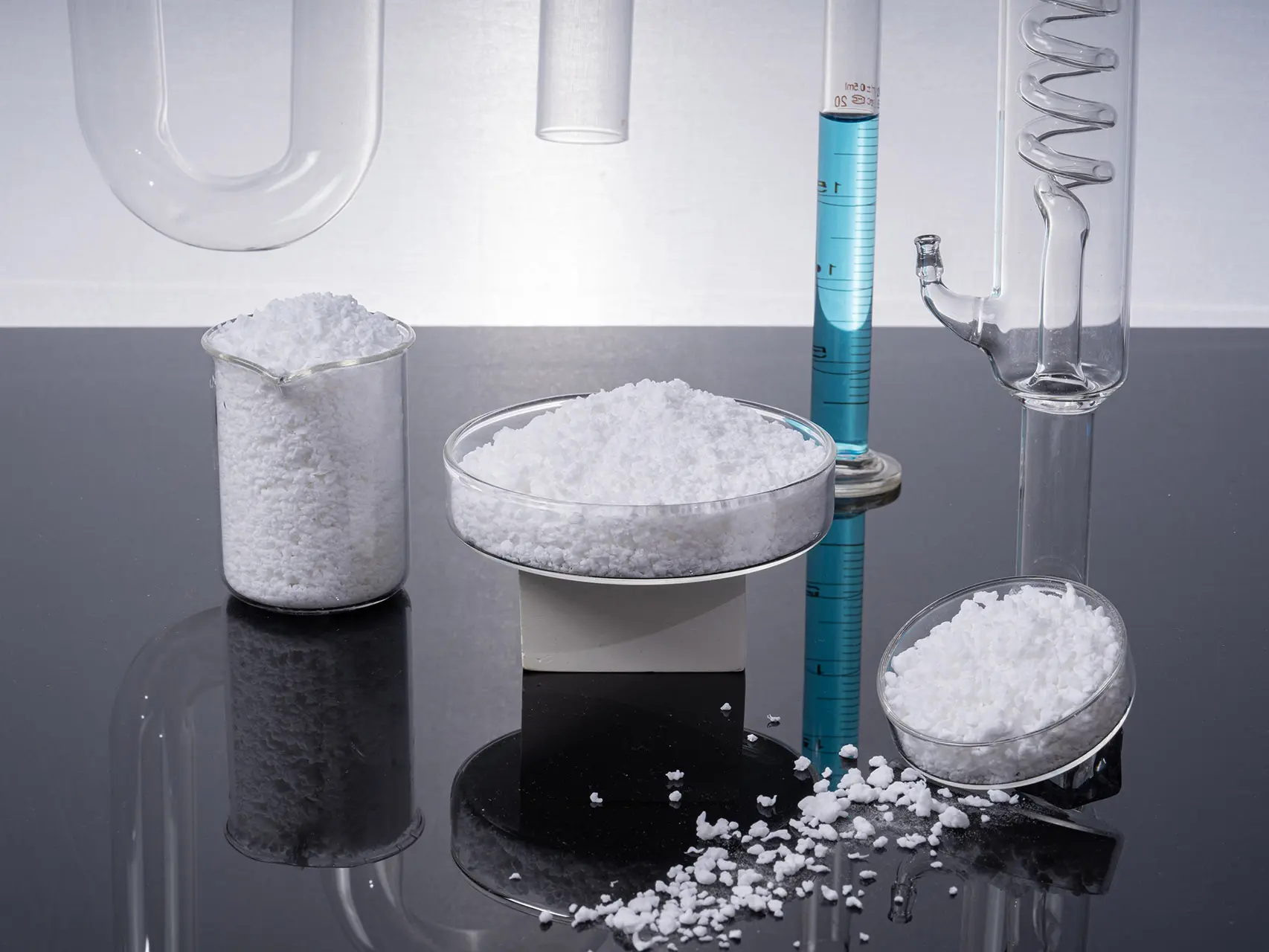
Runtai New Materials has grown to be one of China's top producers of melamine and formaldehyde due to our recent improvements in production lines growth. As of currently, the company produces 380,000 tons of formaldehyde annually, 60,000 tons of melamine annually, 20,000 tons of melamine glazing powder annually, 11,000 tons of resin annually, 300,000 tons of urea formaldehyde resin annually, and so forth. We have reached about 80% market share in China. At the same time, we are actively developing overseas business, our products have been exported to the United States, Thailand, Kenya, Egypt and other countries and have been widely praised by overseas customers.
Our service model is tailored to meet these global metrics. Runtai New Materials is a professional chemical supplier dedicated to satisfying customer requirements with superior chemical products and solutions. Our professional staff and cutting-edge production machinery are committed to the production of chemical goods that satisfy global standards. In order to satisfy the needs of various industries, we simultaneously offer standardized products as well as tailored solutions based on the unique requirements of our customers.
Understanding the economic, industrial, and technological advantages of Chinese chemical synthesis.
China is home to the world's most robust industrial ecosystems for primary chemicals, such as methanol, urea, and melamine. Shandong province, a primary hub for chemical manufacturing, offers ready access to these raw inputs. Runtai New Materials leverages this proximity to secure uninterrupted supply lines, shielding international buyers from price volatility and product shortages.
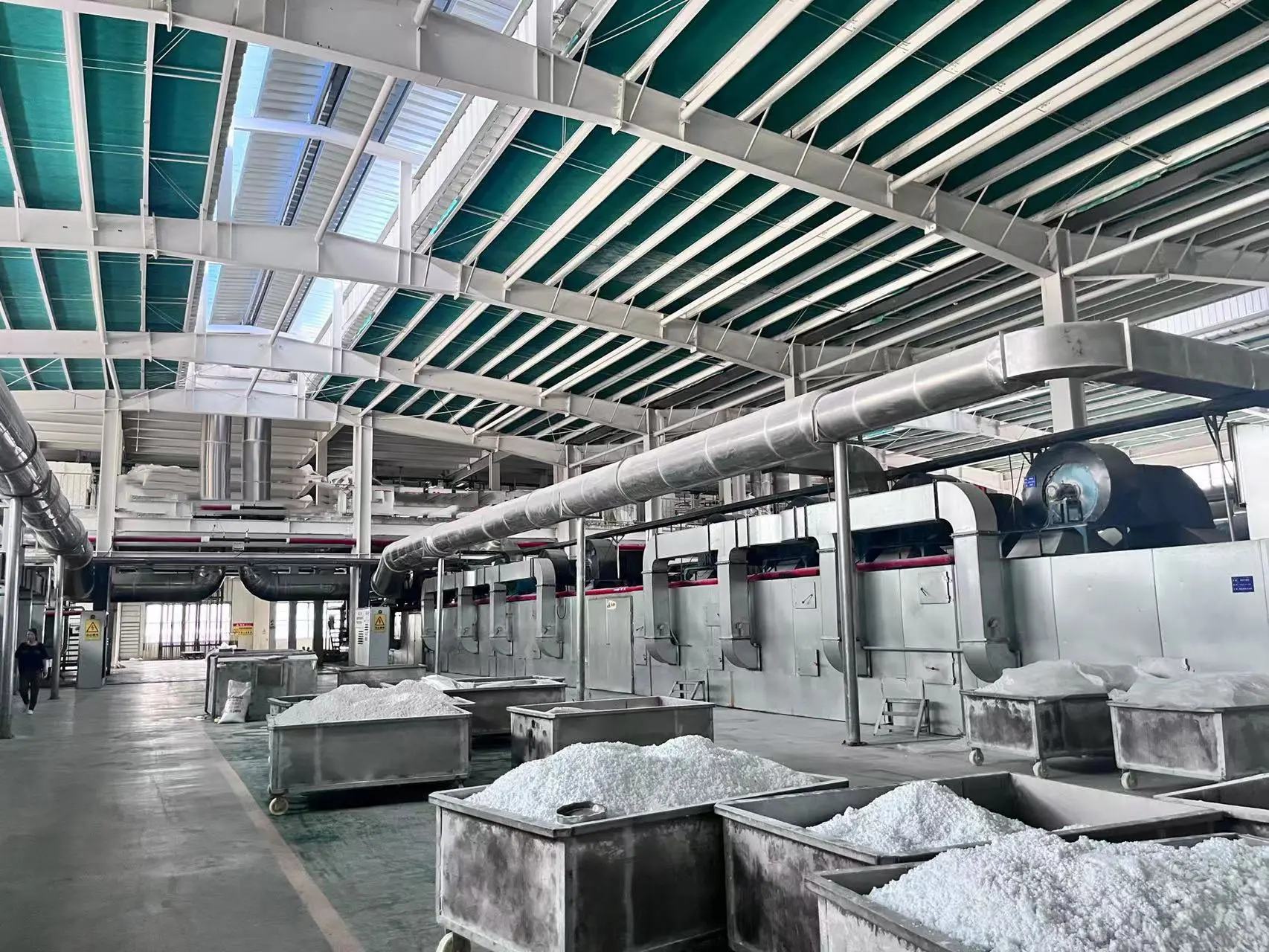
Our manufacturing operations are built upon DCS (Distributed Control Systems) architecture. By monitoring temperatures, pressure variables, and reactant ratios in real-time, we achieve high yield consistencies, maintaining strict tolerances on polymer viscosity, solids content, and free formaldehyde levels.
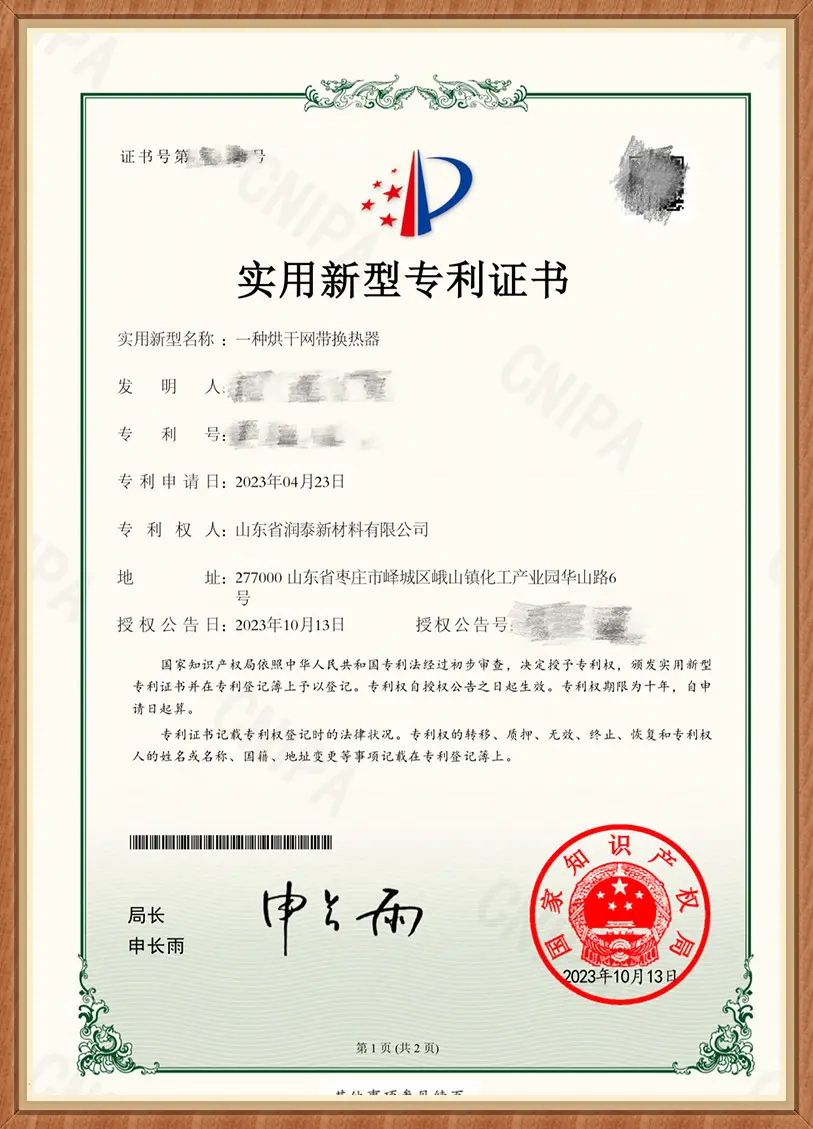
Our partnership with institutions like the Changzhou Research Institute of Beijing University of Chemical Technology fuels continuous product refinement. Backed by a doctoral R&D team and proprietary patents, we innovate low-emission resins, water-based additives, and advanced polymer compounds to keep clients ahead of evolving environmental regulations.

How we ensure product safety, quality, and supply continuity for global enterprises.
After the completion of the melamine project, Runtai New material Co., LTD has become a comprehensive enterprise in the forefront of China's research, production, sales and application of new chemical materials with formaldehyde as raw materials. Melamine materials are projected to have a leading market share nationwide.
Apply the guiding principles of "automatic control, safe and reliable, stable operation, energy saving and consumption reduction, comprehensive utilization of resources" when choosing production technology solutions. Select the more advanced distributed control system (DCS) available currently, which allows us to control the process parameters across the entire production line, ensuring high levels of product quality and equipment safety while lowering raw material consumption.
To maximize the requirements of product quality, we employ the current cutting-edge, dependable, and established equipment both domestically and internationally when choosing production and testing devices. Simultaneously, we aim to increase the level of automation in the production process, decrease labor intensity, boost labor productivity, conserve energy, and lower testing and production costs.
With the Changzhou Research Institute of Beijing University of Chemical Technology and other scientific research institutions, Runtai New material Co., LTD has long engaged in the integration of production, learning, and research. The company also has a cutting-edge doctoral research and development team in the industry and a number of patented technologies.
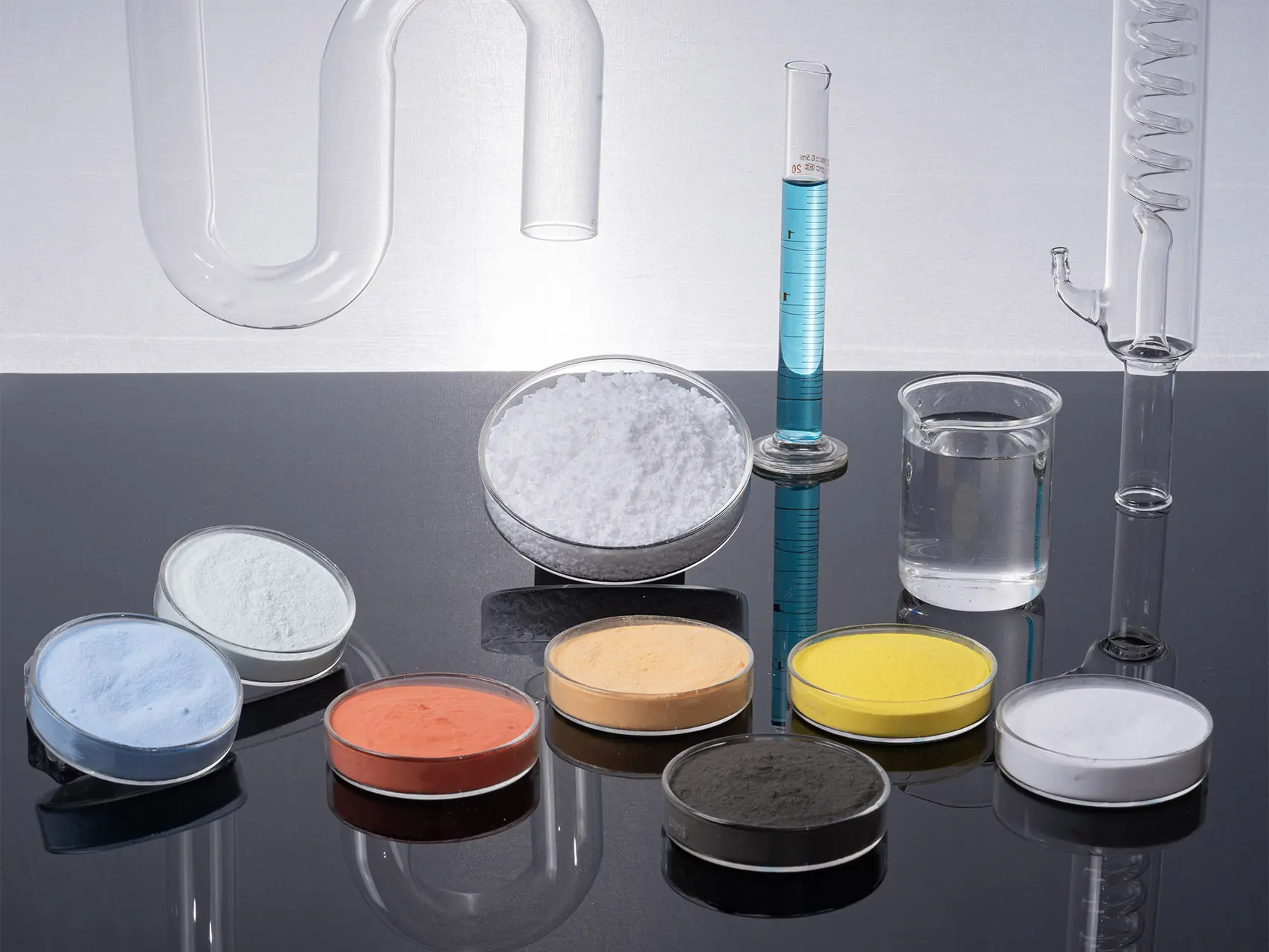
The new chemical materials industry with formaldehyde as raw materials has great potential for extension, and there are many types of derivative products, which can be widely used in adhesives, coatings, resin plastics, dyes, medical basic raw materials, and electronic, electrical, machinery, daily utensils materials replacement and upgrading fields.
Meanwhile, Runtai New Materials, as an ethical company, we prioritizes sustainable development and environmental preservation. Our commitment lies in developing and producing eco-friendly products that minimize their negative effects on the environment while adhering to pertinent laws, regulations, and standards.

Our commitment to internationally recognized quality standards and environmental protocols.
Our specialized resins serve a wide range of industrial applications:
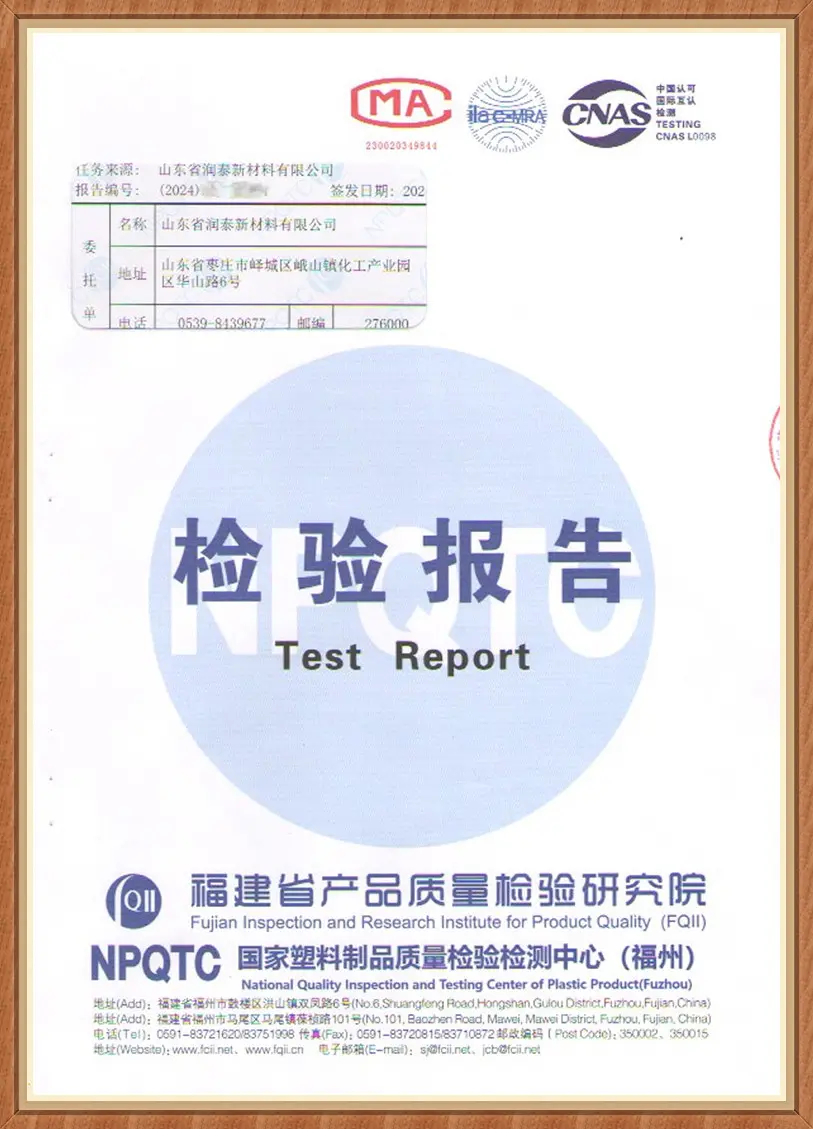
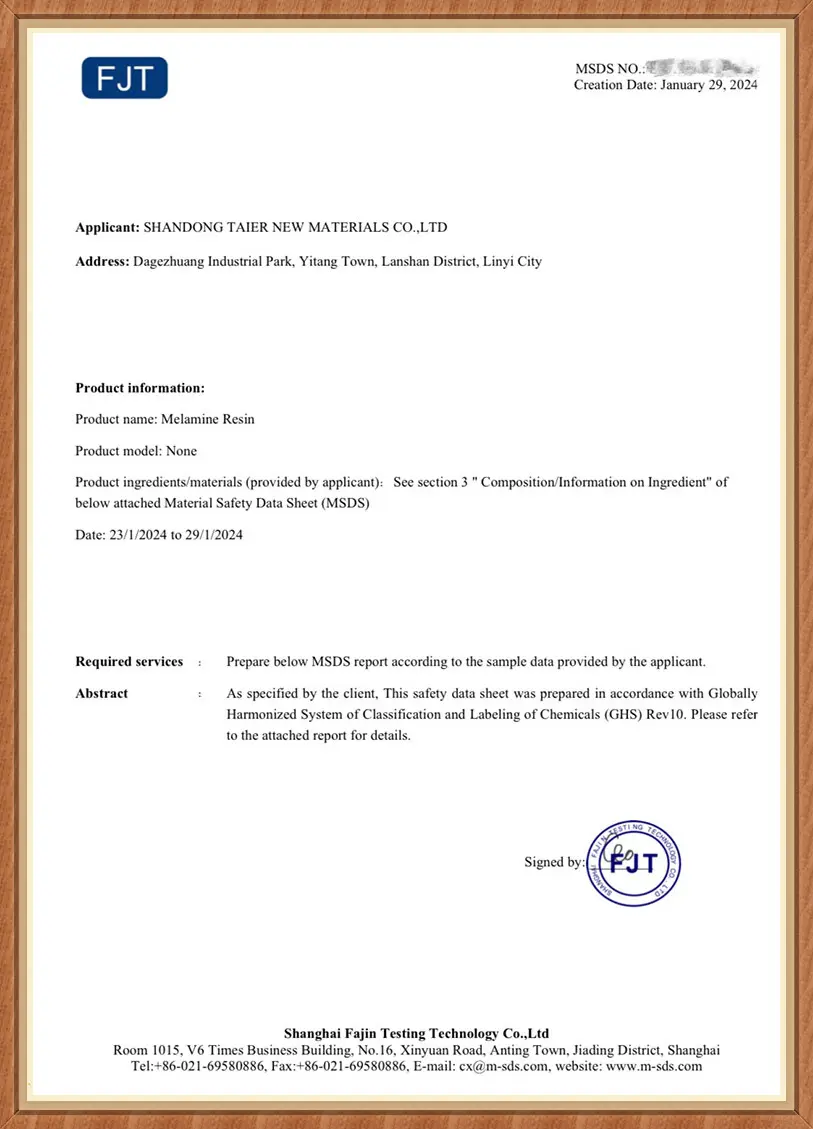
Through rigorous quality assurance programs, we maintain certifications across key environmental and quality management systems. This ensures compliance with global standards, supporting seamless international customs clearance.
Key information regarding logistics, compliance, customization, and chemical specifications.
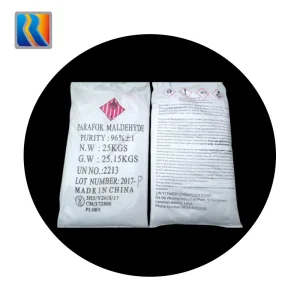
Explore our full range of chemical solutions, including curing agents, paraformaldehyde, water-based additives, and specialty thickeners.
 Runtai