Explore our top-tier industrial products manufactured to strict global standards for high-performance applications.
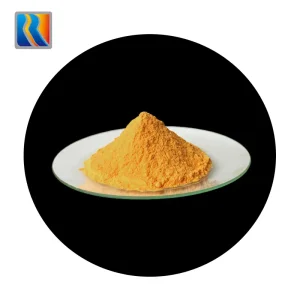
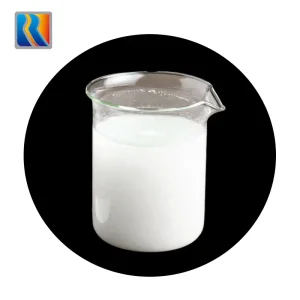
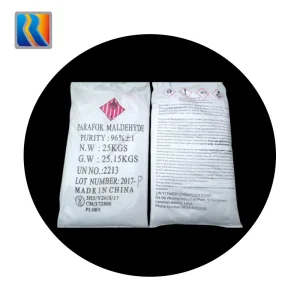
Understanding market dynamics, raw material integration, and high-performance downstream application growth.
The industrial conversion of Urea [CO(NH2)2] into Melamine [C3N6H6] represents one of the most sophisticated domains of modern nitrogen-based organic chemistry. Driven by global urbanization, the demand for melamine-formaldehyde (MF) resins, high-density wood composites, and advanced tableware polymers has experienced double-digit growth. B2B procurement managers are no longer looking for mere commodity suppliers; they require integrated production partners capable of ensuring steady feedstocks and stable pricing structures.
Globally, the integration of coal gasification and natural gas processes determines the regional cost structures of melamine plants. Chinese chemical factories, particularly those utilizing vertically integrated production lines, have established an unparalleled competitive advantage. By producing formaldehyde and urea on-site, leaders like Shandong Runtai New Materials Co., Ltd. mitigate logistics costs and guarantee continuous feedstock feeds, which translates directly to supply reliability for overseas buyers.
Additionally, modern green standards require manufacturers to control emissions of free formaldehyde and optimize energy-recovery networks. B2B buyers in the US, Europe, and Asia-Pacific must prioritize suppliers with advanced Distributed Control Systems (DCS) to ensure compliance with strict environmental regulations like REACH and TSCA.
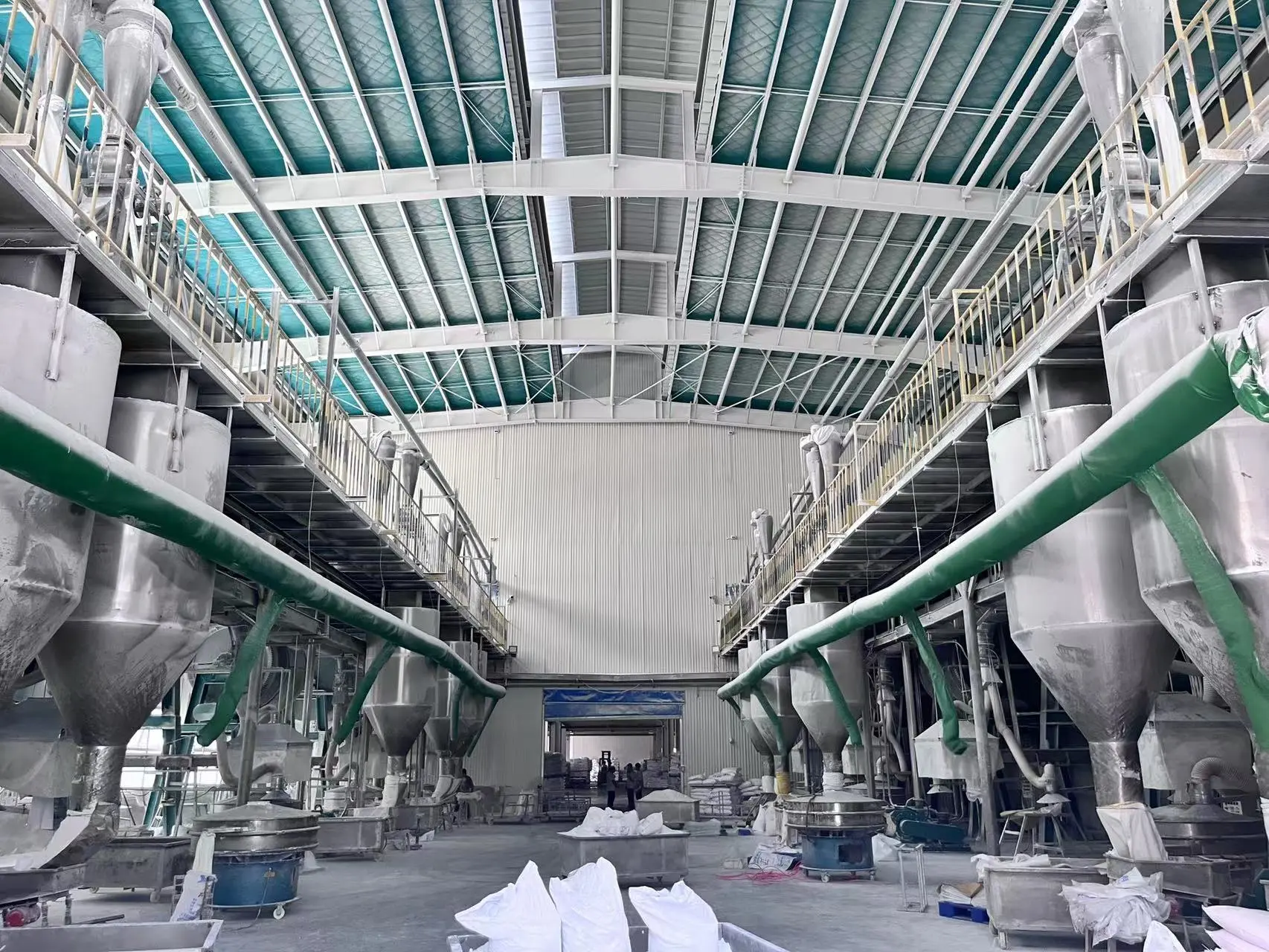
Deciphering the engineering parameters that govern product purity, crystal size, and cross-linking efficiency.
Melamine synthesis from molten urea proceeds via a complex thermal decomposition mechanism. There are two primary industrial methodologies deployed by global manufacturers:
At Shandong Runtai, we deploy cutting-edge process controls to regulate temperature uniformity, reducing cyanuric acid, ammelide, and ammeline impurities to parts-per-million (ppm) levels. This technical precision ensures our Melamine Moulding Compound (MMC) and Urea Moulding Compound (UMC) display superior thermal stability and electrical insulation properties when molded under compression.
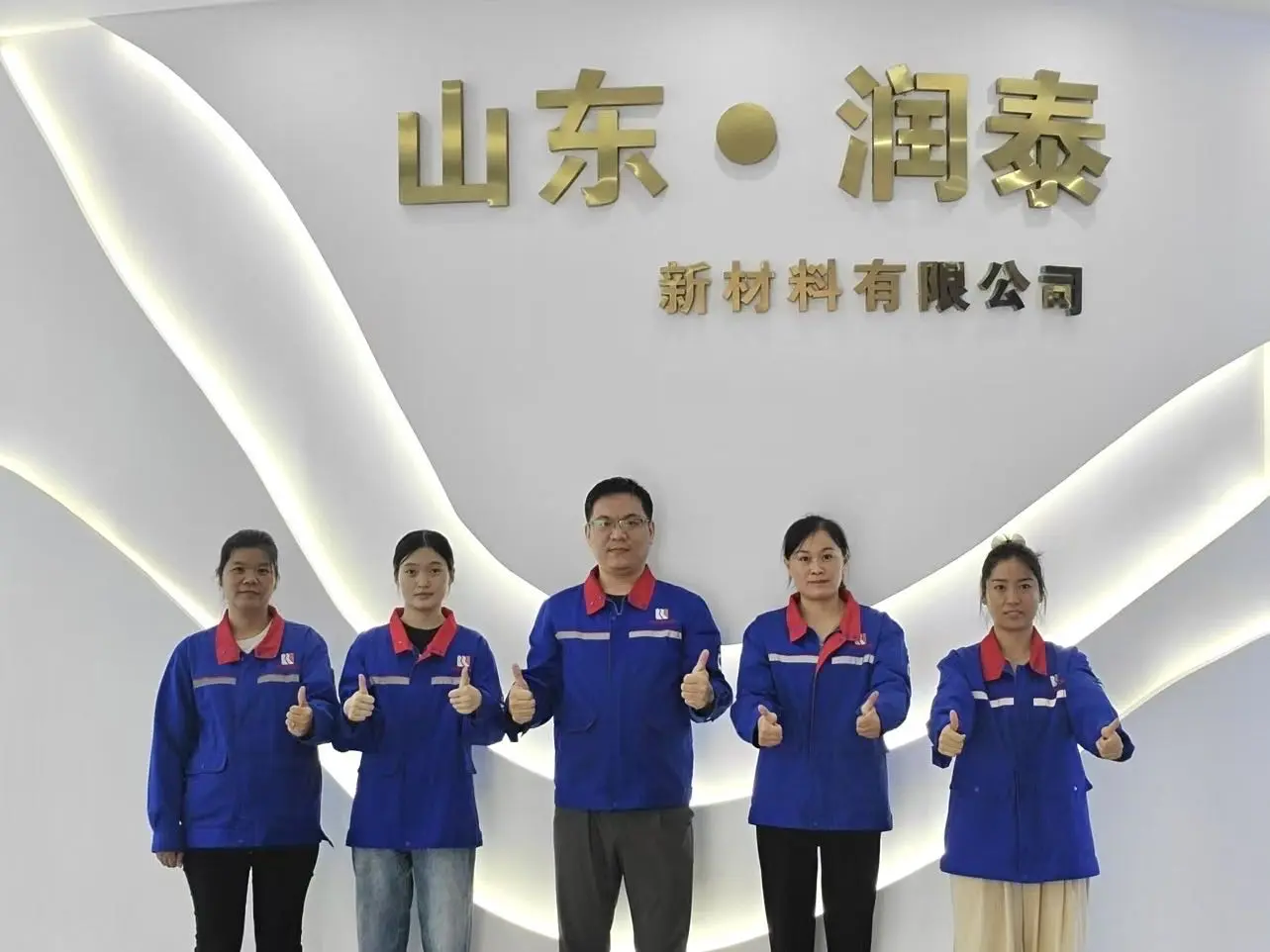
Strategic Capacity Overview and B2B Manufacturing Statistics
Why global B2B procurement professionals select Runtai New Materials as their preferred chemical partner.
From formaldehyde raw feeds to premium thermosets, our complete upstream-to-downstream setup ensures strong supply defense, price protection, and high-quality quality control throughout the production cycle.
We deploy advanced Distributed Control Systems (DCS) that monitor and adjust all process parameters in real time. This ensures safety, energy efficiency, and high chemical uniformity.
Collaborating directly with the Changzhou Research Institute of Beijing University of Chemical Technology, our doctoral R&D teams innovate next-generation polymers with low VOC emissions.
Runtai's dedication to eco-friendly production, carbon mitigation, and global chemical distribution.

Runtai New Materials integrates Social Responsibility and Green Chemistry directly into our operational roadmap. Recognizing that international buyers operate under strict emission restrictions, we prioritize developing resins and moulding compounds that minimize free formaldehyde release and volatile organic compound (VOC) emissions during processing.
Our commitment extends beyond green synthesis: we operate a circular loop utility system. Waste heat generated from the conversion of formaldehyde is recovered to power downstream evaporators, significantly lowering carbon emissions. We maintain complete ISO 9001, ISO 14001, and ISO 45001 certifications, ensuring our facility operates at the peak of international chemical standards.
Our active global logistics operations regularly serve crucial industries in the United States, Thailand, Kenya, Egypt, and beyond. We work with top tier shipping lines to ensure all dangerous goods (DG) and non-DG cargos are dispatched under rigid compliance with IMDG regulations, accompanied by precise Certificate of Analysis (COA) certificates for each batch.
Verified compliance certifications establishing global export credentials and quality consistency.
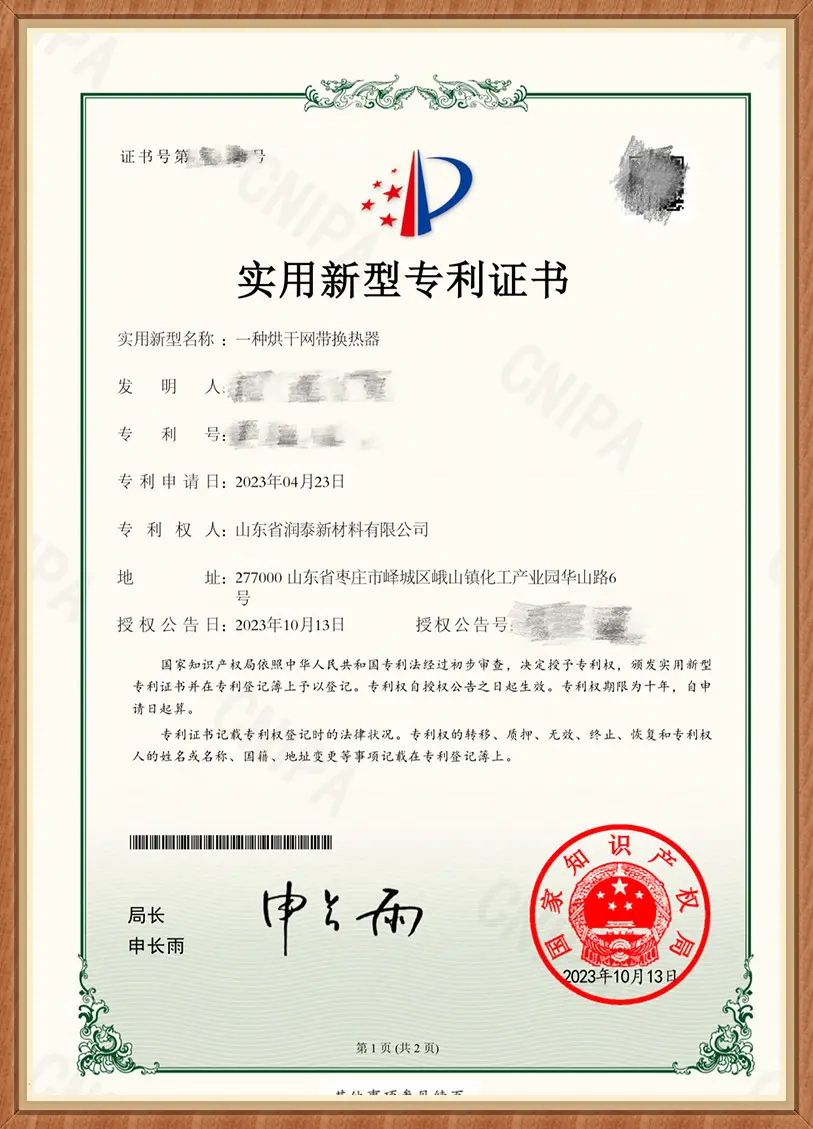
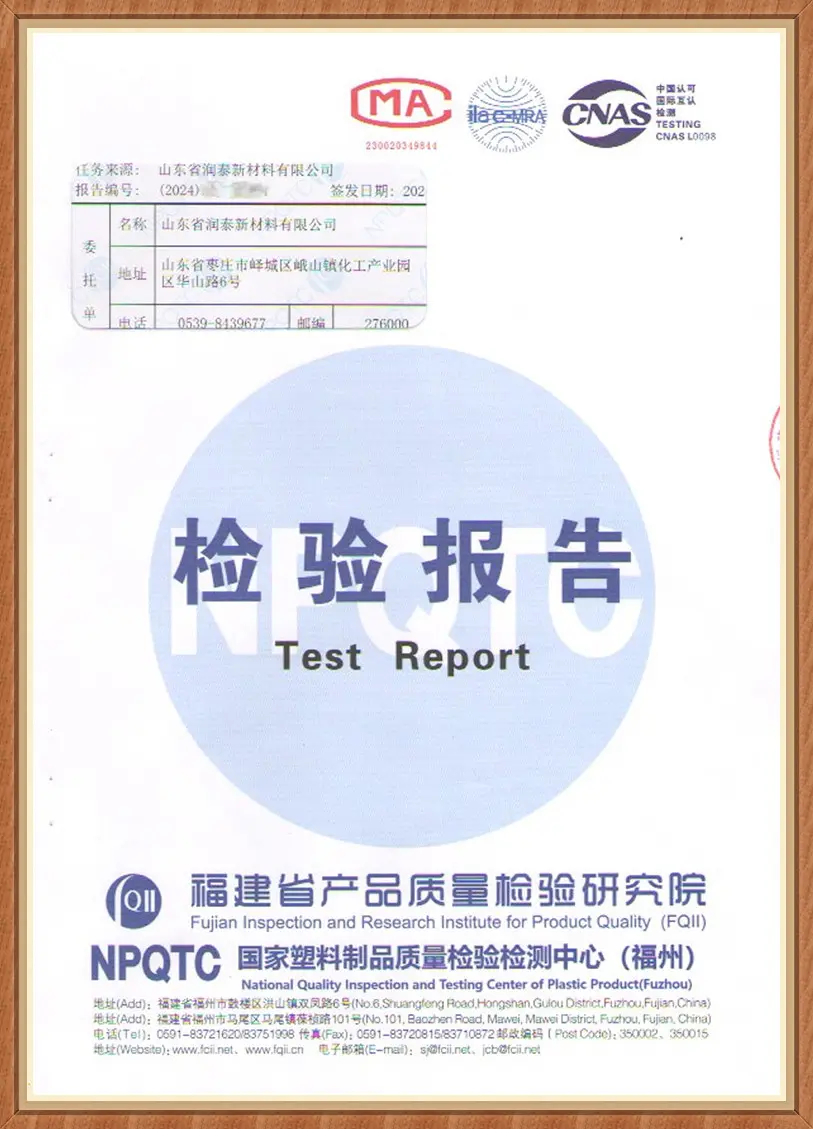
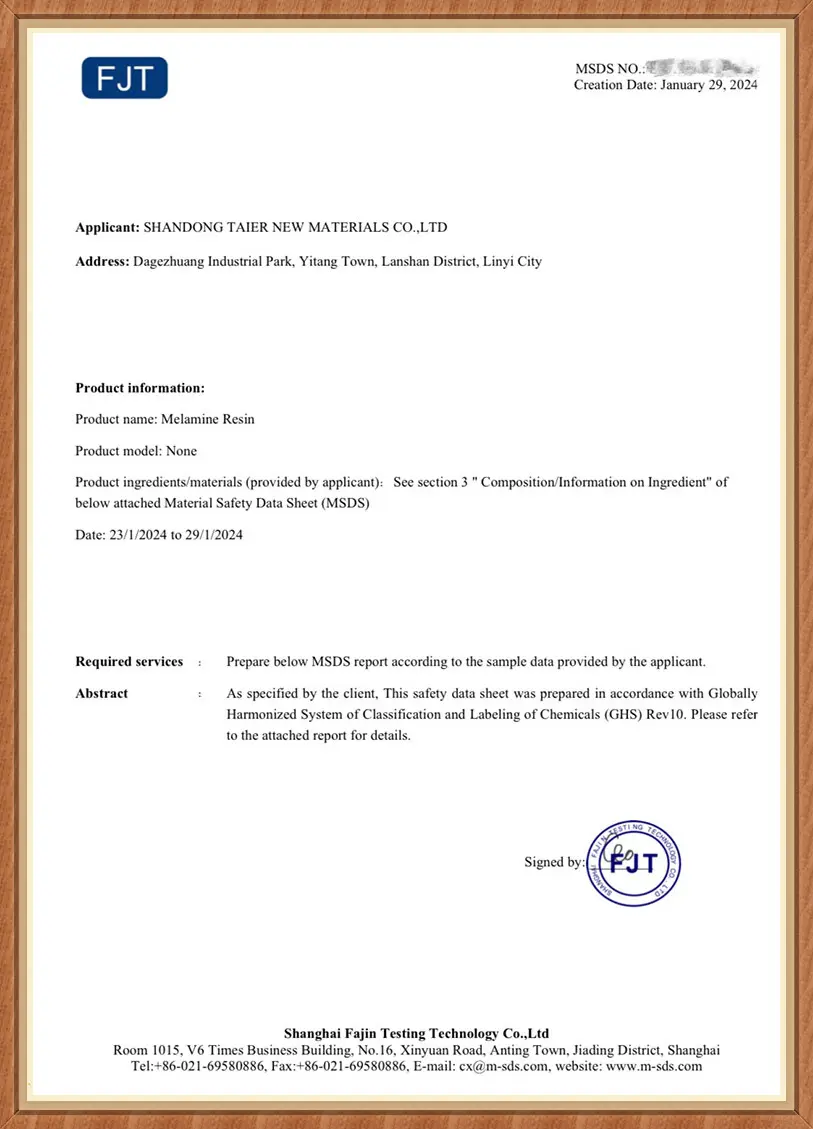
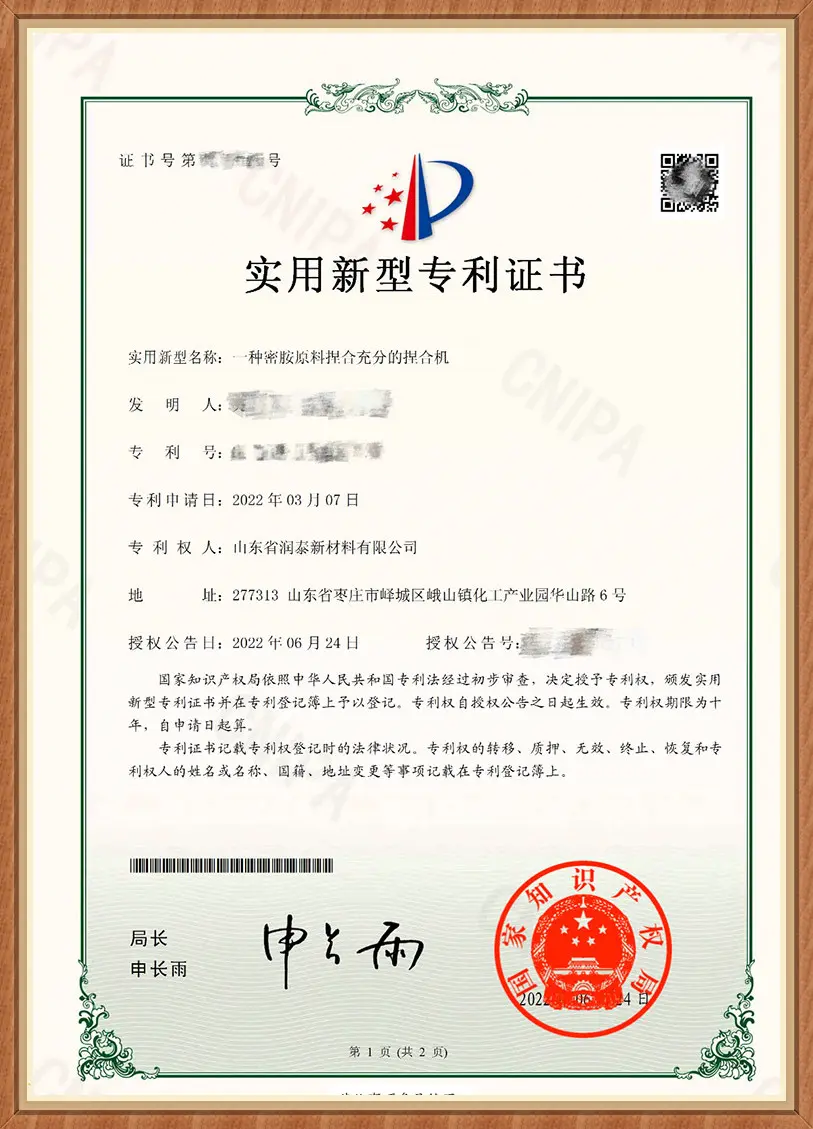
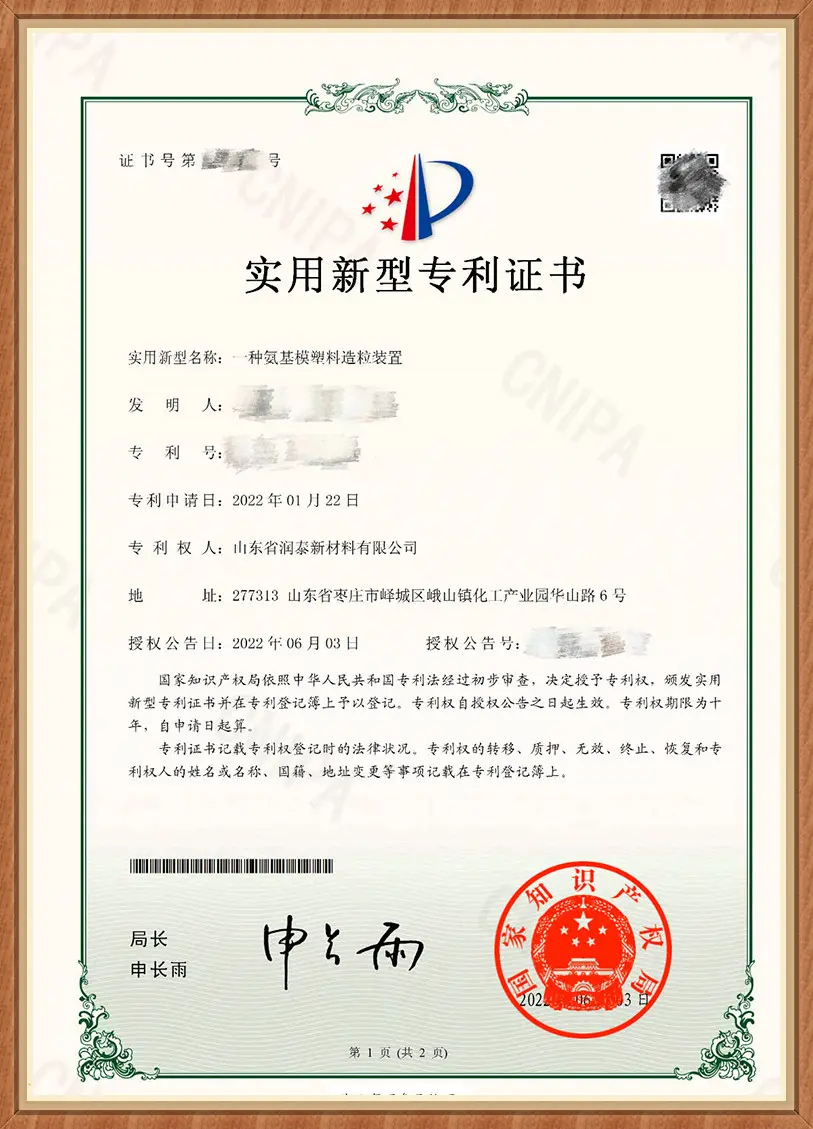
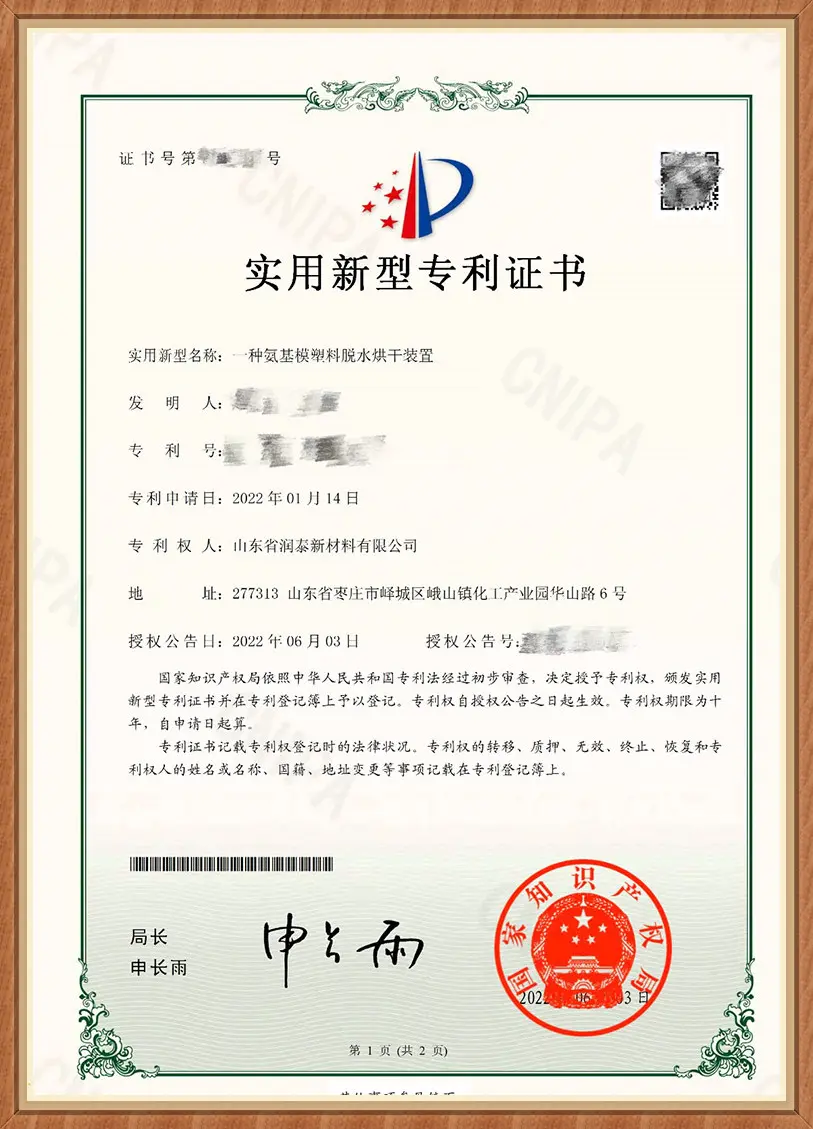
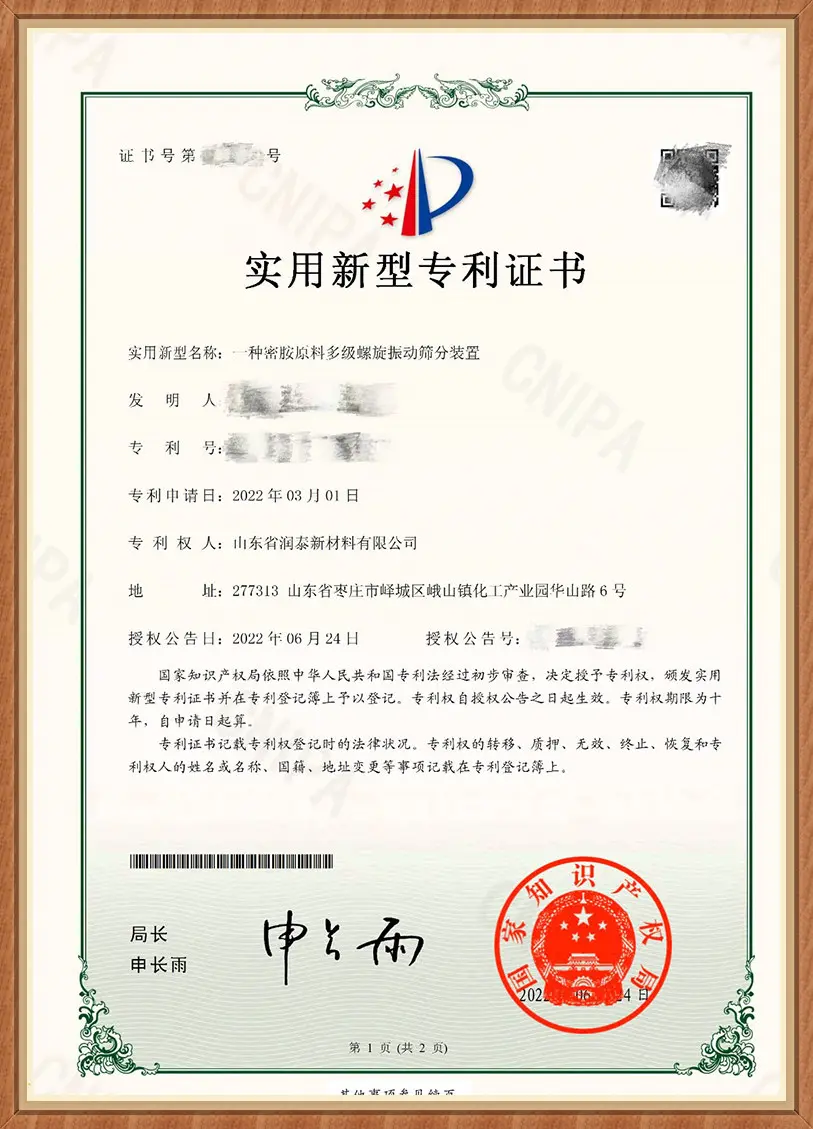
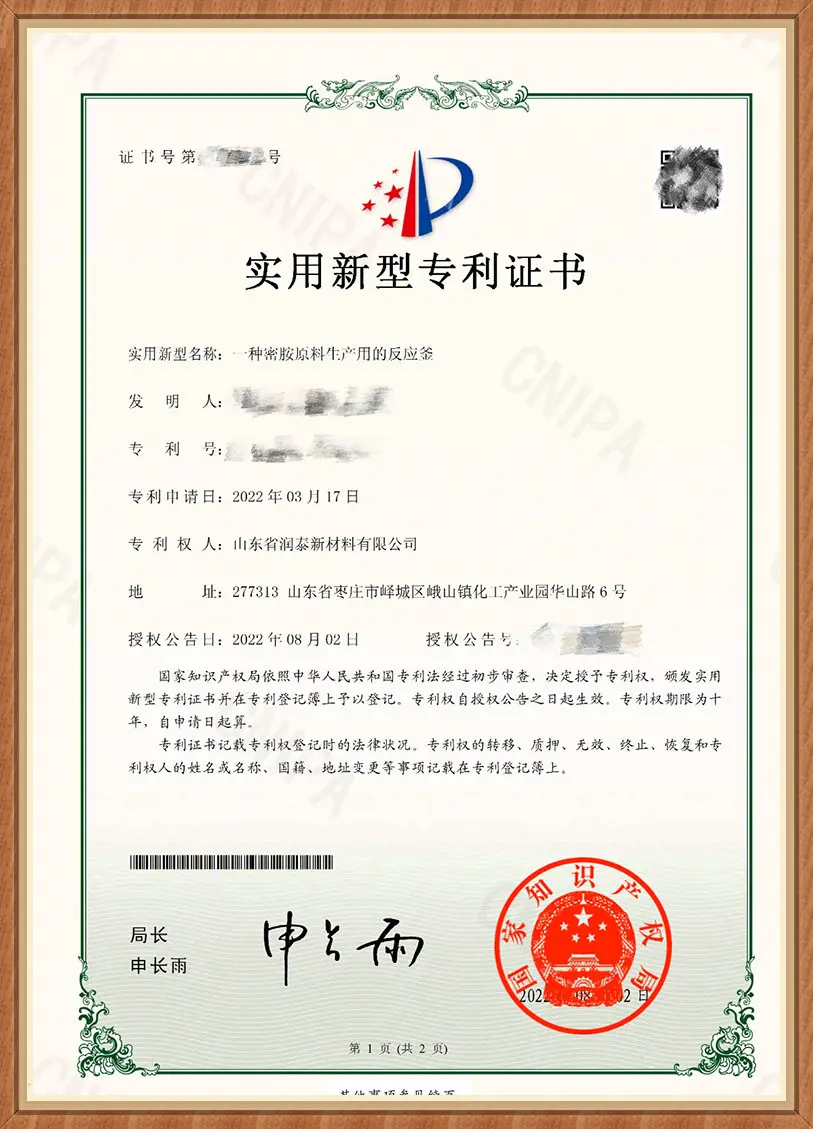
Inside Runtai's production facilities showing chemical synthesizers, filtration units, and product handling equipment.
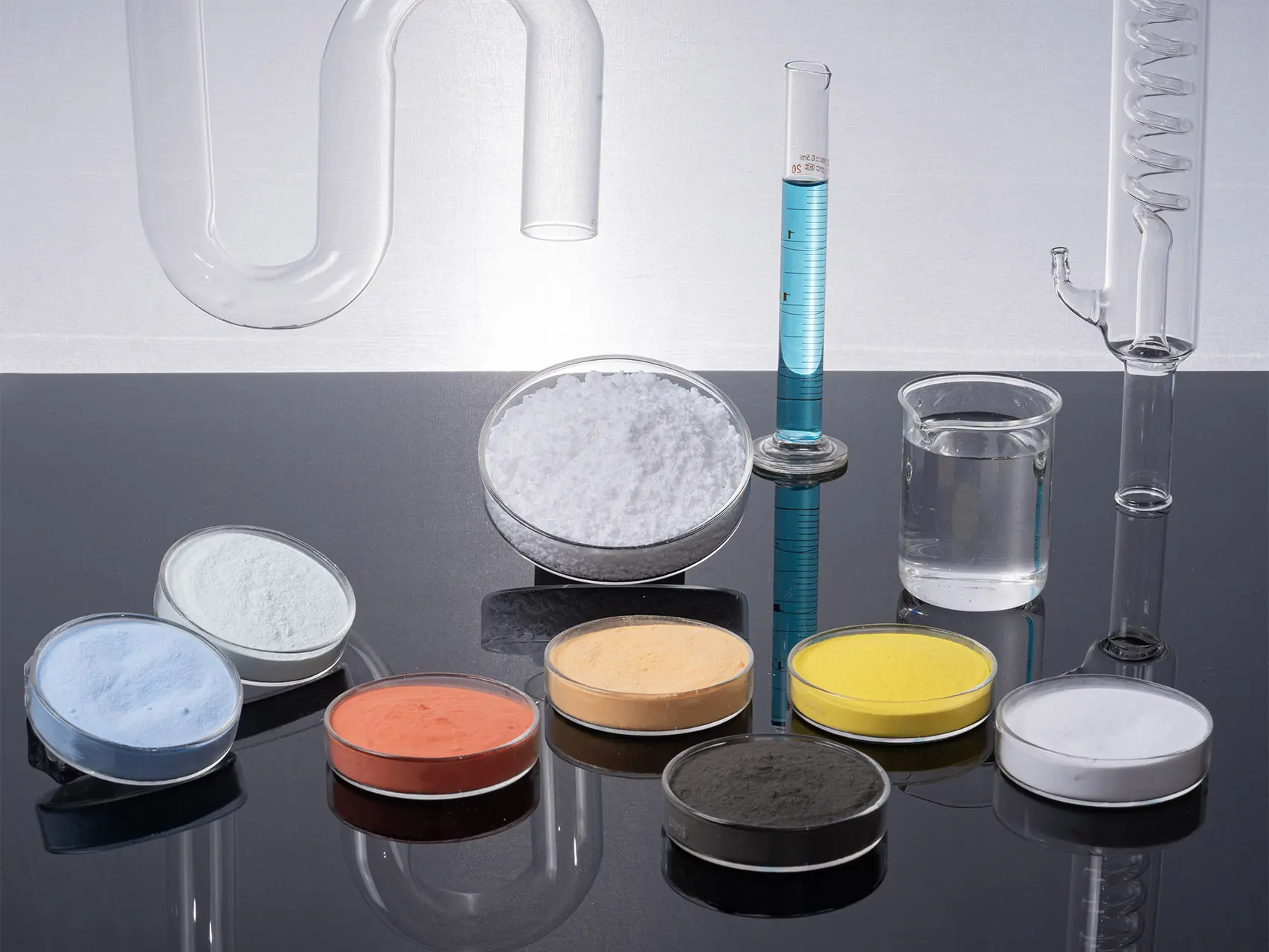
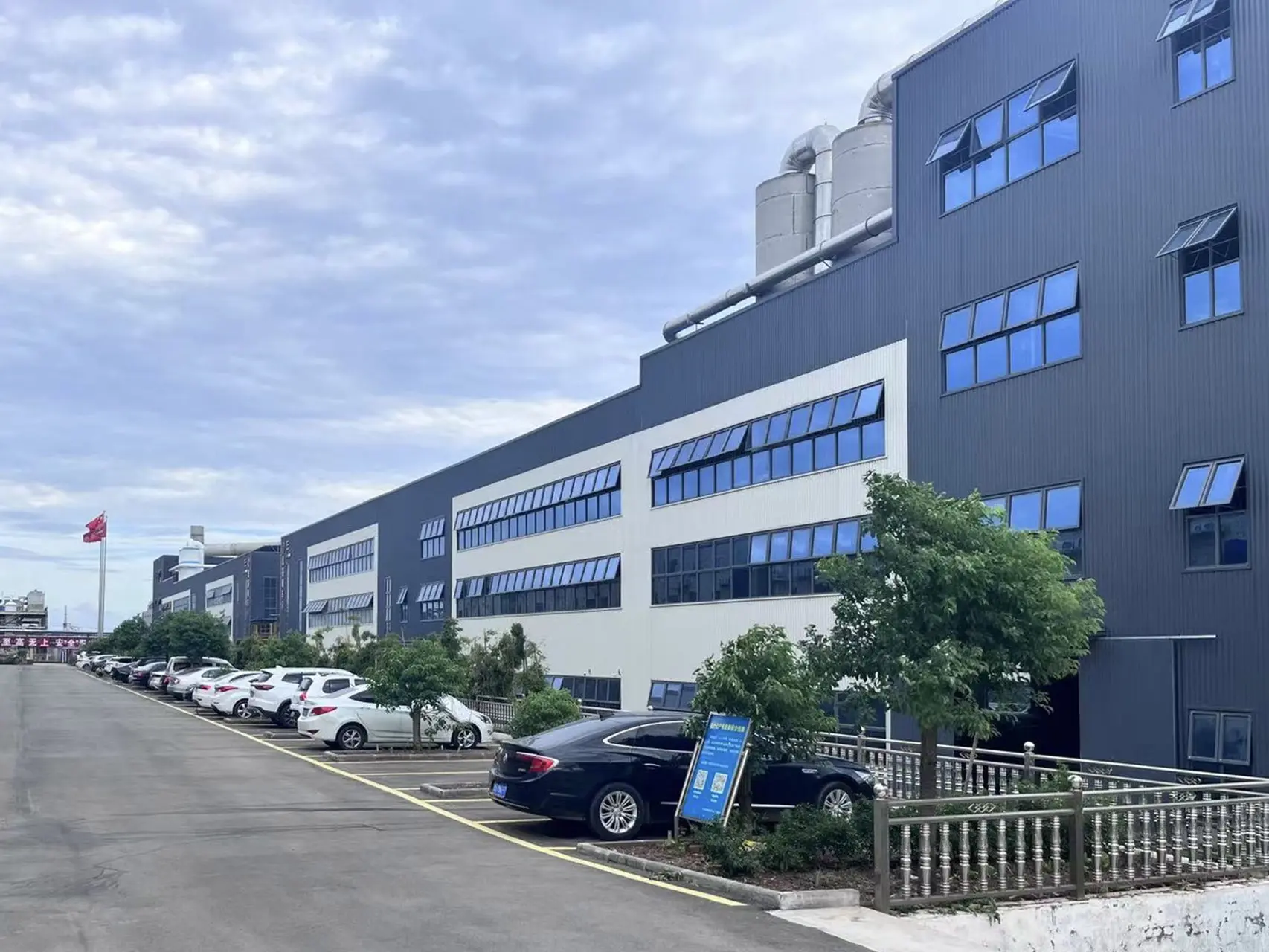
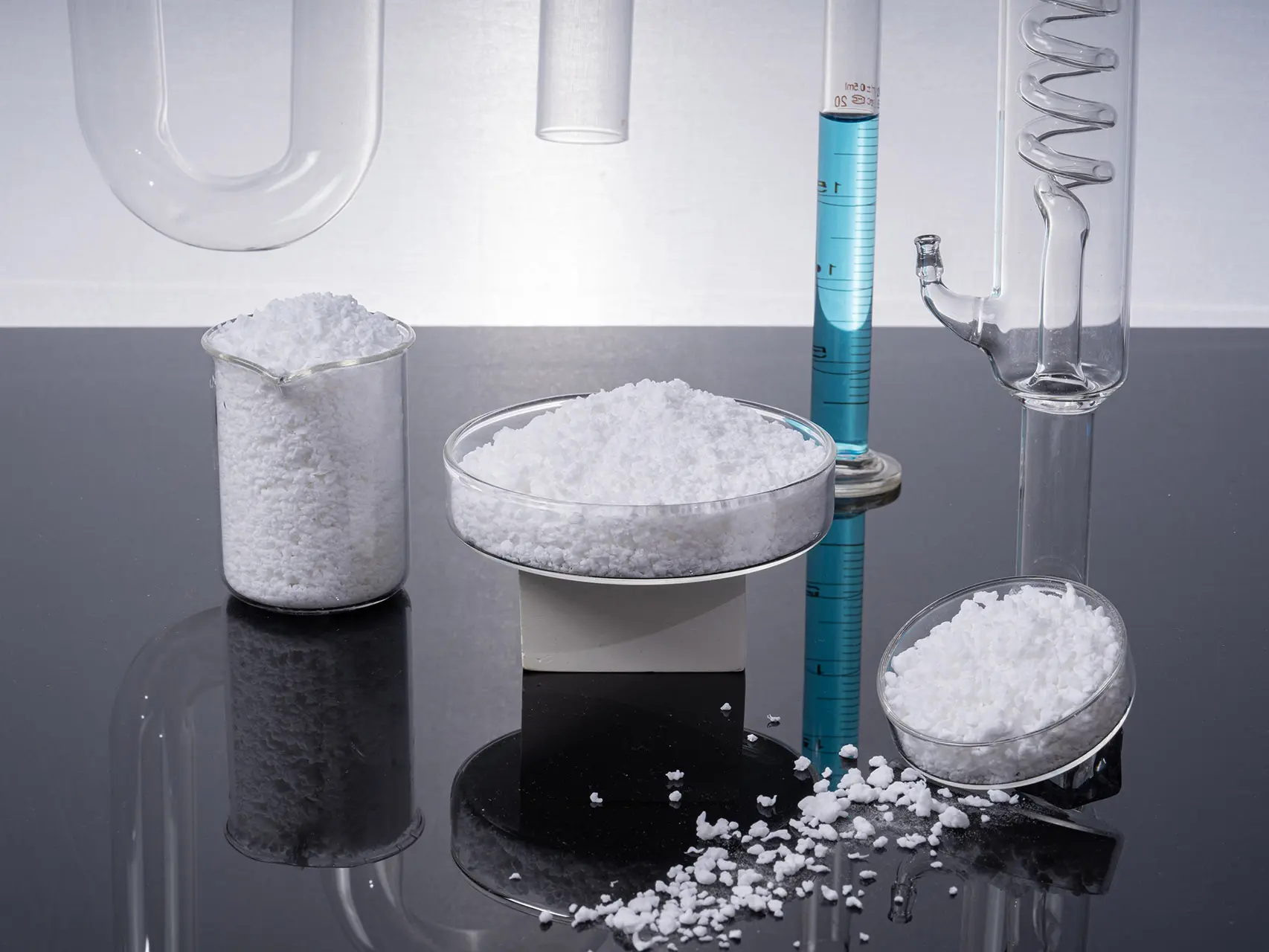
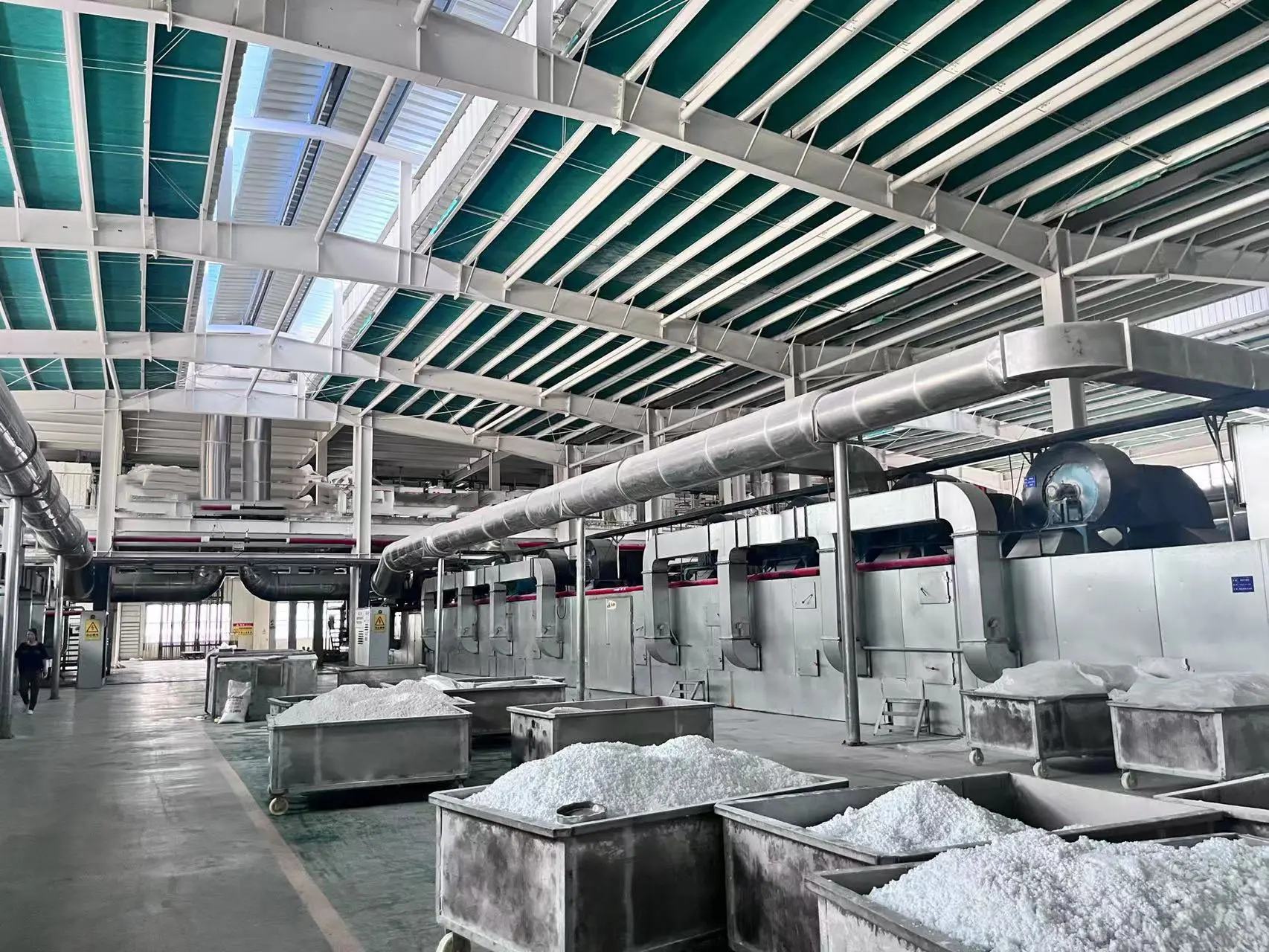
Our strategic vision for expanding melamine derivatives and sustainable resin binders over the coming years.
Implementation of fully integrated DCS solutions to maximize energy conservation, lowering per-ton carbon footprint during urea-to-melamine synthesis.
Formulating next-generation Urea Formaldehyde Resins that comply with international CARB Phase 2 and EPA TSCA Title VI emission mandates.
Integrating bio-based urea and renewable feedstocks to manufacture green thermosets for premium circular tableware applications.
Answers to critical questions asked by procurement officers and chemical engineers during supplier evaluations.
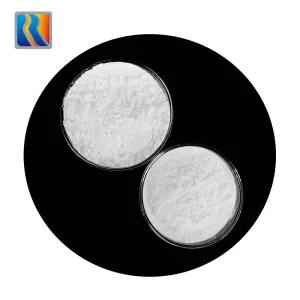
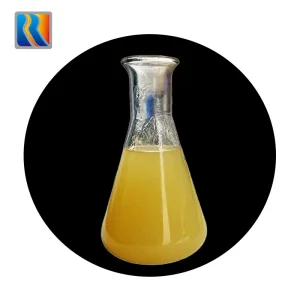
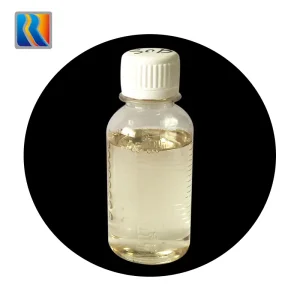
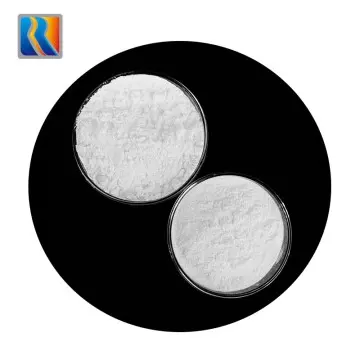
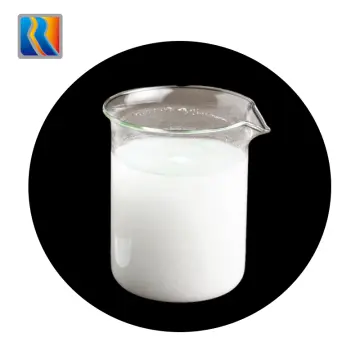
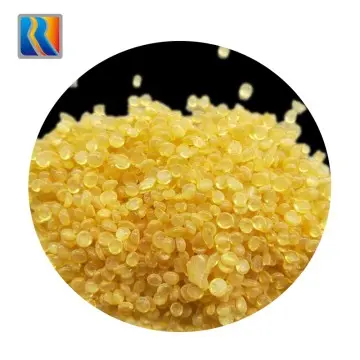
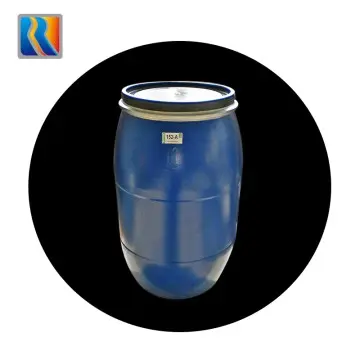
Browse our wide range of raw materials, defoamers, and specialty water-based chemical solutions.
 Runtai