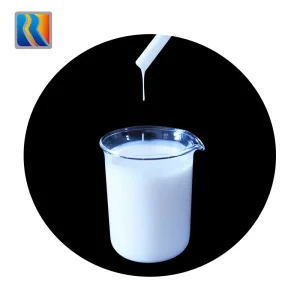
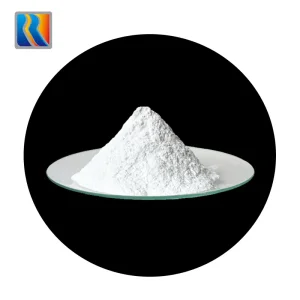
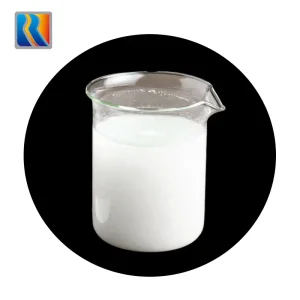
Driving Global Material Science with Advanced Amino Polymer Technologies.
Founded in March 2020, Shandong Runtai New Materials Co., Ltd. is a comprehensive group firm that specializes in the production of fine chemical products and high-performance resin precursors. Headquartered in Zaozhuang City, Shandong Province, the corporation has expanded its strategic footprint across the nation, operating branches in five major economic hubs. Covering an expansive footprint of 270,000 square meters and backed by a total investment of 2.06 billion yuan, Shandong Runtai combines world-class industrial infrastructure with a deeply integrated research-to-production framework.
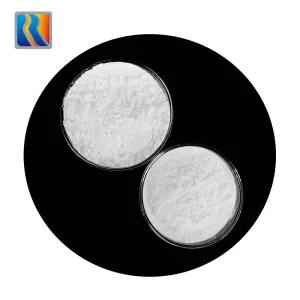
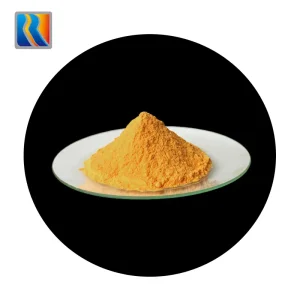
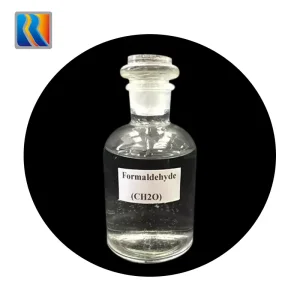
Our comprehensive production facility provides global supply chains with a dependable feedstock of raw materials and finished polymer compounds. By controlling the processing stream from formaldehyde precursors to specialized, high-grade amino thermosetting powders, we ensure chemical stability and quality controls that meet strict food safety, architectural, and industrial specifications.
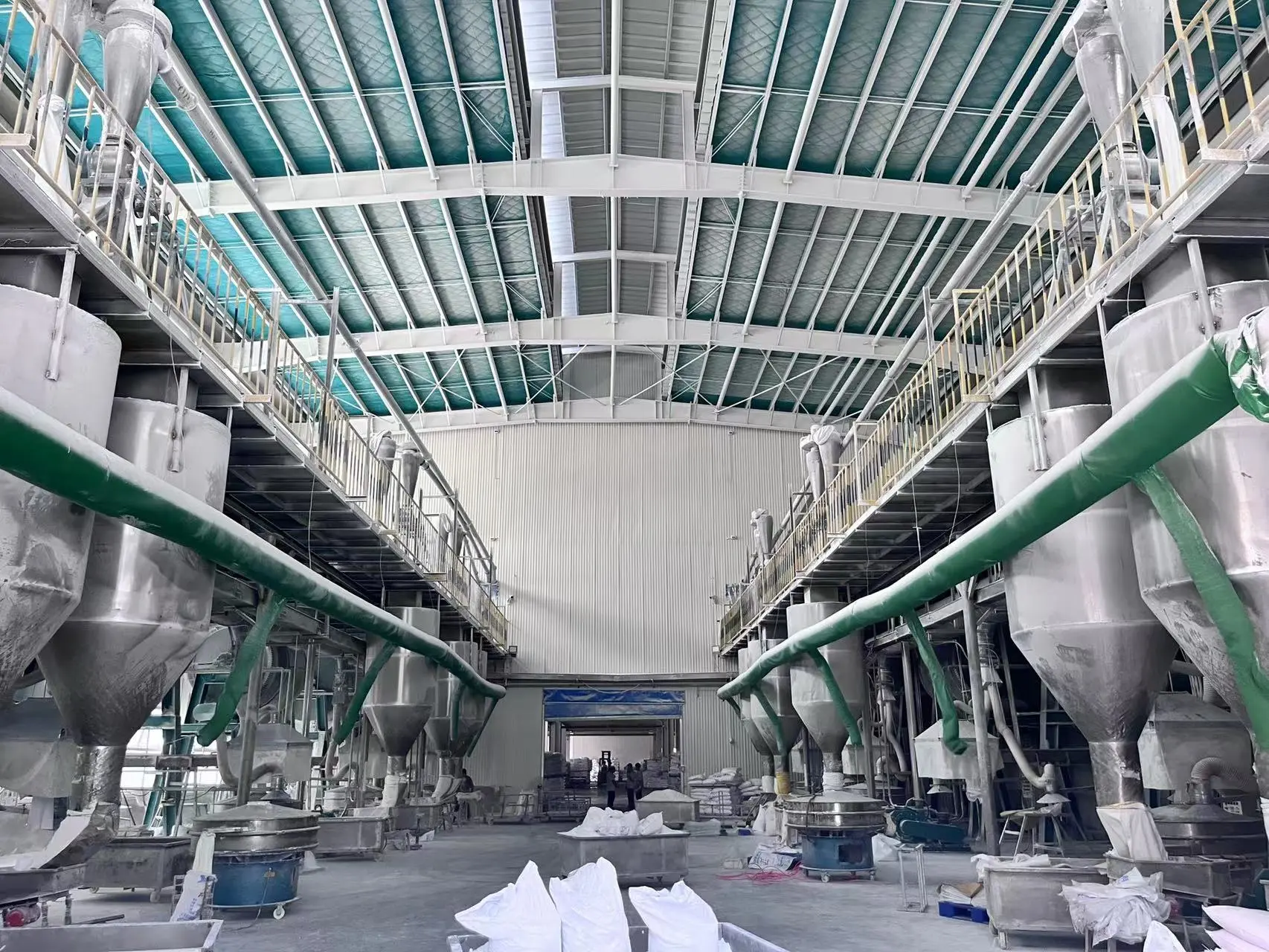
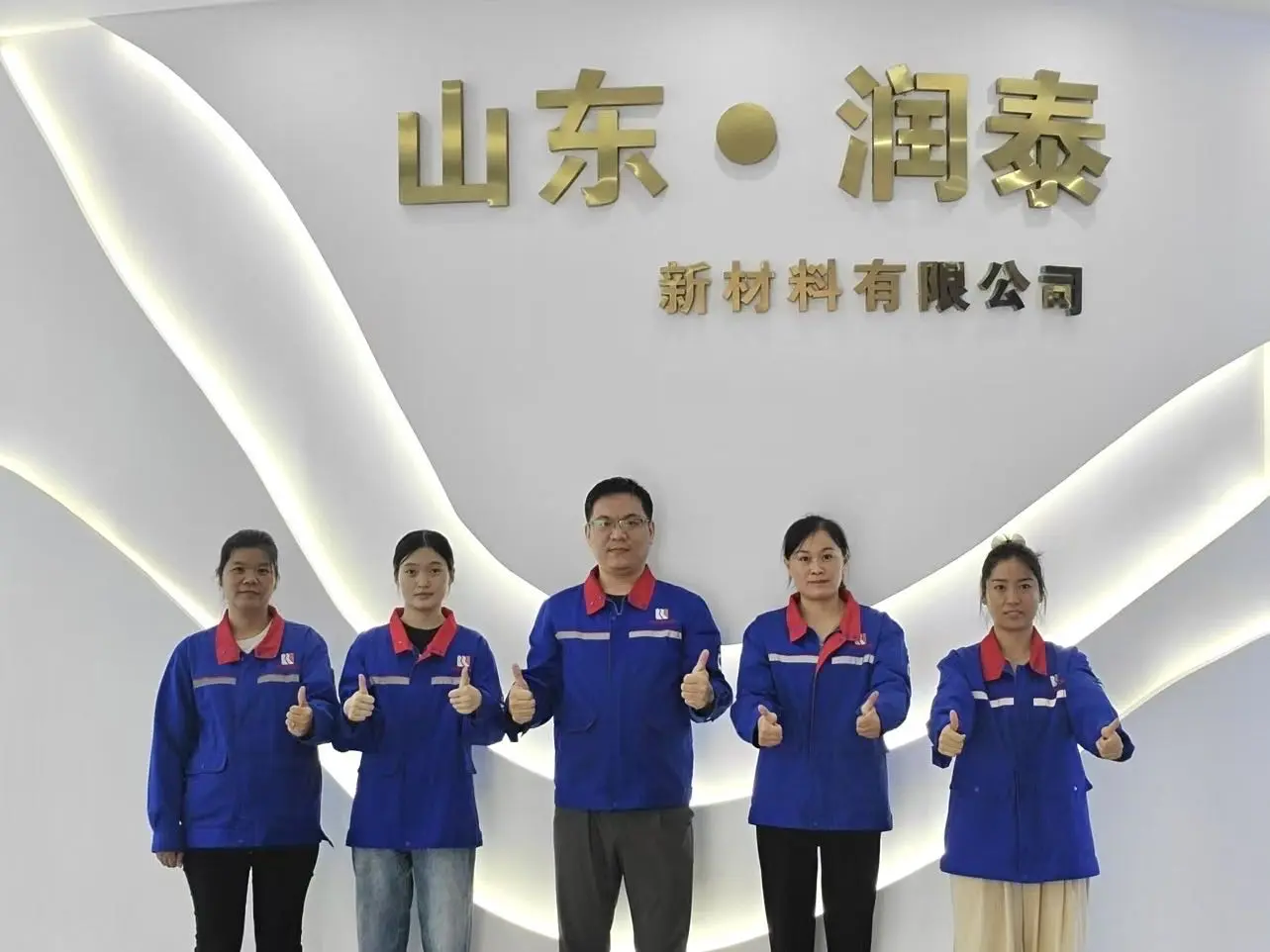
Scaling Production to Support Massive Global Industrial Demands.
Runtai New Materials has grown to become one of China's top producers of melamine, formaldehyde, and amino resin solutions. Through continuous technological upgrades, our manufacturing facility yields enormous volumes that satisfy massive local and international logistics pipelines, achieving a commanding 80% market share in China.
We serve clients in the United States, Thailand, Kenya, Egypt, and other countries. Below is a detailed view of our annual capacity metrics across our core product classes:
Leveraging technological innovation, automated engineering systems, and strategic research partnerships to maintain our status as an industry leader.
We use state-of-the-art Distributed Control Systems (DCS) to monitor and govern process parameters in real-time across the entire production line. This ensures optimal molecular weights, tight batch-to-batch repeatability, and low energy consumption.
In cooperation with the Changzhou Research Institute of Beijing University of Chemical Technology and other top research institutions, our doctoral R&D team continuously develops eco-friendly chemical products and files patents for amino resin optimizations.
By producing formaldehyde and melamine on-site, we bypass market price fluctuations. Our deep value chain yields products ranging from resin glazes and additives to industrial-grade wood adhesives and dispersants.
Addressing the structural demand shifts in surface finishing, tableware compression molding, and thermoset polymers.
Melamine glazing powder (MF resin glaze) acts as a high-density protective barrier for amino plastics. The industrial importance of these materials has grown significantly with the tightening of global food-safety laws, such as the EU Regulation No. 10/2011 and FDA guidelines for food-contact articles. Standard plastics like polyethylene or polypropylene often fall short in scratch resistance, high thermal stability, and overall structural rigidity, making melamine compounds the industry standard for commercial tableware and food service products.
Worldwide manufacturing networks now demand glazes that combine functional aesthetics with long-term chemical durability. In regions like North America and Western Europe, amino resin consumption has shifted toward low-emission compounds that release minimal formaldehyde during processing. At the same time, growing industrial bases in Southeast Asia and South America require bulk access to high-performance, cost-effective glazing powders to support their rapidly growing domestic manufacturing plants.
Tailoring performance profiles to meet the demands of diverse industrial applications.
Melamine glazing powder plays a key role in several major localized applications:
By customizing parameters like curing temperatures and flow rates, Shandong Runtai ensures its glazing powders perform reliably in diverse manufacturing environments around the world.

Our current development path focuses on sustainability, reduced environmental impact, and enhanced polymer performance.
We are actively developing synthesis methods to lower the concentration of free formaldehyde in our powders. This ensures safer handling for compression molding operators and lowers volatile organic compound (VOC) emissions from the finished product.
Our research team is testing bio-based phenols and urea alternatives to reduce our dependency on petrochemical feedstocks. This helps us support global carbon neutrality goals without compromising on structural performance.
We are incorporating micro-capsulated polymer modifiers into our glazing matrices. These modifiers can automatically mend micro-scratches when exposed to mild heat, extending the service life of industrial components.
By optimizing catalyst chemistry, we are producing fast-curing powders that help tableware factories reduce mold cycle times by 15-20%, directly boosting their output and energy efficiency.

How our regional integration minimizes global purchasing risks.
Industrial chemical markets face frequent challenges from volatile shipping rates, raw material shortages, and strict local environmental regulations. Located in Shandong Province's chemical zone, Runtai New Materials benefits from a secure regional supply of coal, natural gas, and urea, which stabilizes our production costs and keeps output steady throughout the year.
Our 300,000-ton urea formaldehyde resin capacity and 380,000-ton formaldehyde capacity operate within a closed-loop system. We do not depend on external chemical suppliers for intermediate compounds, shielding our customers from supply chain disruptions. In addition, our proximity to major ports like Qingdao allows us to offer short lead times for international shipments to destinations like Thailand, the USA, and East Africa.
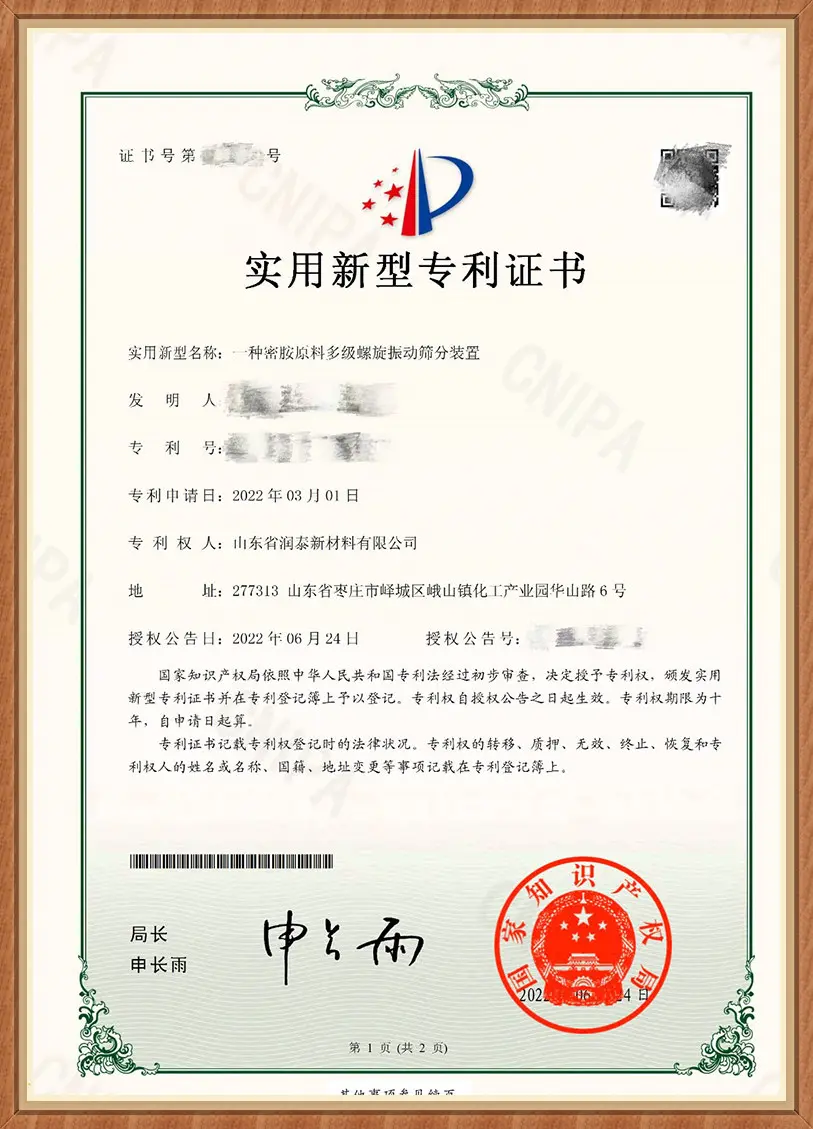
Our manufacturing lines operate under strict ISO, SGS, and environmental audits, ensuring our products comply with international standards.
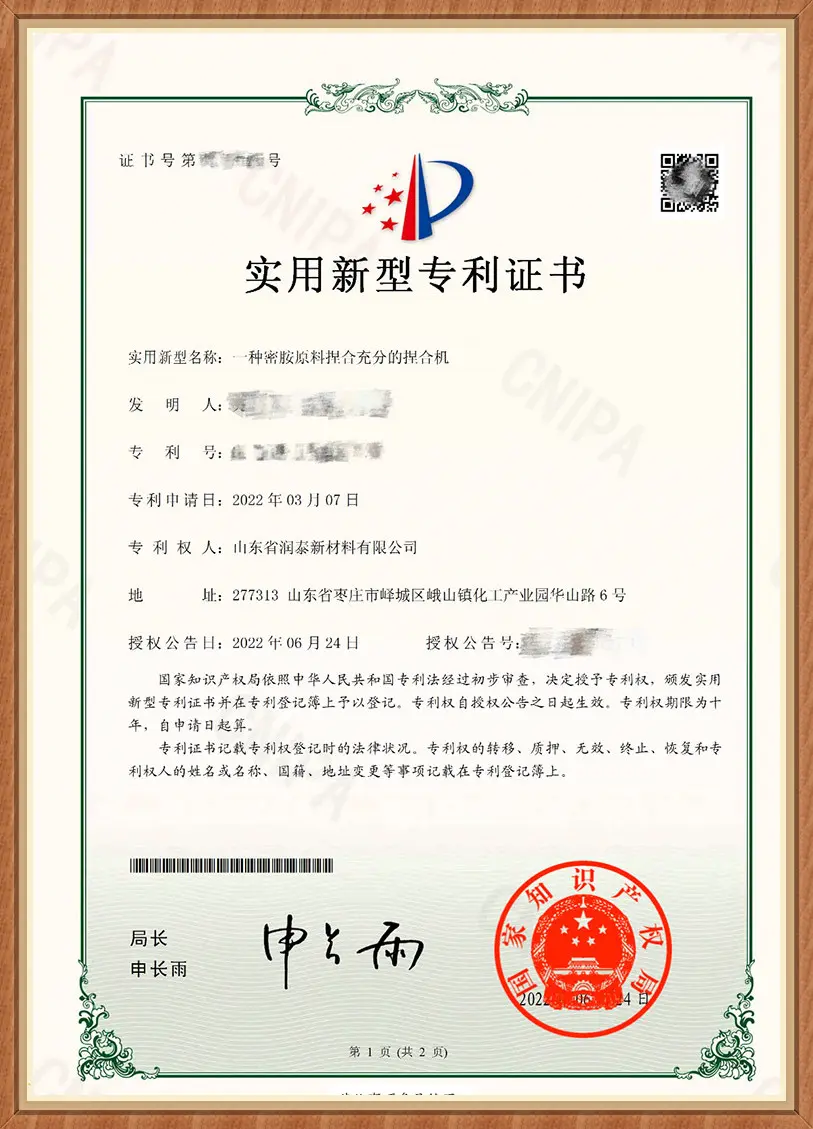
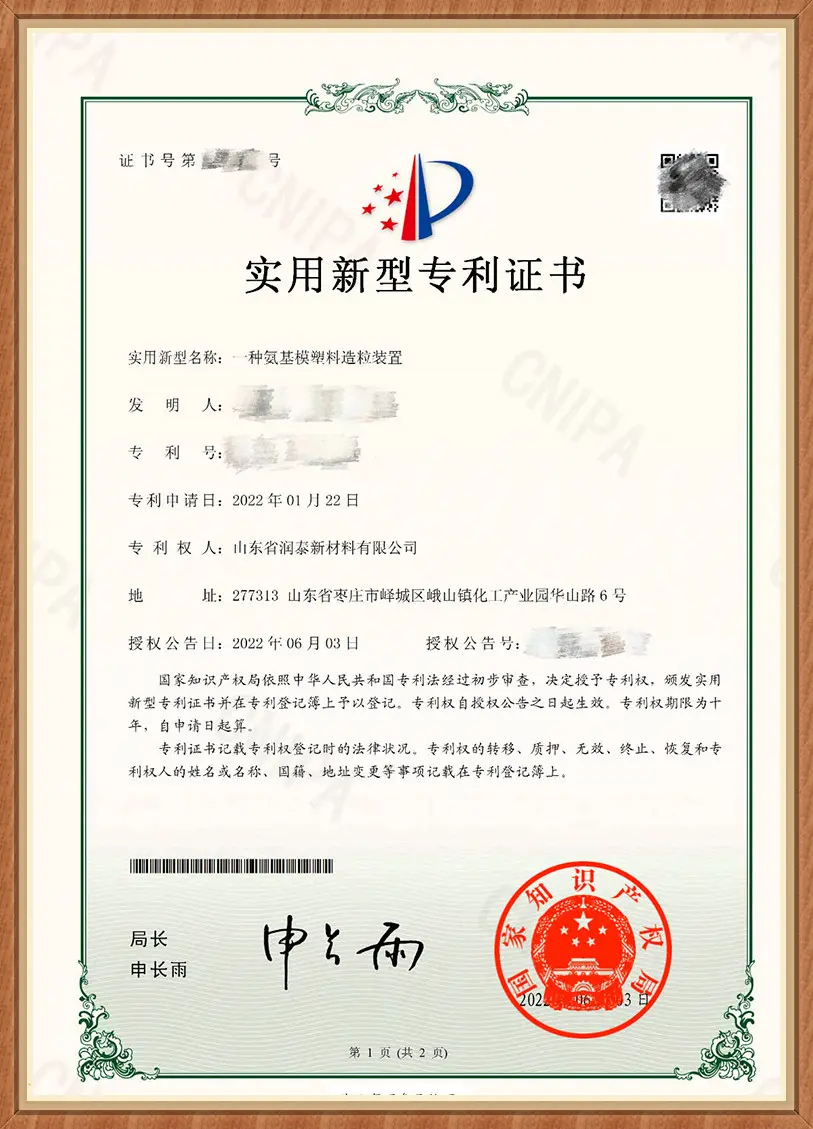
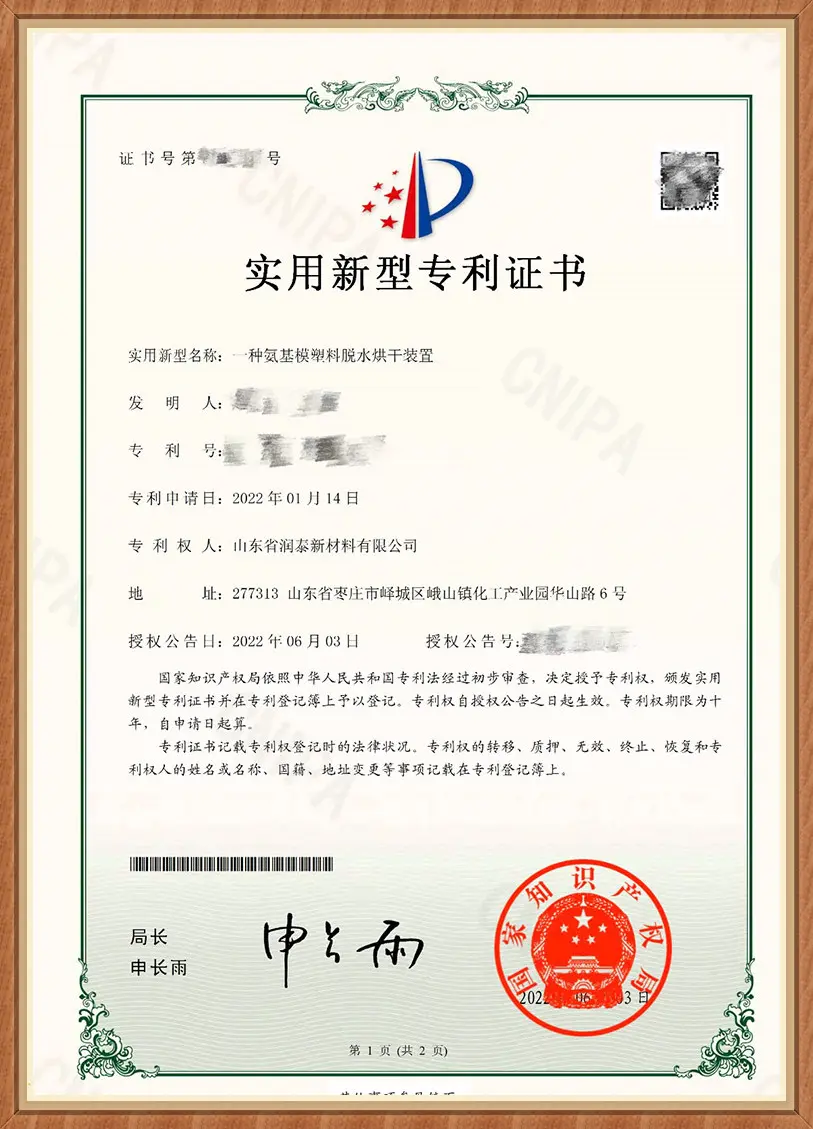
We provide localized technical assistance, helping customers optimize their injection and compression molding machinery on-site. Our engineering team can adjust viscosity, cure rates, and particle sizes to match your specific production equipment and ambient humidity, ensuring a reliable coating process.
Expert answers to common technical, logistics, and quality control questions.
Melamine Molding Compound (MMC) is a mixture of melamine resin, cellulose reinforcement pulp, pigments, and catalysts, used to mold the core structure of tableware. Melamine Glazing Powder is a pure melamine-formaldehyde resin powder without cellulose pulp. It is applied at the end of the molding process to melt and form a clear, high-gloss protective glaze over the tableware's surface, improving scratch and stain resistance.
Our plants use computerized Distributed Control Systems (DCS) to monitor the reaction of melamine and formaldehyde. This allows us to control the molar ratio and reaction temp precisely, minimizing free formaldehyde monomer levels. The resulting glazing powder complies with strict international food-contact standards, including EU regulations and FDA requirements.
Yes, we can customize our formulations. By adjusting our catalyst and curing accelerators, we can supply fast-curing powders for high-speed automated equipment or slower-curing variants for large, complex molds, helping you maintain a consistent yield.
When stored in a cool, dry, well-ventilated warehouse below 25°C, away from moisture and direct sunlight, our powders have a shelf life of 6 to 12 months. Moisture exposure can cause the powder to clump and pre-cure, which reduces its flowability during molding.
 Runtai