Explore our foundational range of premium synthetic glazing ingredients, compression compounds, and high-performance industrial chemical resins.
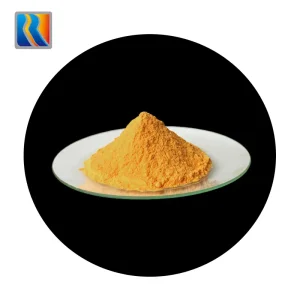
Analyzing the paradigm shift in surface preservation, structural protection, and the chemistry behind modern synthetic pottery glazes.
In the global industrial arena, the term pottery glaze powders has transcended traditional silicate minerals to encompass high-performance thermosetting resin-based glazes—chiefly Melamine Glazing Powder. As global consumer demand shifts towards unbreakable, aesthetically superior, and food-safe alternative ceramics and structured tableware, the chemistry of surface finishing has undergone a profound evolution.
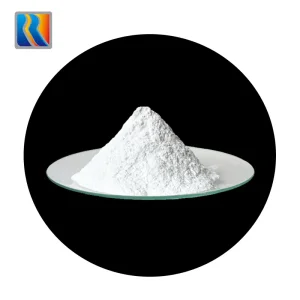
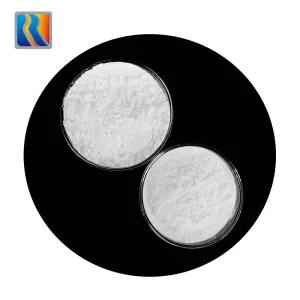
Traditional ceramic pottery utilizes mineral glazes fired at extreme temperatures, but modern hospitality, aviation, and domestic catering sectors increasingly rely on advanced thermosetting polymers. Under high-pressure compression moulding, melamine glazing powder reacts to form an impenetrable, glass-like thermoset layer that replicates the depth, shine, and feel of high-fired ceramic pottery glaze, while offering unparalleled impact resistance and hygiene properties.
Shandong Runtai New Materials Co., Ltd. stands at the intersection of this transition. By vertically integrating the synthesis of primary precursors like formaldehyde and melamine, we produce glazing powders of unmatched chemical purity. This whitepaper details how we control molecular weights and chemical cross-linking density to optimize surface shine, wear resistance, and long-term durability for manufacturers worldwide.
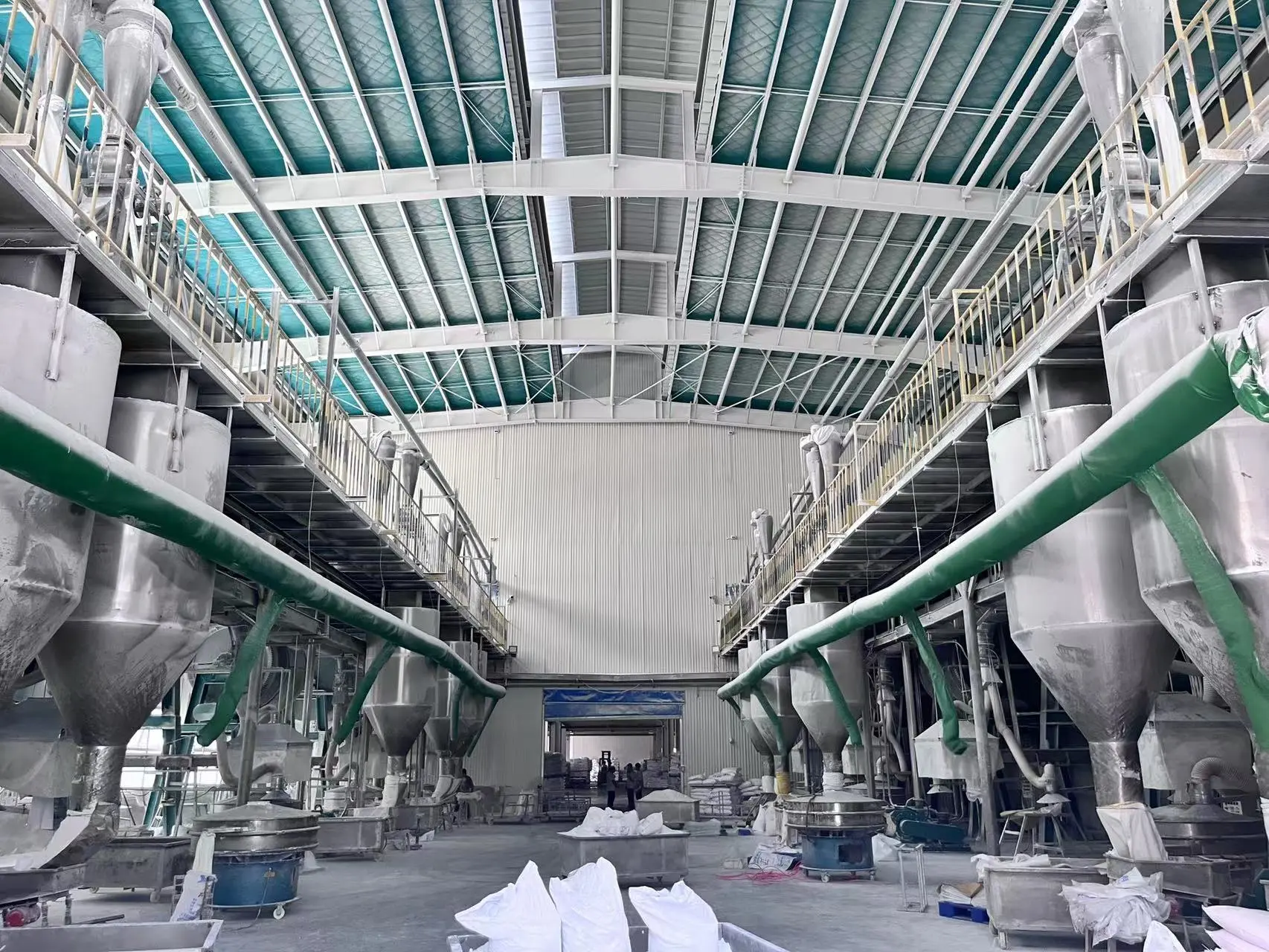
Understanding the infrastructural backing, strategic location, and production capacities of China's premier fine chemical group.
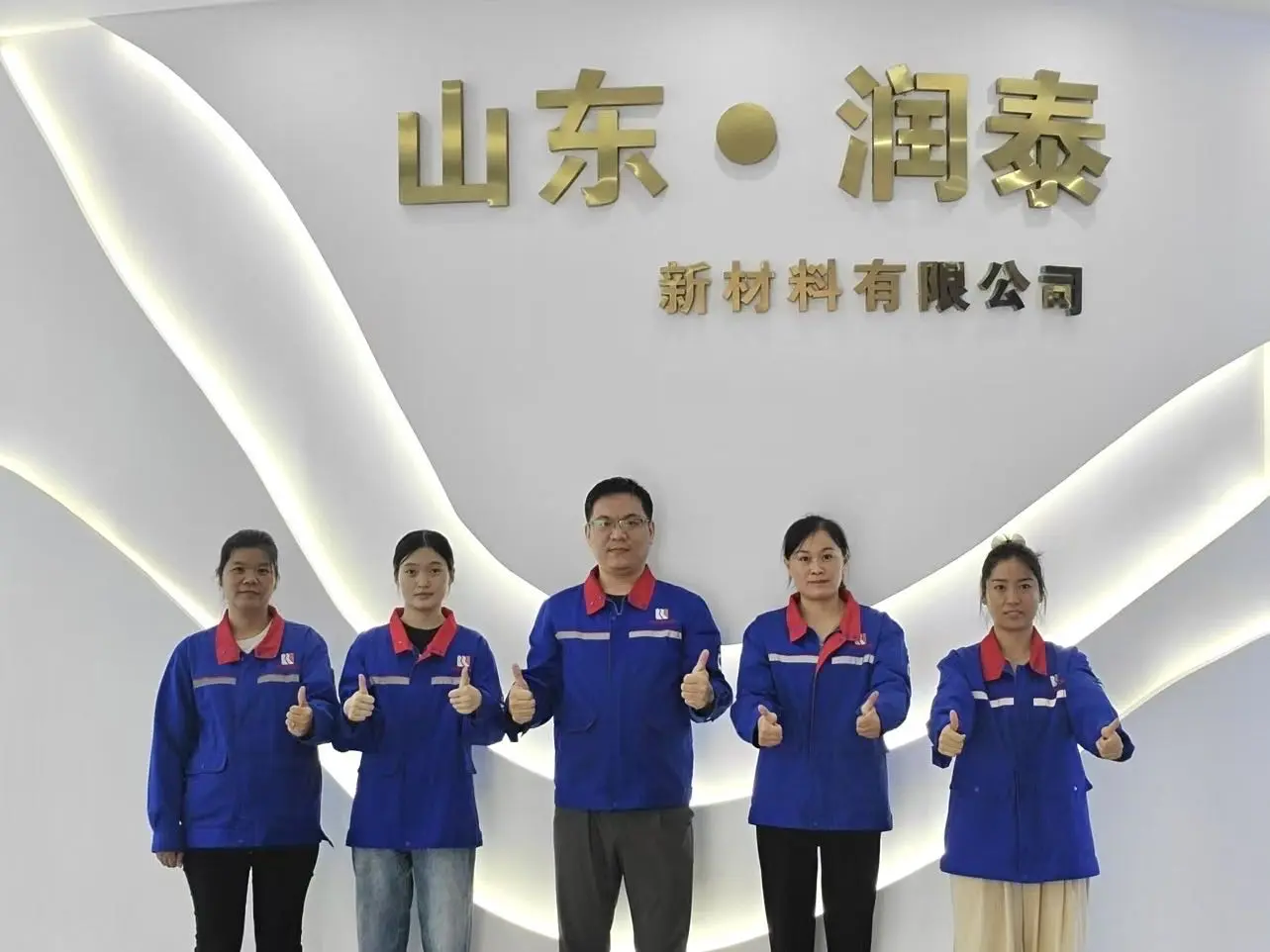
Founded in March 2020, Shandong Runtai New Materials Co., Ltd. is a comprehensive group firm that specializes in high-end fine chemical products. Headquartered in Zaozhuang City, Shandong Province, the corporation has expanded its strategic footprint across the country, establishing active branches in five different cities. Spanning an expansive area of 270,000 square meters, our state-of-the-art facilities represent a total investment of 2.06 billion yuan.
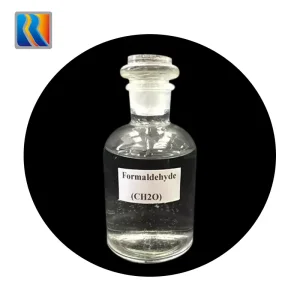
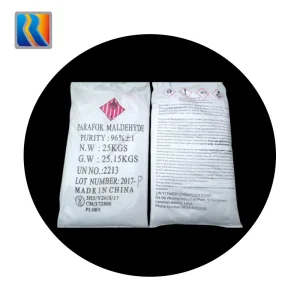
This immense scale directly translates into chemical supply-chain reliability for our global partners. By focusing on deep-tier integration, we have eliminated intermediate raw material dependencies. Our primary product portfolio includes formaldehyde, polyformaldehyde (paraformaldehyde), urea-formaldehyde resin, melamine powder, and specialized melamine glazing powder.
Our market integration has achieved an outstanding 80% market share within China's domestic B2B supply network. Simultaneously, our dedicated export divisions have successfully expanded our footprints into the United States, Thailand, Kenya, Egypt, and many other countries, gaining widespread acclaim for consistency and performance. Our production capacity of 11,000 tons of specialized resins and related additives ensures we can supply large-scale global procurement contracts without delivery disruption.
How technical breakthroughs, continuous industrial chains, and rigorous engineering elevate Runtai above traditional suppliers.
When global buyers source pottery glaze powders factory partners, they evaluate more than price; they prioritize consistency, ecological footprint, and tech-driven quality control. Runtai New Materials addresses these demands through five core pillars:
We deploy the industry's most advanced Distributed Control System (DCS). This allows real-time automation and continuous tracking of critical process parameters (temperature, pressure, reaction rates) across the entire production line. This eliminates human error, minimizes raw material consumption, and guarantees absolute batch-to-batch conformity.
Collaborating long-term with the Changzhou Research Institute of Beijing University of Chemical Technology, our company maintains a cutting-edge doctoral research and development team. This joint alliance has produced numerous patented technologies that optimize the curing speed, gloss index, and environmental safety of our glaze powders.
Our long industrial chain starts with basic elements like formaldehyde and extends down to finished glazing powders. By controlling the complete lifecycle of chemical derivatives, we shield our clients from market price volatility, guarantee the chemical purity of intermediate steps, and enable complete product customization.
To satisfy the strict standards of global chemical buyers, Runtai imports and utilizes cutting-edge testing devices. Our quality assurance labs are equipped with high-performance liquid chromatographs, laser particle size analyzers, and thermal mechanical analyzers. We actively decrease labor intensity, boost labor productivity, conserve energy, and lower testing and production costs. Every gram of pottery glaze powder leaving our factory undergoes a multi-point inspection to ensure zero defects.
Our production philosophy centers around "automatic control, safe and reliable, stable operation, energy saving and consumption reduction, and comprehensive utilization of resources." By employing advanced automated material dosing systems, we ensure the raw melamine crystals and aldehyde matrix are perfectly stoichiometric, resulting in optimal cross-linking density when fired or pressed by our customers.
Bridging raw chemistry with high-performance end-user products across hospitality, design, and manufacturing.
Runtai New Materials provides structured, macro-level chemical solutions designed to integrate seamlessly into diverse downstream processes. Whether your business manufactures classic imitation ceramic tableware, modern architectural coatings, or advanced wood adhesives, our product range delivers the required chemical performance:

By understanding the localized application requirements in different target regions, we adapt our formulations accordingly. For instance, in hot and humid tropical climates (like Southeast Asian manufacturing hubs in Thailand), we adjust the polymerization kinetics of our resins to prevent premature clumping and moisture absorption. In strict regulatory markets (such as the United States and EU), we optimize our synthesis steps to ensure that heavy metal migrations and residual free formaldehyde levels remain well below the most demanding international food-contact safety standards.
Our commitment to sustainable production, waste reduction, and compliance with global ecological regulations.
As a responsible modern chemical enterprise, Runtai New Materials prioritizes sustainable development, low-carbon processes, and strict environmental preservation. We believe that fine chemical manufacturing must evolve alongside ecological goals. Our production facilities implement closed-loop systems to capture and recycle process steam and gas emissions, thereby minimizing our carbon footprint and environmental impact.
Our corporate culture centers around the "quality first, customer first" attitude. We approach global business partnerships with honesty, professional transparency, and mutual cooperation. We warmly invite friends, industrial buyers, and technical engineers from both domestic and foreign locations to visit our production facilities in Shandong, see our automated lines firsthand, and explore how we can collaborate to build a more sustainable and prosperous future together.

We continuously invest in researching eco-friendly alternatives and reducing chemical emissions. Our research division focuses on developing melamine glazing powders and adhesives with ultra-low free formaldehyde levels, satisfying the strictest European REACH regulations and American TSCA Title VI standards.
By optimizing our manufacturing lines with energy-efficient heat exchangers, we drastically reduce coal and power consumption per ton of chemical output. In addition, our advanced wastewater treatment plants utilize biological and physical oxidation stages to ensure zero chemical discharge into the regional watershed. When you choose Runtai, you partner with a supplier committed to protecting our planet's future.
Addressing the core technical, logistical, and safety concerns of international procurement officers and chemical engineers.
Traditional pottery glazes are made of inorganic silicates and metal oxides fired at temperatures over 1000°C. Melamine glazing powder is an organic thermosetting resin compound (melamine-formaldehyde). It is applied to synthetic ceramic or melamine tableware and cured at 145-165°C under high pressure. The result is a glossy, glass-hard surface that is impact-resistant, lightweight, and shatterproof, making it ideal for high-traffic food service environments.
We achieve low free-formaldehyde levels by using strict stoichiometry, advanced DCS automation, and high-purity raw materials. Our chemical processes ensure that nearly all formaldehyde molecules are fully cross-linked within the polymer matrix during the curing phase, leaving minimal residual free formaldehyde. Our products comply with FDA, EU food safety, and REACH regulations.
Ammonium salt dispersants are critical for stabilizing solid pigment particles in water-based resin systems. They prevent flocculation and sedimentation, ensuring uniform pigment distribution. In glazing applications, this ensures that any colorants or fillers are evenly dispersed, resulting in a smooth, vibrant finish without color separation or micro-streaking.
Yes. We offer customized chemical formulations. Depending on your machinery, cycle times, temperature controls, and product thickness, we can adjust the curing index (catalyst and additive ratios) of our melamine glazing powders and moulding compounds to optimize your production efficiency.
Our powders have a standard shelf life of 6 to 12 months when stored in a cool, dry, well-ventilated warehouse away from direct sunlight and moisture. The storage temperature should ideally remain below 30°C to prevent premature aging or clumping of the reactive resin powder.
Our commitment to international certifications and validated testing structures.
Runtai New Materials maintains strict compliance with both national and international quality frameworks. Our production plants operate under certified ISO 9001 Quality Management Systems and ISO 14001 Environmental Management standards. We regularly submit our melamine glazing powders and molding compounds to independent third-party laboratories (such as SGS and Intertek) to verify food-contact safety compliance, including FDA 21 CFR regulations and EU Regulation No. 10/2011.
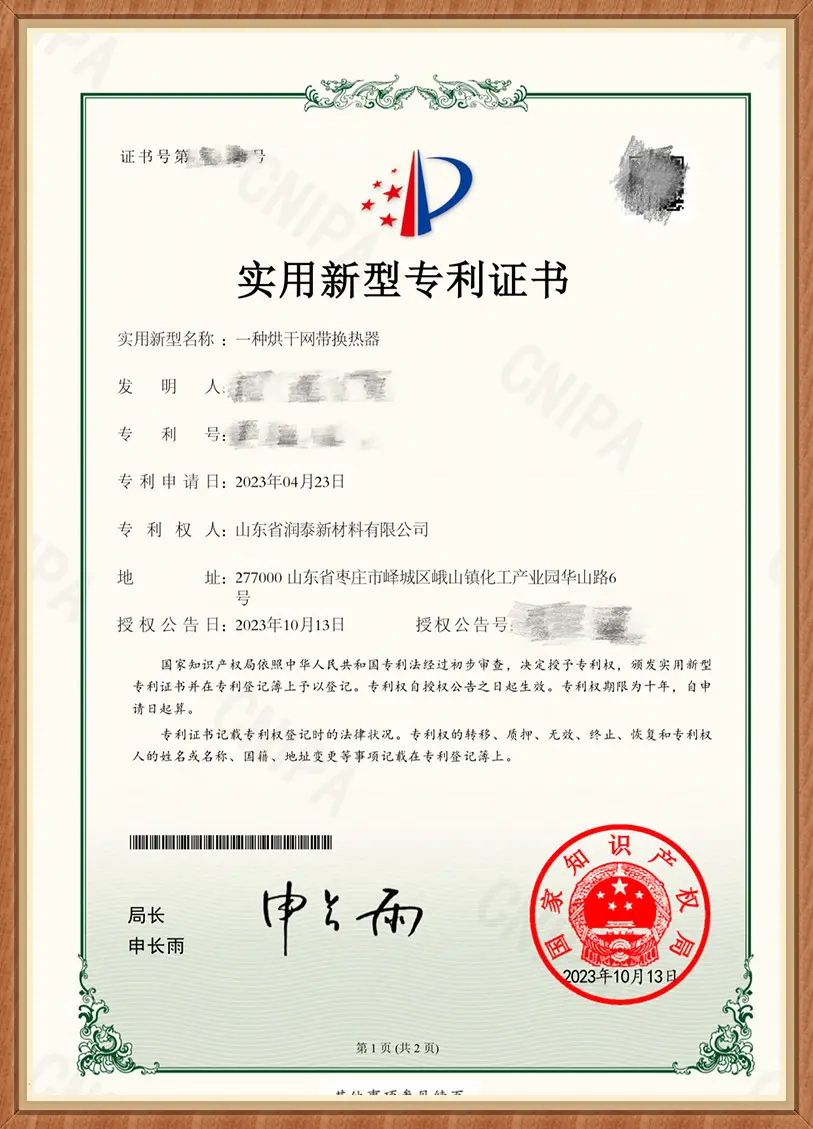
Our extensive patent portfolio, developed in collaboration with leading academic institutions, demonstrates our continuous innovation. We hold patents for low-pressure curing resins, high-flow glazing compounds, and specialized water-based additive formulations. These technical advantages enable us to deliver superior chemical performance to our partners worldwide.
Browse our complete range of specialized resins, swelling thickeners, and high-performance chemical compounds.
 Runtai