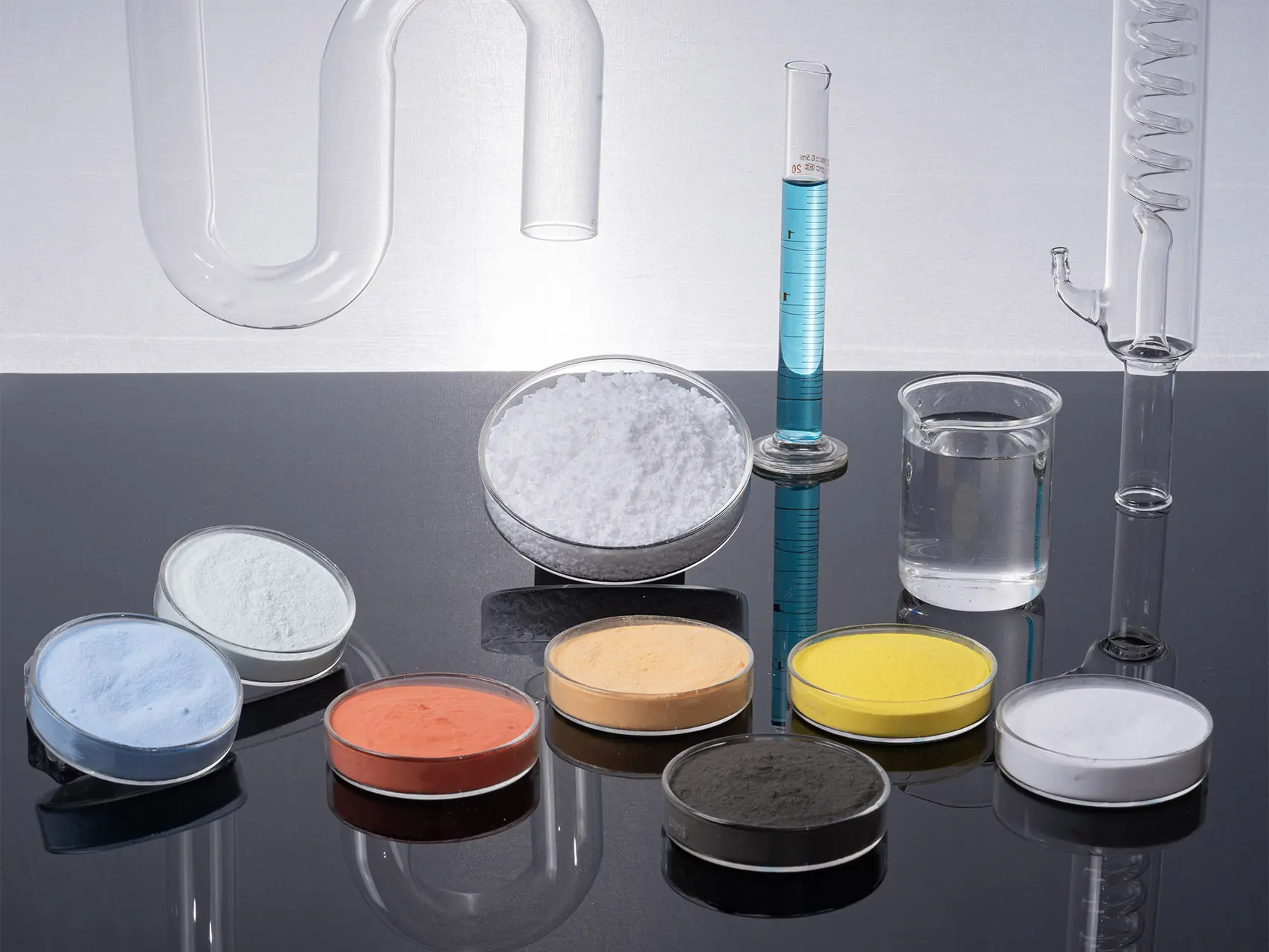
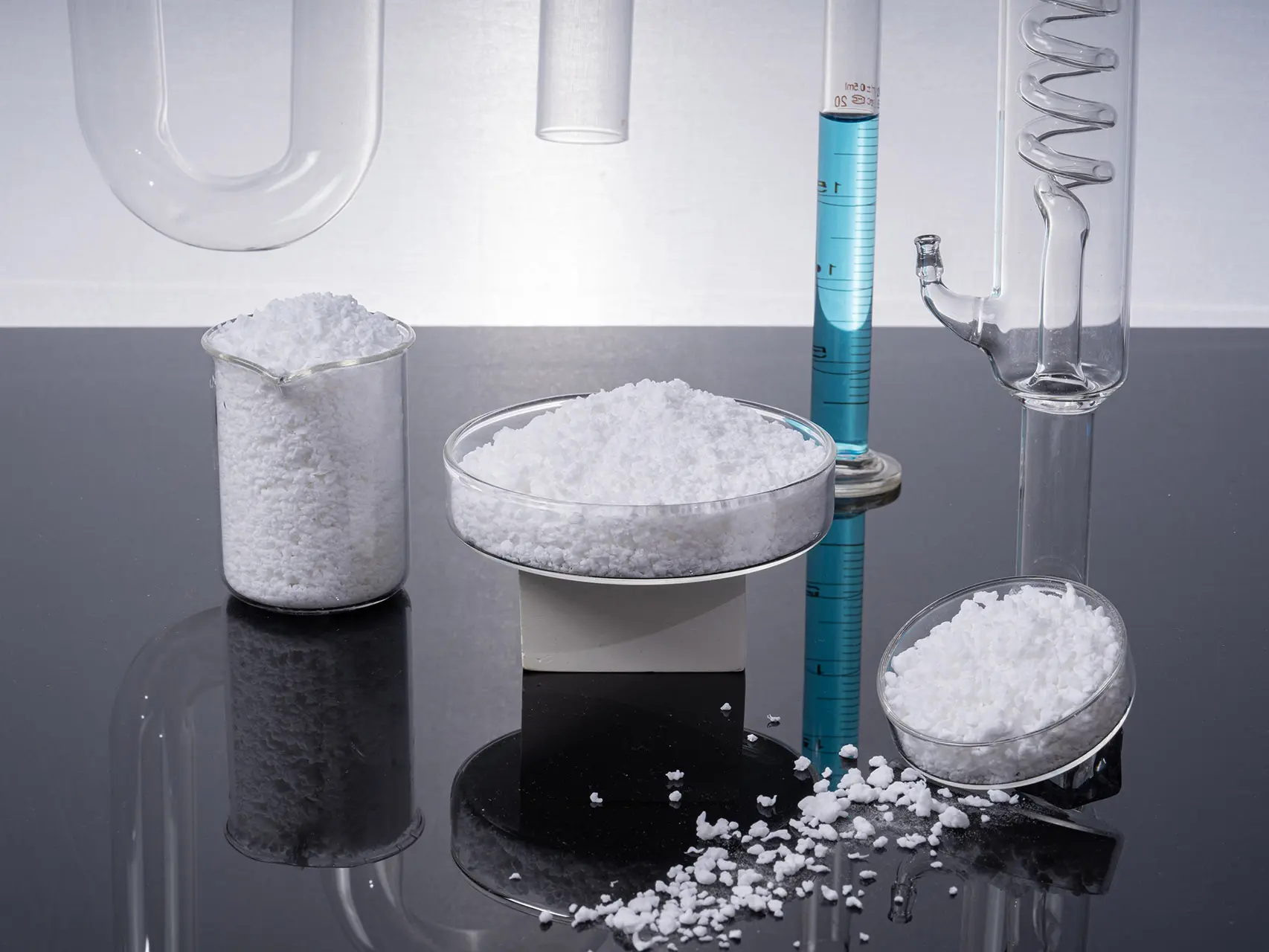
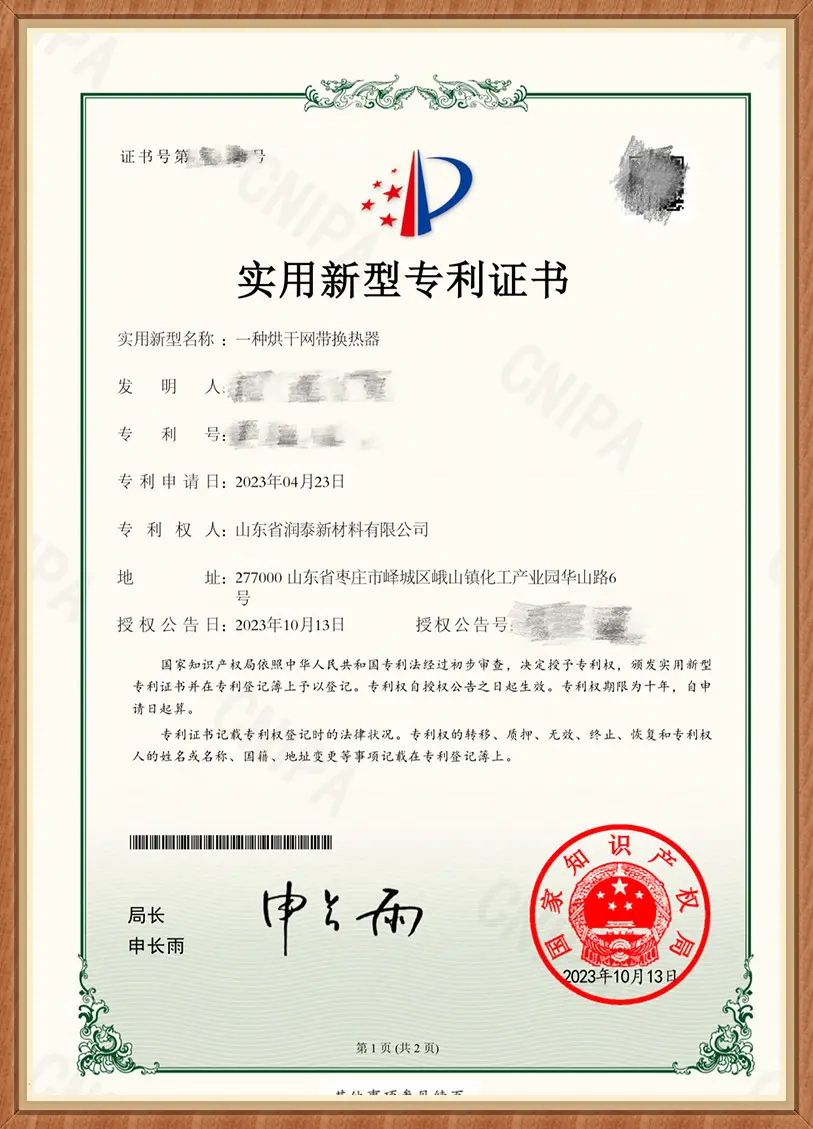
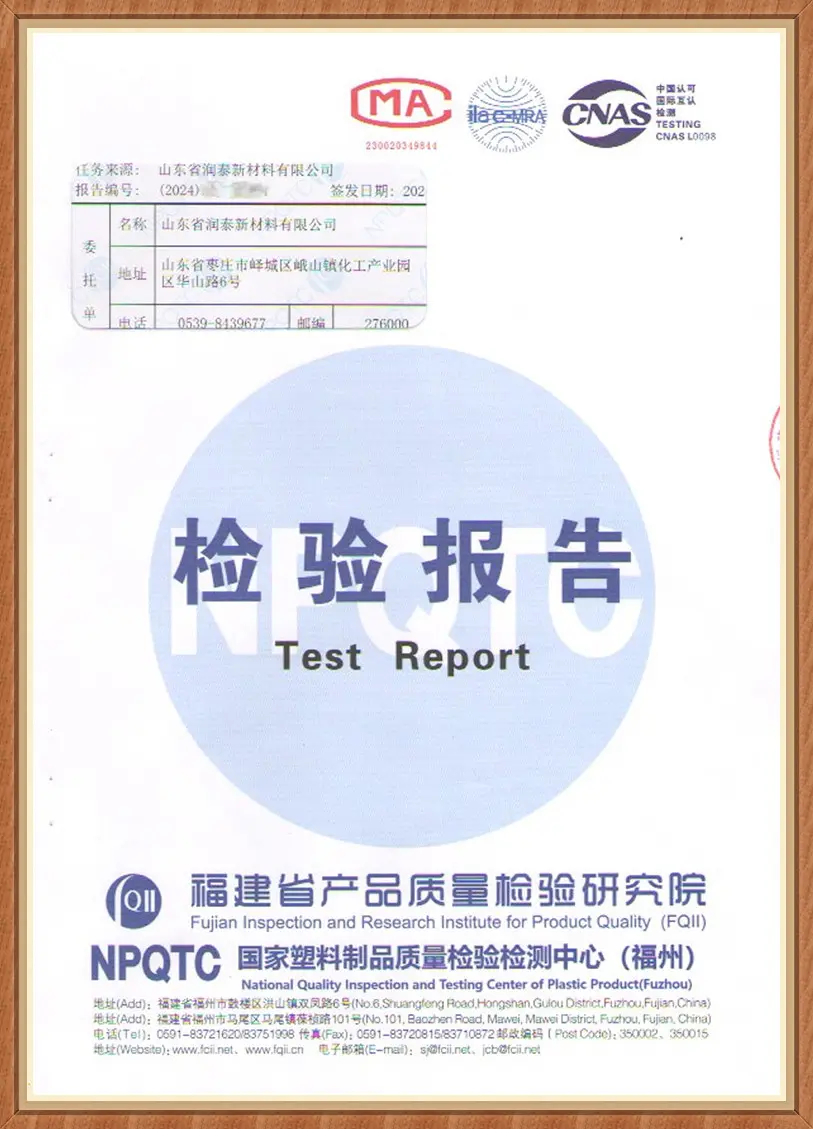
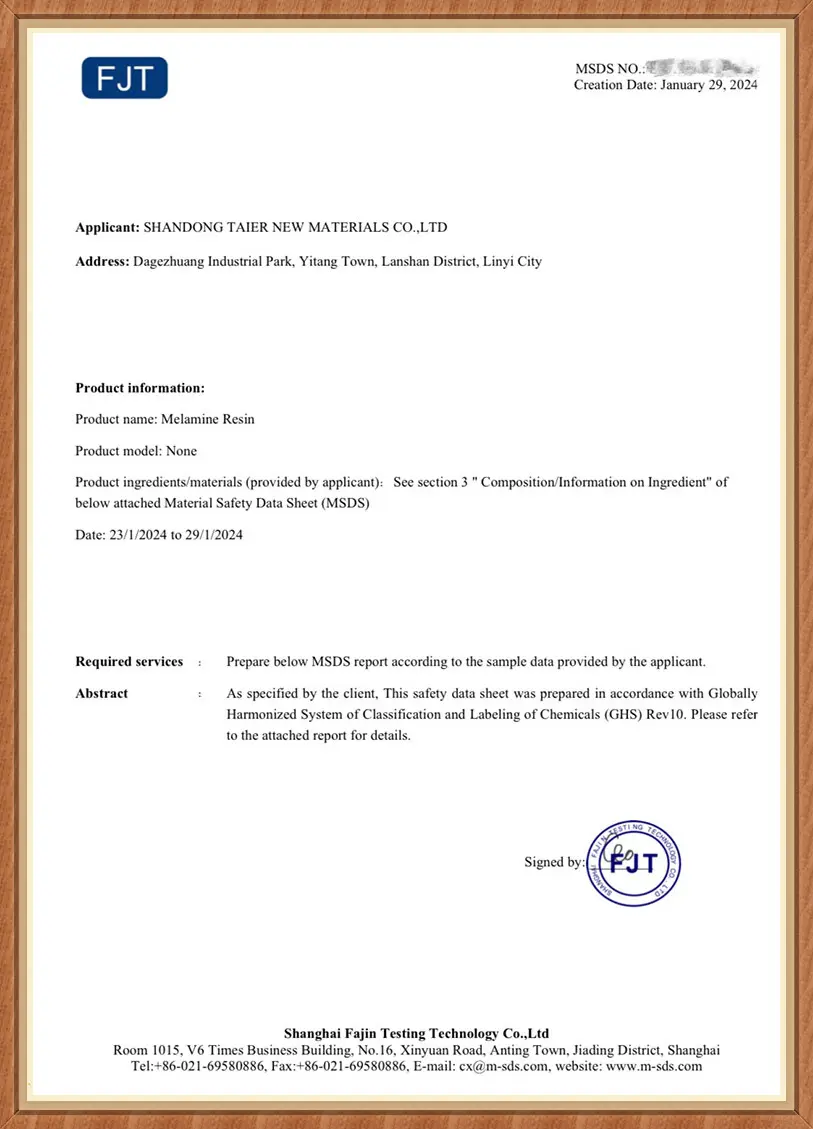
Explore our primary chemical product range, directly formulated and distributed globally from our integrated manufacturing facility.
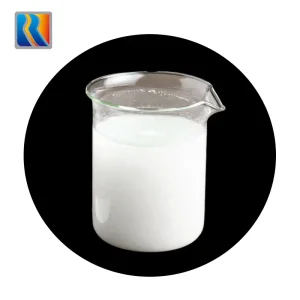
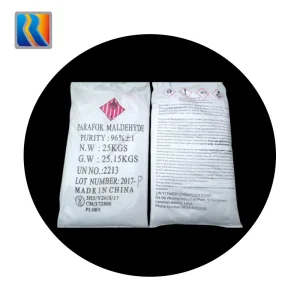
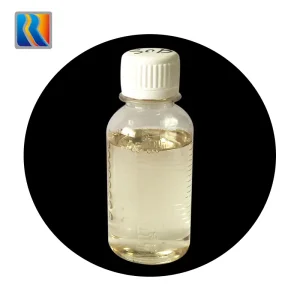
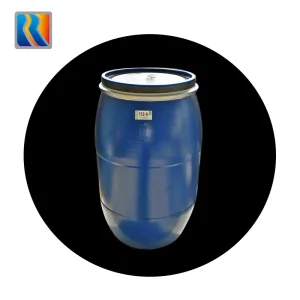
Phenolic resins, first synthesized as Bakelite by Leo Baekeland in 1907, represent the origin of the modern plastics and synthetic polymer industries. Over more than a century of progress, these materials have evolved from simple insulating compounds into highly sophisticated thermosetting matrices. Today, they form the cornerstone of safety and structural integrity in sectors ranging from aerospace thermal shields to automotive friction plates and advanced electronic printed circuit boards.
The fundamental chemistry of phenolic resins relies on the step-growth polymerization of phenol with formaldehyde. This reaction yields two major categories of products depending on the catalyst and reactant ratios: Novolacs (acid-catalyzed, phenol-rich formulations requiring cross-linking agents like hexamethylenetetramine) and Resoles (base-catalyzed, formaldehyde-rich systems that self-cure under heat). Understanding this balance is critical to modifying heat resistance, mechanical strength, and electrical insulation properties.
As a leading developer and manufacturer, Shandong Runtai New Materials Co., Ltd. has taken this historical legacy and modernized it. By integrating state-of-the-art distributed control technologies, we ensure that our thermosetting resins meet the rigorous mechanical and low-emission requirements of today's global supply chain.
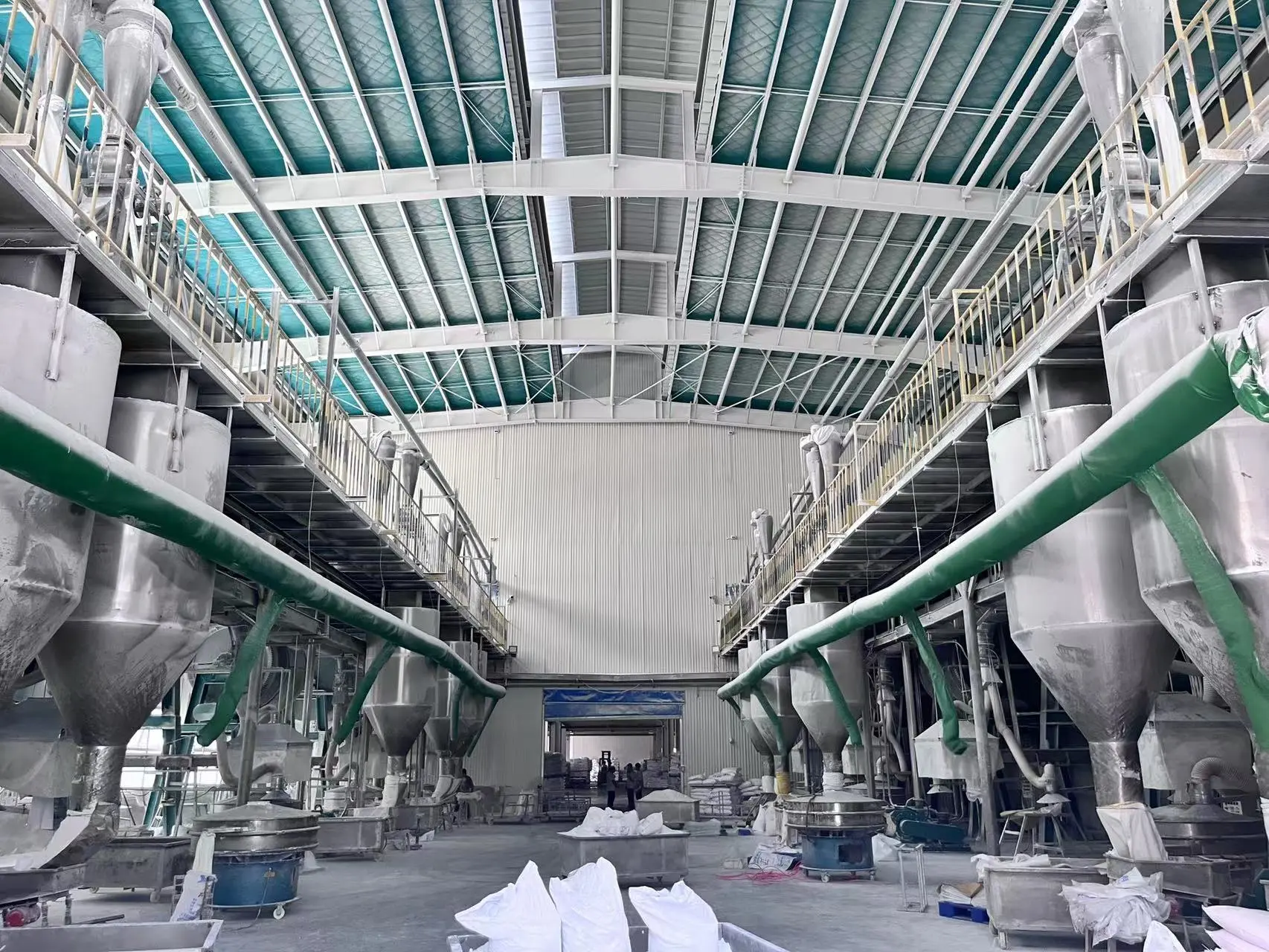
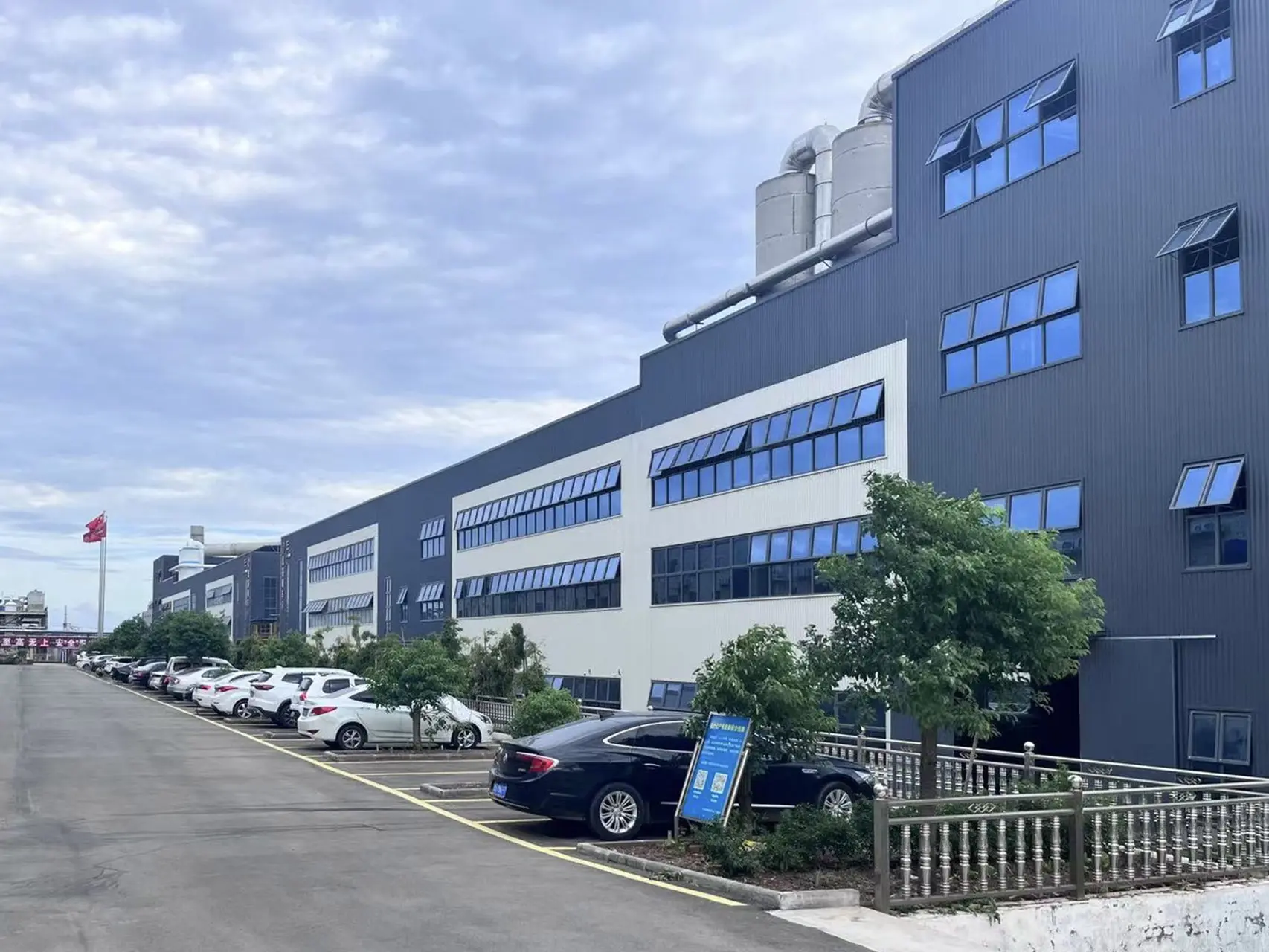
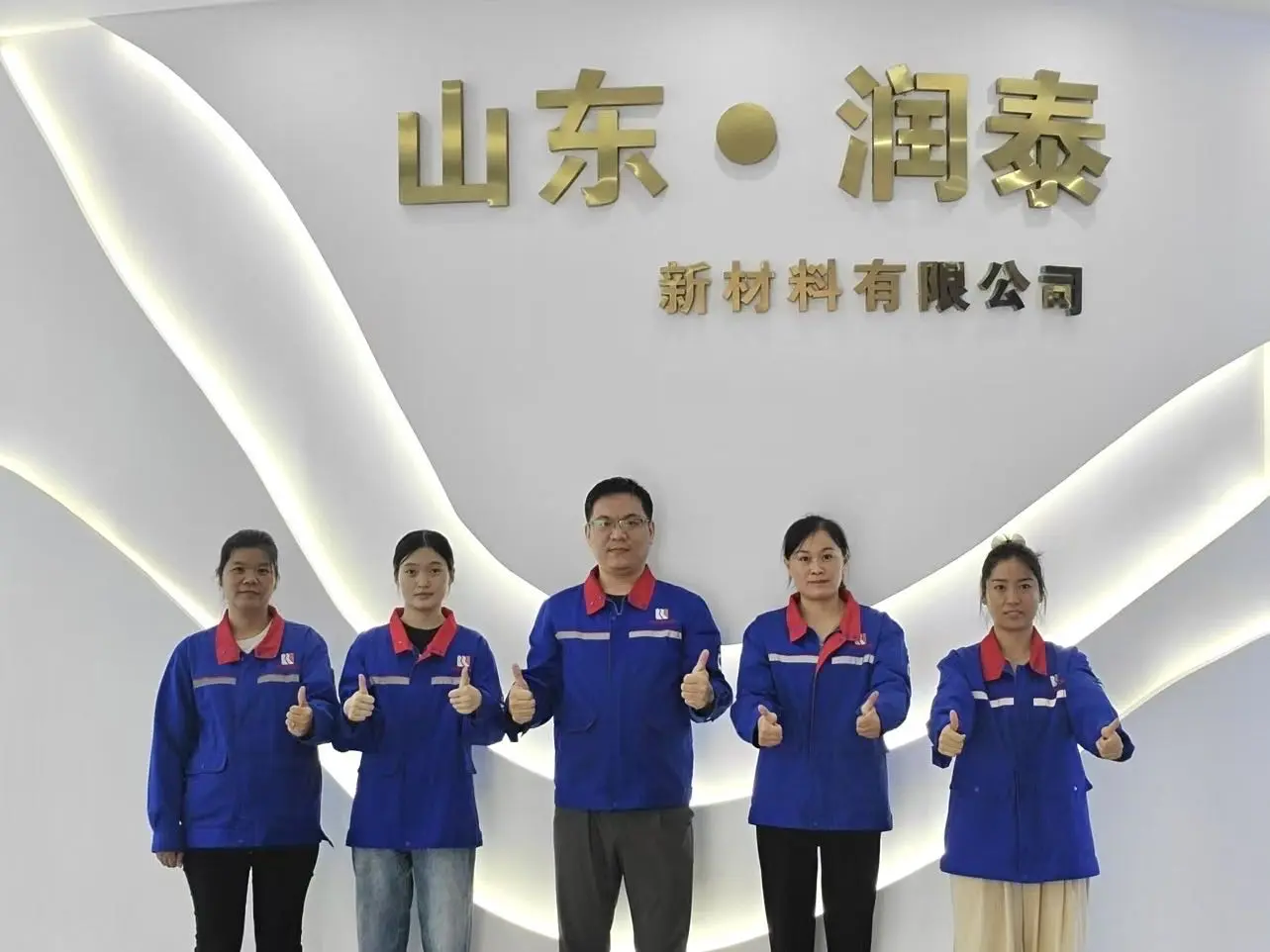
Based in Zaozhuang City, Shandong Province, Shandong Runtai New Materials Co., Ltd. was established in March 2020 as a comprehensive fine chemical group representing a total investment of 2.06 billion yuan.
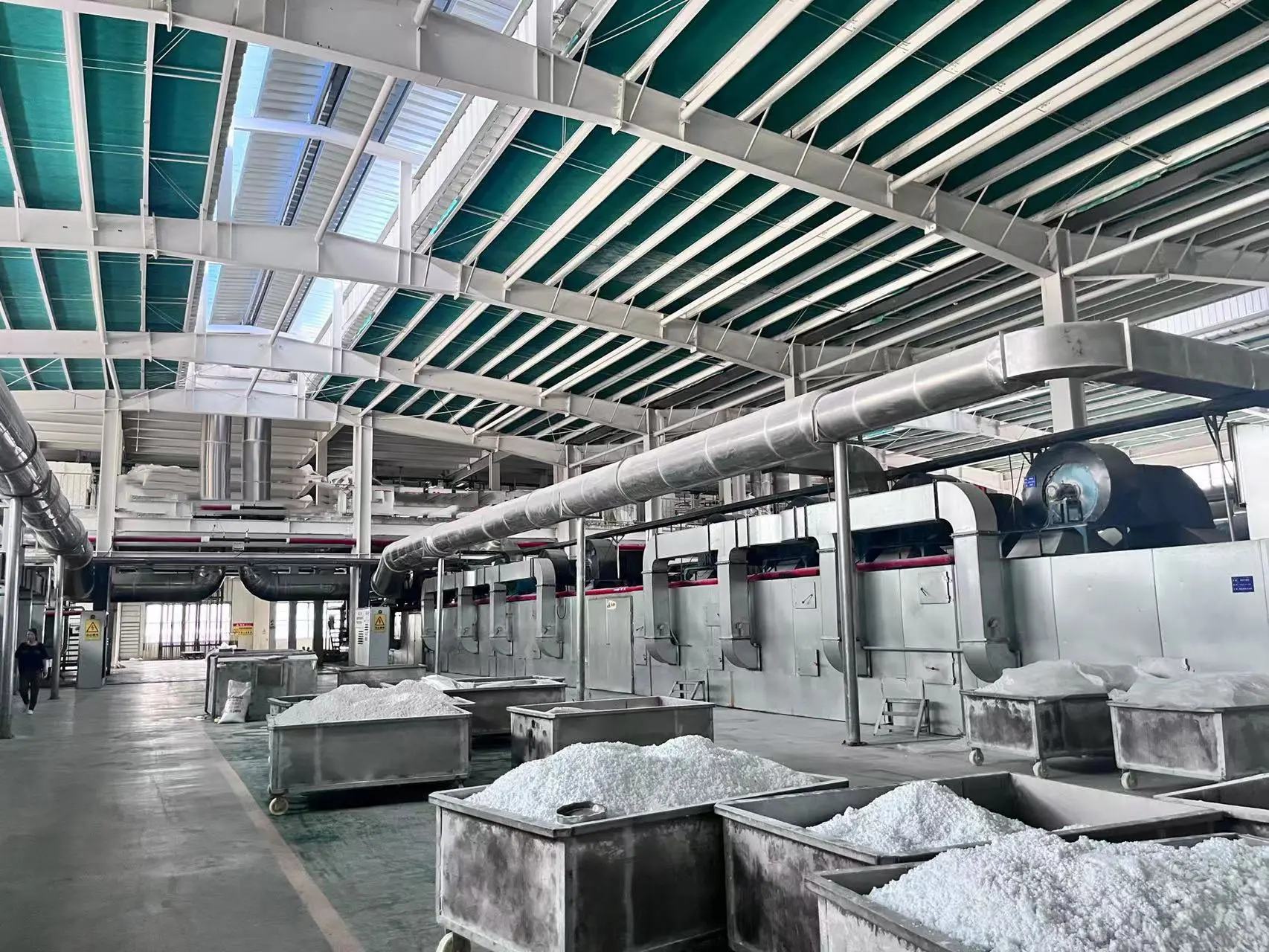
Spanning over 270,000 square meters of highly automated chemical facilities, Runtai New Materials manages a continuous, vertically integrated supply chain. Our industrial-scale capabilities ensure a steady supply for domestic requirements and export markets, mitigating global logistics disruptions:
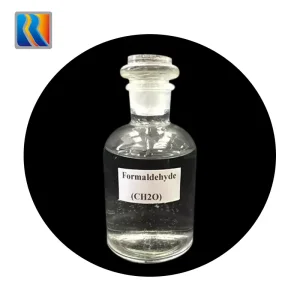
By producing our own monomers (such as formaldehyde and paraformaldehyde), we control the chemical characteristics from feedstock to polymerized resins. This vertical integration keeps our manufacturing margins competitive while guaranteeing stable batch-to-batch polymer performance.
Modern chemical processing demands exact thermal control, reactant ratios, and emission mitigation. Here is how Runtai integrates digital systems and advanced chemical science.
We employ modern Distributed Control Systems (DCS) to monitor and govern core chemical reactor parameters. This real-time loop stabilizes exothermic reaction pathways, preserves targeted molecular weight distributions, and prevents thermal runaways during condensation polymerization.
Partnering with the Changzhou Research Institute of Beijing University of Chemical Technology, our doctoral research team actively designs clean synthesis mechanisms. This has led to proprietary low-free-formaldehyde formulations that align with EPA TSCA Title VI and European E1 emission benchmarks.
Our quality control labs utilize gas chromatography, gel permeation chromatography (GPC), and FTIR spectroscopy to confirm molecular composition, cure times, and impurity profiles before products leave the factory gates.
International chemical sourcing relies on three main variables: raw material cost stability, production capacity, and export logistics. Shandong Runtai offers specific operational advantages that differentiate us from regional suppliers:

Phenolic and urea-formaldehyde resins provide high structural strength, thermal stability, and flame retardancy across key industries:
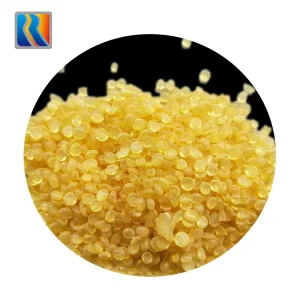
Our Novolac resins serve as binder matrices in brake pads, clutch linings, and friction elements, retaining structural hold under high thermal loads during high-speed braking.
Phenolic foams offer high flame resistance and low smoke toxicity, making them ideal for structural core insulation in building panels and aircraft cabins.
In metal casting, resole resins act as high-strength sand binders, maintaining mold shape against molten metal temperatures and degrading cleanly after solidification.

Industrial procurement departments focus on compliance, delivery consistency, and custom chemical specifications. Runtai addresses these needs directly:
We recognize that a single resin specification does not suit every application. Our engineers adjust critical properties to meet specific production lines:
Chemical exports require robust packaging and strict regulatory compliance. Runtai supports overseas shipping to destinations like the US, Thailand, Kenya, Egypt, and beyond with comprehensive documentation:
Technical answers to common questions about phenolic and urea-formaldehyde resins, raw materials, and sourcing.
The difference lies in the catalyst used and the molar ratio of phenol to formaldehyde. Resole resins are synthesized under alkaline conditions with a formaldehyde-to-phenol ratio greater than 1 (typically 1.5 to 2.0). They contain reactive methylol groups and cure thermally without an external cross-linker.
Novolac resins are synthesized under acidic conditions with a formaldehyde-to-phenol ratio less than 1 (typically 0.75 to 0.85). They are thermoplastic prepolymers and require a cross-linking agent—most commonly hexamethylenetetramine (HEXA)—to achieve a fully cured network.
We address free formaldehyde through precise synthesis design and advanced process controls. By partnering with the Beijing University of Chemical Technology, we use targeted molar ratios, late-stage formaldehyde scavengers, and real-time DCS adjustments. This guarantees that our urea-formaldehyde and melamine resins meet international emission standards while preserving curing speed.
Liquid thermosetting resins continue to react slowly at room temperature. To maximize shelf life, liquid resins should be stored in cool, well-ventilated areas (ideally between 15°C and 25°C) away from direct sunlight. Solid powder formulations, such as Melamine Moulding Compounds and Paraformaldehyde, are more stable but must be kept dry in sealed packaging to prevent moisture clumping.
Paraformaldehyde is a polymerized solid form of formaldehyde. It offers a higher formaldehyde concentration with significantly less water content compared to liquid formalin. This reduces water evaporation during polymer synthesis, leading to higher yield per batch, shorter reaction cycle times, and less wastewater generation.
Our quality assurance process is integrated into our DCS automated production lines. Raw material feeding, temperature curves, and reaction pressure are automatically controlled. Additionally, every production batch is tested in our laboratory using GPC and FTIR analysis to confirm molecular weights and chemical consistency before shipment.
Explore our broader industrial formulations, including defoamers, melamine glazing products, and specialized resins.
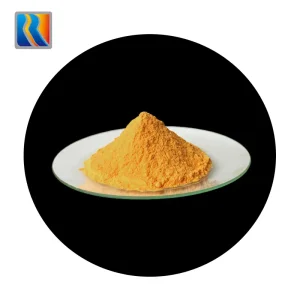
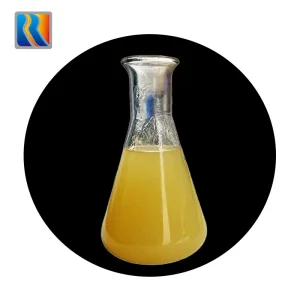
 Runtai