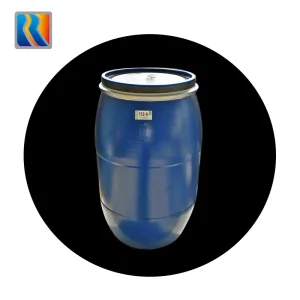
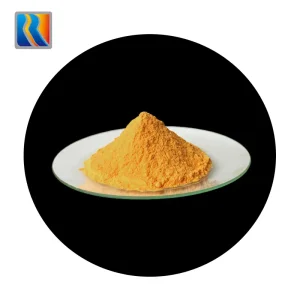
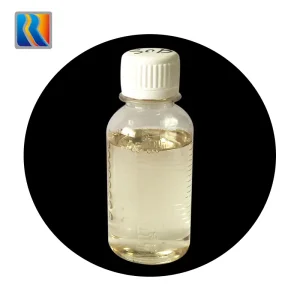
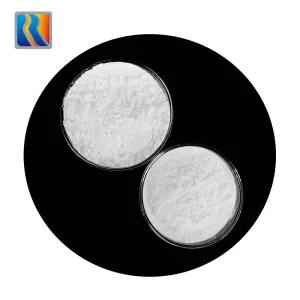
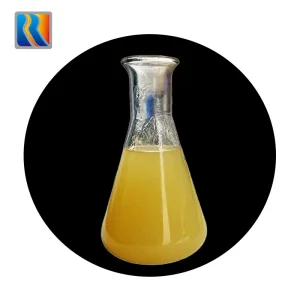
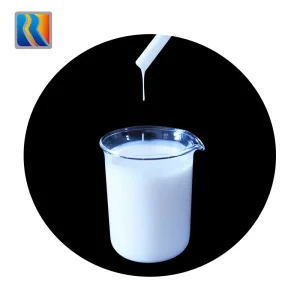
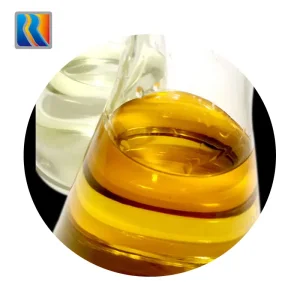
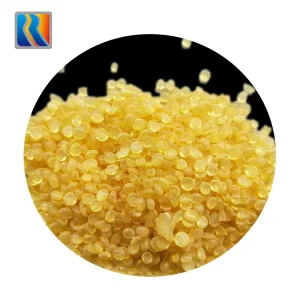
Explore our premium synthetic resins, molding compounds, and chemical additives engineered to meet rigorous global standards.
A Comprehensive Pioneer in Synthetic Chemistry and Advanced Polymer Engineering
Founded in March 2020, Shandong Runtai New Materials Co., Ltd. has established itself as an authoritative leader in fine chemical products and thermosetting composite technologies. Headquartered in Zaozhuang City, Shandong Province, our enterprise coordinates operations across five strategic branches nationwide. Spanning an expansive 270,000 square meters and backed by a total capital investment of 2.06 Billion Yuan, we operate at the cutting edge of industrial-scale chemical synthesis.
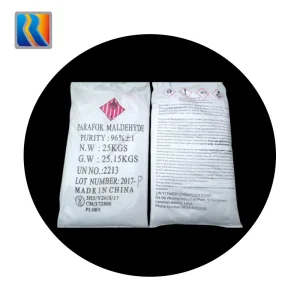
We specialize in the high-purity production of formaldehyde, polyformaldehyde, urea-formaldehyde resins, melamine, melamine glazing powders, and highly engineered phenolic resin composites. Our manufacturing philosophy integrates upstream raw-material synthesis with downstream polymer formulation, ensuring complete quality traceability, superior yield consistency, and unparalleled reliability across all supply chains.
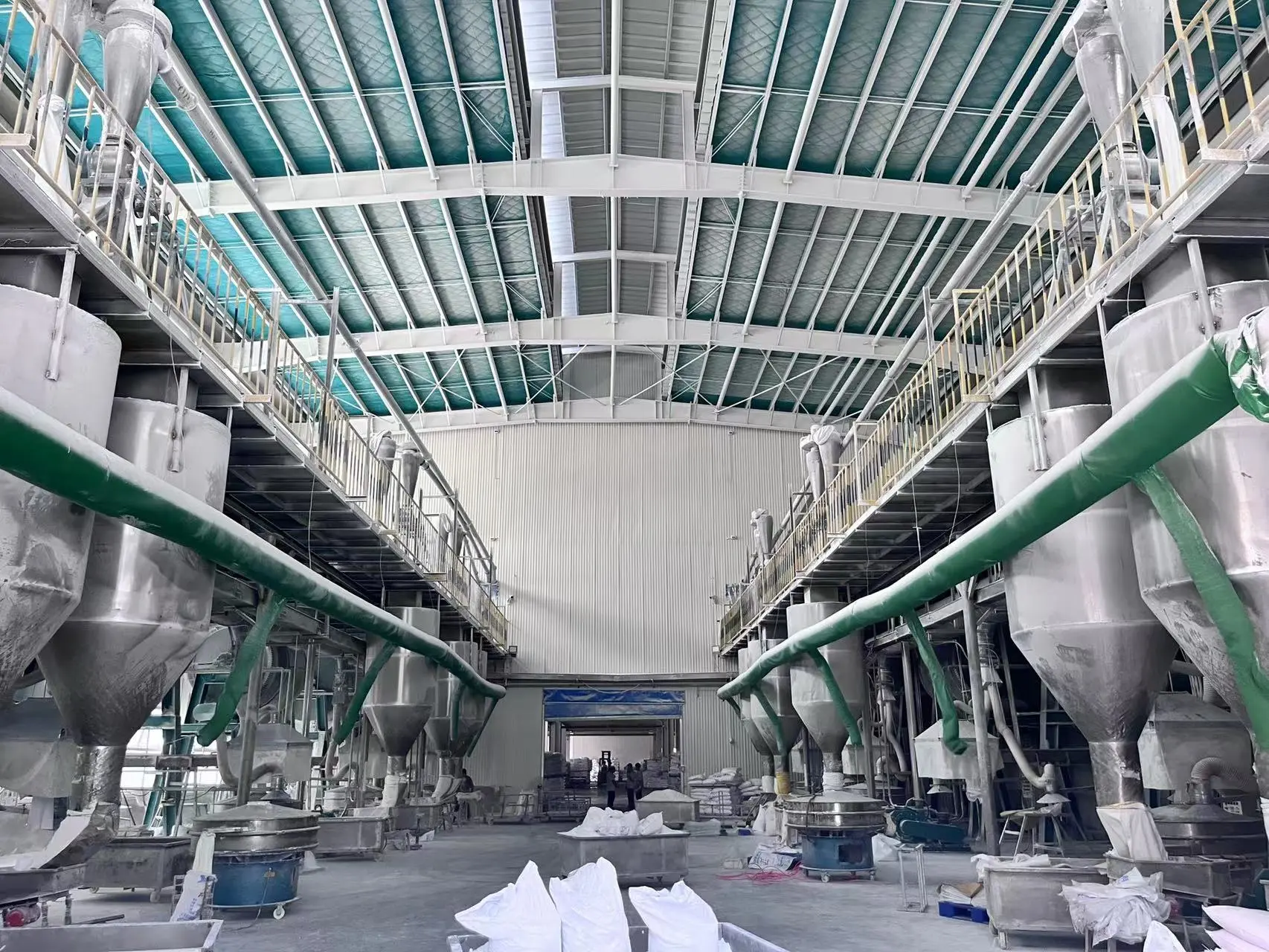
Continuous optimization and vertical integration drive our market dominance.
Through extensive scale and technological refinement, Shandong Runtai has secured approximately an 80% market share in key chemical segments in China. In parallel, our international operations export high-integrity thermosetting resins and compounds to key markets in the United States, Thailand, Kenya, Egypt, and beyond, earning critical acclaim for chemical stability and custom-tailored formulations.
An in-depth look at the thermosetting polymers driving safety and structural integrity under extreme environments.
Phenolic resin composites represent the cornerstone of high-temperature thermoset polymer chemistry. Synthesized via the polycondensation of phenol with formaldehyde, these polymers are categorized into two distinct classes based on catalyst pH and reactant ratios:
At Shandong Runtai, we balance polymer architecture at the molecular level, adjusting cross-linking densities to yield composites with high glass transition temperatures (Tg > 250°C), superior mechanical strength, and exceptional flame resistance.
Unlike standard thermoplastics, phenolic resin composites exhibit structural stability under thermal stress that remains unmatched in the synthetic materials sector. Under exposure to heat, these composites form a protective carbonaceous char layer rather than melting or flowing. This property enables exceptional Flame, Smoke, and Toxicity (FST) performance, making them the default material choice for public transit systems, commercial aerospace cabins, and marine bulkheads.
| Property | Standard Phenolic Composite Value | Key Performance Benefit |
|---|---|---|
| Glass Transition Temp (Tg) | 220°C - 300°C | Maintains mechanical shear strength under extreme structural thermal loads. |
| Limiting Oxygen Index (LOI) | 35% - 45% | Highly self-extinguishing; will not support combustion in atmospheric air. |
| Smoke Density (Ds max) | < 20 (under ASTM E662) | Minimal particulate emission during fires, preserving visibility and air safety. |
| Tensile Strength | 70 - 150 MPa (reinforced) | Excellent structural load capacity for metal-replacement applications. |
Deploying phenolic composites across global infrastructure, transport networks, and high-performance sectors.
Phenolic composites are reinforced with carbon or silica fibers to serve as heat-shields and rocket nozzle liners. They withstand thermal gradients of up to 3000°C via endothermic chemical decomposition, protecting astronauts and critical payloads during atmospheric reentry.
Used to bind heavy-duty brake pads, clutch facings, and transmission discs. Our novolac phenolic resins guarantee a stable coefficient of friction, high shear strength, and minimal thermal fade under continuous, high-pressure mechanical braking cycles.
For high-voltage switches, circuit breakers, and printed circuit board substrates. Phenolic resins offer excellent dielectric strength, minimal moisture absorption, and structural stability, protecting grid gear from tracking and catastrophic short circuits.
Integrated into fiber-reinforced structural panels, ventilation ductwork, and passenger cabin interiors. Phenolic composites comply with stringent railway fire safety directives (such as EN 45545-2), preventing toxic gas release and flame spread in confined spaces.

Formulating customized materials through advanced chemistry and continuous technical innovation.
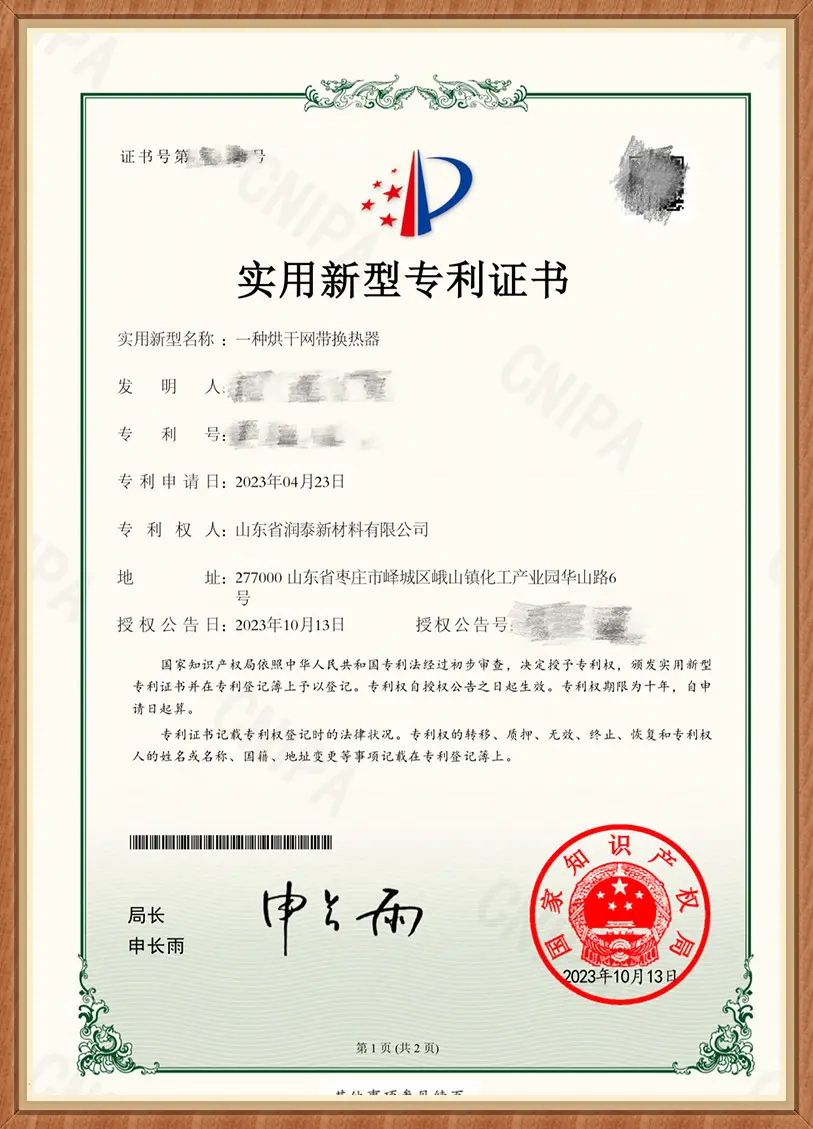
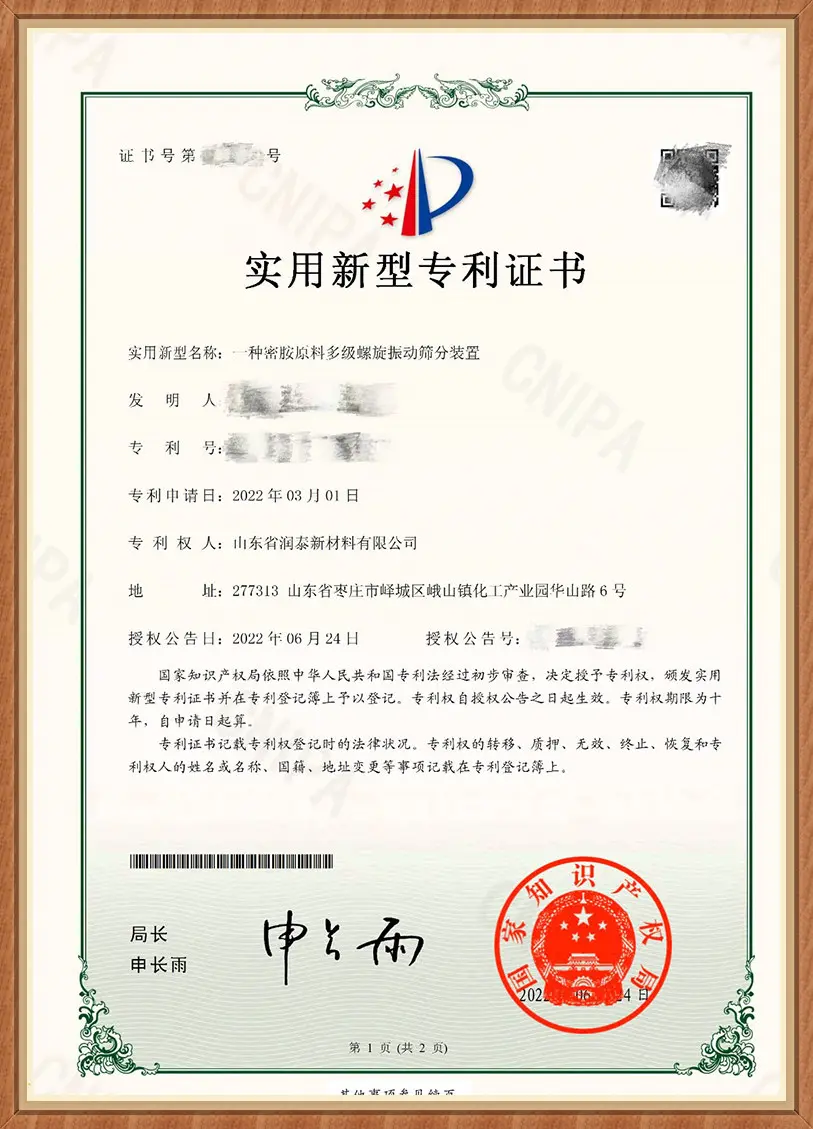
Our market-leading position is built on a strong, long-term collaboration with research institutions, most notably the Changzhou Research Institute of Beijing University of Chemical Technology. This partnership connects academic polymer research with Runtai's large-scale manufacturing infrastructure, yielding several industry-first achievements:
Securing global supply chains through rigorous testing and international certification.
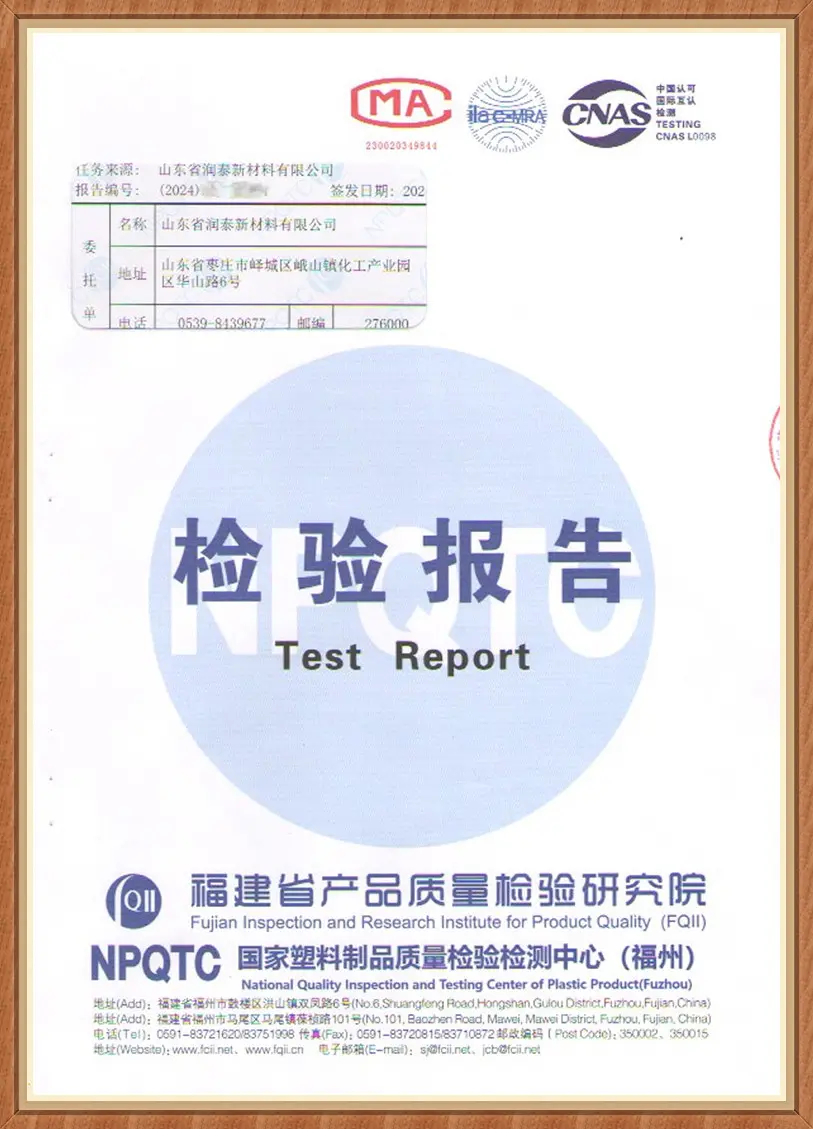
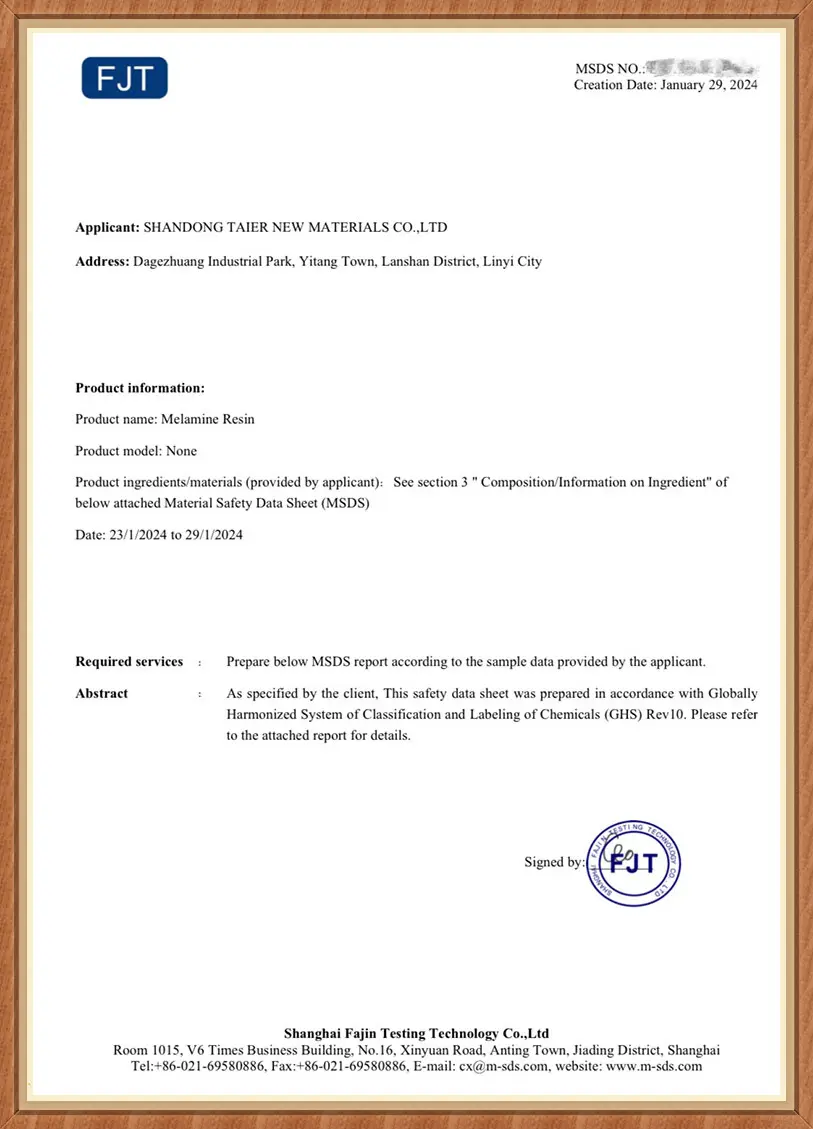
At Shandong Runtai, we understand that supply chain stability relies on meeting strict international regulatory standards. Our advanced quality testing laboratories are equipped with high-precision analytical tools—including Differential Scanning Calorimetry (DSC), Thermogravimetric Analysis (TGA), Fourier-Transform Infrared Spectroscopy (FTIR), and Gas Chromatography—ensuring all shipments conform to customer specifications.
We are fully certified to major international standards:
In-depth insights from our R&D team on chemical structures, selection criteria, and processing parameters.
Resole resins are synthesized under alkaline conditions with excess formaldehyde. This creates reactive methylol groups on the phenolic rings, enabling the resin to cross-link via condensation reactions when heated without needing a curing agent. Novolacs are produced under acidic conditions with excess phenol, creating a thermoplastic chain. Cross-linking requires a hardener—typically hexamethylenetetramine (HMTA or "hexa")—which donates methylene bridges to form a rigid, three-dimensional network upon heating.
While epoxy resins offer high mechanical adhesion and tensile properties at moderate temperatures, they degrade rapidly above 150°C and can release toxic smoke. Phenolic composites maintain high mechanical shear and structural integrity up to 250°C–300°C. In high-heat conditions, phenolics produce carbonaceous char, which acts as a thermal barrier. They also release minimal smoke and toxic gases, making them superior for fire protection applications.
Yes. Our automated DCS-driven synthesis line allows us to adjust molecular weight distributions, free phenol content, viscosity, and gel time to match specific molding processes, such as compression molding, pultrusion, resin transfer molding (RTM), or wet impregnation.
Resole resins contain active methylol groups and are sensitive to temperature. They should be stored in cold environments (typically 5°C to 15°C) to prevent premature reaction, yielding a shelf-life of 1 to 6 months depending on the formula. Novolac powders are chemically stable at room temperature and have a shelf-life of up to 12 months, provided they are kept dry to prevent agglomeration.
Our facility uses automated vacuum stripping and closed-loop scrubbers to recover unreacted phenol and formaldehyde, returning them to the process stream. This reduces VOC emissions, minimizes waste, and helps us meet international environmental standards like ISO 14001 and EU REACH.
Explore our high-performance thermosets, dispersants, and industrial chemical solutions.
 Runtai