Direct supply of high-grade monomeric systems, polymers, and compounding agents engineered for high structural integrity.
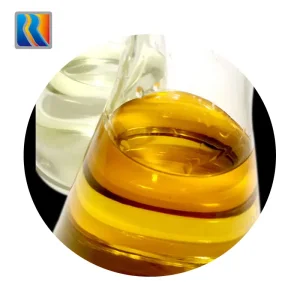
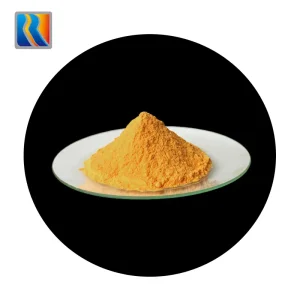
A comprehensive overview of global demand, material science advancements, and chemical production paradigms.
Melamine Urea Formaldehyde (MUF) resin is a crucial thermosetting polymer widely used in the wood adhesives, laminates, coatings, and molding compound industries. By copolymerizing urea and formaldehyde with melamine, chemical engineers improve structural properties, hydrolytic stability, and moisture resistance compared to basic Urea Formaldehyde (UF) resins. This tri-monomeric synthesis creates a highly cross-linked network that resists moisture and degradation under elevated temperatures, making MUF resins essential for exterior-grade plywood, medium-density fiberboard (MDF), particleboard, and structural timber components.
Industrial Formulation Insight: The molecular ratio of melamine to urea dictates the water resistance and performance class of the resin. Increasing melamine content shifts the polymer structure towards a Melamine-Formaldehyde (MF) network, which satisfies European EN 301/302 standards for load-bearing timber structures.
The manufacturing of MUF resins involves a multi-stage condensation reaction under controlled pH and temperature profiles. The first step, methylolation (addition reaction), occurs under alkaline conditions (pH 7.8 to 8.5) where formaldehyde reacts with the amino groups of urea and melamine to form methylol compounds. The second step, condensation (acidic phase, pH 4.5 to 5.5), initiates polymerization, linking these methylol monomers via methylene and ether bridges.
Advanced manufacturers use split-addition processes. In these formulations, melamine is added at precise stages of condensation to maximize raw material integration and minimize free formaldehyde content in the final adhesive matrix. This technique allows factories to achieve high-performance bonding while meeting strict global emission standards, such as California Air Resources Board (CARB) Phase 2, EPA TSCA Title VI, and the European E1/E0 standards.
Founded in March 2020, Shandong Runtai New Materials Co., Ltd. is a comprehensive group firm that specializes in high-performance fine chemical products. The corporation operates branches in five different cities throughout China, with its headquarters located in Zaozhuang City, Shandong Province. Runtai New Materials covers an area of 270,000 square meters with a total investment of 2.06 billion yuan.
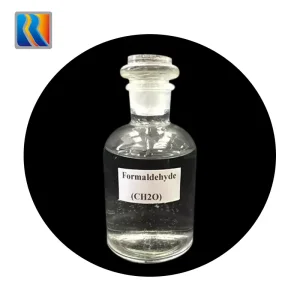
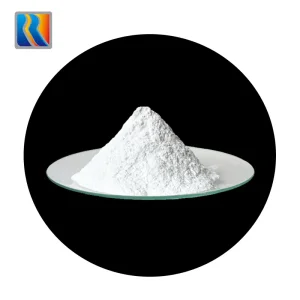
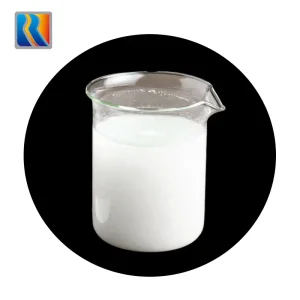
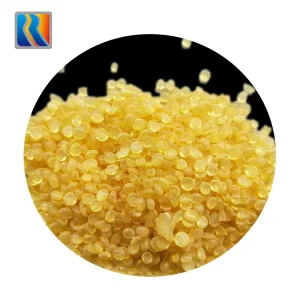
By integrating production, research, and logistics, we offer a stable chemical supply chain. Our primary products include formaldehyde, paraformaldehyde, urea formaldehyde resin, melamine powder, and melamine glazing powder. This chemical integration enables us to control raw material quality and pricing, passing the efficiency gains and cost savings directly to our global partners.
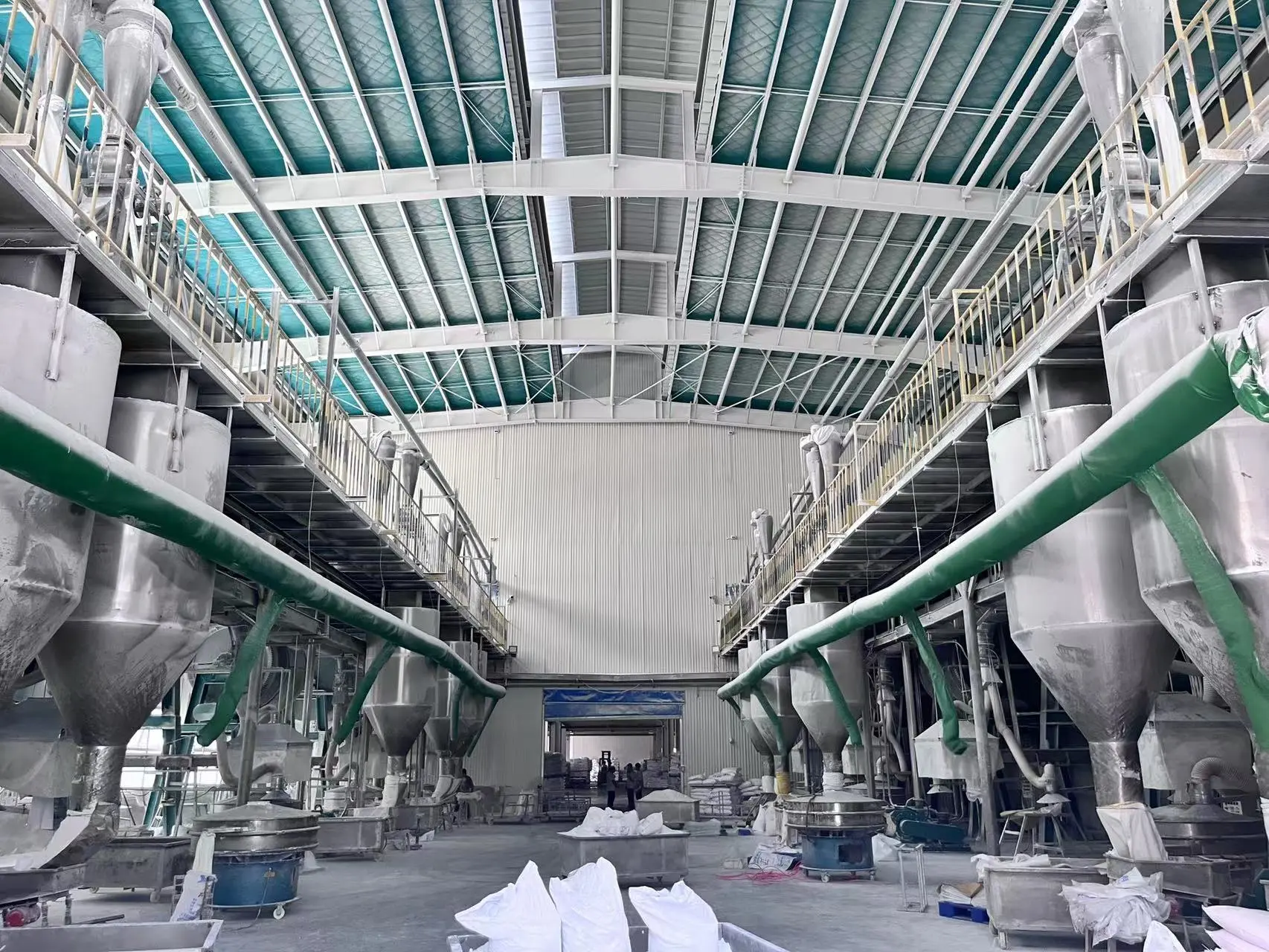
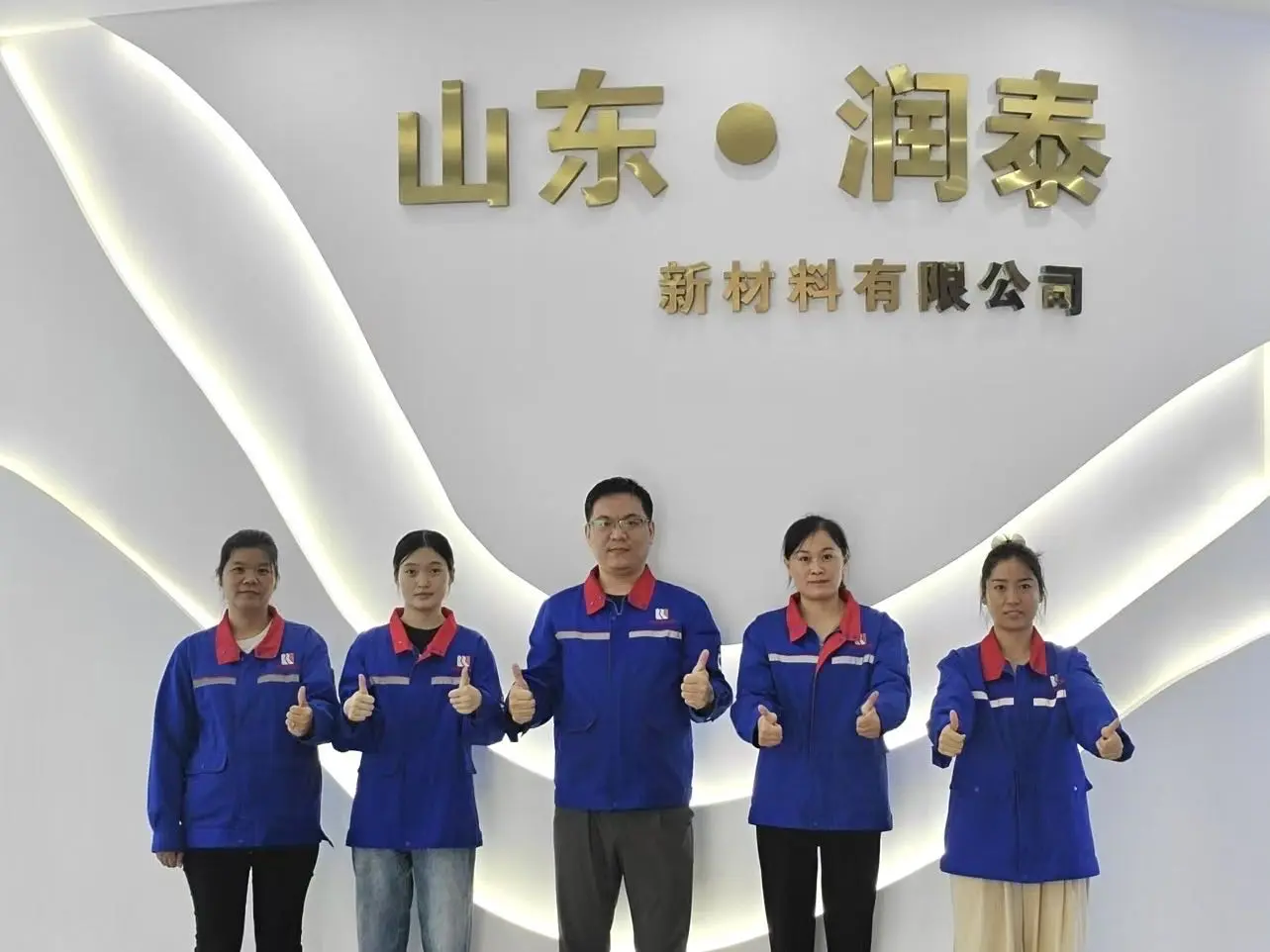
Through continuous technological upgrades and capacity expansions, Runtai New Materials has grown into one of China's top producers of amino resins and related monomer chemicals. The company produces 380,000 tons of formaldehyde, 60,000 tons of melamine, 20,000 tons of melamine glazing powder, 11,000 tons of specialty resin, and 300,000 tons of urea formaldehyde resin annually.
Our integrated manufacturing lines allow us to supply approximately 80% of the domestic market. We are also expanding our international footprint, exporting high-performance adhesives and compounds to the United States, Thailand, Kenya, Egypt, and other global regions. We offer both standardized grades and custom-formulated resins designed for specific local climates and manufacturing conditions.
As a modern chemical manufacturer, Runtai New Materials prioritizes sustainable development and environmental preservation. Our R&D team focuses on developing and producing eco-friendly chemical products that minimize environmental impact while adhering to international environmental laws, safety regulations, and compliance standards.
Guided by the core philosophy of "Quality First, Customer First," we approach customer service with honesty, professional expertise, and technical transparency. We welcome domestic and international partners to visit our advanced manufacturing facilities to build collaborative, long-term relationships.

Driving supply chain efficiency and product consistency through vertical chemical integration and advanced automation.
Following the completion of our melamine project, Runtai New Materials has become a key Chinese enterprise in the research, production, sales, and application of formaldehyde-based chemicals. This production scale provides reliable material availability and cost stability.
We use a Distributed Control System (DCS) to manage process parameters across the entire production line. This continuous monitoring ensures high product quality, stable operations, energy conservation, and plant safety.
We deploy advanced testing and production equipment to meet strict quality requirements. This automation helps lower labor intensity, boost manufacturing productivity, and reduce testing costs.
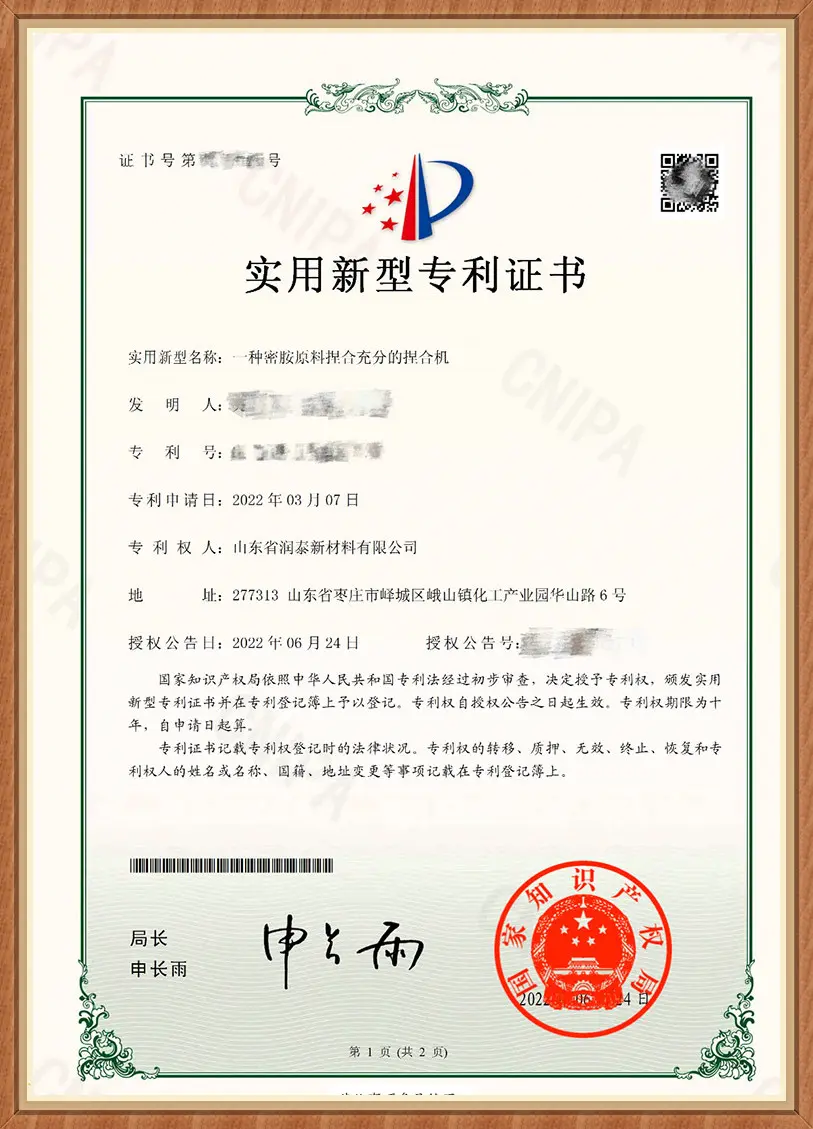
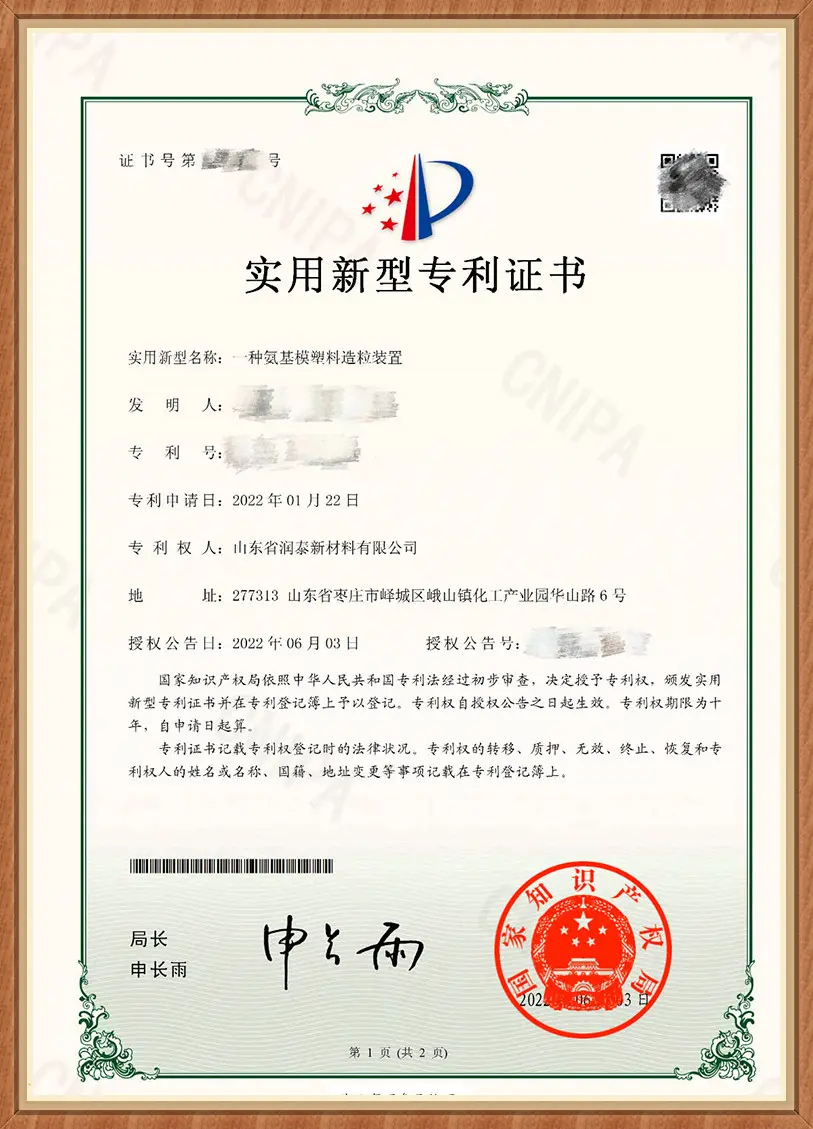
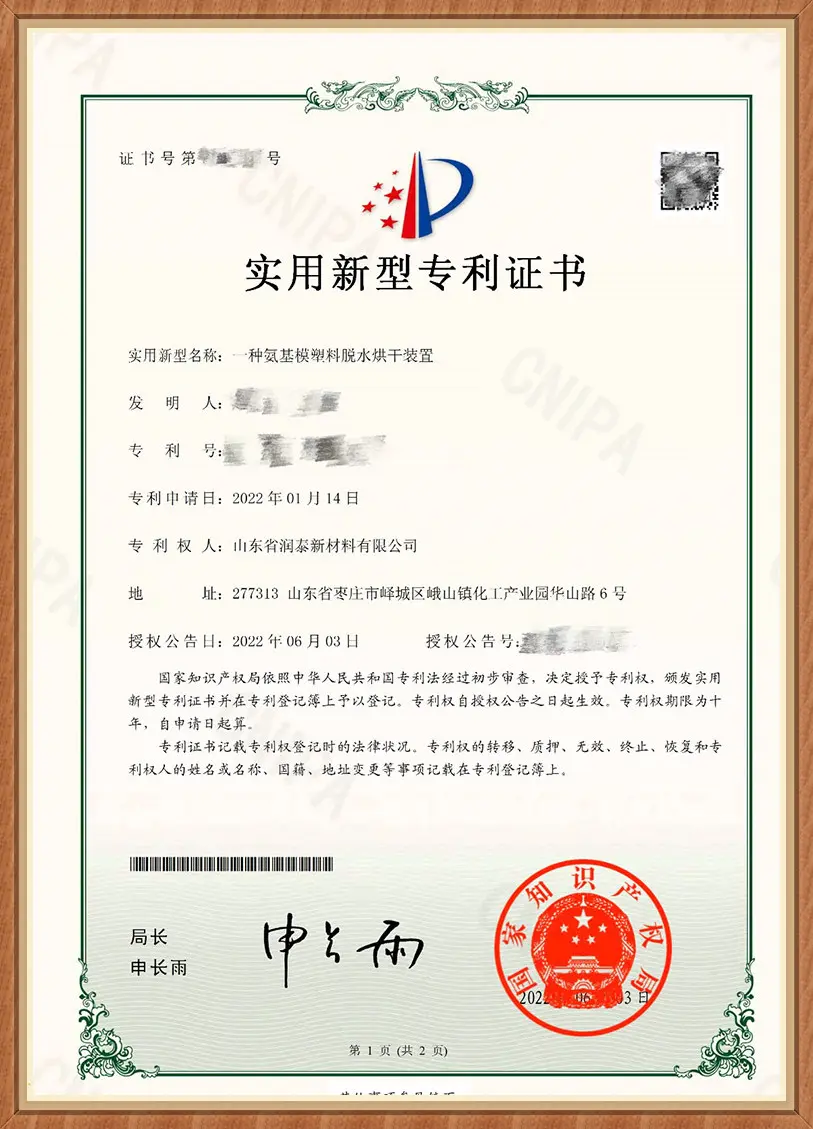
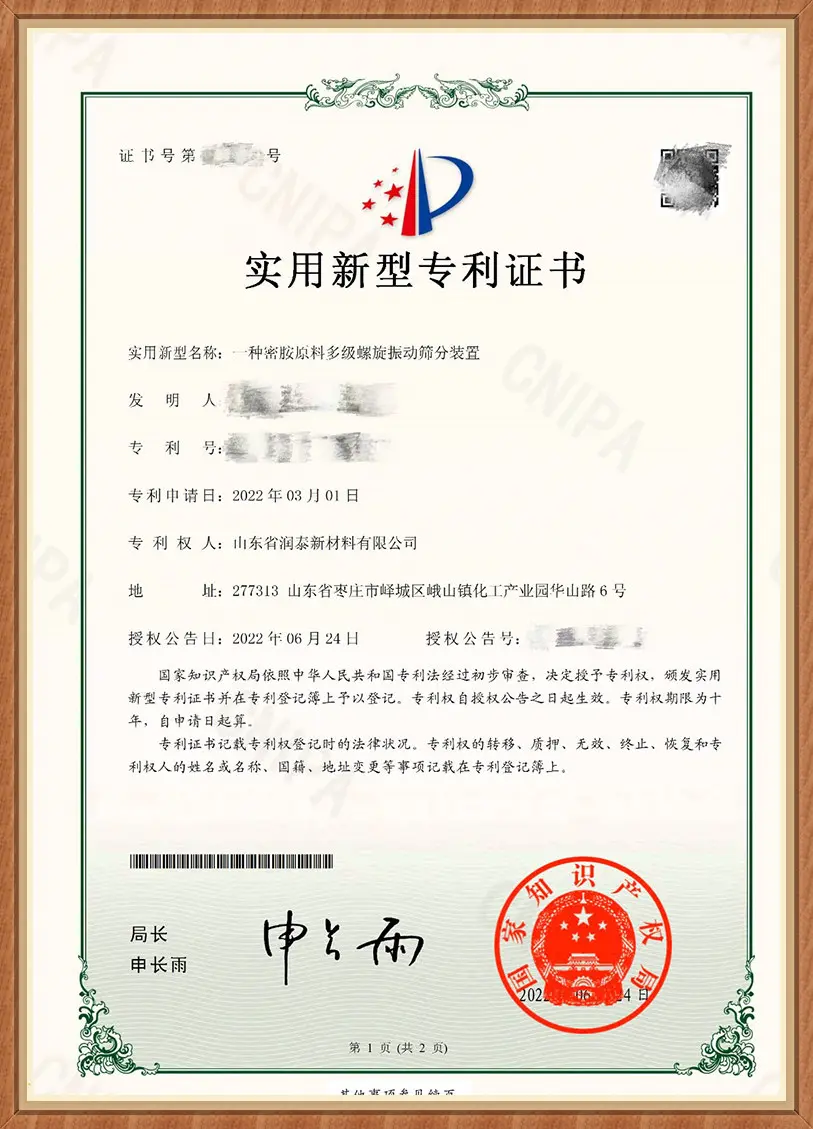
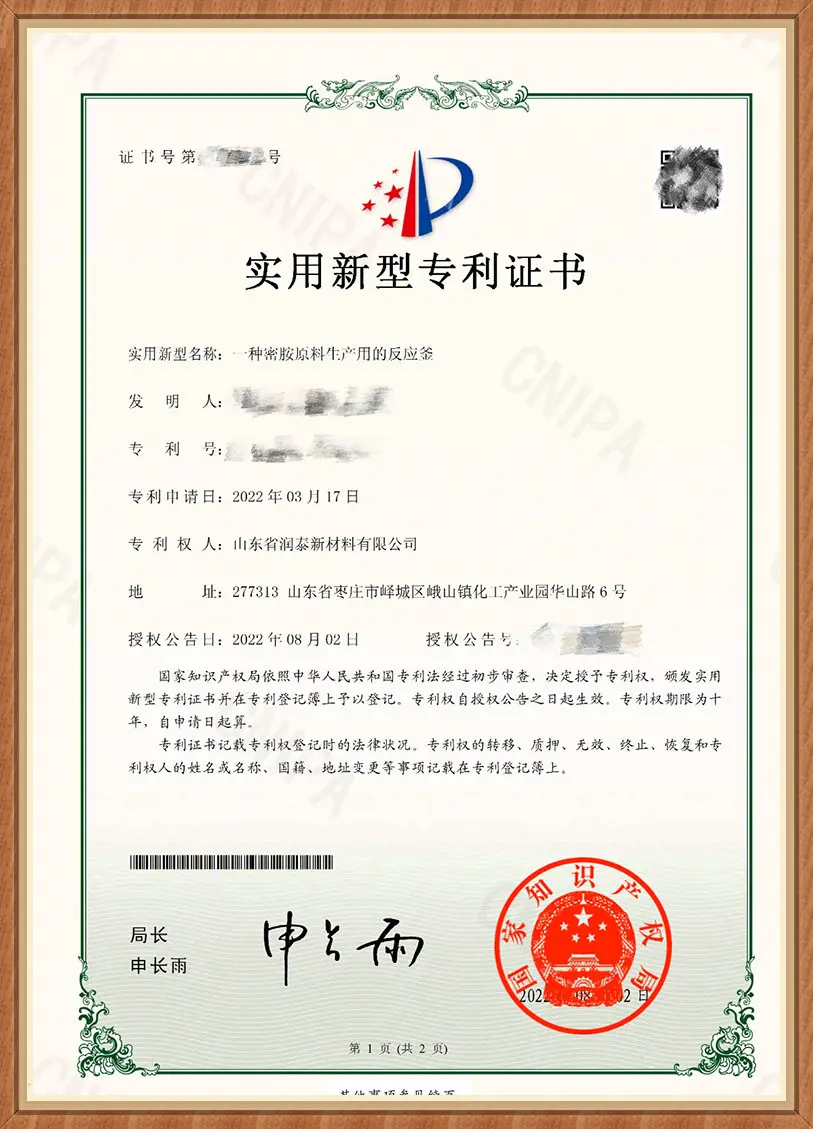
Partnering with institutions like the Changzhou Research Institute of Beijing University of Chemical Technology, our R&D team works to integrate academic research with factory production. This focus on innovation has generated multiple patented technologies.
Our raw material chain, starting from formaldehyde, supports a wide range of derivative products. These materials are used in wood adhesives, industrial coatings, resin plastics, packaging film adhesives, and other material upgrades.
How modern wood composites and packaging industries leverage custom melamine-urea-formaldehyde blends.
In global construction and woodworking industries, wood panels must withstand environmental moisture and mechanical stress. Standard Urea Formaldehyde (UF) resins are susceptible to hydrolysis, which can degrade the adhesive bond over time when exposed to humidity.
MUF resin acts as a high-performance alternative, providing structural integrity for load-bearing timber, plywood, and exterior particleboards. The addition of melamine molecules forms stable ring-structured chemical links that block water penetration, preventing swelling and structural failures.
Decorative laminates for countertops, flooring, and furniture require chemical stability, scratch resistance, and flame retardancy. MUF and Melamine Glazing Powders are widely used to saturate decorative overlay papers.
Upon hot-pressing, the resin cures into a transparent, protective surface layer. This coating protects underlying designs from household chemicals, thermal damage, and mechanical wear, ensuring a long service life.
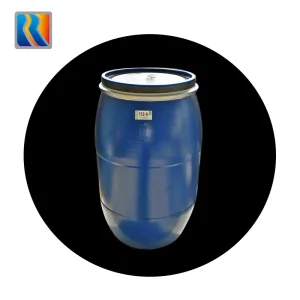
Supply Chain Logistics & Global Distribution: Synthetic amino resins are highly sensitive to temperature and storage duration. Liquid resins generally have a shelf life of 3 to 6 weeks depending on the ambient temperature. For long-distance export, Runtai New Materials provides spray-dried powder formulations (such as Melamine Moulding Compounds and powdered resins) that can be easily reconstituted on-site, resolving global shelf-life challenges.
Shandong Runtai New Materials adheres to strict global environmental and chemical quality standards.
Expert answers to common technical, logistics, and chemical formulation queries from global buyers.
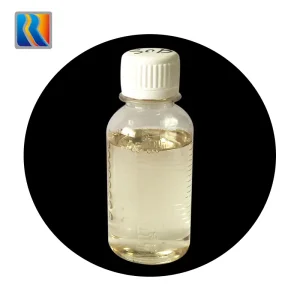
Explore our complete product catalog, featuring water-based additives, packaging film adhesives, and compounding agents.
 Runtai