Explore our flagship industrial chemical materials, manufactured via advanced automated DCS synthesis pipelines.
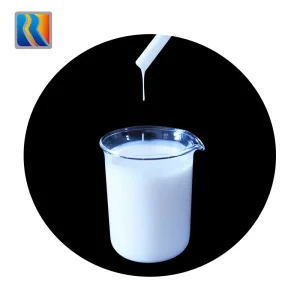
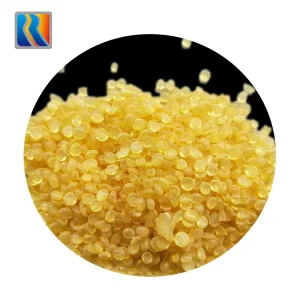
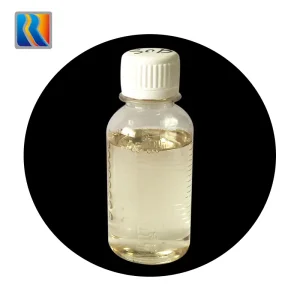
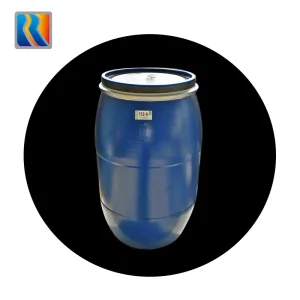
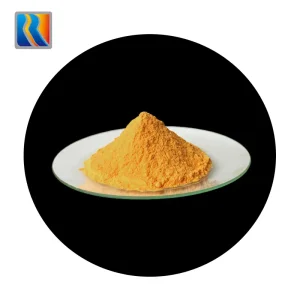
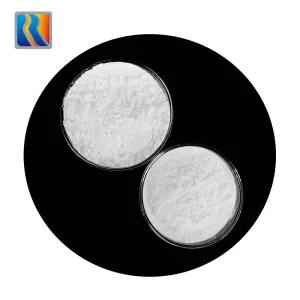
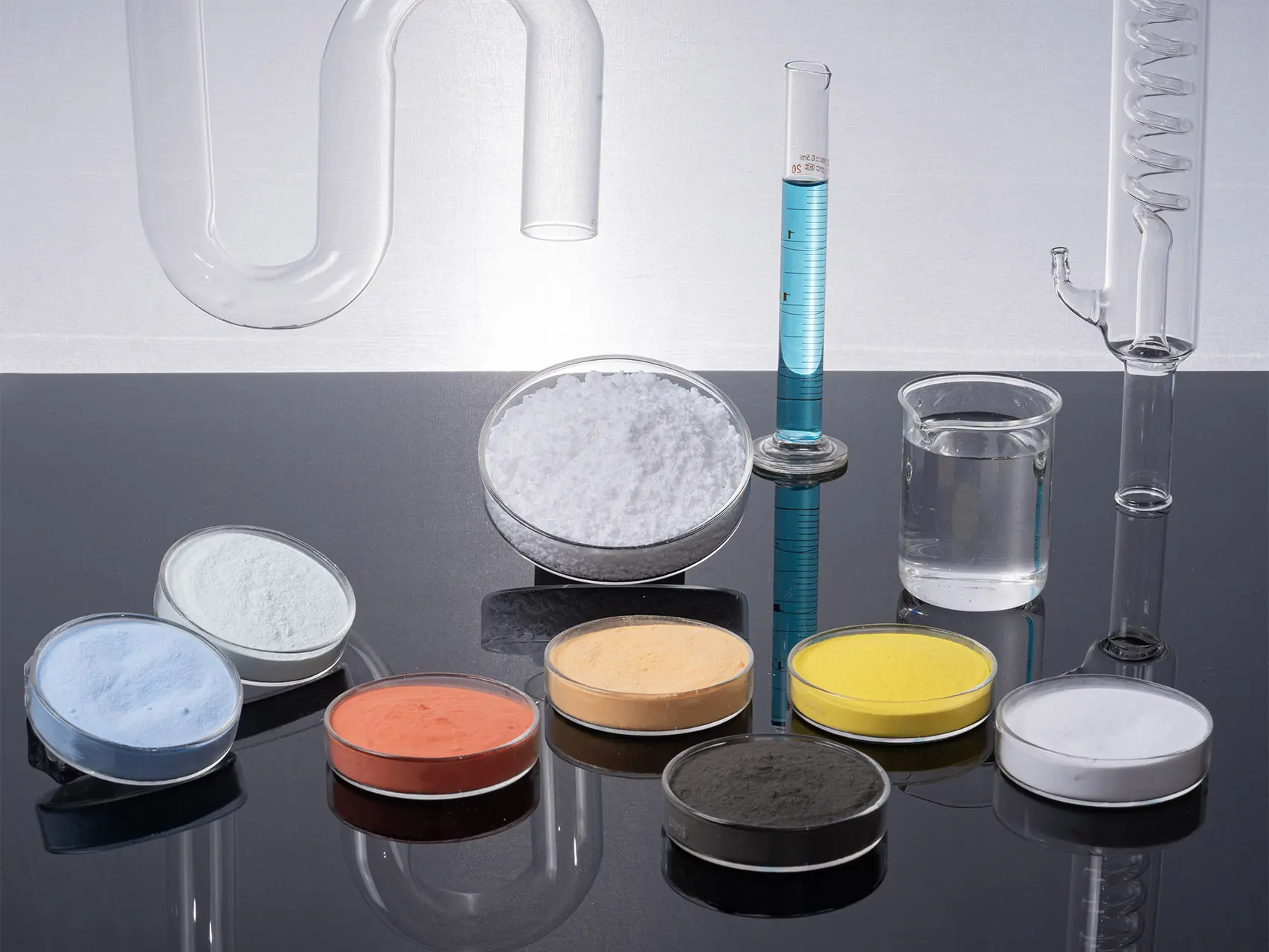
In the modern polymer processing sector, melamine glazing powder (LG series) plays an indispensable role. Principally composed of a synthesized melamine-formaldehyde resin co-polymerized with highly purified alpha-cellulose and specific structural modifiers, glazing powder is used to create a cured, vitreous surface over thermoset molded items. As global consumer demand shifts towards premium-grade, highly durable, non-toxic, and aesthetic alternatives to ceramics, the global market for melamine glazing compound solutions has witnessed exponential growth.
Industrial data forecasts that the global consumption of thermosetting glazing powders will expand steadily, heavily backed by emerging HORECA (Hotel, Restaurant, and Catering) sectors across North America, Latin America, Southeast Asia, and Central Europe. Advanced formulations are engineered to achieve exceptional gloss levels, chemical stain resistance, micro-scratch resilience, and complete food contact safety compliance (regulated under strict international standards like the FDA 21 CFR and EU Regulation No. 10/2011).
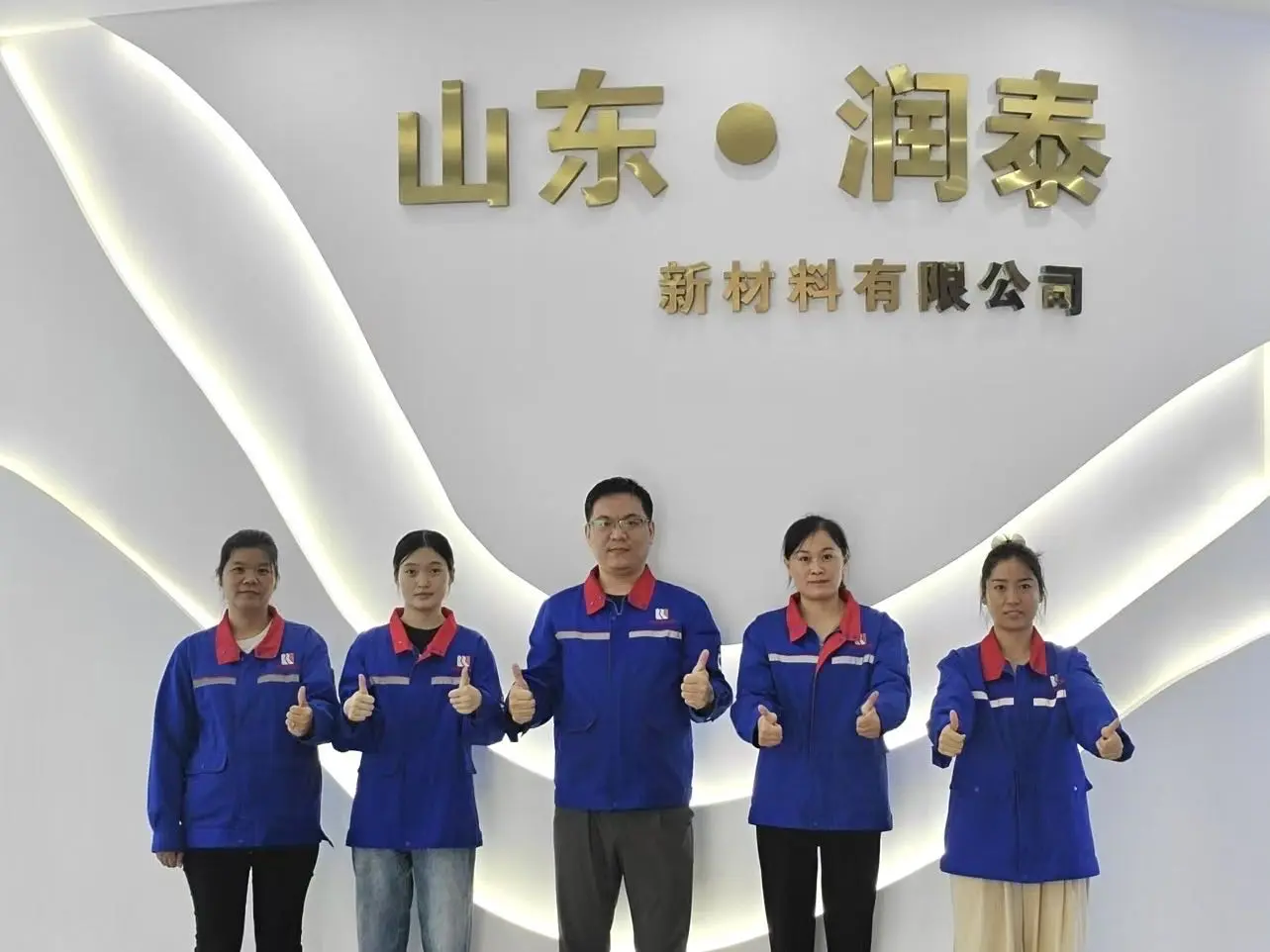
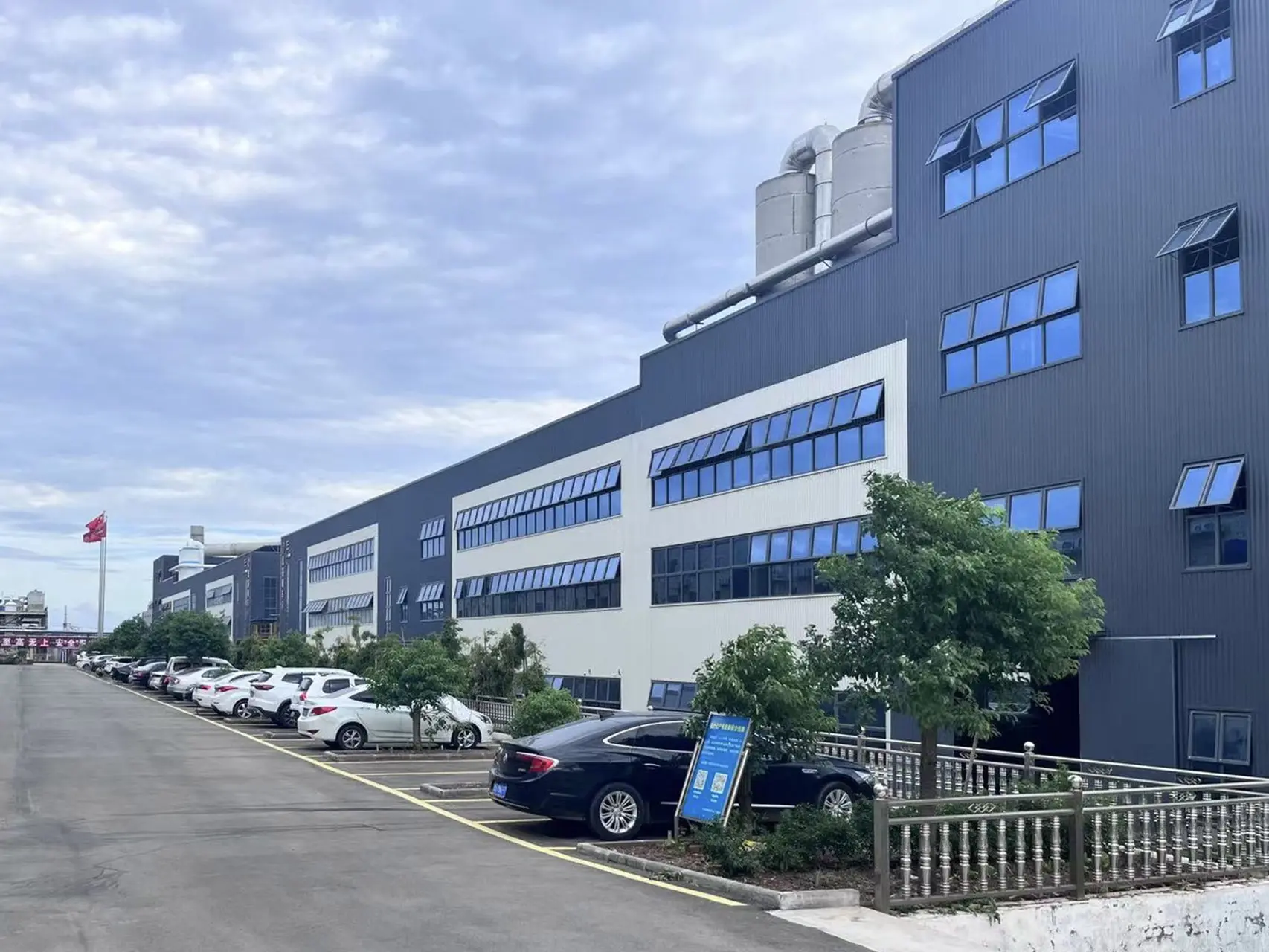
Founded in March 2020, Shandong Runtai New Materials Co., Ltd. is a comprehensive, state-of-the-art enterprise specializing in fine chemical processing and high-performance polymer materials. Headquartered in Zaozhuang City, Shandong Province, and backed by a total capital investment of 2.06 billion yuan, the corporation spans an area of 270,000 square meters. Our reach is supported by five strategic regional branches operating throughout China.
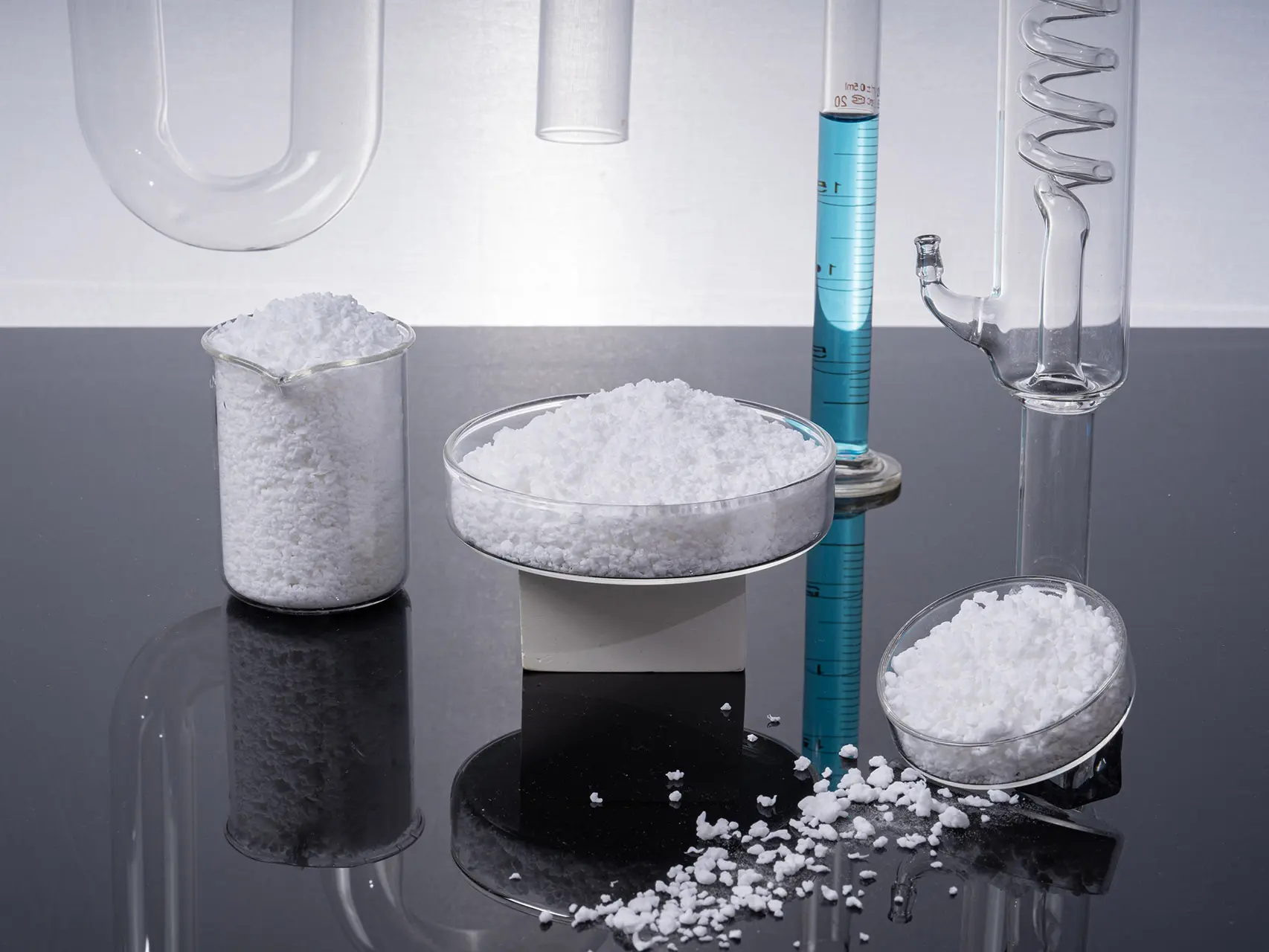
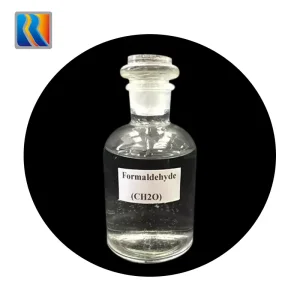
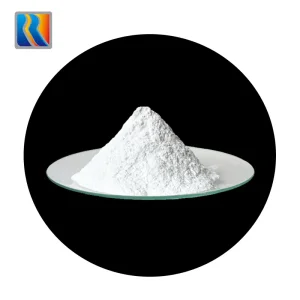
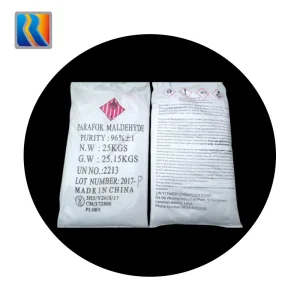
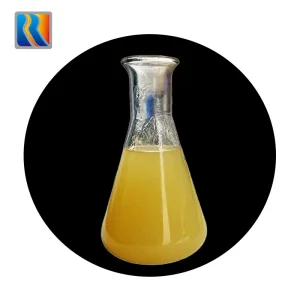
Runtai New Materials has built a vertically integrated production chain, spanning from raw chemical precursors to high-value refined materials. Our primary product portfolio includes high-grade Formaldehyde, Paraformaldehyde, Urea-Formaldehyde Resin, Melamine Powder, and Melamine Glazing Powder.
Annual Formaldehyde Output
Annual Melamine Powder Capacity
Melamine Glazing Powder Capacity
Domestic Market Share
Achieving stable chemical indexes, high crosslinking density, and ecological safety targets.
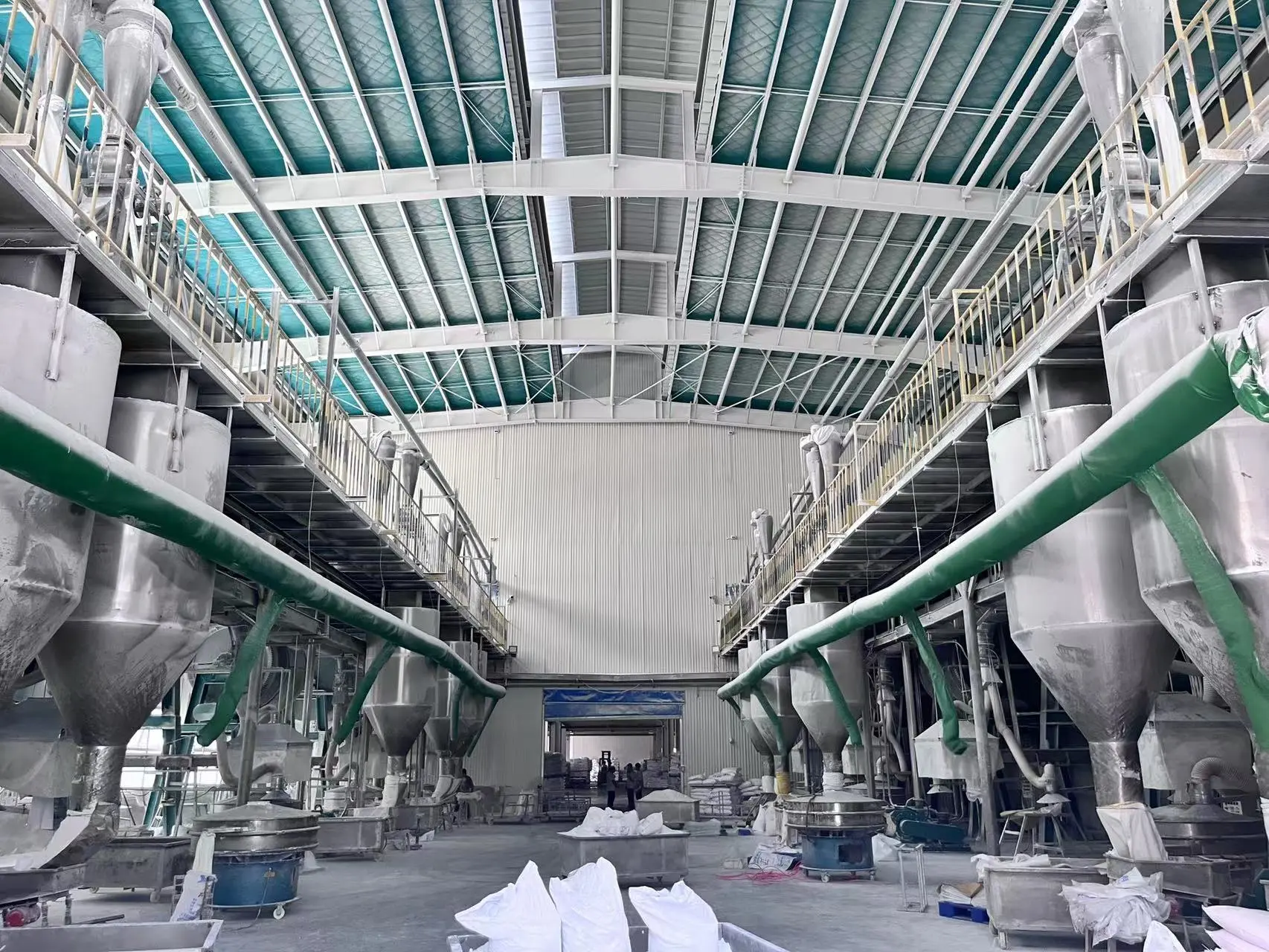
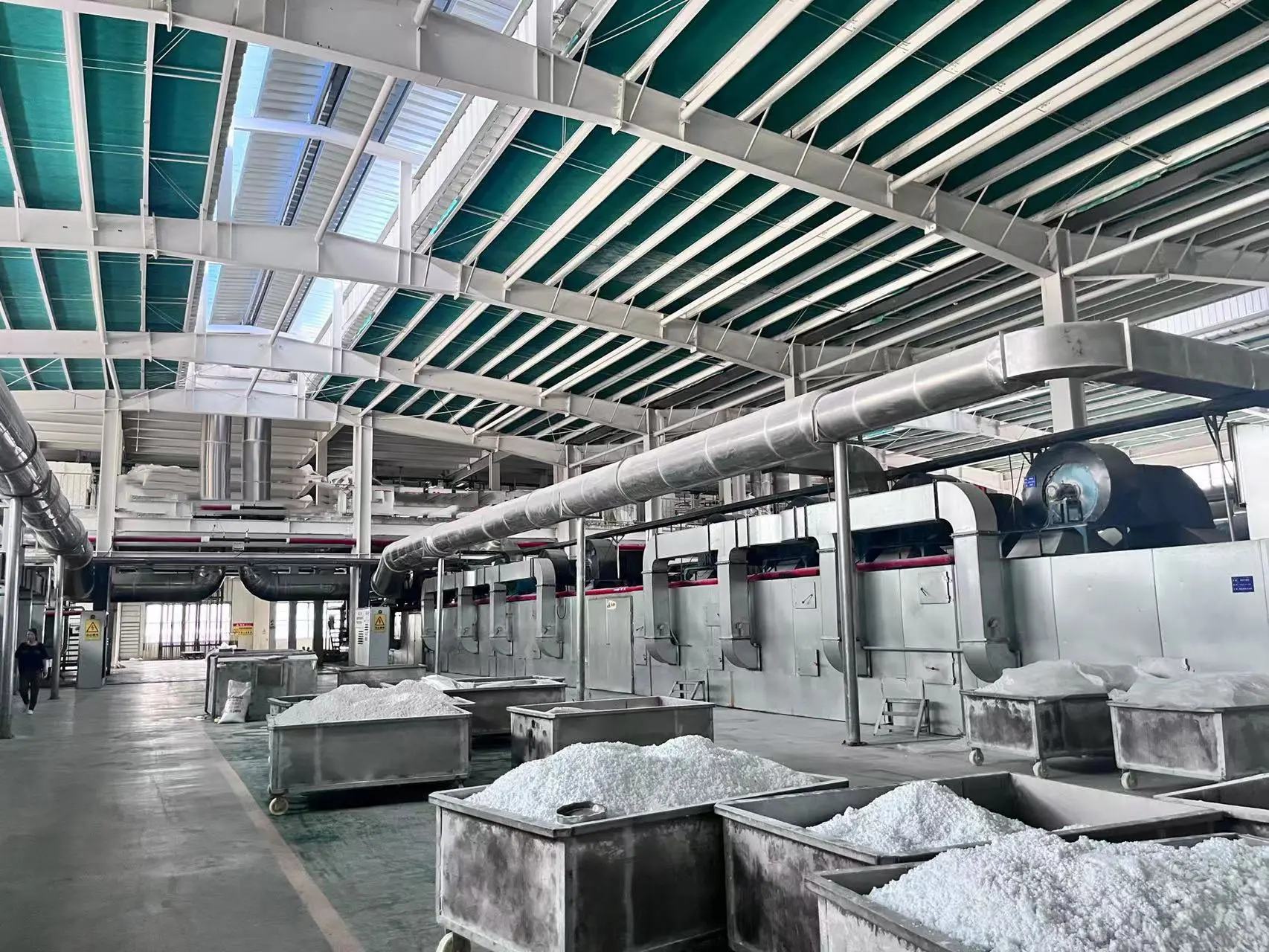
Our plants utilize advanced Distributed Control Systems (DCS) to monitor real-time chemical process variables—regulating pressure, reaction temperatures, and pH levels during condensation polymerizations.
By manufacturing our own formaldehyde (380,000 tons/yr) and melamine raw materials, we guarantee high chemical purity and raw material consistency, directly leading to minimal batch-to-batch deviations.
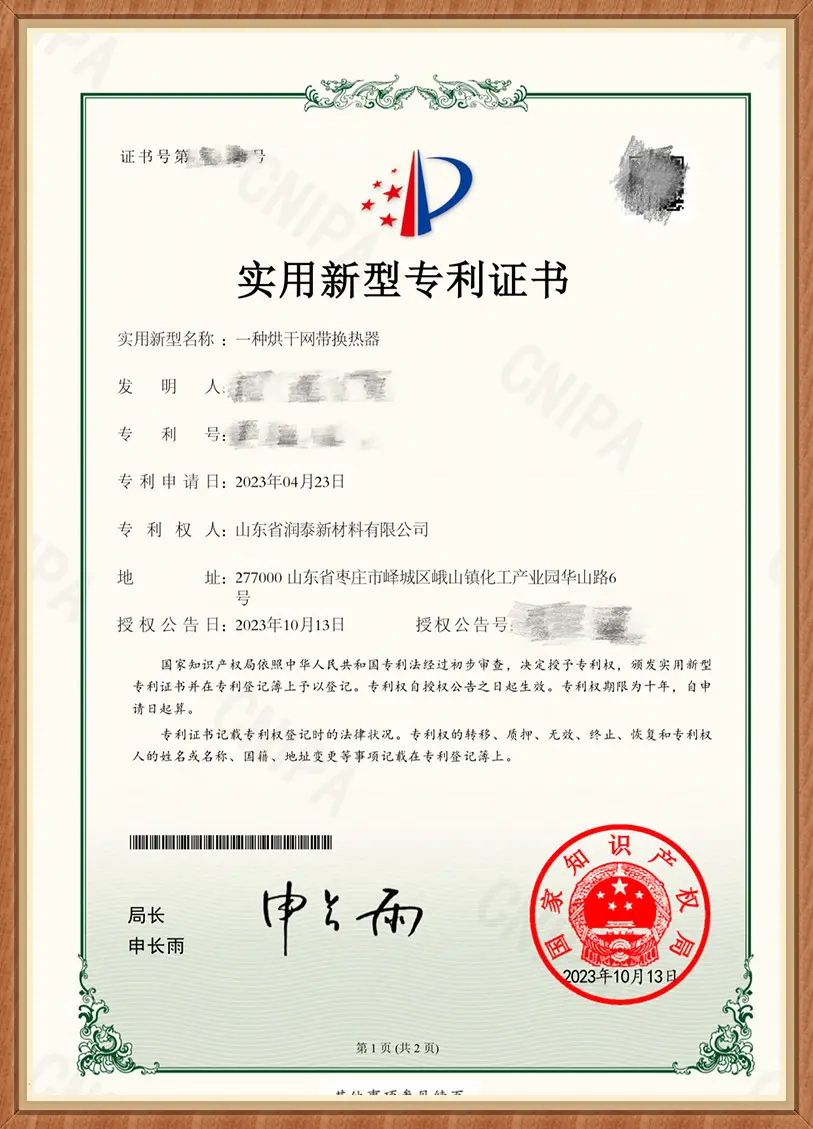
In partnership with the Changzhou Research Institute of Beijing University of Chemical Technology, our doctoral R&D division has developed multiple proprietary patents on formaldehyde reduction and high-performance resins.
As a socially responsible enterprise, Runtai New Materials is committed to carbon emission reductions, green chemical synthesis, and waste minimization. Our engineering divisions continually upgrade emission control machinery, ensuring zero industrial water discharges and compliant solid-waste recovery pipelines.
Our core operating culture is anchored around the philosophy of "Quality First, Customer Supreme." We cater to a diverse array of global chemical markets, adjusting chemical characteristics (such as gel time, flow characteristics, and particle distribution) to meet localized market demands.

Formulating customized polymer solutions for specific industrial challenges across global markets.
Our export-grade melamine glazing powders meet stringent FDA 21 CFR 177.1460 standards and European REACH certifications. Designed for tableware plants seeking low free-formaldehyde migration.
Formulations adapted with modified curing accelerators to maintain reliable storage life and prevent pre-cure clump formations in high-humidity and high-temperature manufacturing environments.
Modified resin rheology optimizes polymer flow during compression mold cycles, preventing surface micro-voids, pinholes, and uneven gloss distributions on large-dimension trays and industrial housings.

Through rigorous laboratory analysis and testing, Runtai's melamine glazing powder delivers superior performance benchmarks relative to standard industry solutions:
A visual representation of our manufacturing processes, raw material stocks, and analytical laboratories.
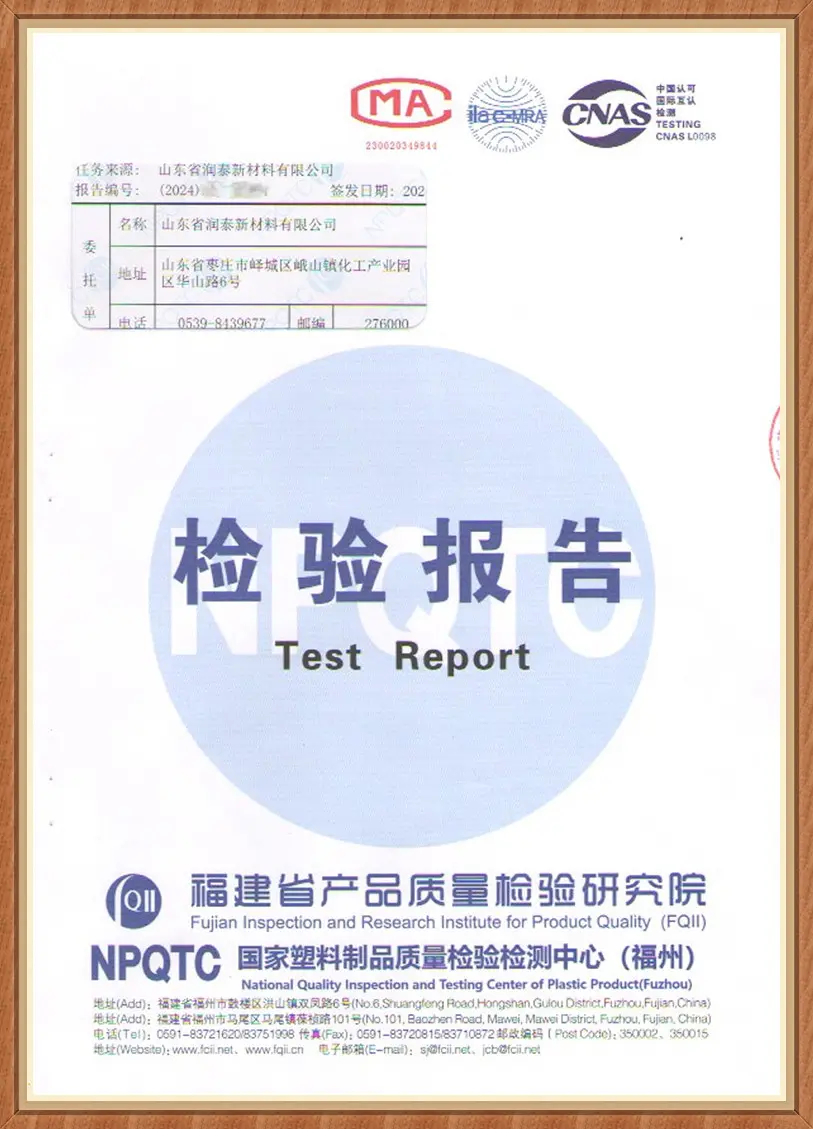
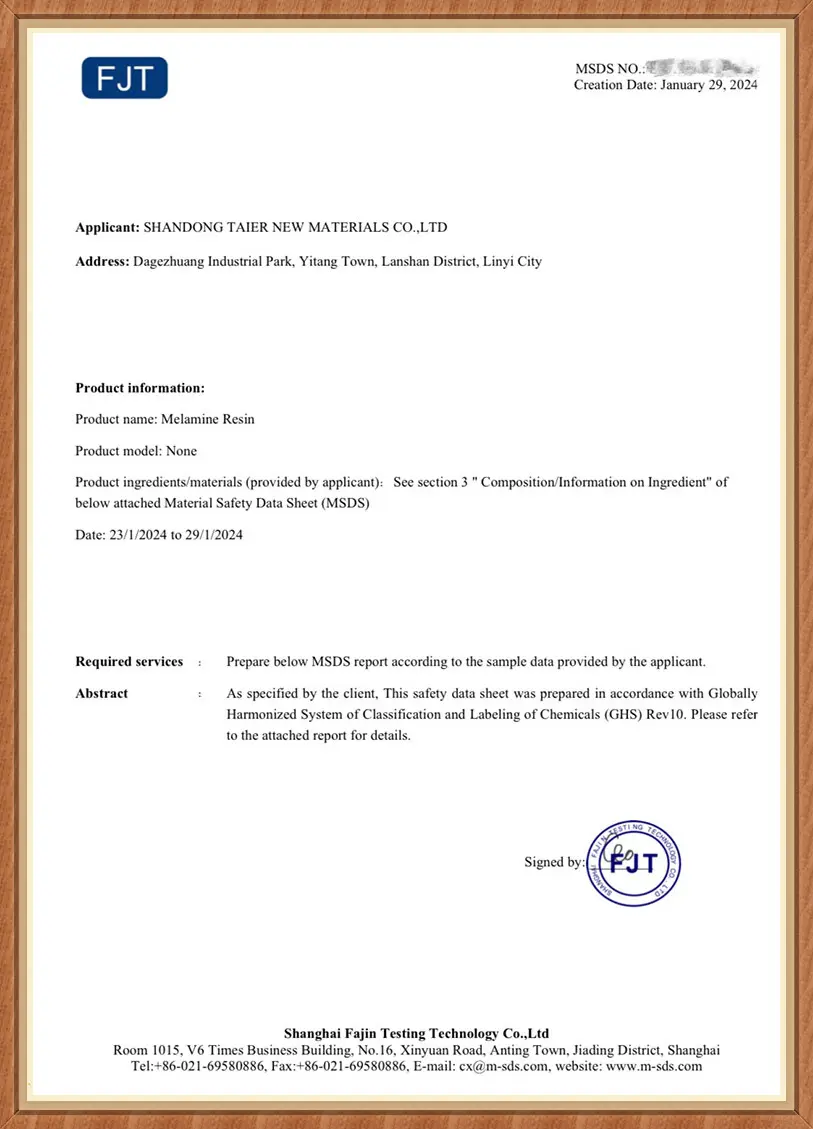
Certified validation of our quality management systems and technical innovations.
Clear answers to technical, commercial, and processing queries regarding our chemical systems.
A: Melamine glazing powder is primarily composed of synthesized melamine-formaldehyde resin co-polymerized with alpha-cellulose and specific structural curing agents. Unlike molding compounds, glazing powders exclude inorganic pigments and fillers, allowing the material to form a clear, high-density surface layer upon curing.
A: Recommended molding temperatures generally range between 145°C to 165°C, under hydraulic pressures of 15-25 MPa. Actual process parameters should be adjusted based on mold design, item thickness, and desired surface gloss metrics.
A: Our formulations are engineered using precise resin-to-formaldehyde ratios, resulting in low levels of free formaldehyde. Products are continuously tested and certified to comply with strict international regulatory frameworks, including US FDA 21 CFR and EU Regulation No. 10/2011.
A: Runtai produces formaldehyde, melamine powder, and glazing formulations within the same industrial park. This structure ensures stable supply volumes, insulated raw material pricing, and rigorous quality controls across the entire manufacturing sequence.
A: To prevent moisture absorption and pre-polymerization, store the powder in its original packaging within a cool, dry, and well-ventilated warehouse, away from heat sources. Keep temperatures below 30°C. Under these conditions, the shelf life is typically 6 to 12 months.
Explore our wider chemical portfolio, manufactured for industrial, adhesive, coating, and polymer compounding processes.
 Runtai