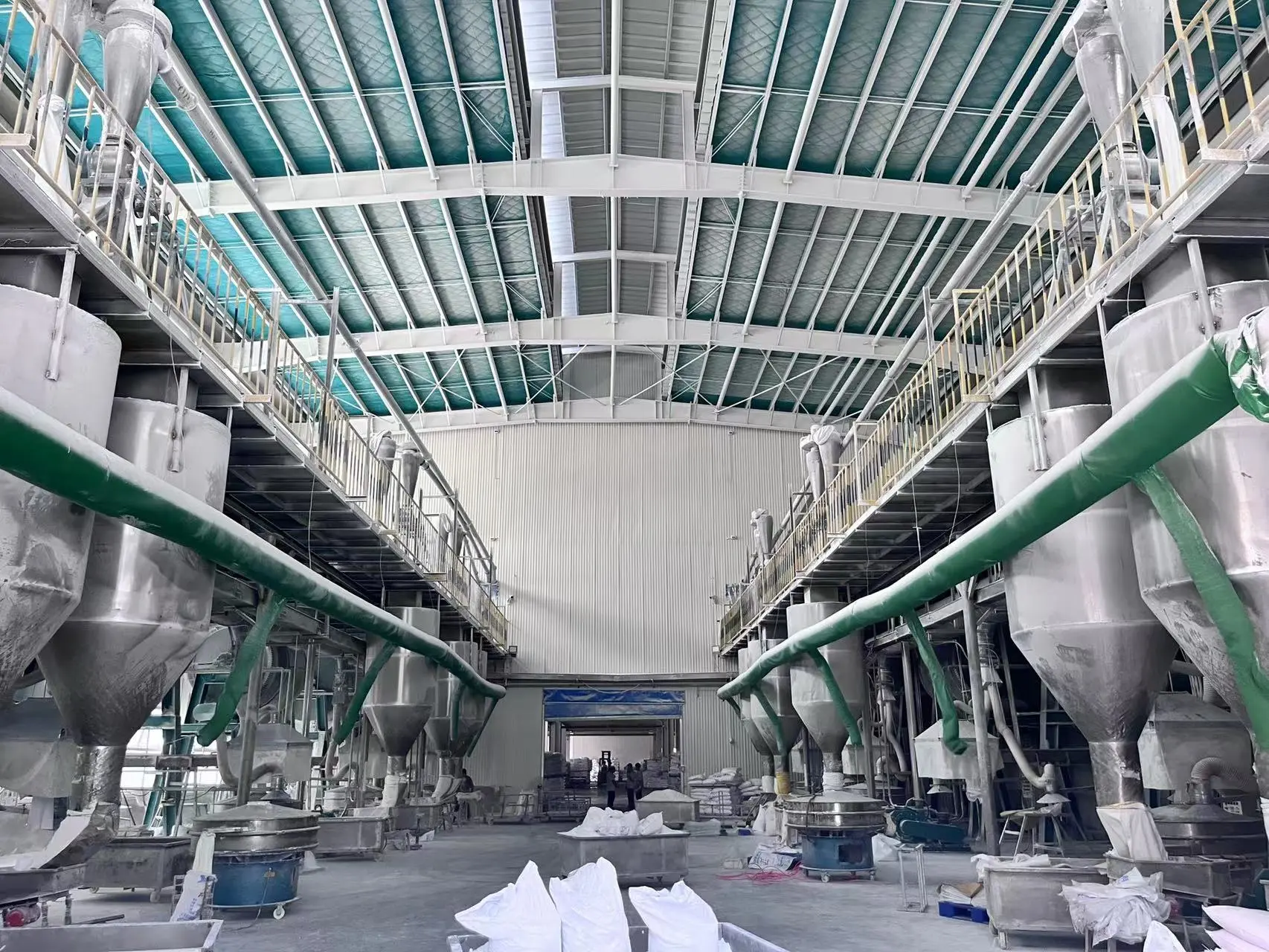
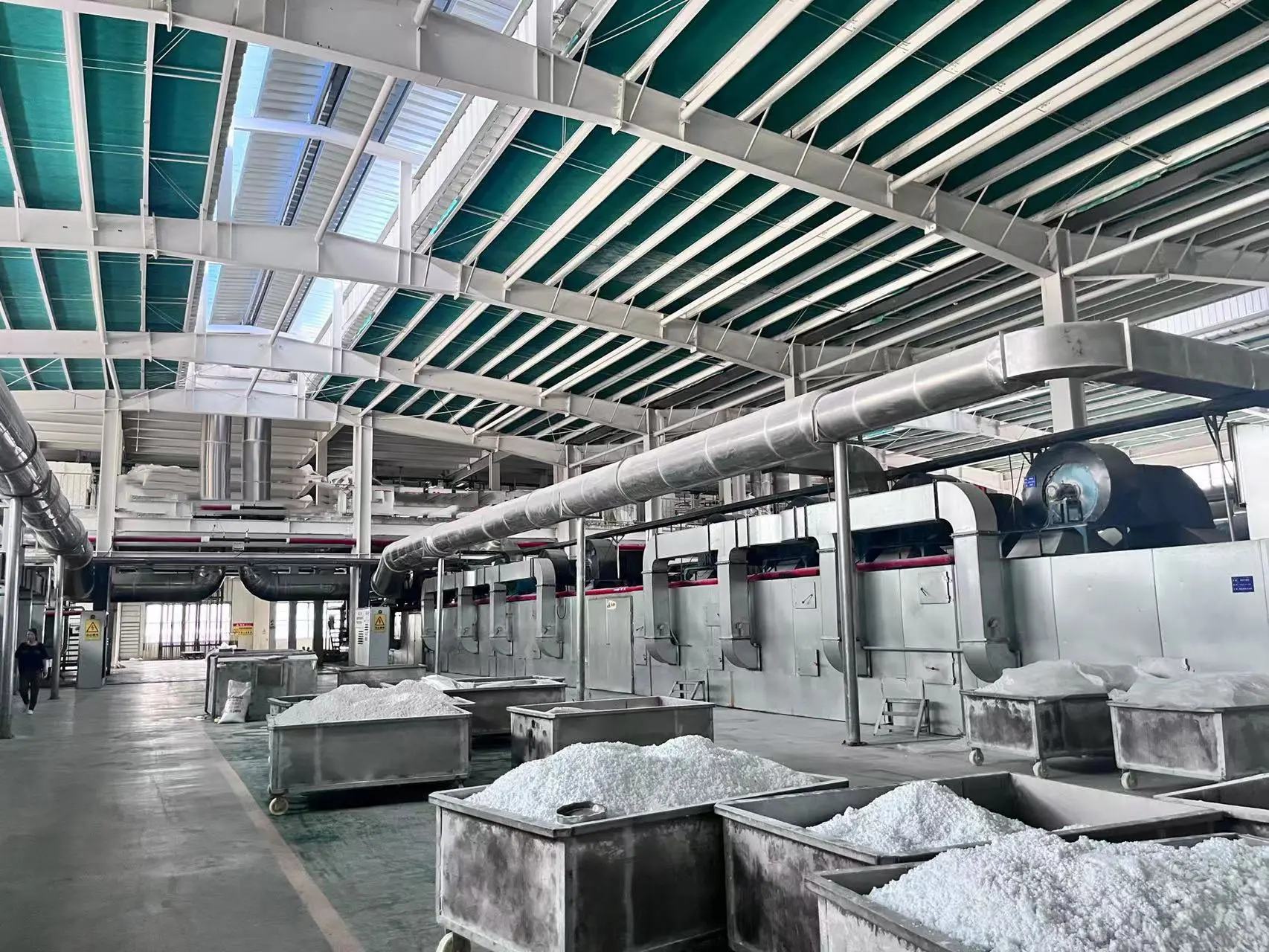
Explore our foundational industrial line manufactured under state-of-the-art DCS systems with strict environmental compliance.
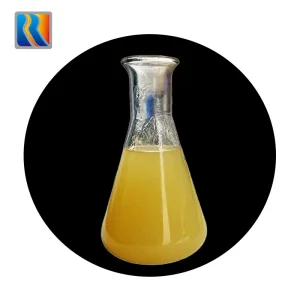

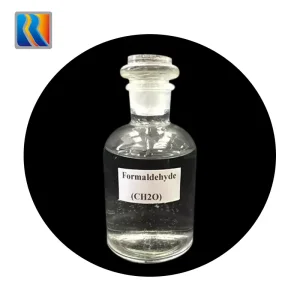
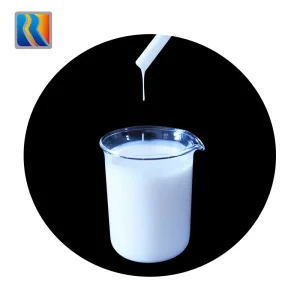
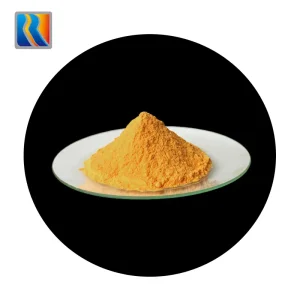
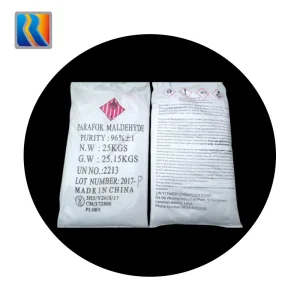
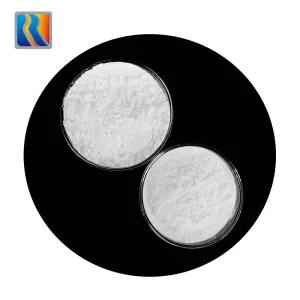
In the current global chemical industry, formaldehyde serves as a foundational building block for synthesizing countless consumer and industrial materials. Yet, modern manufacturing demands a profound technological upgrade or "renovation" of how formaldehyde is processed, synthesized, and deployed. Clean technologies, energy conservation, high-concentration operations, and low free-formaldehyde resins are the core requirements driving chemical plants.
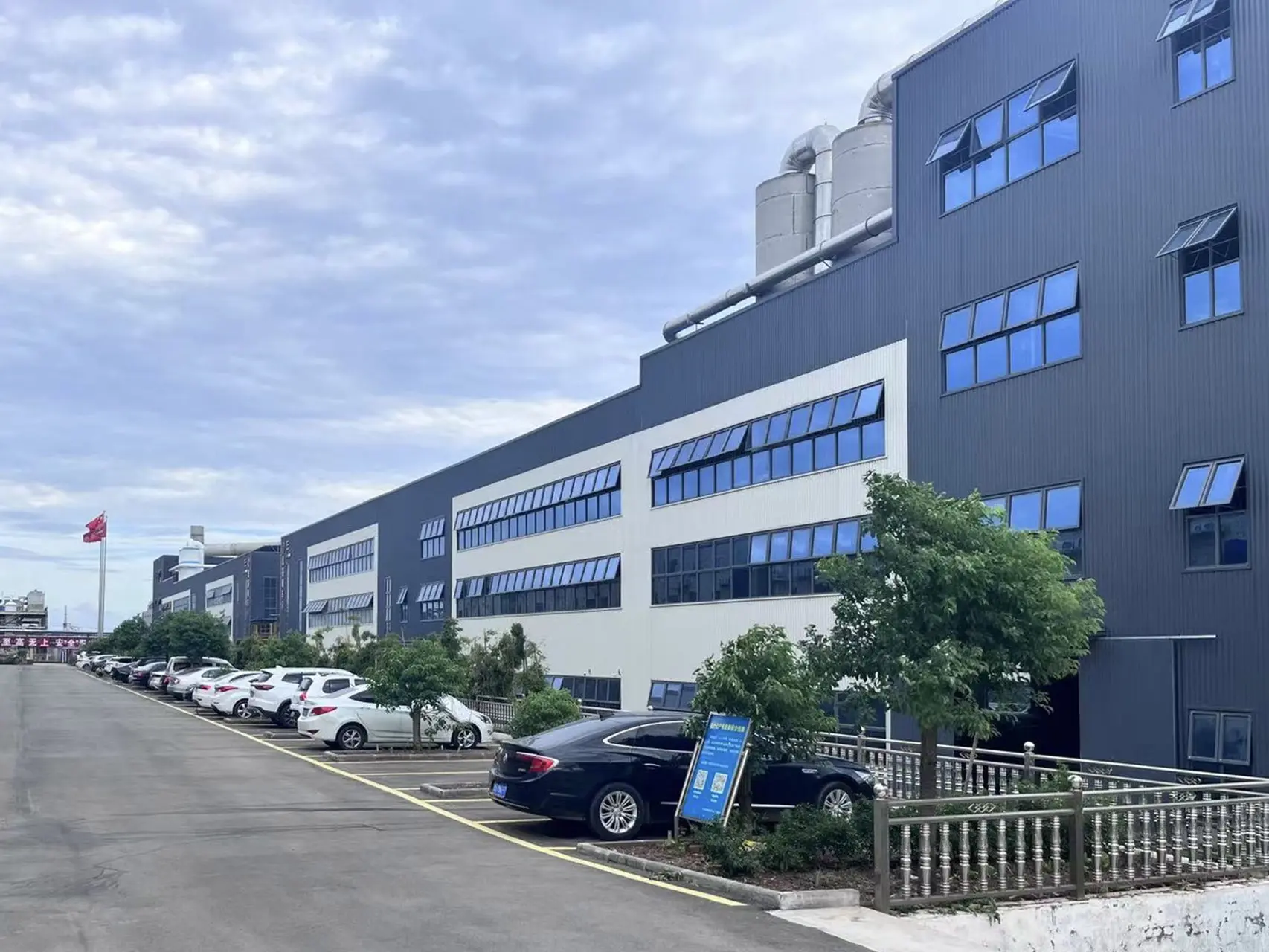
Shandong Runtai New Materials Co., Ltd. (founded in March 2020) stands at the forefront of this industrial shift. Spanning an expansive 270,000 square meters with an aggregate investment of 2.06 billion yuan, we operate five strategic branches throughout China, headquartering our advanced catalyst and synthesis laboratories in Zaozhuang City, Shandong Province. By upgrading traditional silver-catalyst processes to automated metal-oxide catalyst systems (DCS driven), we have pioneered clean, highly productive pathways.
An in-depth analysis of supply chains, regulatory paradigms, and application footprints across global continents.
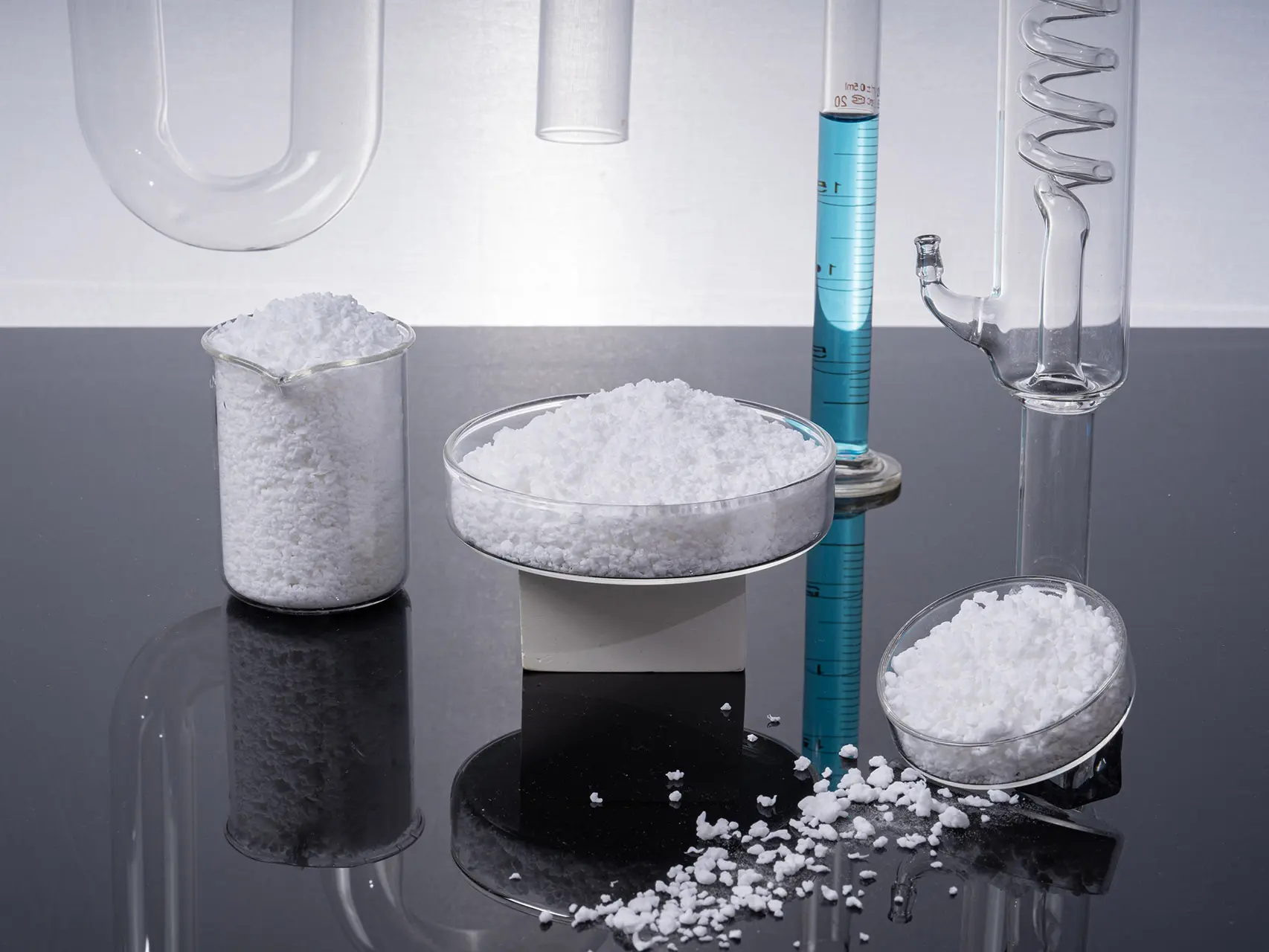
Global wood composites manufacturers in regions like North America and the EU demand high-solids, low-water Urea-Formaldehyde (UF) resins. This minimizes hot-press curing times while keeping emissions within strict EPA TSCA Title VI and CARB Phase II thresholds.
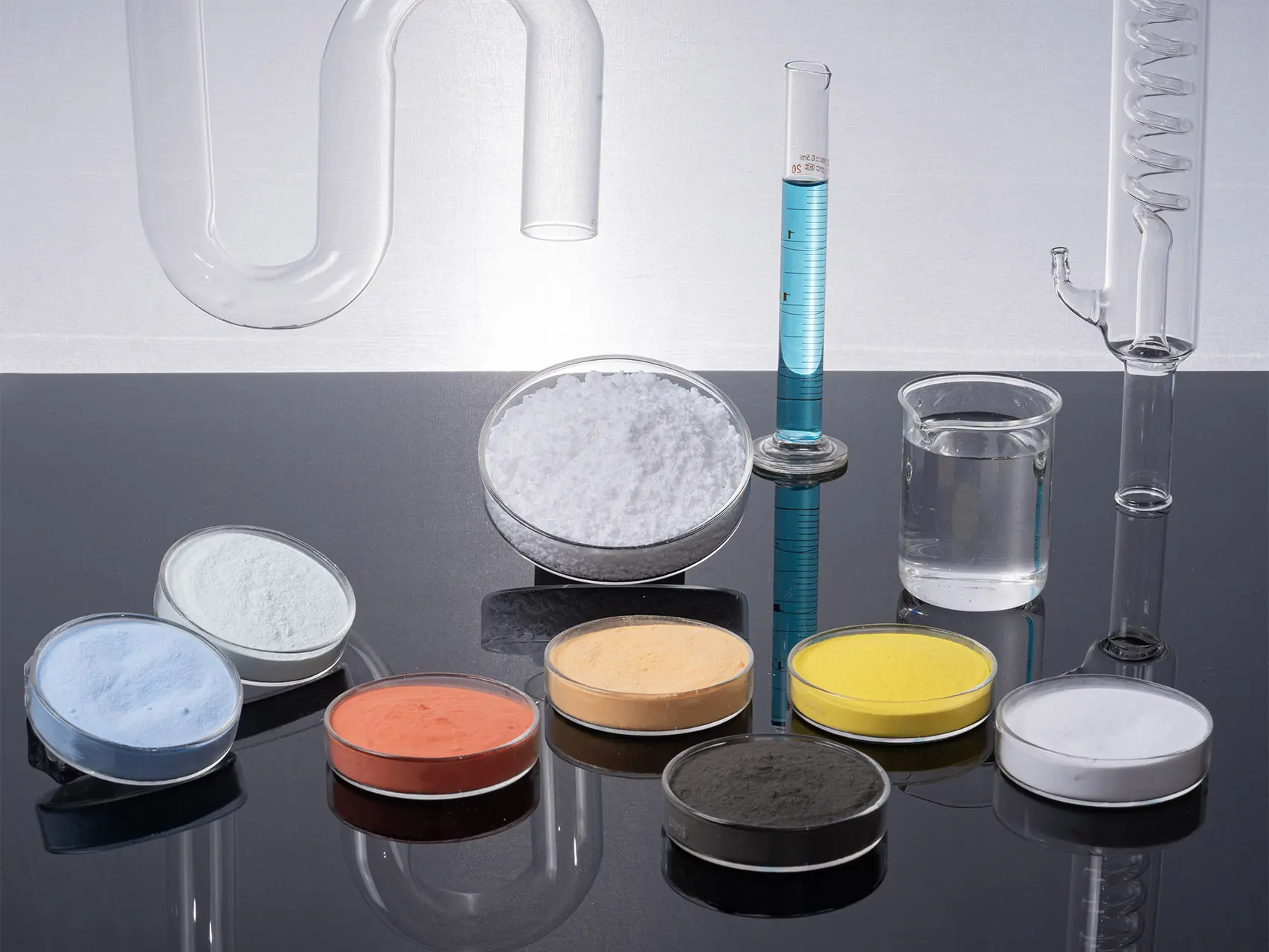
Electrical and appliance components rely on Urea Moulding Compound (UMC) and Melamine Moulding Compound (MMC). Procurement teams focus on dielectric strength, thermal resistance (UL94 V-0 ratings), and color stability under continuous load.
Regulatory pressures such as EU REACH, RoHS, and food-contact approvals for tableware (FDA guidelines) have altered manufacturing metrics. Upgrading and modifying monomer structures is no longer optional—it is a baseline mandate.
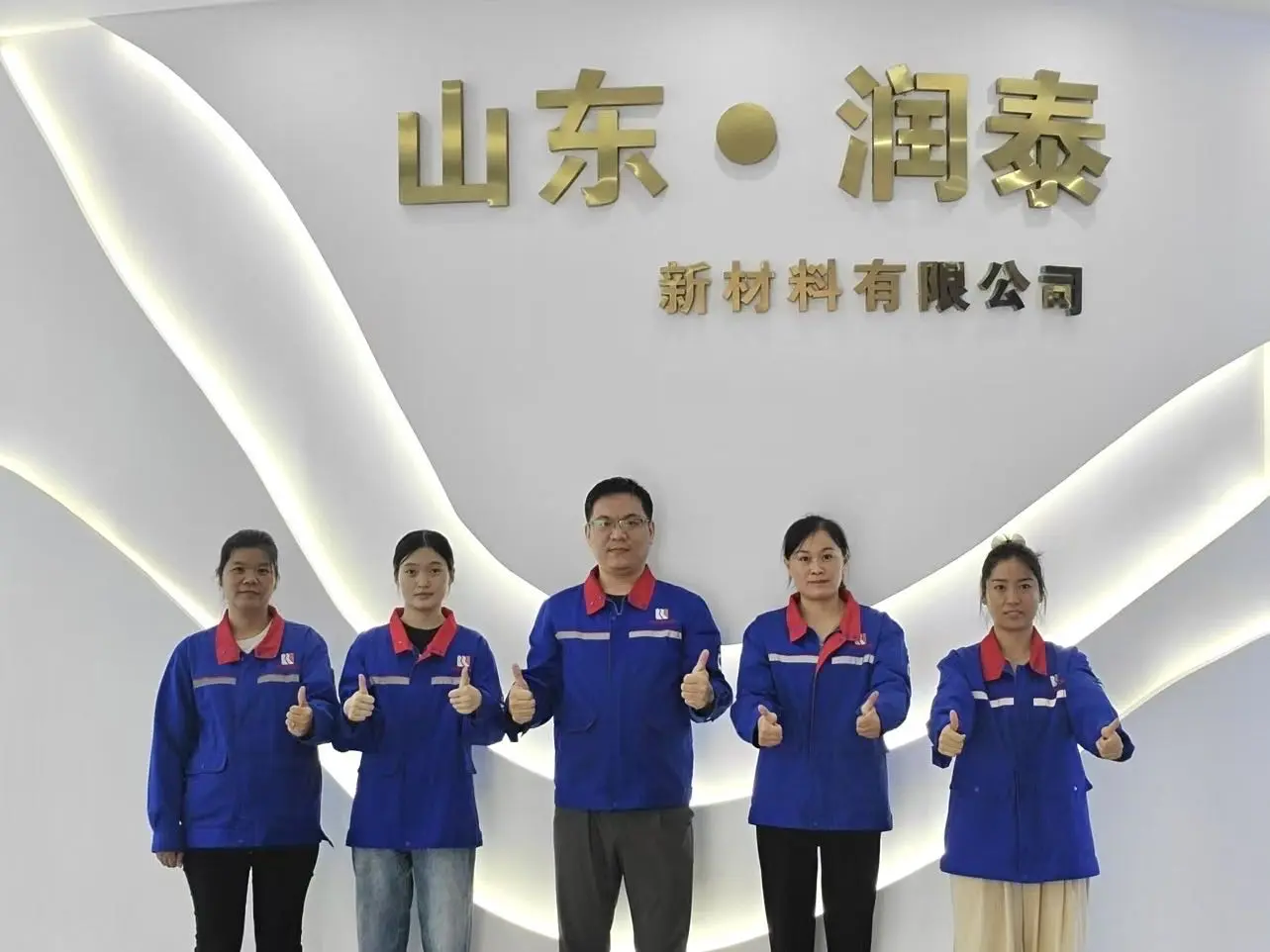
For global buyers in Southeast Asia, Africa, the Americas, and Europe, managing chemical supply chains requires consistent batch homogeneity. Shandong Runtai offers macro-level solutions that encompass:
How automation, joint university research, and advanced catalysts are reshaping thermosetting polymer synthesis.
Utilizing Distributed Control Systems (DCS) to govern pressure, temperature, and feeding rates continuously, reducing deviation limits to less than 0.5%.
Adopting high-efficiency metal oxide catalysts for methanol oxidation, elevating yields while keeping unreacted methanol below trace levels.
Modifying structural polymerization to trap free-formaldehyde within the resin mesh, meeting ultra-low VOC release standards.
Partnering with the Changzhou Research Institute of Beijing University of Chemical Technology to pioneer patented green materials.
The next generation of industrial adhesives relies heavily on bio-based raw materials. Runtai’s engineering team is currently prototyping lignin-modified phenol-formaldehyde resins and soy-protein hybrid adhesives. These advancements are aimed at mitigating dependence on fossil feedstocks while maintaining top-tier physical properties.
Shandong Runtai New Materials Co., Ltd. operates with a core philosophy of "Quality First, Customer First". As an ethical industrial operator, we prioritize sustainable development, investing in environmental preservation equipment that removes VOC emissions and recycles process water. Our products strictly comply with pertinent local and international laws, regulations, and quality standards.
We welcome business partners from all corners of the globe to establish collaborative relationships, upgrade existing resin formulations, and advance green product standards together.

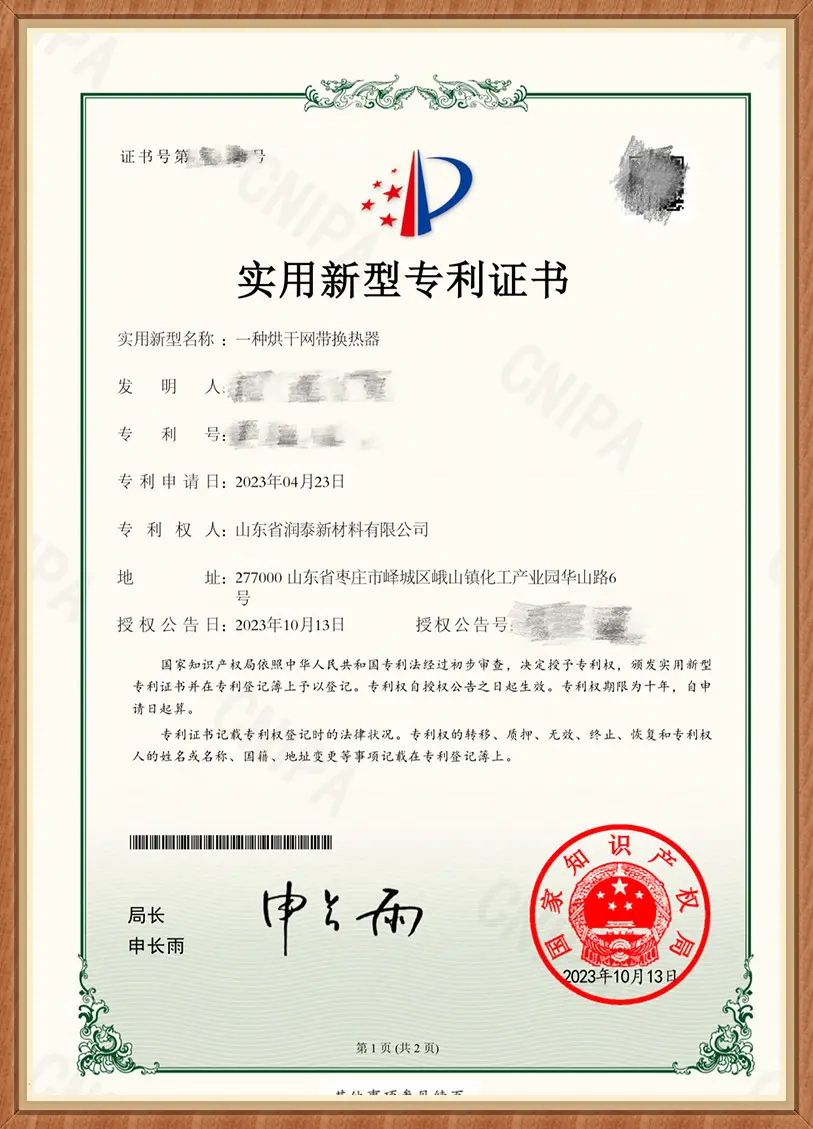
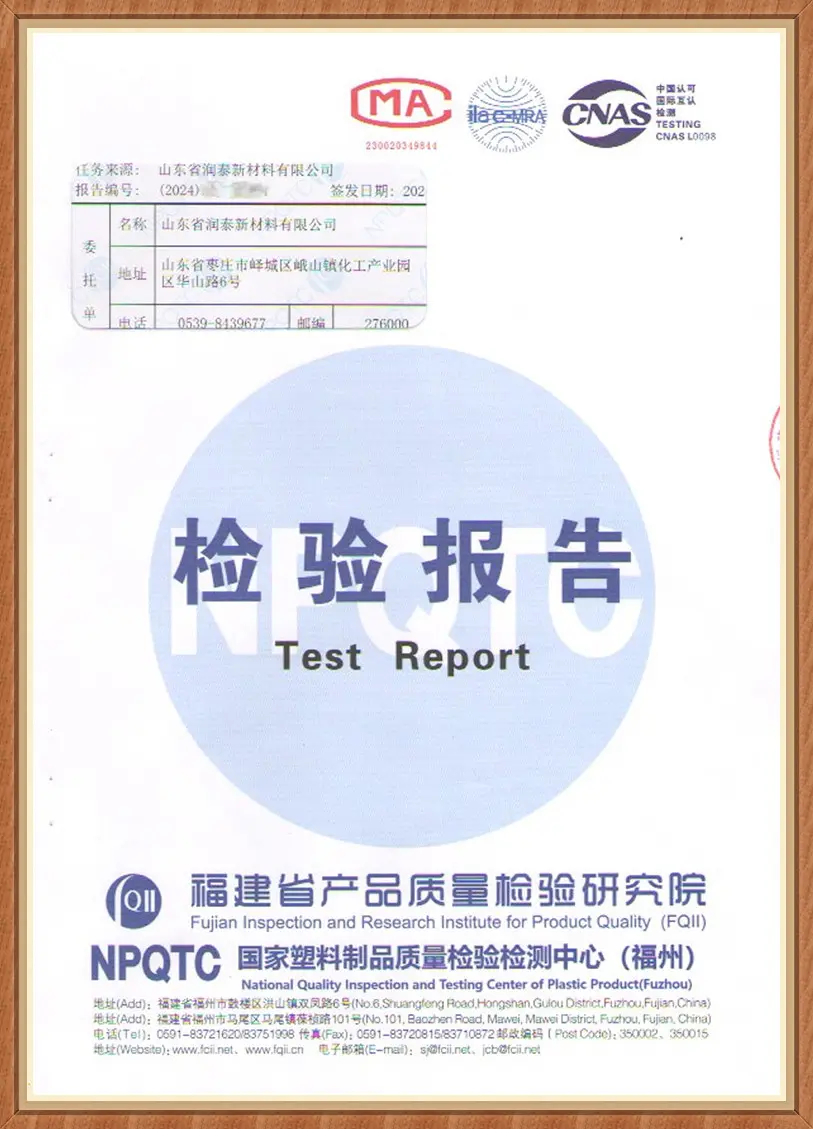
Demonstrating our technological patents, manufacturing licenses, and verified compliance documents.
Addressing core technical questions from chemical engineers, sourcing managers, and downstream manufacturers.
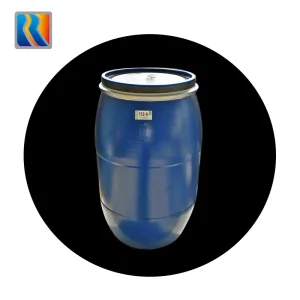
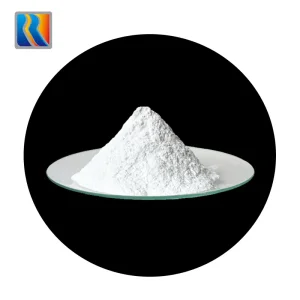
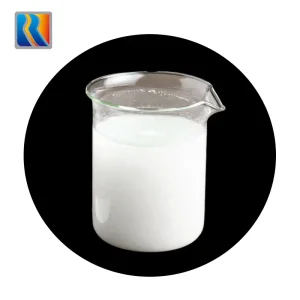
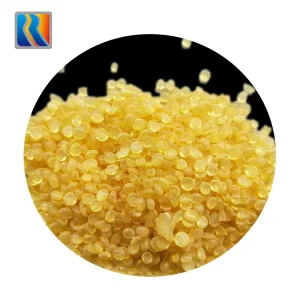
Direct supply from our automated plants. Engineered for stability, mechanical strength, and environmental compliance.
 Runtai