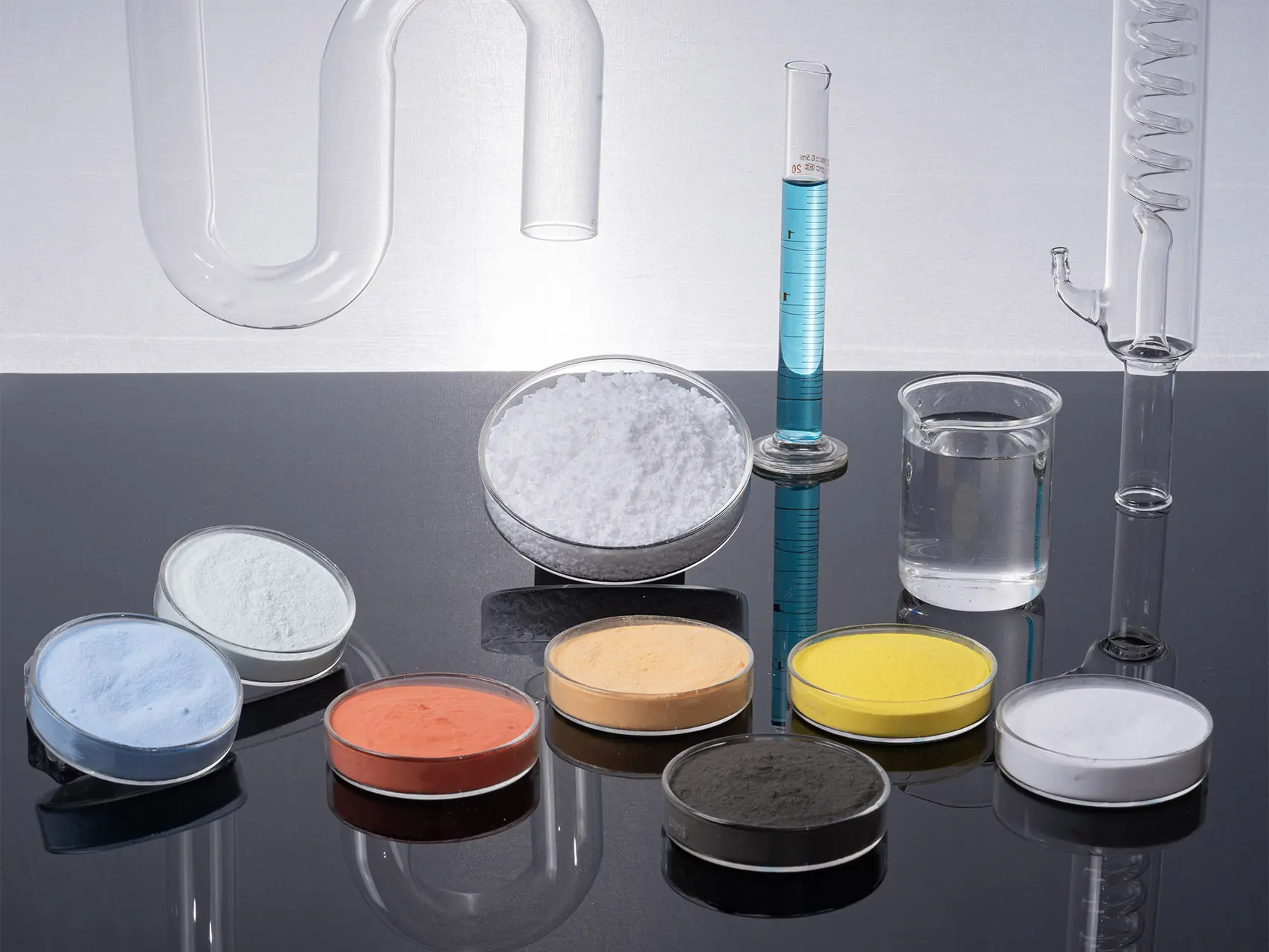
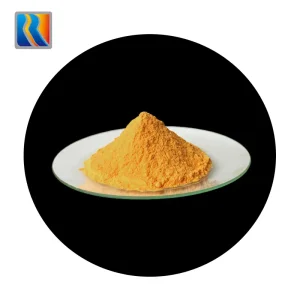
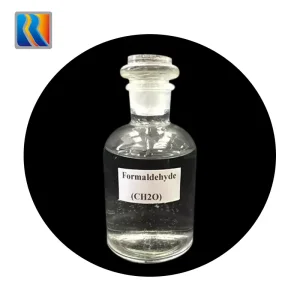
Formaldehyde (CH₂O) remains the foundational cornerstone of contemporary industrial organic chemistry. Representing a critical node in B2B chemical manufacturing, it serves as the essential precursor for a massive array of downstream functional materials, including thermosetting resins, adhesives, moulding compounds, and water-based additives.
Globally, the demand for formaldehyde has undergone a profound evolution. Today's marketplace prioritizes high-purity formulations, reduced environmental footprint, and strict compliance with global emission standards (such as California Air Resources Board (CARB) Phase 2 and US EPA TSCA Title VI). B2B buyers no longer simply procure formaldehyde solution; they search for integrated supply partners capable of offering engineered solutions like low-free-formaldehyde resins, ultra-stable paraformaldehyde solids, and premium-grade melamine-based glazing materials.
From structural plywood adhesives to aerospace-grade phenolic resins, the mechanical performance of the final polymer hinges directly on the synthesis control of the primary formaldehyde precursor. This whitepaper analyzes the manufacturing methodologies, capacity indicators, and technology roadmaps driving the modern industry.
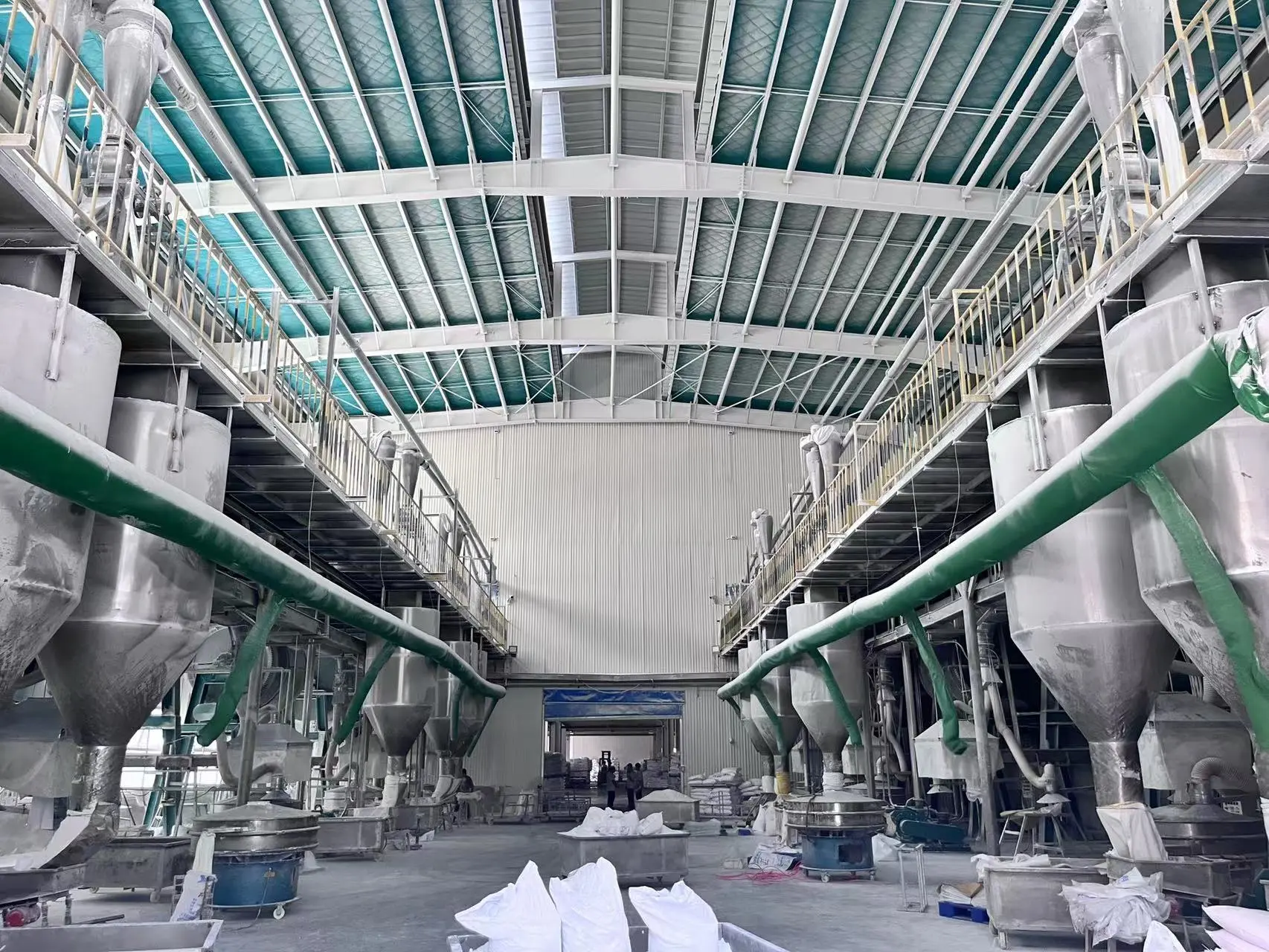
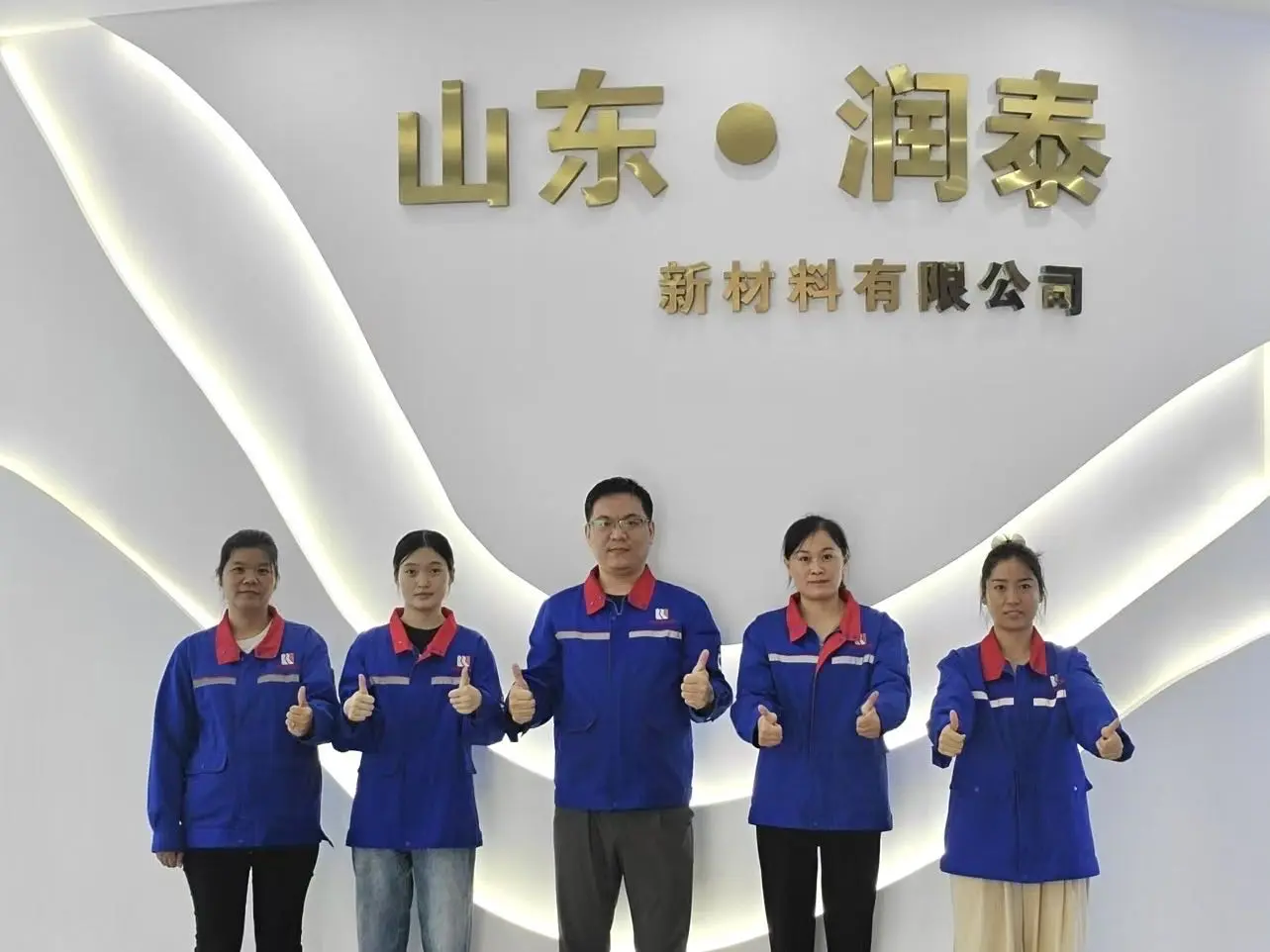
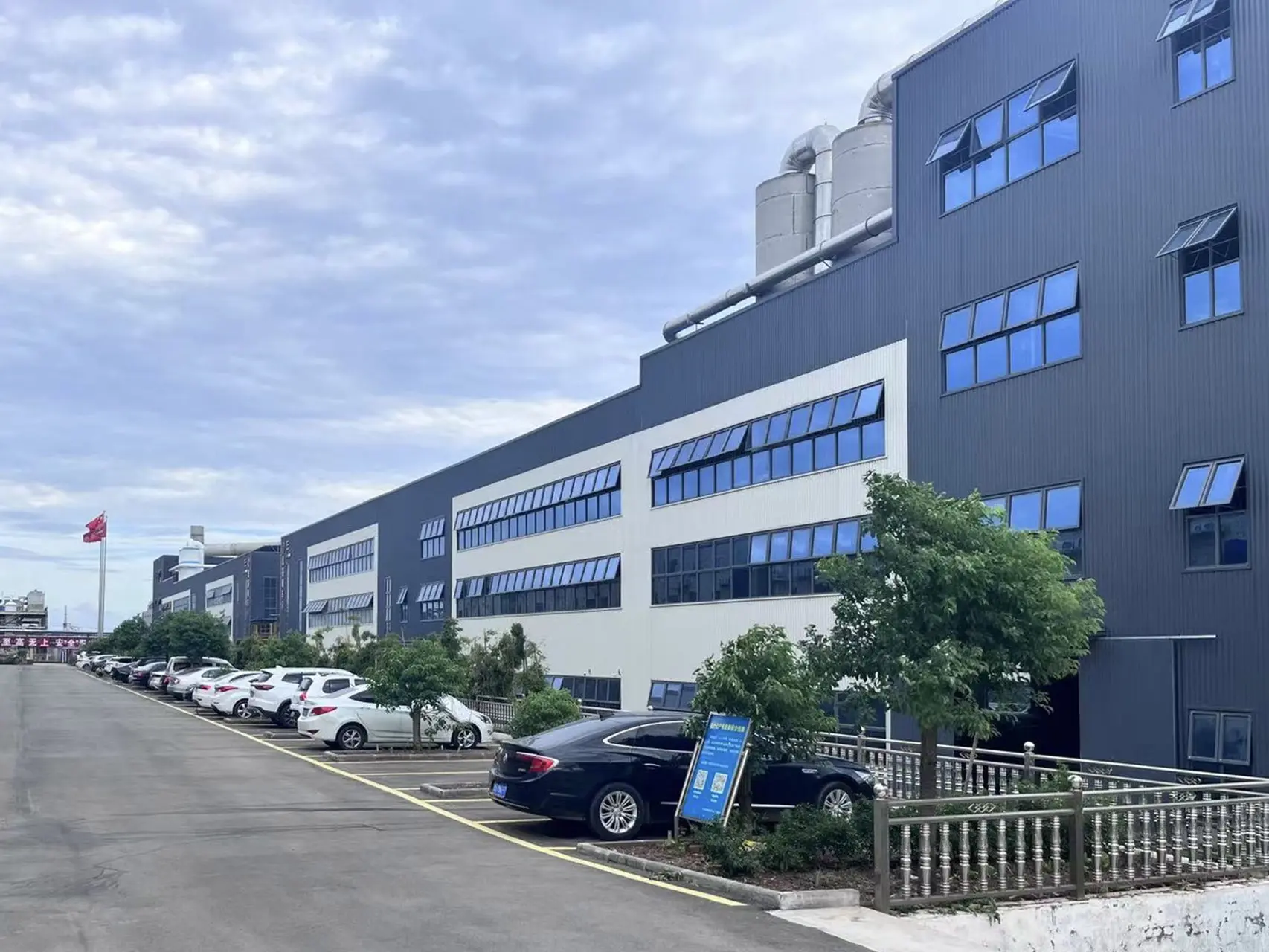
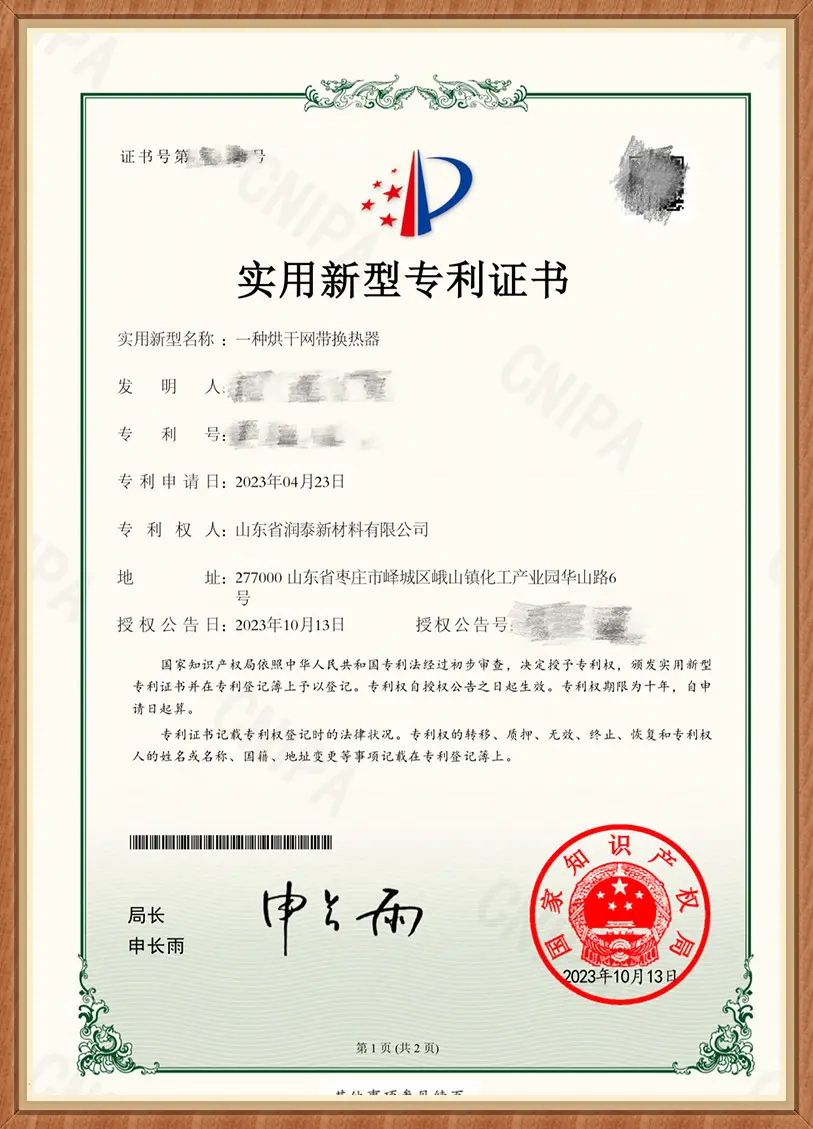
Founded in March 2020, Shandong Runtai New Materials Co., Ltd. is a comprehensive group firm specializing in fine chemical products and advanced polymeric raw materials. Strategically headquartered in Zaozhuang City, Shandong Province, the corporation operates dynamic branches in five major cities throughout the country, covering a vast production footprint of 270,000 square meters with a total initial investment of 2.06 billion yuan.
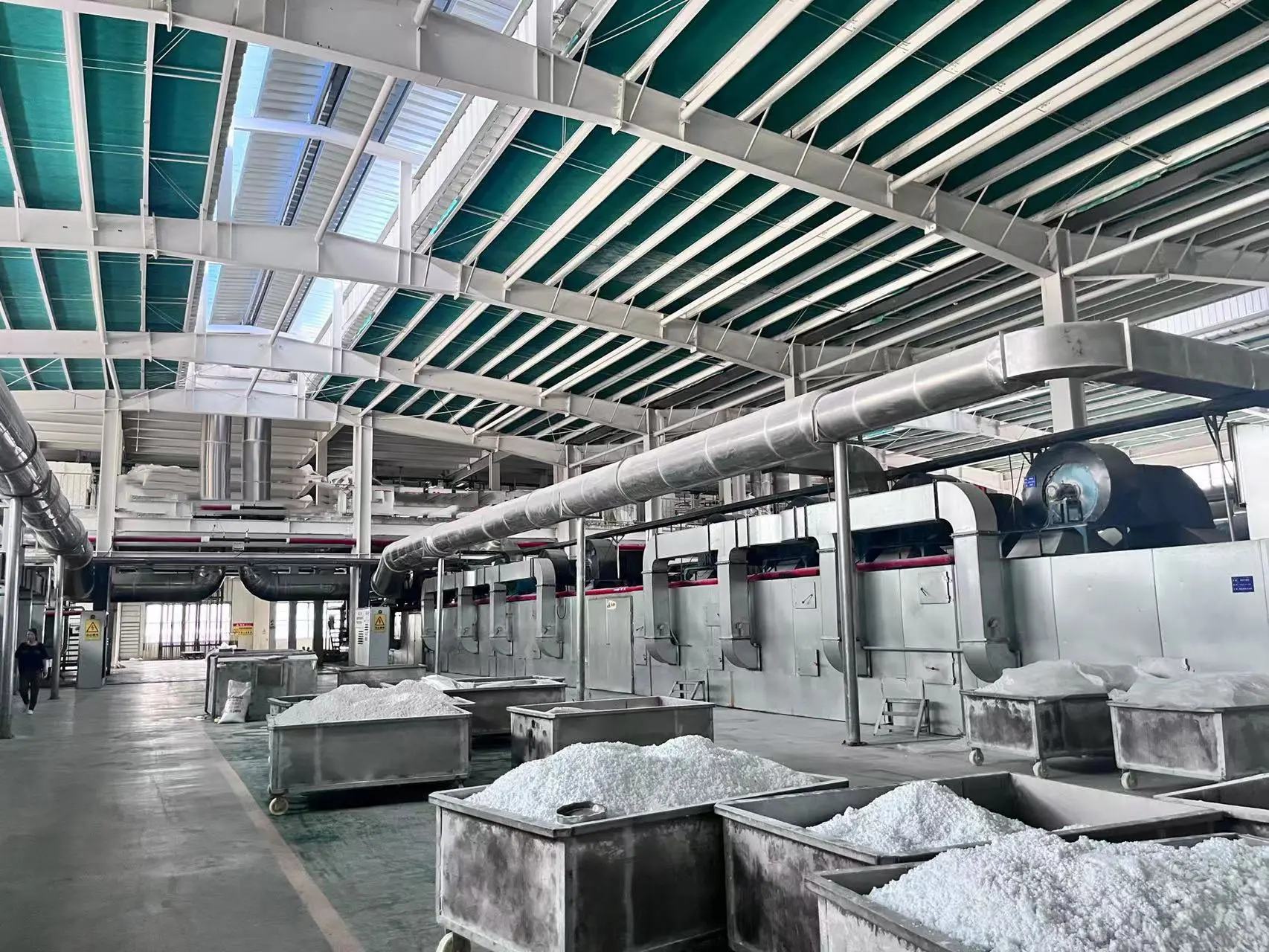
By coupling continuous engineering investments with strategic supply integration, Runtai has captured a significant market share in the domestic melamine and formaldehyde sectors. The plant's architecture relies on complete automated loops that transform fundamental raw materials into highly specialized downstream resins and additives.
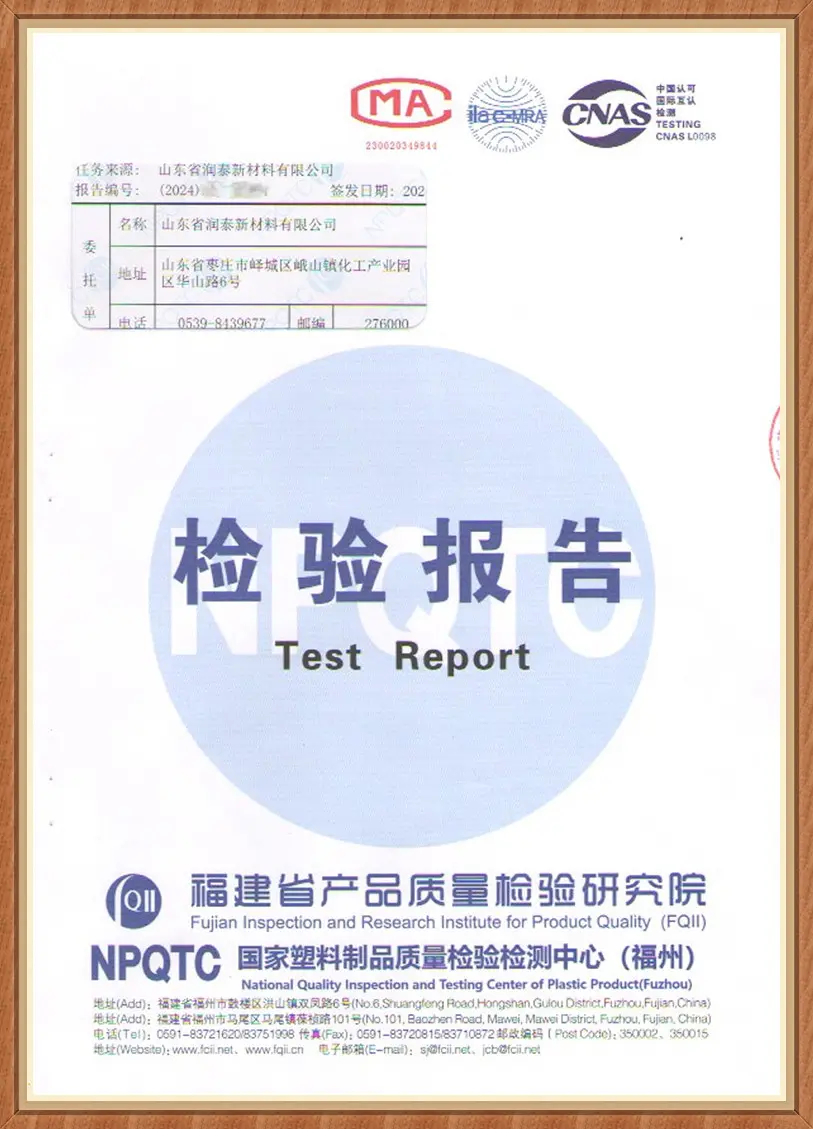
Our capacity metrics extend beyond raw output. With a dedicated 11,000-ton capacity for high-performance specialty resins and a strong footing in global trade networks, our products are regularly exported to the United States, Thailand, Kenya, Egypt, and other international jurisdictions, consistently meeting stringent chemical specifications.
Runtai New Materials leverages state-of-the-art chemical engineering methodologies to convert industrial methanol feedstock into highly pure formaldehyde intermediates with minimized by-product formation.
Our processing units utilize high-efficiency silver catalyst technology and iron-molybdenum metal oxide systems. The selection of catalysts is optimized using real-time parameter feedback, ensuring a methanol conversion rate exceeding 98.5% while strictly controlling the concentration of residual free methanol in the aqueous output.
Guided by principles of "automatic control, safe and reliable, stable operation, energy saving and consumption reduction," our plants utilize advanced DCS systems. This automation monitors temperature gradients, flow rates, and absorption columns down to millisecond intervals, eliminating human error margins and maximizing energy utilization.
Through our long-term R&D partnership with the Changzhou Research Institute of Beijing University of Chemical Technology, Runtai has established a state-of-the-art doctoral research division. This team continuously refines polymerization routes, developing low-odor, high-cohesive-strength thermosetting matrices that enhance downstream resin performance.
Formaldehyde acts as the vital building block for multiple complex chemical architectures. A deep understanding of these derivatives is crucial for successful B2B procurement:

By leveraging advanced raw material integration, Runtai has captured approximately 80% of the domestic market share for key formaldehyde-based products. This strong positioning guarantees continuous supply reliability and cost efficiencies for global B2B clients, insulation against feedstock price swings, and consistent compound availability.
To meet the highest quality requirements, the manufacturing facility uses state-of-the-art physical and chemical analyzers. Automated HPLC, GC, and particle-size analyzers verify the polymer distribution in every batch. This commitment reduces manual work, increases productivity, and lowers operating costs, passing direct savings to our partners.
As an ethical company, Runtai prioritizes sustainable development. Our plants strictly adhere to local environmental protection policies, utilizing closed-loop VOC recovery systems. Our technical goal remains the engineering of eco-friendly, low-emissive formulations that minimize footprint throughout their application lifecycle.
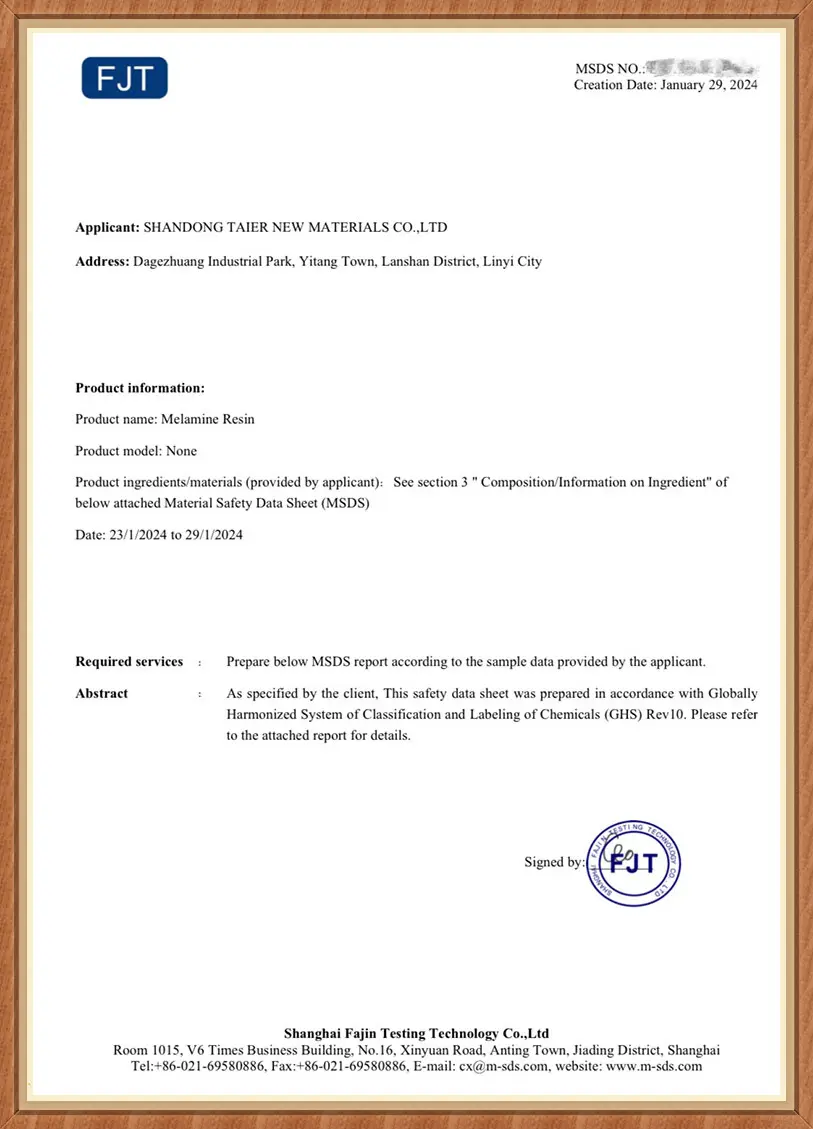
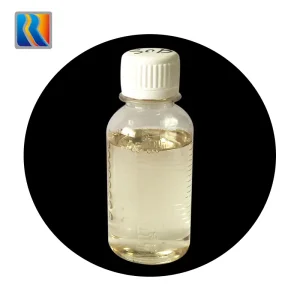
The derivative value chain starting from primary formaldehyde is extensive. Our products are used in adhesives, coatings, synthetic resins, basic pharmaceutical components, electronics, electrical gear, mechanical parts, and consumer tableware upgrades, demonstrating the versatility of our core chemicals.

Our manufacturing processes leverage dynamic, multi-stage addition-condensation reaction controls. By modifying the molar ratio of Formaldehyde to Urea (F/U ratio) during specific reaction windows and utilizing specialized scavengers, we reduce the subsequent release of free formaldehyde. This ensures all structural adhesives comply with EN 13986 (E1/E0) and CARB Phase 2 guidelines.
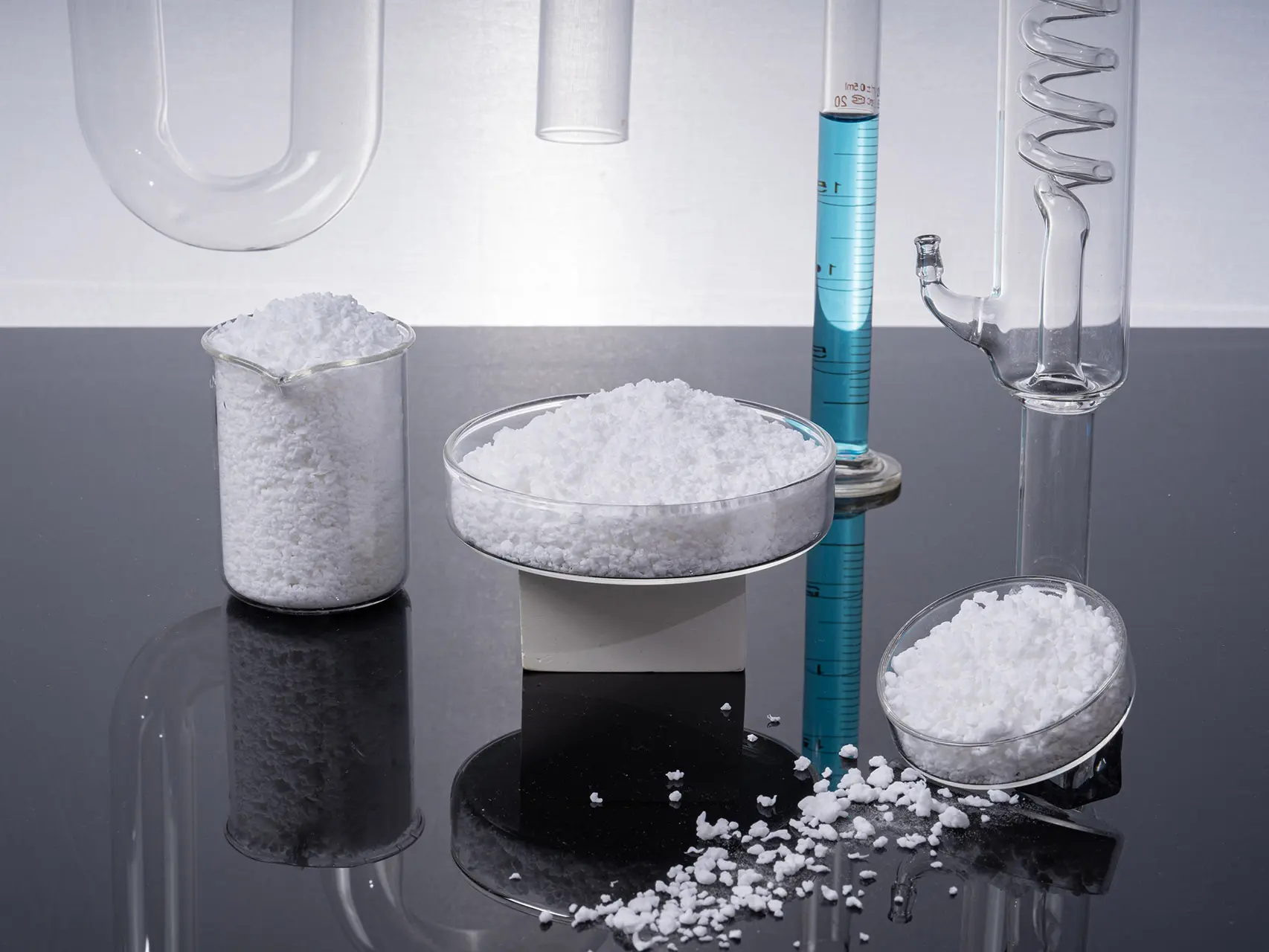
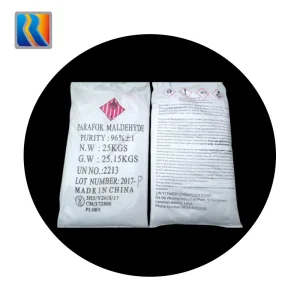
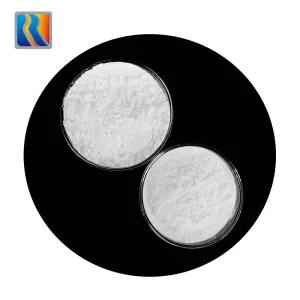
Paraformaldehyde is a high-density, solid polymer of methylene glycol. It reduces transportation costs by eliminating water weight. In industrial formulations, using solid paraformaldehyde increases reactor yields by preventing excess water buildup, improving processing cycles, and minimizing wastewater treatment loads.
The Distributed Control System ensures precise control over critical process variables. Temperature control during exothermic oxidation is maintained within ±0.5°C. This strict process control ensures consistent polymer structures and predictable viscosity profiles across batches, optimizing downstream production.
Aqueous formaldehyde solutions must be stored at carefully managed temperatures (typically 35°C to 45°C for 37% formulations) to prevent polymer precipitation. Stainless steel (316L) or lined vessels are required to prevent formic acid corrosion. Runtai's technical services team provides customized bulk storage engineering designs for all global clients.
 Runtai