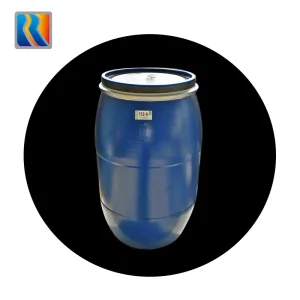
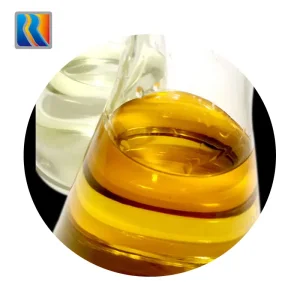
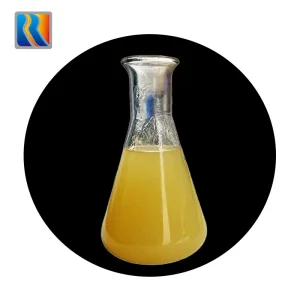
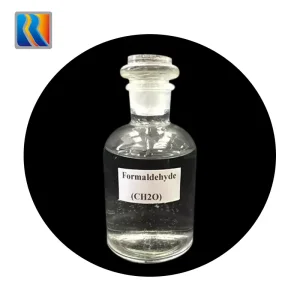
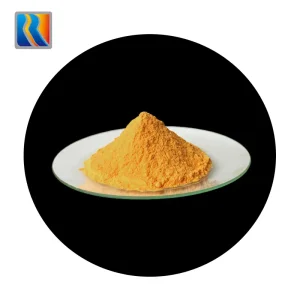
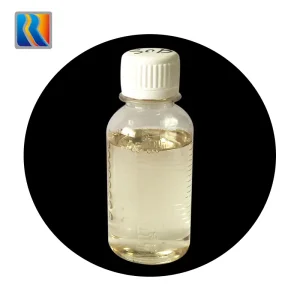
Discover our foundational chemical formulations, synthetic resins, and auxiliary agents manufactured under rigorous DCS automation controls.
In the landscape of modern structural adhesives, Urea Formaldehyde (UF) Glue stands as the most critical polymeric resin utilized in the wood-based panel industry. As a thermosetting aminoplastic resin synthesized through the condensation polymerization of urea and formaldehyde, its commercial prominence is driven by its exceptional tensile shear strength, high thermal stability under dry conditions, fast curing speed, and unmatched economic feasibility. Today's global market demands not just high adhesive performance, but absolute safety, compliance with strict formaldehyde emission criteria (such as EPA TSCA Title VI, CARB Phase 2, and the European E0/E1 standards), and robust supply chain resilience.
This white paper explores the micro and macro dynamics of Urea Formaldehyde resins, offering insights into chemical engineering breakthroughs, eco-friendly modifications, global applications, and the structural manufacturing advantages offered by Shandong Runtai New Materials Co., Ltd.
The global demand for Urea Formaldehyde resin is intrinsically connected to the growth of the construction, interior design, packaging, and furniture manufacturing industries. According to global chemical market matrices, amino resins comprise over 60% of the total industrial adhesive volume utilized worldwide. The Asia-Pacific region, spearheaded by China's colossal industrial processing capabilities, dominates the production and supply sectors, while North America and Europe lead in implementing strict regulatory standards for indoor air quality.
Transitioning from traditional high-emission adhesives to low F/U (Formaldehyde to Urea) molar ratio resins or Melamine-modified (MUF) formulations to comply with local emission caps like European E1/E0 and the global ultra-low ENF standard.
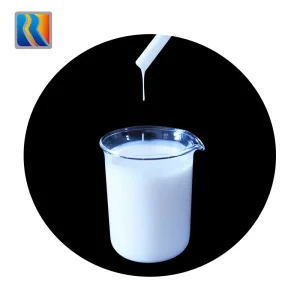
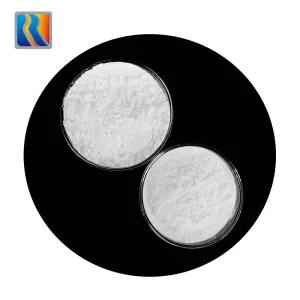
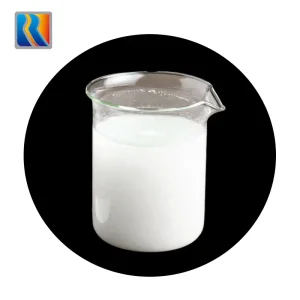
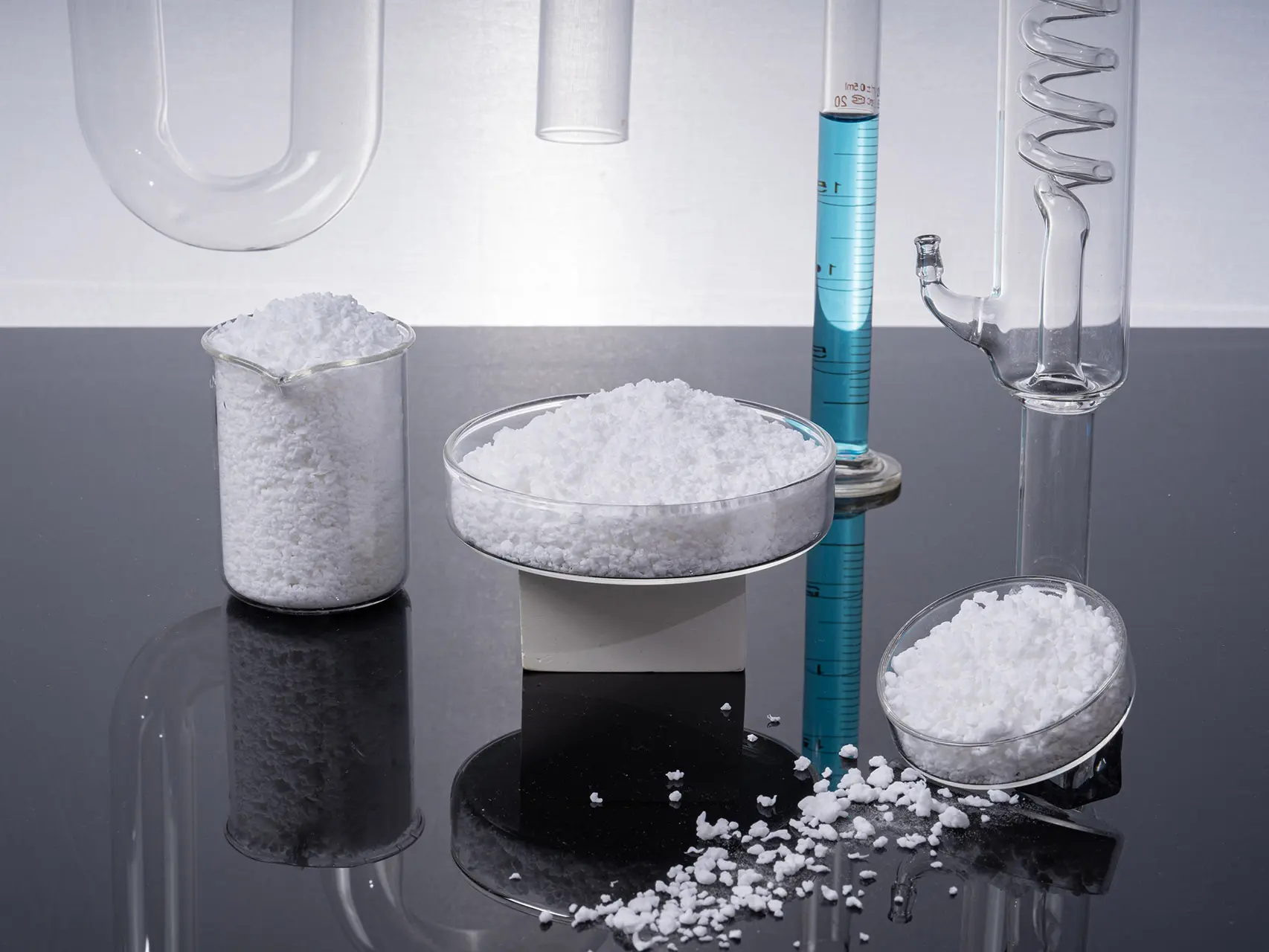
Liquid UF resin offers immediate application efficiency but faces shelf-life restrictions (typically 3 to 6 weeks). Powdered UF resin, synthesized through spray drying, provides a stable shelf-life of up to 1 year, making it preferred for long-distance international trade.
Industrial supply chains must integrate raw materials production (methanol, urea, melamine) to shield manufacturing lines from global raw material price fluctuations.
The synthesis of Urea Formaldehyde resin is a multi-step condensation polymerization executed under strict temperature and pH control. The reaction route unfolds in two primary phases:
1. Alkaline Addition (Methylolation Phase): Under neutral to alkaline conditions (pH 7.5 – 8.5), formaldehyde undergoes nucleophilic addition with urea. This stage yields a mixture of mono-, di-, and tri-methylolureas. Controlling the F:U molar ratio during this phase is vital to determining the final cross-linking density and the concentration of free formaldehyde.
2. Acid Condensation (Polymerization Phase): The system is adjusted to acidic conditions (pH 4.5 – 5.5) and heated to promote condensation. The methylol groups react with active amido hydrogens or with other methylol groups, forming ether linkages (-CH2-O-CH2-) and methylene bridges (-CH2-). The reaction is closely monitored for viscosity changes to prevent premature gelation.
To terminate polymer growth at the desired molecular weight distribution, the pH is raised to 8.0, and the mixture is cooled. By integrating specialized modern Distributed Control Systems (DCS), our manufacturing units achieve standard deviations in polymer distribution close to zero, ensuring consistent batch quality.
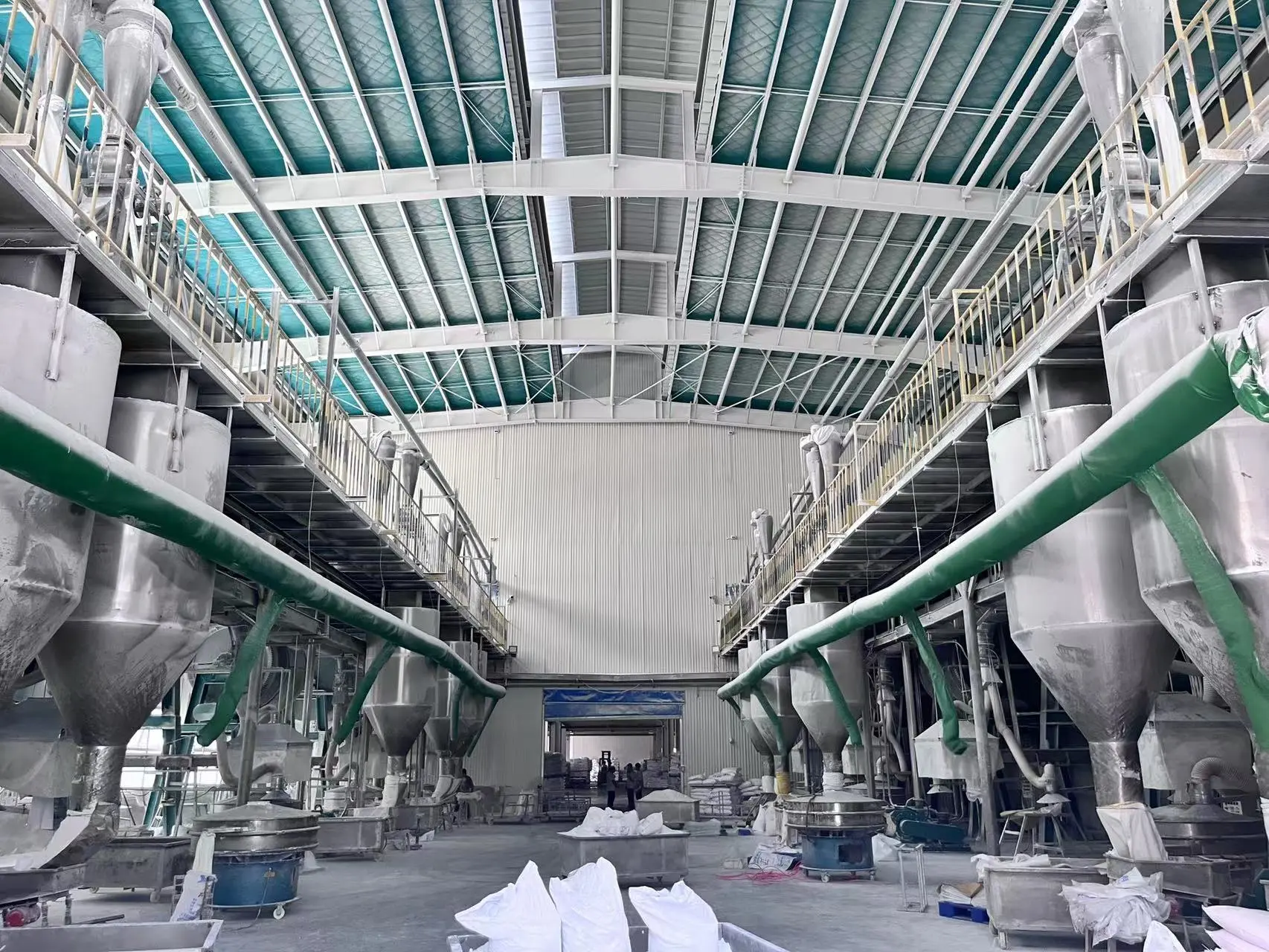
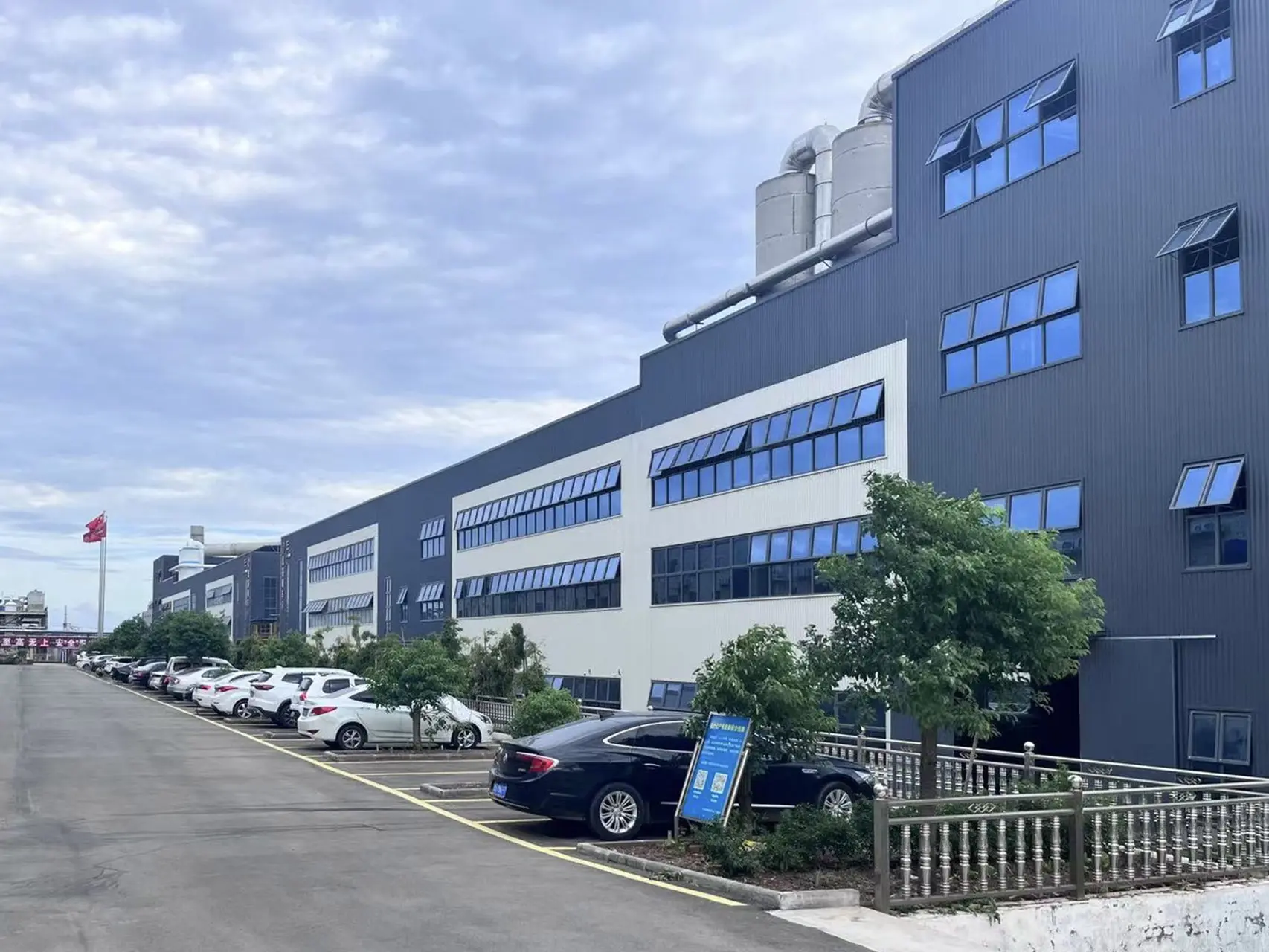
Founded in March 2020, Shandong Runtai New Materials Co., Ltd. is a comprehensive group firm that specializes in producing fine chemical products. Our primary products include formaldehyde, paraformaldehyde, urea formaldehyde resin, melamine powder, and melamine glazing powder. The corporation has branches in five different cities throughout China, with its headquarters located in Zaozhuang City, Shandong Province. Runtai New Materials covers an area of 270,000 square meters with a total investment of 2.06 billion yuan.
Runtai New Materials has grown to be one of China's top producers of melamine and formaldehyde due to our recent advancements in production lines. As of today, the company produces 380,000 tons of formaldehyde annually, 60,000 tons of melamine annually, 20,000 tons of melamine glazing powder annually, 11,000 tons of specialized resin annually, and 300,000 tons of urea formaldehyde resin annually.
We have reached about 80% market share in China. At the same time, we are actively developing our overseas business, and our products have been exported to the United States, Thailand, Kenya, Egypt, and other countries, receiving widespread praise from overseas customers.
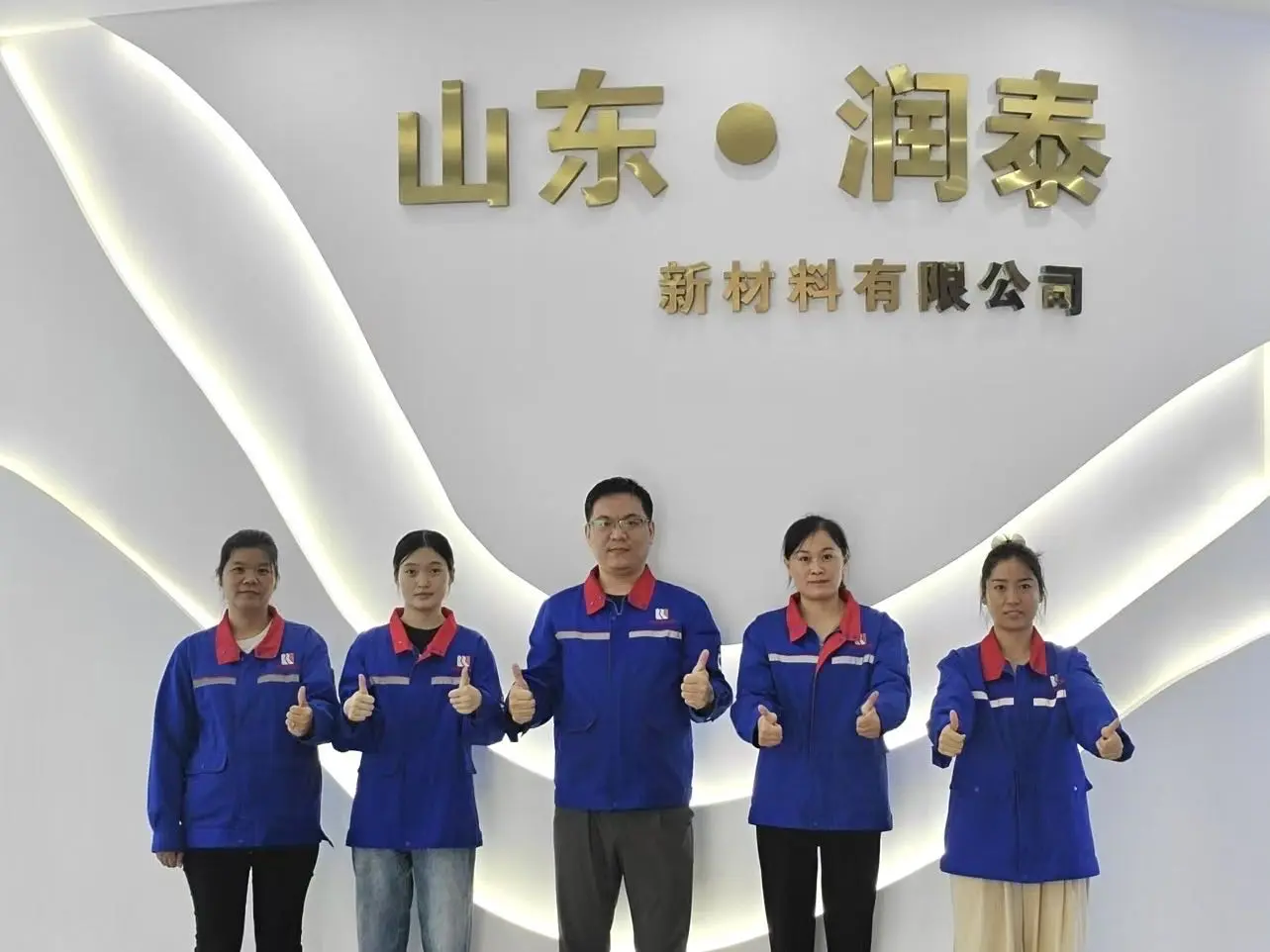
As an ethical company, Runtai New Materials prioritizes sustainable development and environmental preservation. Our commitment lies in developing and producing eco-friendly products that minimize their negative effects on the environment while adhering to pertinent laws, regulations, and standards. The "quality first, customer first" attitude has always guided our business, and we embrace customer service with honesty and professionalism.
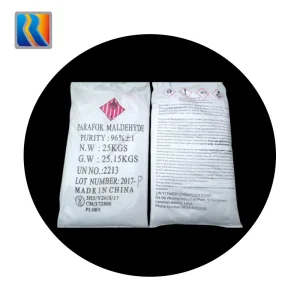
Our environmental engineering team focuses on lowering free formaldehyde content within the resin network. Through optimization of raw material purity (using high-purity paraformaldehyde) and incorporating advanced formaldehyde scavengers, we manufacture adhesives that satisfy the requirements of international certifications. Our technical route enables clients to produce wood composites that safely achieve European E1, E0, and ultra-low emission standards.
Friends from both domestic and foreign locations are warmly invited to visit Runtai New Materials. We look forward to collaborating with you to build a better future together!

Shandong Runtai New Materials has consolidated its industry leadership through structural optimization, technical innovation, and extensive vertical integration.
Following the completion of our melamine project, Runtai New Materials has become a leading comprehensive enterprise in China for the research, production, sale, and application of new chemical materials with formaldehyde as a raw material. Our melamine materials have achieved a leading market share nationwide.
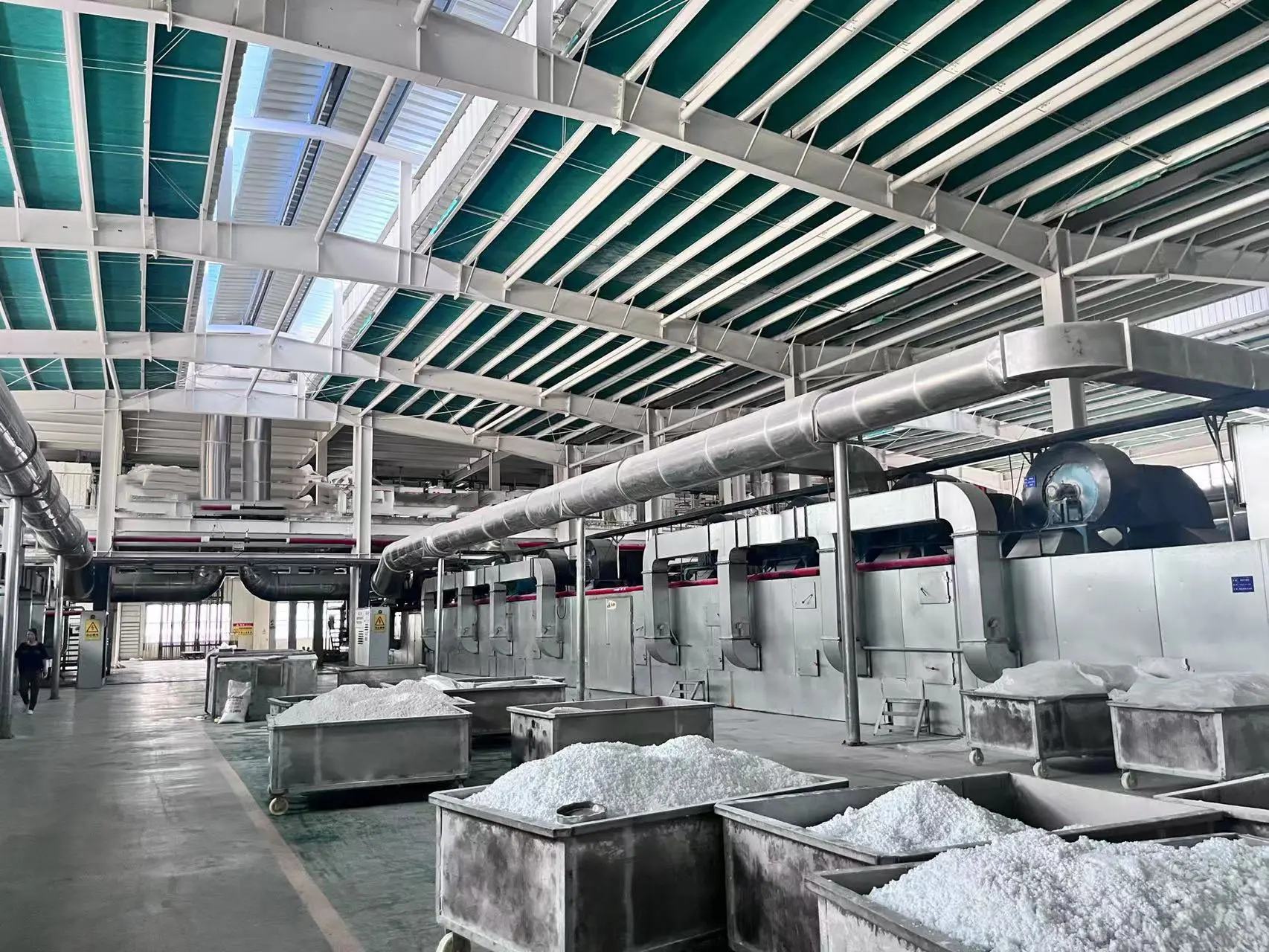
We apply the guiding principles of "automatic control, safe and reliable, stable operation, energy saving, and comprehensive resource utilization." By utilizing advanced Distributed Control Systems (DCS), we maintain precise control over process parameters to ensure high product quality and equipment safety while lowering consumption.
To optimize product quality, we employ cutting-edge, dependable production and testing devices from both domestic and international markets. This allows us to increase automation, decrease labor intensity, boost productivity, conserve energy, and lower overall production costs.
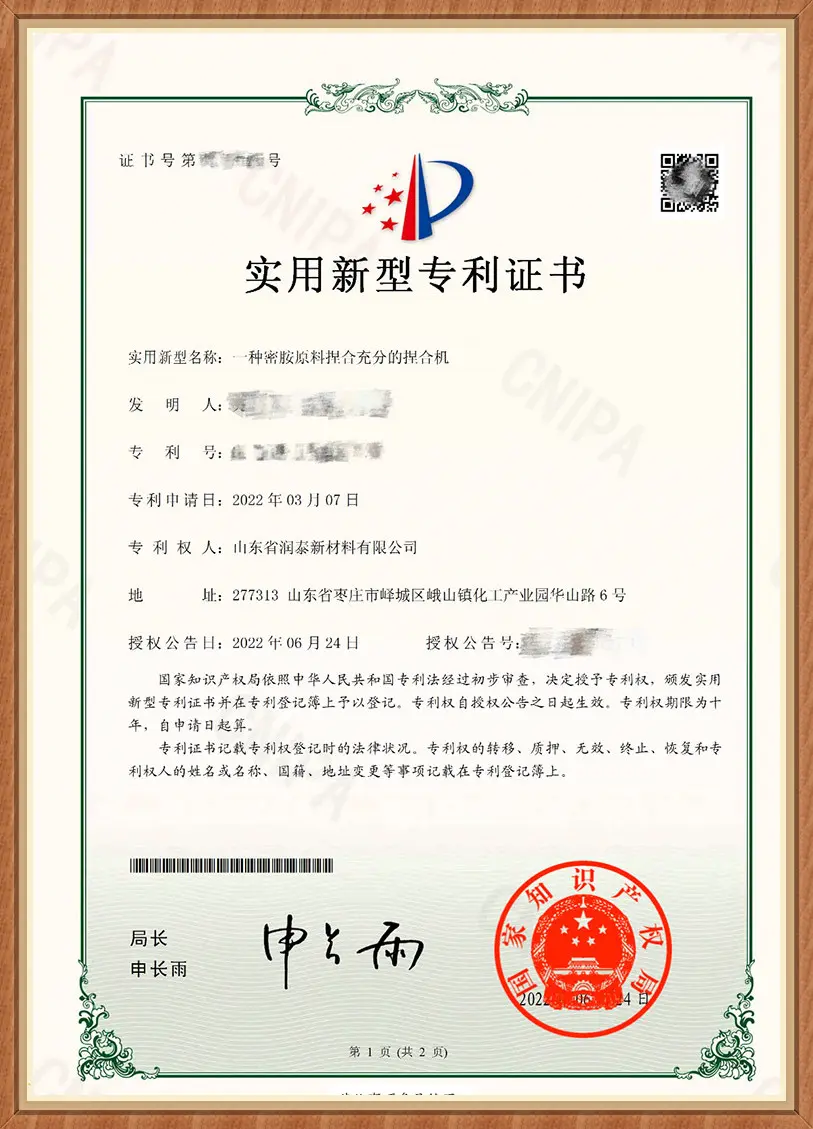
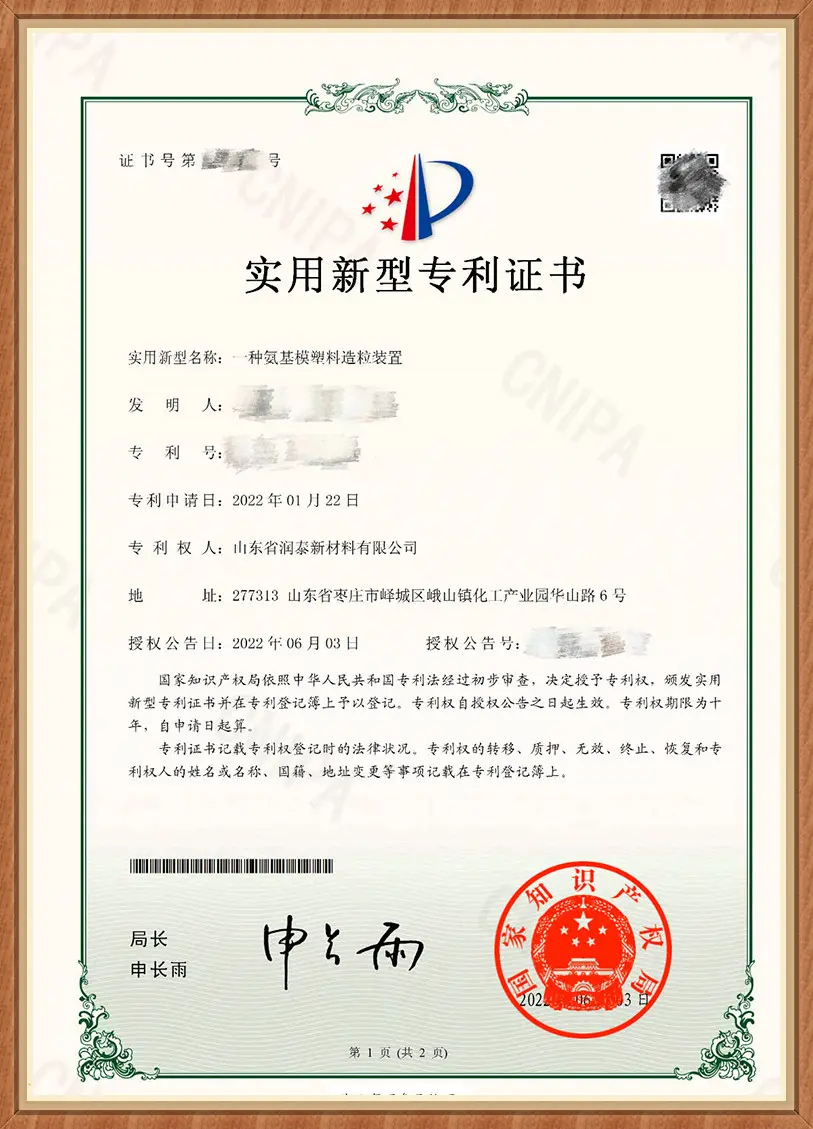
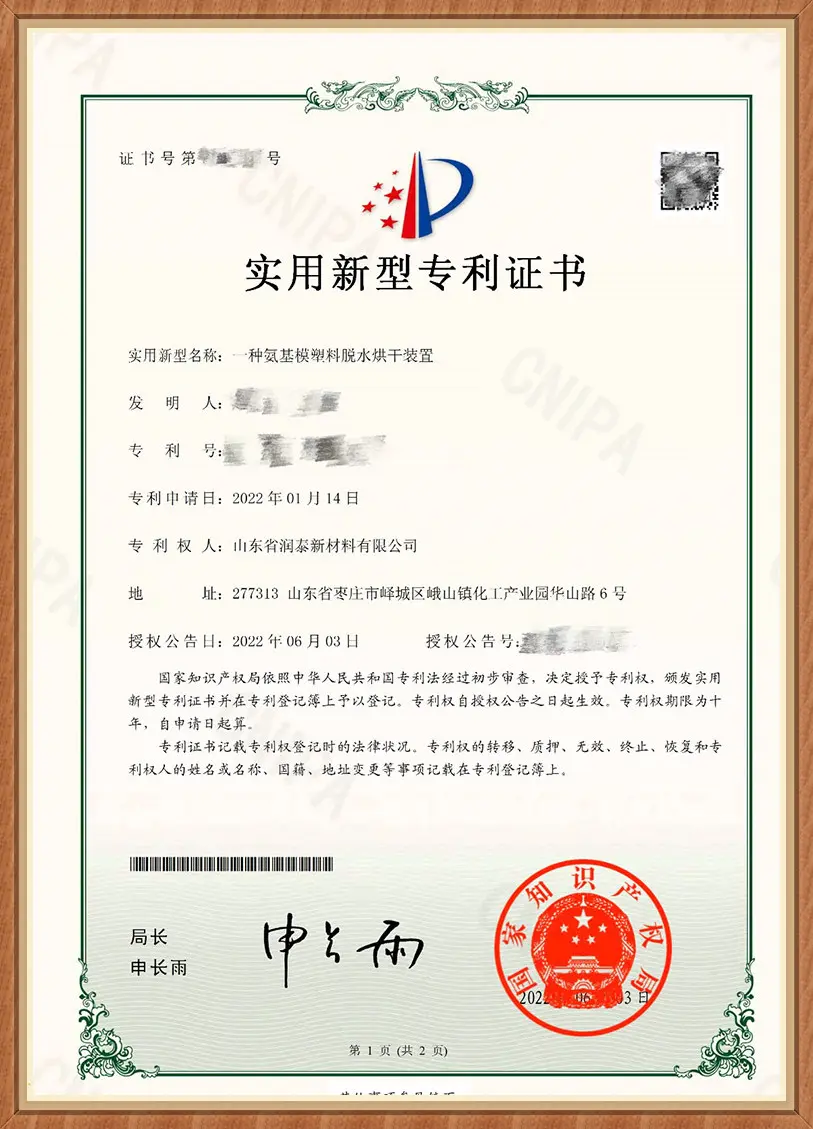
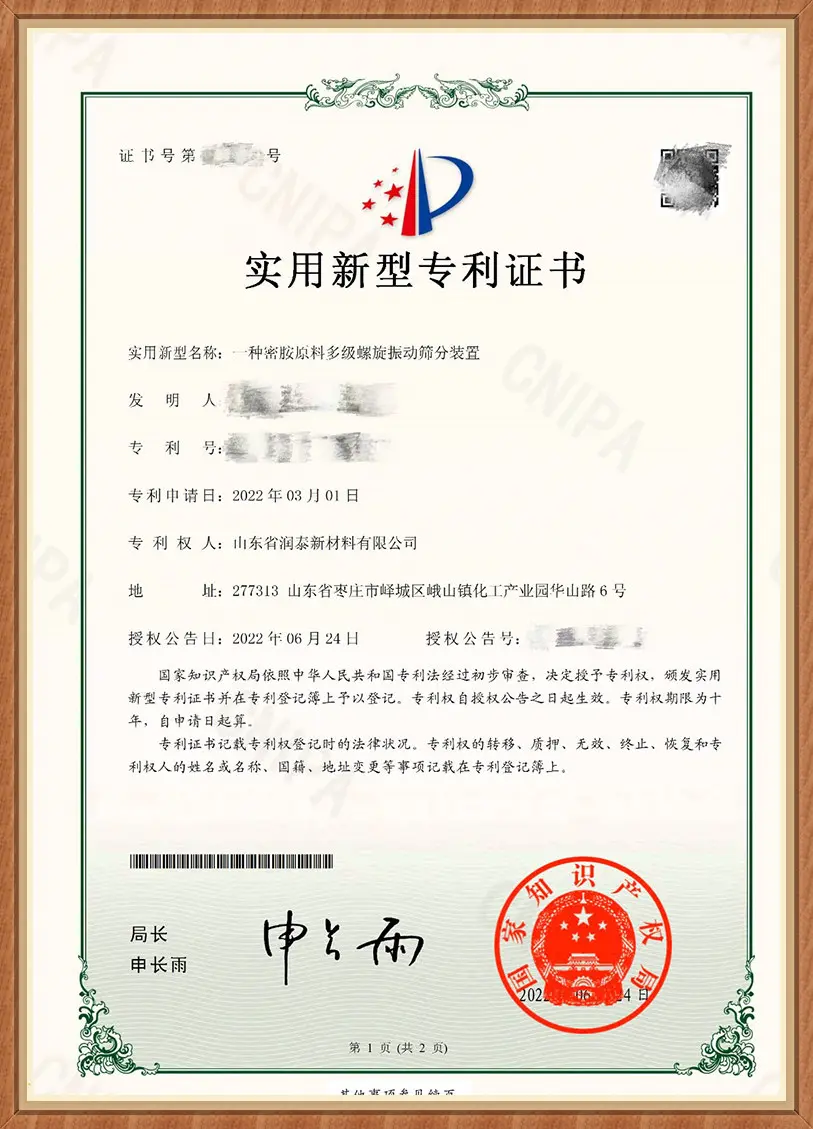
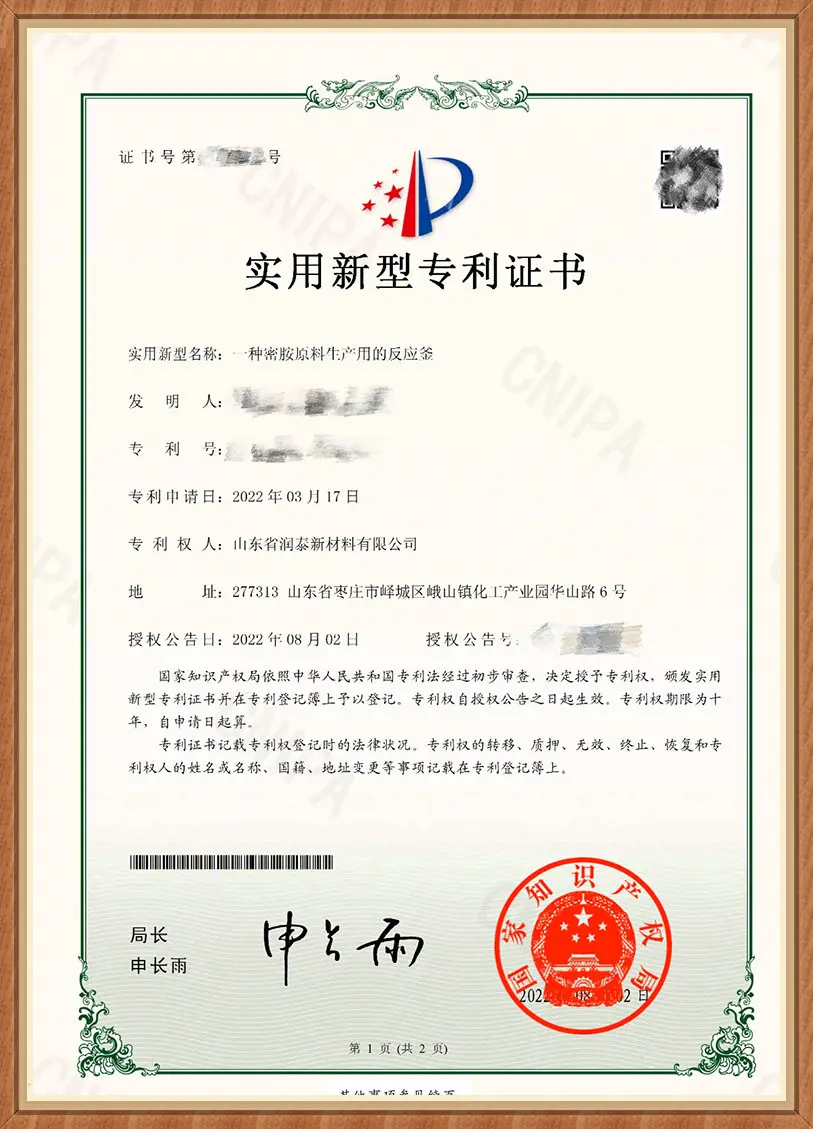
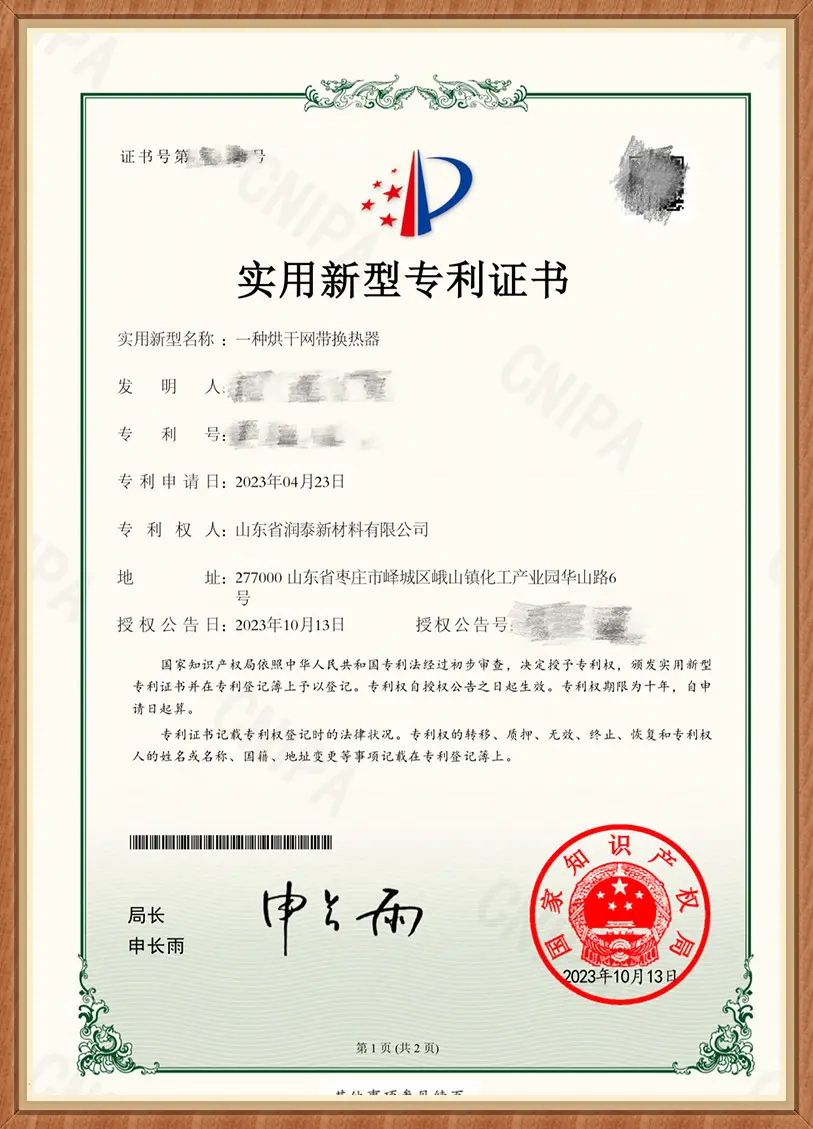
In partnership with the Changzhou Research Institute of Beijing University of Chemical Technology, we engage in the integration of production, learning, and research. Runtai features a doctoral R&D team and holds a number of patented technologies.
The new chemical materials industry with formaldehyde as raw materials has great potential for extension, and there are many types of derivative products, which can be widely used in adhesives, coatings, resin plastics, dyes, medical basic raw materials, and electronic, electrical, machinery, daily utensils materials replacement and upgrading fields.
Our comprehensive control over formaldehyde synthesis, paraformaldehyde processing, melamine refining, and resin condensation creates a robust vertical loop. This integration ensures a reliable supply chain and consistent quality across our product range.

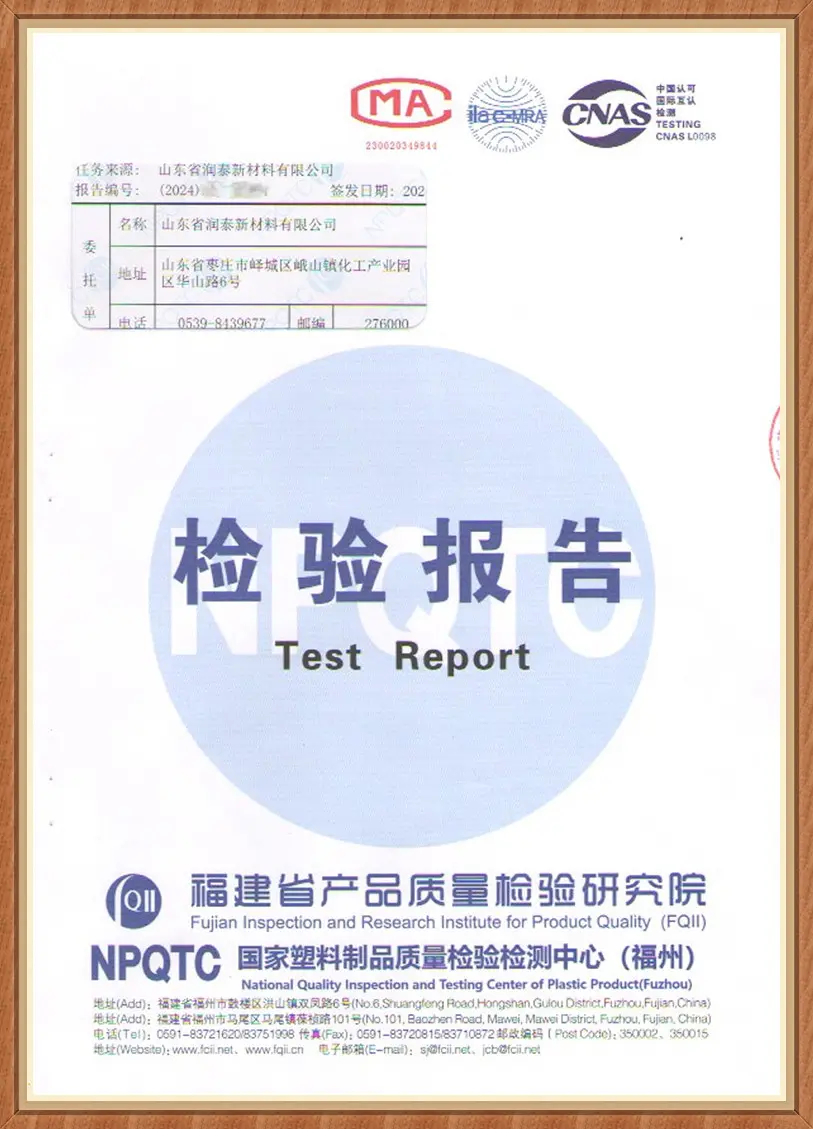
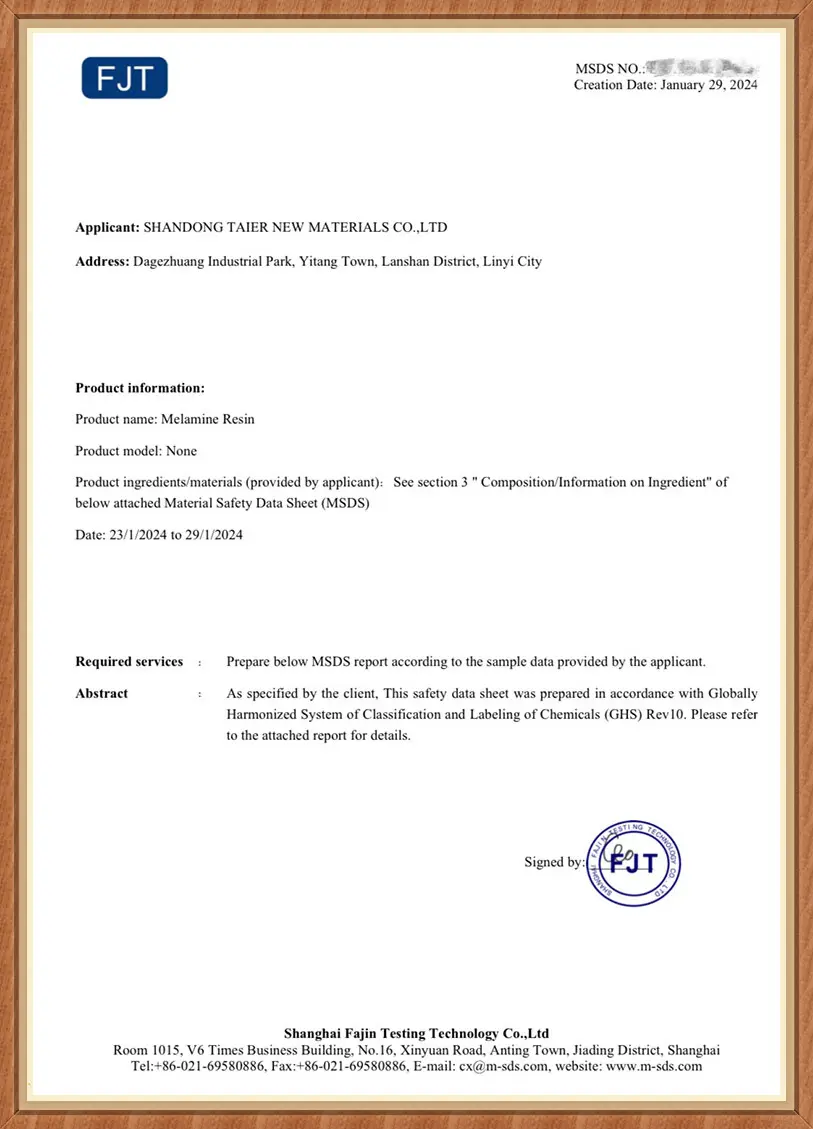
Our manufacturing facilities operate in compliance with ISO9001, ISO14001, and ISO45001 international standards. Below are some of our key quality credentials and facility certifications.
Urea Formaldehyde resins are tailored to meet the needs of specific application fields:
Our UF resins provide the required viscosity and tack to bond fine wood fibers under high hot-pressing speeds. They optimize internal bond strength and thickness swelling performance.
Formulated for multi-daylight hot presses, our glues offer stable prepressing behavior, preventing delamination before curing and reducing glue consumption per square meter.
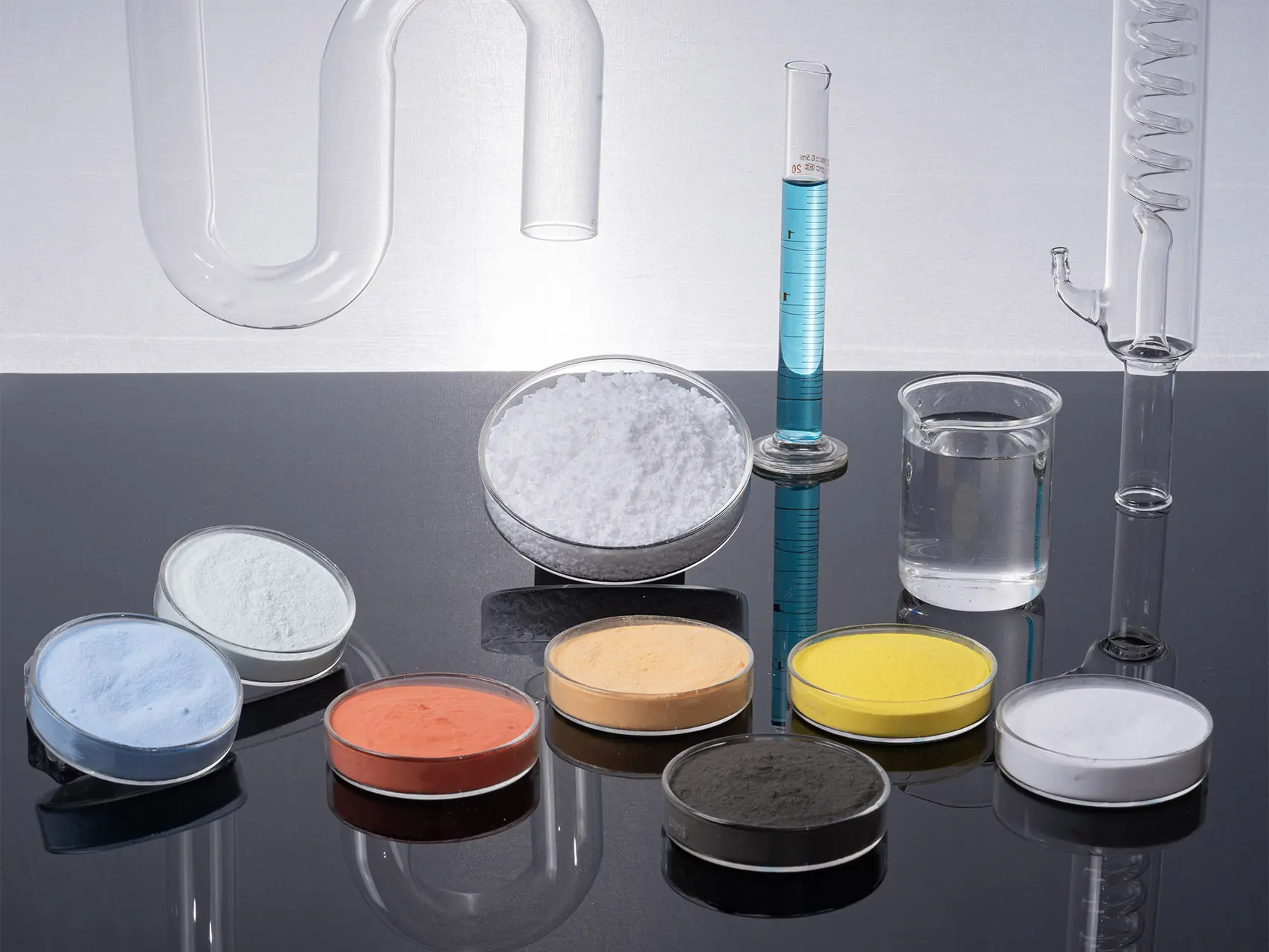
Using our raw melamine and specialized molding compounds, tableware manufacturers can produce components with high surface hardness, stain resistance, and scratch durability.
The research and development pipeline at Shandong Runtai New Materials focuses on key industry challenges:
1. Melamine-Urea-Formaldehyde (MUF) Co-condensation: By incorporating melamine into the UF polymer chain, we synthesize resins with improved water resistance. The melamine acts as a blocking group that limits hydrolytic degradation, enabling the use of MUF resins in humid environments.
2. Bio-based Additives & Cross-linkers: We are researching the integration of bio-based materials, such as technical lignin, starch, and soy proteins, to reduce chemical dependency. Our goal is to synthesize hybrid adhesives that maintain required structural performance.
3. Nano-Modification: Incorporating minor additions of nanostructured clays or cellulose nanocrystals (CNCs) into the glue mix can improve tackiness, shorten curing times under hot press conditions, and lower energy consumption during panel pressing.
Get authoritative answers directly from our technical support team regarding the properties, storage, and application of Urea Formaldehyde Resin.
Browse additional specialized additives, defoamers, dispersants, and moulding compounds from our production facilities.
 Runtai