Explore our industrial grade adhesives, resins, defoamers, and specialty polymers designed for global manufacturing compliance.
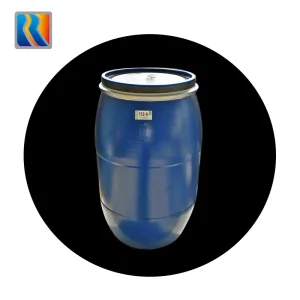
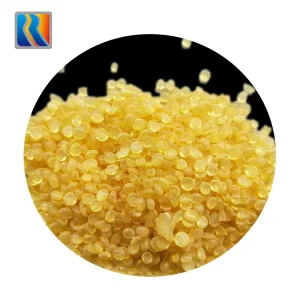
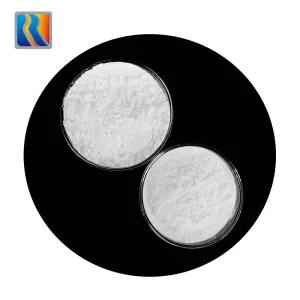
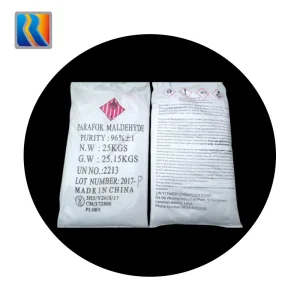
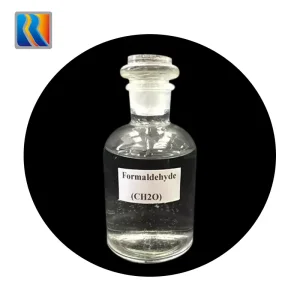
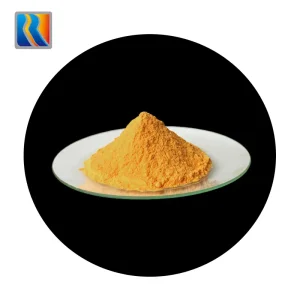
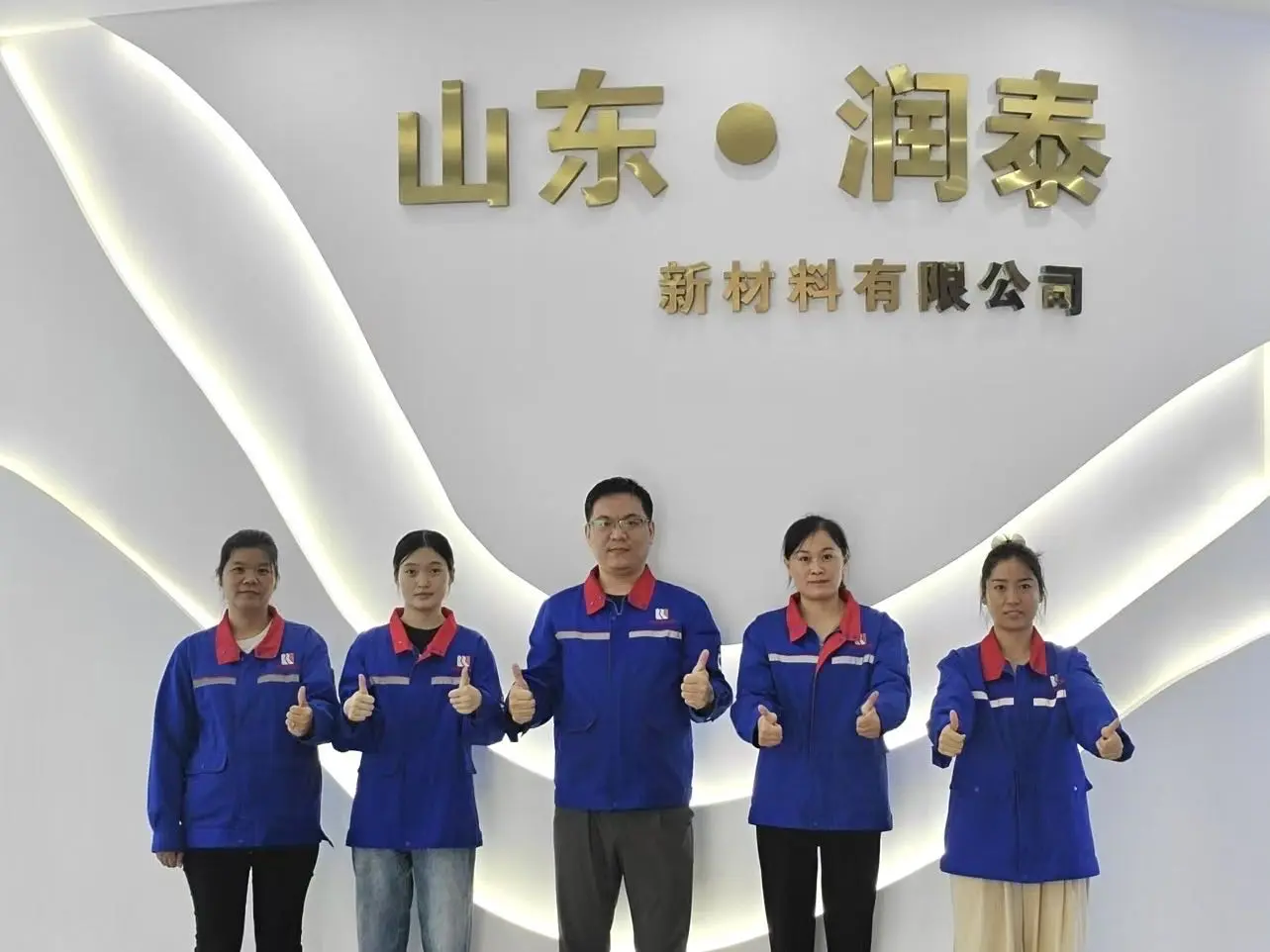
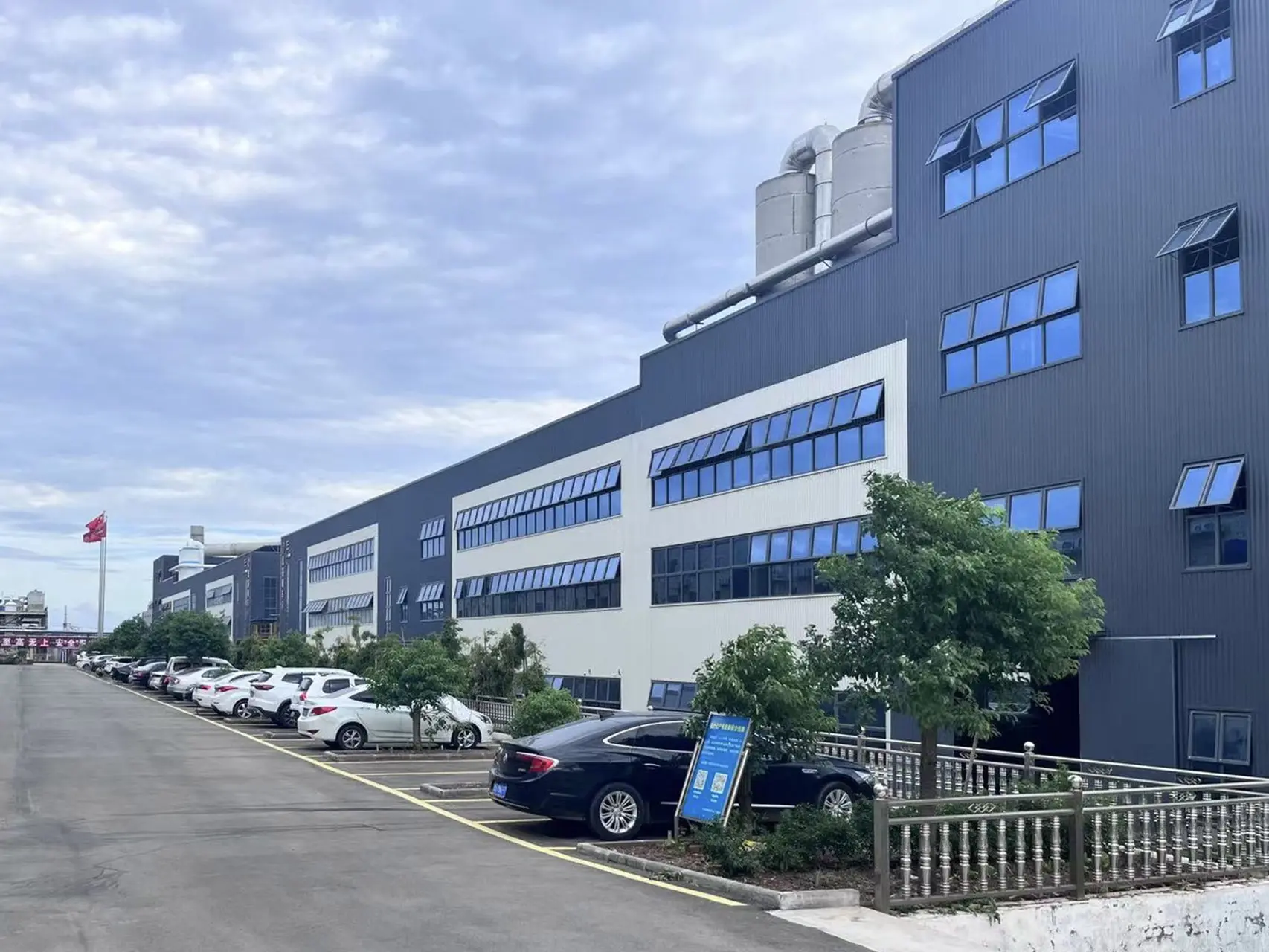
Founded in March 2020, Shandong Runtai New Materials Co., Ltd. is a comprehensive group firm that specializes in fine chemical products. Our primary products include formaldehyde, polyformaldehyde, urea formaldehyde resin, melamine powder and melamine glazing powder. The corporation has branches in five different cities throughout the whole country, with its headquarters located in Zaozhuang City, Shandong Province. Runtai New Materials covers an area of 270,000 square meters with a total investment of 2.06 billion yuan.
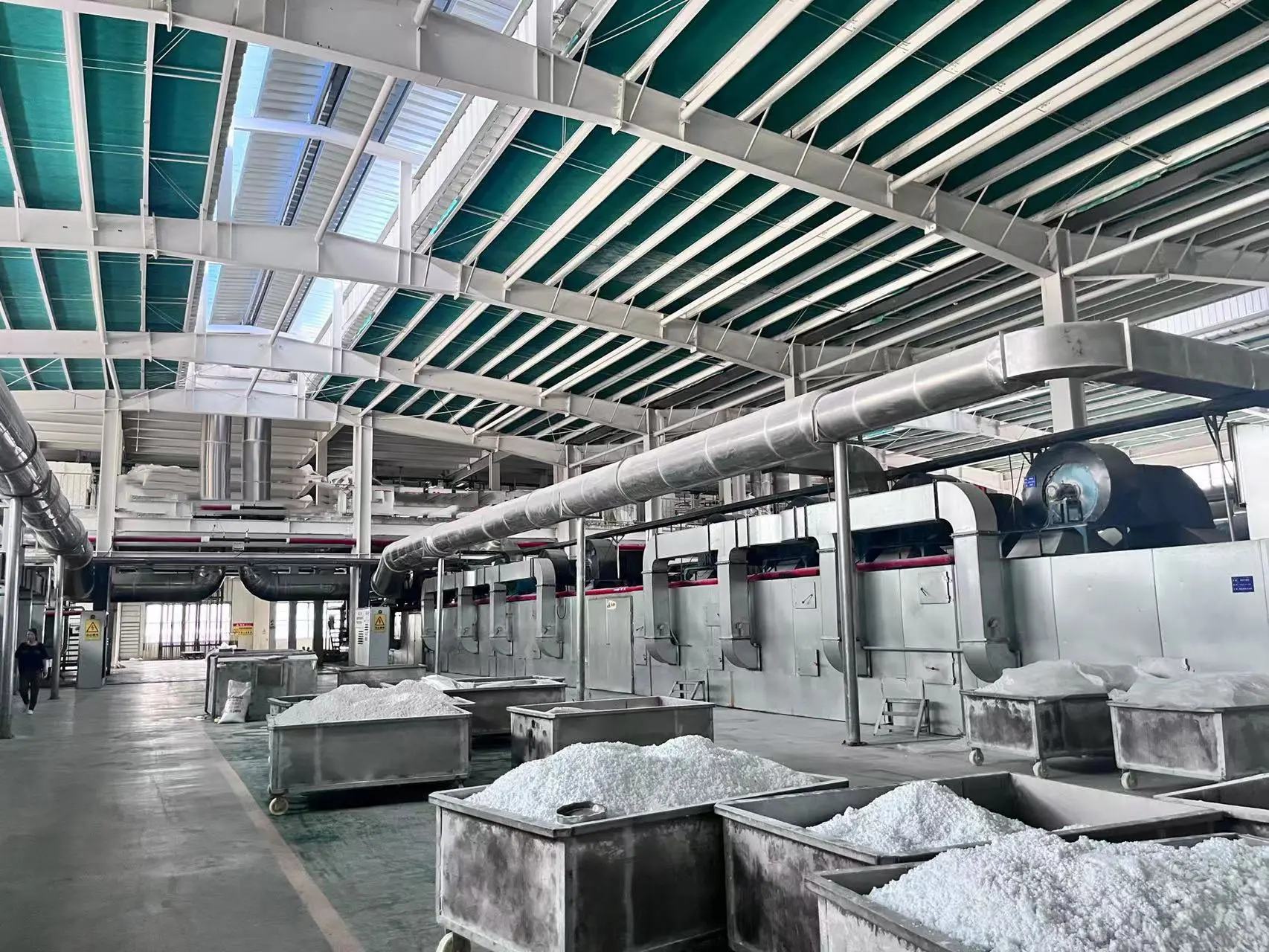
Through our relentless focus on process innovation, advanced automated manufacturing, and deep chemical expertise, we have grown to be one of China's top producers of melamine and formaldehyde. Our facilities employ a state-of-the-art Distributed Control System (DCS) to manage process parameters dynamically, ensuring low raw material consumption, high output consistency, and exceptional quality safety across all manufacturing runs.
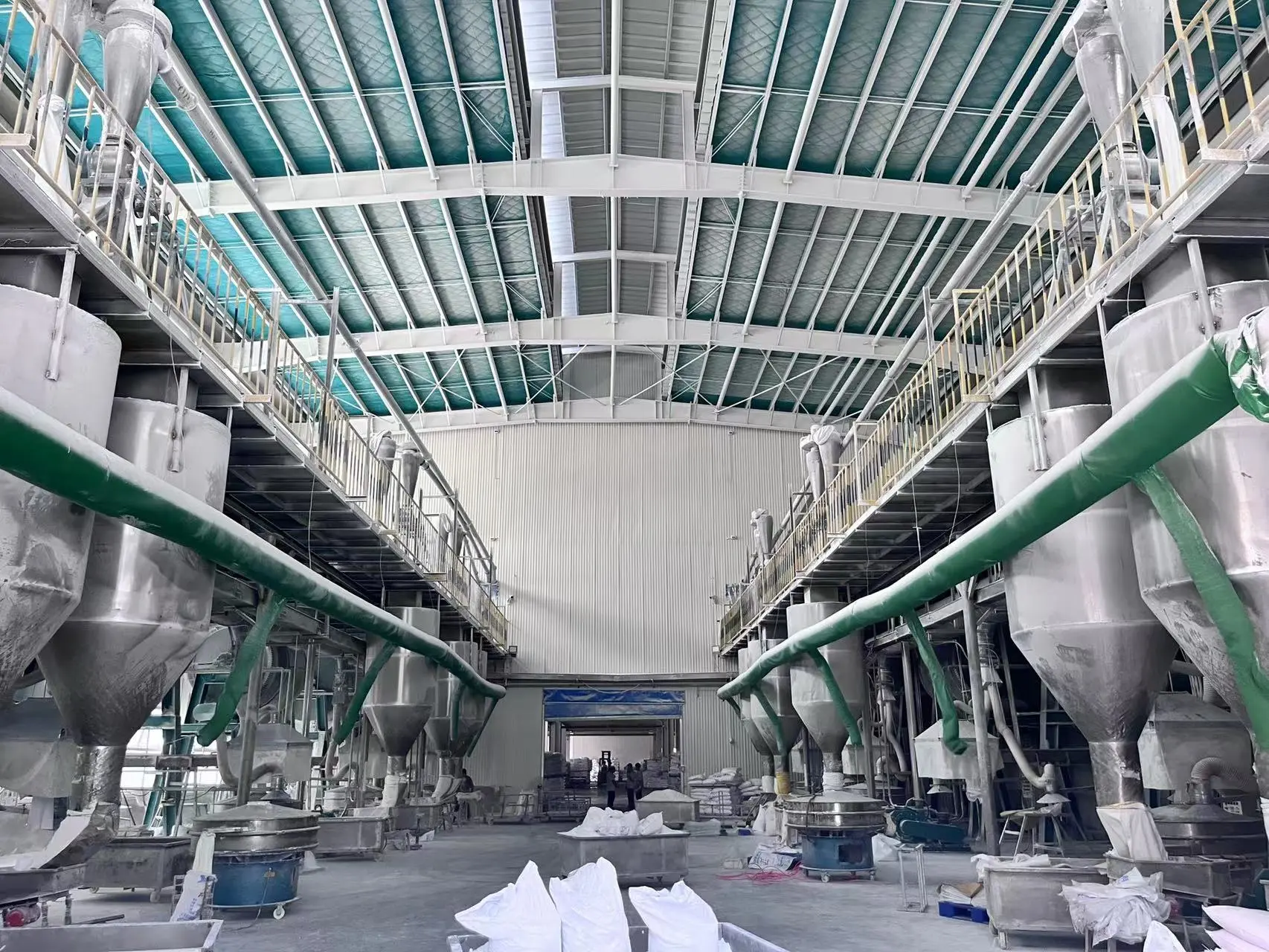
This technical white paper explores the critical success factors in the production, supply, and procurement of industrial formaldehyde and its high-polymer derivatives (Paraformaldehyde, Melamine, Urea-Formaldehyde Resin, and Glazing Powders) in China. Under strict global compliance frameworks, Shandong Runtai New Materials Co., Ltd. analyses technological integrations, environmental mitigation models, regional demands, and the supply chain advantages enabling 80% domestic market dominance and rapid international growth.
In global manufacturing, the colloquial term "smelling formaldehyde" relates to the distinctive, pungent odor of free monomeric formaldehyde vapor present in standard industrial solutions. Formaldehyde (CH₂O) is a gaseous organic compound that is highly reactive and soluble in water, typically sold as a 37% to 50% aqueous solution known as formalin. The presence of a strong odor is a physical indicator of free gaseous formaldehyde releasing from the solution, particularly at higher storage temperatures or during polymerization processes.
To address this characteristic, Shandong Runtai New Materials utilizes advanced oxidation and catalytic stabilizers to control free-formaldehyde levels. By refining the methanol oxidation process over iron molybdenum catalysts, we minimize trace impurities like formic acid and carbon monoxide. This targeted control lowers the vapor pressure of free formaldehyde without decreasing its reactivity during resin synthesis, establishing a higher standard for workplace safety and product quality.
Formaldehyde serves as the foundation for several essential thermosetting resins and polymers, including:
The global chemical supply chain increasingly relies on China's integrated raw material corridors. Shandong Runtai New Materials Co., Ltd., based in Zaozhuang City, Shandong Province, illustrates these advantages:
Our proximity to primary coal-to-chemical and natural gas conversion zones ensures a steady supply of methanol and urea. This local availability protects manufacturing from raw material fluctuations and guarantees consistent production.
Operating a 270,000 square meter plant backed by a 2.06 billion yuan investment allows us to run high-throughput operations. The scale economies directly translate to competitive pricing structures for global buyers.
Partnering with research institutions, like the Changzhou Research Institute of Beijing University of Chemical Technology, keeps our processes aligned with academic and technical advancements, ensuring our materials meet demanding specifications.
By using Distributed Control Systems (DCS), our manufacturing monitors and adjusts temperature, pressure, flow rate, and reactants in real-time. This automation ensures batch-to-batch consistency while reducing raw material consumption, waste generation, and energy use.
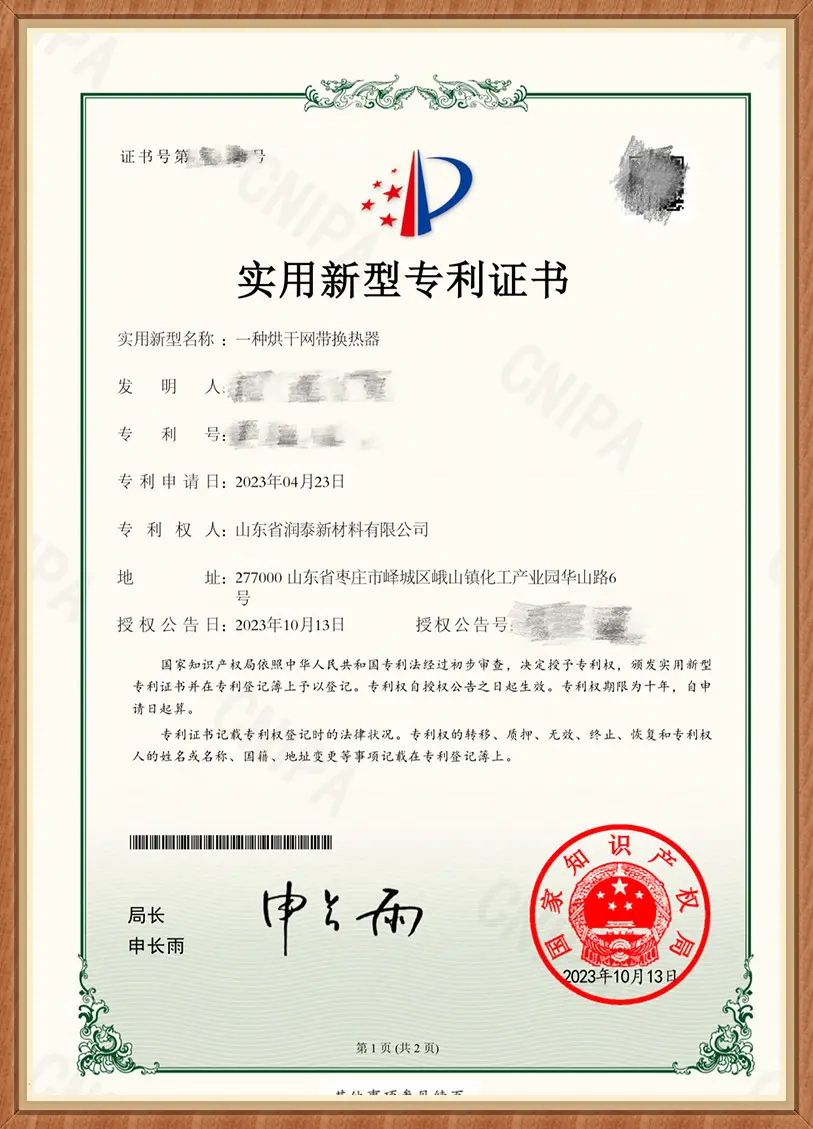
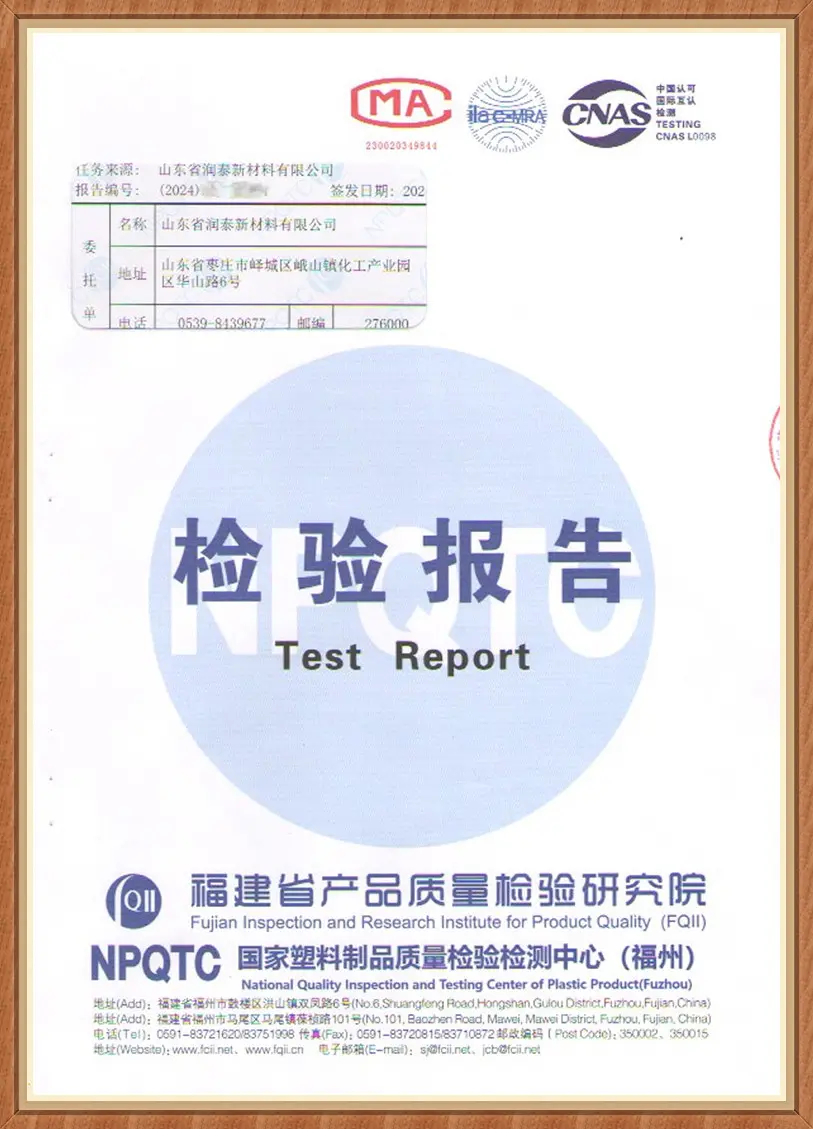
In accordance with the Google Search Quality Rater Guidelines, high E-E-A-T (Experience, Expertise, Authoritativeness, and Trustworthiness) requires clear evidence of production capabilities and certified quality management:
Runtai New Materials designs its production processes around automated control, safe operation, and resource efficiency. The DCS system tracks process values across the entire production line, maintaining temperature targets within narrow margins. This precision prevents secondary side-reactions, resulting in lower VOC emissions, more consistent solids content, and stable viscosity profiles.
We are committed to sustainable development and environmental preservation. Our processes include wastewater recycling systems, tail-gas incinerators to recover thermal energy, and active emission scrubbers to minimize the ecological footprint of our chemical synthesis.
For international procurement directors sourcing chemical products from China, navigating logistics, regulatory compliance, and packaging standards is crucial. Use this quick reference checklist to evaluate supply line integrity:
| Requirement Area | Key Parameters & Compliance Criteria |
|---|---|
| Regulatory Registration | EU REACH compliance, US TSCA inventory registration, OSHA GHS safety data sheets (SDS) matching export language. |
| Packaging Standards | UN-certified bags for solids (Paraformaldehyde / UMC), moisture-barrier liners, steel drums, or ISO tanks for liquid solutions. |
| Quality Control Protocols | Batch-specific Certificates of Analysis (COA), gas chromatography purity verification, solids content, and gel time analysis. |
| Logistics & Safety | UN Class 9 (solid Paraformaldehyde, UN 2213) transport compliance, dangerous goods container handling, and port customs processing. |
Formaldehyde and its derivative resins are key components in modern material manufacturing. The primary industrial solutions include:
Urea-Formaldehyde (UF) and Melamine-Urea-Formaldehyde (MUF) resins serve as primary adhesives for manufacturing medium-density fiberboard (MDF), particleboard, and plywood. These adhesives must balance high bonding strength, fast curing times, and low formaldehyde emissions to comply with global regulations like CARB Phase 2 and EPA TSCA Title VI. Runtai's low-emissive formulations achieve this balance, supporting high-speed hot pressing in composite board production.
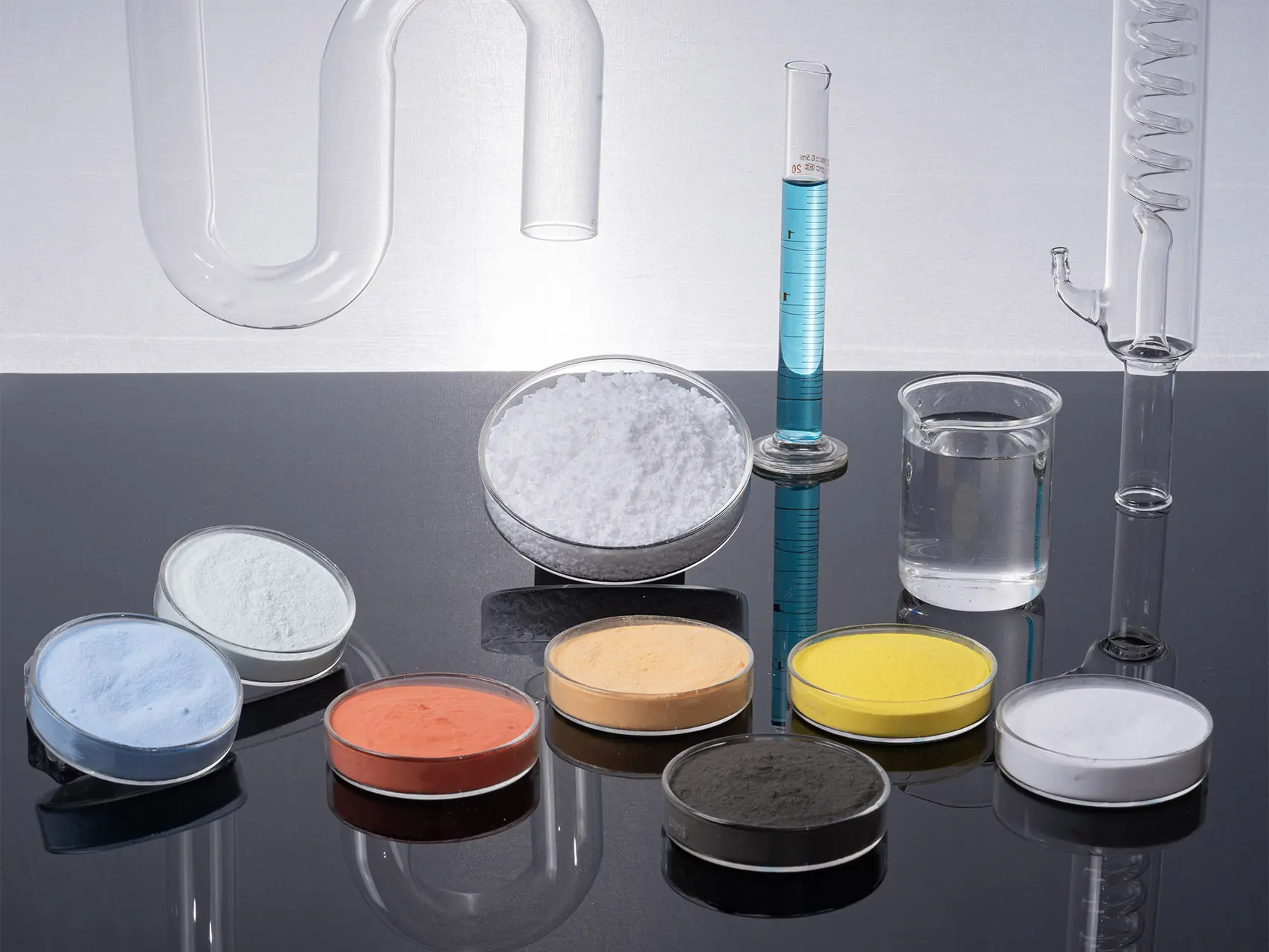
In tableware and decorative laminates, Melamine Moulding Compounds (MMC) and Melamine Glazing Powders are essential for producing heat-resistant, scratch-proof, and chemically inert surfaces. Our glazing powders feature consistent particle distribution, which improves mold flow behavior and surface finish, reducing defects in compression molding processes.
In flexible packaging, our packaging film adhesives provide strong interlayer bonding, maintaining resistance to heat and chemical interactions during transport and storage. Additionally, our water-based additives, acrylic acid-based swelling thickeners, and mineral oil defoamers help paint, coating, and adhesive formulators adjust product rheology, control foam formation, and improve application characteristics.
The industrial formaldehyde sector is transitioning toward carbon-neutral chemistry, bio-derived feedstocks, and ultra-low emission standards. In China, regulatory initiatives like the "Double Carbon" target (peaking carbon emissions by 2030 and achieving carbon neutrality by 2060) encourage factories to adopt clean energy and carbon-efficient manufacturing processes.
Future development will focus on three main areas: first, using green methanol derived from captured CO₂ and renewable hydrogen; second, adopting advanced catalysts to increase single-pass yields to over 99%, minimizing side reactions; and third, upgrading automated DCS and manufacturing execution systems (MES) to optimize energy use across plants.
Shandong Runtai New Materials Co., Ltd. is actively investing in these technologies. By updating our reactors and optimizing heat integration, we decrease steam consumption during concentration and polymerization. These efficiency improvements lower production costs while helping us meet the sustainability requirements of our international partners.

Runtai New Materials prioritizes sustainable development and environmental preservation. Our commitment lies in developing and producing eco-friendly products that minimize environmental impacts while adhering to relevant laws, regulations, and standards.
The "quality first, customer first" principle guides our business operations, and we approach customer service with honesty and professionalism. We welcome partners from both domestic and international locations to visit Runtai New Materials. We look forward to collaborating with you to build a better future together!
Critical insights regarding chemical stability, logistics safety, compliance, and custom formulation options.
We manage emissions by adjusting the urea-to-formaldehyde molar ratio during methylolation and condensation. Using real-time DCS tracking, we control temperatures to ensure complete reactions. We also add targeted scavengers to bind unreacted monomeric formaldehyde, allowing us to meet strict E0, E1, and CARB Phase 2 standards.
Each shipment is analyzed for active purity (typically 92% or 96% min), iron content (max 5-10 ppm), ash content (max 0.05%), pH level, and particle size distribution. These specifications are verified using gas chromatography and acid-base titration methods before loading.
Solid Paraformaldehyde is classified under UN 2213 (Class 4.1, Flammable Solids). We package and label all shipments in accordance with IMDG code requirements, utilizing moisture-resistant woven bags and heavy-duty shrink-wrapped pallets to ensure safe sea transit.
Yes. We can adjust the resin formulation to modify flowability, curing speed, and surface gloss. This customization allows the powder to adapt to various compression molding pressures and temperatures, helping manufacturers reduce cycle times and minimize surface defects.
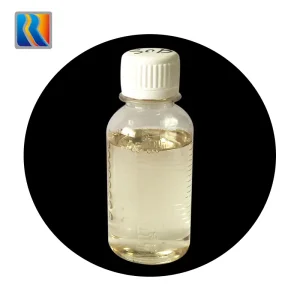
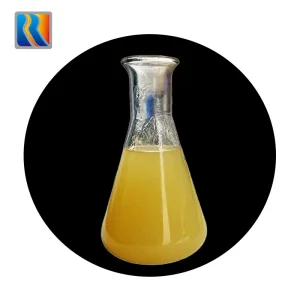
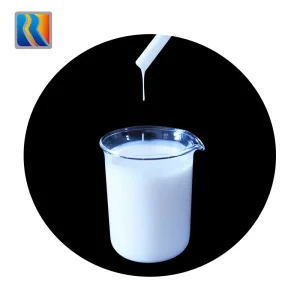
Review our product list below and contact our team to request custom formulations, pricing, and volume delivery schedules.
 Runtai