Engineered Defoamers, Resins, and Molding Compounds Configured for Demanding Global Industrial Applications
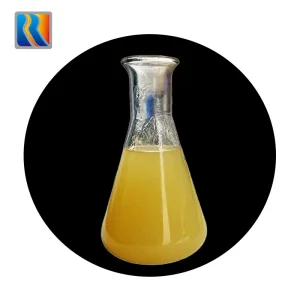
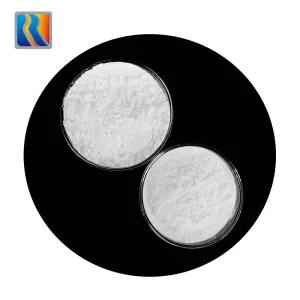
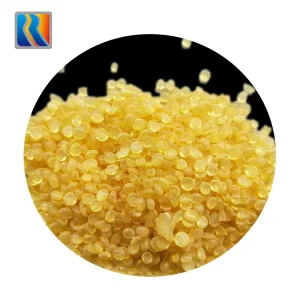
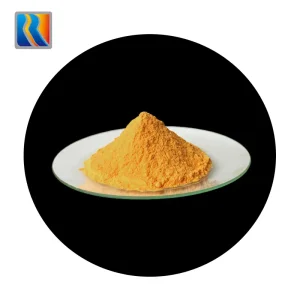
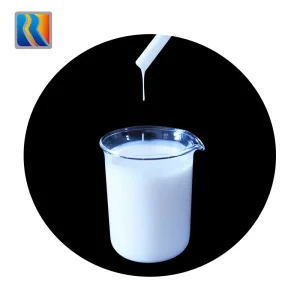
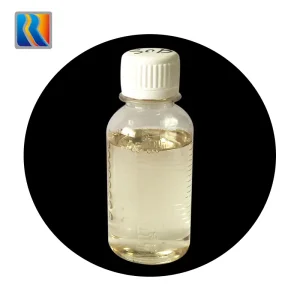
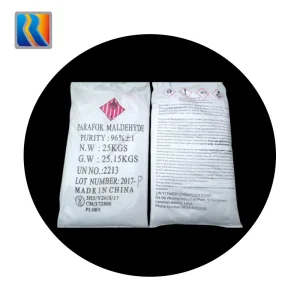
Phenolic resins represent one of the most chemically versatile, durable, and highly consolidated thermosetting polymer families in industrial history. Distinguished by exceptional thermal stability, chemical inertness, high mechanical shear strength, and superior flame resistance, these polycondensation products of phenol and formaldehyde remain critical across aerospace, automotive, electronics, metallurgy, and construction industries.
As global supply chains pivot toward localized structural security and stringent environmental mandates (e.g., REACH, RoHS, EPA regulations), sourcing from vertically integrated Chinese manufacturers has transitioned from a cost-arbitrage model to an EEAT-driven (Experience, Expertise, Authoritativeness, Trustworthiness) value optimization strategy. The capability to synthesize custom novolac and resol matrices with highly defined molecular weight distributions is key to satisfying modern industrial demands.
A Comprehensive Overview of Our Strategic Scale, Output Capabilities, and Global Reach
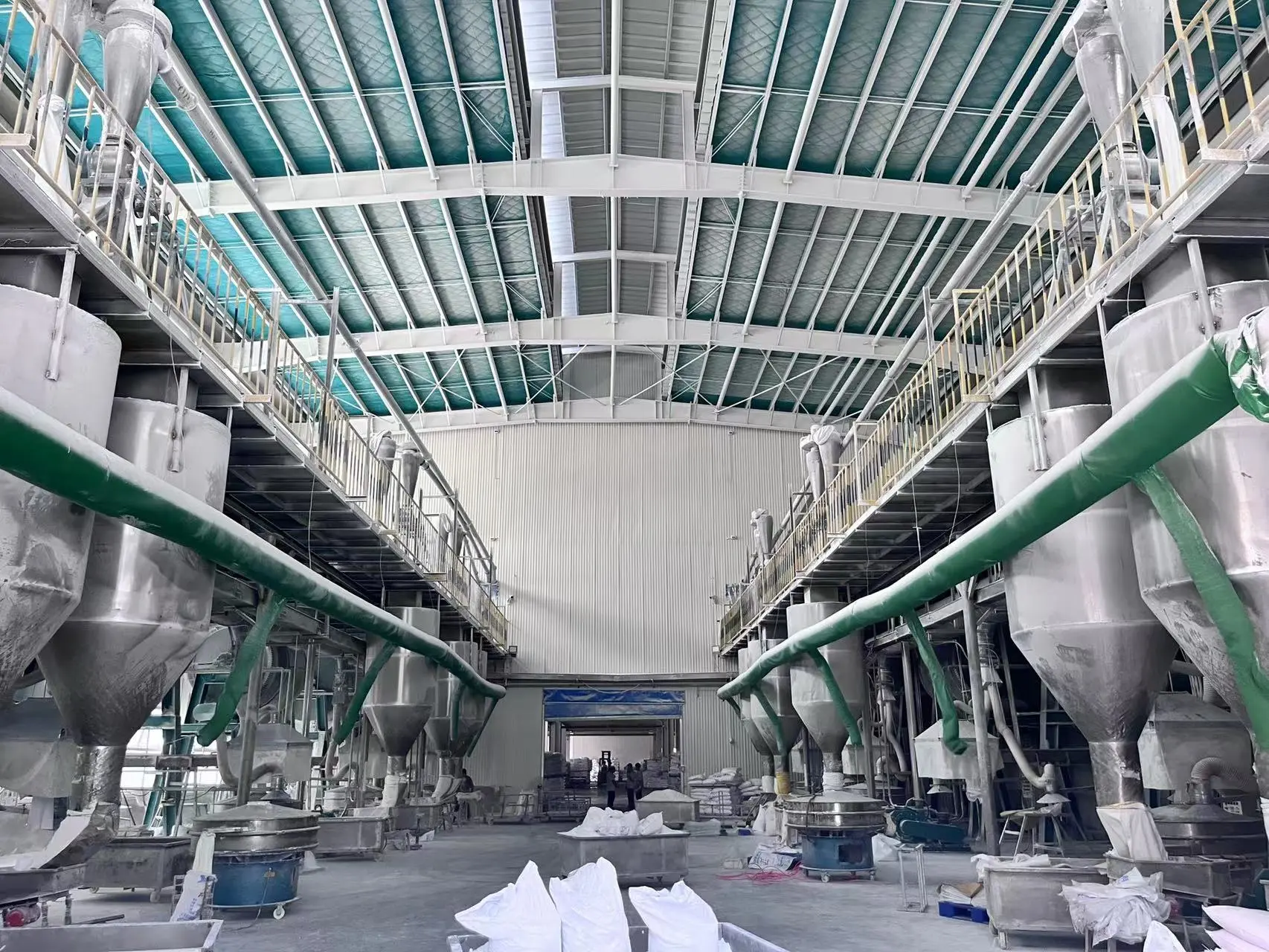
Founded in March 2020, Shandong Runtai New Materials Co., Ltd. has established itself as an industry leader in the fine chemical sector. Headquartered in Zaozhuang City, Shandong Province, and spanning a massive footprint of 270,000 square meters, the corporation represents a total capitalization investment of 2.06 billion yuan. Our integrated downstream structure enables us to achieve unprecedented scale and supply consistency.
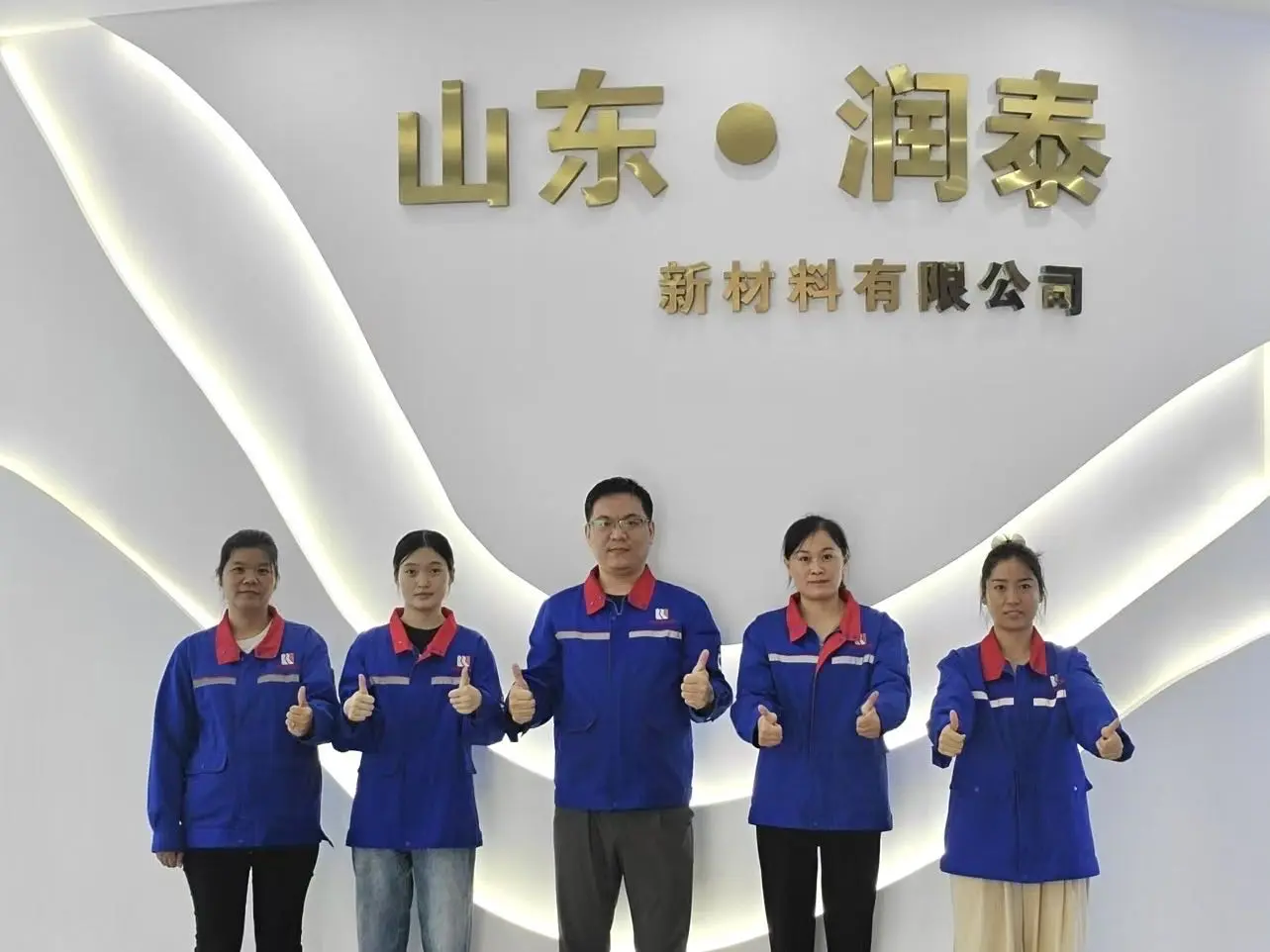
Runtai New Materials has consolidated approximately 80% market share in China for key precursor chemistry. This domestic dominance serves as the foundation for our international expansion. Our strategic distribution network covers key markets in the United States, Thailand, Kenya, Egypt, and the European Union.
Pioneering Next-Generation Synthetic Processes and Automation Protocols
Our process is built on high-fidelity DCS infrastructure, allowing real-time monitoring and micro-adjustments of temperature, pressure, feed ratios, and condensation kinetics. This ensures high batch-to-batch repeatability and eliminates structural defects in the final resin.
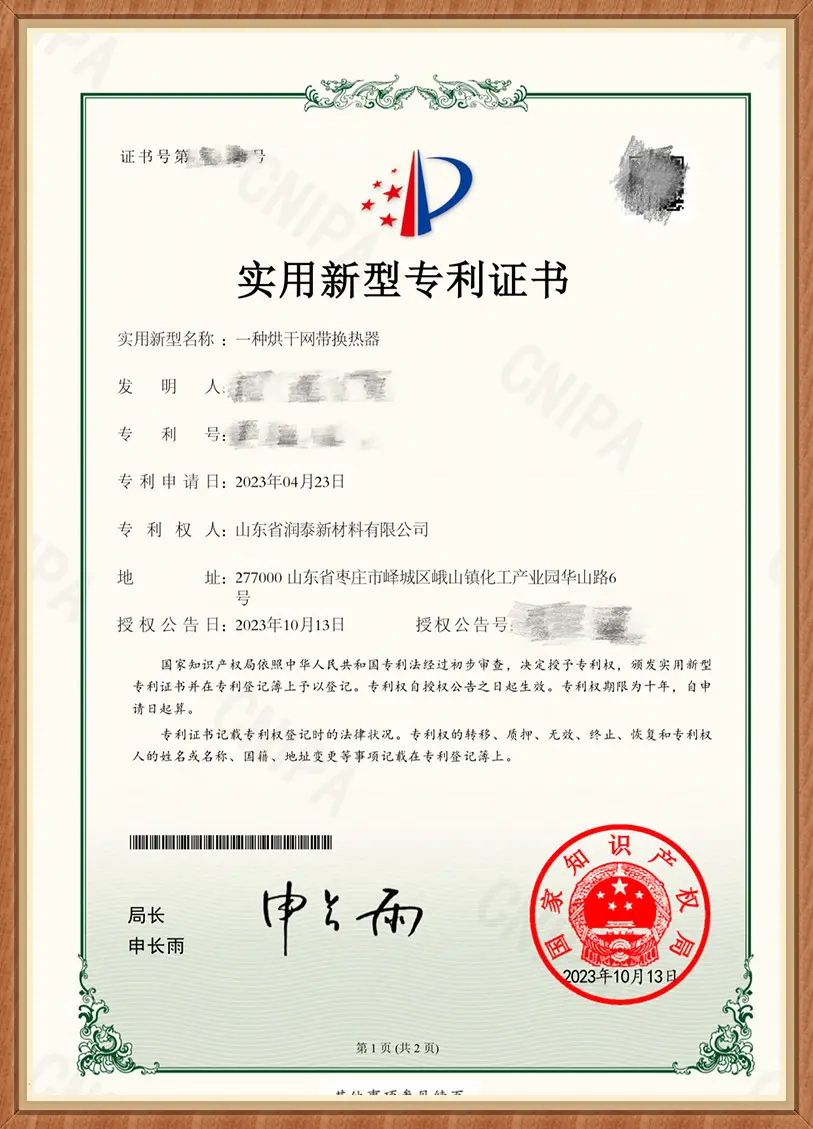
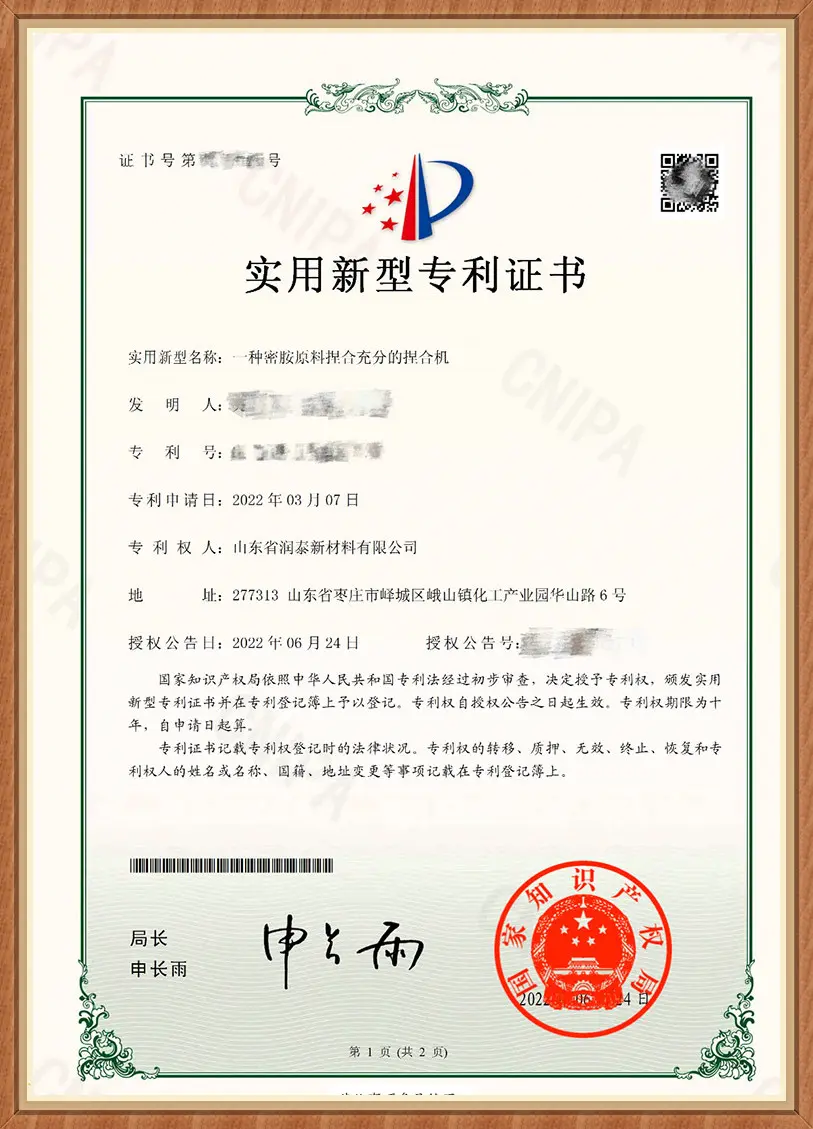
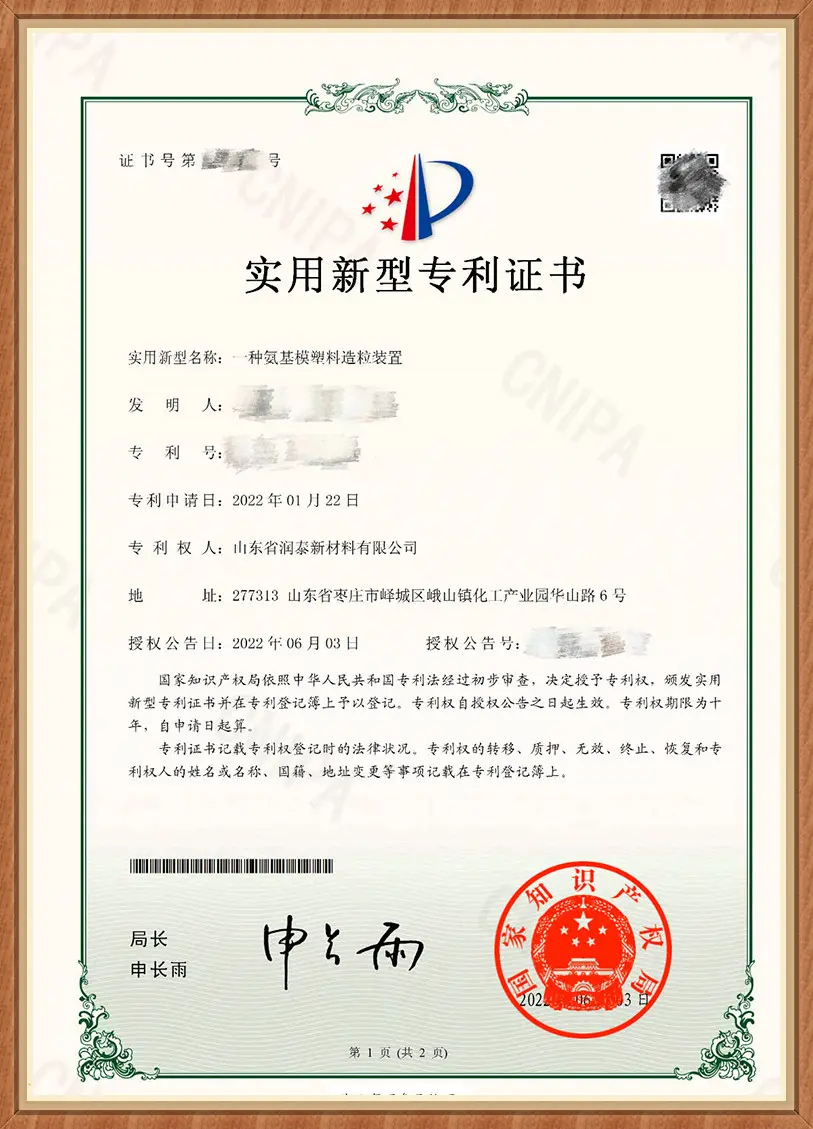
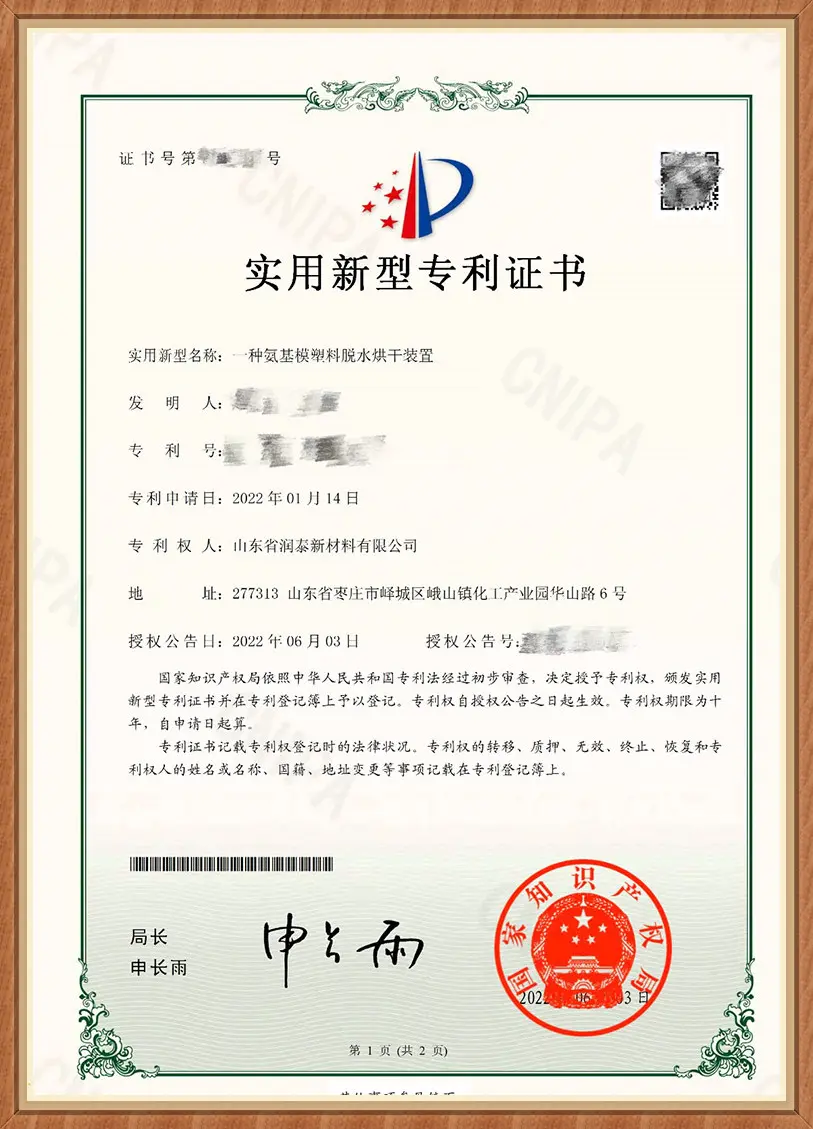
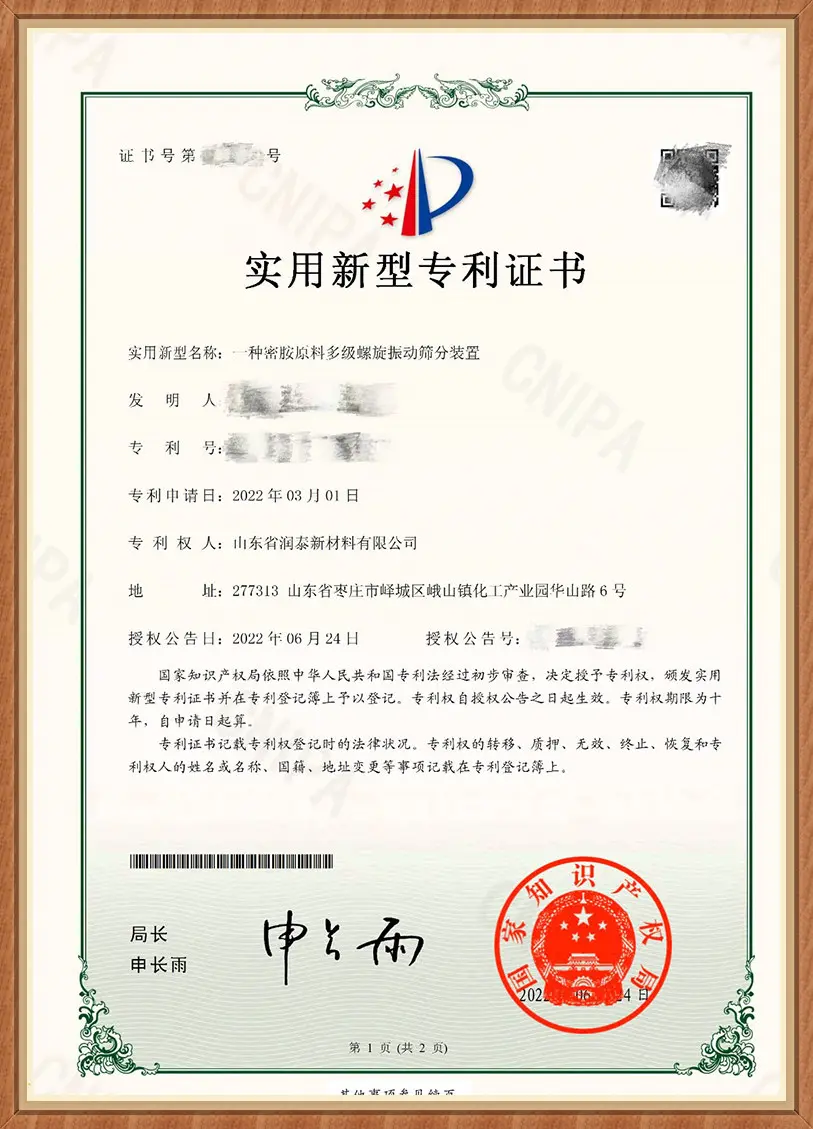
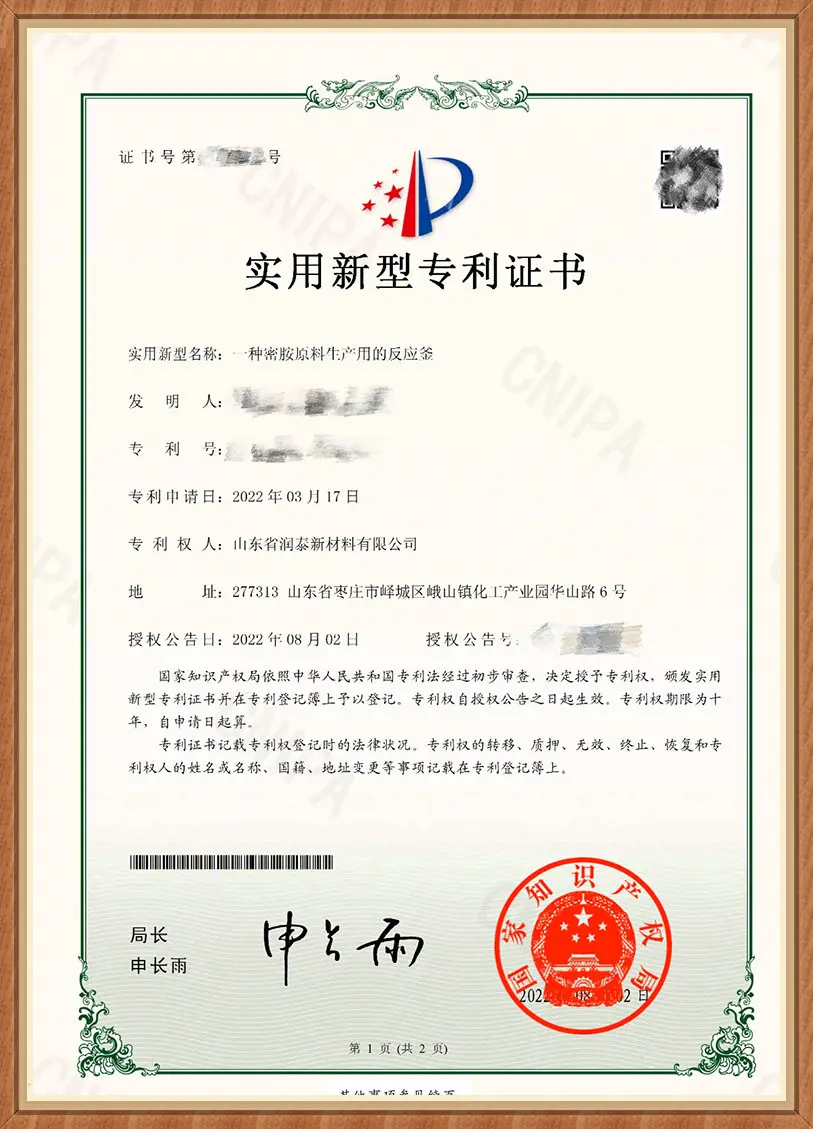
We bridge the gap between academic innovation and commercial scale through a partnership with the Changzhou Research Institute of Beijing University of Chemical Technology. Backed by a doctoral R&D team, we continuously file patents for green, high-strength thermosets.
Our facility operates under strict emissions regulations, incorporating catalytic thermal oxidizers, waste-water recycling loops, and carbon abatement technologies to reduce the carbon footprint per ton of resin produced.
The phenolic resin industry is highly sensitive to feedstock availability. Phenol and methanol (the precursor to formaldehyde) are subject to global energy market fluctuations. Shandong Runtai’s integrated value chain mitigates these risks:
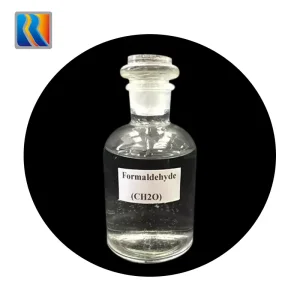
By operating our own 380,000-ton formaldehyde unit, we insulate downstream phenolic, urea-formaldehyde, and melamine resin lines from precursor shortages. This vertical structure protects global procurement agents from price spikes and force majeure delays.
Additionally, our automated loading bays, smart warehouse management systems, and direct port corridors reduce average lead times by up to 25% compared to non-integrated competitors.

Decarbonization, Low-Emission Resins, and High-Performance Applications
Global mandates require low indoor emissions. R&D efforts are focused on novolacs and resols with free formaldehyde levels below 0.1%, ensuring compatibility with eco-labeled wood products and consumer-facing applications.
Automotive braking systems and aerospace heat shields demand matrix resins with high glass transition temperatures ($T_g > 250^\circ\text{C}$). Modified phenolic chemistries (such as epoxy, cardanol, or elastomer modifications) provide enhanced structural integrity.
Replacing fossil-derived phenol with bio-based alternatives like lignin, tannin, or cashew nut shell liquid (CNSL) is growing. These bio-resins are designed to match the mechanical performance of conventional phenolic networks.
How Our Polymer Matrices Perform Under Demanding Operational Environments

Phenolic resin is not a single product; it is a customized polymer matrix. Our formulations are engineered for specific industrial applications:
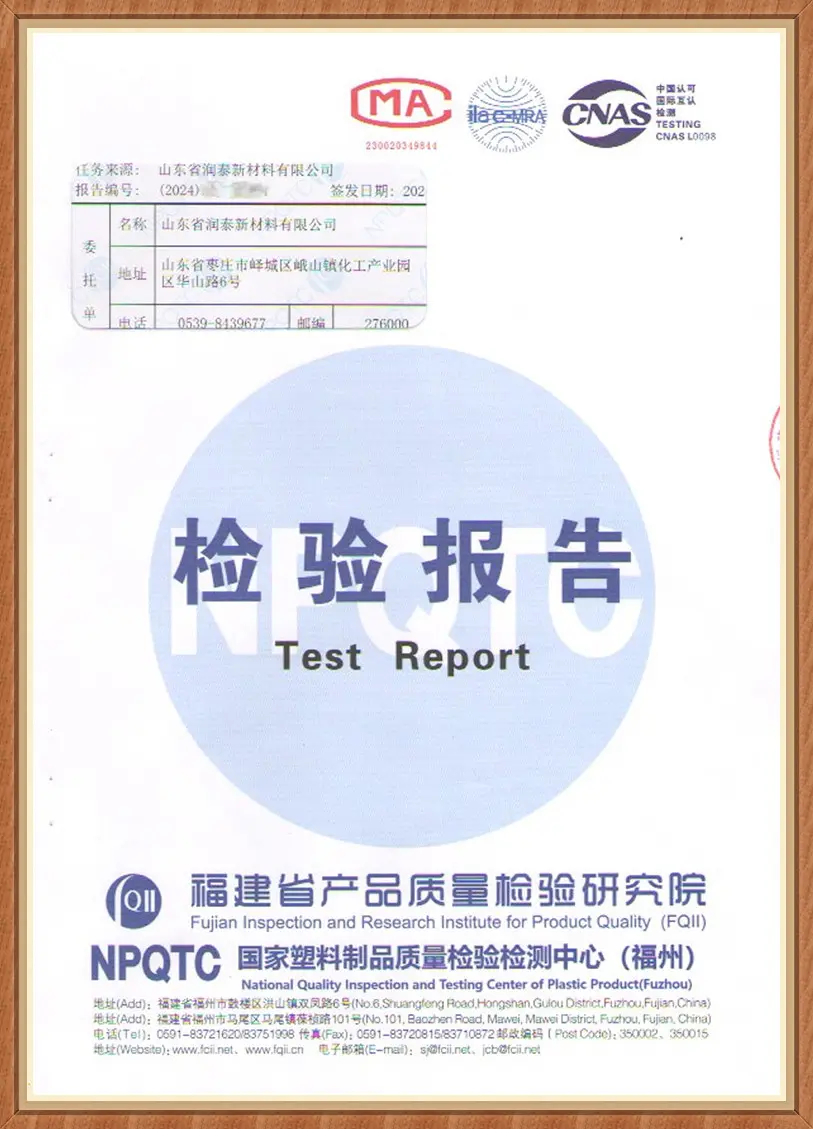
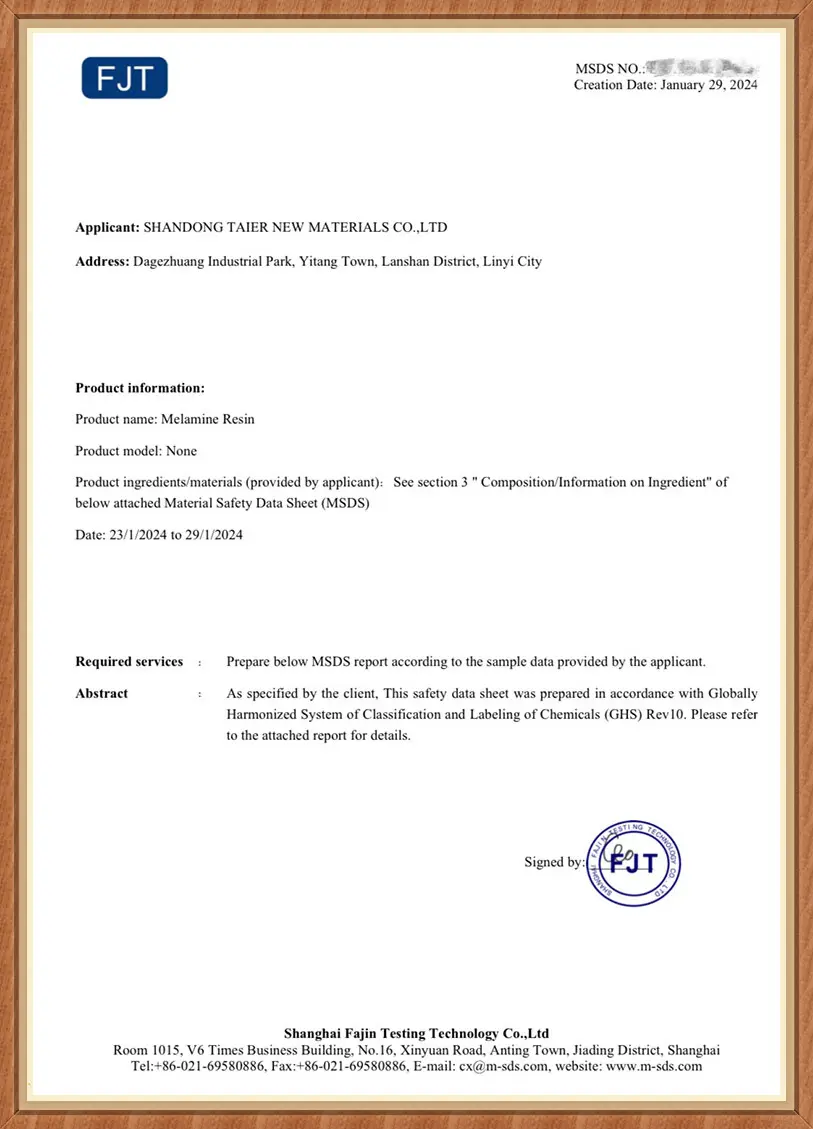
Verified Quality Systems Guaranteeing Cross-Border Regulatory Conformity
Runtai New Materials operates under certified quality management frameworks. We maintain advanced testing labs equipped with Gas Chromatography (GC), Gel Permeation Chromatography (GPC), and Differential Scanning Calorimetry (DSC) to check physical properties, curing kinetics, and molecular weight distribution.
Technical Clarifications on Procurement, Chemical Specifications, and Logistics
Novolac resins are two-step resins synthesized under acidic conditions with a formaldehyde-to-phenol ratio of less than 1. They require a curing agent, typically hexamethylenetetramine (HEXA), to crosslink. Resol resins are one-step resins synthesized under alkaline conditions with a formaldehyde-to-phenol ratio greater than 1. They cure under heat alone without external crosslinkers.
We use real-time DCS systems to adjust reaction parameters, combined with post-reaction scavenging technologies. This allows us to offer low-emissions grades that comply with international environmental requirements.
Liquid resins are shipped in IBC totes, ISO tanks, or steel drums. Solid novolac flakes or powders are packed in moisture-resistant 25kg multi-wall paper bags or 1000kg bulk bags, secured on heat-treated wooden pallets.
Yes. Our laboratory can adjust the catalyst ratios, molecular weight distribution, and lubricating additives (such as stearates) to meet the target flowability and gelation times for your molding or binding equipment.
Industrial Precursors, Functional Additives, and Thermosetting Systems Available for Global Export
 Runtai