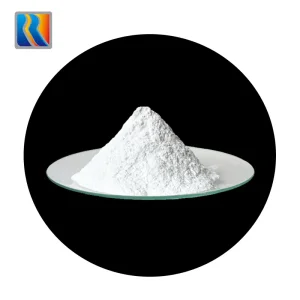
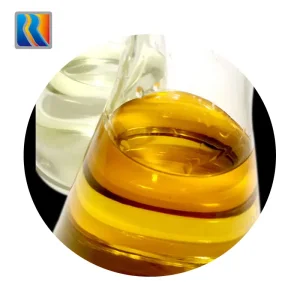
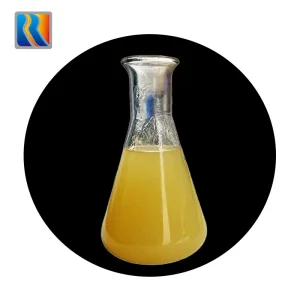
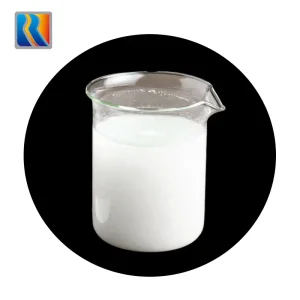
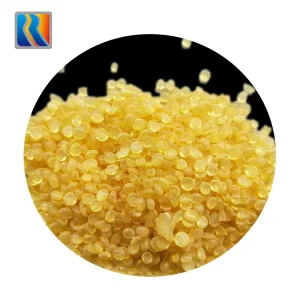
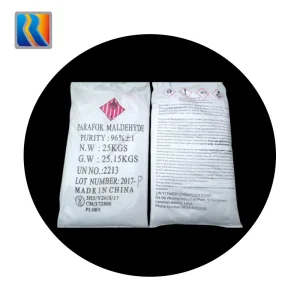
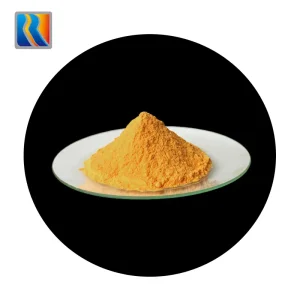
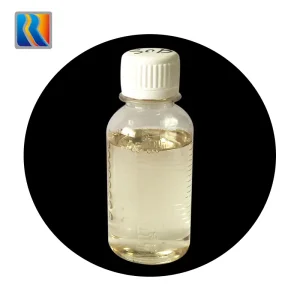
Paraformaldehyde (PFA) is the shortest solid polymer chain of formaldehyde, chemical formula HO(CH2O)nH (where n ranges from 8 to 100). Synthesizing high-grade PFA requires strict polymerization-degree control. The molecular weight and reactive characteristics of Paraformaldehyde make it highly suitable as a solid source of formaldehyde. This compound offers significant reactive advantages, eliminating water byproduct generation in condensation polymerizations.
As a leading China chemical supplier, Shandong Runtai New Materials Co., Ltd. utilizes high-concentration formaldehyde loops to synthesize highly active, low-impurity PFA. Our chemical engineering standards ensure a low ash rating, minimal acidity, and predictable depolymerization kinetics. We focus on meeting requirements for resin formulations, pharmaceutical syntheses, and chemical manufacturing.
Annual Formaldehyde Capacity
Urea Formaldehyde Resin Capacity
Annual Melamine Output
Chinese Market Domain Share
Modern resin synthesis focuses on minimizing water content. Using high-concentration PFA instead of traditional aqueous formaldehyde solutions significantly reduces wastewater treatment costs and increases batch yields.
Accurate depolymerization rates under specific thermal profiles prevent runaway reactions. This technology ensures safe and consistent processing in chemical synthesis plants.
Regulatory frameworks such as EU REACH and US TSCA require low-emission chemical processing. Global sourcing prioritizes low-free-formaldehyde formulations to meet compliance requirements.
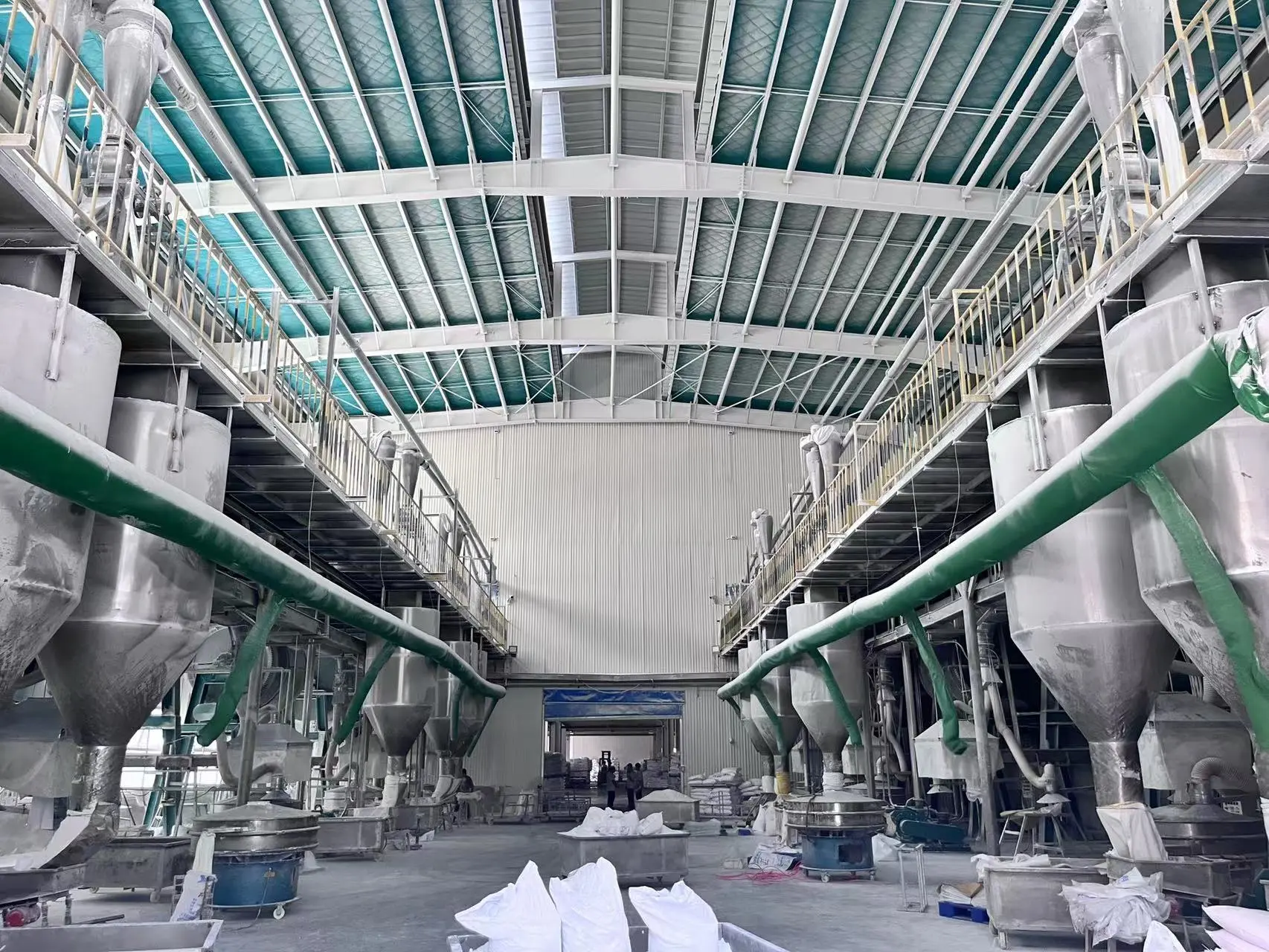
Runtai New Materials integrates automated manufacturing with process analytical technology. Our Zaozhuang facility, spanning 270,000 square meters, utilizes a Distributed Control System (DCS) to monitor critical production variables in real time.
This automated system monitors flow rates, temperature profiles, and reaction kinetics during the synthesis of formaldehyde and melamine glazing powders. Automating these processes reduces variance, improves energy efficiency, and ensures consistent quality. Our vertical integration, from raw formaldehyde synthesis to specialty resins, provides supply stability for global buyers during market fluctuations.
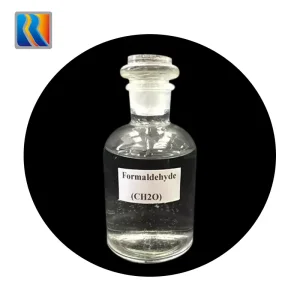
Formaldehyde and PFA are critical components in synthesizing urea-formaldehyde (UF), melamine-formaldehyde (MF), and phenolic (PF) resins. These materials provide high bonding strength and moisture resistance in engineered wood composites.
High-purity PFA is used as a C1 synth building block for manufacturing crop-protection agents, herbicides, and nitrogen stabilizers, requiring low heavy-metal contents and minimal iron residues.
Runtai's melamine and urea moulding compounds (MMC & UMC) are used to manufacture heat-resistant tableware, electrical housings, and structural components that meet international mechanical safety standards.
Innovation at Shandong Runtai New Materials is driven by research partnerships with academic institutions, including the Changzhou Research Institute of Beijing University of Chemical Technology. Our R&D team works to develop eco-friendly adhesives and low-emission formaldehyde alternatives.
Our environmental management systems focus on sustainable chemical manufacturing. We operate low-emission facilities that recycle process thermal energy and minimize environmental impact, aligned with ISO 14001 guidelines and local environmental regulations.

 Runtai