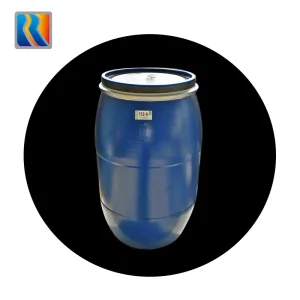
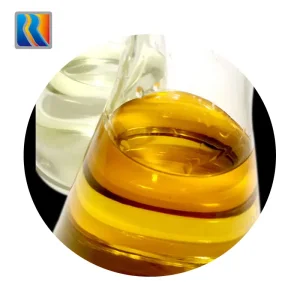
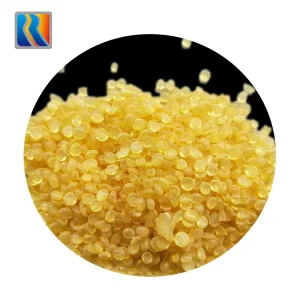
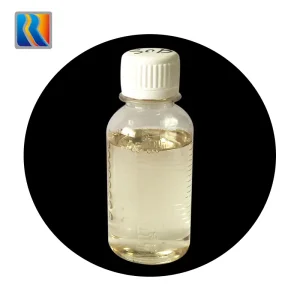
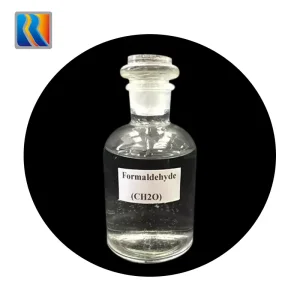
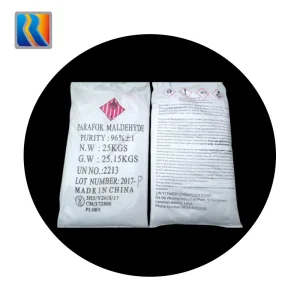
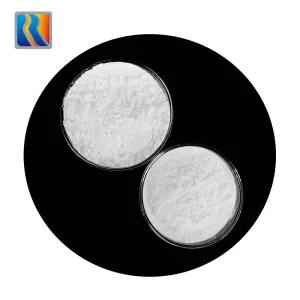
Paraformaldehyde (PFA), scientifically classified as a polymerized form of formaldehyde ($HO(CH_2O)_nH$), represents a crucial solid precursor used extensively in cell histology, pathology, and macromolecular resin synthesis. Unlike standard liquid formalin, which contains methanol as an inhibiting stabilizer to prevent polymerization, crystalline paraformaldehyde fixatives offer a clean chemistry environment. Methanol is widely known in immuno-pathology to denature proteins and interfere with cellular target visualization; hence, preparing formaldehyde fresh from high-purity crystalline PFA guarantees standard preservation with minimal antigenic masking.
In industrial domains, the depolymerization rate of Paraformaldehyde is highly dependent on pH control and thermal activation. Under controlled basic or acidic conditions, PFA depolymerizes back into active formaldehyde monomers. This dynamic process makes it the chemical agent of choice for synthesizing adhesives, molding powders, and cross-linked thermosetting resins. As a top-tier manufacturer, Shandong Runtai New Materials Co., Ltd. addresses the critical requirements of global industries by engineering high-quality crystalline solids with a tight range of polymerization degrees, optimizing dissolve rates and reaction yields.
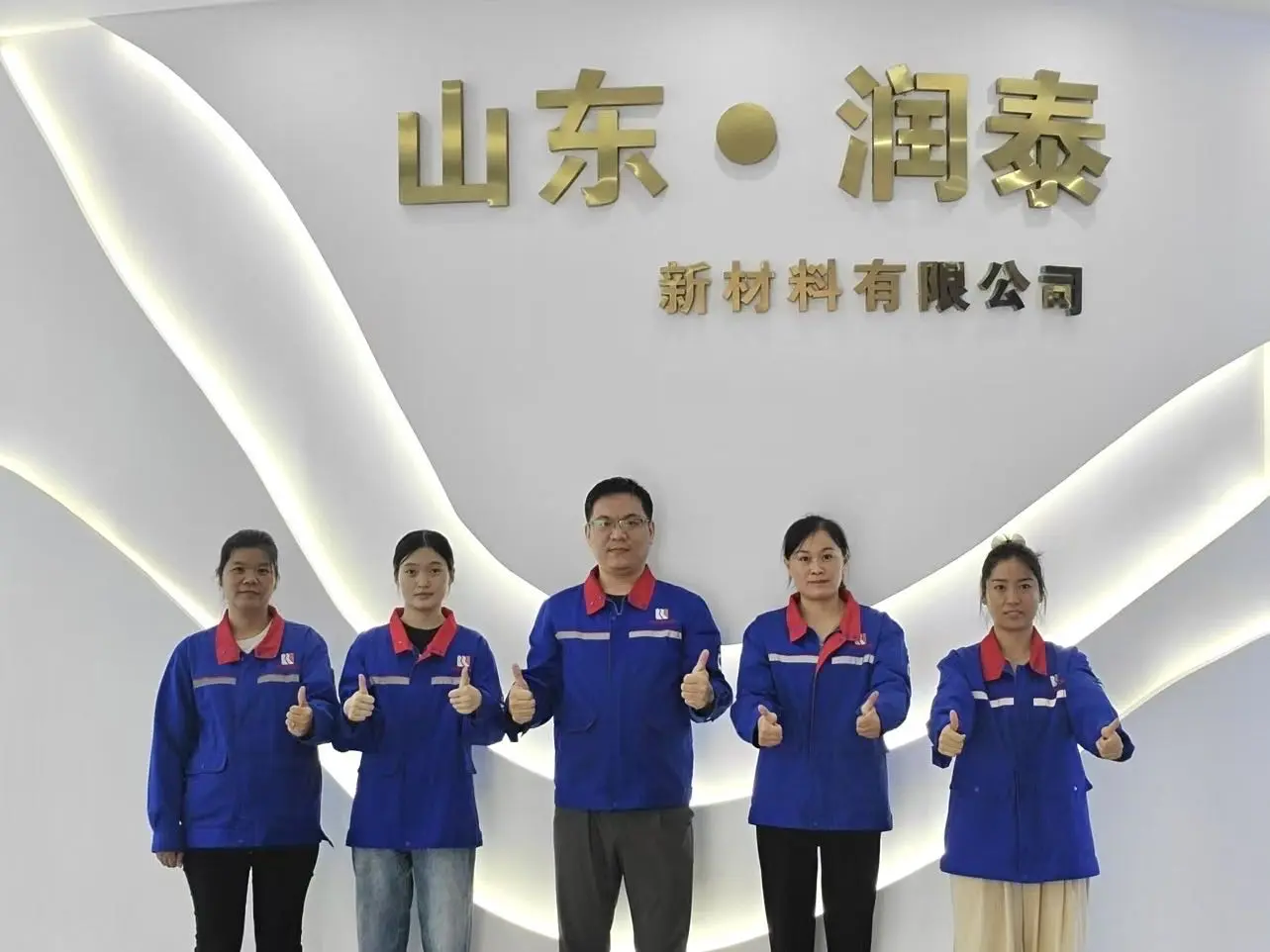
Founded in March 2020, Shandong Runtai New Materials Co., Ltd. is a comprehensive group firm that specializes in fine chemical products. Our primary products include formaldehyde, polyformaldehyde (paraformaldehyde), urea formaldehyde resin, melamine powder, and melamine glazing powder. The corporation has branches in five different cities throughout the whole country, with its headquarters located in Zaozhuang City, Shandong Province. Runtai New Materials covers an area of 270,000 square meters with a total investment of 2.06 billion yuan.
Shandong Runtai New Materials Co., Ltd. prioritizes sustainable development and environmental preservation. Our commitment lies in developing and producing eco-friendly products that minimize their negative effects on the environment while adhering to pertinent laws, regulations, and standards. The "quality first, customer first" attitude has always guided our business, and we embrace customer service with honesty and professionalism. Friends from both domestic and foreign locations are warmly invited to visit Runtai New Materials. We look forward to collaborating with you to build a better future together!
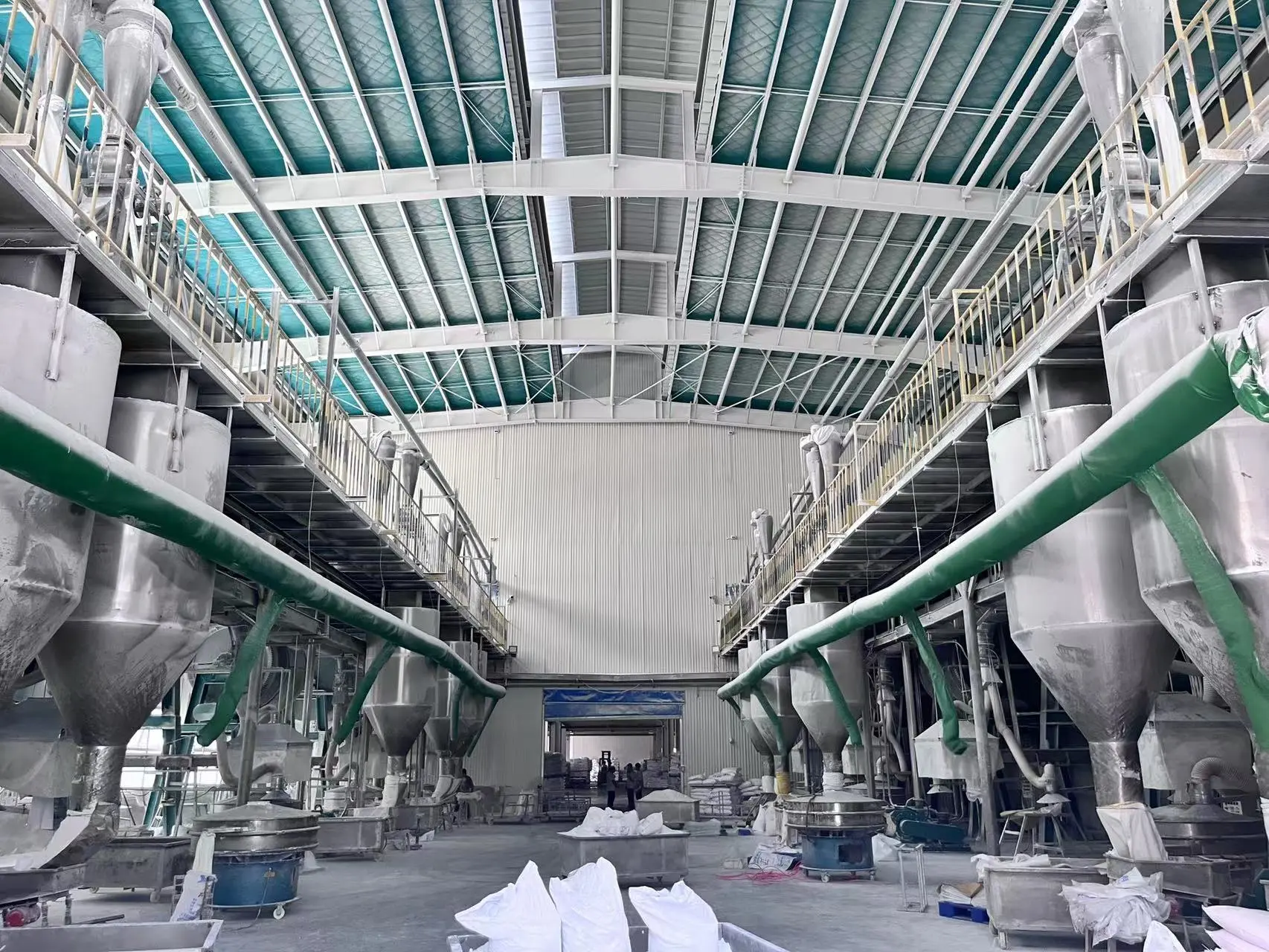
Runtai New Materials has grown to be one of China's top producers of melamine and formaldehyde due to our recent improvements in production lines growth. As of currently, our annual output figures represent our market leading footprint:
We have reached about 80% market share in China. At the same time, we are actively developing overseas business, our products have been exported to the United States, Thailand, Kenya, Egypt and other countries and have been widely praised by overseas customers.
After the completion of the melamine project, Runtai New material Co., LTD has become a comprehensive enterprise in the forefront of China's research, production, sales and application of new chemical materials with formaldehyde as raw materials. Melamine materials are projected to have a leading market share nationwide.
Apply the guiding principles of "automatic control, safe and reliable, stable operation, energy saving and consumption reduction, comprehensive utilization of resources" when choosing production technology solutions. Select the more advanced distributed control system (DCS) available currently, which allows us to control the process parameters across the entire production line, ensuring high levels of product quality and equipment safety while lowering raw material consumption.
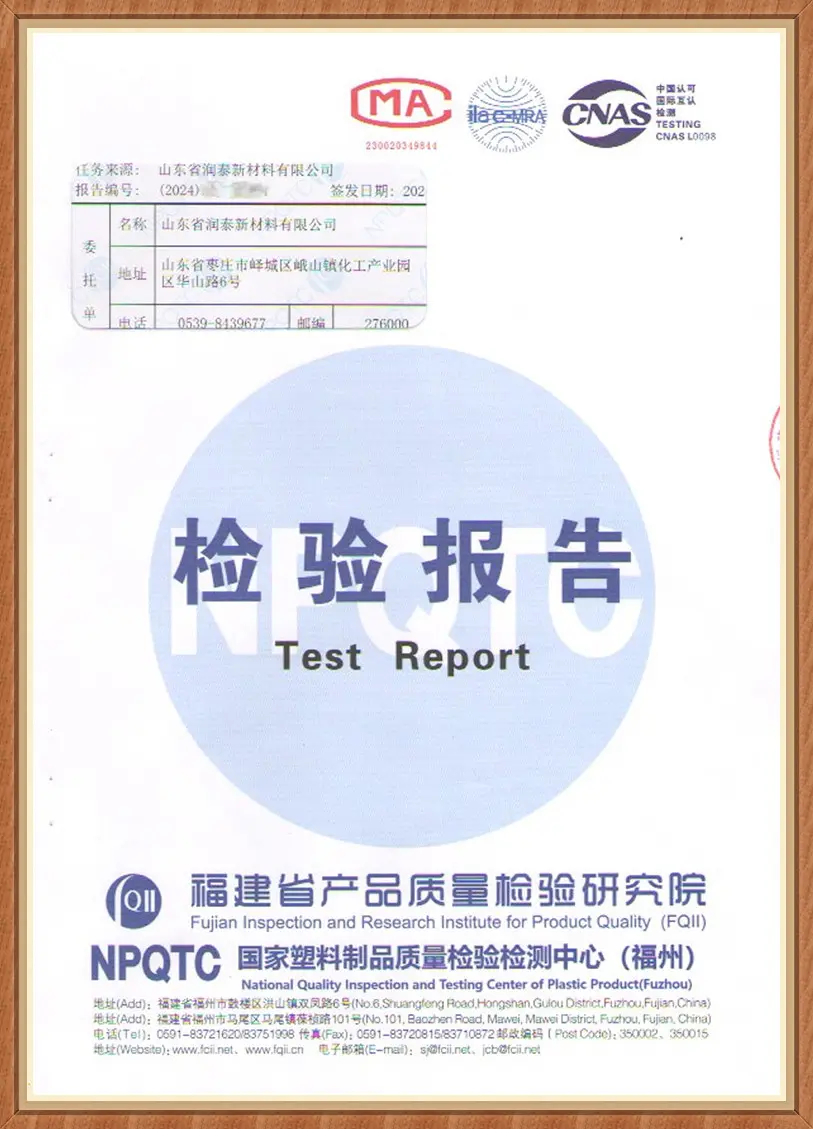
To maximize the requirements of product quality, we employ the current cutting-edge, dependable, and established equipment both domestically and internationally when choosing production and testing devices. Simultaneously, we aim to increase the level of automation in the production process, decrease labor intensity, boost labor productivity, conserve energy, and lower testing and production costs.
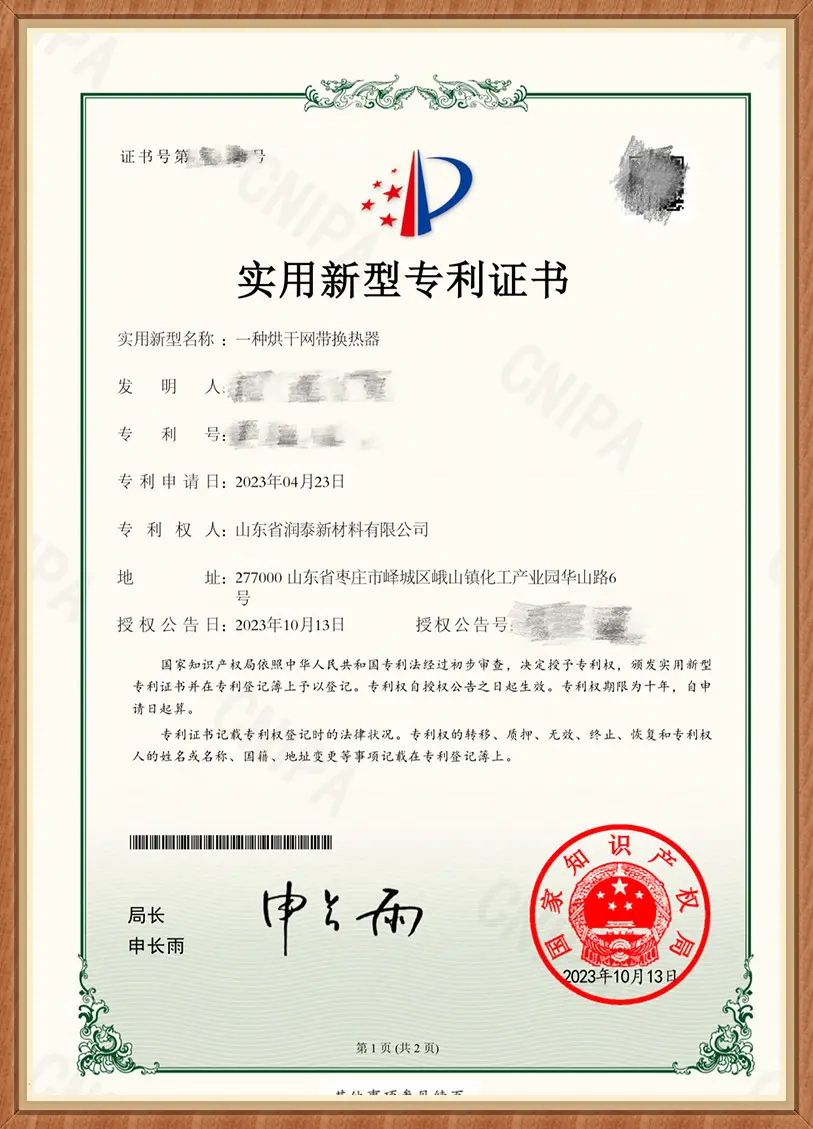
With the Changzhou Research Institute of Beijing University of Chemical Technology and other scientific research institutions, Runtai New material Co., LTD has long engaged in the integration of production, learning, and research. The company also has a cutting-edge doctoral research and development team in the industry and a number of patented technologies.
The new chemical materials industry with formaldehyde as raw materials has great potential for extension, and there are many types of derivative products, which can be widely used in adhesives, coatings, resin plastics, dyes, medical basic raw materials, and electronic, electrical, machinery, daily utensils materials replacement and upgrading fields.
Navigating the procurement of dry chemical powders like Paraformaldehyde requires rigorous attention to quality metrics and international logistical standards. Industrial buyers prioritize specific performance characteristics, such as consistent particle size, low heavy-metal trace levels, and stable moisture parameters. By delivering consistent crystalline solids directly from Zaozhuang City, Shandong, Runtai guarantees streamlined handling and minimal risk of premature polymer degradation.
Whether the end goal is high-strength wood packaging film adhesives, ammonium salt dispersants for paint leveling, or medical-grade laboratory fixatives, the consistency of input formaldehyde is non-negotiable. To optimize procurement efficiency, our systems integrate real-time quality control checks from reactor synthesis down to packaging moisture-barrier lines.
The manufacturing process of Paraformaldehyde is highly sensitive to concentration dynamics. Our current technological roadmap employs the vacuum concentration method. Freshly synthesized methanol-derived formaldehyde is passed through multiple evaporator steps, carefully monitoring temperatures to prevent uncontrolled polymerization. The process control metrics are managed via our state-of-the-art DCS interface:
Methanol vapor is mixed with air and reacted over metal oxide or silver catalysts to generate gaseous formaldehyde. This is absorbed into water to form a 37%-50% liquid solution, which is then concentrated under precise vacuum controls to reduce free water levels.
The addition of micro-alkaline additives initiates polymerization under precise cooling. The molecular weight distribution is strictly regulated to achieve the target solubility parameters required for industrial resin manufacturing.
The polymer gel is dehydrated in a vacuum environment and subsequently milled into crystalline powder form. Runtai's packaging lines lock out moisture to prevent re-polymerization to higher insoluble molecular weights.

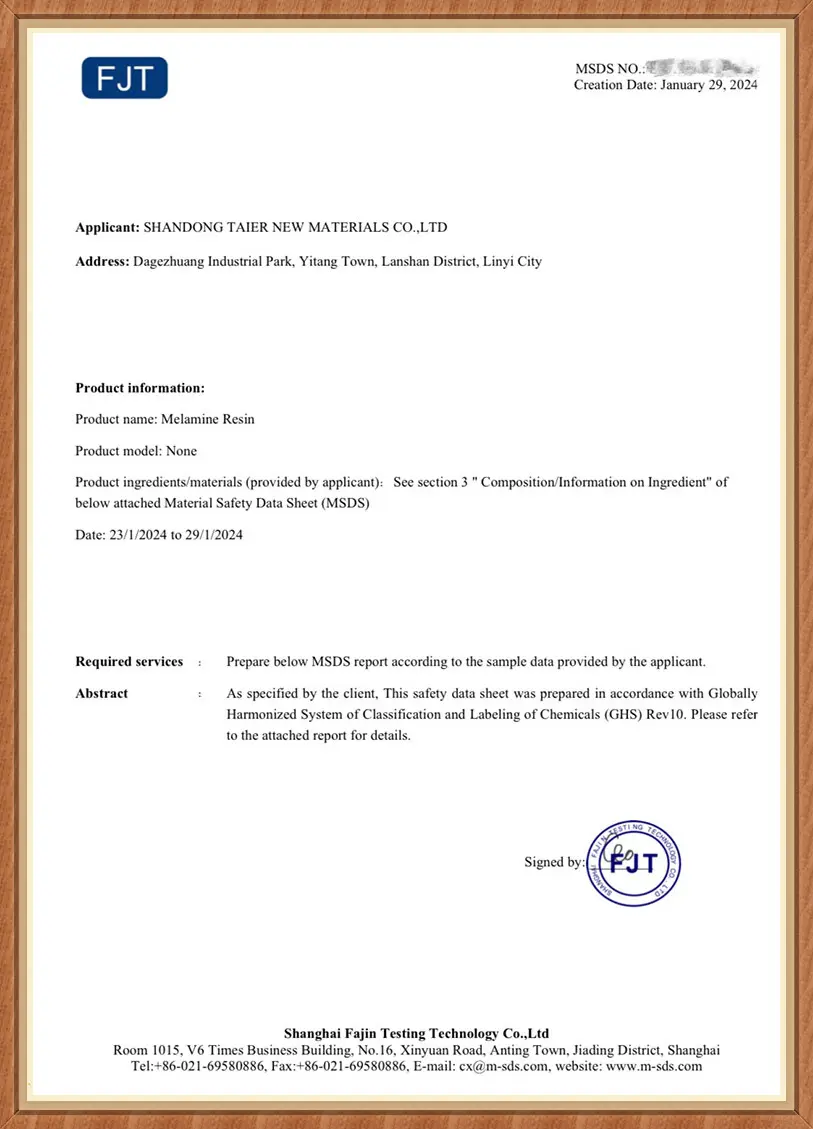
Shandong Runtai New Materials operates under a deep commitment to environmental stewardship. Recognizing the potential hazards associated with formaldehyde vapor release during polymerization and transport, our company utilizes cutting-edge thermal oxidizers to minimize chemical vapors before release. Our manufacturing plants operate under complete local and national environmental permits, ensuring high safety scores across our domestic branch operations.
Strict implementation of ISO 14001 Environmental and ISO 45001 Occupational Health & Safety standards across all factory zones.
Real-time pressure release systems and automated feed-cutoff systems prevent process runaway conditions during highly exothermic polymerization cycles.
Assisting international buyers with compliance paperwork for registration in the United States, European Union, and Southeast Asian chemical registries.
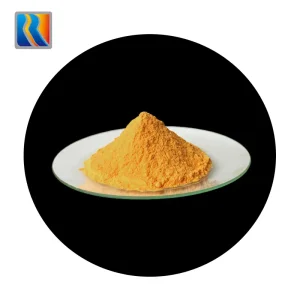
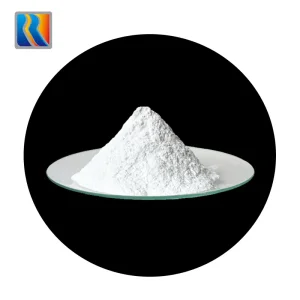
Runtai specializes in manufacturing high-purity Paraformaldehyde, typically ranging from 92% to 96% content by weight. For specific industrial and chemical applications requiring custom active formaldehyde concentrations, customized grades are available upon inquiry.
To prepare a standard 4% buffered formaldehyde solution from PFA, the powder is dissolved in phosphate-buffered saline (PBS) under gentle heating (typically around 55°C - 60°C) with the addition of a small amount of basic catalyst (such as NaOH drops) to facilitate rapid depolymerization. The solution is then neutralized with dilute acid to physiological pH.
PFA is a solid, dry polymer that is much cheaper to transport and has fewer shipping hazards than liquid formalin, which contains heavy volumes of water and volatile methanol. PFA allows laboratories to formulate fresh, methanol-free formaldehyde, preventing non-specific tissue protein alterations during histological fixing.
Paraformaldehyde should be stored in a cool, dry, and well-ventilated warehouse, kept far away from fire, heat sources, and oxidizers. Given its potential to slowly depolymerize at elevated temperatures, maintaining ambient storage conditions below 30°C inside sealed moisture-barrier bags is crucial to preserve solubility characteristics.
Yes. With our doctoral R&D team and our university integration programs (including the Changzhou Research Institute of Beijing University of Chemical Technology), we formulate customized resins, adhesives, and thickener combinations that directly align with our customers' custom machinery specifications and viscosity requirements.
 Runtai