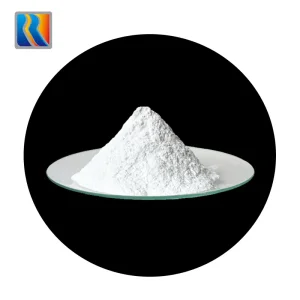
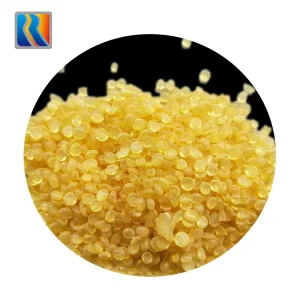
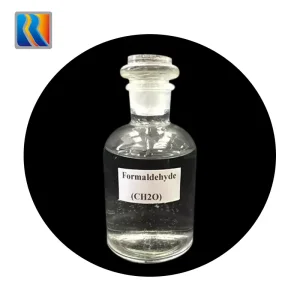
Formaldehyde ($CH_2O$, gas form, or formalin in aqueous liquid) serves as the primary foundational carbon block for advanced synthetic polymers and thermosetting resins globally. Although organically generated in minute traces across ecosystems, industrial manufacturing has historically struggled with volatile organic emissions (VOCs) and toxic residues. At Shandong Runtai New Materials Co., Ltd., we are rewriting the paradigms of industrial synthesis by introducing ultra-low emission systems, eco-stabilized resin variants, and precision processing techniques.
Our collaborative developments with the Changzhou Research Institute of Beijing University of Chemical Technology have allowed our research teams to engineer resin catalysts that eliminate unstable free-formaldehyde emissions. This breakthrough provides manufacturers with raw compounds that combine high structural integrity with absolute biological and environmental safety.
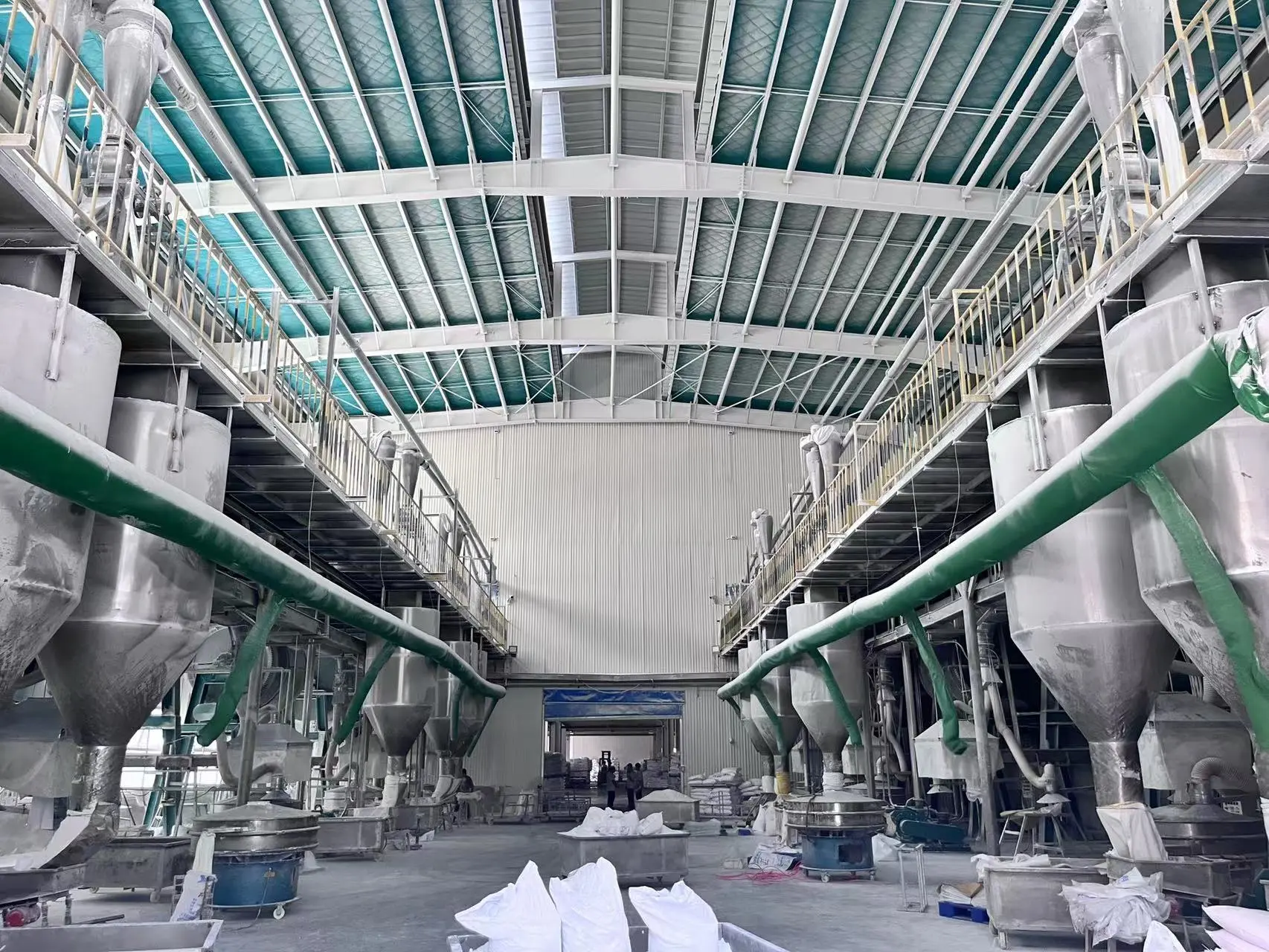
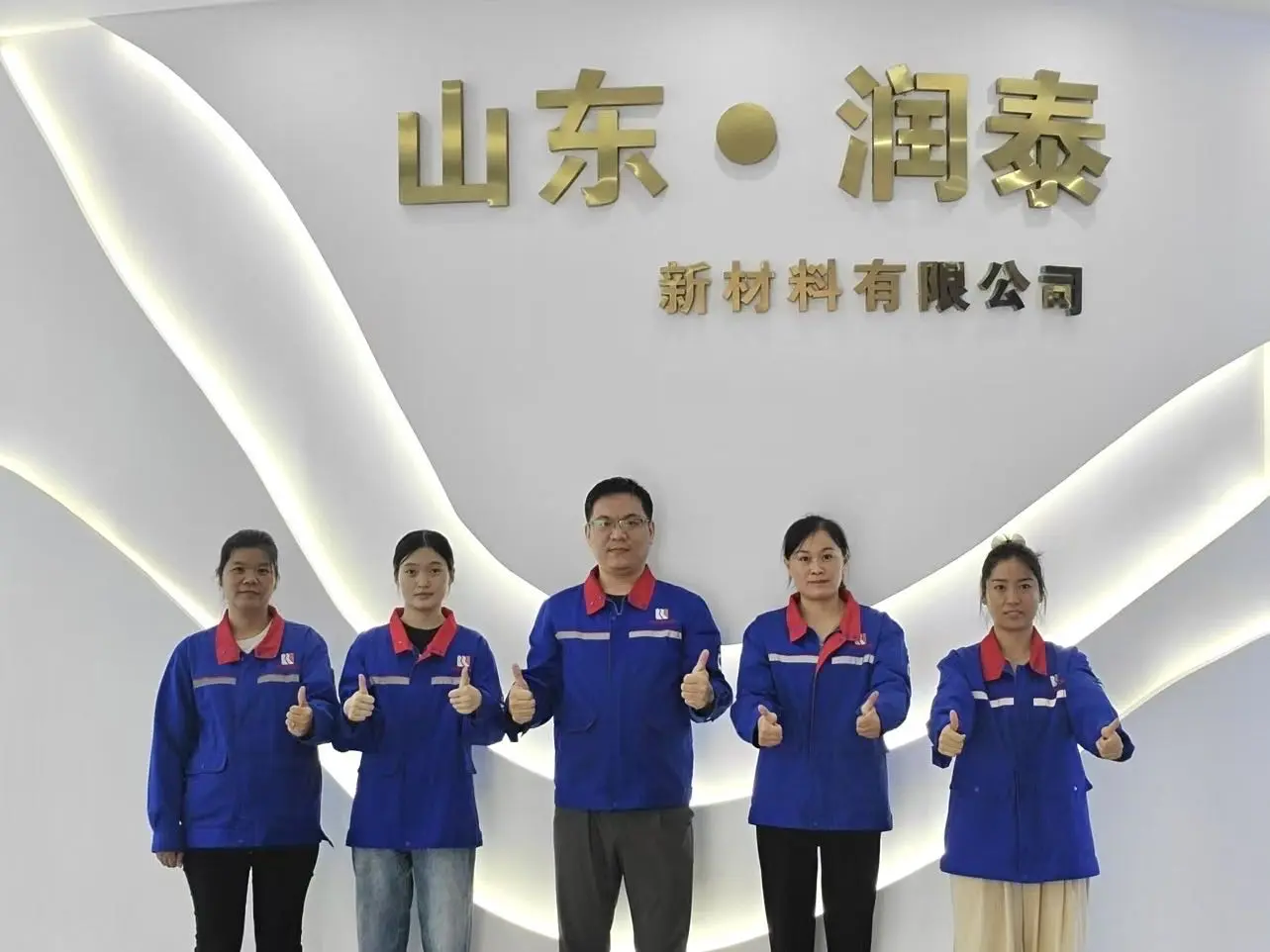
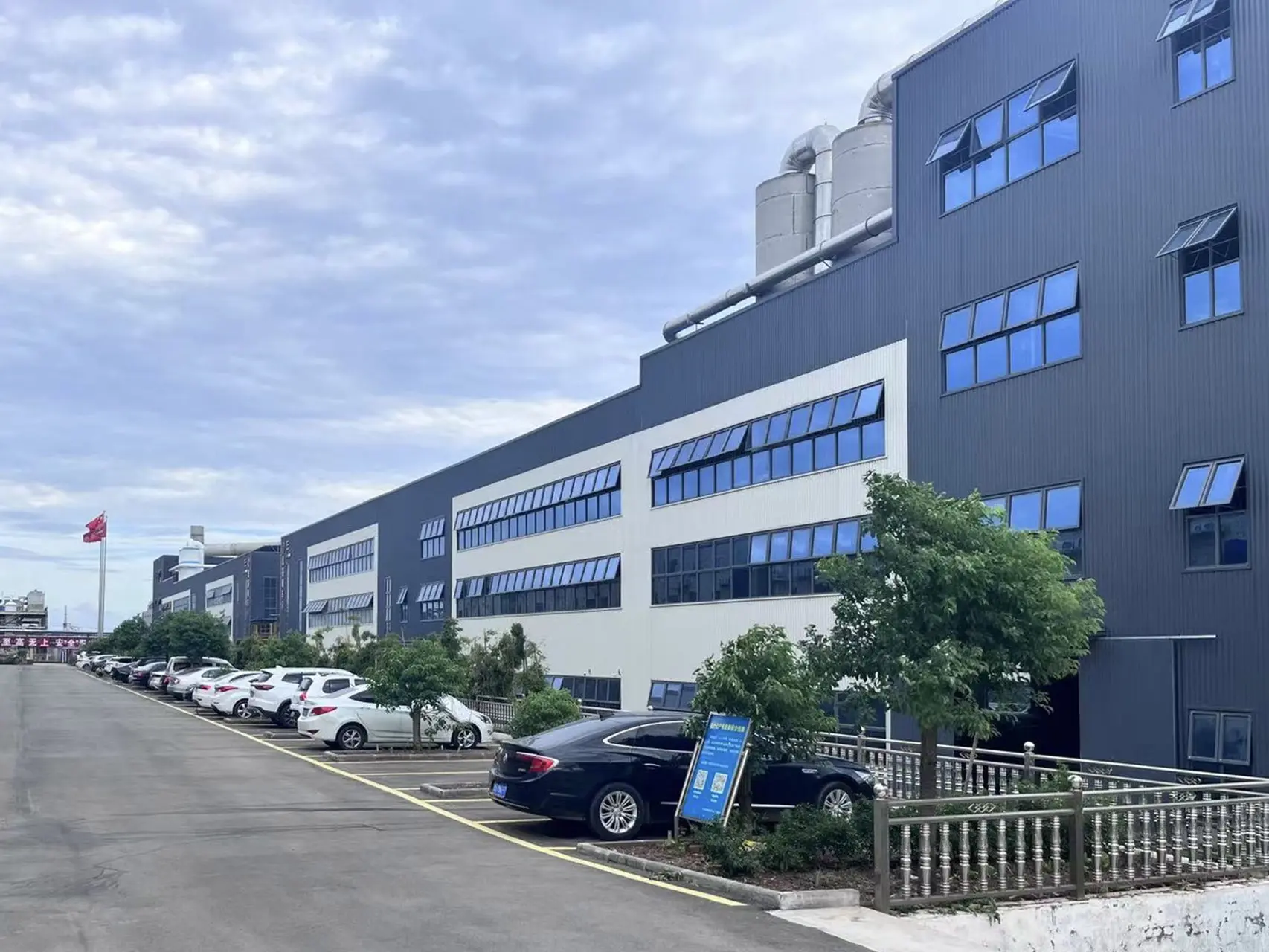
Founded in March 2020, Shandong Runtai New Materials Co., Ltd. stands as a premier comprehensive group firm specializing in fine chemical research, synthetic materials, and advanced industrial solutions. Strategically headquartered in Zaozhuang City, Shandong Province, the corporation spans an extensive footprint of 270,000 square meters with a total initial capital investment of 2.06 billion yuan (RMB).
To support localized industrial demands across China and streamline global logistics, we have established dedicated operating branches in five major cities. Our integrated chemical complex enables us to manage a cohesive downstream and upstream industrial chain—taking basic formaldehyde gas through catalyzed synthesis directly into high-value resin polymers and specialized industrial additives.
Our global reaches are backed by dedicated logistics channels, exporting to markets including the United States, Thailand, Kenya, Egypt, and other demanding regions, where our chemical systems are highly praised for batch-to-batch consistency and technical reliability.
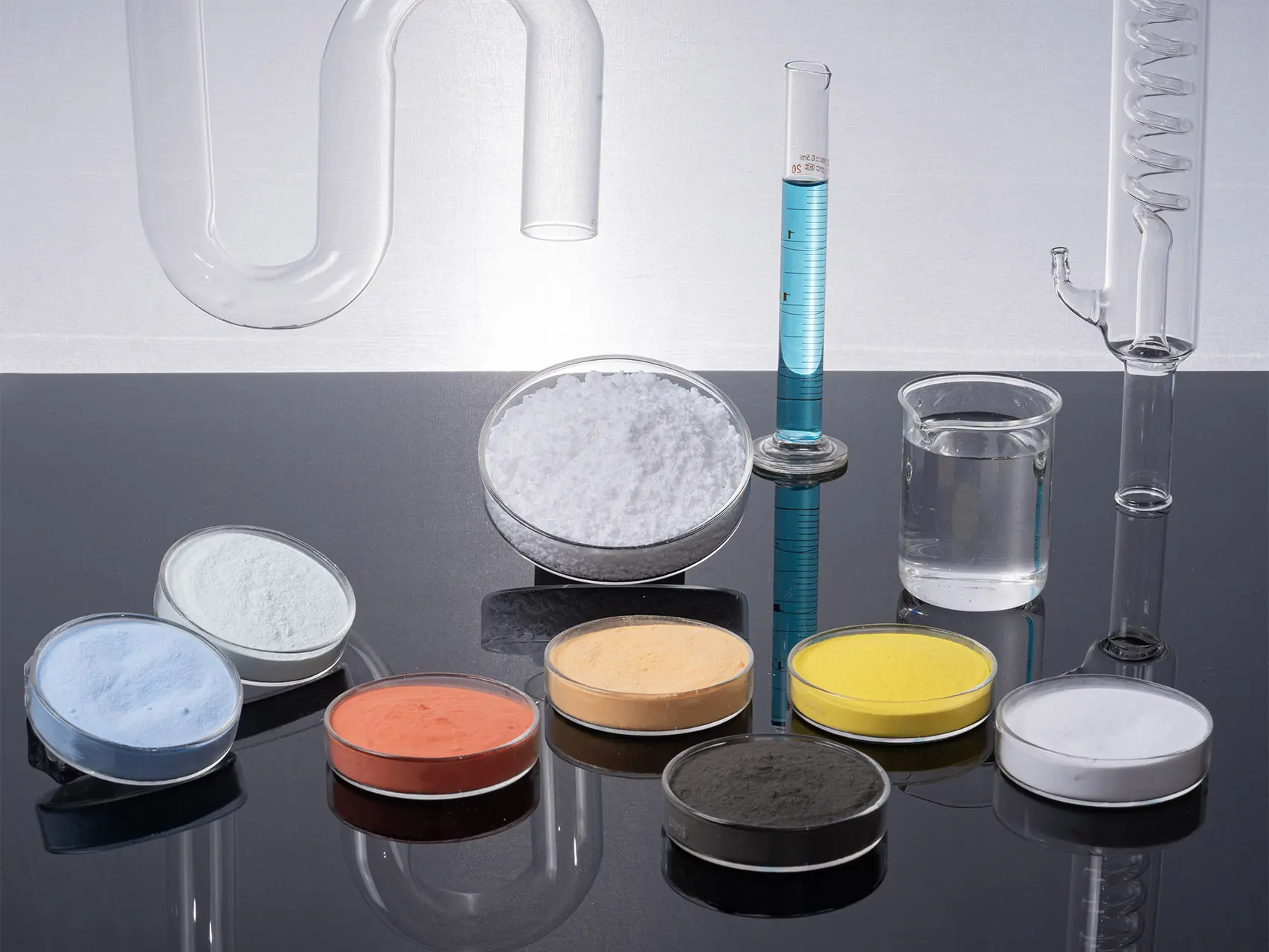
We supply high-efficiency urea-formaldehyde (UF) and melamine-formaldehyde (MF) resins optimized for density boards, particleboard, and plywood. Engineered to comply with CARB Phase II and European E1/E0 emission classifications to minimize residual off-gassing.
Our Melamine Moulding Compounds (MMC) and Urea Moulding Compounds (UMC) feature excellent mechanical durability, surface hardness, electrical resistance, and flame-retardant properties, making them ideal for modern electrical components and kitchenware.
From industrial water-based additives to ammonium salt dispersants, we provide chemical enhancers that optimize polymer dispersion, improve viscosity controls, and deliver weather-resistant, zero-cracking finishes.
Runtai New Materials integrates eco-responsibility into every phase of production. We utilize specialized wastewater treatment, closed-loop loop-gas recovery, and automated catalyst control systems to ensure zero hazardous runoff. By complying with ISO 9001 and ISO 14001, we deliver high-reliability chemical solutions that respect the safety of local communities and global end-users alike.
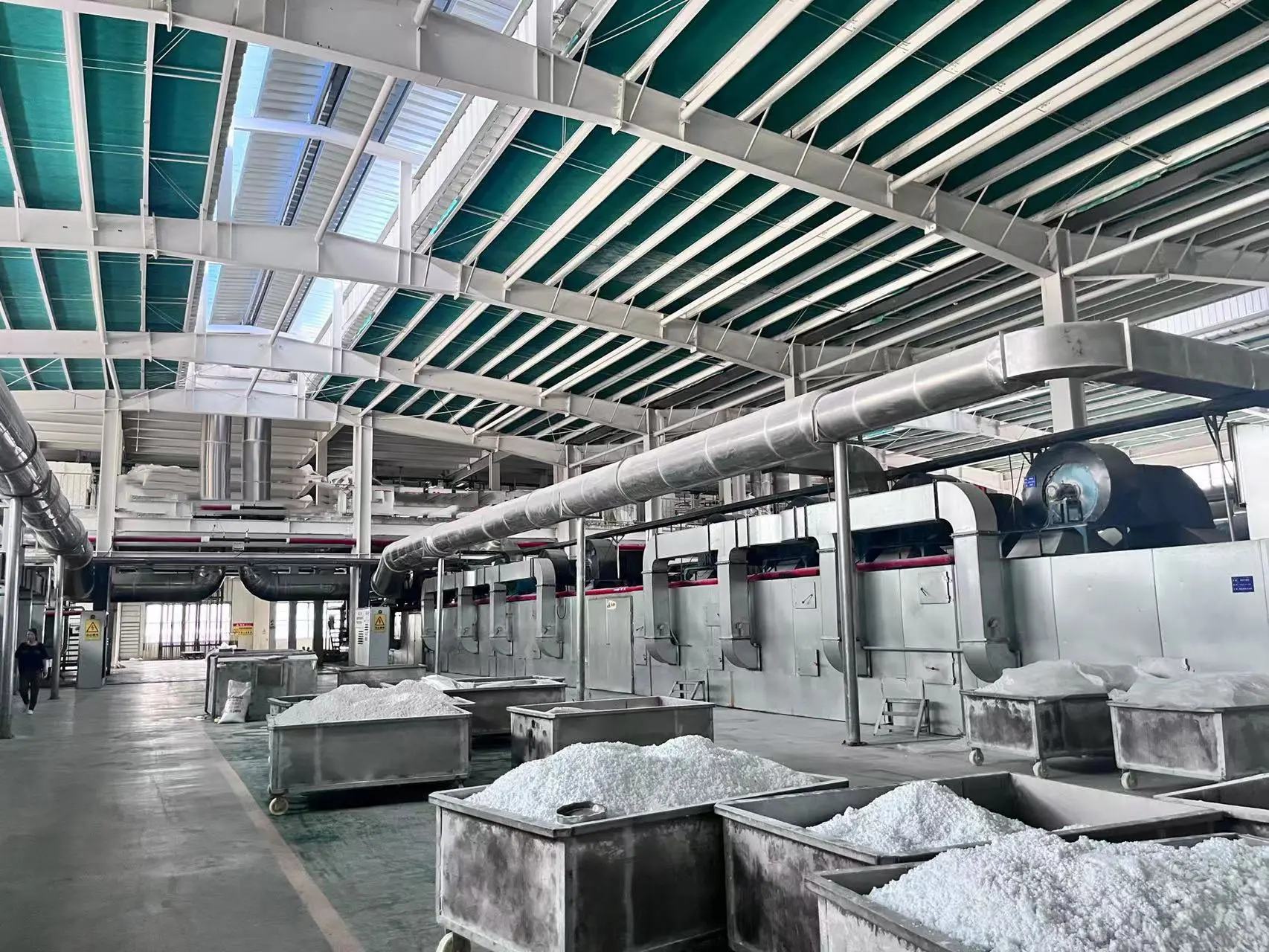
Our production facilities utilize modern Distributed Control Systems (DCS) to closely monitor raw material ratios, reactions, temperatures, and catalyst performance in real time. This automated oversight ensures chemical purity, prevents side-reactions (such as excessive formic acid generation), and reduces overall energy footprint.
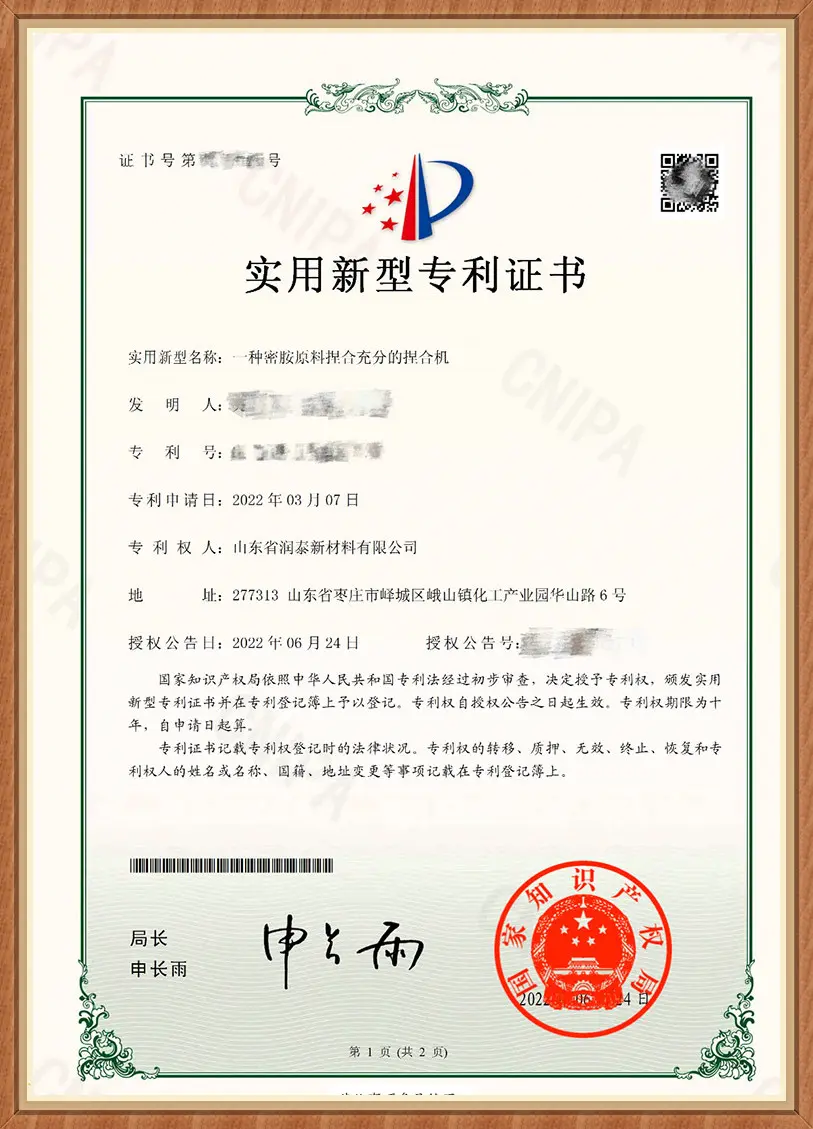
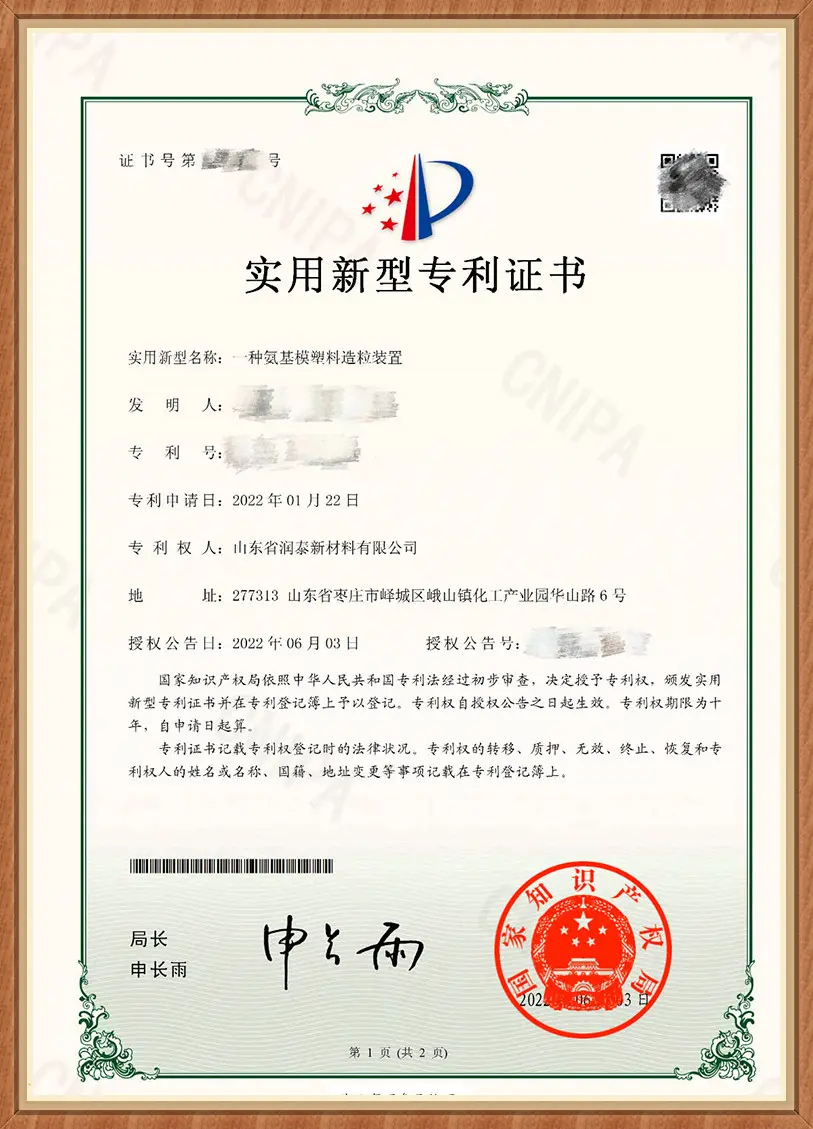
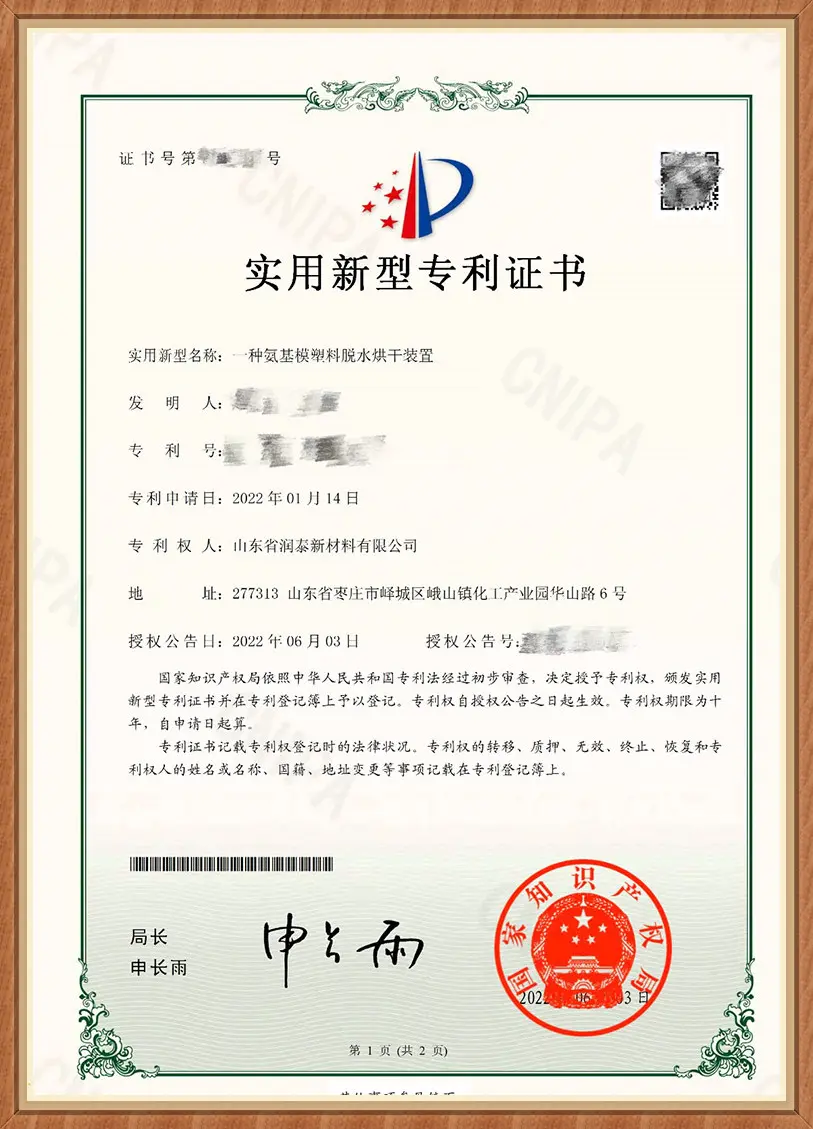
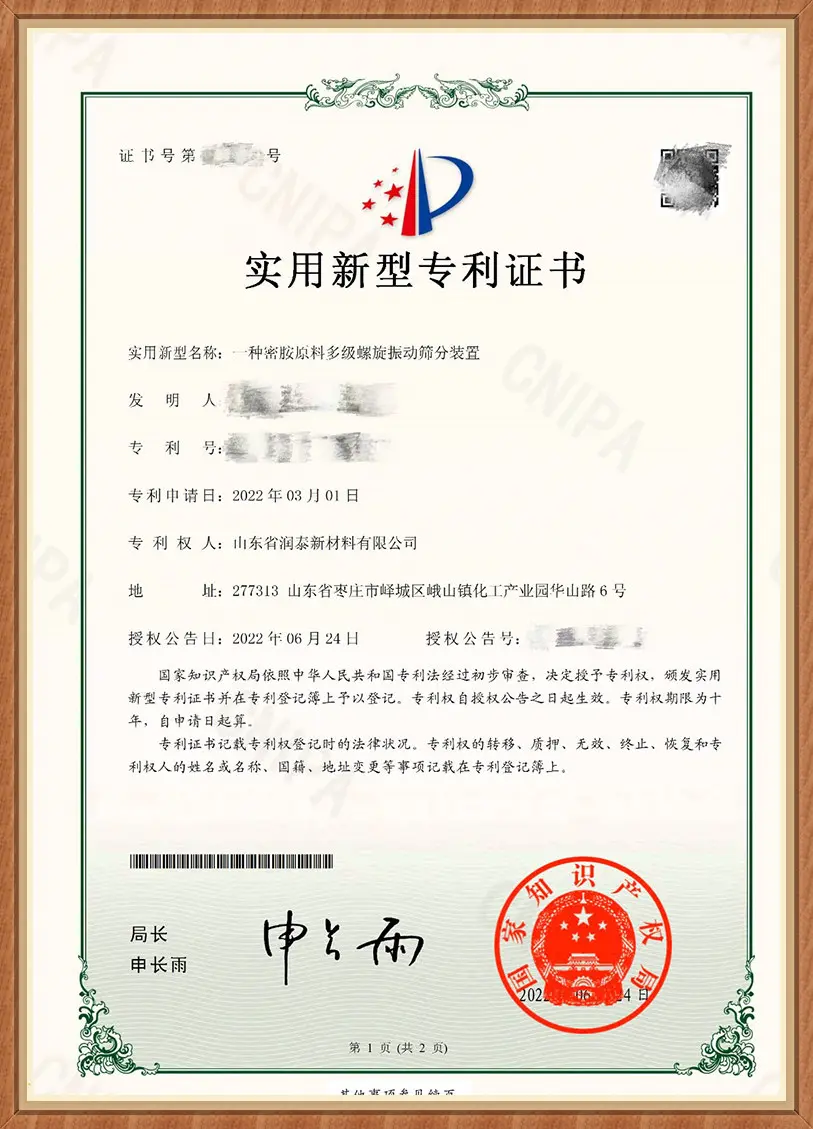
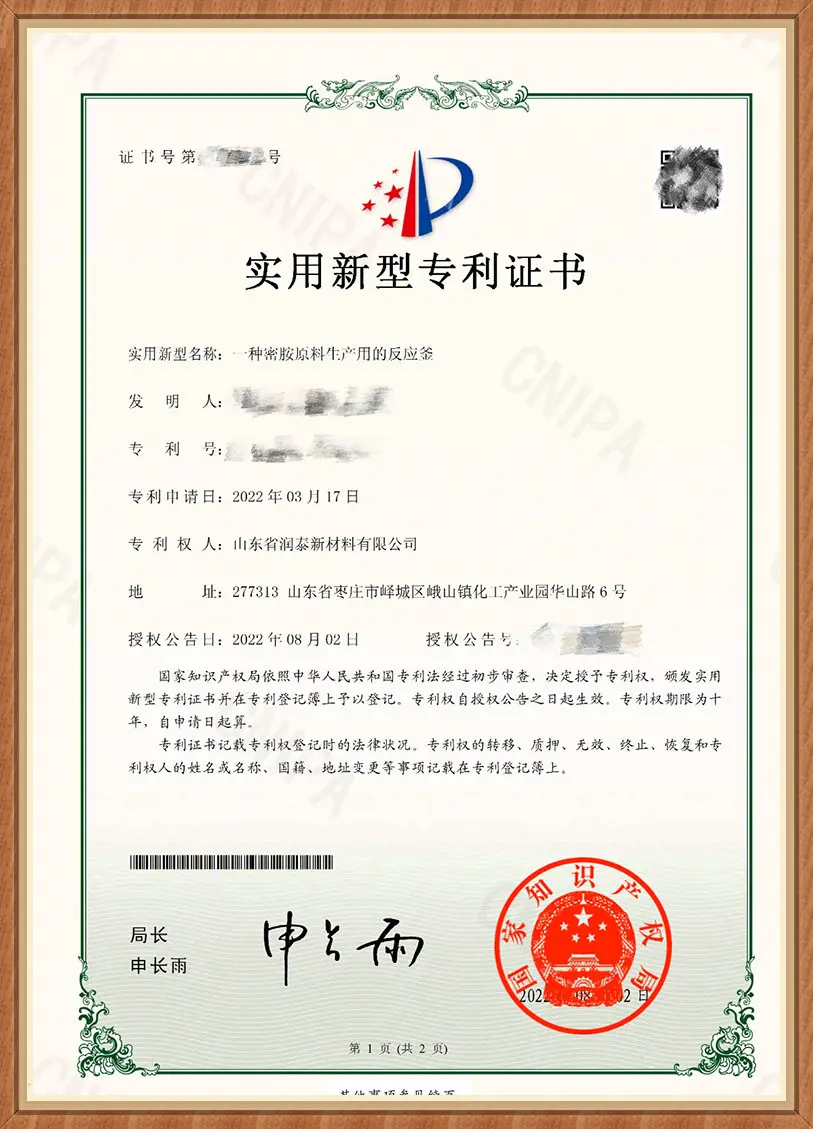
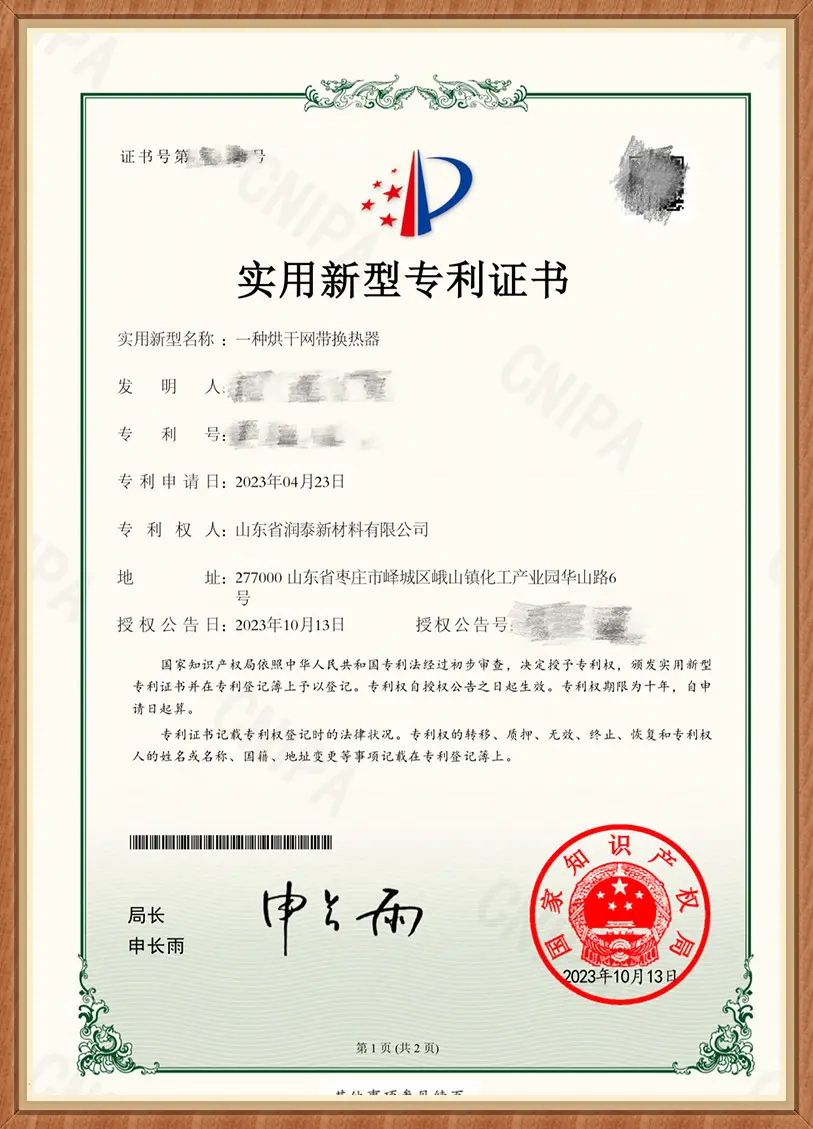
Through our long-term collaboration with the Changzhou Research Institute of Beijing University of Chemical Technology, we maintain a leading R&D team consisting of industry doctoral researchers. We hold several proprietary chemical formulation patents, including technologies for:

Formaldehyde chemistry is highly volatile; therefore, maintaining an integrated production chain is crucial for both economic stability and chemical quality. At Runtai, we feed our internally generated formaldehyde directly into our downstream resin polymerization plants. This approach offers several distinct advantages:
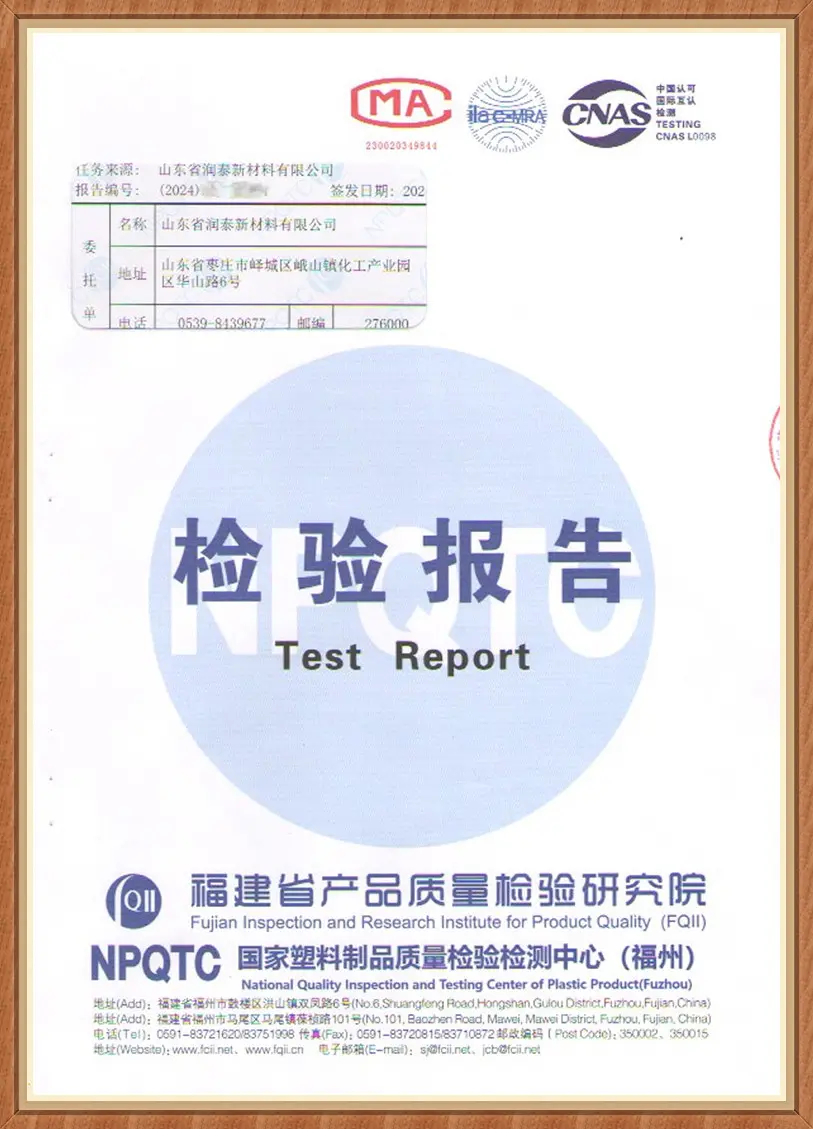
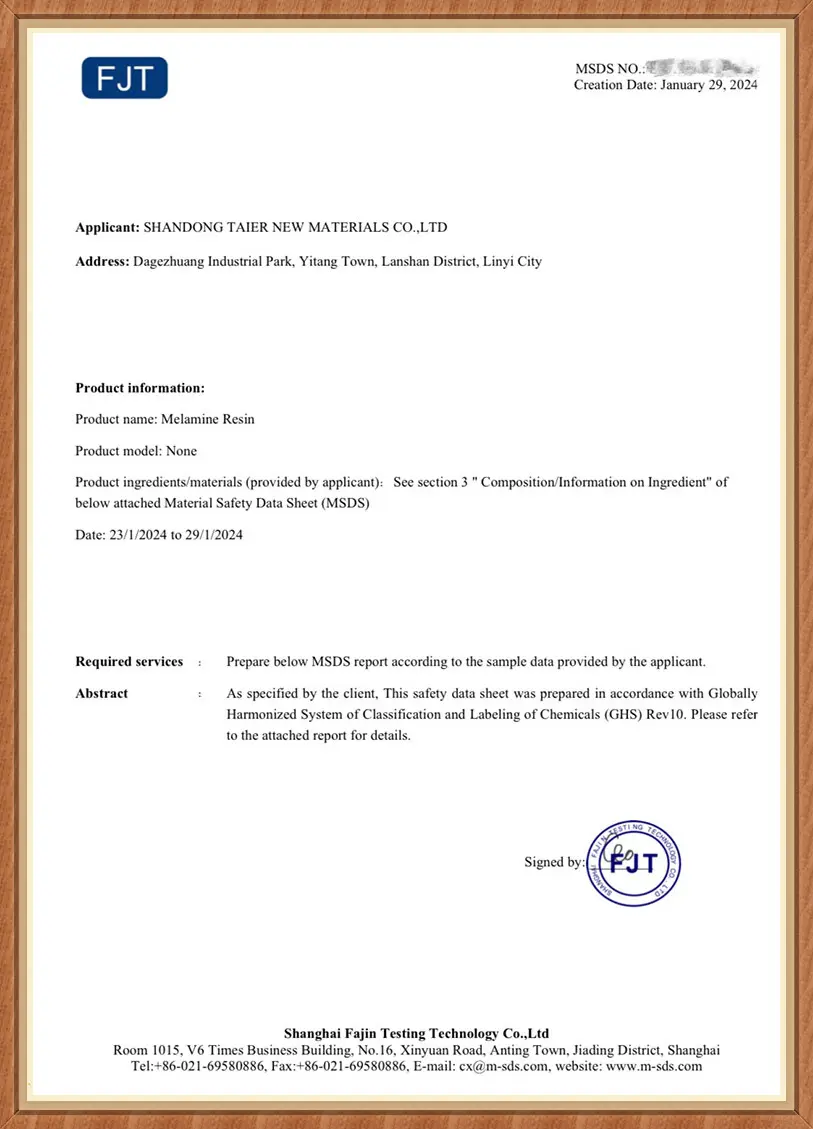
Our quality management systems are fully certified to satisfy international regulatory bodies, facilitating export and trade compliance.
The global fine chemical industry faces a key challenge: decoupling polymer synthesis from fossil-derived feedstocks. To address this, Runtai has established a three-phase technological roadmap focused on sustainability and performance:
We are actively researching the integration of bio-methanol (derived from agricultural residues and municipal waste gasification) into our oxidation systems. Converting bio-methanol into formaldehyde allows us to produce drop-in biological resins with identical chemical properties to conventional materials, but with a significantly lower carbon footprint.
Free formaldehyde off-gassing from urea-formaldehyde adhesives typically occurs due to hydrolytic degradation under warm, humid conditions. Our R&D team is developing smart scavenger additives that bind free formaldehyde molecules directly within the polymer matrix without compromising cure speed or bond strength.
We aim to establish end-of-life recycling protocols for thermosetting polymers. By working alongside national research institutes, we are developing chemical depolymerization techniques designed to break down cured melamine and urea compounds back into clean starting monomers, moving closer to a circular product lifecycle.
While formaldehyde is naturally produced by living organisms, industrial-scale "natural" formaldehyde refers to compounds synthesized from sustainable bio-methanol. These products are processed to ensure that free emissions from downstream applications (like wood-binding adhesives) remain at or below natural background levels, satisfying green building standards.
We utilize Distributed Control Systems (DCS) to monitor and optimize reaction parameters during formaldehyde synthesis. Our production uses advanced catalysts to keep free formaldehyde content in our urea-formaldehyde and melamine resins minimal, comfortably meeting EPA TSCA Title VI and CARB Phase II certifications.
Yes. We supply standard and customized grades of melamine moulding compounds. Our formulations can be tailored in terms of flowability, curing rate, and color matching to align with the specific pressures, temperatures, and cycle times of our customers' machinery.
As an established global supplier, we manage compliance for Class 8 and Class 9 materials (when shipping liquid formalin solutions or solid paraformaldehyde). We handle all international shipping declarations, custom packaging, and SDS requirements, providing seamless distribution to the US, Thailand, Kenya, Egypt, and beyond.
 Runtai