Explore our primary high-purity industrial compounds, syntheses precursors, and performance additives engineered for global distribution.
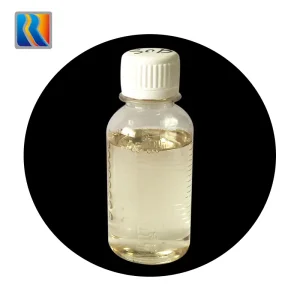
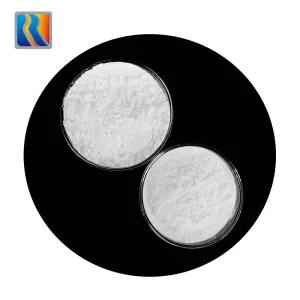
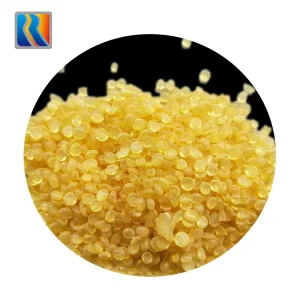
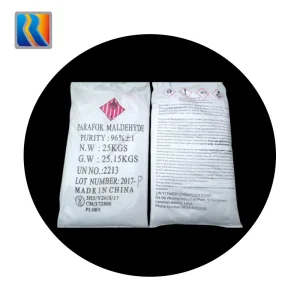
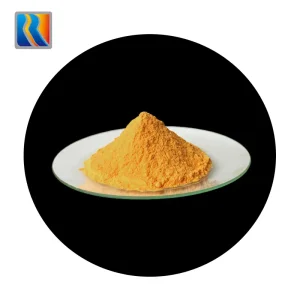
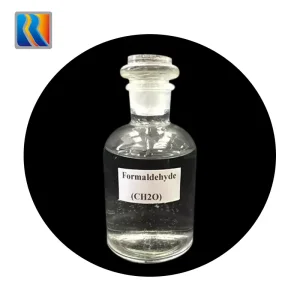
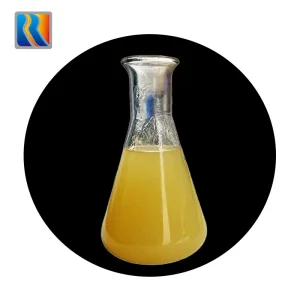
Shandong Runtai New Materials Co., Ltd. leads the development and synthesis of high-performance formaldehyde derivatives and thermosetting resins.
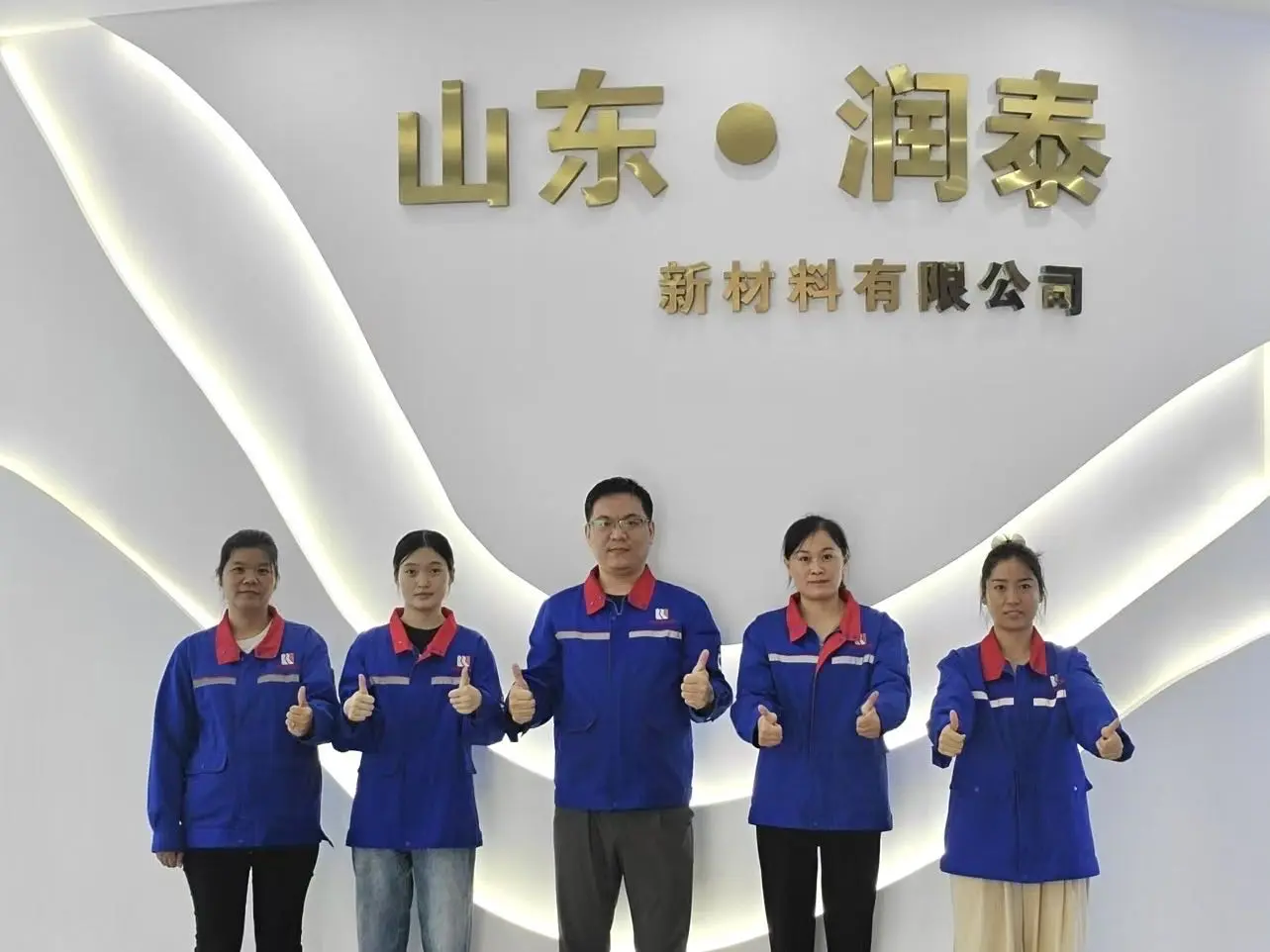
Founded in March 2020, Shandong Runtai New Materials Co., Ltd. is a comprehensive group firm that specializes in fine chemical products. Our primary products include formaldehyde, polyformaldehyde, urea formaldehyde resin, melamine powder, and melamine glazing powder.
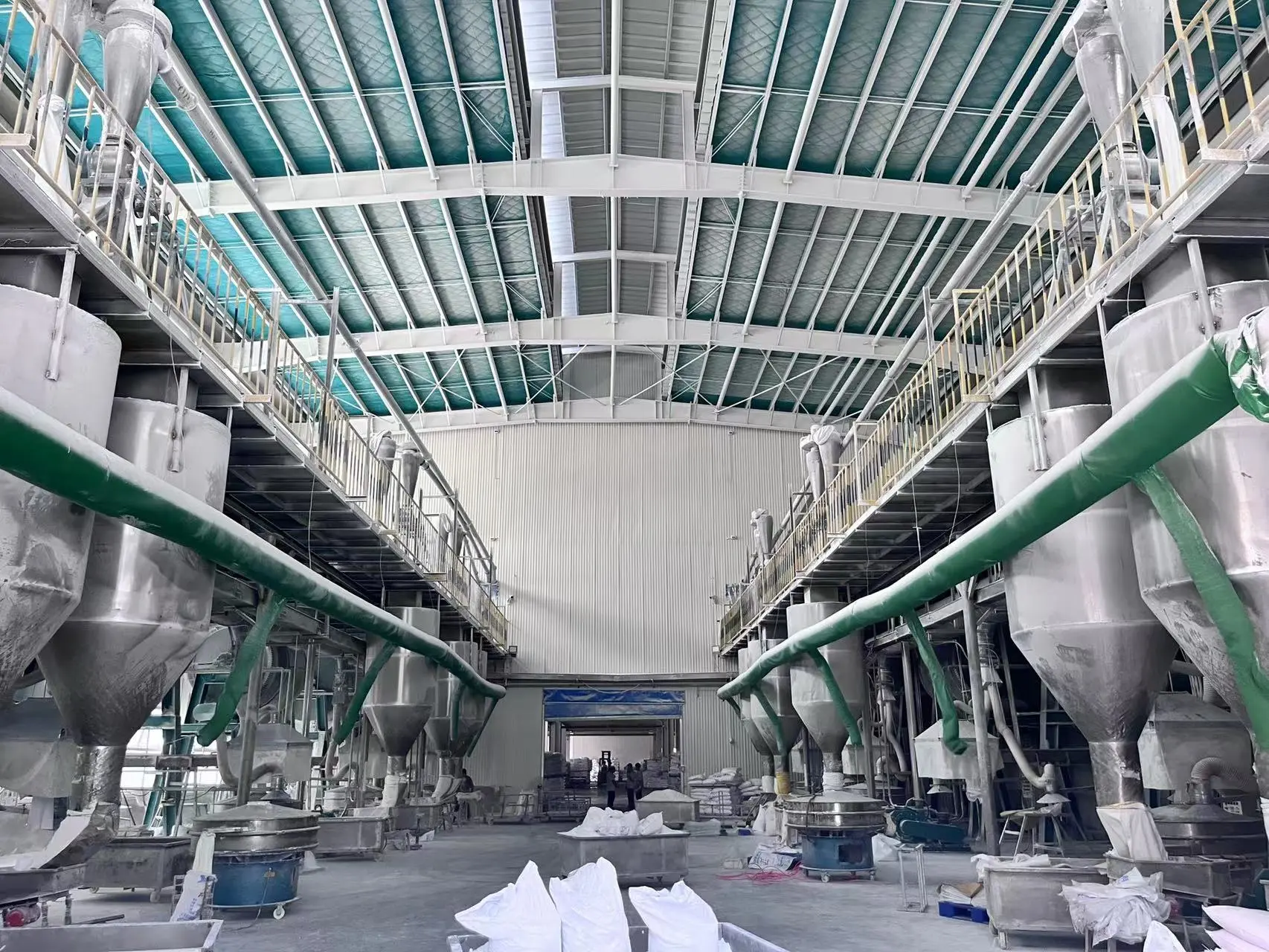
The corporation has branches in five different cities throughout the whole country, with its headquarters located in Zaozhuang City, Shandong Province. Runtai New Materials covers an area of 270,000 square meters with a total investment of 2.06 billion yuan. Through robust horizontal integration and large-scale manufacturing infrastructure, we deliver chemical solutions that conform strictly to demanding global application benchmarks.
"Driving engineering transitions in advanced thermosetting polymers through superior quality control and intensive doctoral research and development."
Analyzing the chemistry, crosslinking dynamics, and structural enhancements of Melamine-Formaldehyde-Phenol (MFP) co-condensates.
Melamine Phenolic Resin is a high-performance, hybrid thermosetting polymer generated through the co-condensation polymerization of melamine, phenol, and formaldehyde (MFP). By introducing the highly stable symmetrical triazine ring structure of melamine into the classic phenolic resin matrix, researchers and chemical engineers dramatically elevate the thermal degradation threshold, flame retardancy, and electrical arc resistance of the base polymer.
The synthesis route involves precise step-growth polymerization. Hydroxymethylation of phenol and melamine with formaldehyde occurs concurrently. Under specialized pH-regulated reaction environments, these active intermediates undergo condensation to form methylene and ether links, building a highly cross-linked three-dimensional network structure.
Standard phenolic resins release toxic smoke under ignition. The melamine modification introduces rich nitrogen content into the polymer backbone. At elevated temperatures, this promotes nitrogen-carbon synergistic charring, yielding a robust, non-combustible carbonaceous barrier layer that meets stringent UL94 V-0 certifications without halogenated additives.
The primary concern for global industrial buyers is free formaldehyde emission during hot-press molding and curing. Runtai's chemical engineers utilize advanced molecular screening and scavenger technologies during synthesis. This guarantees that post-cured MFP materials exhibit negligible VOC and formaldehyde off-gassing, conforming with E0 and CARB Phase II environmental specifications.
Under continuous thermal stress, conventional phenolic networks degrade, losing their mechanical integrity. Melamine phenolic hybrids exhibit Glass Transition Temperatures (Tg) exceeding 220°C. Furthermore, they boost the Comparative Tracking Index (CTI) to over 600V, making them indispensable for high-voltage insulation systems in new energy vehicles.
How Melamine Phenolic Resins solve performance limits across demanding industrial, automotive, and electrical environments.
Modern brake pads, clutch disks, and heavy machinery friction liners demand extreme shear strength and thermal stability. Our Melamine Phenolic Resin serves as an exceptional binder, resisting thermal fading up to 400°C and ensuring stable friction performance under rapid deceleration cycles.
High-voltage electrical switchgear, low-voltage power distribution boxes, and custom copper-clad laminates require materials with zero dielectric breakdown under moist conditions. Melamine-modified phenolic resins provide superior surface insulation, preventing tracking faults.
With ultra-low heat release rates and negligible smoke toxicity index, our composite matrix structures satisfy commercial aircraft cabin fire safety regulations. It is also widely used as a premium carbon binder for high-temperature refractory blocks in metallurgical furnaces.
How automated chemical engineering controls and vertical integration optimize high-capacity thermoset production.
Runtai New Materials integrates state-of-the-art DCS systems across its primary production assets. Our DCS monitors pressure profiles, exothermic temperature curves, reaction speed, and synthesis viscosity. By removing manual operator error, we achieve raw material consumption optimization and absolute batch-to-batch polymer density alignment.
Unlike fragmented compounding businesses, Runtai controls its core raw material supply. Our large-scale integration of formaldehyde (380,000 tons/year) feeding directly into the synthesis of melamine moulding compounds, paraformaldehyde, and phenolic resins provides unmatched cost insulation from external spot-price volatility.
Empowering multinational procurement agents with structured regulatory assurance and robust logistic pipelines.
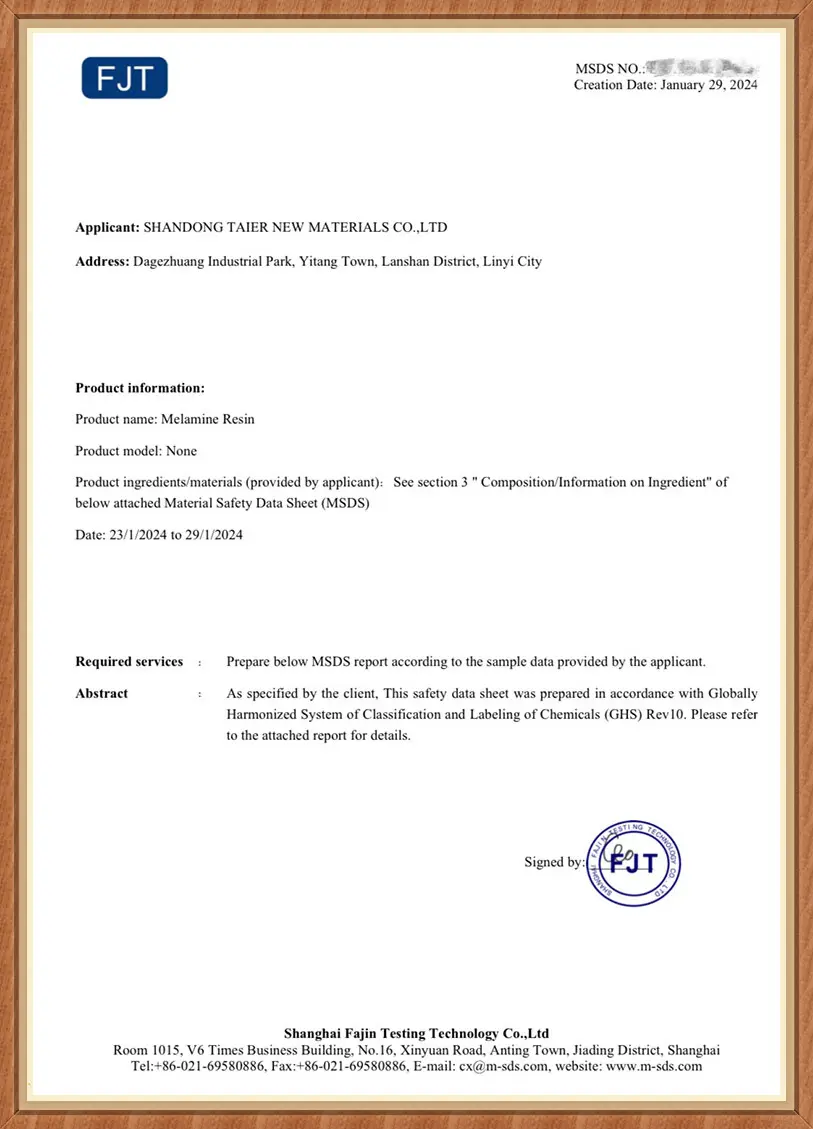
Exporting chemicals globally requires active registration. Shandong Runtai complies with EU REACH regulations, US EPA regulations, and the RoHS directive. Every batch shipped is accompanied by a standardized, multi-lingual GHS safety data sheet (SDS), outlining environmental characteristics, flashpoints, and proper storage protocols.
Our direct access to deep-water shipping lanes and robust rail infrastructure lowers freight costs. By purchasing directly from an integrated chemical group that manufactures formaldehyde, melamine, and phenolic resins on-site, global buyers eliminate broker fees, saving up to 15-20% on landed costs.
We offer bespoke chemical formulations. Whether your production lines utilize compression moulding, injection moulding, or transfer moulding, our doctoral research team can modify parameters including:
Runtai's production parameters, R&D partnerships, and sustainable chemical initiatives.

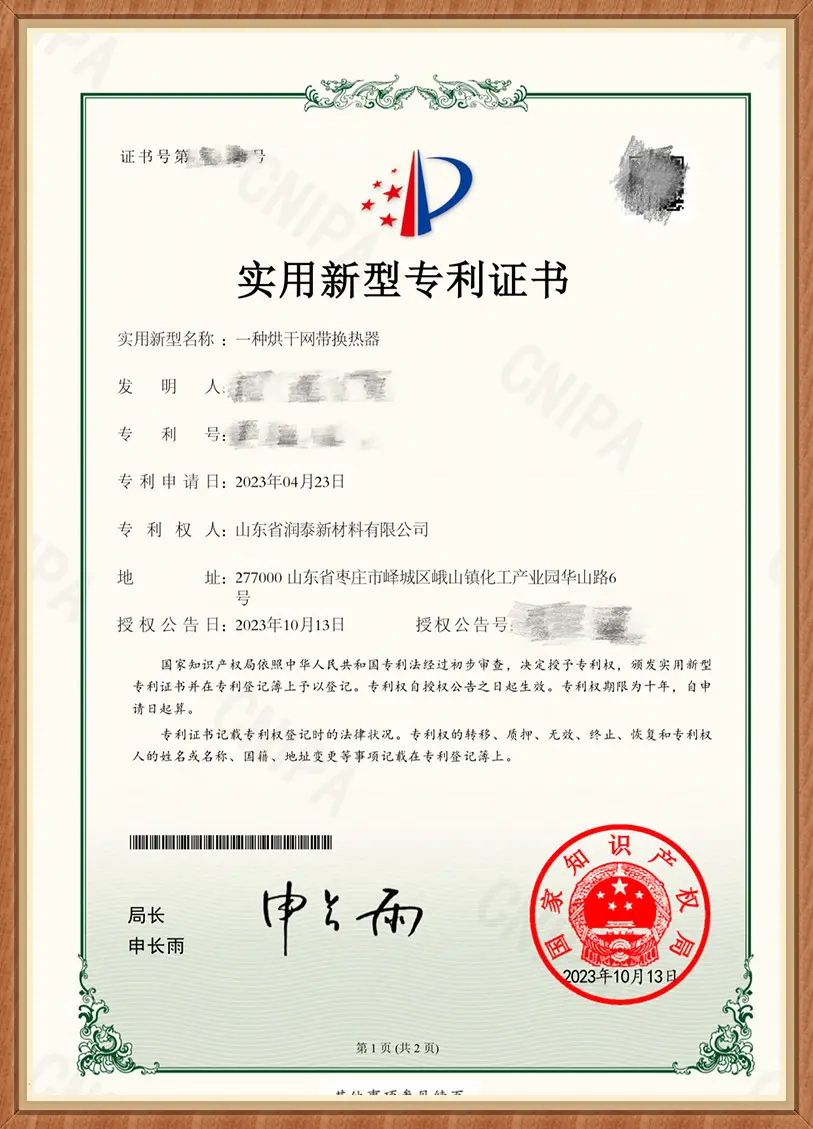
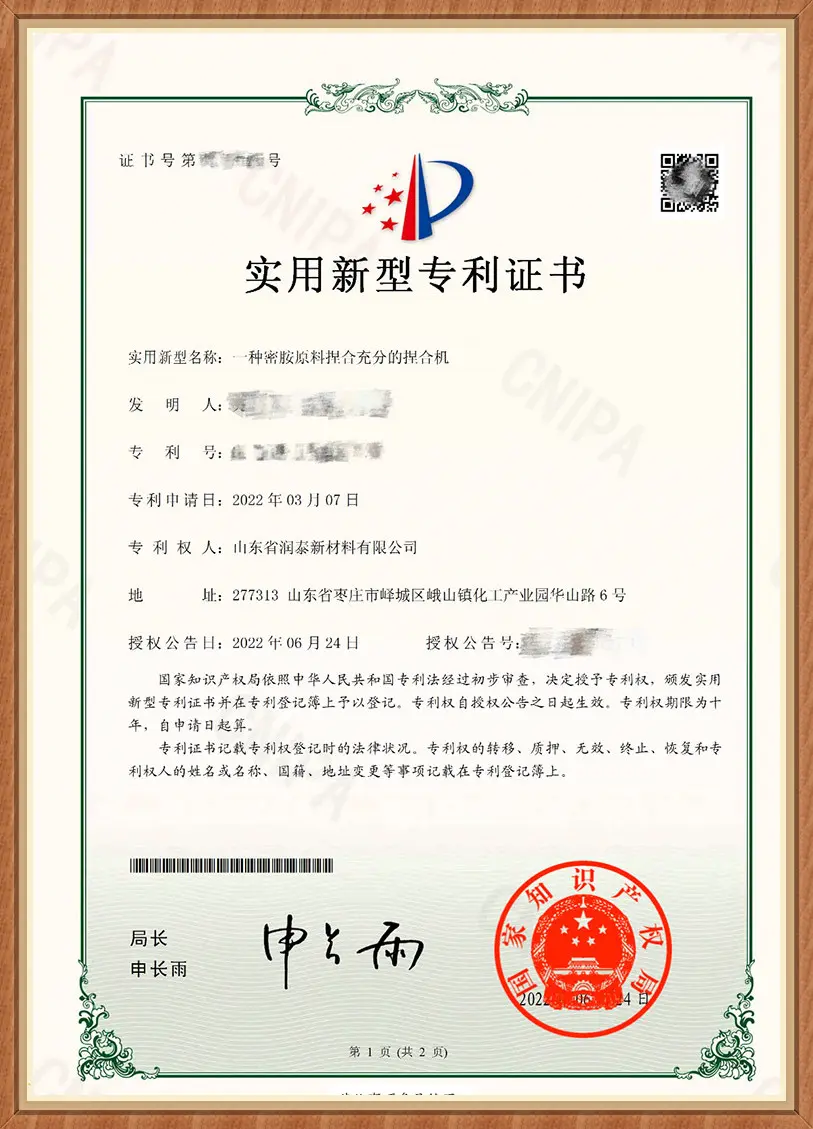
Shandong Runtai New Materials has long engaged in the integration of production, learning, and research. We maintain close strategic collaborations with the Changzhou Research Institute of Beijing University of Chemical Technology and other leading scientific research institutions. The company also hosts a cutting-edge doctoral research and development team in the industry, backed by multiple patented technologies.
As an ethical enterprise, we prioritize sustainable development and environmental preservation. Our commitments lie in developing and producing eco-friendly chemical complexes that minimize environmental impact while adhering to international environmental laws, safety regulations, and quality standards. Our manufacturing processes incorporate energy-efficient heat recovery exchangers, reduce hazardous waste emissions, and utilize recycling loops.
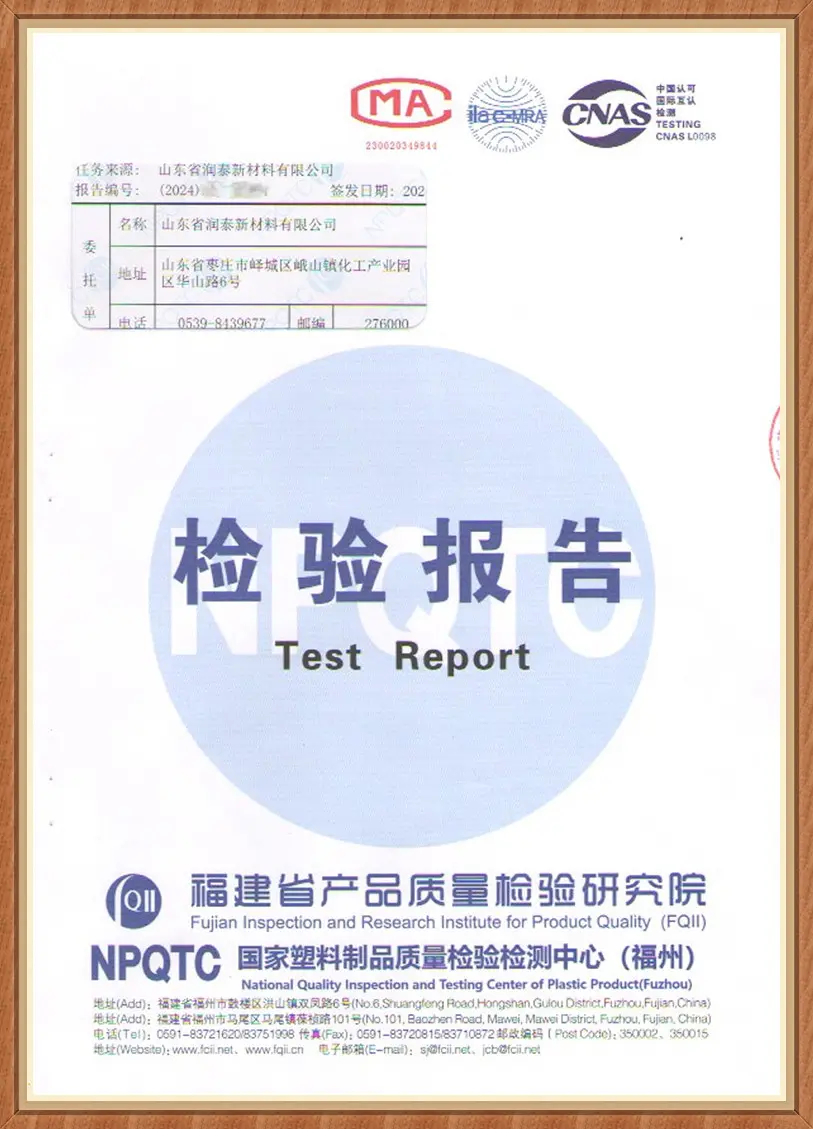
Our products have been exported to the United States, Thailand, Kenya, Egypt, and other countries. The manufacturing plant conforms to ISO 9001 quality systems and ISO 14001 environmental frameworks.
Answers to critical formulation, application, and safety questions from global chemical procurement specialists.
Discover additional polymer resins, adhesive solutions, and process additives produced under strict DCS process limits.
 Runtai