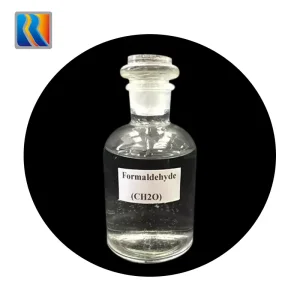
Premium amino resins, molding materials, and industrial chemical solutions processed with high batch-to-batch repeatability and absolute quality control.
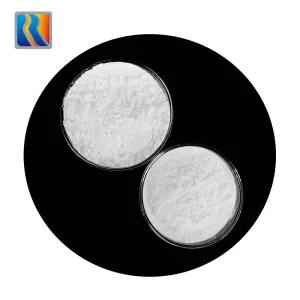
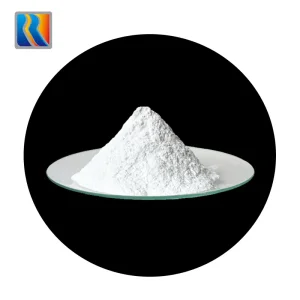
Melamine glazing powder, synthesized through the controlled condensation polymerization of melamine and formaldehyde, stands as a critical material within the thermosetting polymer industry. Unlike basic Melamine Moulding Compounds (MMC), melamine glazing powder does not contain pulp or alpha-cellulose filler. It represents a purified, un-filled melamine-formaldehyde resin pre-polymer optimized to melt and flow dynamically over the surface of molded amino tableware during the secondary compression molding cycle. This results in a highly cross-linked, transparent glaze that exhibits exceptional mechanical strength, heat resistance, chemical inertness, and a porcelain-like aesthetic.
From an engineering standpoint, the quality of a melamine glazing powder (specifically types LG110, LG220, and LG250) is determined by its molecular weight distribution, free formaldehyde content, curing speed, and flow properties. Premium grade glaze provides a protective barrier that reduces chemical migration from the underlying substrate into food. Key functional properties, such as water absorption resistance, resistance to staining from organic solvents and acidic foodstuffs, and scratch resistance, depend on the chemical purity and formulation stability maintained by manufacturers during raw material synthesis.
Founded in March 2020, Shandong Runtai New Materials Co., Ltd. is a comprehensive group firm that specializes in fine chemical products. Our primary products include formaldehyde, polyformaldehyde, urea formaldehyde resin, melamine powder, and melamine glazing powder. The corporation has branches in five different cities throughout the whole country, with its headquarters located in Zaozhuang City, Shandong Province. Runtai New Materials covers an area of 270,000 square meters with a total investment of 2.06 billion yuan.
Runtai New Materials has grown to be one of China's top producers of melamine and formaldehyde due to our recent improvements in production lines growth. As of currently, the company produces 380,000 tons of formaldehyde annually, 60,000 tons of melamine annually, 20,000 tons of melamine glazing powder annually, 11,000 tons of resin annually, and 300,000 tons of urea formaldehyde resin annually.
We have reached about 80% market share in China. At the same time, we are actively developing overseas business, and our products have been exported to the United States, Thailand, Kenya, Egypt, and other countries, earning wide praise from overseas customers.
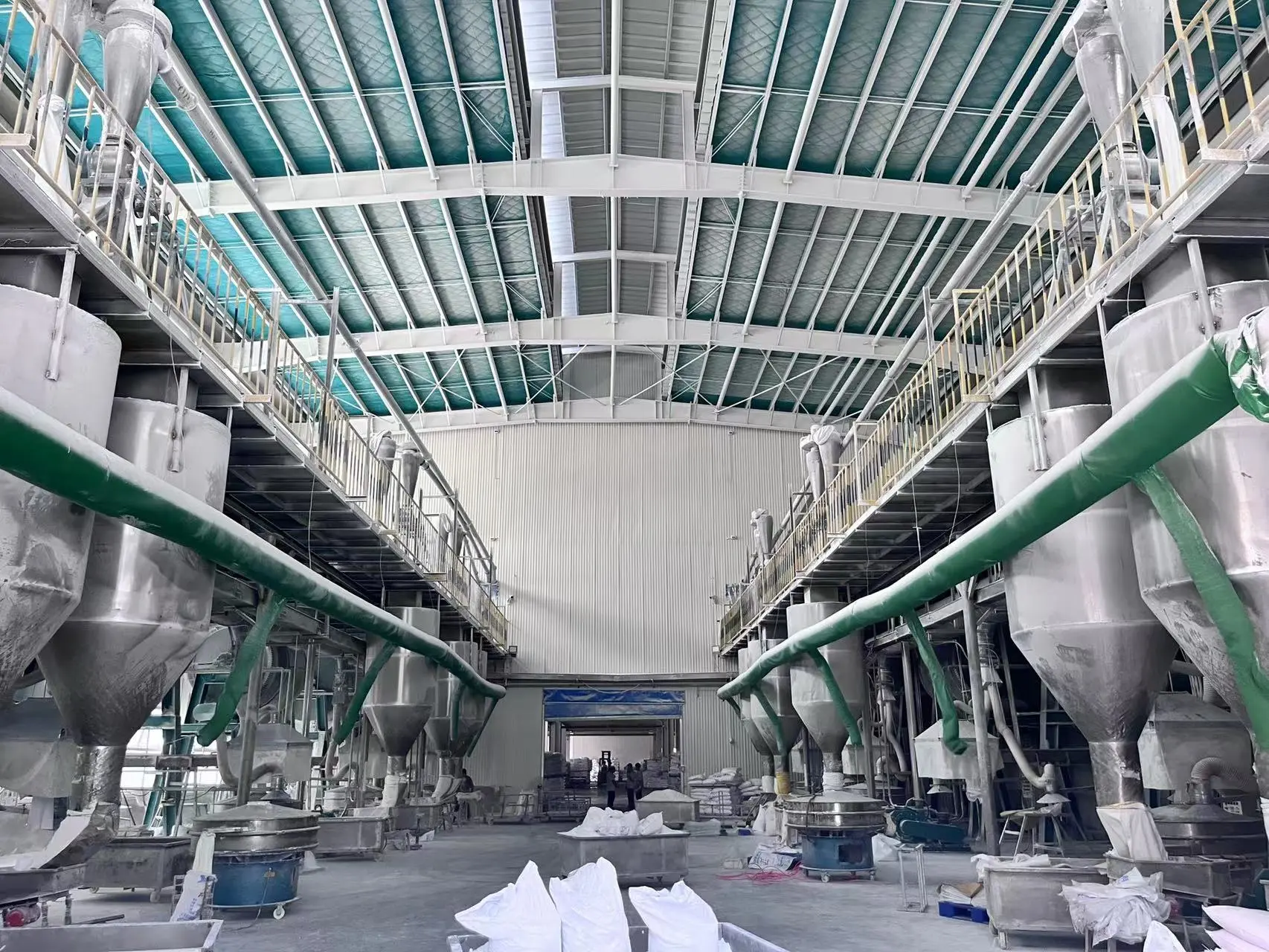
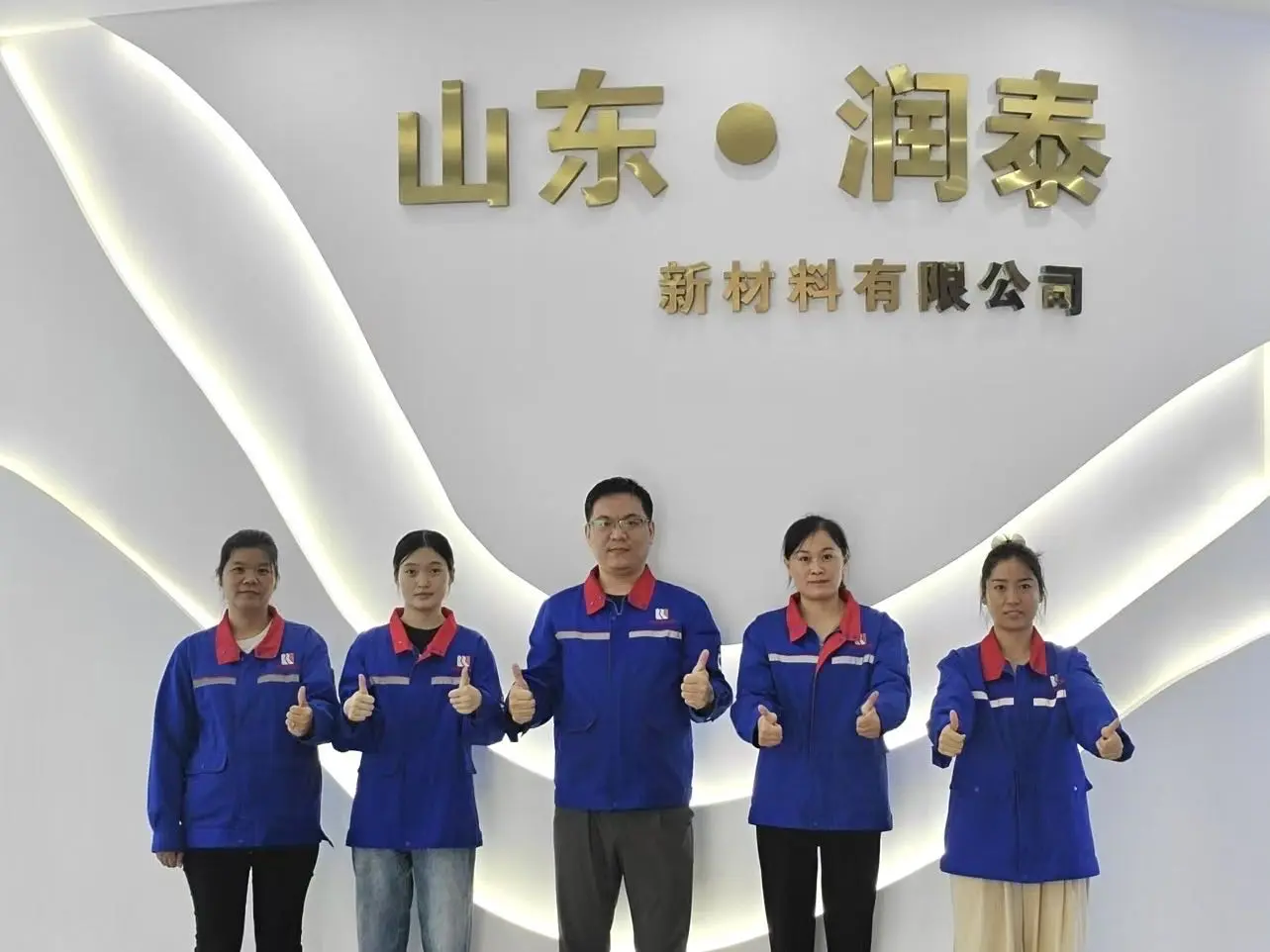
Runtai New Materials is a professional chemical supplier dedicated to satisfying customer requirements with superior chemical products and solutions. Our professional staff and cutting-edge production machinery are committed to the production of chemical goods that satisfy global standards.
In order to satisfy the needs of various industries, we simultaneously offer standardized products as well as tailored solutions based on the unique requirements of our customers.
Purchasing melamine glazing powder from leading Chinese manufacturers offers significant advantages in technology, cost control, raw material integration, and supply chain reliability. China's chemical industry has transitioned from high-volume manufacturing to precision synthesis, clean production, and digital automation. This transition allows domestic factories to offer products of exceptional quality at competitive price points.
Runtai New Materials leverages an integrated industrial chain. By producing raw formaldehyde and melamine in-house, we control the purity, concentration, and cost of primary reactants. This integration protects downstream customers from market price fluctuations and ensures that our melamine glazing powder contains minimal unreacted monomers and side impurities.
After the completion of the melamine project, Runtai New Materials has become a comprehensive enterprise at the forefront of China's research, production, sales, and application of new chemical materials with formaldehyde as a raw material. Our melamine products hold a leading market share nationwide.
We choose production technology solutions guided by "automatic control, safe and reliable, stable operation, energy saving, and resource utilization." The advanced Distributed Control System (DCS) allows process parameters to be continuously monitored and adjusted, ensuring high product consistency.
We employ cutting-edge, proven production and testing devices from both domestic and international markets. This increases automation, reduces manual labor variability, lowers energy use, and maintains high precision across manufacturing lines.
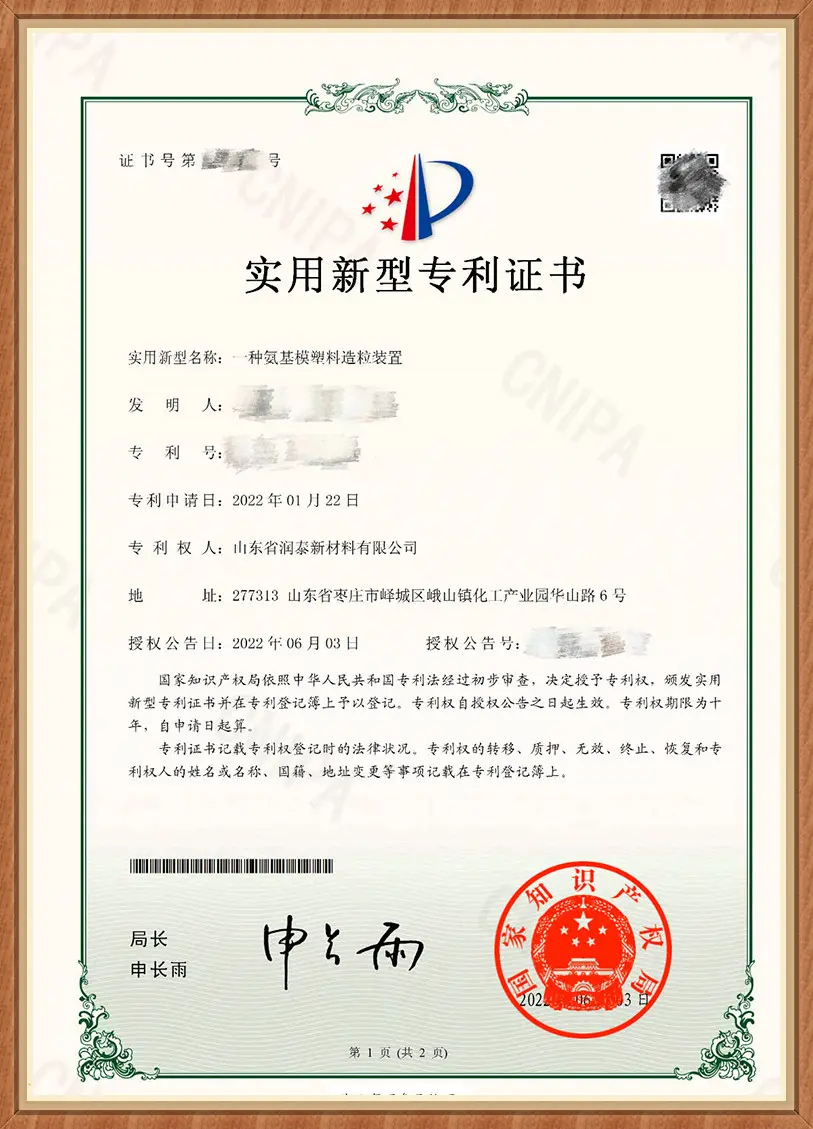
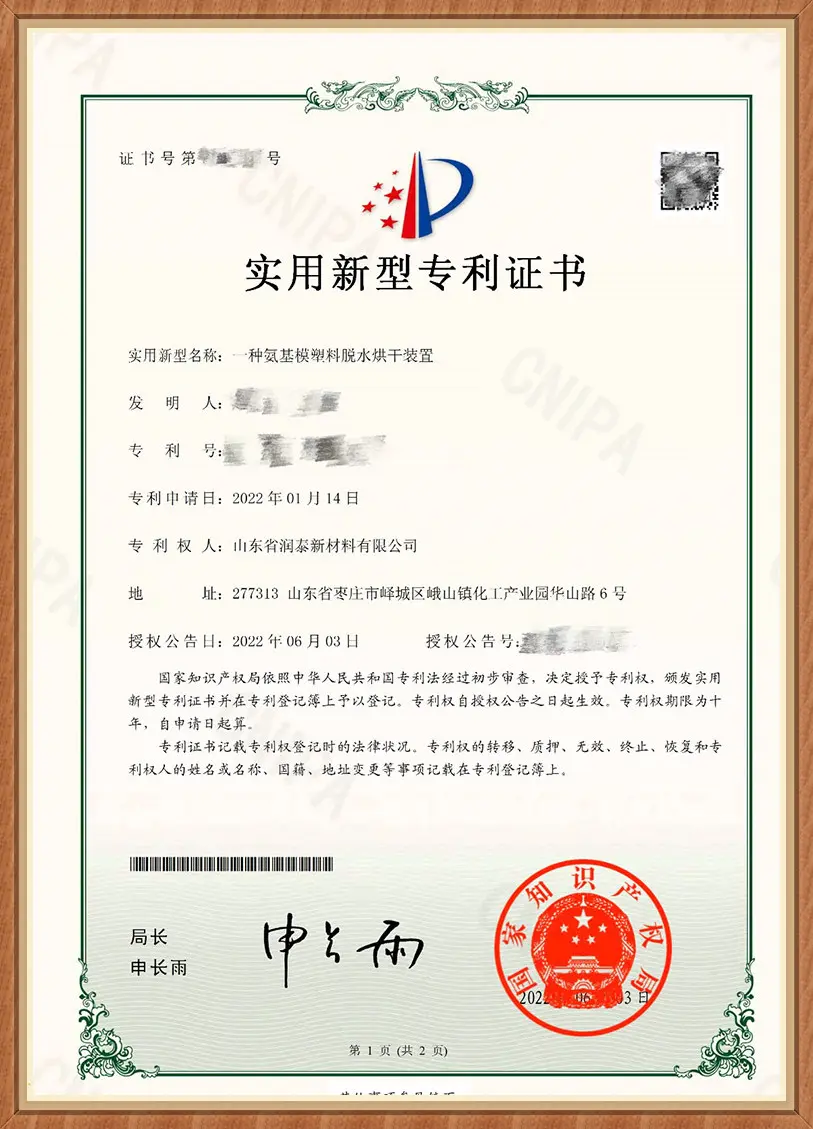
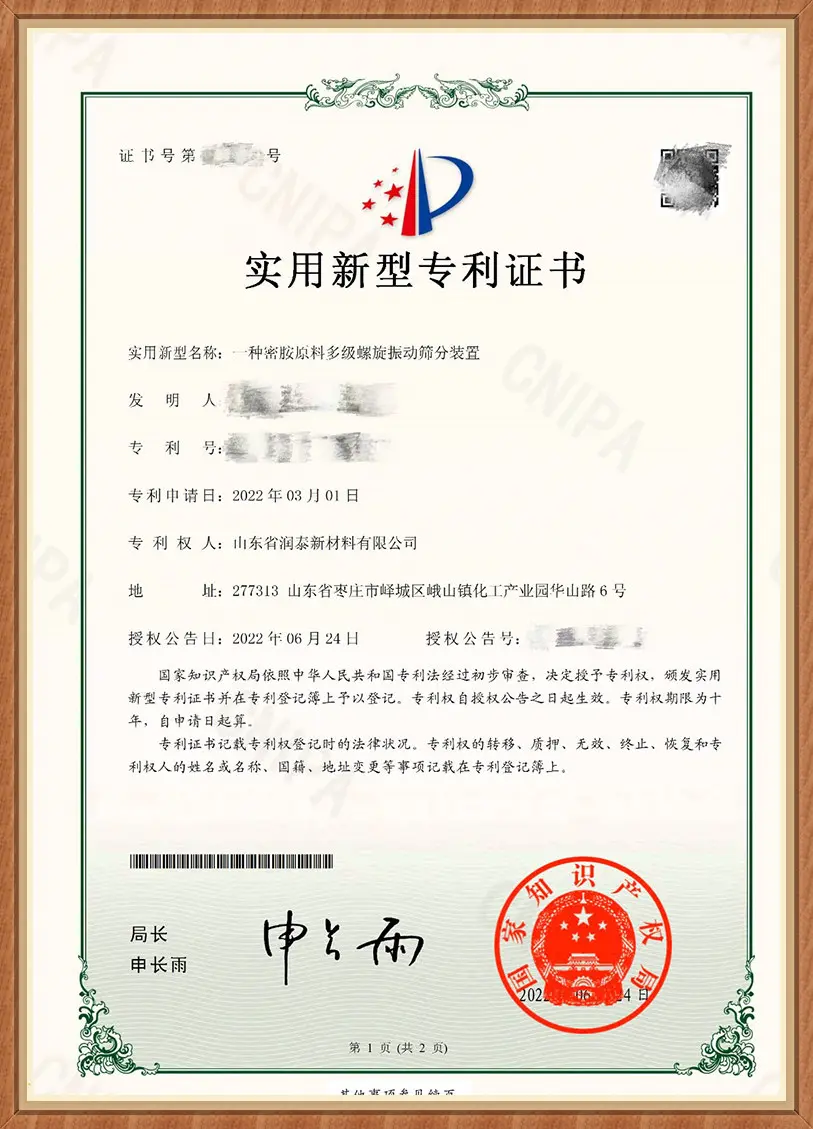
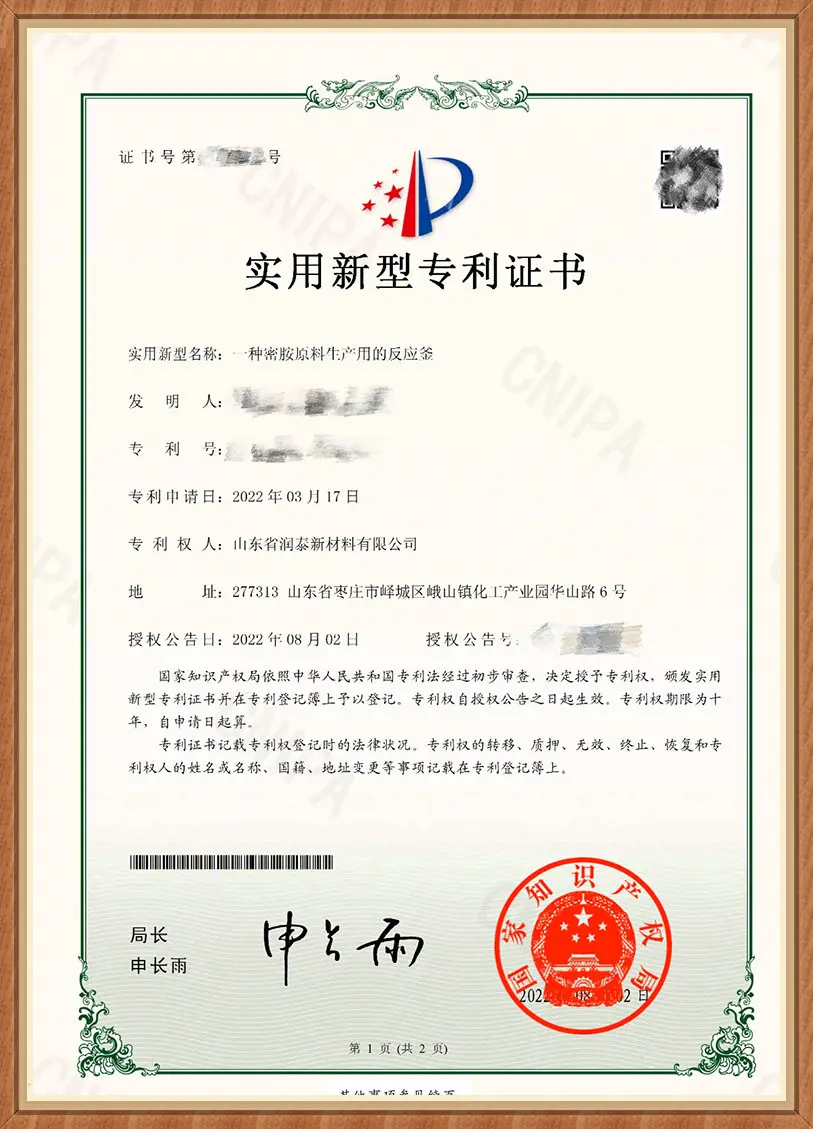
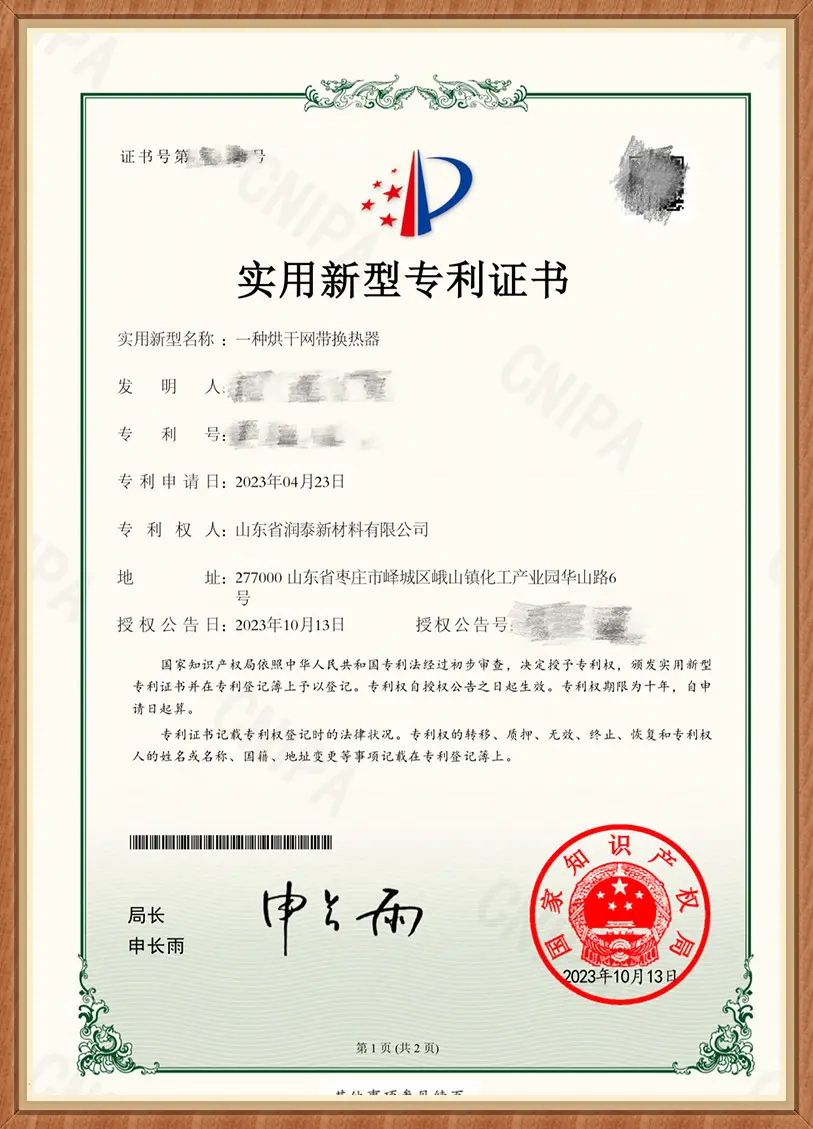
We work closely with scientific research institutions like the Changzhou Research Institute of Beijing University of Chemical Technology. Runtai boasts a doctoral R&D team and several patented technologies in synthetic polymer chemistry.
The chemical industry built on formaldehyde raw materials offers significant potential for growth. Its derivative products are widely applied in adhesives, coatings, resins, dyes, medical raw materials, and electronics, as well as the upgrading of household items.
The melamine glazing powder industry is evolving rapidly, driven by two primary forces: environmental sustainability and regulatory compliance. Historically, amino plastics were evaluated on basic hardness and gloss. Modern applications require low-toxicity formulations that meet strict limits on formaldehyde emission levels.
Research is currently focused on developing etherified melamine resins and co-condensation polymers. These chemistry configurations lock formaldehyde molecules within the polymer grid, reducing VOC release during molding and use. Innovation in continuous spray drying and rapid reaction technologies has also improved efficiency, lowering energy consumption and ensuring consistent particle size distribution.
Melamine glazing powder is vital across several high-end industrial and consumer sectors:
1. Fine Tableware Surface Finishing: Glazing powder provides a bright, glass-like finish on melamine plates, bowls, and serving trays. It seals decal paper, preventing color bleeding and preserving details over years of repeated washing.
2. Heavy-Duty Catering Ware: Hotel-grade plates require high mechanical resistance. Applying LG220/LG250 glazing powder prevents surface scratches from metal cutlery, helping preserve tableware in busy kitchen environments.
3. Children's Dinnerware Protection: Safety is critical for children's plates. Our specialized low-migration glazing powder creates a protective barrier, preventing contact with base materials and ensuring compliance with food safety regulations.
As an ethical business, Runtai New Materials prioritizes sustainable development and environmental preservation. We commit to developing and producing eco-friendly chemical products that minimize their impact on the environment while adhering to relevant laws, regulations, and industry standards.
The "quality first, customer first" principle guides our operations. We approach customer service with honesty, transparency, and professionalism. We invite domestic and international partners to visit Runtai New Materials as we collaborate toward a sustainable future.

Technical guidance and answers to common queries for procurement directors, product managers, and chemical engineers.
Melamine Moulding Compound (MMC) contains alpha-cellulose, pigments, and structuring additives used to press-mold the body of tableware. Melamine Glazing Powder is a pure, un-filled melamine-formaldehyde resin pre-polymer. It contains no pulp filler, allowing it to melt into a clear, glossy protective layer during secondary compression molding.
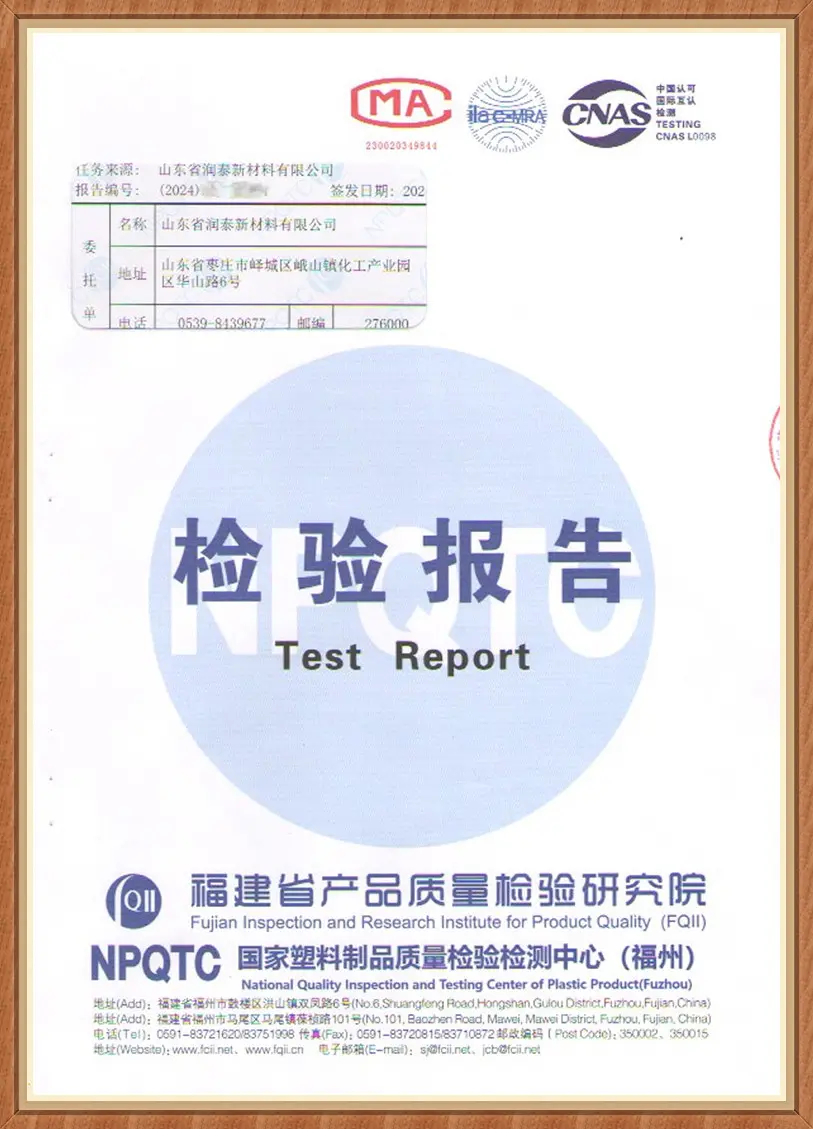
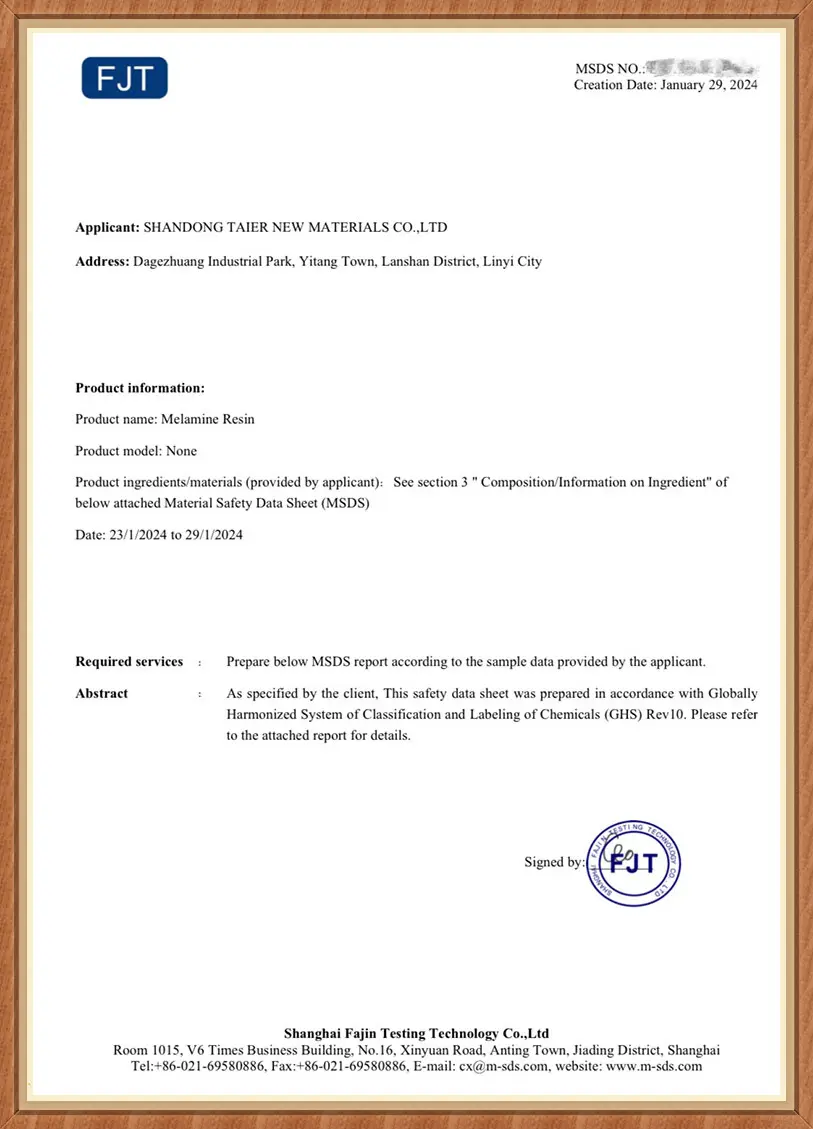
Yes. Our food-grade glazing powders (LG220 and LG250 series) are formulated and tested to meet international standards. They comply with FDA CFR 21 177.1460, European Regulation No 10/2011, LFGB, and REACH guidelines, ensuring low chemical migration levels under hot-fill and acidic testing conditions.
Our Distributed Control System (DCS) automatically controls reaction temperatures, catalyst dosage, pH levels, and drying conditions. Minimizing human error helps prevent variance in molecular weight distribution and limits free formaldehyde, ensuring consistent performance in high-speed compression molds.
Thermosetting melamine pre-polymers are sensitive to temperature and moisture. When stored in a cool, well-ventilated dry place (below 25°C) in its original moisture-proof bags, the powder has a shelf life of 6 to 12 months. Keeping storage conditions dry is key to preventing premature cross-linking.
Yes. Our R&D team can adjust the reaction catalyst and molecular weight distribution to match your plant's specific temperature (typically 160°C - 180°C) and pressure cycles, optimizing production flow and reducing defect rates.
Proof of our rigorous manufacturing standards, environmental compliance, and ongoing technological innovation.
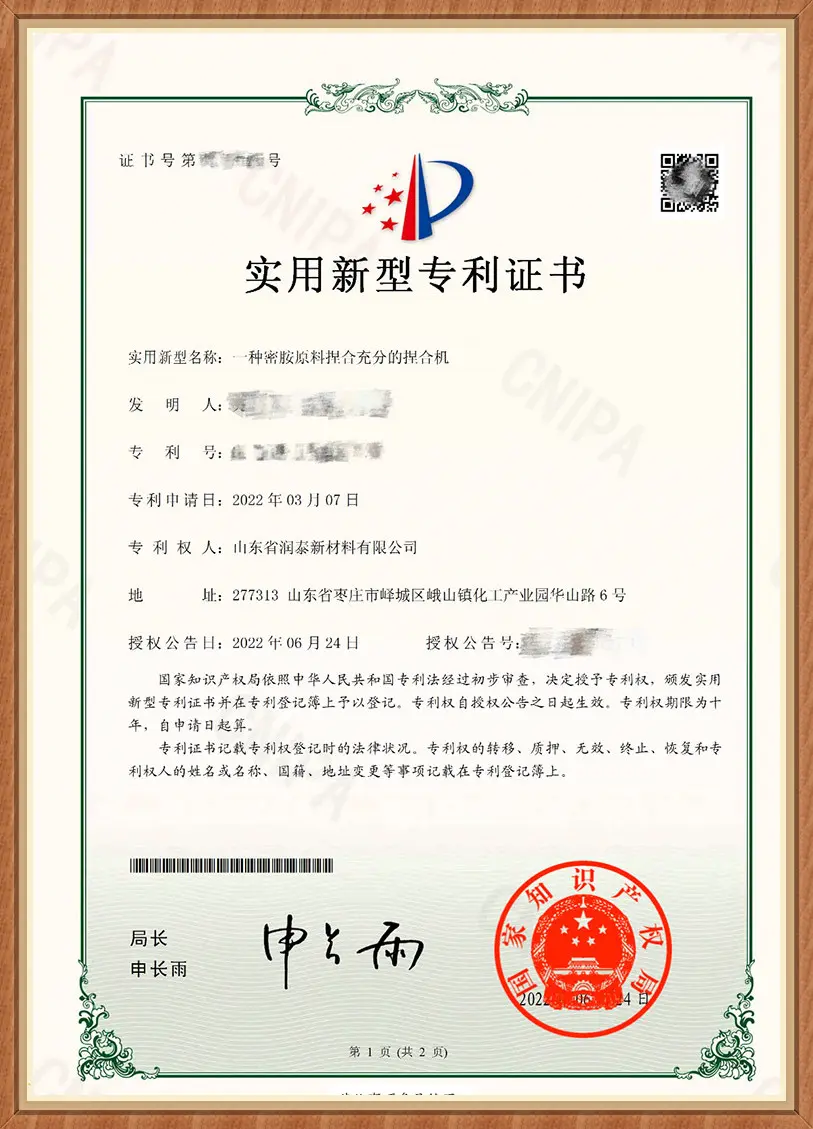
Explore our wider range of fine chemicals, thermosetting resins, adhesives, and functional additives.
 Runtai