Explore our core product ranges developed for packaging, coating formulation, adhesive compounding, and advanced structural materials applications.
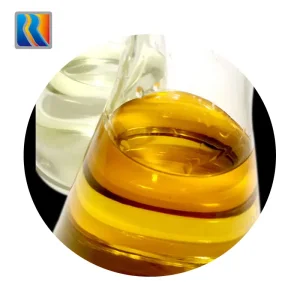
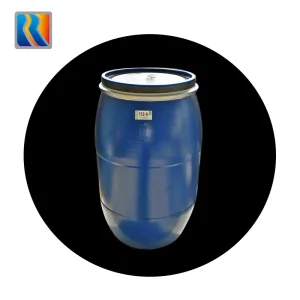
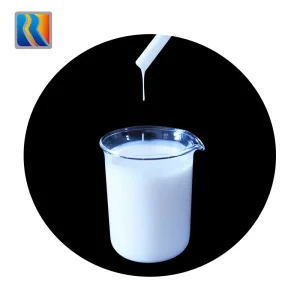
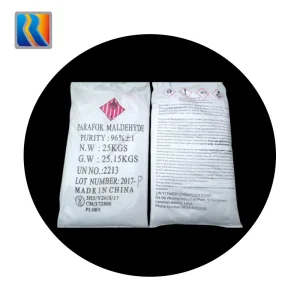
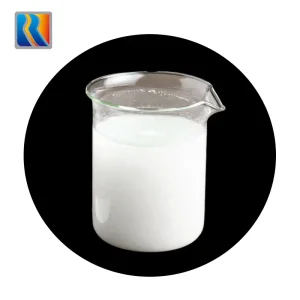
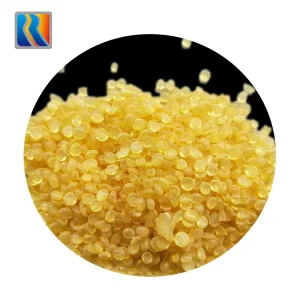
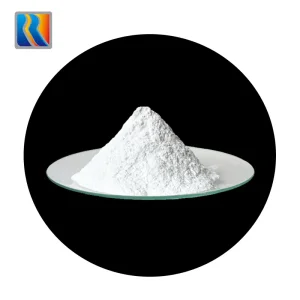
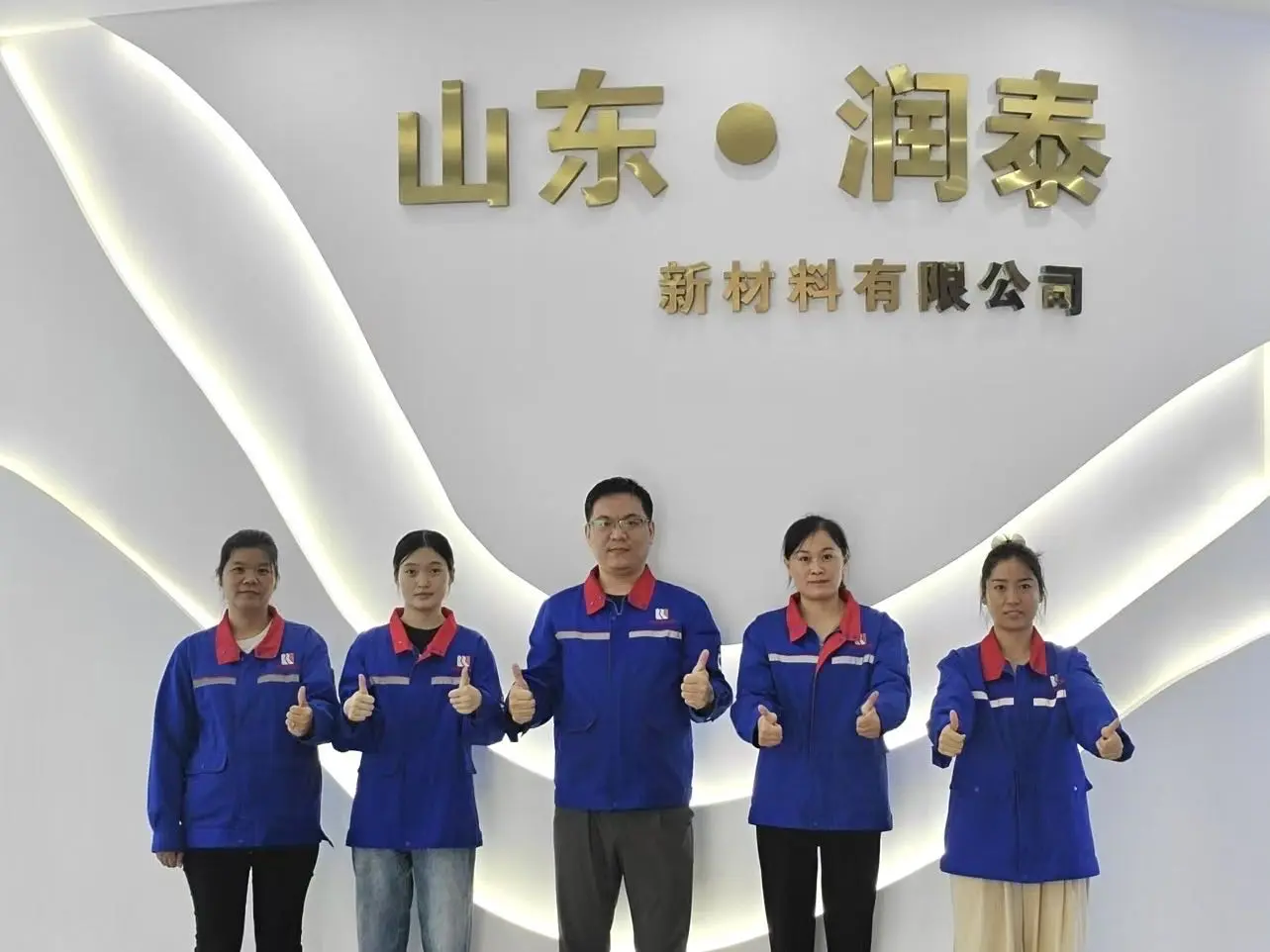
Founded in March 2020, Shandong Runtai New Materials Co., Ltd. is a premier, comprehensive group enterprise specializing in the research, development, and mass-scale production of fine chemical materials. With our headquarters in Zaozhuang City, Shandong Province, and dynamic branches operational in five different cities throughout China, our corporate infrastructure is built to support critical global industrial projects.
Our state-of-the-art facility covers an expansive 270,000 square meters, backed by a massive capital investment of 2.06 billion Yuan. As global supply chains shift toward high-performance coating matrices, we have leveraged our industrial capacity to supply foundational polymers including formaldehyde, polyformaldehyde, urea formaldehyde resins, melamine, and advanced thermosetting systems.
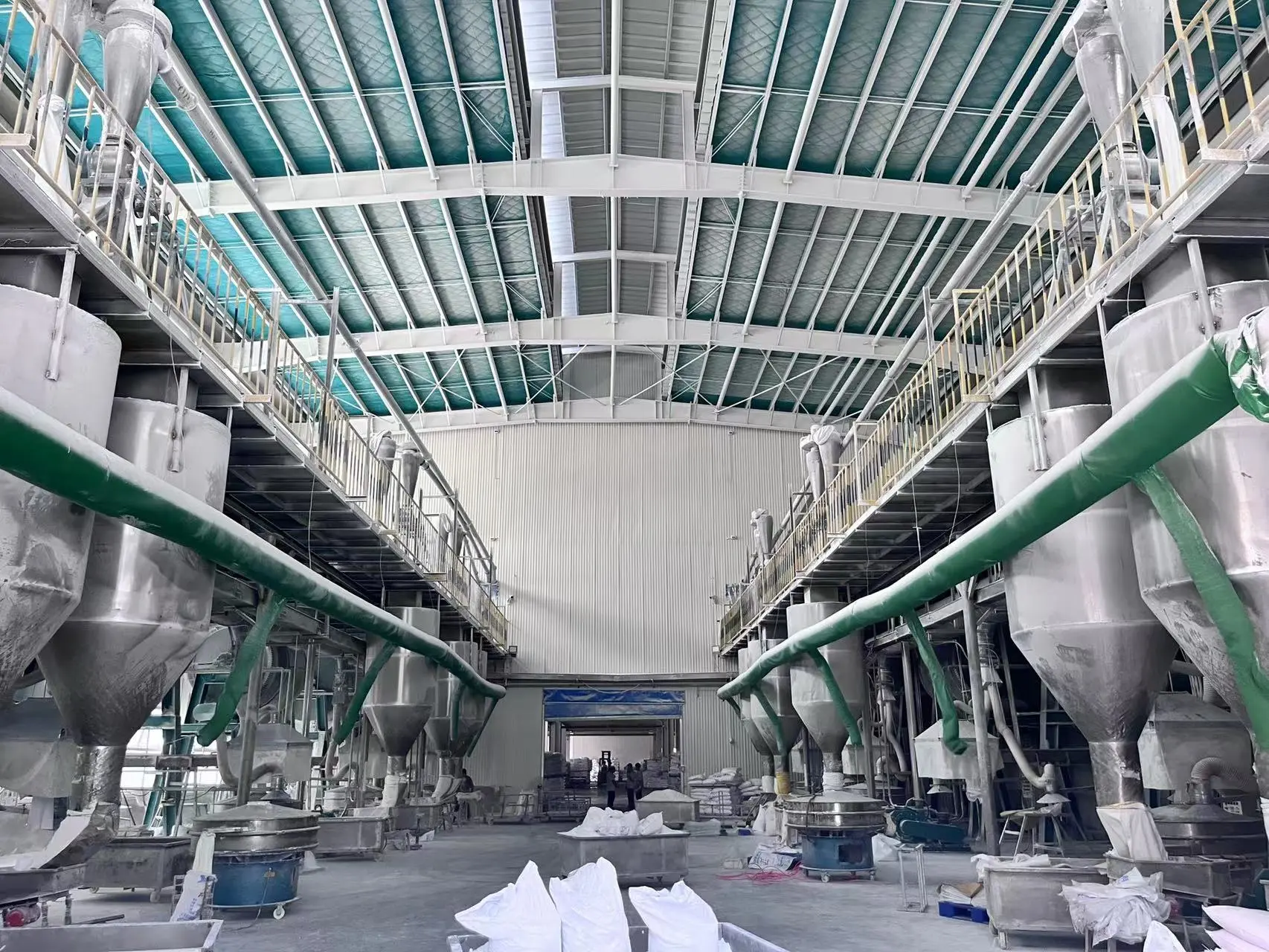
Runtai New Materials has established absolute dominance in the Asian chemical intermediates landscape through strategic continuous expansion. Today, we stand as one of China's most robust production forces.
Our automated, continuous chemical processing plants produce 380,000 tons of formaldehyde, 60,000 tons of melamine, 20,000 tons of melamine glazing powder, 11,000 tons of speciality resin, and 300,000 tons of urea-formaldehyde resin annually.
By scaling raw material chemical processing vertically, we ensure that downstream products, including our thermosetting resins and adhesives, benefit from unmatched stability and price predictability. We are actively expanding global trade pathways, delivering certified high-performance compounds to the United States, Thailand, Kenya, Egypt, Europe, and the Middle East.
Understanding structural attributes, curing profiles, and cross-linking metrics for demanding engineering environments.
Epoxy phenolic systems represent a pinnacle of thermosetting polymer science, marrying the excellent adhesion, flexibility, and mechanical toughness of epoxy resins (typically bisphenol-A or bisphenol-F based) with the extreme thermal stability, chemical resistance, and cross-link density of phenolic resole or novolac resins.
At a molecular level, the etherification and condensation reactions during thermal curing yield an intricately dense three-dimensional cross-linked network. This high cross-linking density is the mechanism behind the resin's resistance to swelling, chemical attack, and high thermal loads. As a leading China epoxy phenolic manufacturer, Runtai New Materials optimizes the molecular weight distribution ($M_w/M_n$) of our phenolic prepolymers, ensuring uniform viscosity and predictable cross-linking curves for compounders and coating formulators.
"The crosslink density of epoxy phenolic systems is directly proportional to their resistance to gas permeation, making them the absolute industry standard for packaging linings, oil & gas pipe coatings, and heavy industrial containment."
When global procurement managers and chemical distributors evaluate epoxy phenolic suppliers, they look for consistency in key chemical indexes. Our quality assurance framework targets these parameters directly:
| Key Parameter | Standard Specifications | Industrial Relevance | Runtai QA Standard |
|---|---|---|---|
| Viscosity (at 25°C) | 2000 - 8000 mPa·s | Determines ease of application (spray, roll, or coil coating) | Within ±5% deviation |
| Epoxy Equivalent Weight (EEW) | 180 - 500 g/eq | Controls the stoichiometric ratio of curing agent needed | Precisely tracked per batch |
| Free Phenol Content | < 0.5% | Critical for food-contact regulations (FDA / REACH) | < 0.1% for food-grade resins |
| Curing Temperature Profile | 120°C - 200°C | Balances energy costs with line-speed optimization | Customized catalyst integration |
Modern engineering demands materials that resist continuous degradation under aggressive chemical and thermal stress. The industrial applications of epoxy phenolic systems include:
Innovation in polymer synthesis requires systematic, academic, and industrial integration. Shandong Runtai New Materials has established deep structural R&D partnerships with the Changzhou Research Institute of Beijing University of Chemical Technology and other prestigious global scientific research institutions.
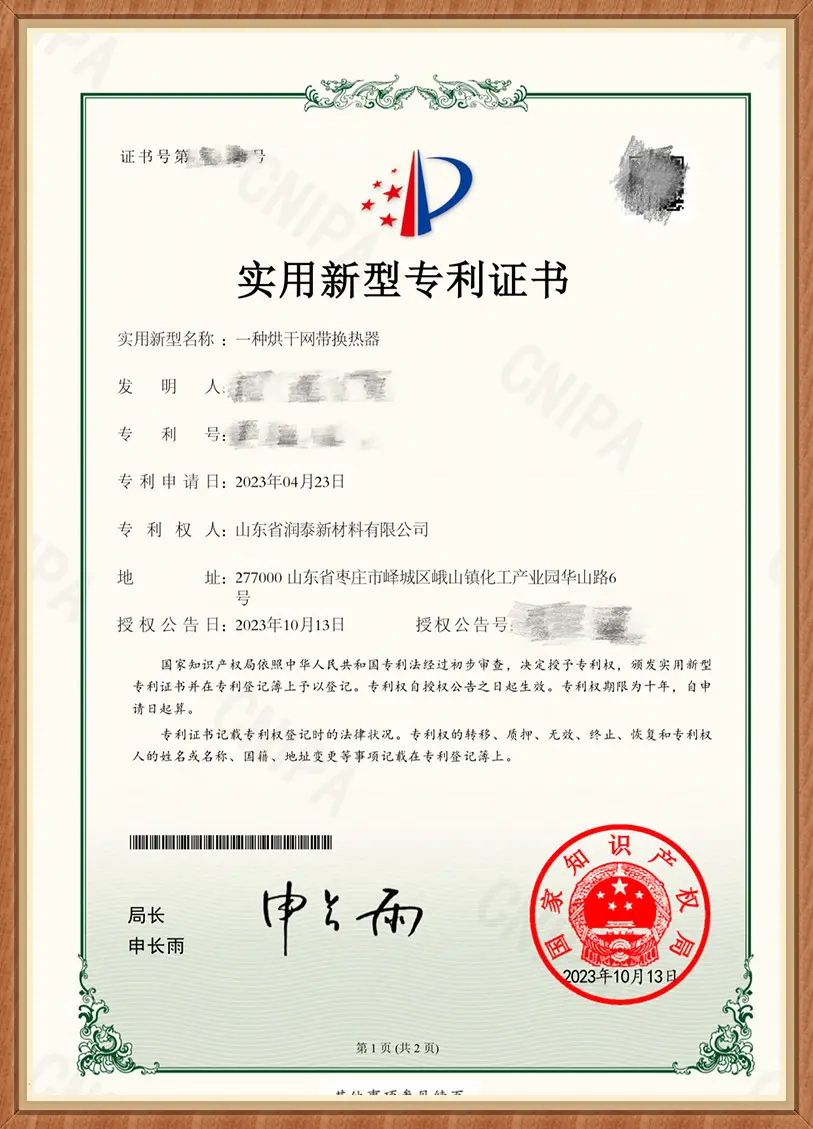
Our dedicated, industry-recognized doctoral research and development team holds multiple patented technologies. We operate high-end labs equipped with gas chromatography-mass spectrometry (GC-MS), Fourier-transform infrared spectroscopy (FTIR), and differential scanning calorimetry (DSC) to continuously study polymerization dynamics.
Furthermore, our chemical synthesis plant employs a state-of-the-art Distributed Control System (DCS). The DCS monitors every key reaction parameter—temperature, pressure, feed rate, and catalyst concentration—across the entire production line in real time. This degree of automation guarantees high product quality, safety, and energy efficiency.

How we are steering our polymer products toward sustainability, lower VOCs, and compliance with tomorrow's regulations.
Developing high-solids and water-borne chemical compounds to help global applicators meet strict clean air acts and international emissions targets.
Researching bisphenol alternatives to develop epoxy novolac resins that address public health requirements for direct contact food packaging.
Integrating cardanol and other natural plant phenols into our polymerization processes, reducing reliance on fossil fuels.
Shandong Runtai New Materials operates under strict quality, environmental protection, and occupational safety frameworks. We hold certifications for ISO 9001:2015 (Quality Management System), ISO 14001:2015 (Environmental Management System), and ISO 45001:2018.
We understand the challenges of importing chemicals into regulated markets. That is why our products comply with REACH registrations for the European Union and correspond with FDA requirements for packaging adhesives and coatings in the United States. We manage logistics documentation, including GHS-compliant Safety Data Sheets (SDS), transport of dangerous goods declarations, and Certificate of Analysis (COA) testing validation, for every batch exported.
Direct answers to critical questions about product design, performance limits, packaging, and custom chemical synthesis.
While standard epoxy coatings (typically cured with amines or polyamides) offer excellent adhesion and physical toughness, they degrade under strong acids, organic solvents, and temperatures above 120°C. Epoxy Phenolic systems, cured at high temperatures, create a denser crosslinked ether structure that withstands pH extremes, aggressive solvents, and continuous operating temperatures up to 200°C–220°C.
Yes. Our doctoral R&D team and DSC monitoring equipment allow us to adjust the polymer chain length, solvent carrier blend, and catalyst concentration to meet your application methods (e.g., automated coil coating, heavy-duty airless spraying) and cure ovens.
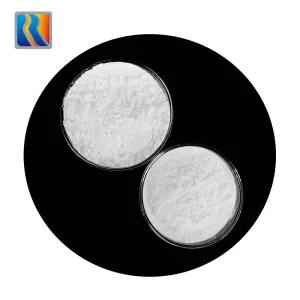
Yes. We manufacture food-grade packaging resins and melamine glazing powders under strict purification procedures. This keeps residual free monomer (formaldehyde and phenol) levels below 0.1%, complying with FDA 21 CFR 175.300 and European Food Safety Authority (EFSA) directives.
Uncatalyzed epoxy phenolic systems typically have a shelf life of 6 to 12 months when stored in original sealed drums in dry conditions below 25°C. Lower temperatures prevent slow pre-polymerization during storage.
We use automated Distributed Control Systems (DCS) that monitor chemical feeds, temperature, and reaction kinetics. We also perform HPLC and viscosity checks on every production batch before release, ensuring consistency across shipments.
Our experienced logistics department coordinates all necessary documentation, including UN-approved steel drums or IBC tanks, sea-freight dangerous goods declarations, safety labelling, and custom clearances for global destinations.
From custom adhesives to defoamers and glazing compounds, discover Runtai's complete range of chemical technologies.
 Runtai