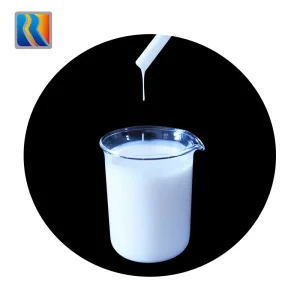
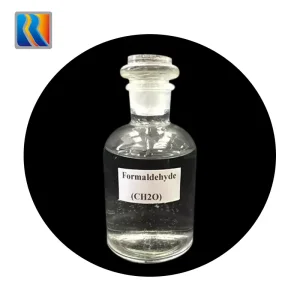
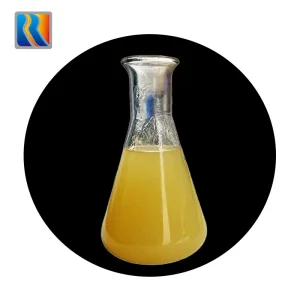
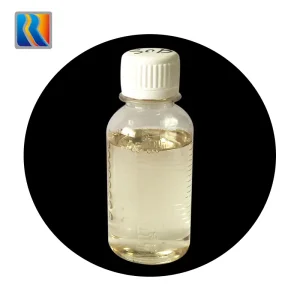
The global demand for thermosetting polymers, specifically Urea-Formaldehyde (UF) resins, is experiencing a major structural shift. As industries push for higher material efficiency under tighter cost environments, the demand for cost-effective, high-performance binders has grown. UF resin remains the backbone of the forest products and composite panel industries due to its fast cure rates, high tensile strength, excellent thermal properties, and cost advantage compared to other polycondensation systems.
However, modern industrial buyers look beyond simple pricing. True cost efficiency—often searched for as "cheap urea resin"—is actually a factor of scale, chemical consistency, localized compliance, and supply chain control. At Shandong Runtai New Materials Co., Ltd., we balance these needs by controlling the upstream raw materials and operating advanced manufacturing facilities, positioning ourselves as a leading global manufacturer and supplier.
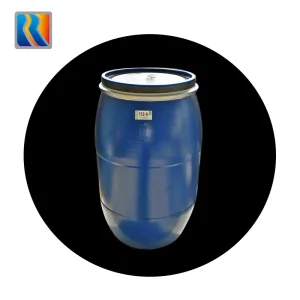
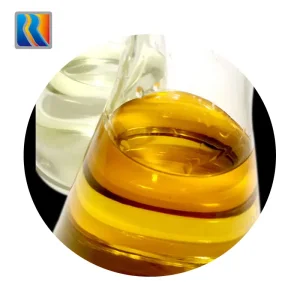
With an annual capacity of 300,000 tons of urea formaldehyde resin, our production is structured to support large-scale industrial applications worldwide. By integrating raw formaldehyde synthesis (380,000 tons/year) directly with our polycondensation lines, we eliminate intermediate handling fees, lower energy usage, and pass these savings directly to our customers.
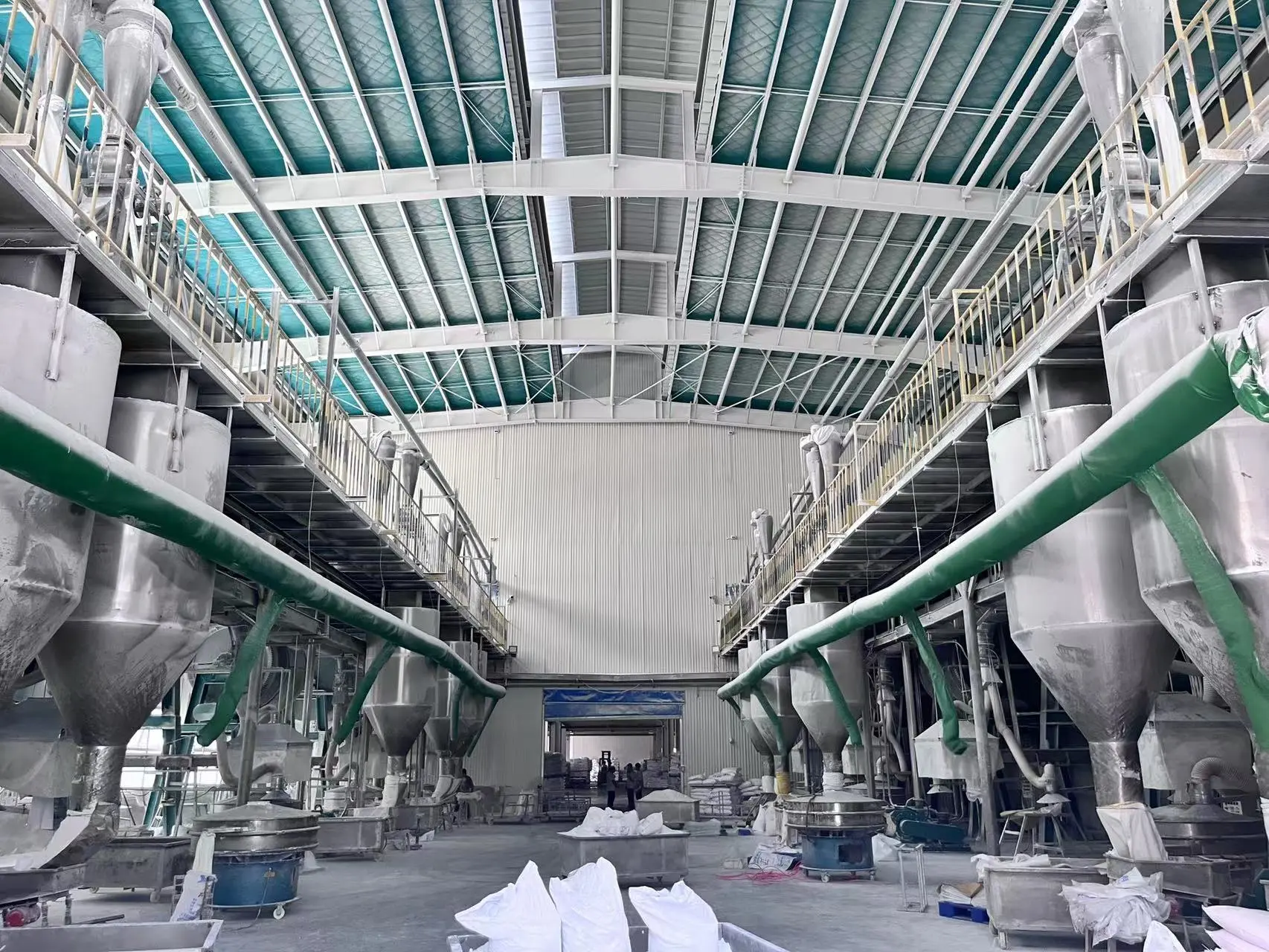
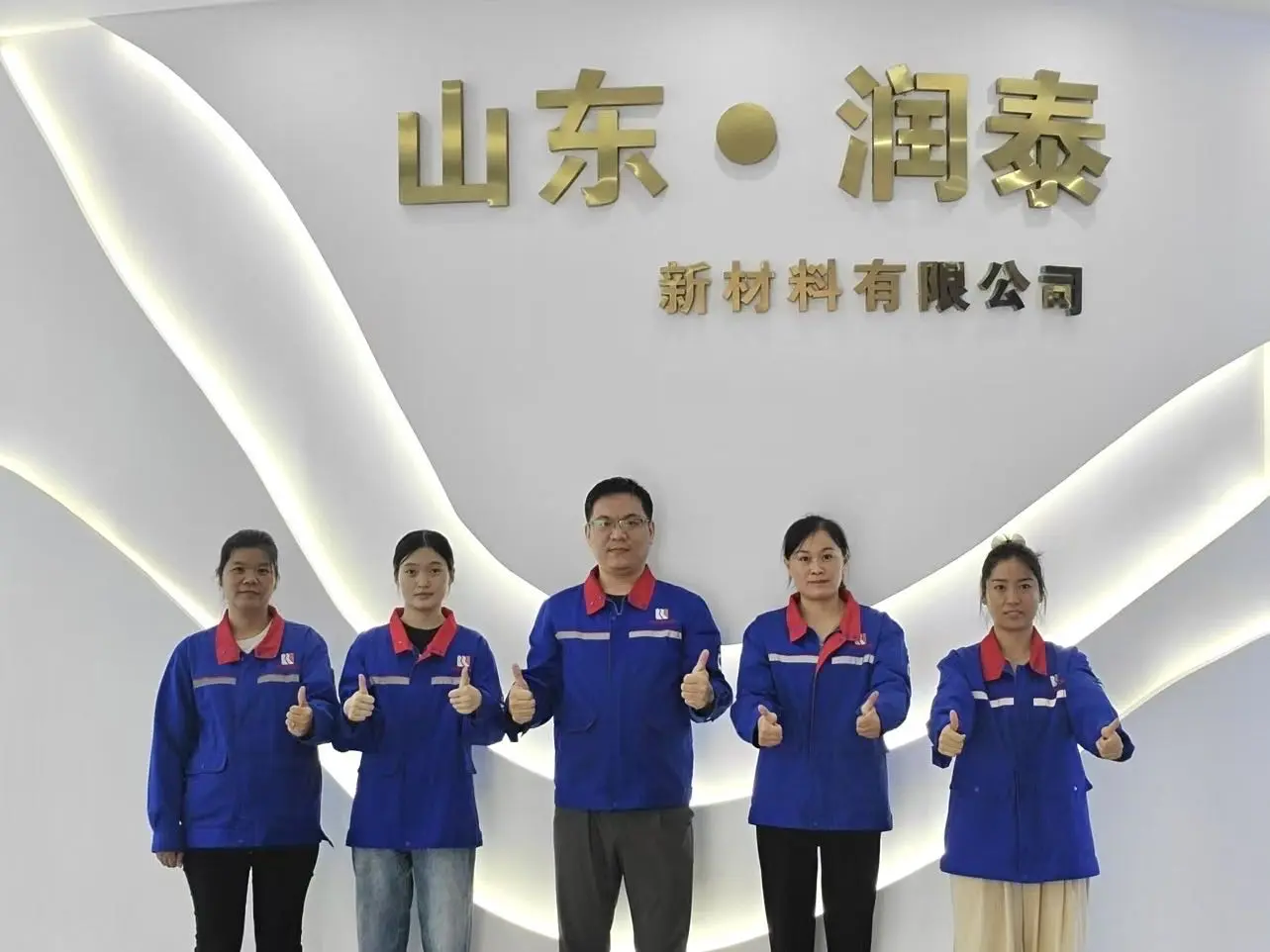
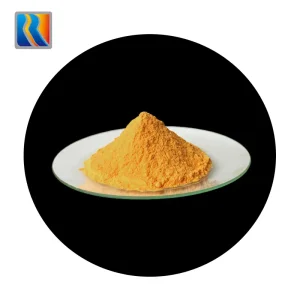
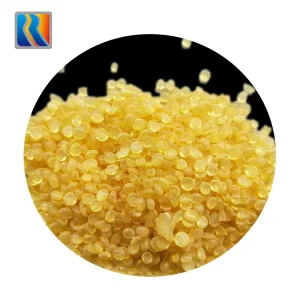
Founded in March 2020, Shandong Runtai New Materials Co., Ltd. is a comprehensive group firm that specializes in fine chemical products. Our primary products include formaldehyde, polyformaldehyde, urea formaldehyde resin, melamine powder, and melamine glazing powder. The corporation has branches in five different cities throughout China, with its headquarters located in Zaozhuang City, Shandong Province. Runtai New Materials covers an area of 270,000 square meters with a total investment of 2.06 billion yuan.
Runtai New Materials has grown to be one of China's top producers of melamine and formaldehyde due to our recent improvements in production lines growth. As of currently, the company produces:
We have reached about 80% market share in China. At the same time, we are actively developing overseas business, our products have been exported to the United States, Thailand, Kenya, Egypt, and other countries and have been widely praised by overseas customers.
We use advanced Distributed Control Systems (DCS) to monitor process parameters across our entire production line. This automation ensures product quality and equipment safety while lowering raw material usage.
Through partnership with the Changzhou Research Institute of Beijing University of Chemical Technology, we run a PhD-led R&D team holding multiple patents in low-emission polymer binder technologies.
Our formaldehyde-based chemical products find uses across adhesives, industrial coatings, resin plastics, dyes, basic medical raw materials, and electronics components.
Standard Urea-Formaldehyde resin synthesis involves a two-stage polycondensation reaction. The first step is the alkaline hydroxymethylation of urea to form mono-, di-, and tri-methylolureas. The second step is acid-catalyzed condensation, where these methylol intermediates link together via methylene and methylene ether bridges to form three-dimensional polymer networks.
By controlling the Formaldehyde-to-Urea (F:U) molar ratio, we optimize the balance between curing speed and low free-formaldehyde emissions. High-molar-ratio resins cure quickly and form strong bonds but can release more emissions. Lowering the ratio reduces emissions but can affect bond strength and cure speed. Our R&D team addresses this challenge by using modified formulations that incorporate melamine co-condensates (MUF) and specific chemical scavengers, maintaining high bond strength even at lower molar ratios.

UF resins are the primary binder for manufacturing Particleboard, Medium Density Fiberboard (MDF), and interior plywood. Our resins provide high initial tack, fast press cycles, and comply with international emission standards like CARB Phase 2 and EPA TSCA Title VI.
Modified urea moulding compounds are used to manufacture electrical housings, light switches, buttons, and domestic utensils. Our material offers good surface hardness, scratch resistance, and tracking resistance.
Used as paper impregnating resins, finish coatings, and textile treatment agents to improve crease resistance, wet strength, and surface durability.
As an ethical chemical manufacturer, Shandong Runtai New Materials Co., Ltd. prioritizes sustainable development and environmental preservation. We focus on developing and producing eco-friendly chemical products that minimize environmental impact while adhering to relevant laws, regulations, and quality standards.
Our facility runs wastewater treatment plants and closed-loop gas capture systems to minimize volatile organic compound (VOC) emissions during formaldehye and resin synthesis. By using modern heat-recovery systems in our reactors, we reduce carbon emissions per ton of product produced.
Guided by our core principle of "Quality First, Customer First", we approach global client service with integrity, professionalism, and full technical transparency.
The next generation of amino resins will focus on zero-emission performance and incorporating bio-based raw materials. Runtai New Materials is investing in research across three key areas:
We are studying partial substitutions of synthetic urea and phenol with bio-lignin, tannin, and soy protein isolates to reduce rely on fossil resources without compromising dry bond strength.
Improving our scavenger systems and polycondensation techniques to consistently produce resins that meet and exceed Japanese F**** and European E-Zero emission requirements.
Developing hybrid resin emulsions that combine the cost advantage of urea-formaldehyde with the moisture resistance of melamine and polyurethanes for exterior-grade wood applications.
 Runtai