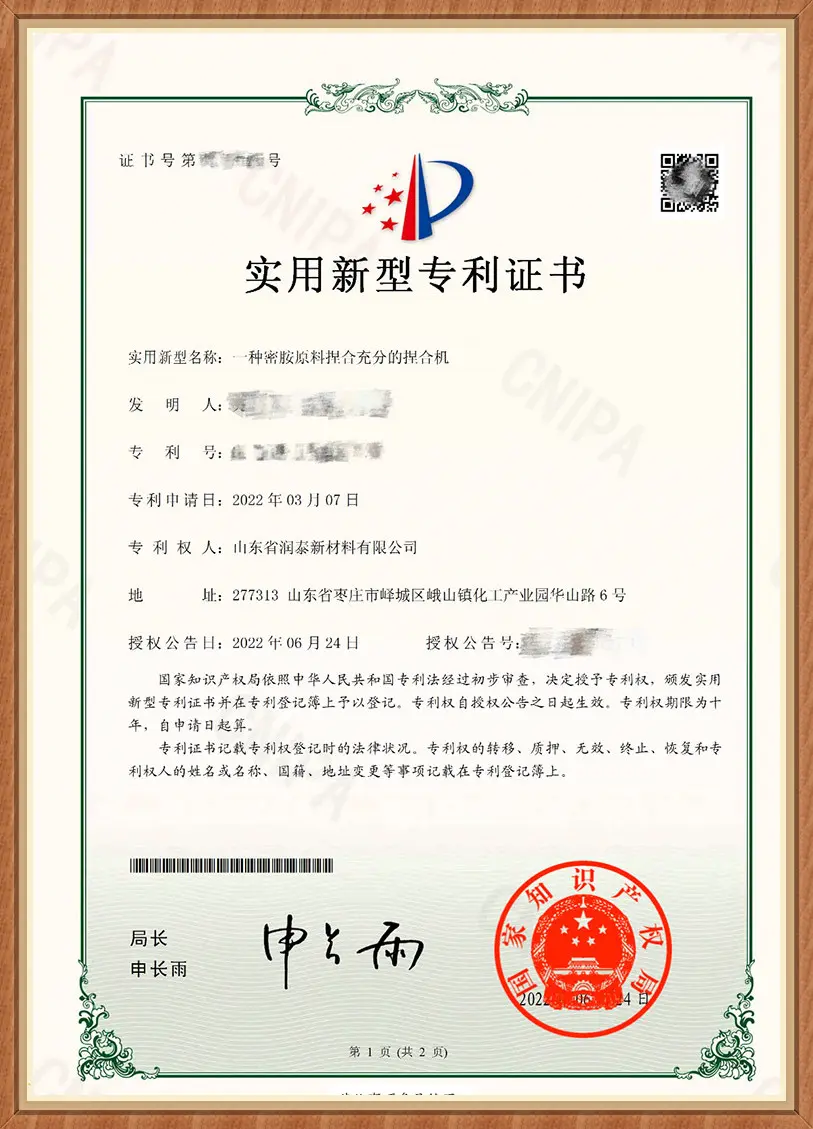
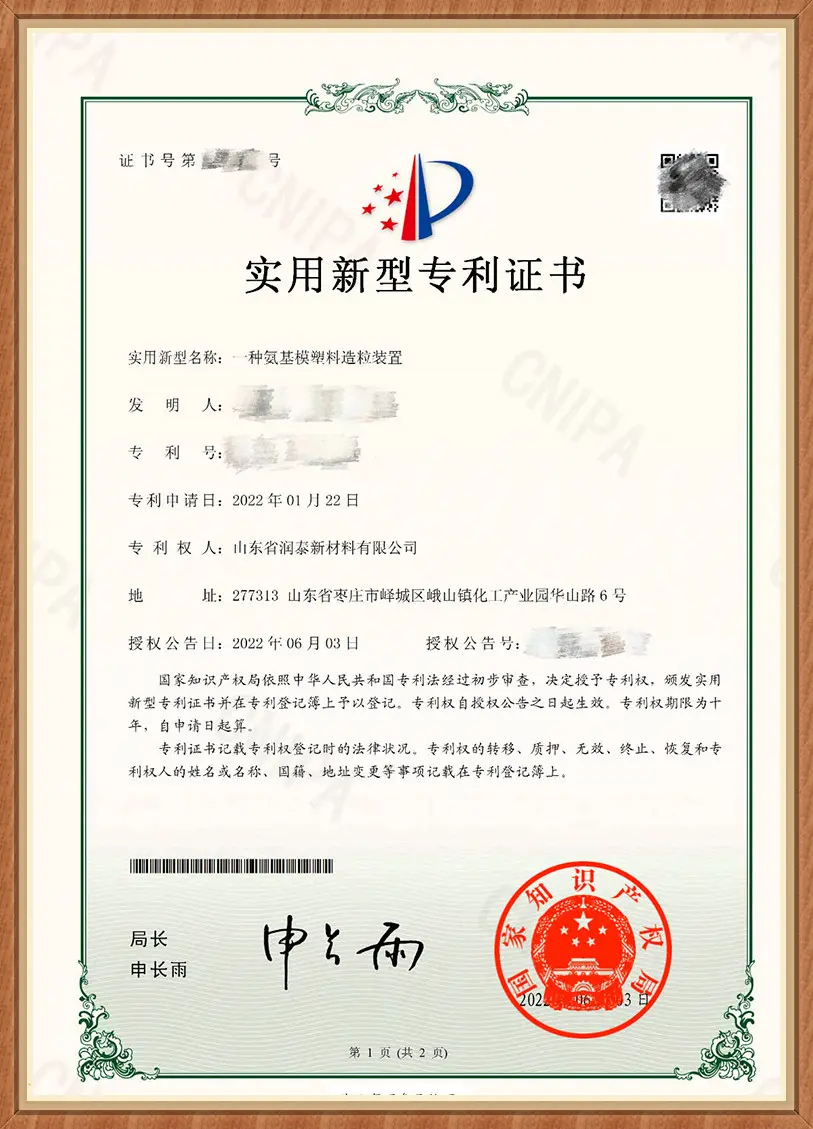
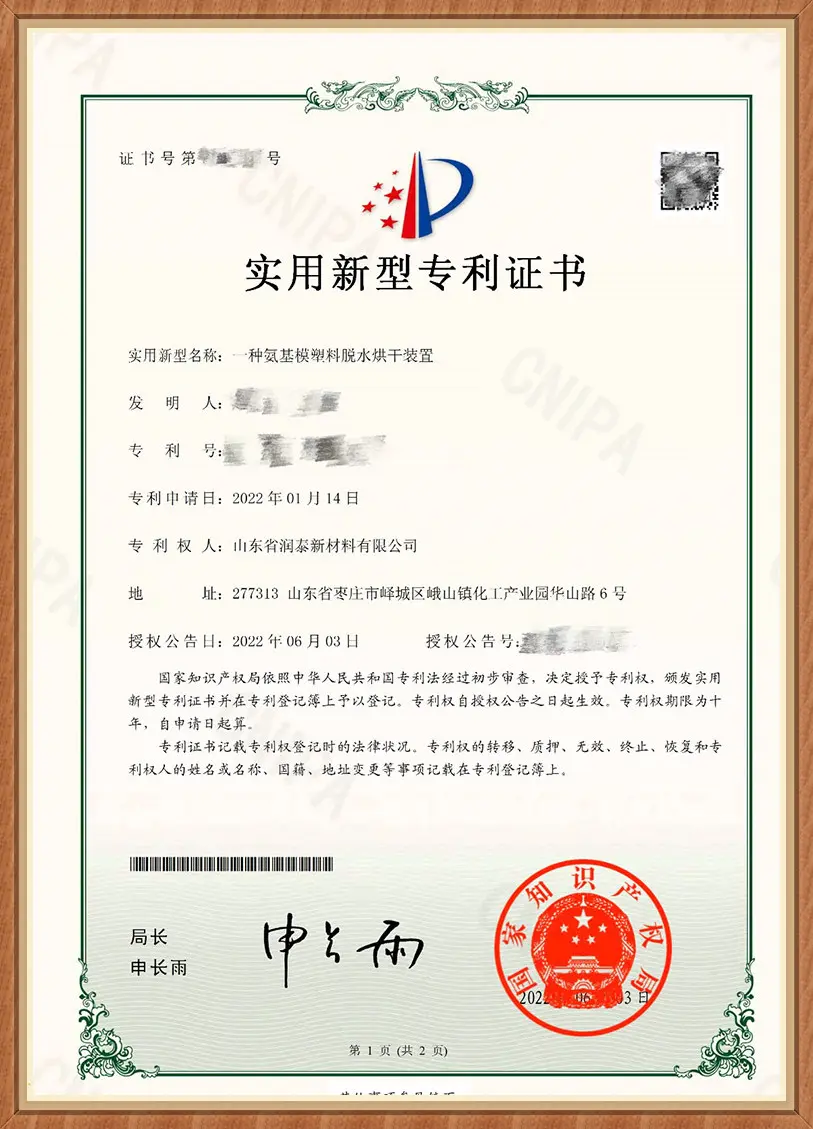
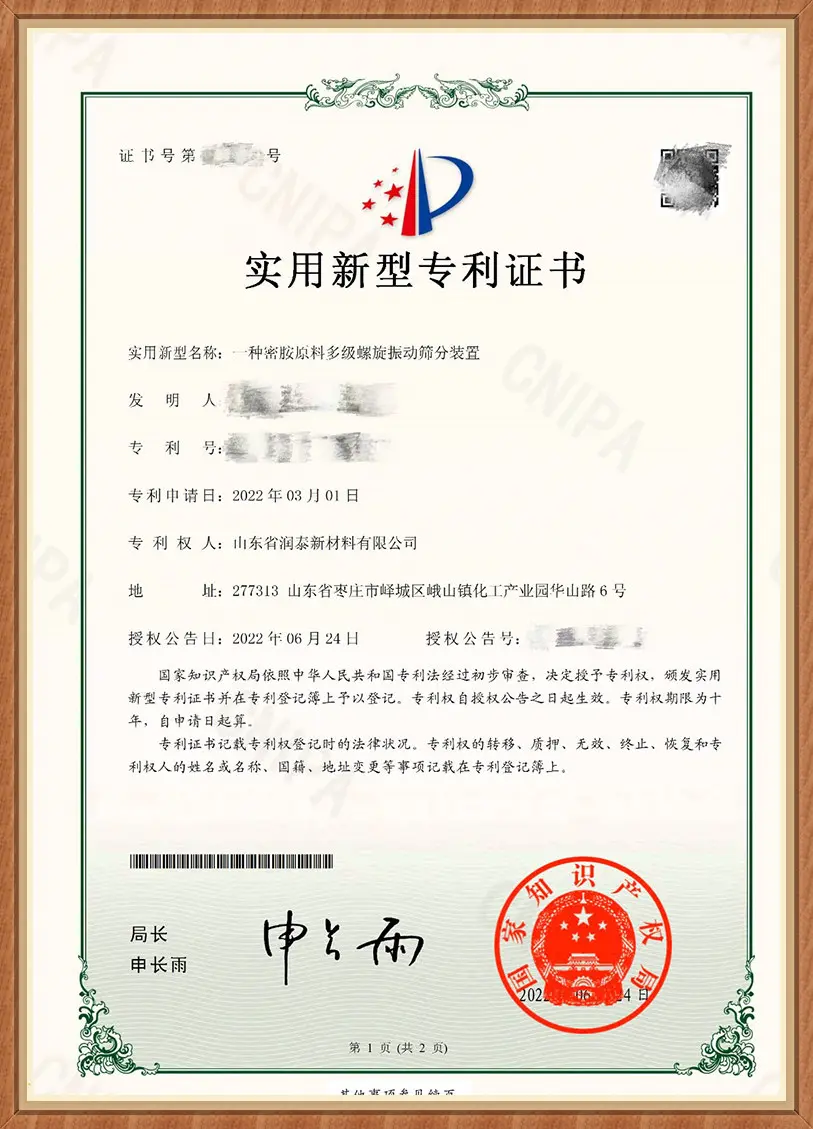
Direct supply options for wholesale markets, offering specialized thermosetting resins, adhesives, and viscosity-modifying solutions.
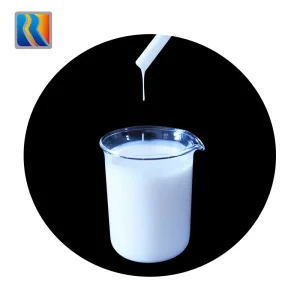
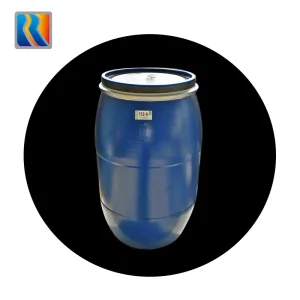
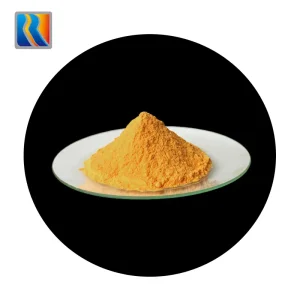
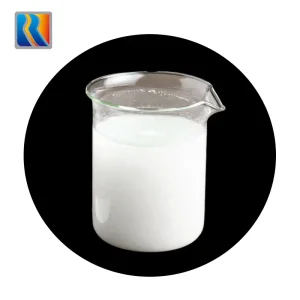
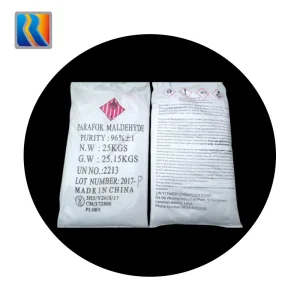
Phenolic resin sheets, colloquially known through various industrial standards such as Bakelite, Micarta, or FR-4 counterparts, represent the pinnacle of cost-to-performance synergy in the thermosetting polymer sector. By reacting phenol with formaldehyde under specified catalyst regimes, a cross-linked macromolecular matrix is generated. The resulting sheets offer unparalleled thermal endurance, electrical resistance, and mechanical resilience.
As a leading supplier, we balance affordability with rigorous engineering. "Cheap" does not indicate lower performance; instead, it denotes optimized industrial-scale manufacturing, vertical integration of raw materials (such as formaldehyde and melamine matrices), and streamlined production processes. For global procurement teams, sourcing direct from our integrated facilities helps eliminate unnecessary intermediary margins while maintaining strict compliance with international mechanical and electrical standards.
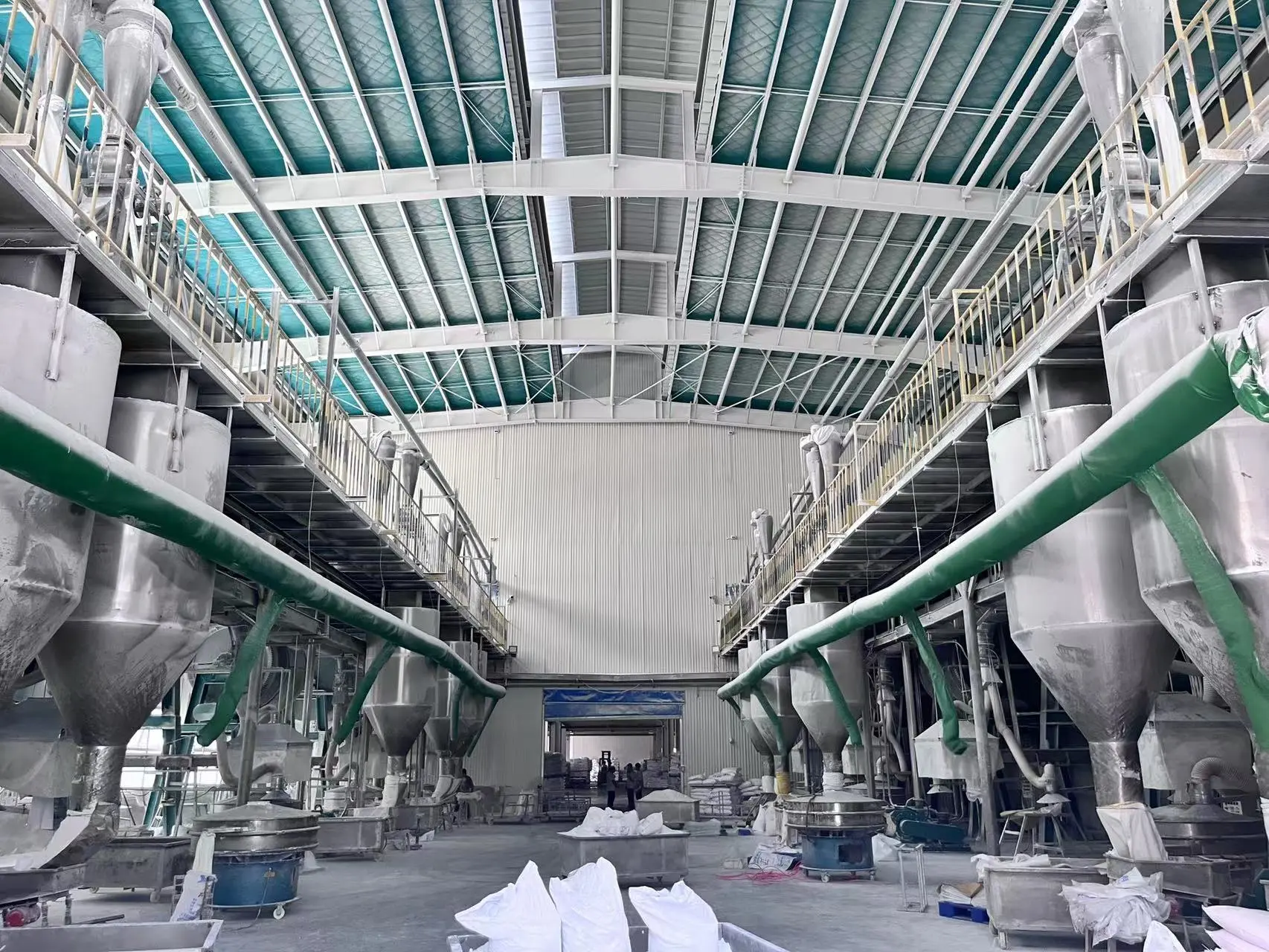
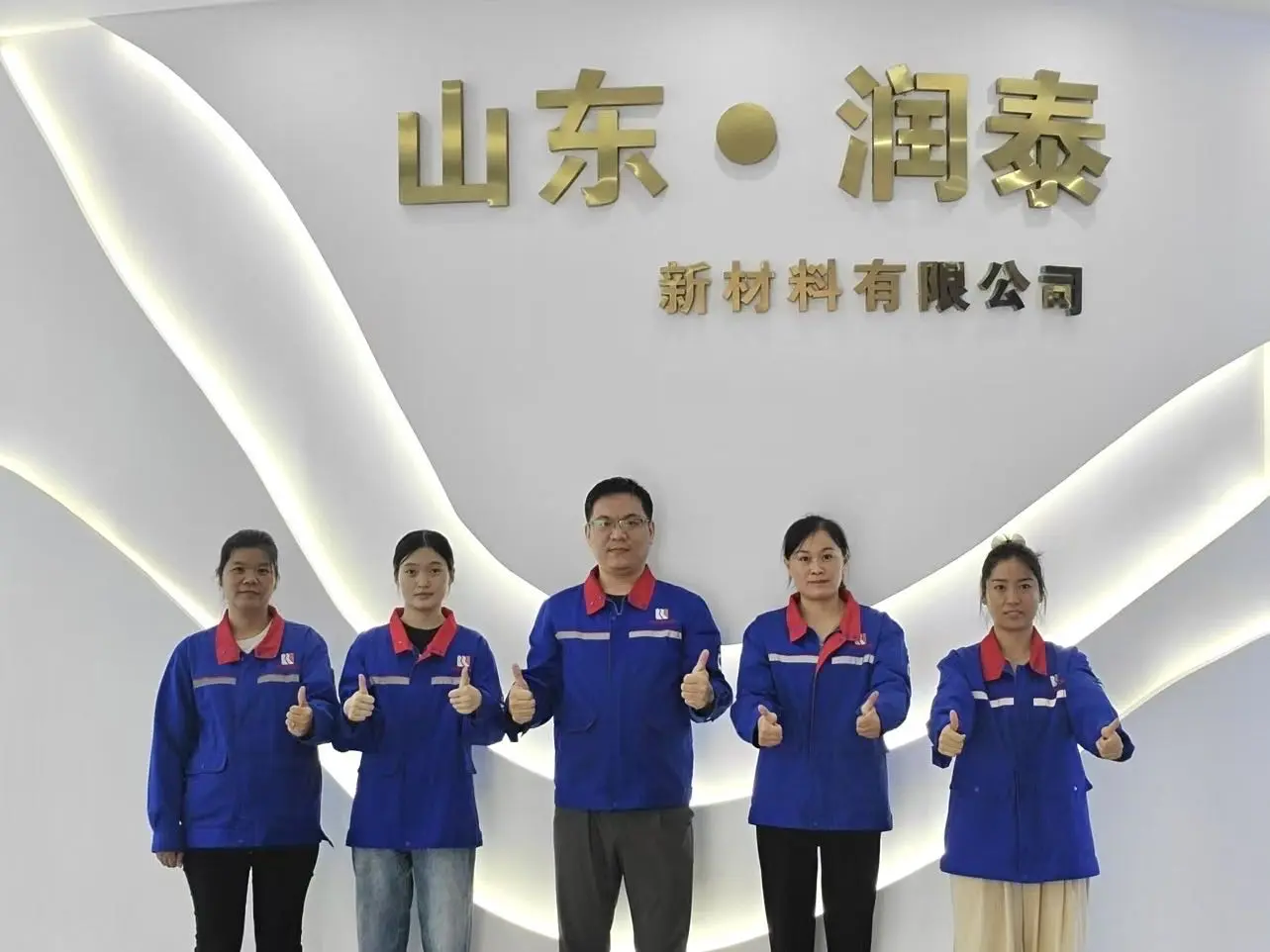
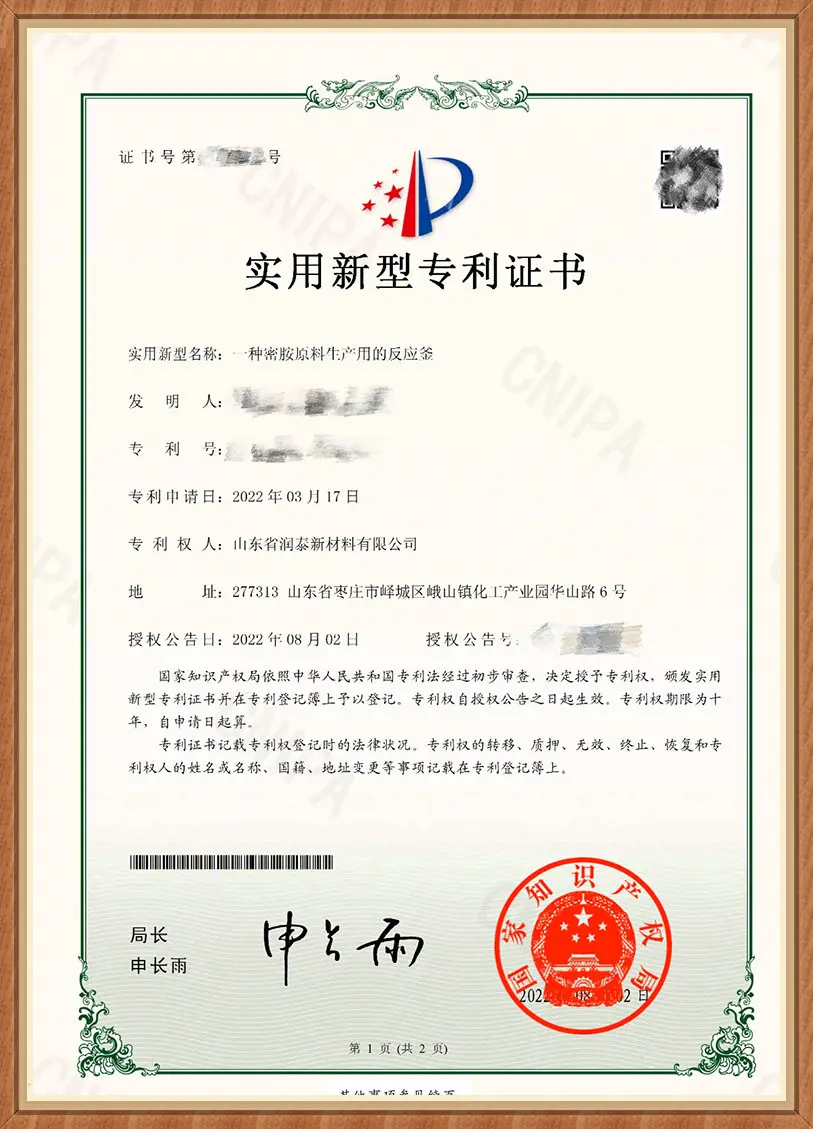
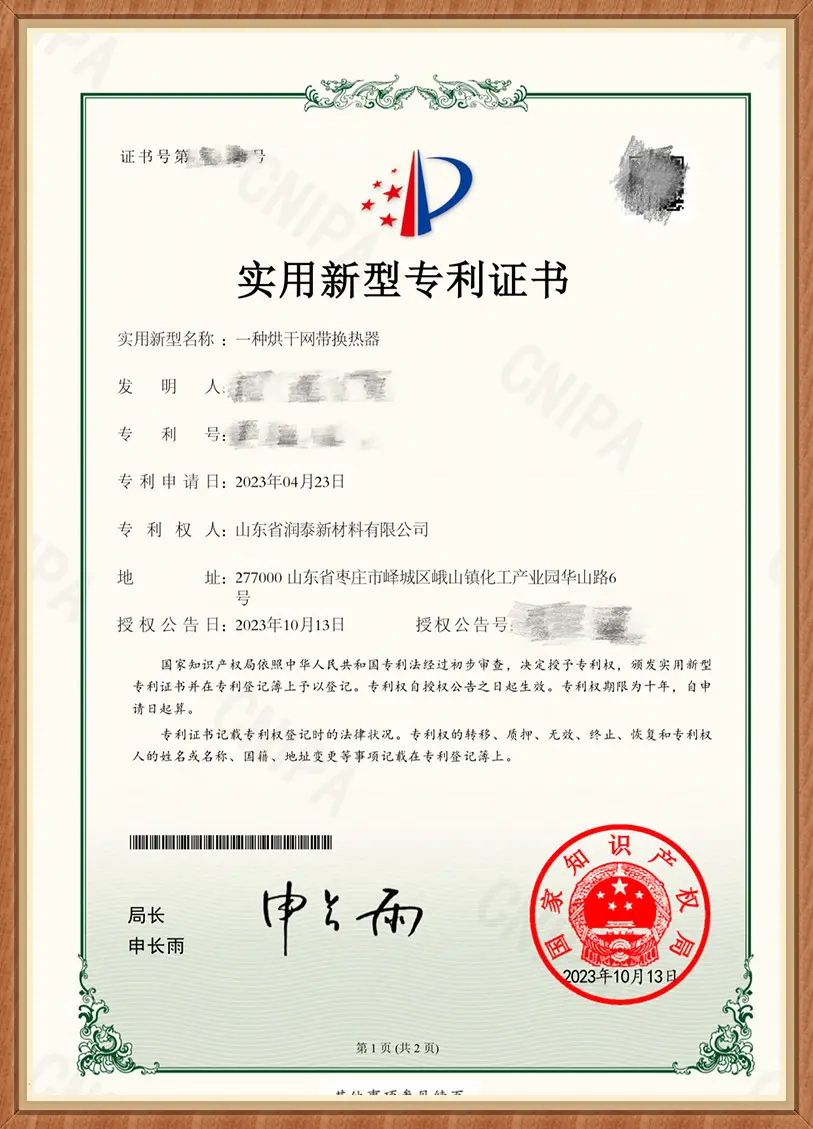
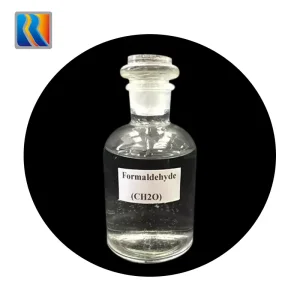
Founded in March 2020, Shandong Runtai New Materials Co., Ltd. is a comprehensive group firm that specializes in fine chemical products. Our primary products include formaldehyde, polyformaldehyde, urea formaldehyde resin, melamine powder, and melamine glazing powder. Headquartered in Zaozhuang City, Shandong Province, our state-of-the-art chemical complex spans 270,000 square meters, supported by a total investment of 2.06 billion yuan.
By leveraging digitalized process controls and integrated upstream raw materials, we achieve unparalleled supply chain resilience. Through full automation, we mitigate production variance, lower volatile organic compound (VOC) emissions, and optimize raw material conversion. For international buyers seeking cheap yet high-compliance phenolic resin systems, our integrated industrial chain provides a reliable defense against market volatility and supply disruptions.
Our infrastructure capacity is designed to satisfy high-volume requirements consistently:
How we are advancing polymer formulations to align with modern environmental and structural performance standards.
Replacing traditional petroleum-derived phenol with high-purity bio-lignin and cardanol systems. This reduces carbon footprint by up to 30% while retaining the cross-linking density required for high-dielectric industrial applications.
Formulating halogen-free fire retardant phenolic additives that meet international railway classification standards (such as EN 45545-2 HL3) and aviation interior parameters, without sacrificing structural shear strength.
Injecting nano-sized colloidal silica into the phenolic resol phase to increase wear resistance and prevent micro-fracturing under high mechanical stress and high-vibration CNC machining processes.
| Property / Grade Specification | Paper-Base Phenolic (XP/XX/XXX) | Cotton Fabric Phenolic (C/CE/L/LE) | Glass-Fabric Phenolic (G-3/G-5/FR-4 class) |
|---|---|---|---|
| Density (g/cm³) | 1.35 - 1.40 | 1.35 - 1.43 | 1.80 - 1.95 | Tensile Strength (MPa) | 80 - 120 | 65 - 85 | 220 - 310 |
| Dielectric Strength (kV/mm, in oil) | 12 - 20 | 6 - 12 | 25 - 40 |
| Max Continuous Temp (°C) | 120 - 130 | 115 - 125 | 140 - 180 |
| Water Absorption (%, 24h) | 0.8 - 1.6% | 1.0 - 2.0% | 0.1 - 0.3% |
For modern engineering and manufacturing entities, selecting raw materials is a critical design step. Our phenolic resin formulations serve several key industrial sectors:
Our materials are widely utilized in heavy-duty transformers, high-voltage substations, and industrial switchgears. The excellent dielectric properties and tracking resistance index (CTI) prevent catastrophic short circuits under variable loads.
Used as high-binding binders in high-friction clutch linings and brake pad backings, our high-purity phenolic resin polymers maintain mechanical integrity under extreme, sudden braking heat cycles.
Ideal for precision-machined gears, pulley wheels, guide rails, and custom tooling fixtures. The low coefficient of thermal expansion ensures dimensional stability during continuous tooling operations.

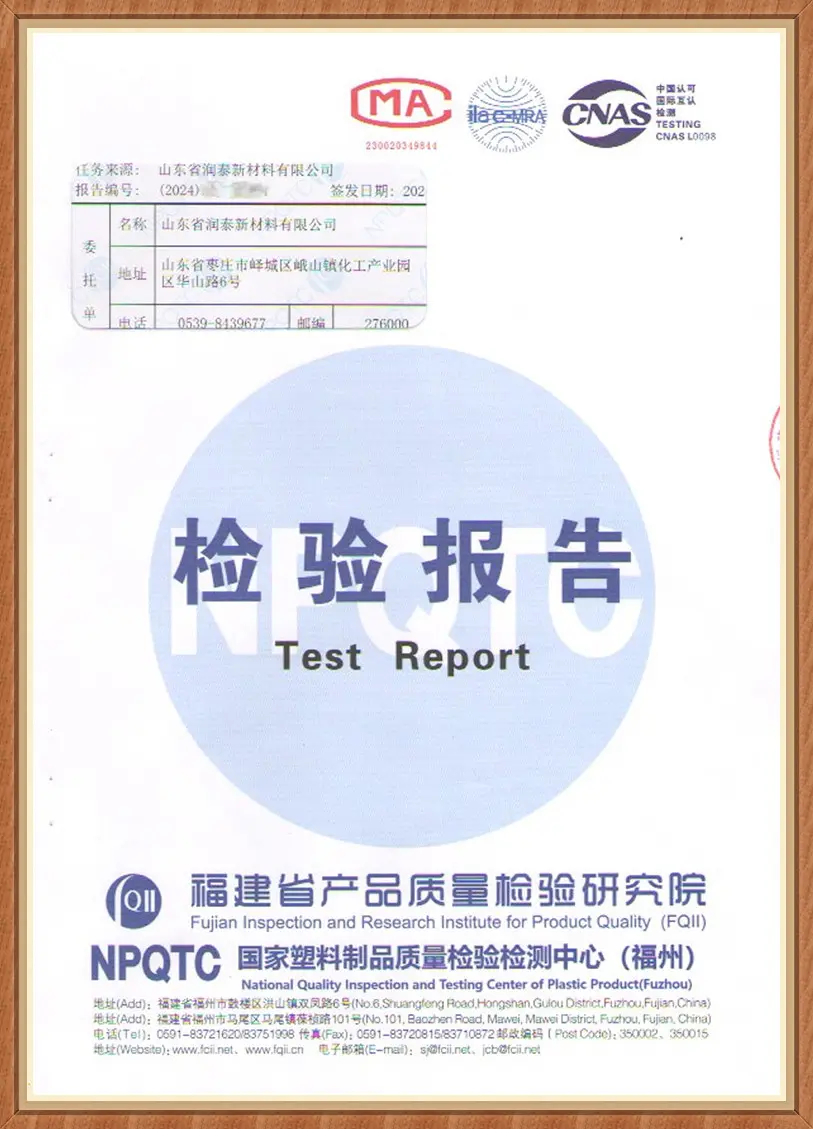
Sourcing chemicals globally requires navigating complex regulatory standards, customs procedures, and environmental compliance frameworks. Shandong Runtai New Materials Co., Ltd. addresses these challenges by offering dedicated localization support and certified product quality.
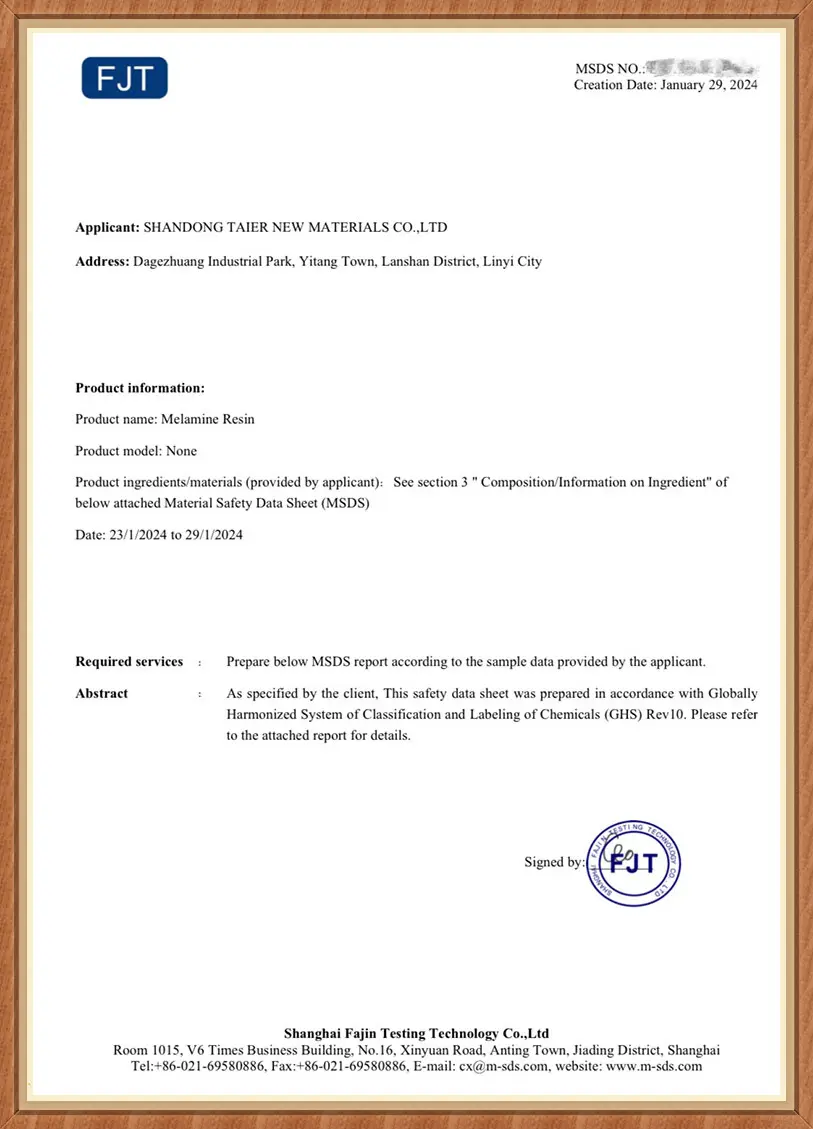
Our dedicated chemical compliance desk handles international regulations such as REACH (Europe), RoHS, EPA (USA), and various local environmental declarations. We provide full chemical material safety sheets (MSDS), certificates of analysis (COA), and technical data sheets (TDS) with every shipment. By maintaining robust distribution partnerships in the United States, Thailand, Kenya, Egypt, and beyond, we ensure reliable delivery and localized support for our international clients.
In-depth responses to technical questions from engineering managers and chemical procurement teams.
A: Our cost-effectiveness is driven by vertical integration. As a leading manufacturer of primary raw materials like formaldehyde (capacity: 380,000 tons/year) and melamine, we source key inputs internally. This configuration reduces transaction costs, insulates our operations from raw material price swings, and lowers per-ton logistics costs.
A: Novolac resins are acid-catalyzed polymers with a formaldehyde-to-phenol ratio of less than one, requiring a curing agent (typically hexamethylenetetramine) and heat to achieve cross-linking. Resol resins are base-catalyzed systems with a formaldehyde-to-phenol ratio greater than one, curing under heat without additional cross-linkers. We supply both formulations tailored to your specific application requirements.
A: For standard electrical insulation at low to medium voltages, paper-base phenolic sheets (grades XX or XXX) offer a cost-effective option. For high-humidity environments and high-voltage configurations, glass-cloth phenolic systems (such as FR-4 or G-10) are recommended due to their low water absorption properties and high dielectric strength.
A: Our Distributed Control System (DCS) continuously monitors vital synthesis parameters, including reaction temperature, pressure, raw material feed rates, and pH. By minimizing manual interventions, we reduce batch-to-batch variation, ensuring consistent curing profiles and mechanical characteristics for all production runs.
Our commitment to rigorous quality control, environmental stewardship, and continuous technological innovation.
A broad portfolio of polymers, additives, and specialized chemical resins designed for modern manufacturing applications.
 Runtai