Explore our core industrial products formulated to global specifications. Runtai offers direct-from-factory pricing and optimized supply chains.
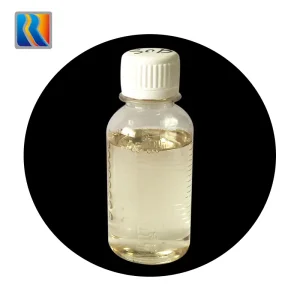
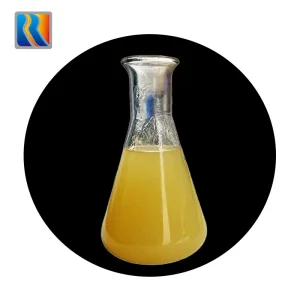
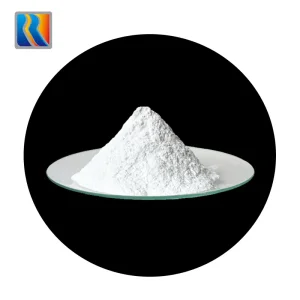
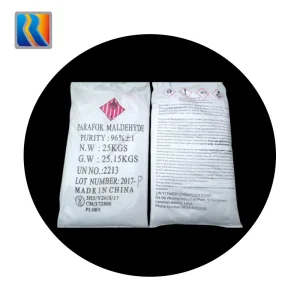
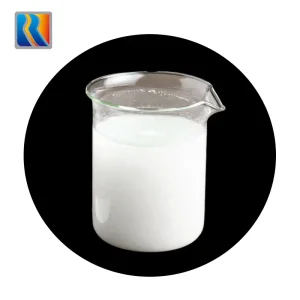
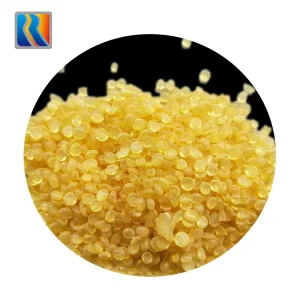
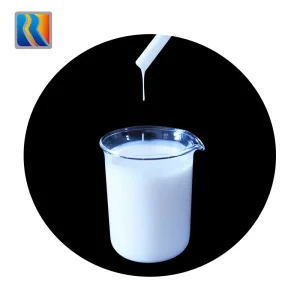
In B2B chemical procurement, the term "cheap" is frequently misunderstood. When searching for cost-effective Phenol Formaldehyde (PF) solutions, sophisticated chemical engineers and purchasing directors look beyond the initial price-per-ton. True cost efficiency is achieved through raw material vertical integration, minimized free phenol margins, and optimal catalytic efficiency that minimizes processing time.
Phenol Formaldehyde resins—synonymous with phenolic resins—represent some of the oldest, most reliable, and highly stable synthetic polymers. Characterized by their exceptional heat resistance, high mechanical strength, dimensional stability, and resistance to chemical corrosion, they are the backbone of modern composite wood panels, molding compounds, industrial laminates, and abrasive materials. By managing the stoichiometry of phenol and formaldehyde reactants, we formulate novolac and resol resin systems tailored to specific temperature profiles, curing kinetics, and physical formats.
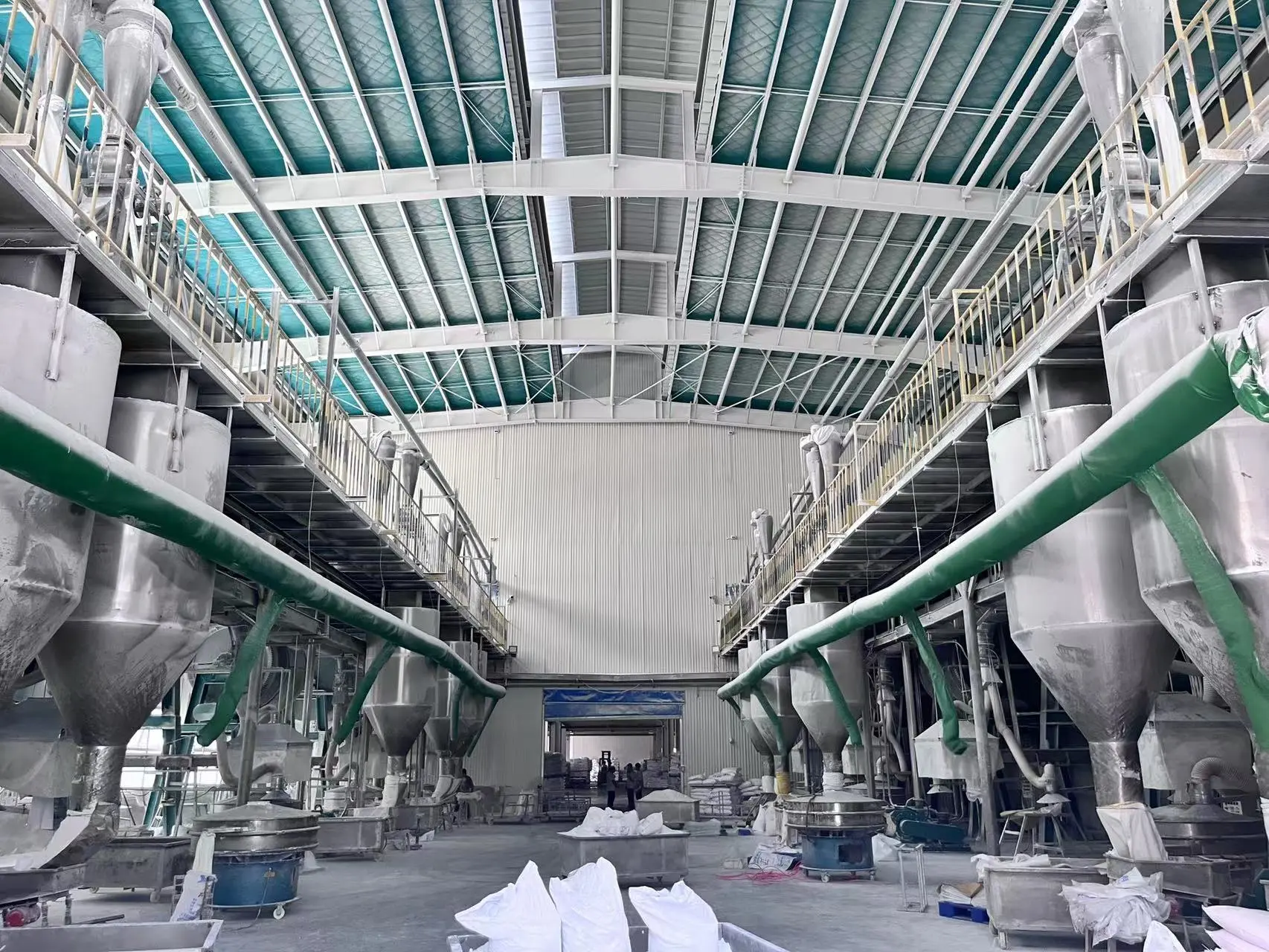
Founded in March 2020, Shandong Runtai New Materials Co., Ltd. is a comprehensive group firm that specializes in fine chemical products. Our primary products include formaldehyde, polyformaldehyde, urea formaldehyde resin, melamine powder, and melamine glazing powder. Headquartered in Zaozhuang City, Shandong Province, our state-of-the-art facility covers an area of 270,000 square meters with a total initial investment of 2.06 billion yuan.
By producing our own basic chemical feeds, Runtai mitigates the extreme cost volatility typical of phenol-formaldehyde supply lines. Our integrated industrial chain acts as an operational stabilizer, ensuring that our downstream phenolic polymers and melamine formulations remain pricing-resilient even amidst crude oil fluctuations.
Our manufacturing facility applies the guiding principles of "automatic control, safe and reliable, stable operation, energy saving and consumption reduction, and comprehensive utilization of resources." By employing advanced Distributed Control Systems (DCS), process parameters are dynamically calibrated to ensure batch uniformity, low free monomers, and high thermal performance.
Phenol Formaldehyde (PF) resins are highly customizable. Below are the core global industrial vectors where our formulations deliver cost and functional advantages:
Our novolac resins, cross-linked with hexamethylenetetramine (HEXA), provide critical binding capacity for brake pads, clutches, and drum linings. They endure sustained frictional heat over 300°C without mechanical decomposition, reducing fade and pad wear.
Resol PF resins offer exceptional resistance to moisture and weather. They undergo irreversible cross-linking during hot pressing, creating strong water-resistant bonds in OSB, plywood, and laminated veneer lumber (LVL) destined for marine or outdoor construction.
With high dielectric strength and excellent tracking resistance, PF polymers are utilized in laminating paper or glass fabrics to produce circuit board substrates, switches, and heavy-duty industrial terminal blocks.
For steel and foundry molding sands, our resins act as high-carbon binders. Their high carbon yield upon thermal decomposition maintains mold stability at molten metal temperatures (exceeding 1500°C).
The synthesis of Phenol Formaldehyde resin relies on step-growth polymerization. The pathway selected dictates the structure, physical state, and curing properties of the resultant thermoset:
| Feature | Novolac Resin Systems | Resol Resin Systems |
|---|---|---|
| Catalyst Used | Acidic Catalysts (e.g., Oxalic Acid, Hydrochloric Acid) | Alkaline Catalysts (e.g., Sodium Hydroxide, Barium Hydroxide) |
| Formaldehyde:Phenol Ratio | < 1.0 (Typically 0.75 - 0.85; Phenol excess) | > 1.0 (Typically 1.5 - 2.5; Formaldehyde excess) |
| Curing Requirement | Requires a curing agent (e.g., Hexa / HMTA) to form cross-links | Thermally self-curing via reactive methylol groups |
| Physical Form | Usually solid (flakes, powder) or dissolved in solvents | Liquid solutions, emulsions, or water-soluble resol syrups |
| Typical Shelf Life | Highly stable; virtually indefinite when stored dry | Limited; requires temperature-controlled storage |
Industrial health regulations globally place strict limitations on airborne formaldehyde and phenol exposure. Our R&D division has developed modified synthesis protocols that lower free phenol levels below 0.5% and free formaldehyde below 0.1% in the final resin format.
By utilizing modern condensation techniques, we ensure our PF resins cure faster at lower hot-press temperatures while meeting strict indoor air quality (IAQ) emissions requirements, including CARB Phase 2 and EPA TSCA Title VI standards.
In the global chemical sector, supply continuity is essential. Production line shutdowns due to delayed chemical deliveries can cause significant financial losses. Runtai New Materials has built a stable, resilient B2B supply hub in Shandong:
Our raw material production of 380,000 tons of formaldehyde acts as a buffer against raw material shortages. Because we produce our own formaldehyde, we maintain constant output and pricing stability even during volatile market cycles.
Located in Zaozhuang City, Shandong, we sit in close proximity to major ports (such as Qingdao Port) and well-developed chemical logistics corridors. This ensures container shipments reach international ports quickly and cost-effectively.
Through our long-term research partnership with the Changzhou Research Institute of Beijing University of Chemical Technology, we utilize a doctoral R&D team to continuously optimize product formulations for custom client requests.
Exporting to the United States, Thailand, Kenya, Egypt, and beyond requires adherence to varied regulatory and environmental frameworks. Shandong Runtai prioritizes environmental protection and safety compliance across all production lines.
We work with third-party testing agencies to ensure all exports comply with:
• REACH Compliance for the European Union.
• EPA TSCA Title VI for wood composite resins.
• ISO 9001:2015 (Quality Management) and ISO 14001:2015 (Environmental Management).
Our products are shipped with complete SDS (Safety Data Sheets) in localized languages, incorporating correct GHS labeling for smooth customs clearance and chemical handling safety.

Get answers to common technical, logistics, and pricing questions about our Phenol Formaldehyde (PF) resins and chemical line:
Resol resins contain active methylol groups that continue to react slowly at ambient temperatures. To maximize stability, liquid resol resins should be stored under refrigeration (typically <10°C). Under refrigerated conditions, liquid resols maintain specifications for 3 to 6 months. Novolac solid resins are stable and can be stored indefinitely under dry, cool conditions.
Yes, we specialize in custom formulations. Our R&D team can adjust molecular weight distribution, solids content, and catalyst concentrations to match your specific hot-pressing temperature, cycle time, and mold geometry.
Our 380,000-ton annual formaldehyde production capacity provides a strong cost-stabilization mechanism. By manufacturing our primary raw feed downstream from methanol, we avoid third-party markups and limit supply interruptions, allowing us to offer competitive pricing on bulk Phenol Formaldehyde resins.
For solid novolac and resol resins, we offer standard 25 kg bags, 500 kg, and 1000 kg bags. Liquid resols are shipped in 250 kg steel drums, 1.25-metric-ton IBC totes, or bulk ISO tankers, depending on shipping distance and transit times.
We use advanced polymerization techniques that bind free formaldehyde molecules directly into the polymer network. By using specific post-addition chemical scavengers and adjusting reactant ratios, we formulate resins that comply with CARB Phase 2 and EPA TSCA Title VI standards.
Review additional chemical products, additives, and high-strength binders manufactured in our integrated production lines:
 Runtai