Explore our premium range of industrial polymers, resins, and specialized chemical additives manufactured under strict DCS quality controls.
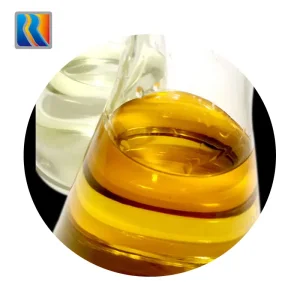
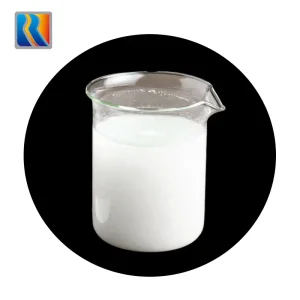
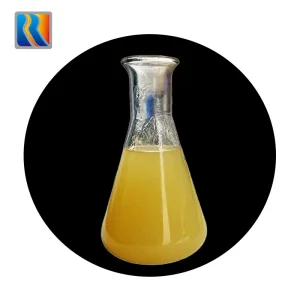
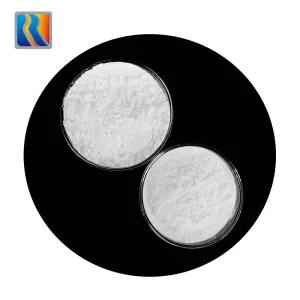
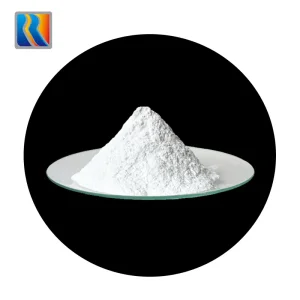
An in-depth analysis of thermosetting resin technologies, global market dynamics, and advanced synthesis systems.
Phenolic resin adhesives, discovered over a century ago as Bakelite, remain the undisputed benchmark for high-performance structural bonding. In modern industrial applications, the demands on adhesive integrity under extreme heat, mechanical stress, and chemical exposure have escalated. As a leading manufacturer, Shandong Runtai New Materials Co., Ltd. has pioneered the optimization of these polycondensation structures, meeting the stringent requirements of structural wood composites, aerospace insulation, automotive friction materials, and advanced refractories.
With the global transition towards sustainable chemistry, the industry is witnessing a pivot. Phenolic resins must now align with ultra-low free formaldehyde limits (such as CARB Phase 2 and EPA TSCA Title VI) without sacrificing cross-linking density or thermal stability. This whitepaper details how specialized polymer engineering, integrated raw material chains, and advanced process controls allow Runtai to deliver reliable adhesive solutions to critical markets worldwide.
The global demand for phenolic resins continues to grow, driven by the construction, automotive, and foundry sectors. In North America and Europe, the primary driver is structural engineered wood (e.g., Laminated Veneer Lumber - LVL, Oriented Strand Board - OSB, and exterior-grade plywood). These applications rely heavily on Resole-type phenolic resins to provide permanent water resistance and structural reliability under cyclical loading.
In Asia and South America, rapid urbanization and expanding industrial infrastructure have spurred the consumption of Novolac-type resins for abrasive materials and steel industry refractories. Global procurement managers face double challenges: ensuring compliance with increasingly strict chemical handling regulations and stabilizing supply chains against volatile upstream feedstock prices, particularly phenol and methanol.
Founded in March 2020, Shandong Runtai New Materials Co., Ltd. has rapidly evolved into a comprehensive industry leader specializing in fine chemical research, large-scale synthesis, and global distribution. Strategically headquartered in Zaozhuang City, Shandong Province, the corporation operates dynamic branches across five major chemical production hubs in China, occupying a sprawling industrial estate of 270,000 square meters.
Supported by a total capital investment of 2.06 billion Yuan, our facility integrates upstream feedstock refining directly with downstream polymer synthesis. This self-contained ecosystem guarantees that raw material quality, thermal dynamics, and delivery timelines are kept under strict oversight, providing our global clients with an unparalleled competitive advantage.
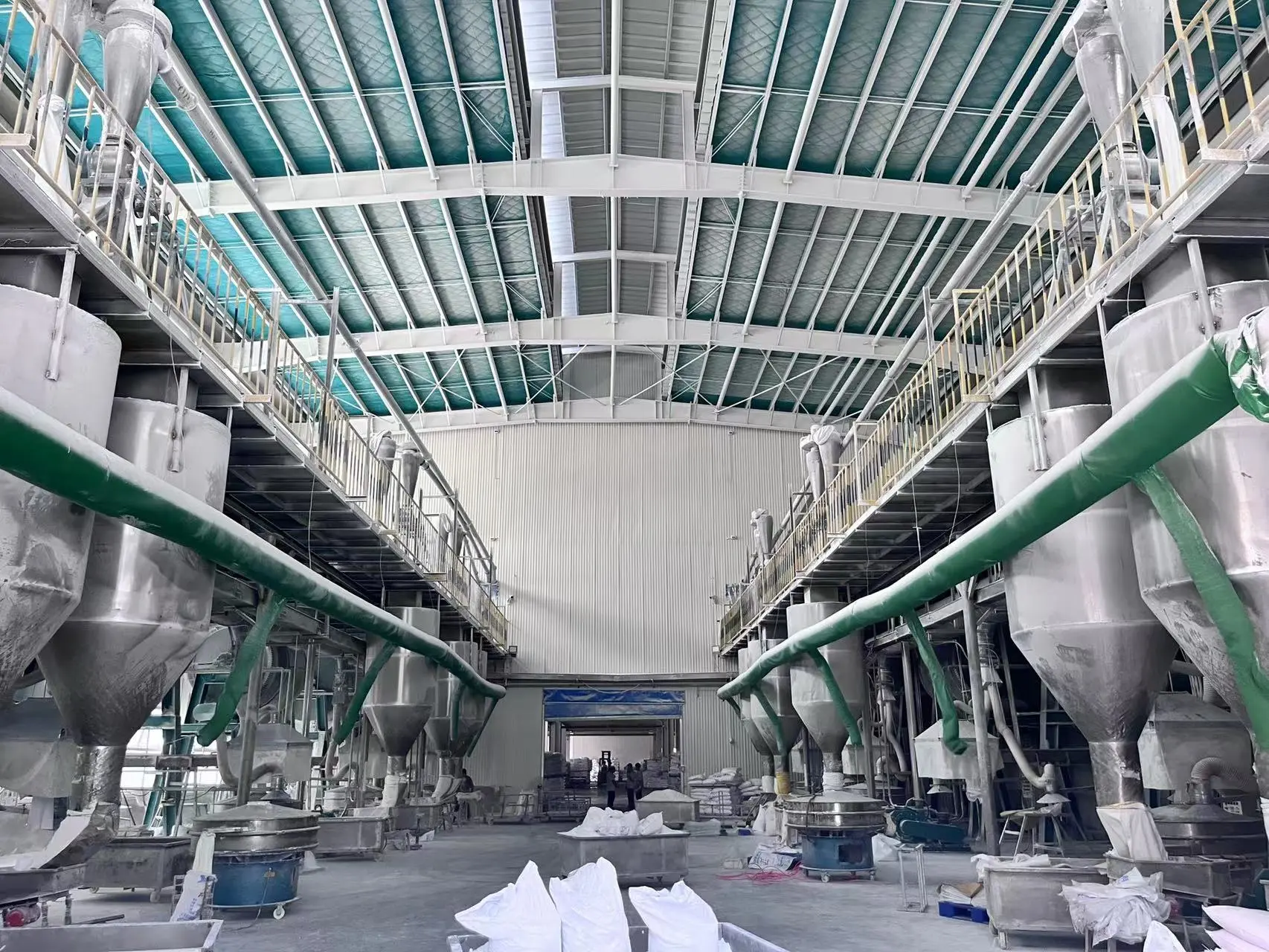
Scaling polymer production to meet global industrial demands with unmatched efficiency.
The molecular engineering behind our Resole and Novolac phenolic resin systems.
The polymerization of phenol and formaldehyde is a classic polycondensation process, but achieving specific mechanical, thermal, and regulatory performance requires meticulous control over molecular weight distribution, cross-linking density, and functional groups. At Shandong Runtai New Materials, our chemical engineers operate on two primary technical pathways:
Synthesized with a phenol-to-formaldehyde molar ratio typically ranging from 1:1.5 to 1:3.0 in the presence of alkaline catalysts (e.g., Sodium Hydroxide, Barium Hydroxide, or Amines). Resoles are highly reactive, containing active methylol (-CH₂OH) groups that self-crosslink upon heating without the addition of curing agents. Excellent for moisture-proof wood composites and structural marine adhesives.
Synthesized under acidic conditions (using Oxalic Acid, Hydrochloric Acid, or Sulfuric Acid) with a phenol-to-formaldehyde ratio of 1:0.8 to 1:0.95. Since formaldehyde is the limiting reactant, the polymer chain consists primarily of phenolic nuclei linked by methylene bridges, lacking reactive methylol groups. Curing requires a hardening agent, typically Hexamethylenetetramine (Hexa / HMTA). Widely used in friction linings, grinding wheels, and foundry sands.
To eliminate human error, batch variance, and thermal runaway hazards (due to the highly exothermic nature of formal reaction stages), Runtai employs state-of-the-art Distributed Control Systems (DCS). The synthesis follows a strict four-phase procedure:
Phenol and formaldehyde feedstocks are automatically metered into the glass-lined reactor, followed by catalytic adjustments to control pH precisely.
Under precise temperature control (typically 80°C - 98°C), addition reactions yield methylolphenols, followed by molecular weight growth.
Vacuum distillation is applied at reduced temperatures to strip water, residual phenol, and unreacted free formaldehyde from the resin matrix.
Modifiers (such as urea, melamine, or silane coupling agents) are introduced. The resin is rapidly cooled, tested, and packaged.
| Resin Grade | Type | Viscosity (25°C, mPa·s) | Solid Content (%) | Free Formaldehyde (%) | Primary Application |
|---|---|---|---|---|---|
| RT-PH-302 | Resole Liquid | 150 - 350 | 50% ± 2% | < 0.15% | Structural Plywood & LVL Adhesive |
| RT-PH-405 | Resole Liquid | 400 - 800 | 62% ± 1% | < 0.10% | Fiberglass Insulation Binders |
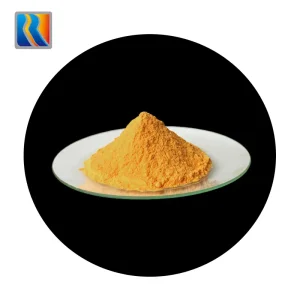
| RT-PH-601 | Novolac Powder | N/A (Softening Pt: 85-95°C) | > 99% (Solid) | Trace (Hexa blend available) | Friction Materials & Brake Pads |
| RT-PH-710 | Modified Resole | 1000 - 2500 | 70% ± 2% | < 0.20% | Refractory Binder & Foundry Resins |
How Runtai's phenolic resins solve engineering problems across distinct regional and industrial applications.
In the US and Canada, timber constructs must comply with rigid structural guidelines (e.g., PS 1-19, PS 2-18). Runtai's RT-PH-302 Resole resin provides superior wood-fiber penetration and excellent resistance to boiling water, moisture cycle swelling, and microbial attack. Our low-free-formaldehyde formulations help mills easily comply with EPA TSCA Title VI standards.
The European automotive sector (Germany, Italy, France) demands highly stable friction binders for heavy-duty brake pads and clutch faces. Our Novolac powder grades, containing targeted hexamethylenetetramine (HMTA) additions, yield high glass transition temperatures (Tg > 250°C) and excellent heat resistance, preventing brake fade under extreme conditions.
In industrial hubs across China, Japan, and India, steel production relies on high-quality refractory bricks (e.g., Magnesia-Carbon bricks). Runtai's liquid resole resins (RT-PH-710) feature high carbon yield (typically 40% - 48% coking value) and optimal viscosity, providing superior binding strength during green state forming and high-temperature firing.
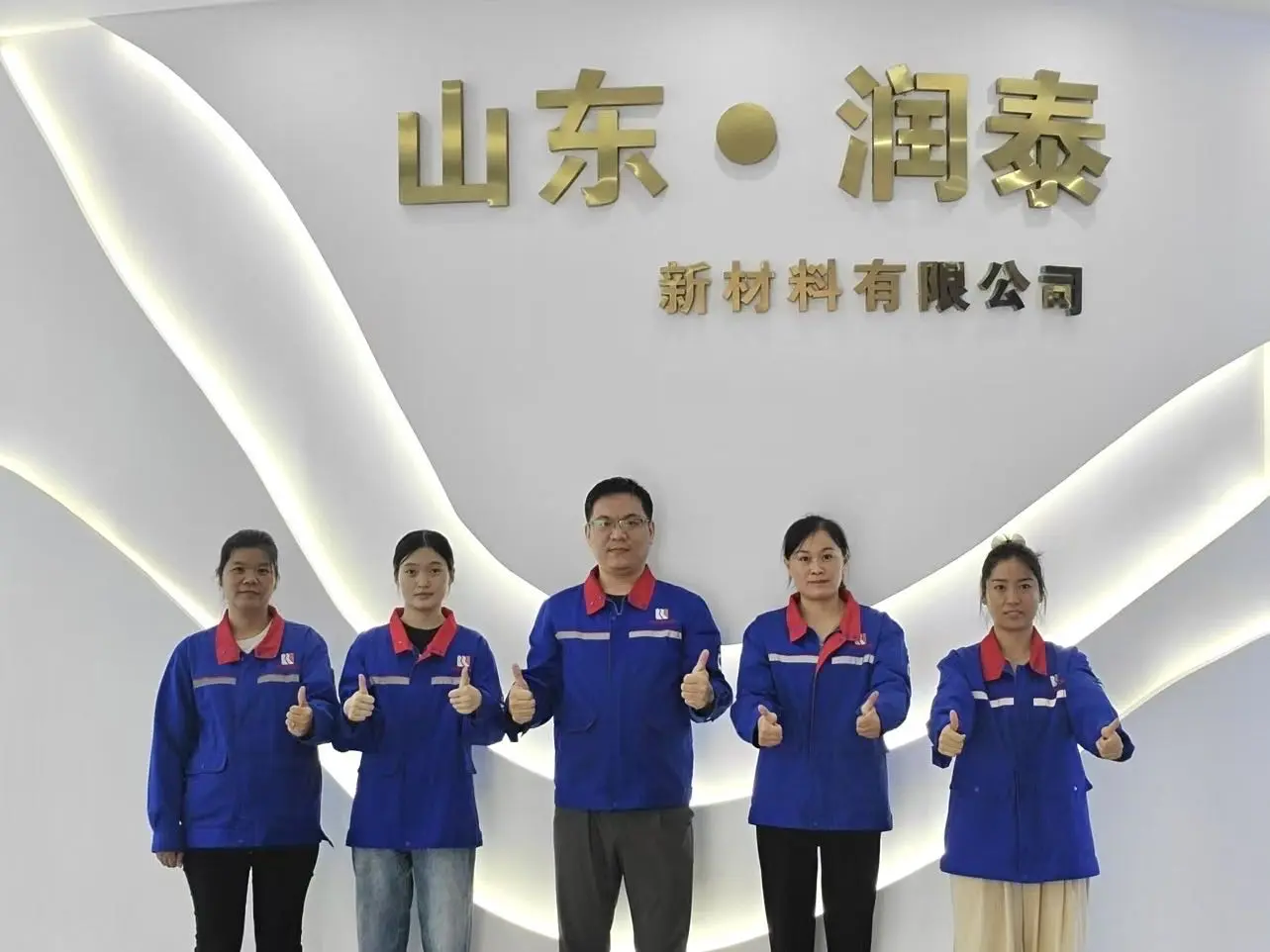
The chemical manufacturing sector demands more than just laboratory-level expertise; it requires bulletproof raw material availability, thermal energy stability, and rapid outbound logistics. Shandong Runtai New Materials has constructed an integrated industrial chain that minimizes external supply disruptions:
Merging industrial production capacity with academy-level molecular research.
Shandong Runtai New Materials Co., Ltd. does not simply follow existing formulation recipes; we co-develop new polymer architectures. Through our long-term strategic partnership with the Changzhou Research Institute of Beijing University of Chemical Technology, we have built a collaborative pipeline that integrates theoretical chemical engineering with practical field application.
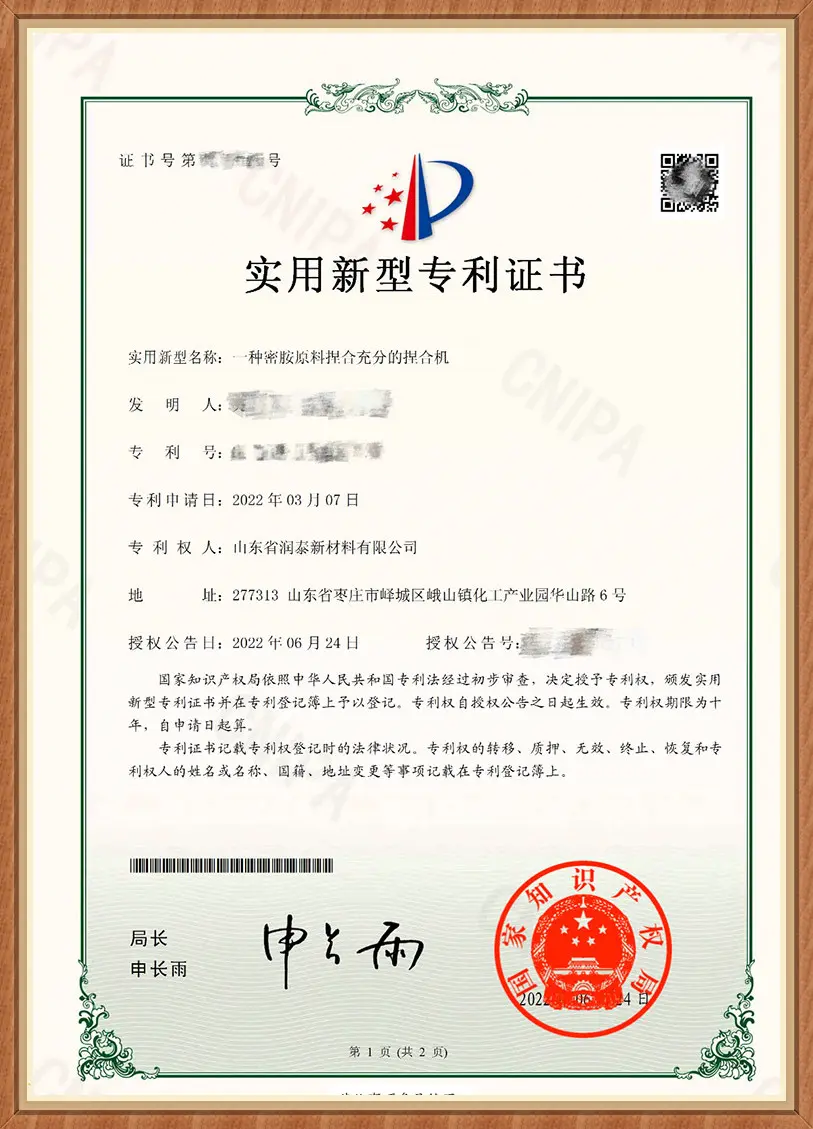
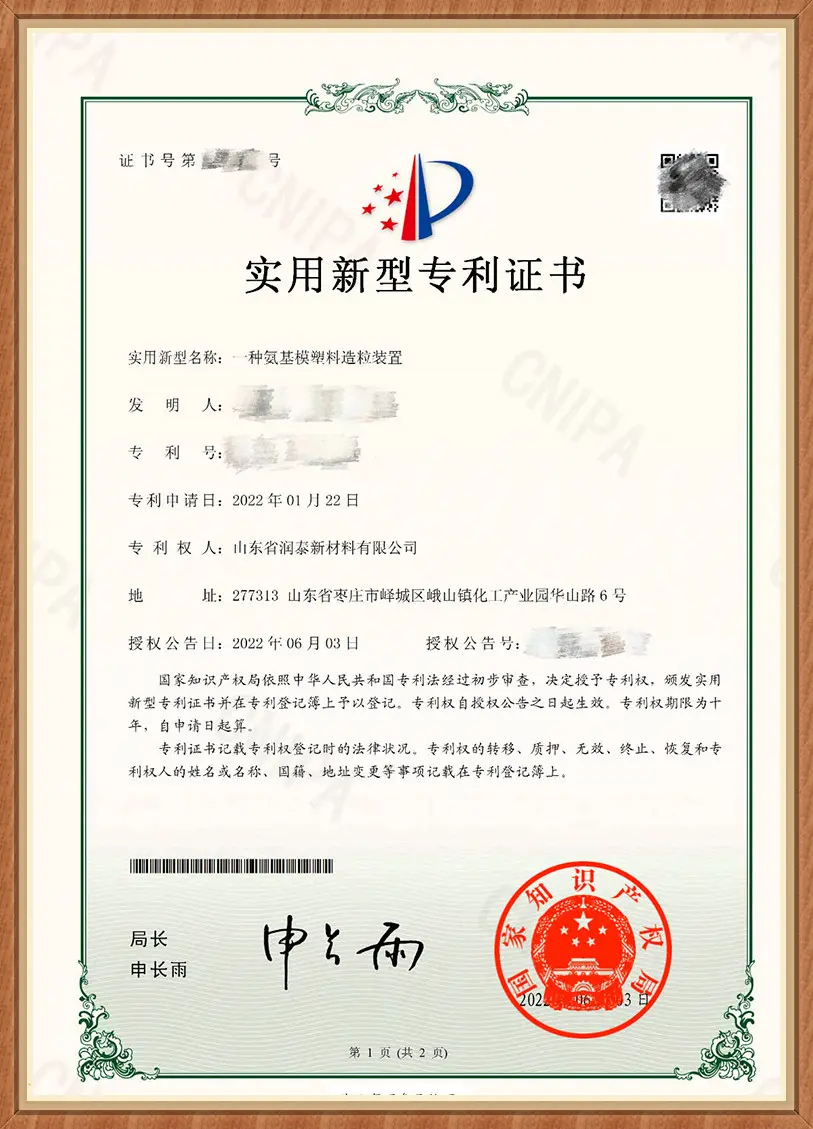
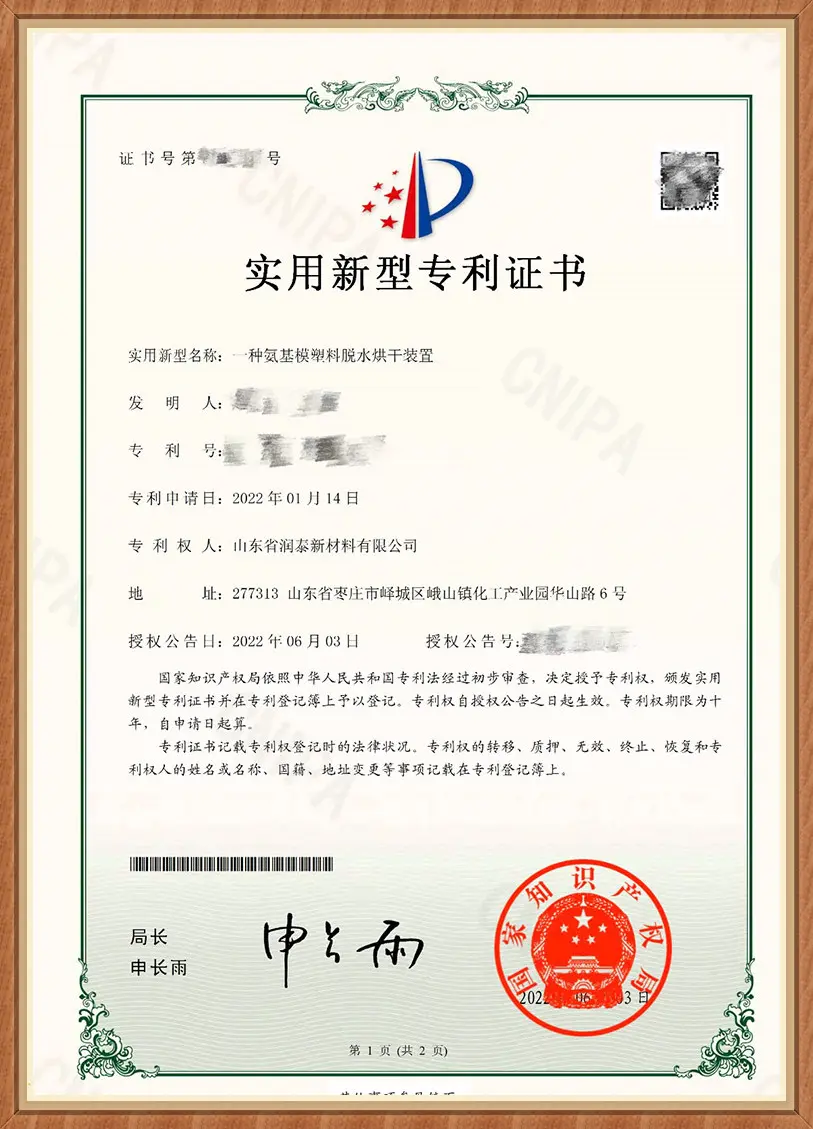
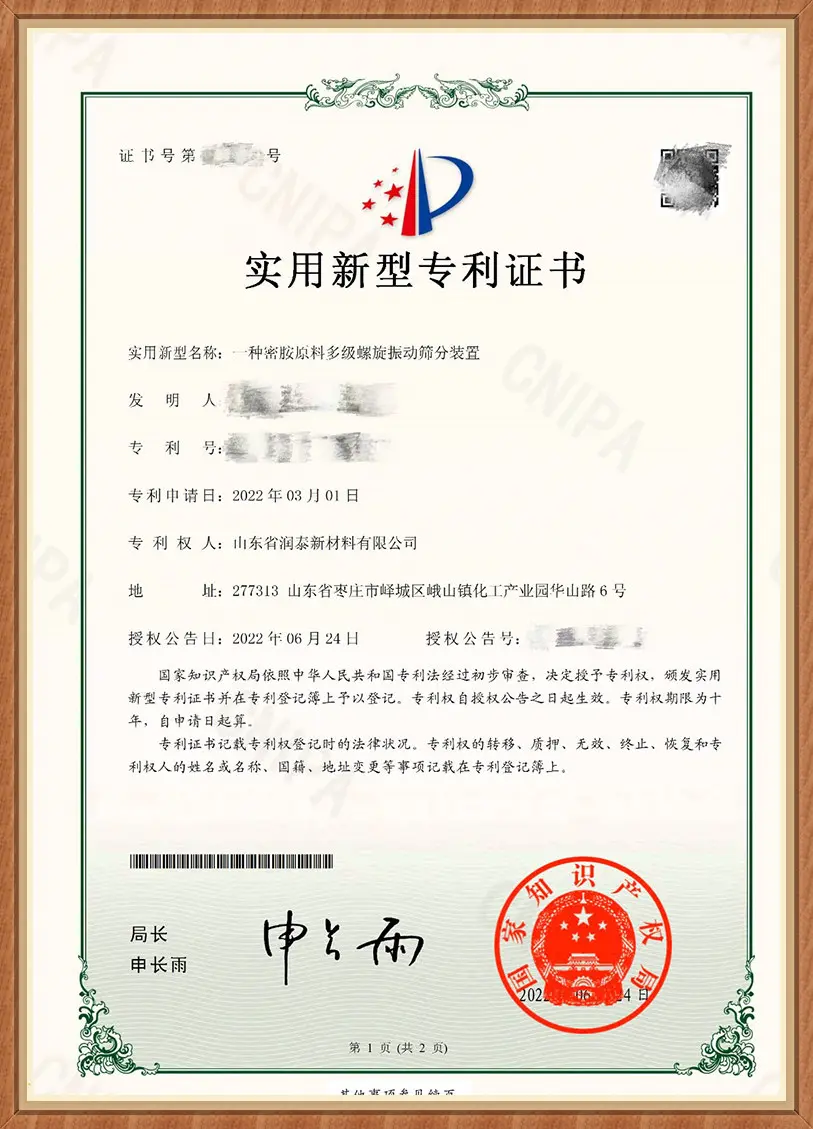
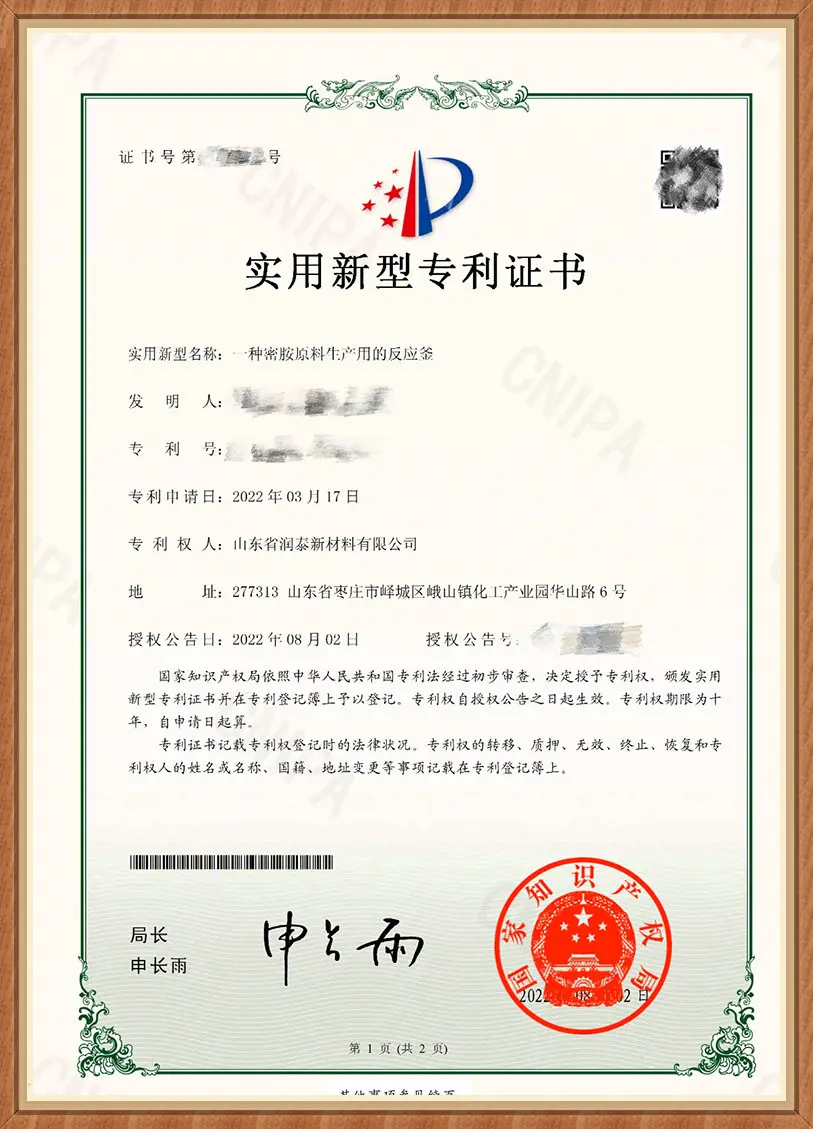
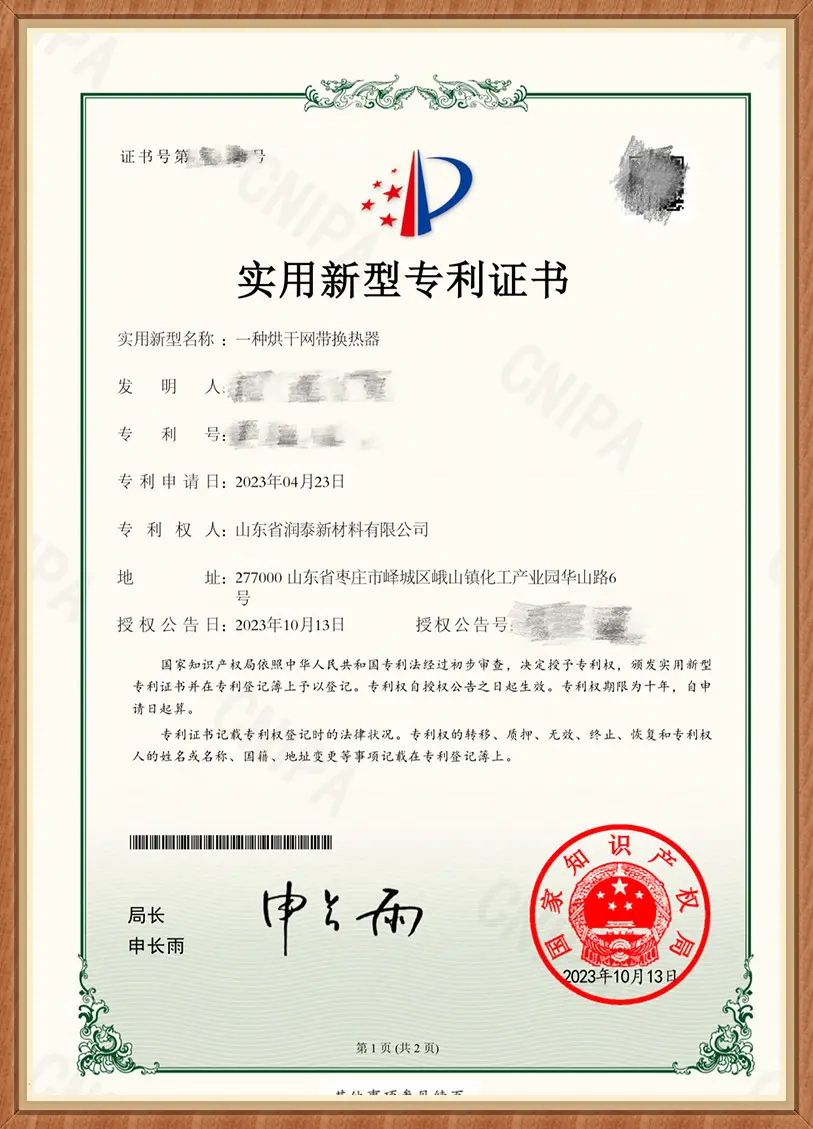
Our dedicated R&D division is staffed by industry-leading doctoral research teams and chemical engineers. Over the past few years, this division has acquired multiple national patents focusing on phenol-formaldehyde-melamine co-condensation modifications. This work has successfully reduced free formaldehyde emissions by over 60% while maintaining the rapid mechanical curing rates required by high-speed production plants.
Our laboratory facilities are equipped with gas chromatography, gel permeation chromatography (GPC), differential scanning calorimetry (DSC), and FTIR spectrometers, ensuring that every batch of resin meets international molecular distribution specifications before dispatch.


As a progressive chemical supplier, Runtai recognizes that modern industry requires sustainable manufacturing. Our production lines prioritize energy recovery, low-emission heating, and closed-loop liquid recovery systems. We are fully committed to developing and manufacturing eco-friendly chemical products that minimize environmental impact while adhering to local and global regulatory systems.
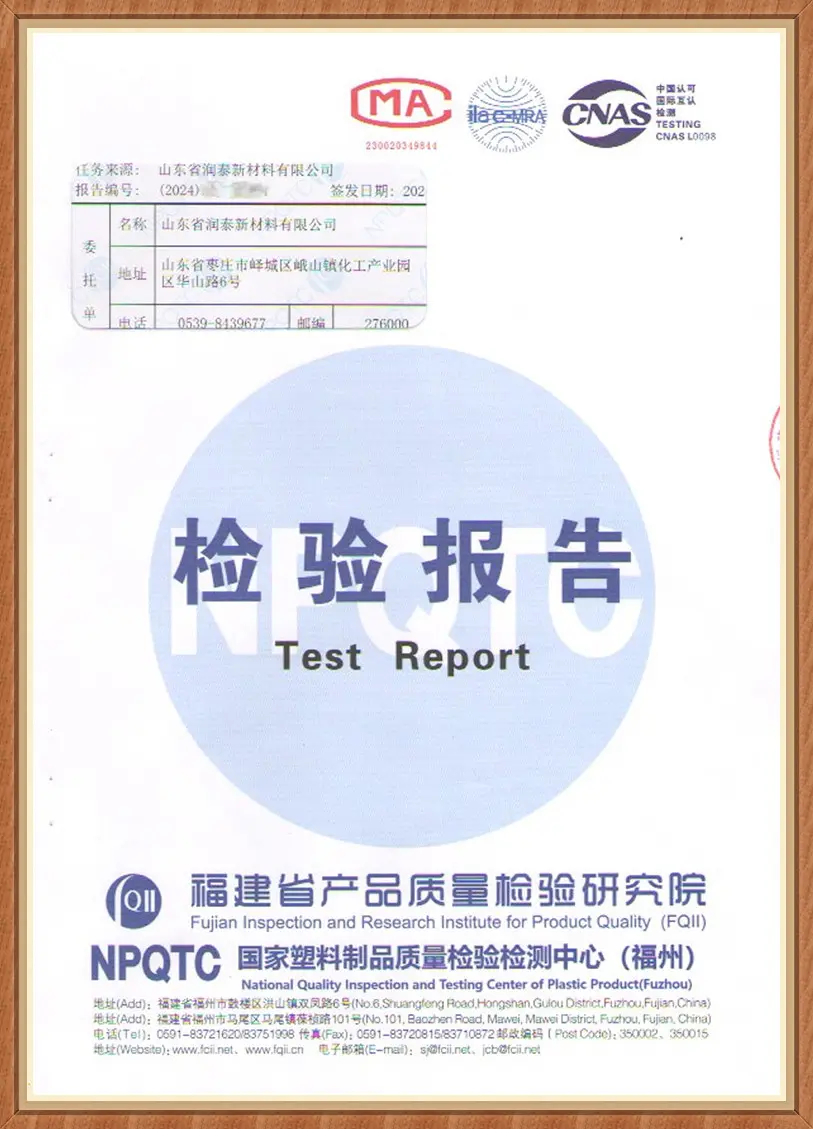
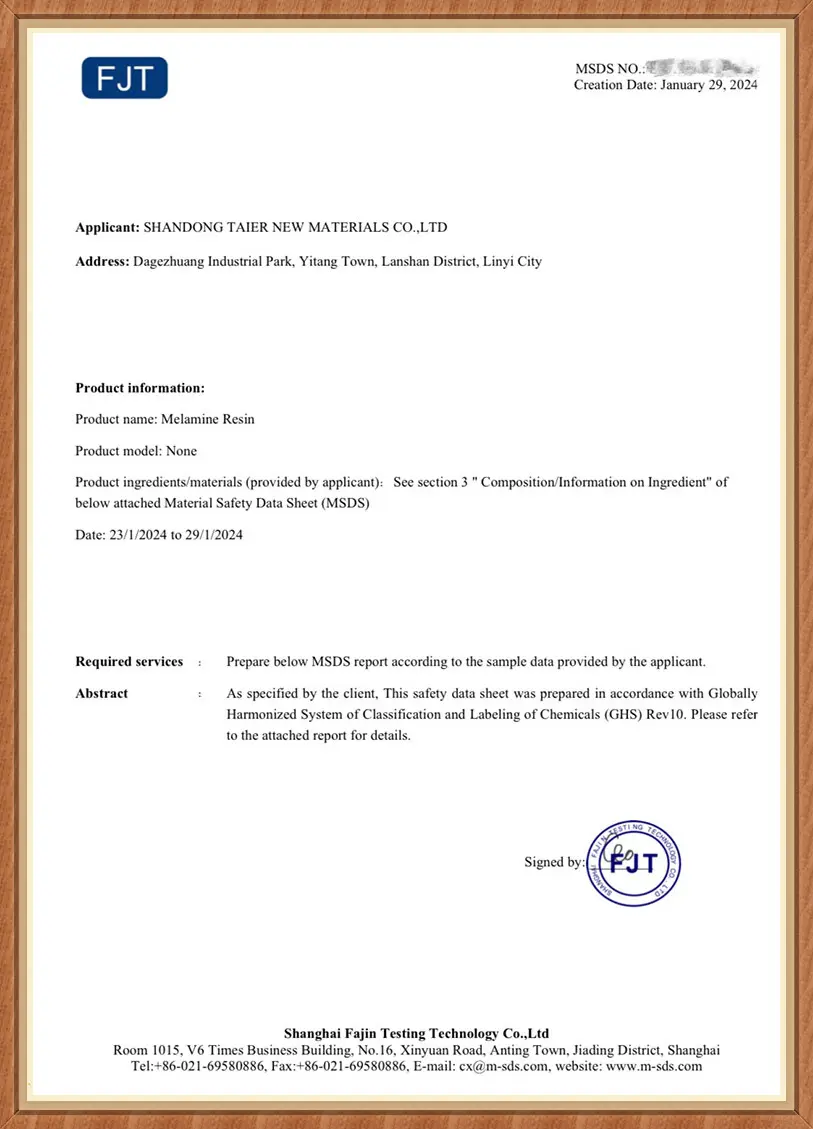
Our systems conform to ISO 9001:2015 (Quality Management), ISO 14001:2015 (Environmental Management), and ISO 45001:2018 (Occupational Health & Safety) certifications. Furthermore, our chemical products undergo regular testing to satisfy international REACH requirements, CARB Phase 2 restrictions, and RoHS guidelines, giving global purchasers complete confidence in their product compliance.
Addressing the critical parameters and commercial specifications that procurement directors and chemical engineers care about.
Internationally audited operations and patented intellectual property ensuring quality consistency.
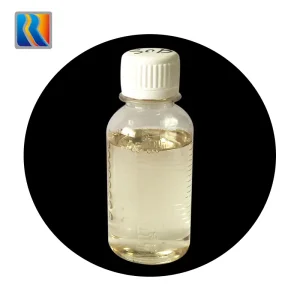
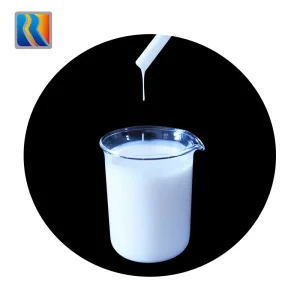
Complete your production ecosystem with our wide range of resin formulation additives, defoamers, and thickeners.
Get in touch with our technical team today to request product specifications, safety data sheets (SDS), or to receive a customized quote tailored to your processing operations.
 Runtai