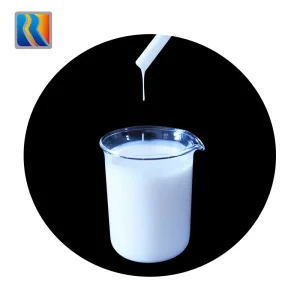
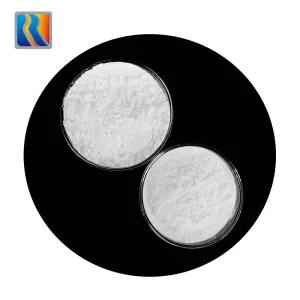
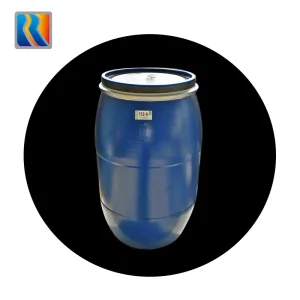
Industry-leading polymeric compounds, additives, and specialized raw materials for global distribution.
Within industrial chemistry and macromolecular science, the class of polymers known as Phenol Formaldehyde Resin is widely called Phenolic Resin, Bakelite, or PF Resin. It represents the oldest synthetic polymeric material, having revolutionized modern manufacturing after its inception in the early 20th century. By definition, a phenol-formaldehyde resin is a synthetic polymer created by the condensation reaction of phenol (an aromatic compound) with formaldehyde (an active aldehyde agent). The specific properties, processing pathways, and eventual applications of the resin depend heavily on the catalyst applied and the molecular ratio of the two core reactants.
In B2B industrial environments, procurement professionals and chemical engineers categorize these polymers into two key variants based on their chemical structure and formulation mechanisms: Novolacs and Resoles.
Formed under acid-catalyzed environments with a formaldehyde-to-phenol ratio of less than one. These resins require a cross-linking agent, such as hexamethylenetetramine (hexa), to achieve a thermoset curing process.
Produced under base-catalyzed conditions with a reactant ratio where formaldehyde exceeds phenol. These contain reactive methylol groups, enabling them to self-cure and form structural networks under simple heat application.
Hybridizations involving phenolic compounds modified with elastomeric modifiers like nitrile rubbers or acrylic thickeners, which yield unique mechanical resilience for advanced industrial uses.
When searching for the best phenol formaldehyde resin is called s factories & supplier networks, buyers often encounter terms such as Phenolic Molding Compound (PMC), Phenolic Powder, Bakelite plastics, or thermoset resins. Recognizing the structural and performance variations behind these names is essential for aligning chemical compositions with localized structural applications, safety parameters, and processing equipment standards.
Shandong Runtai New Materials Co., Ltd.
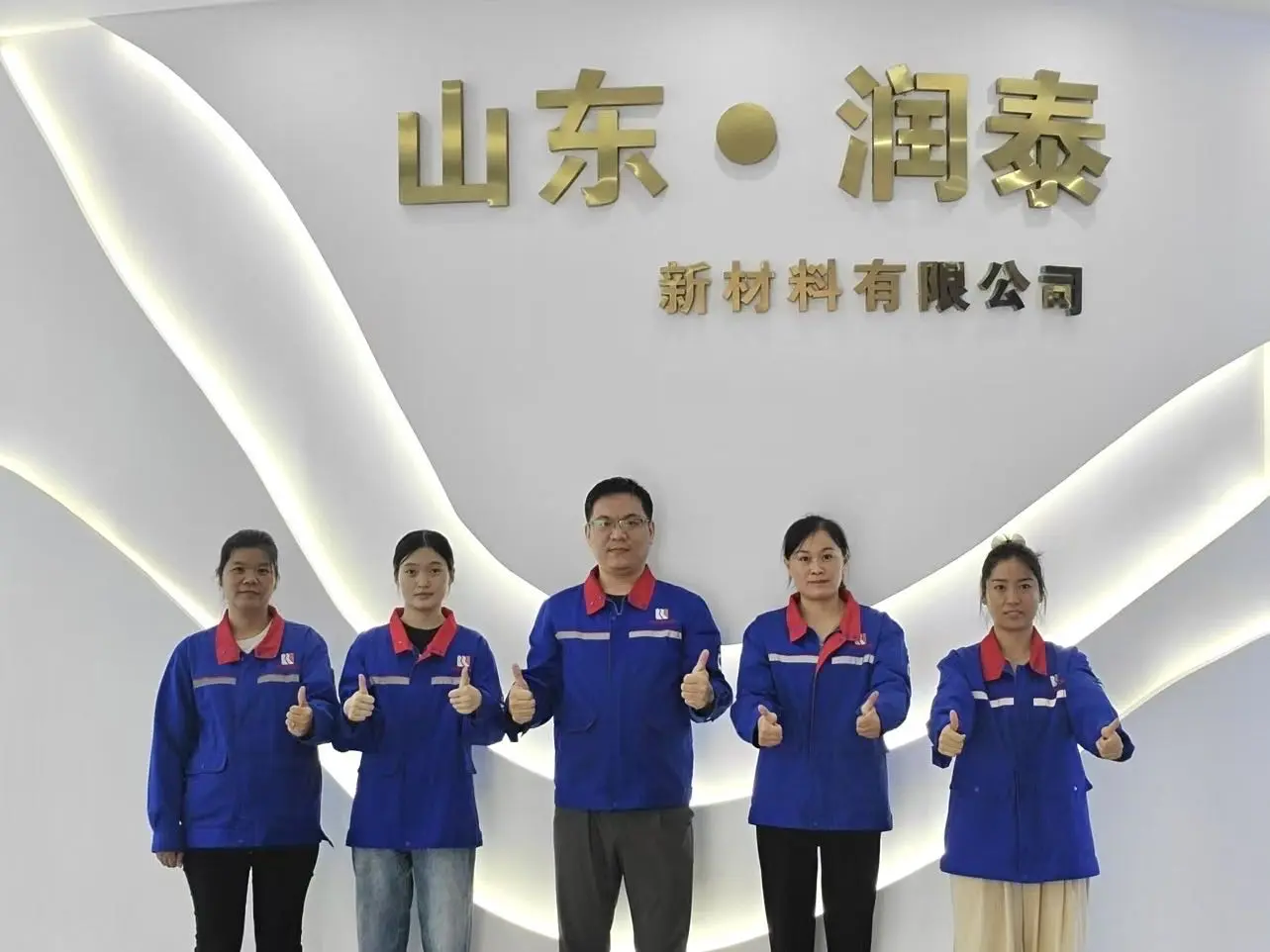
Founded in March 2020, Shandong Runtai New Materials Co., Ltd. is a comprehensive group firm that specializes in fine chemical products. Our primary products include formaldehyde, polyformaldehyde, urea formaldehyde resin, melamine powder, and melamine glazing powder. The corporation has branches in five different cities throughout the whole country, with its headquarters located in Zaozhuang City, Shandong Province. Runtai New Materials covers an area of 270,000 square meters with a total investment of 2.06 billion yuan.
We work to deliver chemical solutions that optimize cost-efficiency without compromising the physical and chemical requirements of target industrial formulations. By leveraging integrated resource channels, we ensure steady, uninterrupted supplies for large-scale domestic and international markets.
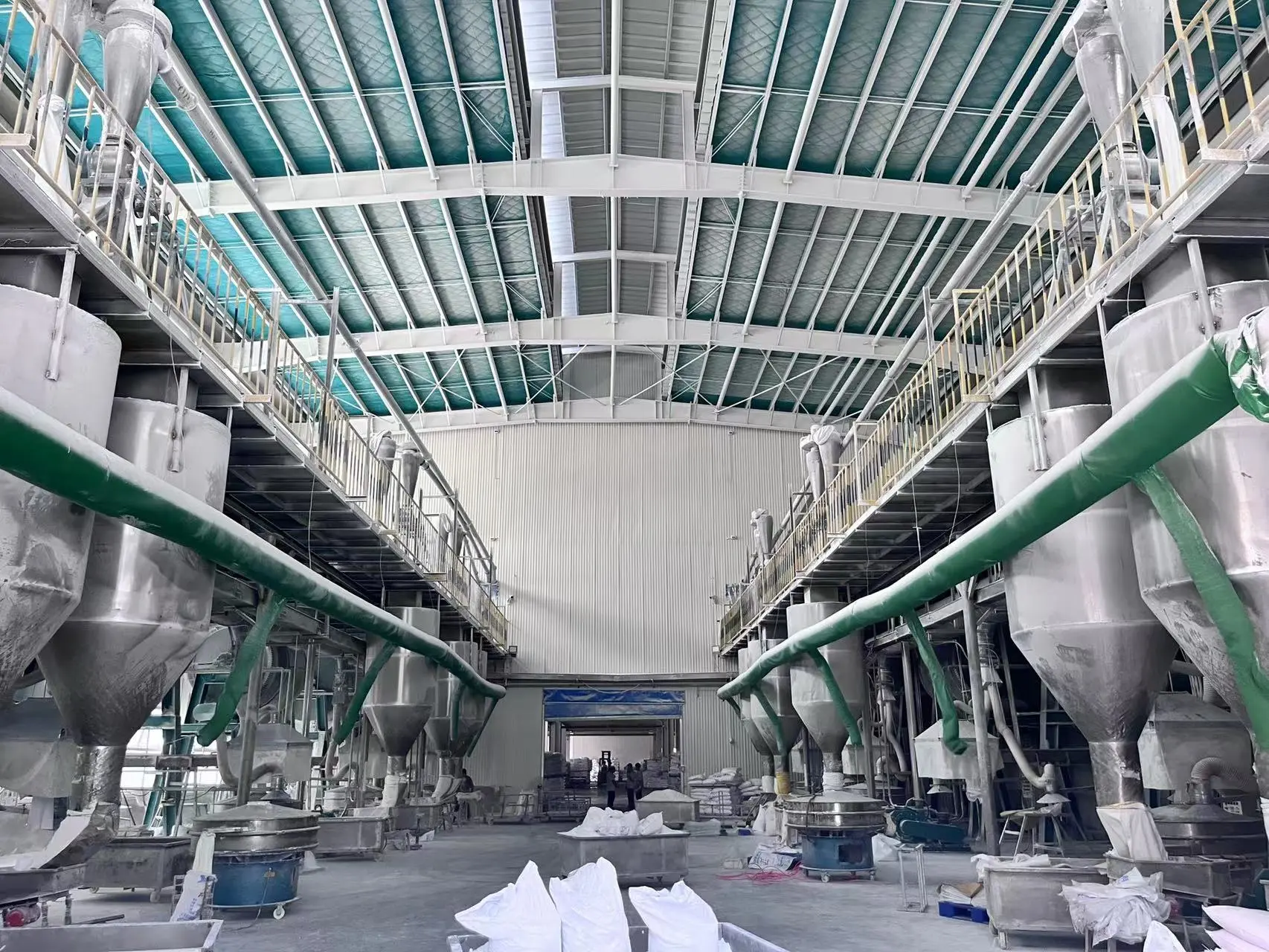
Through extensive manufacturing automation and infrastructural development, Shandong Runtai has achieved major growth across key thermoset chemical raw materials.
Runtai New Materials has grown to be one of China's top producers of melamine and formaldehyde due to our recent improvements in production lines growth. As of currently, the company produces 380,000 tons of formaldehyde annually, 60,000 tons of melamine annually, 20,000 tons of melamine glazing powder annually, 11,000 tons of resin annually, 300,000 tons of urea formaldehyde resin annually, and so forth. We have reached about 80% market share in China. At the same time, we are actively developing overseas business, our products have been exported to the United States, Thailand, Kenya, Egypt and other countries and have been widely praised by overseas customers.
The industrial market for phenol formaldehyde resins is undergoing a major transition driven by sustainability mandates, automated production demands, and structural requirements in end-use applications. Modern polymers must meet stricter standards regarding VOC emissions, formaldehyde outgassing, and environmental footprint.
For decades, free formaldehyde emissions represented a major concern for thermosetting polymers. Today, leading manufacturers utilize specialized chemical processes to reduce residual unreacted monomer concentrations. By adjusting molecular structures, the best suppliers produce resin compounds with low outgassing properties, making them suitable for indoor building products, automotive cabins, and food-contact packaging applications.
The adoption of bio-phenols (sourced from materials like lignin or cashew nutshell liquid) is an emerging trend in phenol-formaldehyde synthesis. These bio-based raw materials help lower reliance on fossil-fuel components while maintaining structural performance, helping industrial buyers meet their environmental and carbon footprint targets.
By blending phenol-formaldehyde resins with inorganic modifiers, flame retardants, or mineral fiber additives, modern suppliers produce compound structures characterized by exceptional heat resistance, mechanical strength, and electrical insulation. These properties are critical for aerospace engineering, microelectronics encapsulation, and industrial transport components.
How automated distributed control systems and integrated supply logistics optimize production costs and product consistency.
We utilize advanced Distributed Control Systems (DCS) to monitor and adjust reaction metrics in real time. This ensures consistent batch quality, precise curing properties, and minimized energy consumption across our production runs.
By producing our own raw formaldehyde and melamine intermediates, we mitigate supply chain volatility. This localized, single-site integration guarantees stable pricing and continuous material availability for volume contracts.
Automated warning monitors, gas detectors, and thermal control units minimize process safety risks. This protects plant personnel and prevents operational downtime, keeping deliveries on schedule.
In accordance with "automatic control, safe and reliable, stable operation, energy saving and consumption reduction, comprehensive utilization of resources," Shandong Runtai continues to improve its processing lines. High automation levels lower direct labor costs while improving the dimensional stability and purity of the resulting compounds, offering structural performance advantages for international buyers.
From heavy industrial components to delicate household surfaces, phenolic and melamine-based compounds adapt to diverse environments.
Our urea-formaldehyde and phenolic resins are designed to withstand structural loads and moisture, making them ideal binders for plywood, oriented strand board (OSB), and medium-density fiberboard (MDF) manufacturing.
Due to their high dielectric breakdown voltage and carbon tracking resistance, phenolic moulding compounds are utilized to produce electric switchboards, structural relay boxes, circuit breakers, and household plugs.
Modified phenolic resins provide stable binding matrices for brake pad materials, clutch assemblies, and grinding discs, maintaining strength under high mechanical friction and heat load.
Using melamine moulding compound and melamine glazing powder, manufacturers create durable, scratch-resistant kitchenware, structural dinner plates, and protective laminate coatings for decorative furniture surfaces.

Meanwhile, Runtai New Materials, as an ethical company, we prioritizes sustainable development and environmental preservation. Our commitment lies in developing and producing eco-friendly products that minimize their negative effects on the environment while adhering to pertinent laws, regulations, and standards.
The "quality first, customer first" attitude has always guided our business, and we embrace customer service with honesty and professionalism. Friends from both domestic and foreign locations are warmly invited to visit Runtai New Materials. We look forward to collaborating with you to build a better future together!
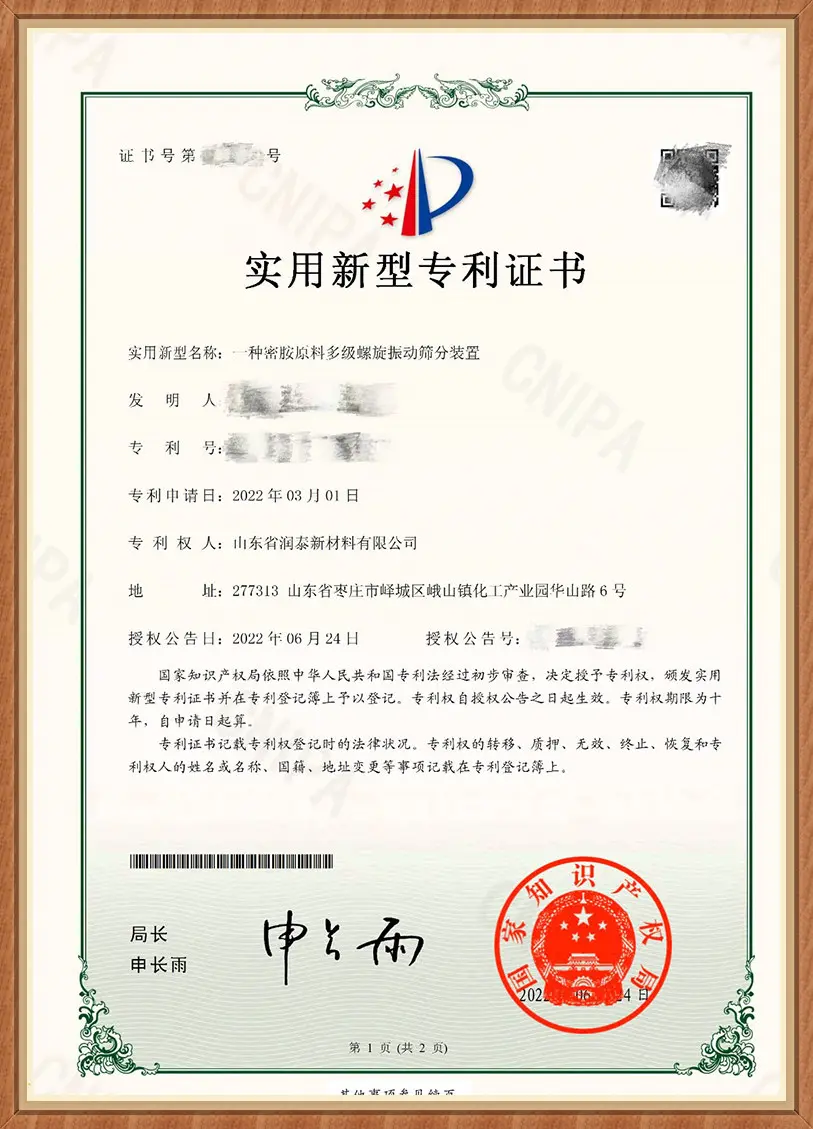
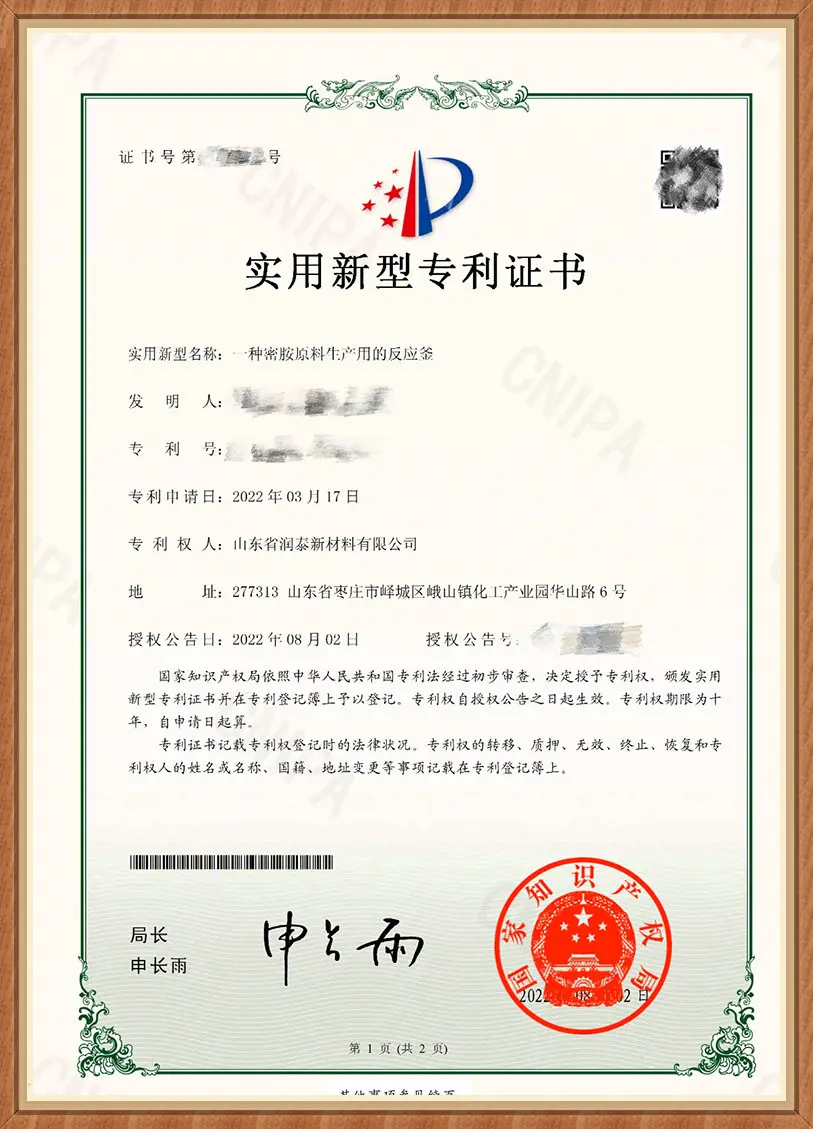
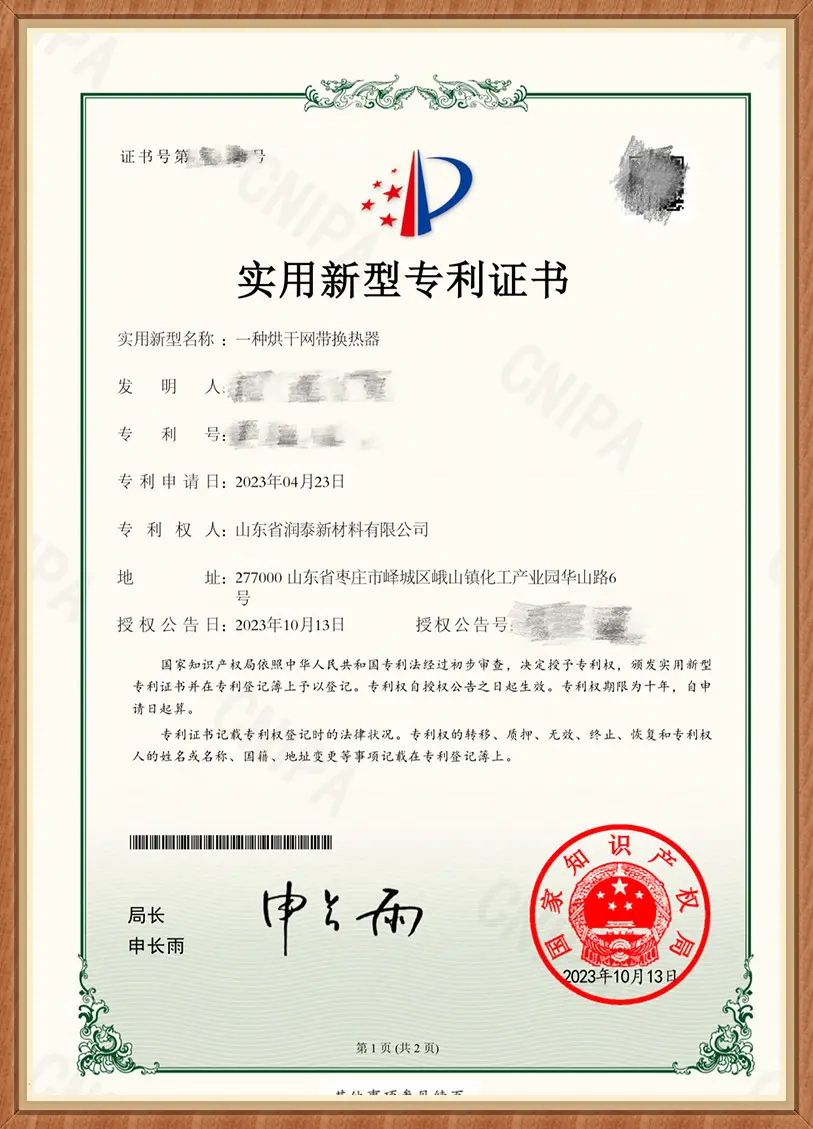
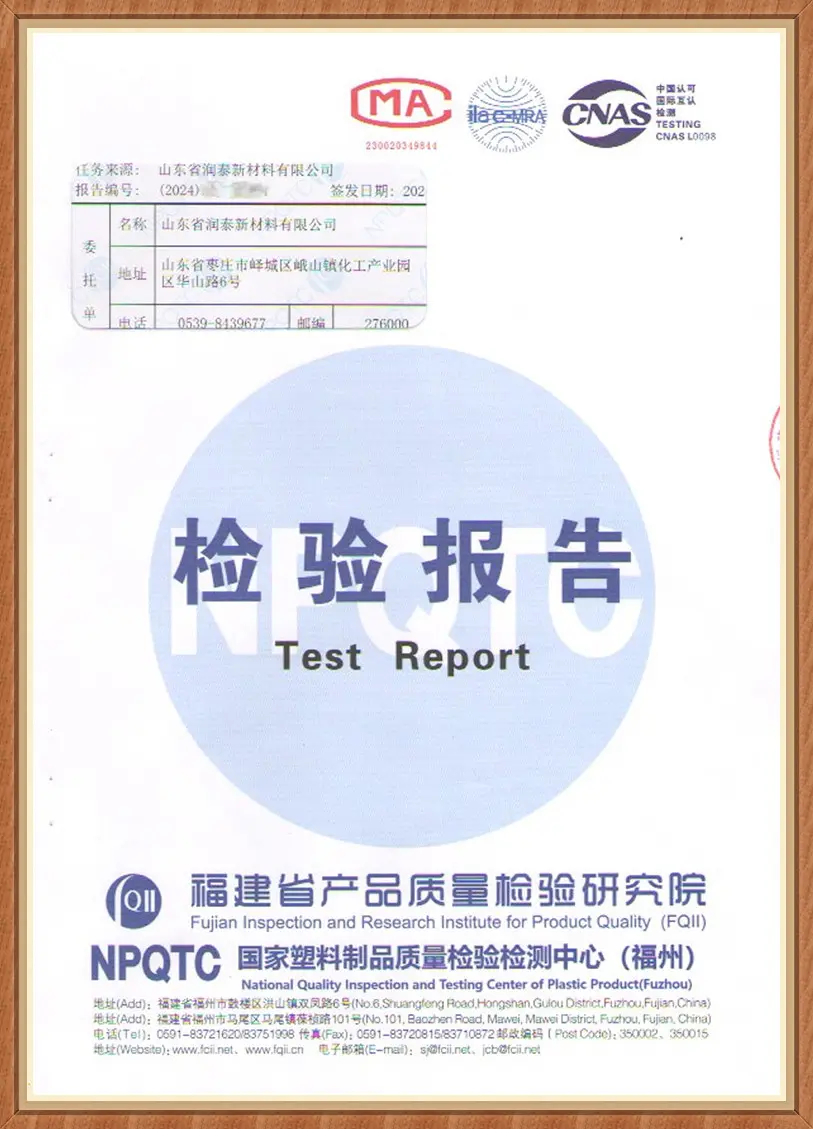
Verified regulatory compliance and R&D achievements from our joint laboratory partnerships.
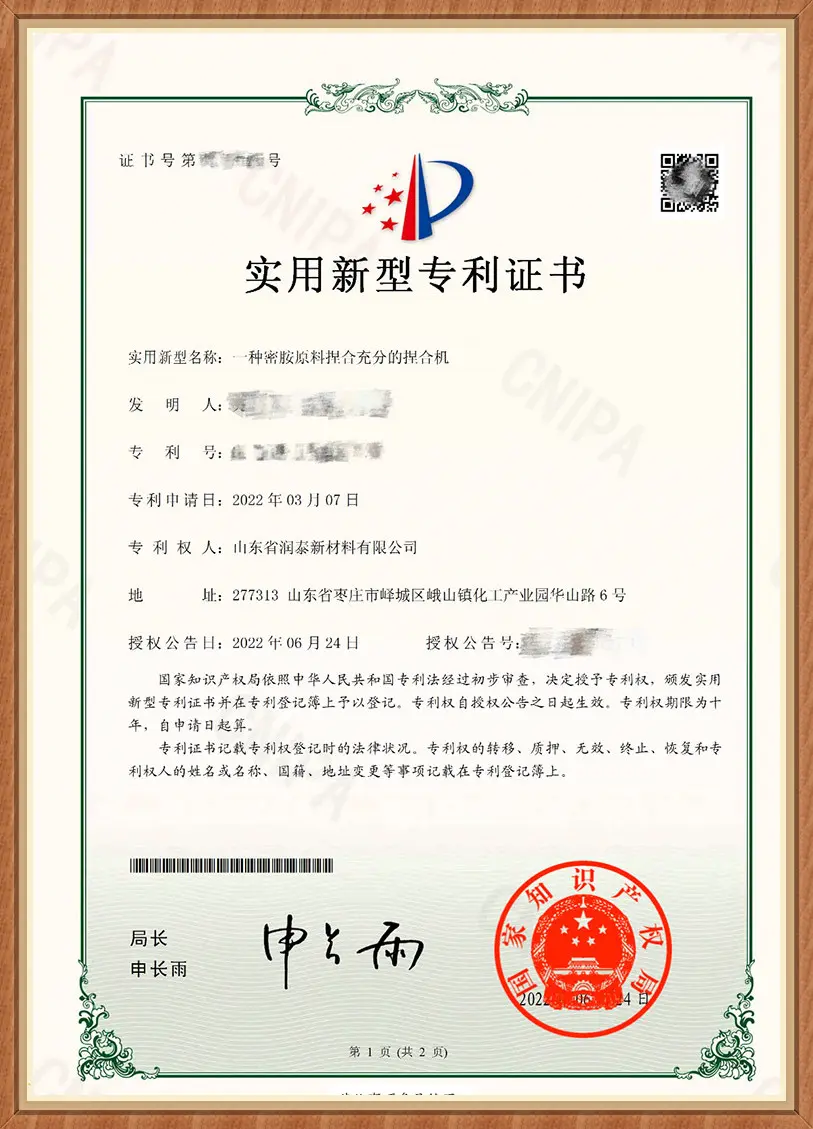
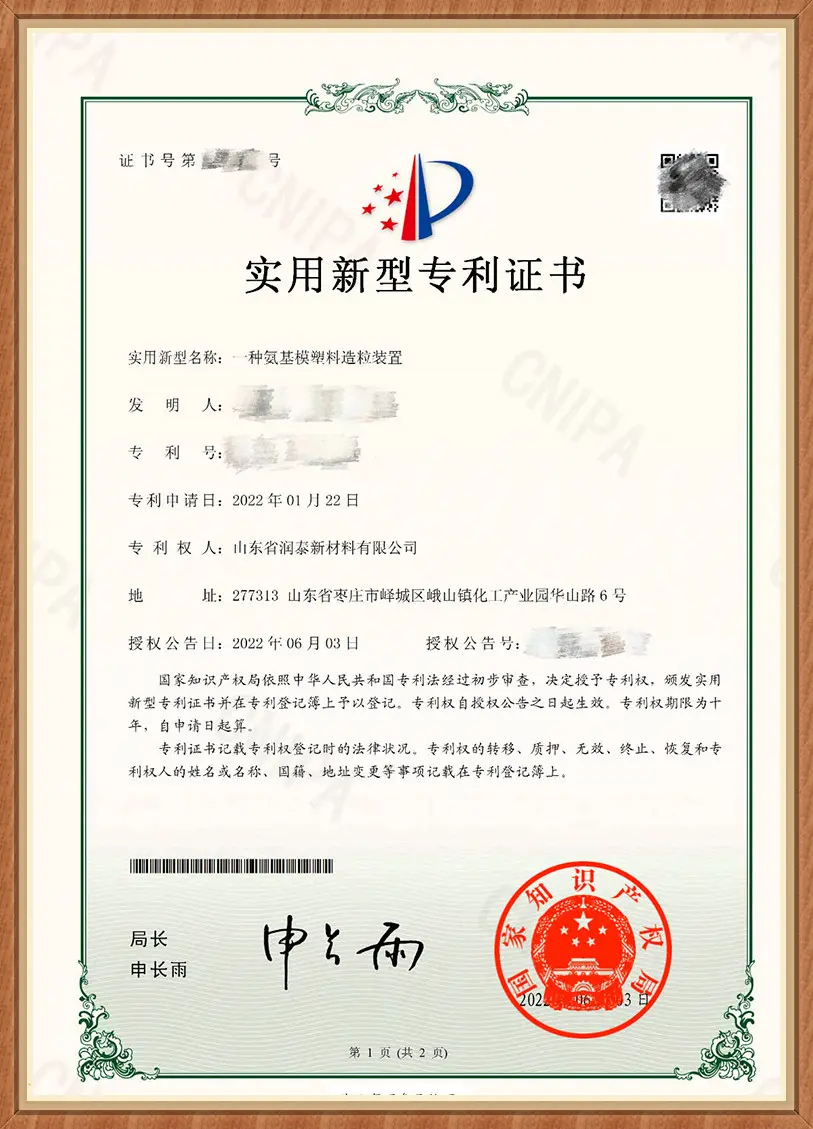
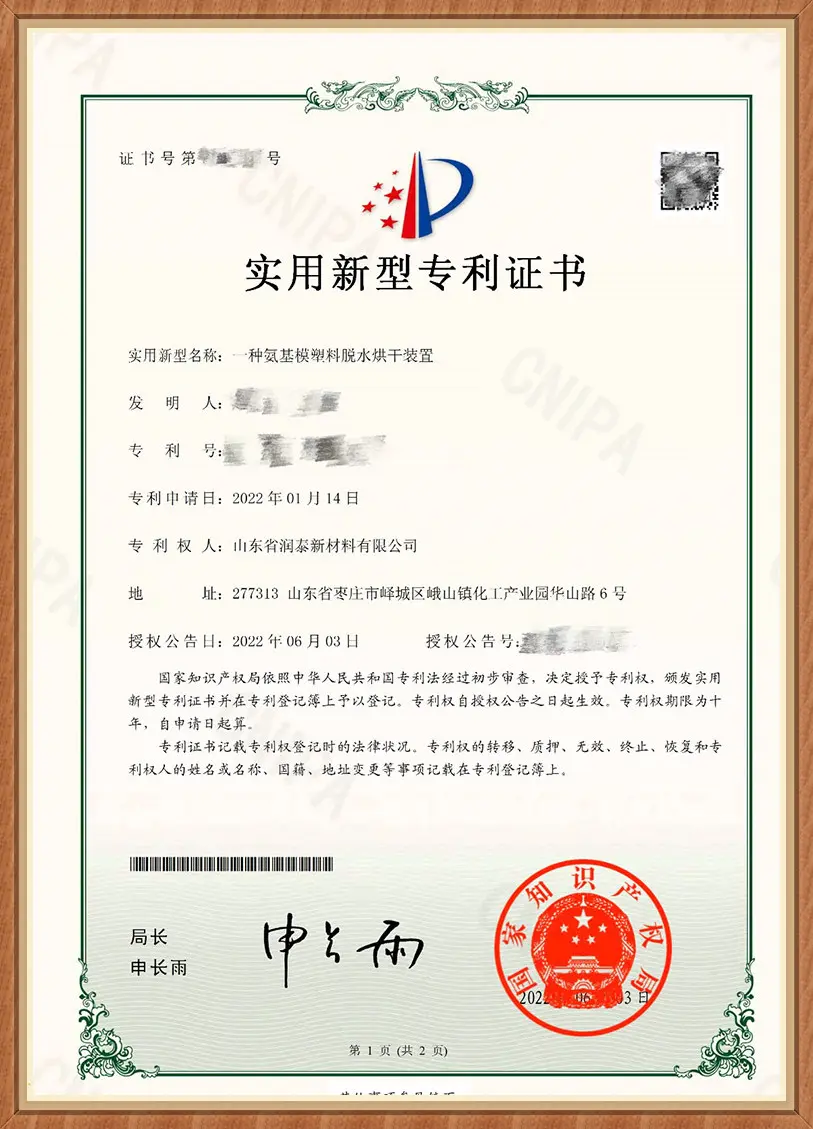
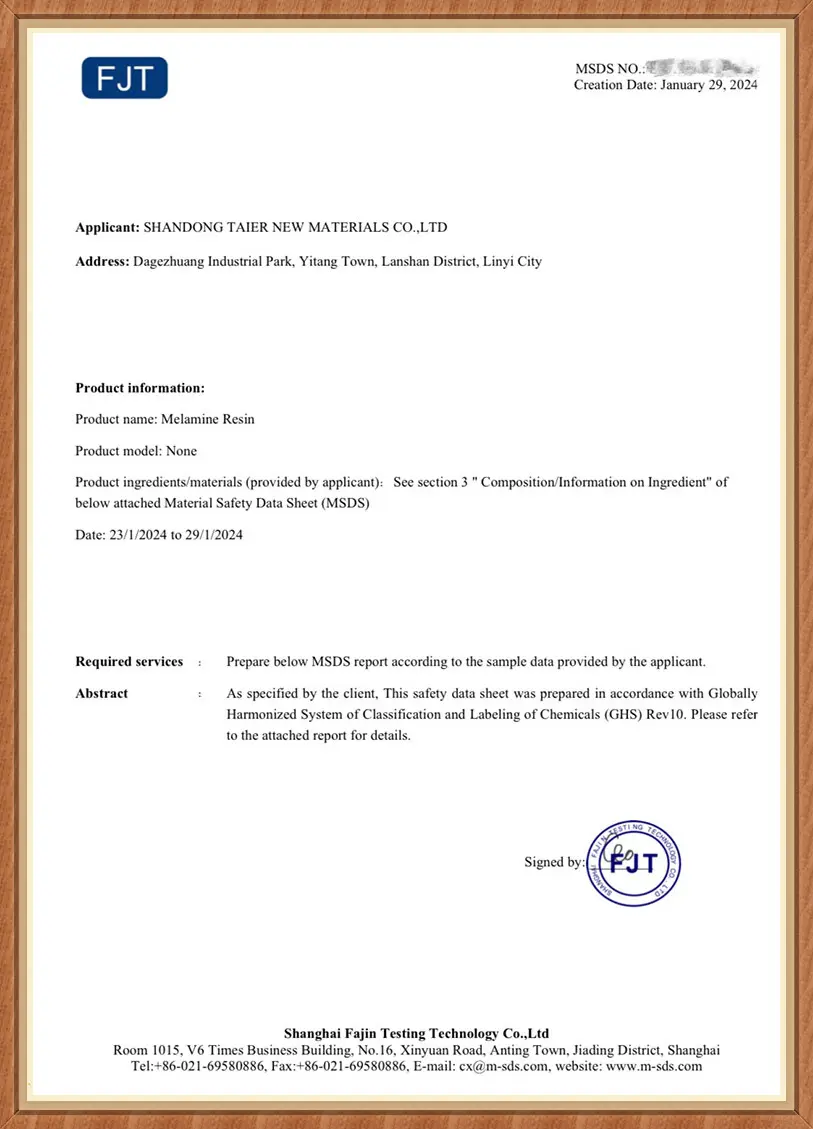
With the Changzhou Research Institute of Beijing University of Chemical Technology and other scientific research institutions, Runtai New material Co., LTD has long engaged in the integration of production, learning, and research. The company also has a cutting-edge doctoral research and development team in the industry and a number of patented technologies.
Technical clarifications, procurement terms, and storage guidance for phenolic resins and thermoset compounds.
A: Phenol-formaldehyde resin is the systematic IUPAC chemical term. In commercial and industrial applications, it is commonly called "phenolic resin." "Bakelite" was the historical trademarked name for the first commercialized phenolic plastic, and it remains in use as a generic term for cast or molded thermosets.
A: Resole resins contain active methylol side groups, making them sensitive to temperature-induced curing. They require cool, dry conditions, often below 10°C, to prevent clumping. Novolacs are thermally stable and have a longer shelf life at room temperature, as they require a curing agent like hexamethylenetetramine to initiate cross-linking.
A: We utilize real-time DCS monitoring to optimize raw material charging and molar ratios. By combining post-condensation purification techniques with chemical scavengers, we reduce residual monomer content, ensuring our products comply with international limits like REACH and RoHS.
A: Yes. Our R&D team, in partnership with Beijing University of Chemical Technology, develops custom formulations. We adjust curing speeds, plasticization, and mineral or organic reinforcement blends to meet your specific electrical, heat-resistance, or friction performance requirements.
A: We operate under standard global shipping terms, including FOB, CIF, and CFR. Payment is typically settled through Letter of Credit (L/C) or Telegraphic Transfer (T/T). Packaging options range from 25kg bags to multi-ton containers, depending on the chemical characteristics of the product.
Explore our range of thermoset resins, defoamers, thickeners, and functional compounds.
 Runtai