Engineered chemicals from a leading high-capacity manufacturing infrastructure
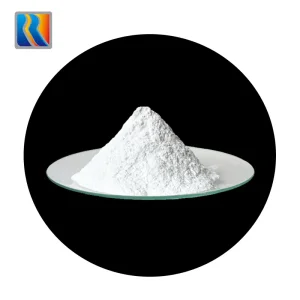
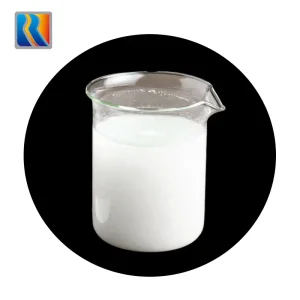
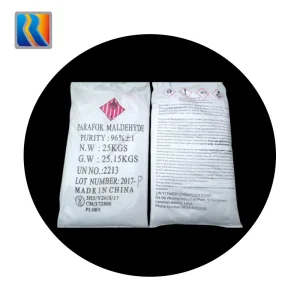
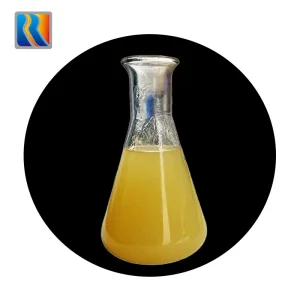
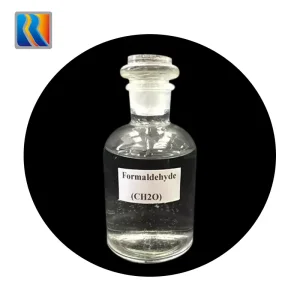
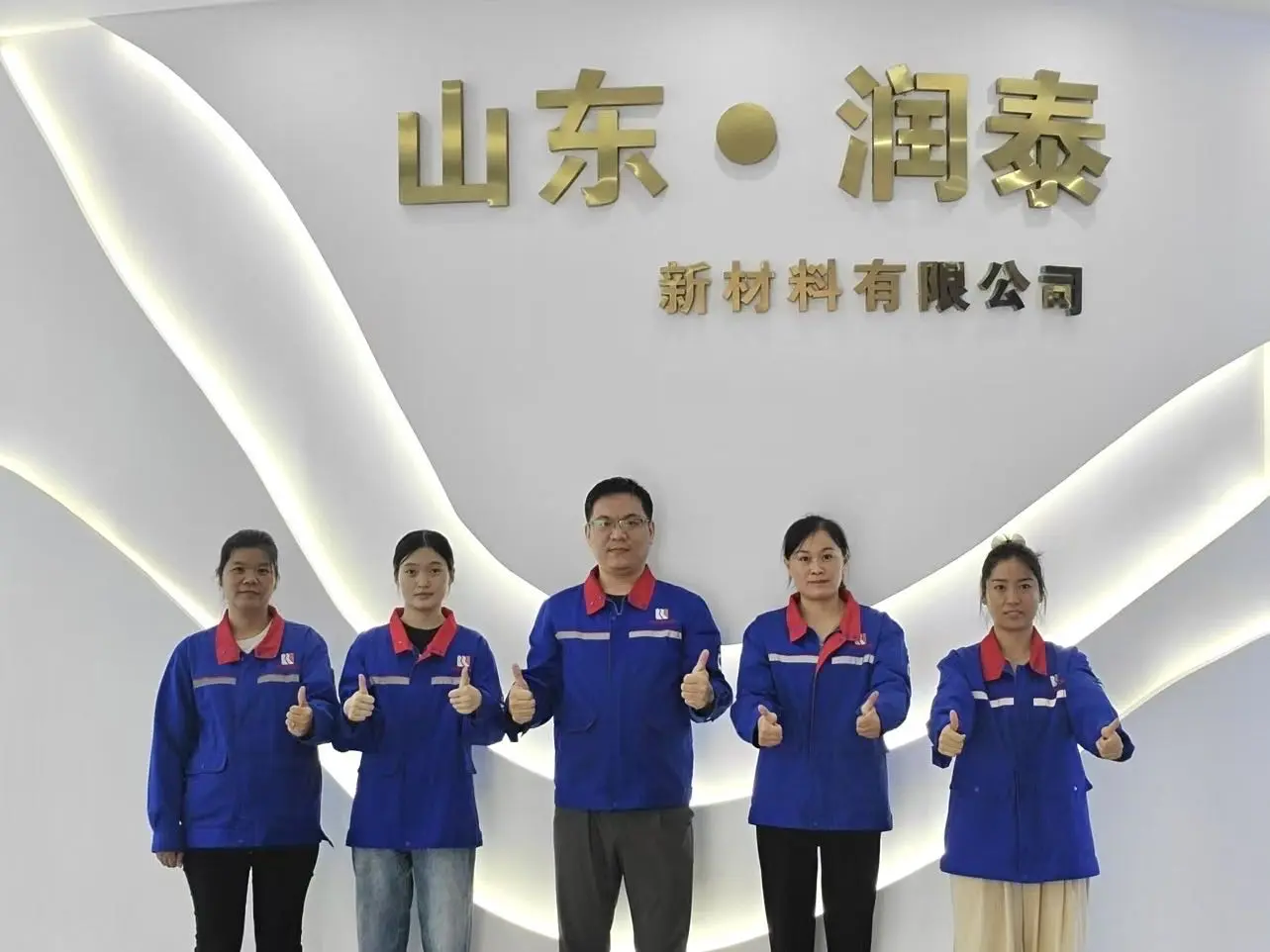
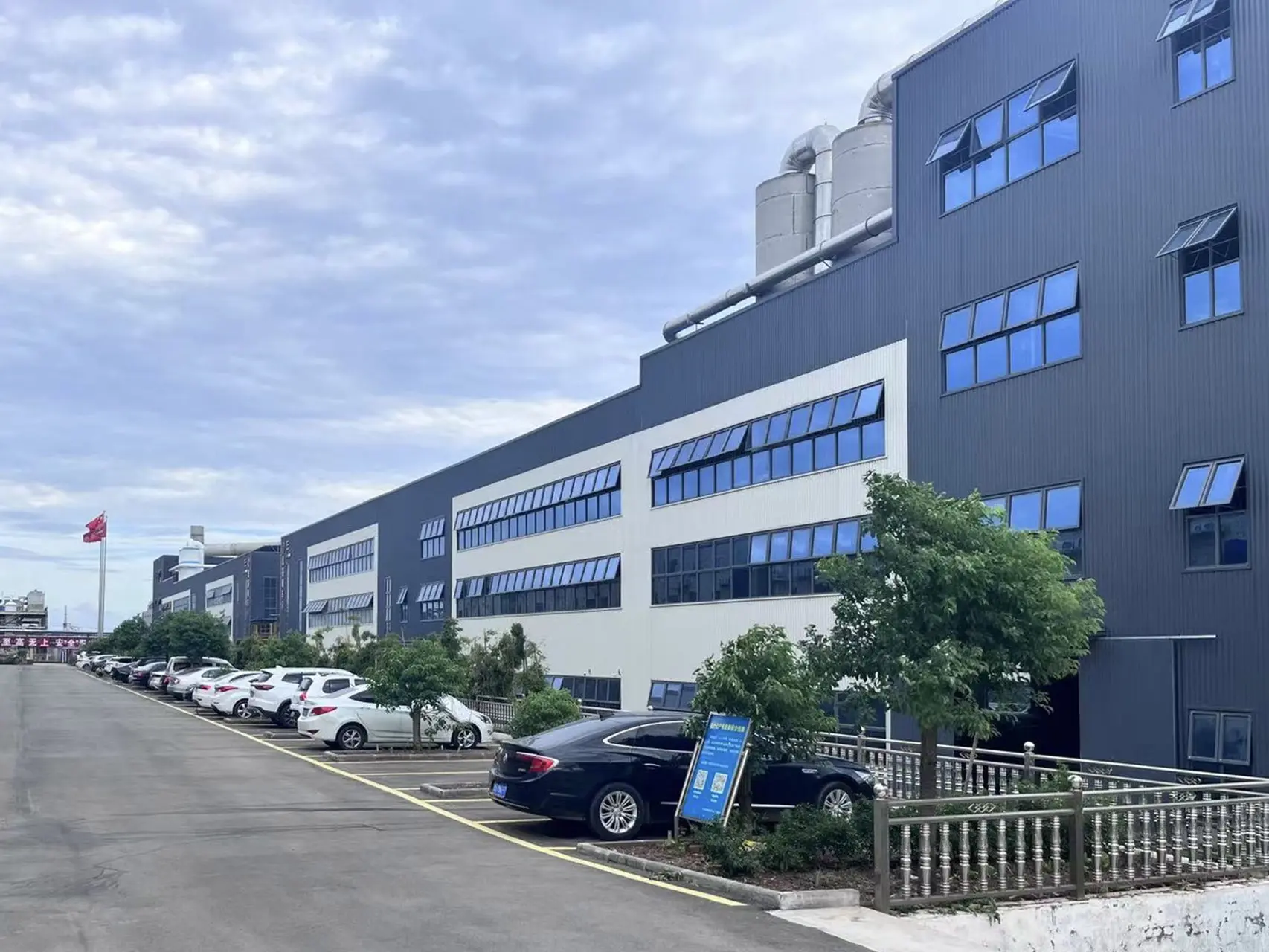
Founded in March 2020, Shandong Runtai New Materials Co., Ltd. is a comprehensive group firm that specializes in fine chemical products and advanced thermosetting polymer resins. The corporation has established branches in five different cities throughout the whole country, with its headquarters strategically located in Zaozhuang City, Shandong Province. Runtai New Materials covers an area of 270,000 square meters with a total investment of 2.06 billion yuan.
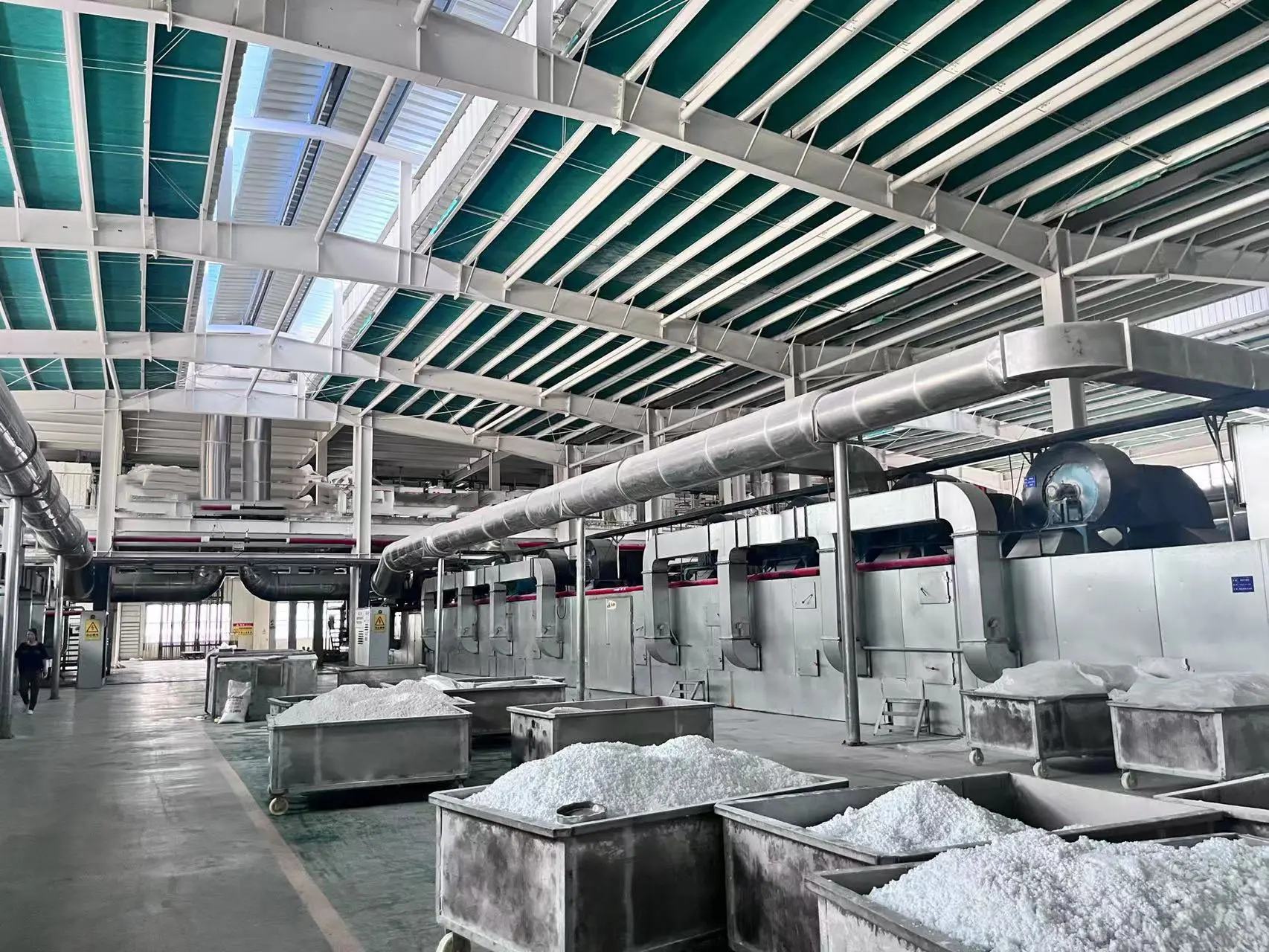
As a leading supplier of amino thermosetting plastics, Runtai operates state-of-the-art chemical synthesis facilities, utilizing a fully integrated vertical industry chain. By starting production from base raw materials, we maintain strict control over molecular design, resin preparation, packaging, and shipping, ensuring optimal reliability and product purity across international markets.
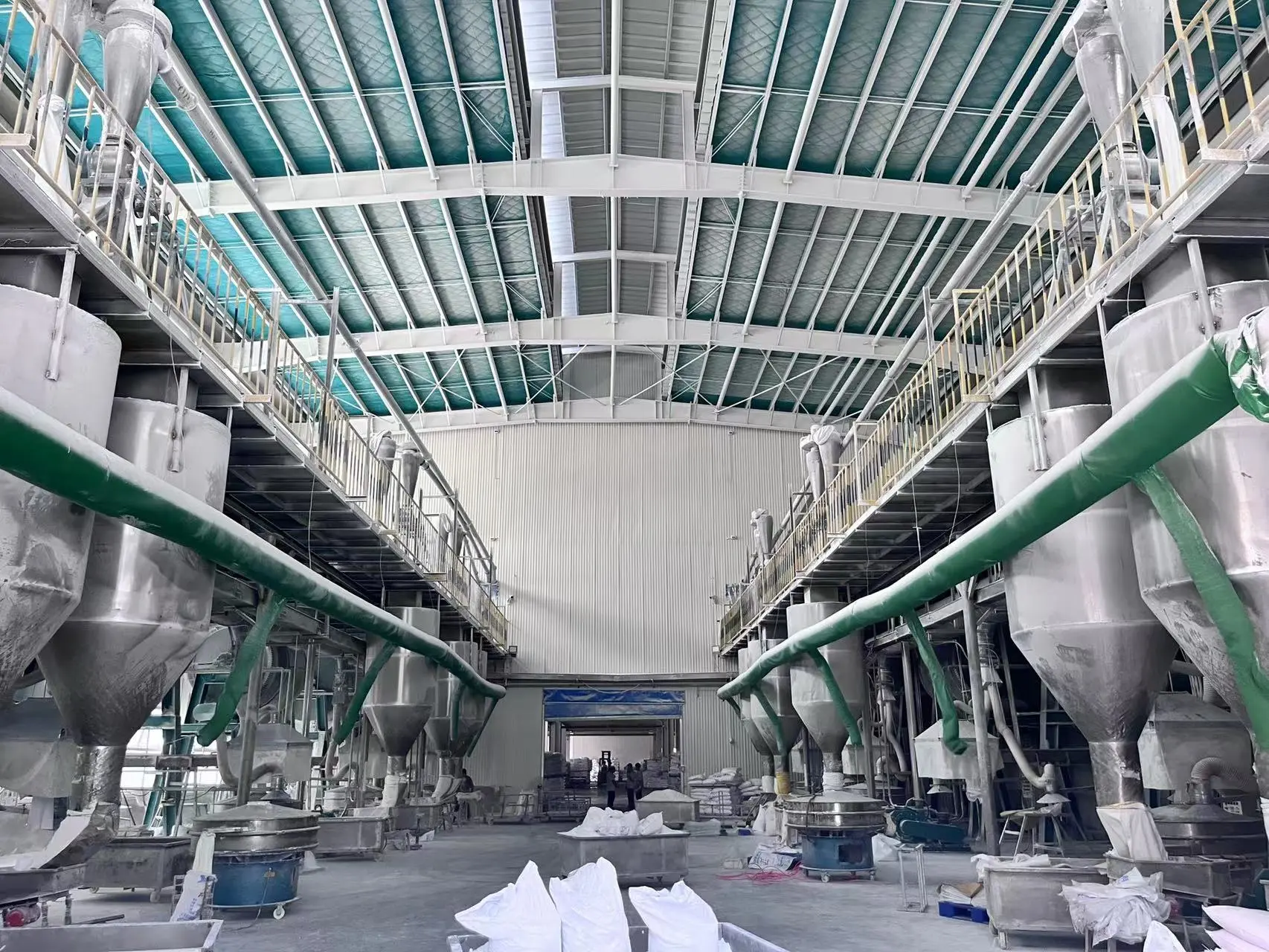
Substantial volume capabilities ensuring long-term supply chain reliability
Runtai New Materials has grown to be one of China's top producers of melamine and formaldehyde due to our recent improvements in production lines growth. We have reached about 80% market share in China. At the same time, we are actively developing overseas business, our products have been exported to the United States, Thailand, Kenya, Egypt and other countries and have been widely praised by overseas customers.
Our capacity ensures that we can handle bulk orders for large-scale construction, paper fabrication, and automotive molding applications, while maintaining the agile engineering required for customized formulations.
Providing the high-strength molecular foundation for crucial sectors worldwide
Melamine formaldehyde (MF) resins are indispensable thermosetting polymers valued for their exceptional hardness, flame resistance, thermal stability, and chemical resistance. Synthesized via the polycondensation of melamine with formaldehyde, these amino resins are heavily utilized across key global sectors:
In the construction and timber industries, melamine resins act as high-efficiency binder systems. Combined with urea-formaldehyde (forming Melamine-Urea-Formaldehyde, or MUF), they offer enhanced moisture and water resistance. This makes them ideal for manufacturing Medium Density Fiberboard (MDF), Particleboard, and structural plywood. These binders prevent delamination under high humidity, meeting structural parameters required for modern civil engineering.
Decorative and protective surfaces used in kitchen countertops, flooring, and office furniture rely on melamine resin. Kraft paper sheets impregnated with melamine glazing powder and pressed under high temperature and pressure cure into a cross-linked structure that is highly resistant to heat, scratching, and chemical spills.
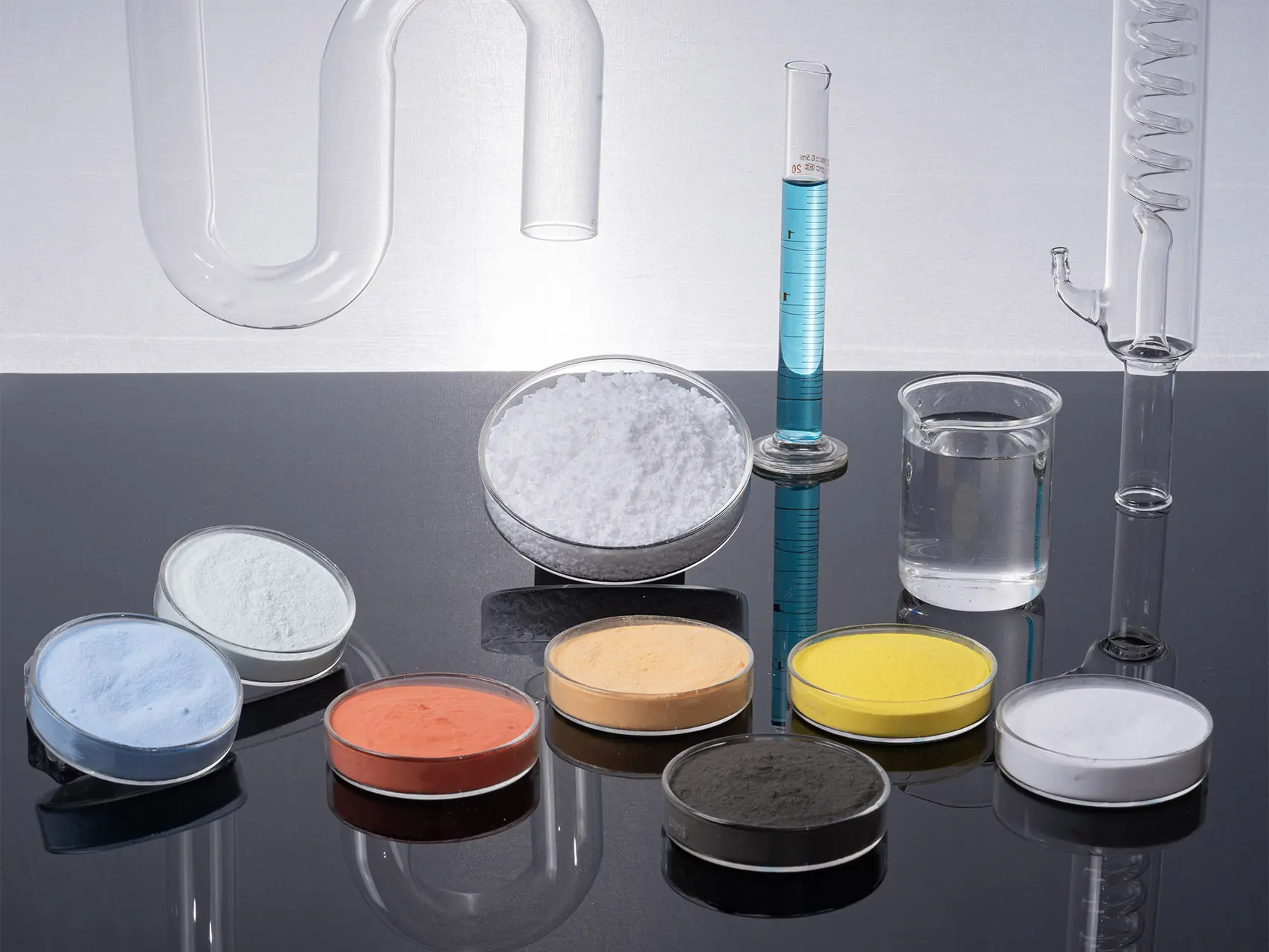
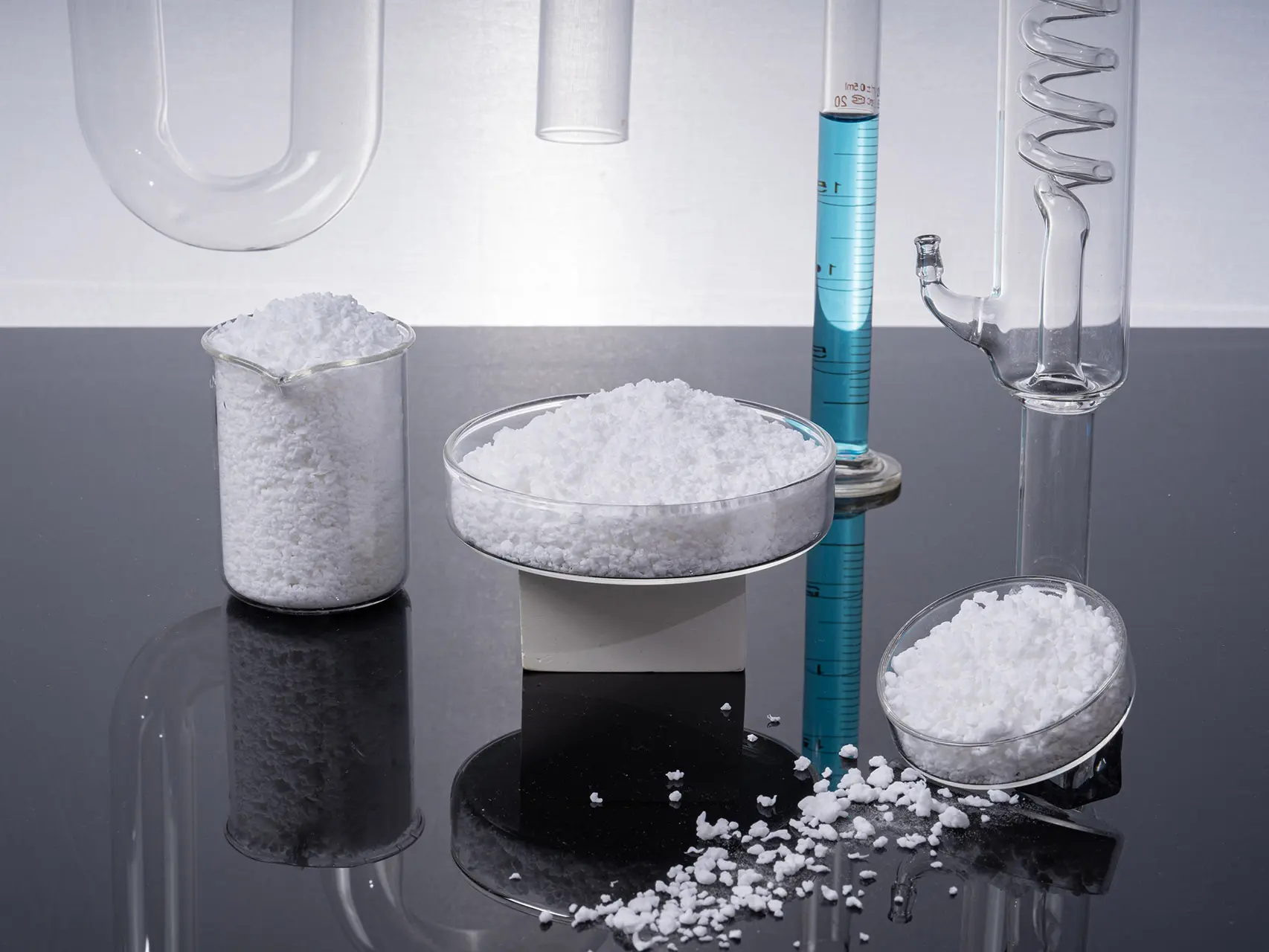
Melamine Moulding Compound is widely used to manufacture tableware, low-voltage electrical switchgears, and household appliances. Its superior surface hardness, excellent electrical insulation, flame retardance, and chemical resistance provide structural integrity for everyday applications.
| Application Area | Primary Material Used | Critical Performance Parameter | Regulatory Compliance Standard |
|---|---|---|---|
| Kitchenware & Tableware | Melamine Moulding Compound (MMC) | Food-grade contact safety, scratch resistance | FDA 21 CFR, EU 10/2011 |
| Wood Composites & Furniture | Melamine-Urea-Formaldehyde Resin | Moisture resistance, structural bonding | EN 312, CARB Phase 2, E0/E1 |
| Electrical Insulators | Thermosetting Melamine resin | Dielectric strength, arc resistance, V-0 rating | UL 94 Standard for Safety |
| Decorative Surfaces & Flooring | Melamine Glazing Powder | Wear resistance, gloss, chemical inertness | EN 438 Standards for HPL |
Utilizing automation, scientific collaboration, and a long industrial value chain
We implement a state-of-the-art Distributed Control System (DCS) to monitor and adjust chemical process parameters across the entire production line in real-time. This automated control guarantees consistent product quality, increases safety, reduces energy consumption, and minimizes raw material waste.
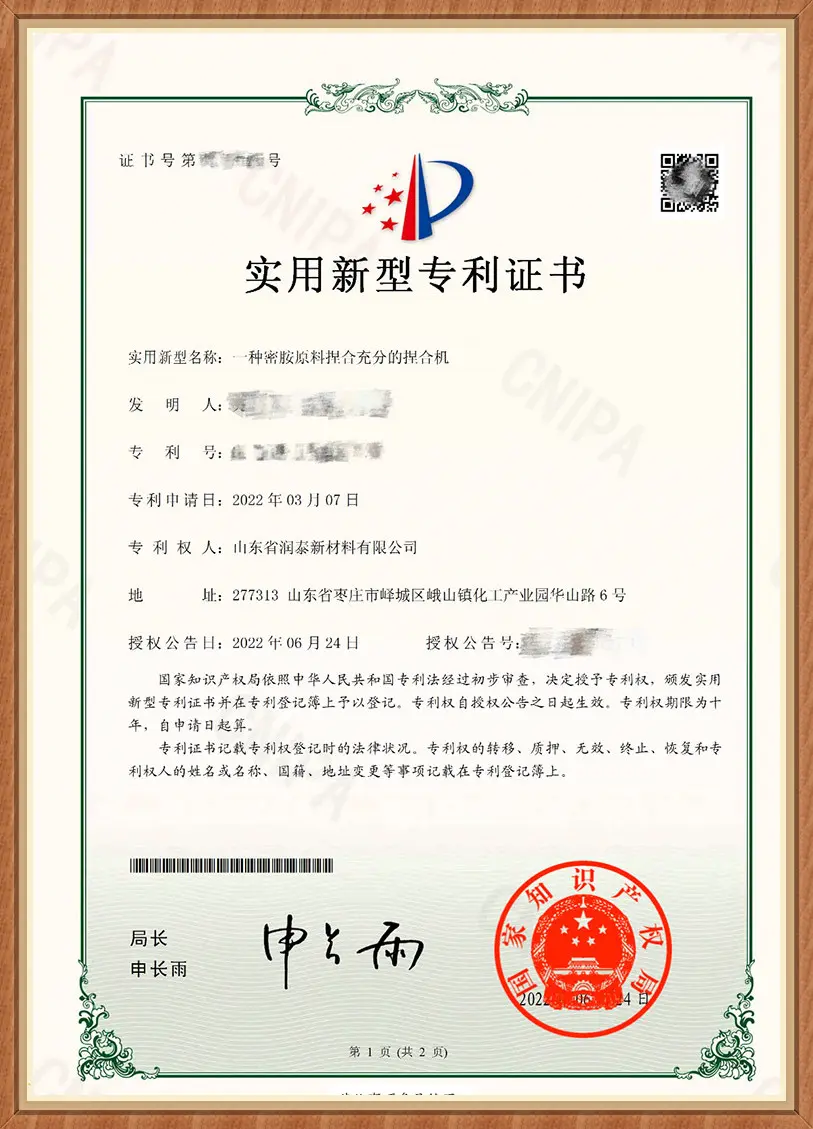
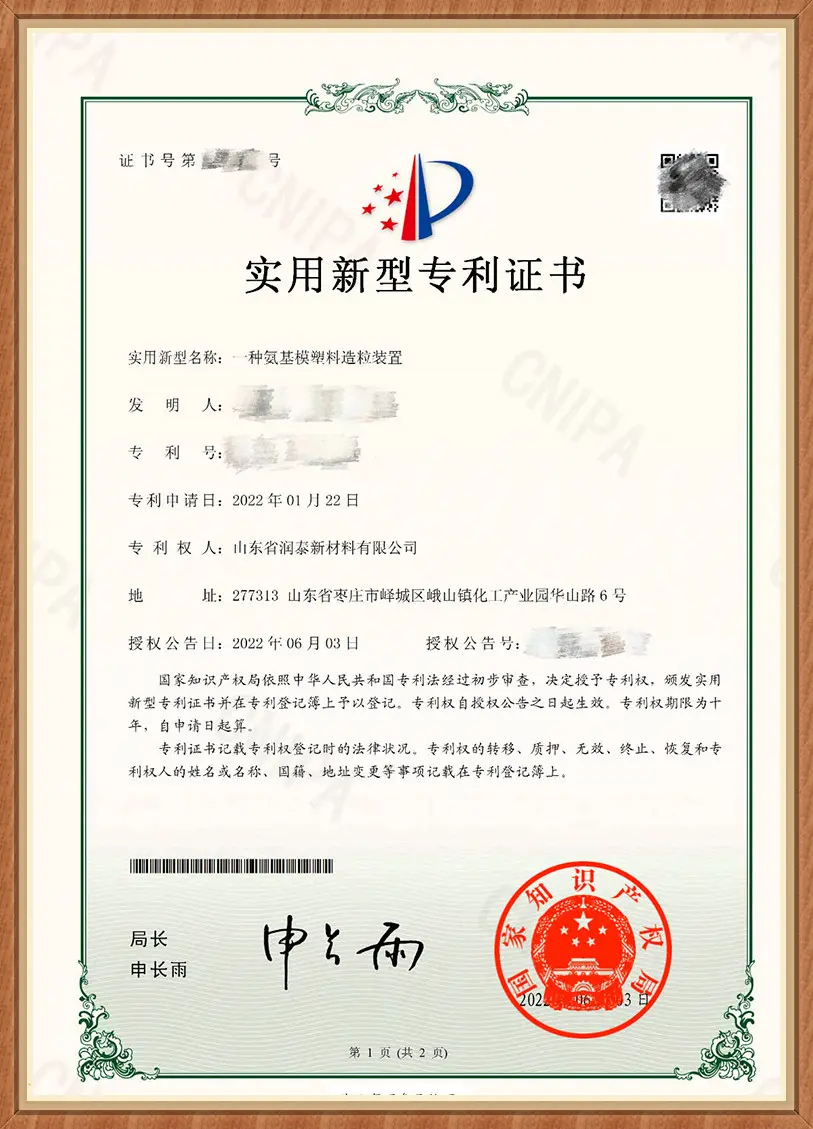
Through our long-term collaboration with the Changzhou Research Institute of Beijing University of Chemical Technology (BUCT), Runtai integrates production, learning, and research. Our doctoral R&D team continuously develops patented technologies to keep our materials at the forefront of the industry.
Our integrated chemical processing value chain starts directly with formaldehyde. This structural efficiency allows us to optimize upstream supply costs and chemical purity, passing competitive pricing and high stability down to downstream customers.
As an ethical chemical manufacturer, Runtai prioritizes sustainable development and environmental preservation. Our production facilities are designed with high-efficiency treatment systems to minimize hazardous waste and VOC emissions. We adhere to all local and international environmental protection guidelines, striving to develop low-free-formaldehyde formulations that meet advanced green building and safety certifications.
We focus on clean production processes, waste heat recovery, and efficient water management systems to reduce our overall carbon footprint while providing high-performance industrial chemicals.

Ensuring export logistics, regulatory safety, and international quality standards
Operating in global markets requires strict compliance with international regulations. Our melamine resins and chemical compounds are formulated to meet rigorous regional chemical standards, including Europe's REACH, US EPA TSCA Title VI, and California Air Resources Board (CARB) Phase 2. These compliance standards ensure smooth importing, processing, and application in demanding markets.
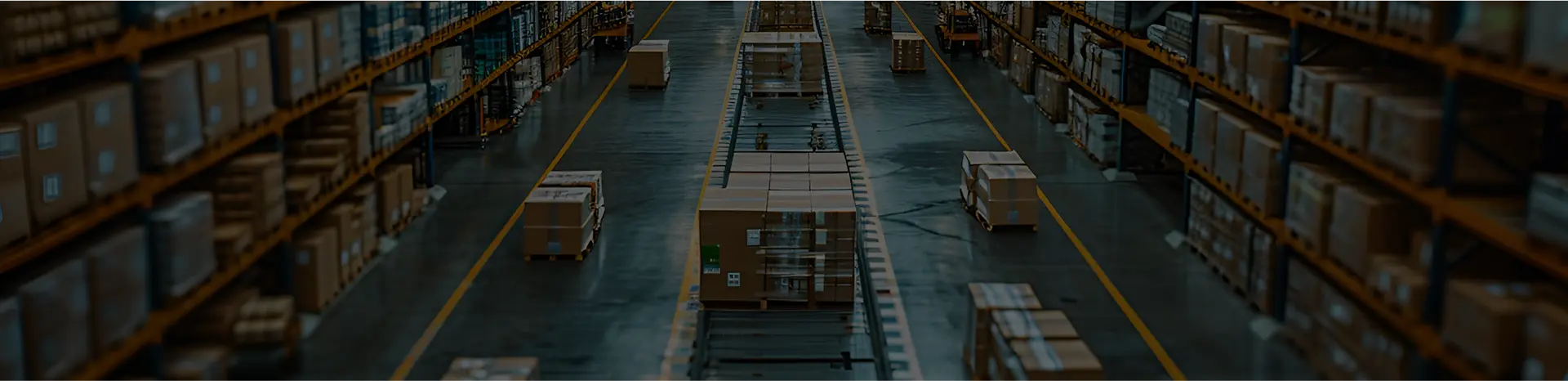
Our localized support structure simplifies delivery to clients across North America, Southeast Asia, East Africa, and the Middle East. By managing logistics from our central facilities in Shandong, we coordinate custom clearing, standard packaging (ranging from 25kg moisture-proof bags to large bulk containers), and chemical warehousing, guaranteeing timely arrivals.
Shaping the future of thermosetting plastics and polymers
In cooperation with our academic partners at BUCT, Runtai is pursuing a comprehensive technical roadmap centered around three main innovations in amino chemistry:
We are exploring ways to substitute petroleum-derived urea and formaldehyde with bio-based alternatives. This transition helps lower the net carbon footprint of our manufacturing process, preparing our product lines for a circular bio-economy.
Our research focuses on modifying cross-linking mechanisms to achieve zero-emission adhesives. By refining the melamine-urea-formaldehyde (MUF) resin matrix, we aim to match the performance of standard phenol-formaldehyde systems without producing harmful emissions.
By upgrading our automated reactors to use intelligent control algorithms, we can refine the molecular weight distribution of our resins. This improves shelf stability, flow behavior, and curing speed, making production processes more reliable.
Our commitment to internationally recognized manufacturing and chemical quality control processes
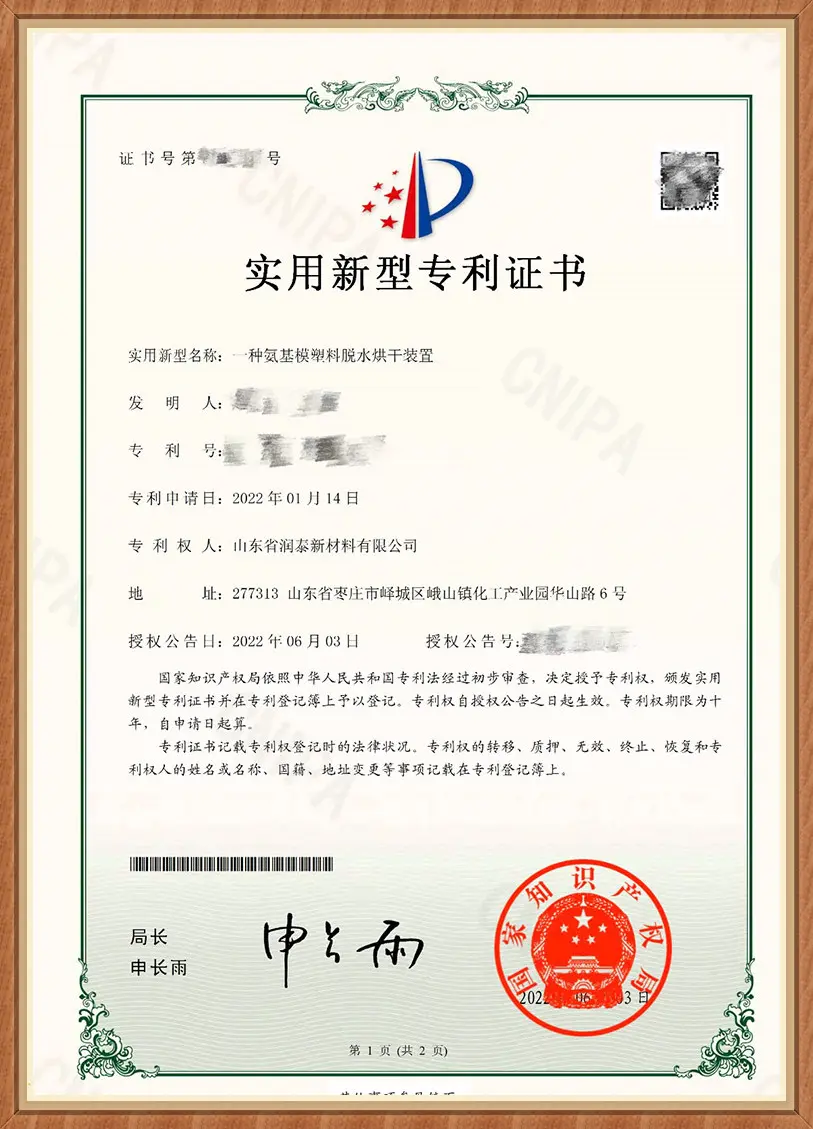
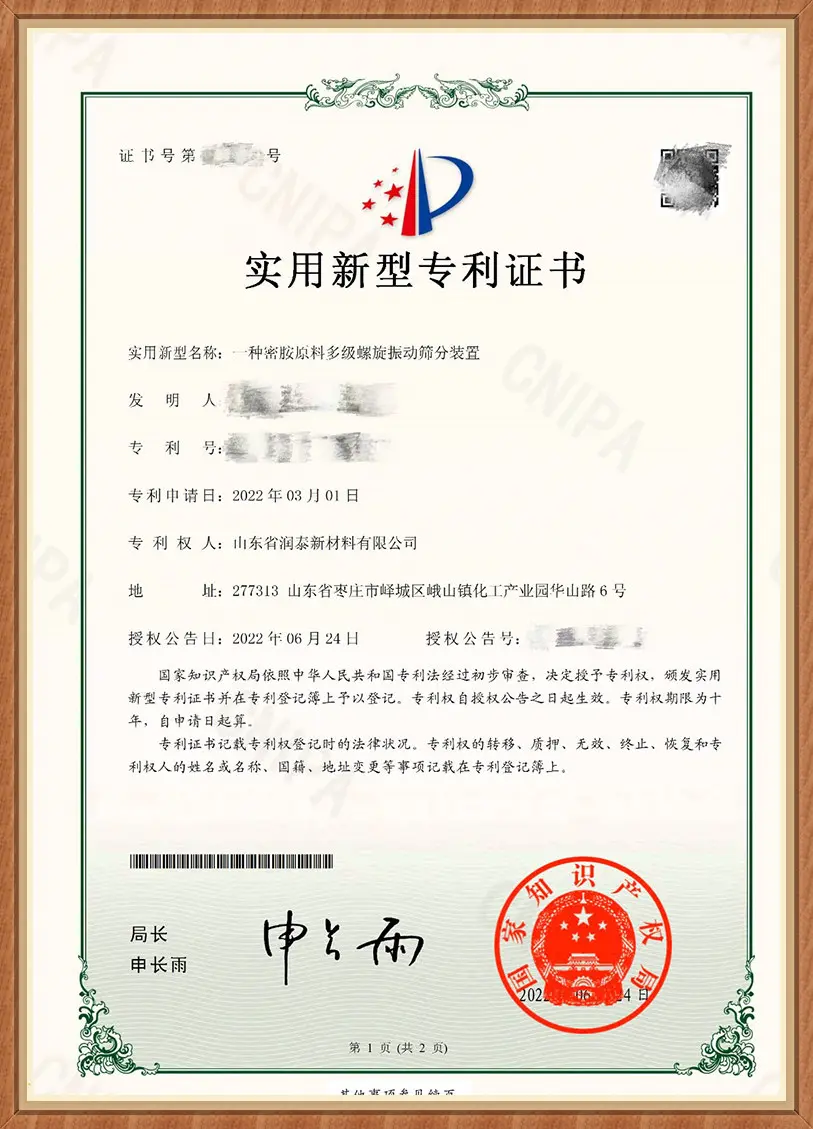
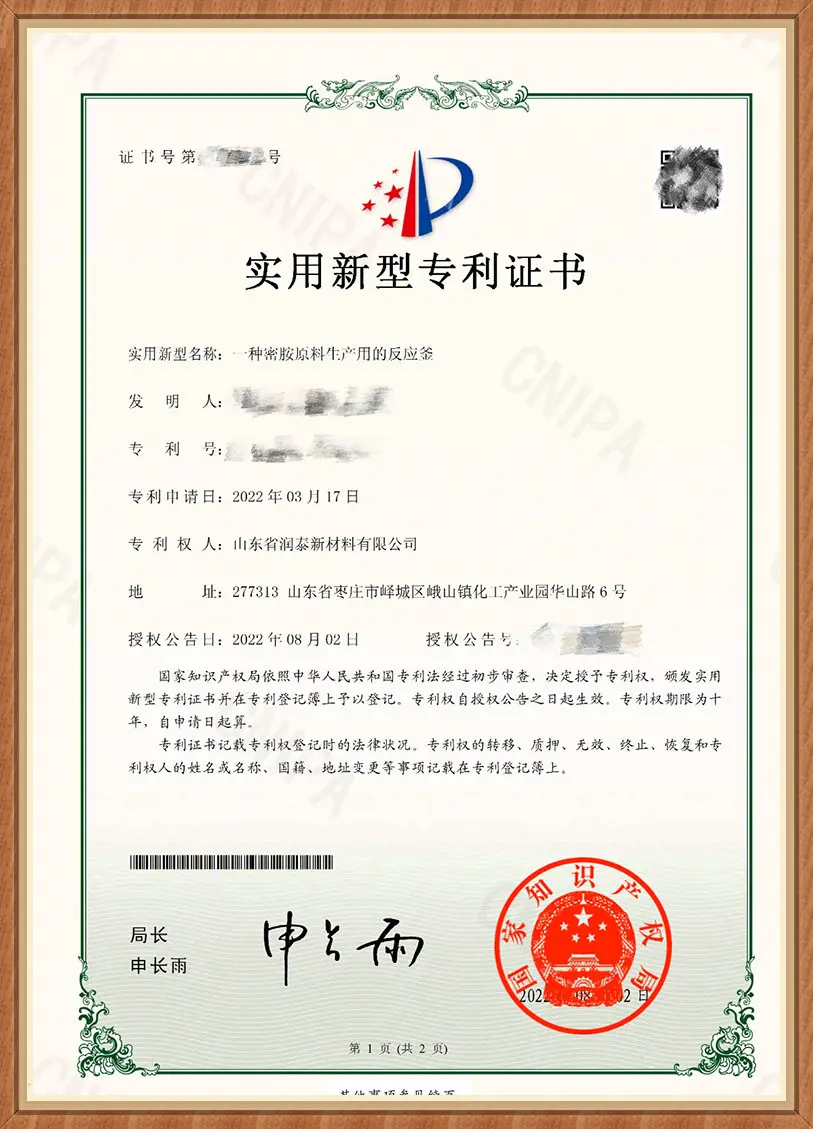
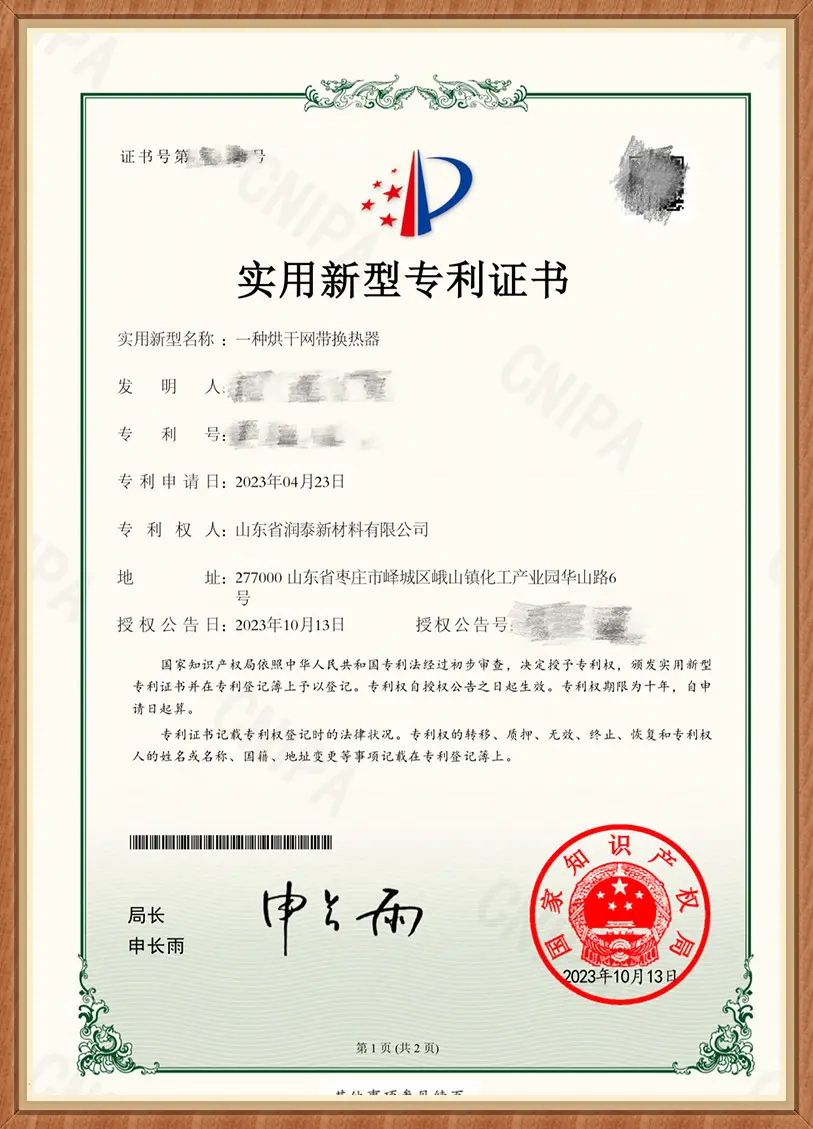
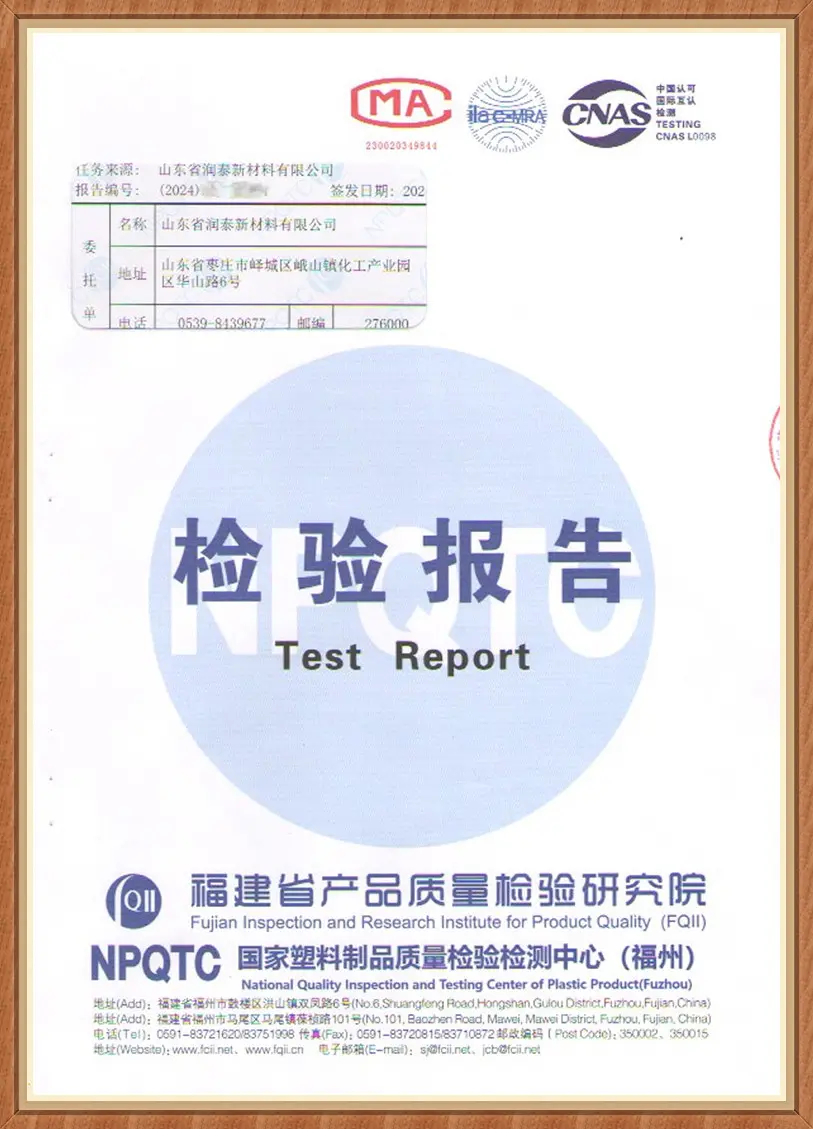
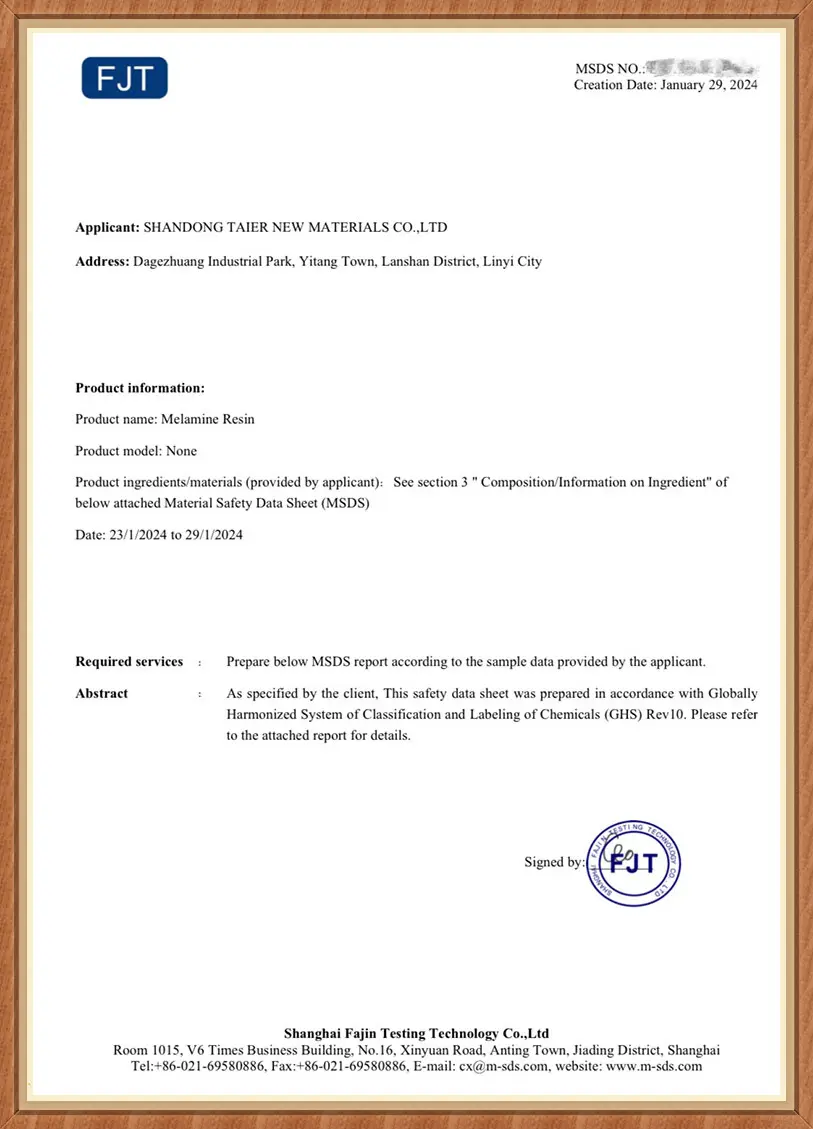
Expert answers to common queries regarding Melamine Resin and Urea-Formaldehyde chemical applications
Explore our full range of water-based additives, defoamers, and synthetic polymers
 Runtai