Direct access to international-grade industrial chemicals, engineered polymer composites, and optimized structural additives.
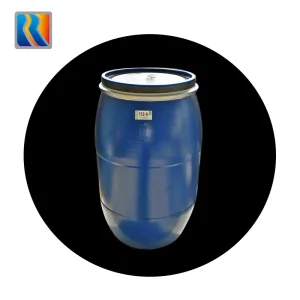
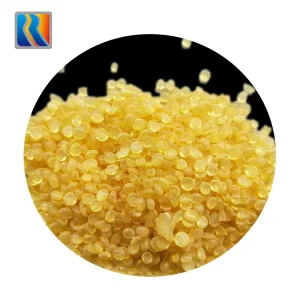
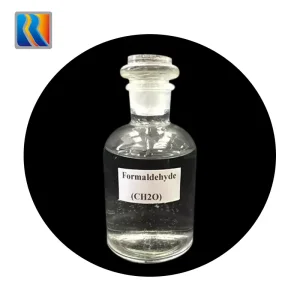
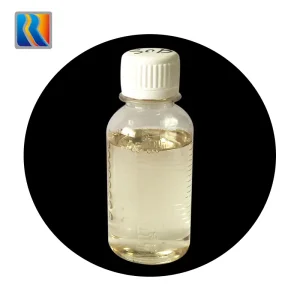
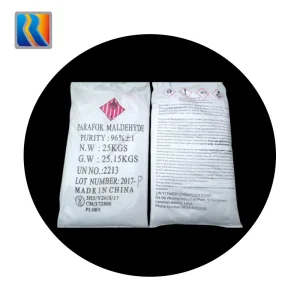
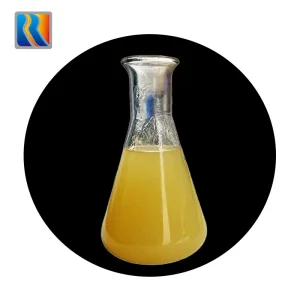
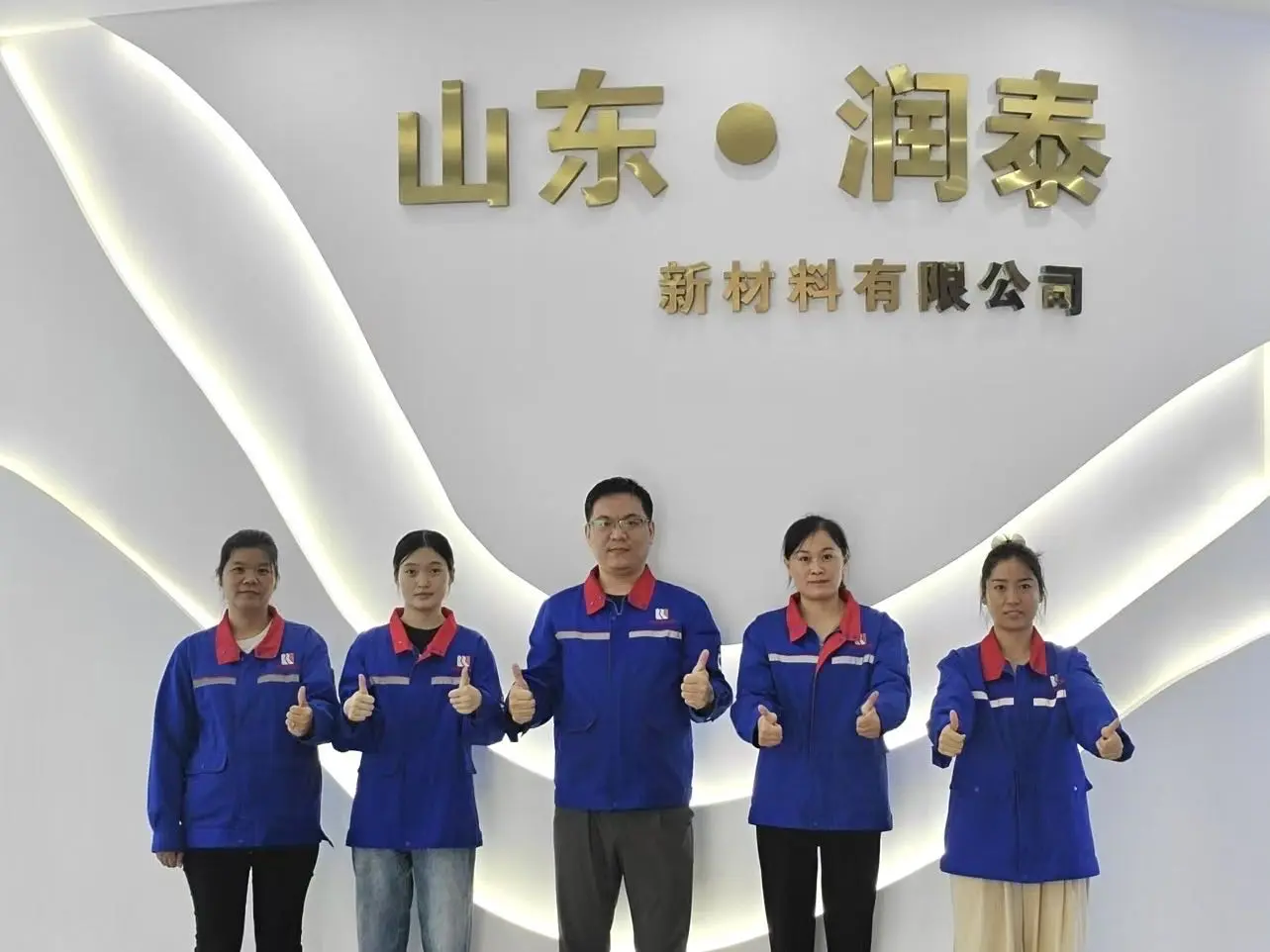
Founded in March 2020, Shandong Runtai New Materials Co., Ltd. is a comprehensive group firm that specializes in manufacturing fine chemical products. Our primary products include formaldehyde, polyformaldehyde, urea formaldehyde resin, melamine powder, and melamine glazing powder. Headquartered in Zaozhuang City, Shandong Province, the corporation operates branches in five different cities throughout China, spanning a total production area of 270,000 square meters with a total investment of 2.06 billion yuan.
How global industrial conglomerates secure long-term raw material pipelines amidst shifting compliance policies and market constraints.
In modern high-performance material procurement, procurement directors are facing triple constraints: strict environmental compliance (such as the EU's REACH and CARB phase II formaldehyde emission limits), geopolitical supply vulnerability, and the need for thermal resistance stability in composite matrixes. Standard sourcing databases lack specific technical roadmaps that bridge the gap between chemical synthesis and structural performance. This guide serves as an operational whitepaper to resolve these technical procurement metrics.
Phenol Formaldehyde (PF) resins stand as the historical and technological backbone of modern thermosetting materials. Known for their structural rigidity, chemical resistance, and flame retardancy, these resins serve core operations in sectors ranging from electronics (printed circuit boards), friction materials (brake linings), and sand casting to wood panel bonding and insulation manufacturing.
Globally, the procurement demands for PF resins are increasingly tied to scale and reliability. Large-scale infrastructure projects in North America, Southeast Asia, and Europe demand consistent material properties. Factories require suppliers who can balance batch-to-batch consistency with tailored chemical formulations (Resol vs. Novolac variants). At Runtai New Materials, we resolve these challenges through our automated industrial chains, offering robust supply capacities, and expanding our export reach to the United States, Thailand, Kenya, Egypt, and other major economies.
Understanding the molecular configuration of Phenol Formaldehyde Resins determines their application performance. There are two primary categories of phenolic resins, dictated by the aldehyde-to-phenol ratio and the pH of the reaction catalyst:
Synthesized with an excess of formaldehyde (formaldehyde:phenol ratio > 1, typically 1.5 to 3.0) under alkaline conditions. These resins contain reactive methylol groups, allowing them to crosslink thermally without the addition of curing agents. Essential for laminates, coatings, and structural bonding adhesives.
Produced with a formaldehyde-to-phenol ratio less than 1 (usually 0.75 to 0.85) in an acidic environment. These are thermoplastic prepolymers that require a curing agent—most commonly hexamethylenetetramine (hexa)—to crosslink and solidify. Predominantly used in moulding compounds, friction linings, and refractory materials.
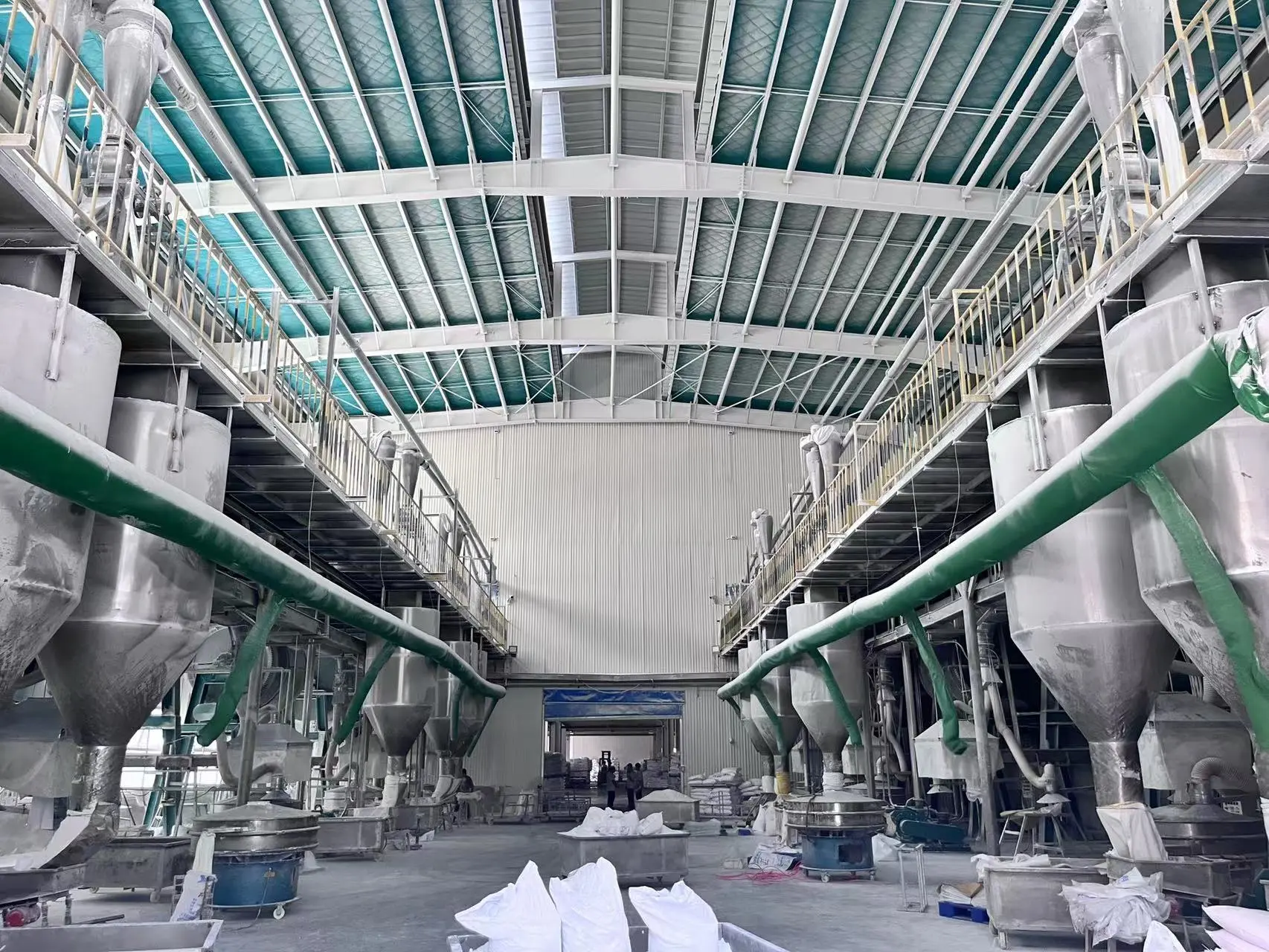
Runtai New Materials integrates high-end production processes to assure product quality while containing costs. Our facilities implement the leading **Distributed Control System (DCS)**, enabling automated control over key chemical reactor metrics. This technology maintains stable process temperatures, precise chemical ratios, and safe operating conditions across the entire production facility.
Ensures optimal process parameters, maximizing reactor efficiency, reducing raw material wastage, and lowering labor risks.
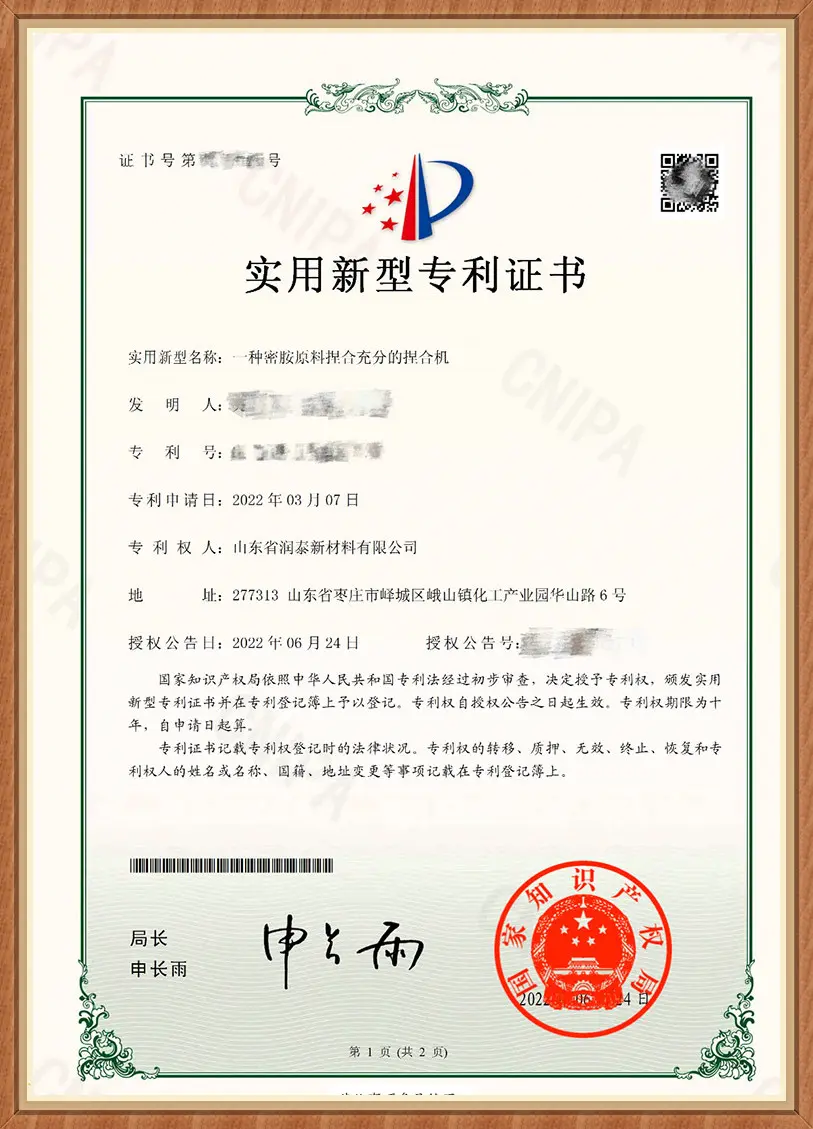
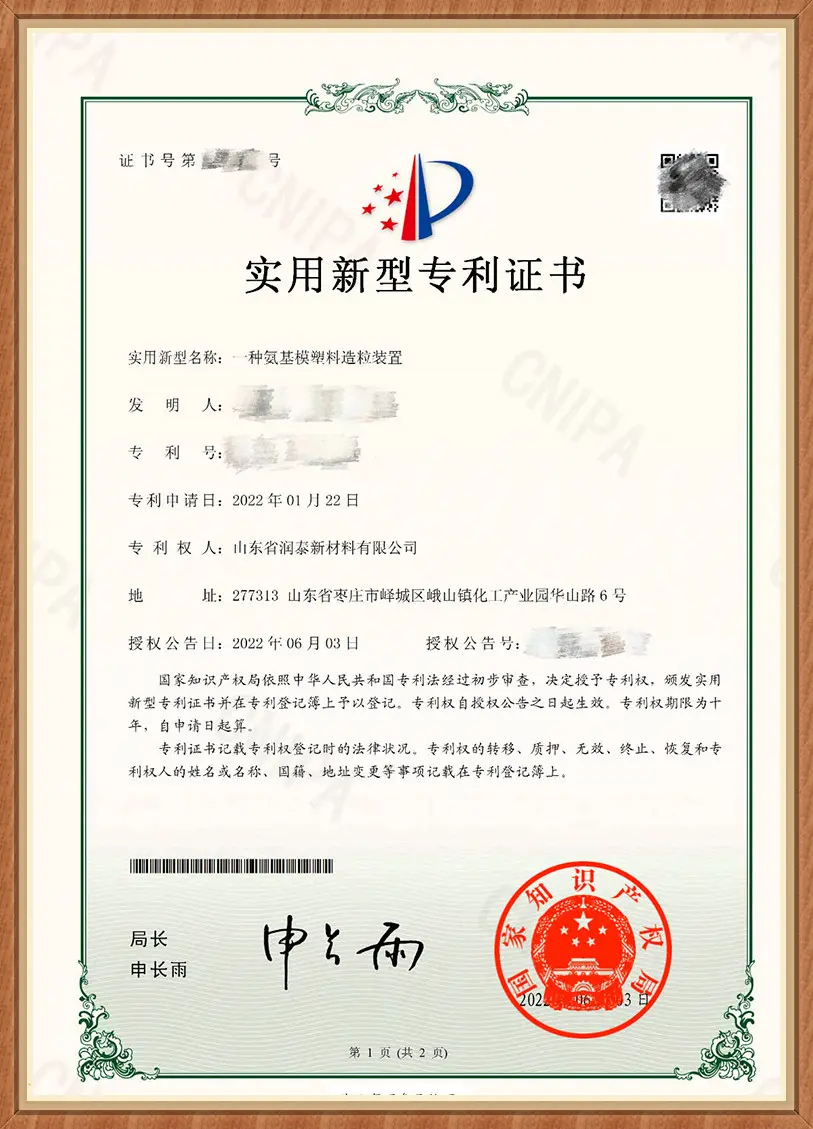
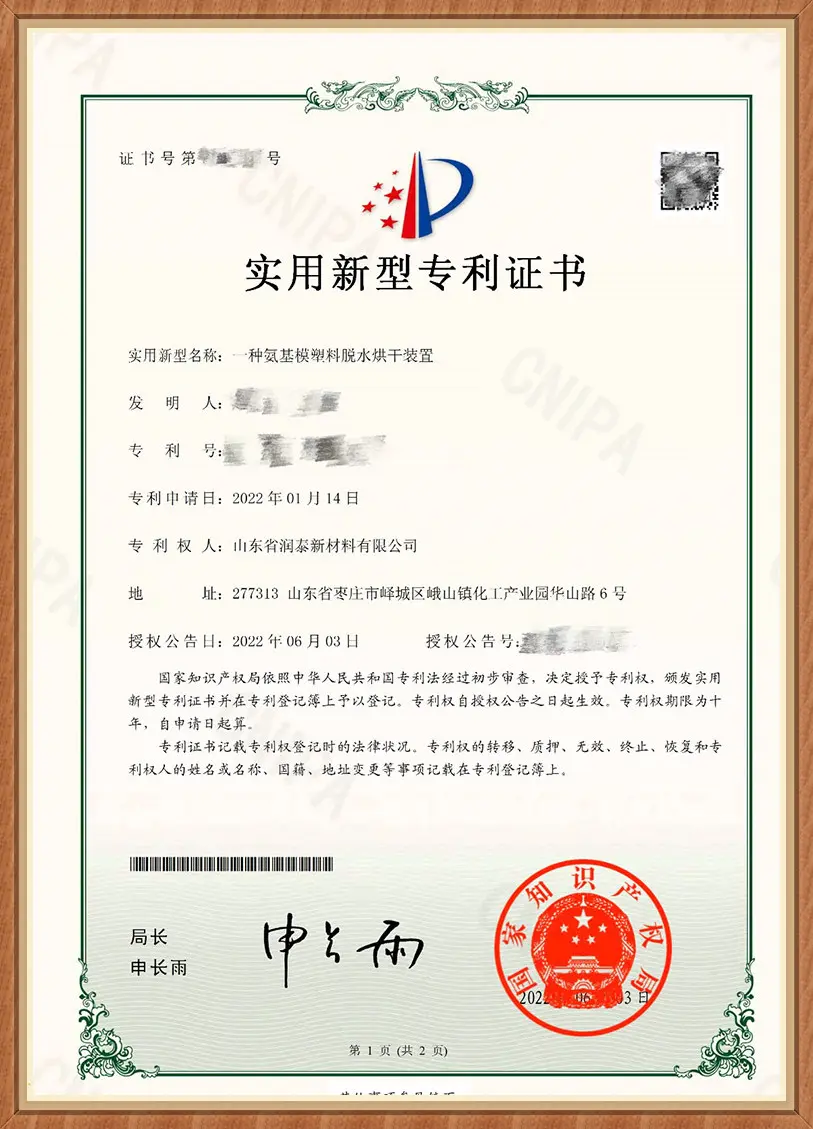
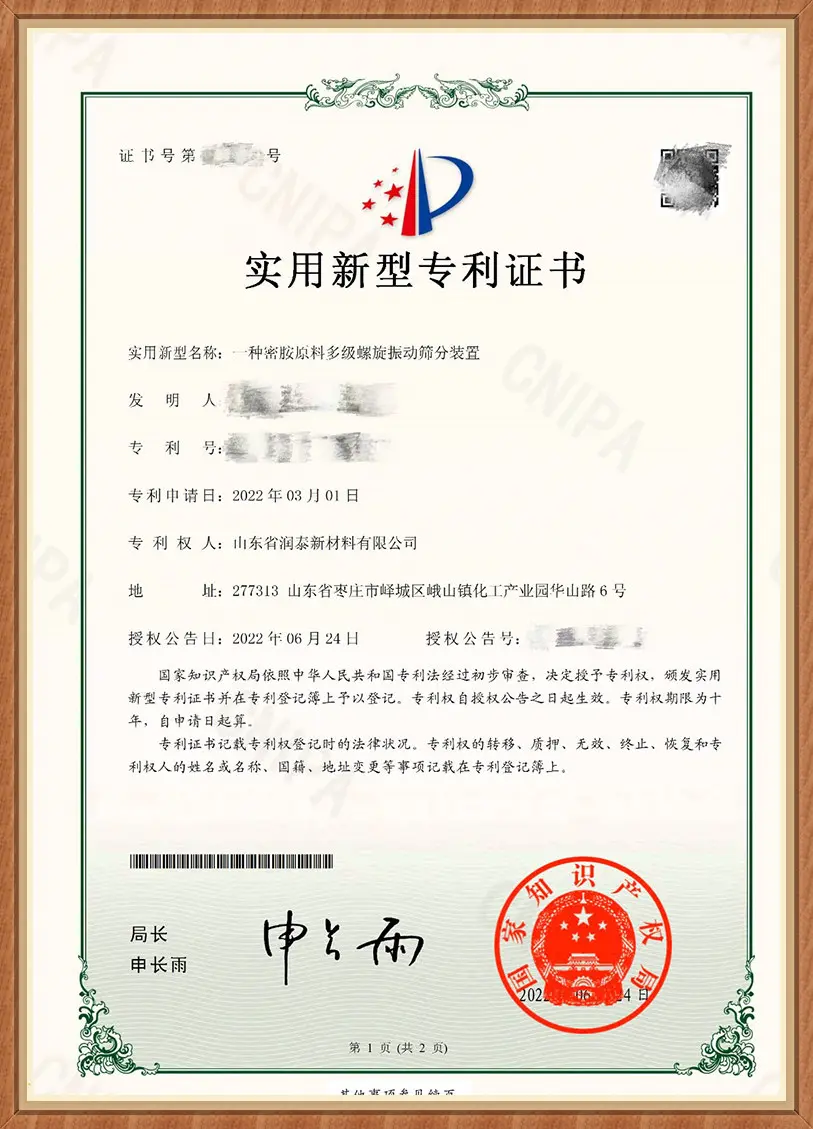
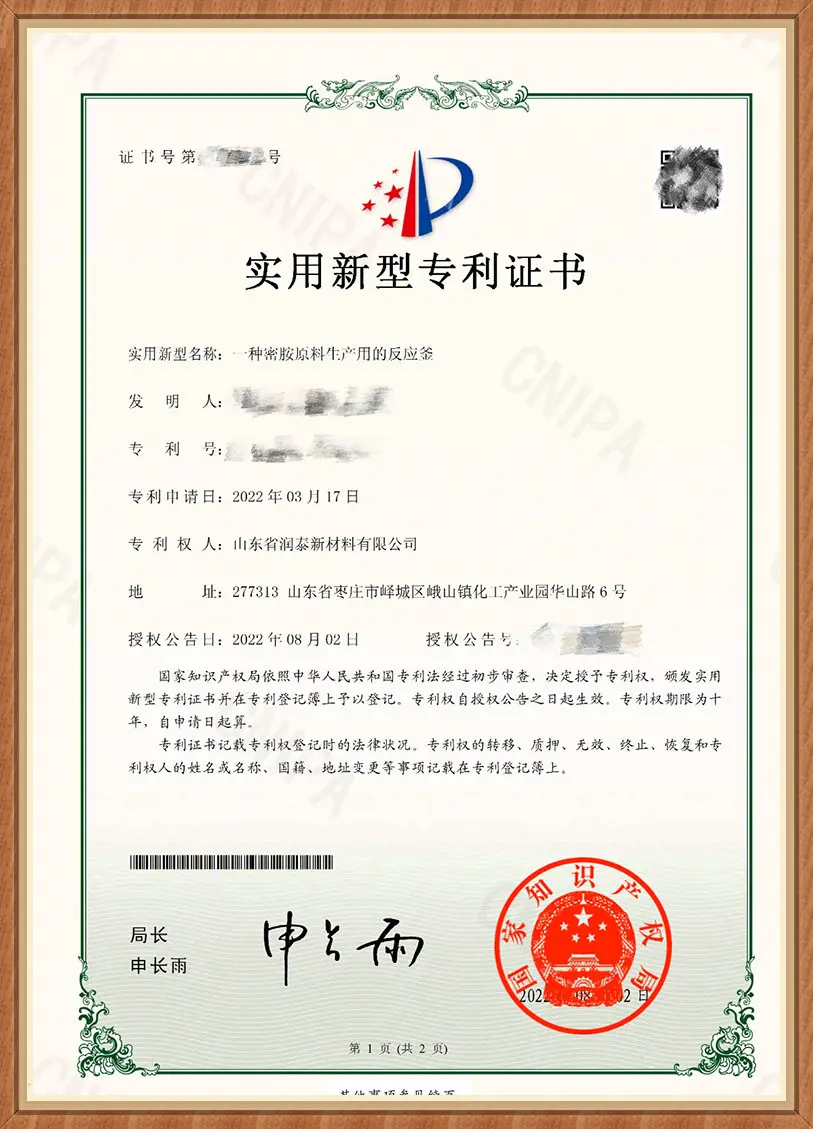
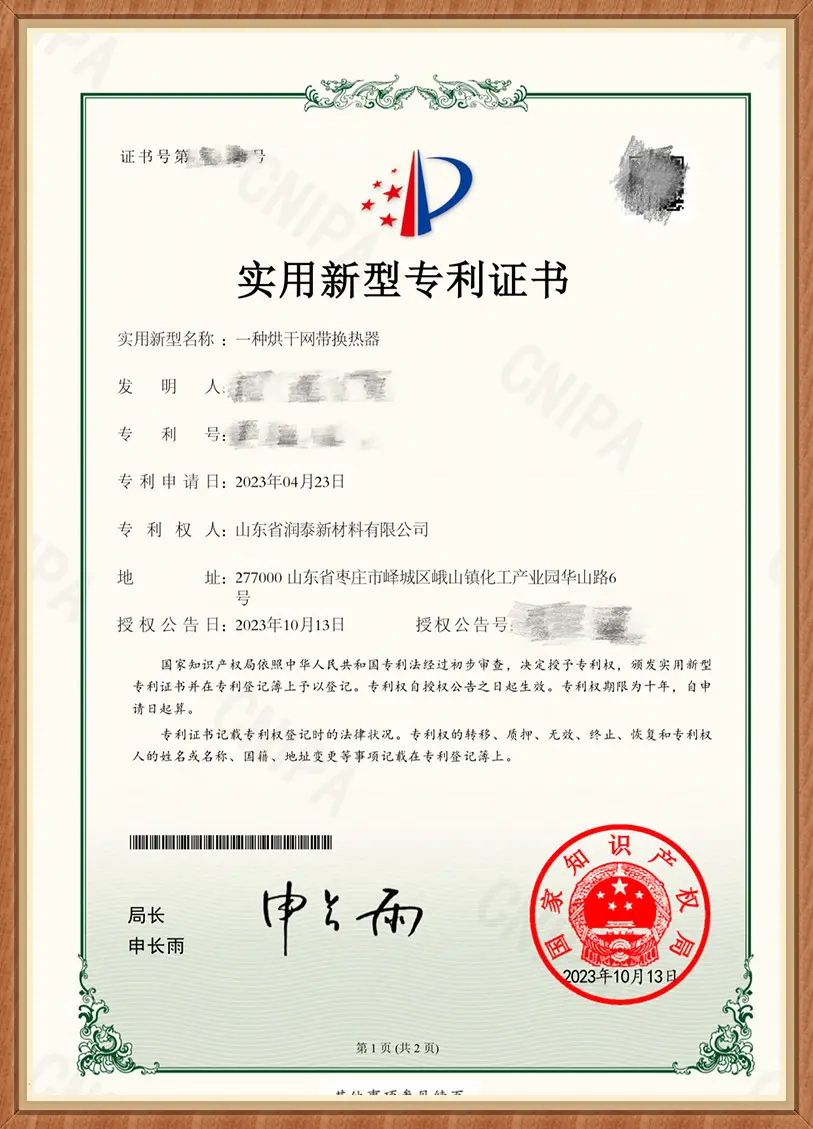
Strong industrial partnerships with the Changzhou Research Institute of Beijing University of Chemical Technology, housing specialized PhD research units and holds multiple national patents.
By starting with basic formaldehyde feedstock, we extend our value chain down to specialized resins, glazing powders, and water-based additives, securing complete downstream reliability.
Formulations optimized for lower volatile organic compound (VOC) emissions, complying with international regulatory and environmental frameworks.
Deploying tailored polymer structures to survive extreme operating conditions across automotive, building, and electronics fields.
Novolac resins act as binding agents in brake pads, clutch plates, and grinding wheels. They guarantee high mechanical integrity, thermal durability, and friction stability under shear stress.
Using specialized water-resistant urea-formaldehyde and phenol-formaldehyde resins to fabricate exterior-grade plywood, OSB, and engineered lumber, ensuring minimal swelling under moisture.
Provides high carbon yields and binder strengths at elevated temperatures, ideal for molding high-precision castings in iron, steel, and alloy foundries.
Leveraged for manufacturing phenolic foams and composite parts requiring high flame retardancy, low smoke generation, and minimal toxicity (FST compliance).
Industrial chemical sourcing requires stringent adherence to international safety protocols and localized regulatory standards. Runtai New Materials ensures smooth global customs clearance and local operations support by aligning with key industrial benchmarks:

Technical answers to common engineering and sourcing questions regarding Phenol Formaldehyde Resins.
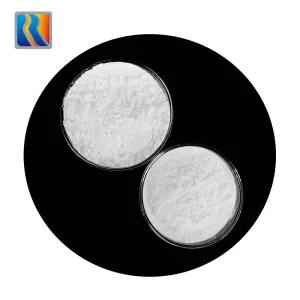
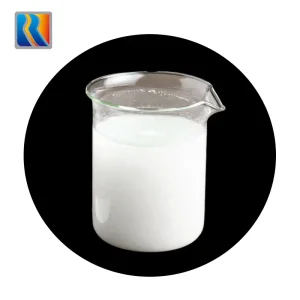
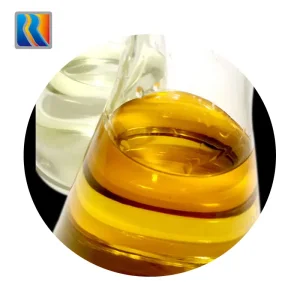
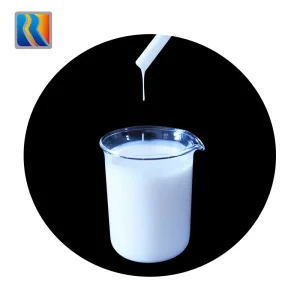
A broad array of chemical compounding, auxiliary agents, and molding resins tailored for industrial performance.
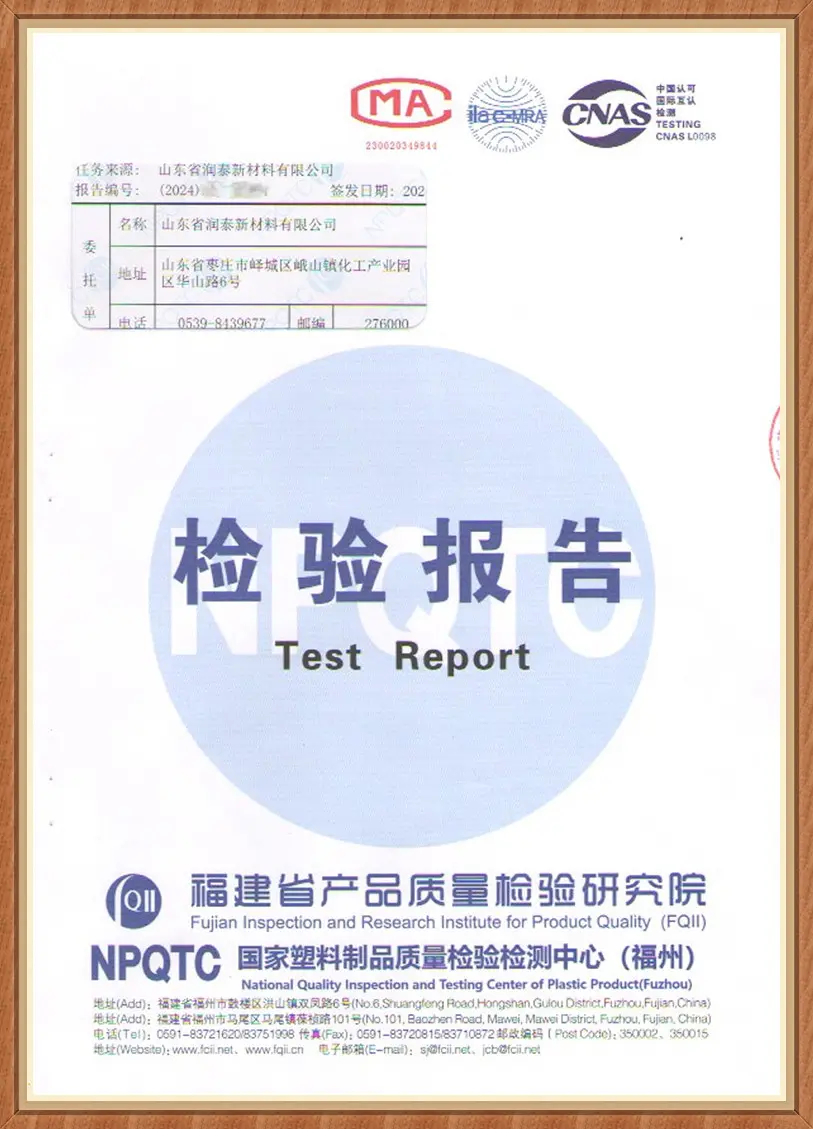
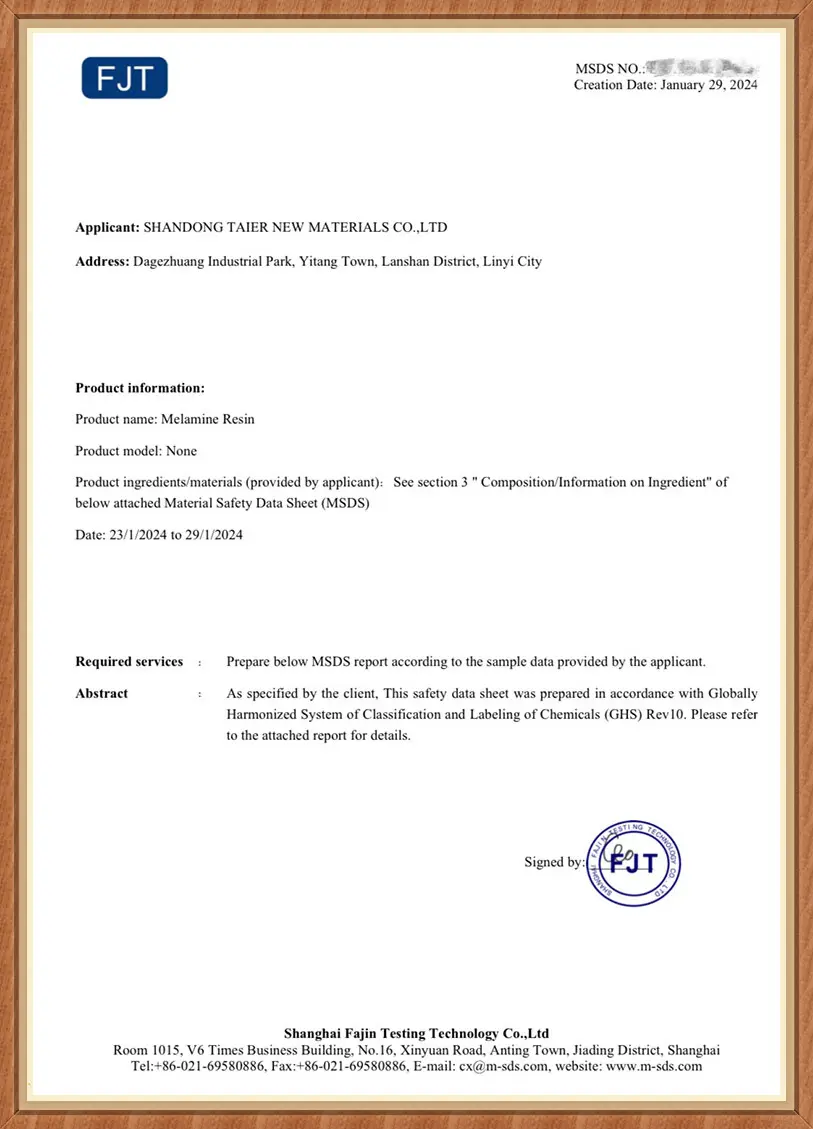
Rigorous verification proving international compliance across production quality, safety systems, and environmental limits.
 Runtai