Explore top-grade formalin derivatives, resins, and specialized additives engineered for global distribution and compliant manufacturing processes.
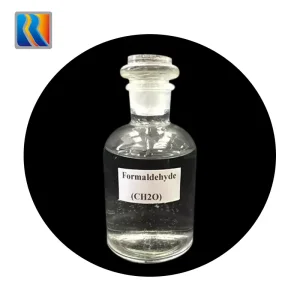
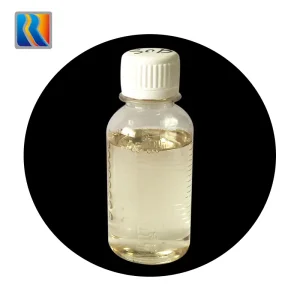
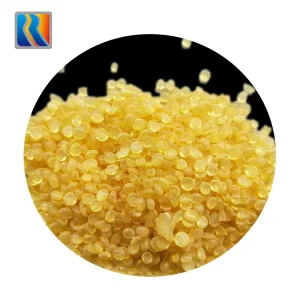
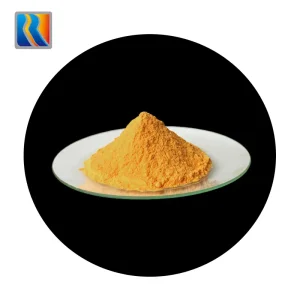
Formaldehyde aqueous solution, commercially recognized as Formalin (typically ranging from 37% to 50% concentration with stabilizing agents such as methanol), represents a fundamental chemical cornerstone of modern industrial manufacturing. Far beyond its traditional association with preserving biological specimens, formalin serves as the primary building block for a vast range of synthetic polymers, thermosetting plastics, and performance-enhancing resins.
Globally, the demand for formaldehyde-based materials is deeply intertwined with macro-economic drivers. Rapid urbanization, infrastructure modernizations, automotive transitions, and packaging revolutions have positioned formaldehyde as a non-substitutable input. From high-durability engineered wood panels (utilizing urea-formaldehyde or melamine-formaldehyde adhesives) to heat-resistant automotive composites, formalin manufacturers hold the key to essential supply chains in key global markets.
"By integrating modern catalyst technology (such as metal oxide or silver catalyst systems), contemporary manufacturers can balance energy efficiency with high-purity yield, ensuring that downstream resins meet strict global safety thresholds."
Annual Formaldehyde Capacity
Urea Formaldehyde Resin Capacity
Domestic Market Share Peak
Total Investment (RMB Yuan)
Decentralized production models, green building standards, and localization strategies across major economic corridors.
The push for ultra-low emission standards (such as California Air Resources Board - CARB Phase 2, EPA TSCA Title VI, and European E0/E1 guidelines) has forced a technical shift. Advanced suppliers now produce low-fume formaldehyde resins designed to emit minimal volatile organic compounds (VOCs).
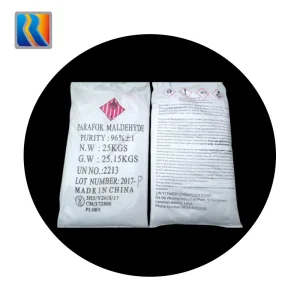
Due to the high water content of formalin (standard 37% formalin contains 63% water), long-distance sea transport of bulk liquid formalin is economically inefficient. Consequently, regional manufacturing nodes rely on importing solid Paraformaldehyde (PFA) which is depolymerized back into formalin locally.
Integrating chemical chains is the primary margin protection strategy for leading chemical groups. Rather than trading raw formaldehyde exclusively, top producers run parallel synthesis lines for Melamine Moulding Compounds (MMC), Urea Moulding Compounds (UMC), and specialized packaging adhesives.
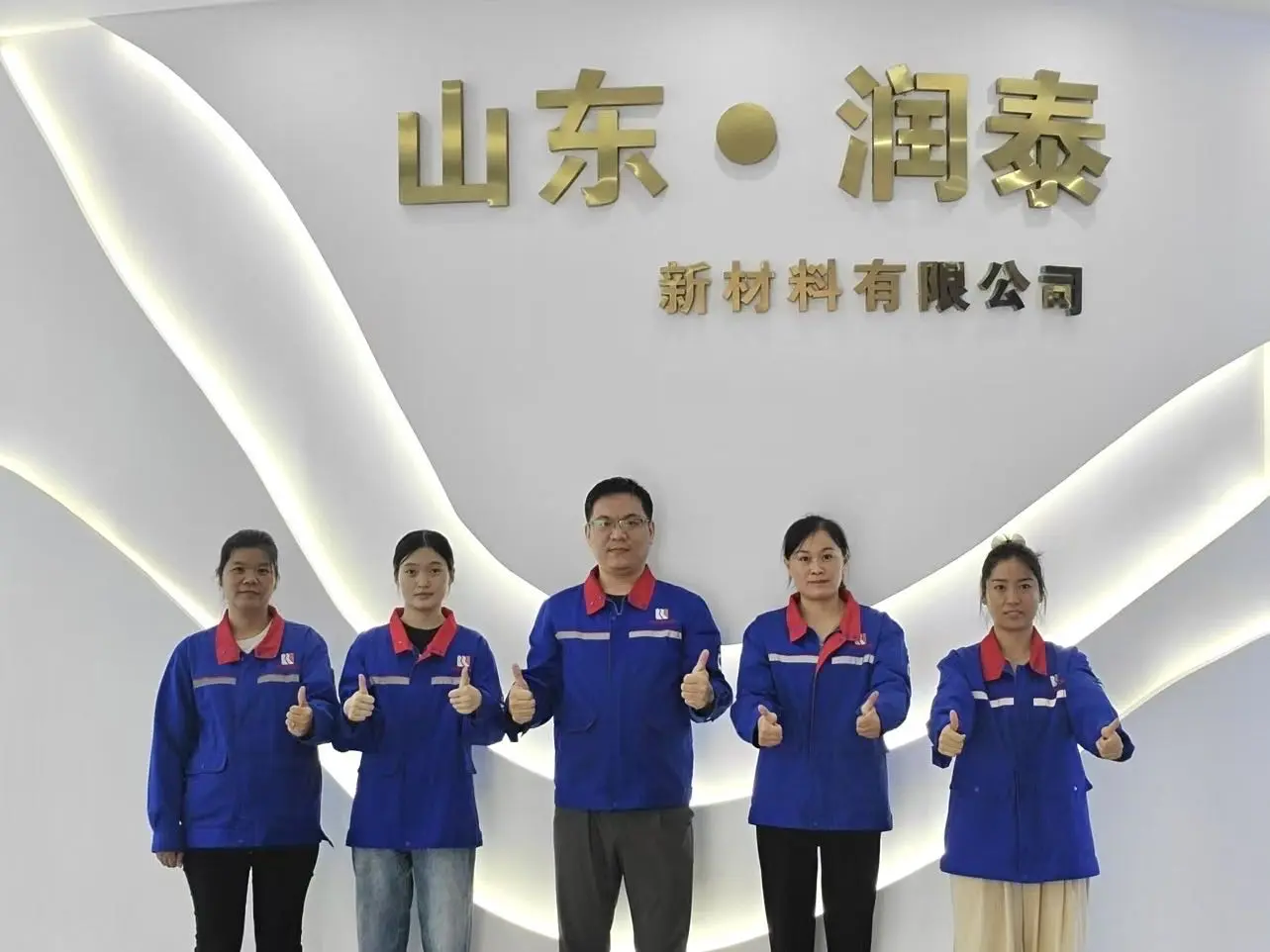
Established in March 2020 and headquartered in Zaozhuang City, Shandong Province, Shandong Runtai New Materials Co., Ltd. is a prominent, comprehensive chemical group specializing in fine chemicals and polymer intermediates. Spanning 270,000 square meters with an investment of 2.06 billion RMB, the company is built on scale, safety, and integration.
Runtai has established five domestic operating branches, enabling responsive customer service and optimized logistical networks. Its production infrastructure utilizes advanced Distributed Control Systems (DCS), ensuring precise process parameters, equipment safety, and consistent batch quality. Furthermore, the company has partnered with the Changzhou Research Institute of Beijing University of Chemical Technology (BUCT) to host a doctoral R&D division focused on product innovation.
Underpinning our manufacturing with high-precision DCS automation, research-backed formulations, and strict compliance.
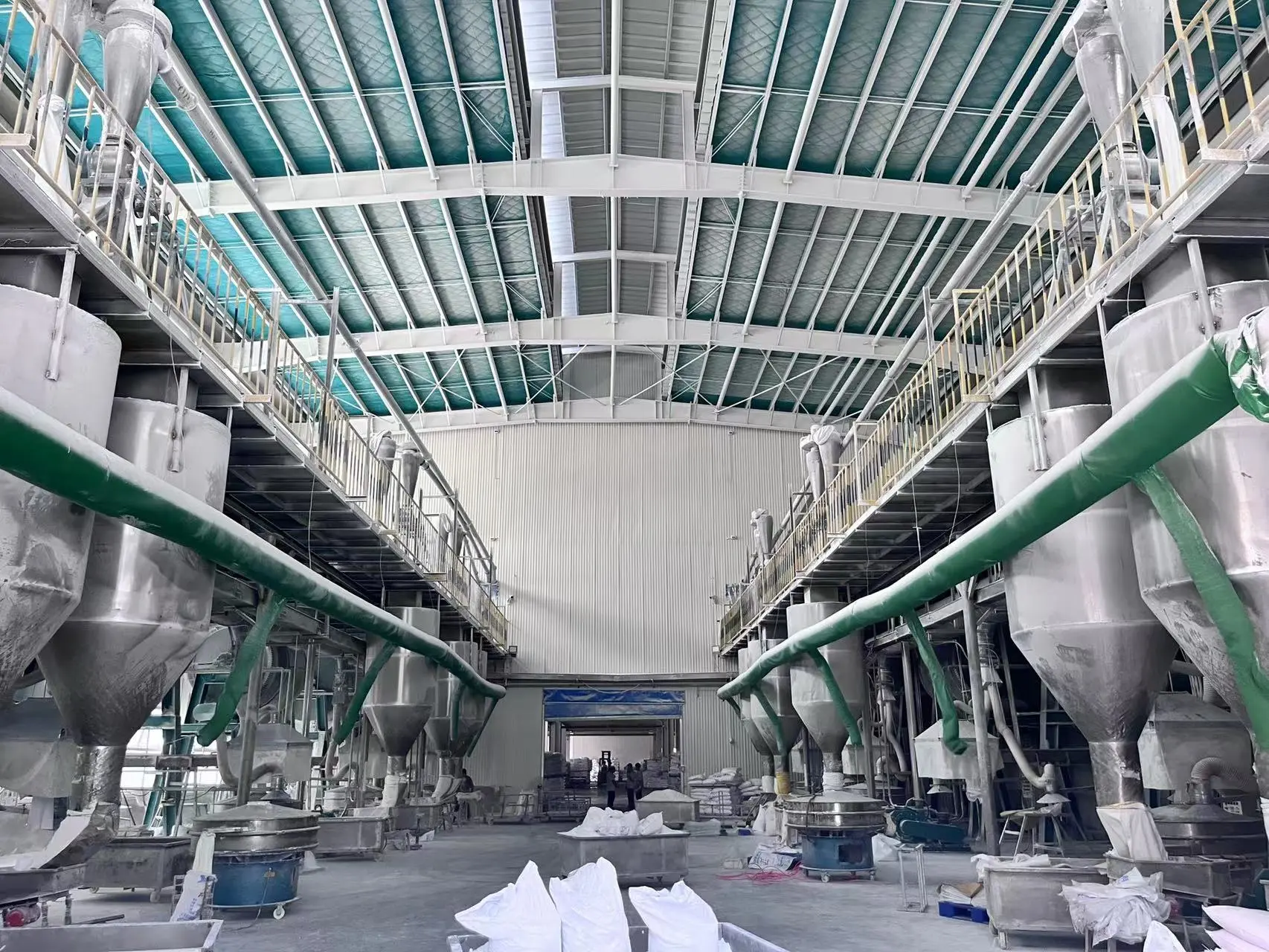
The core synthesis of formalin relies on the catalytic oxidation of methanol. The company utilizes a silver catalyst process operated under high-efficiency heat recovery parameters. The entire flow system is managed via DCS, which stabilizes parameters such as methanol-to-air ratios, temperature within the reactor catalyst bed, and absorption tower water-feed rates.
This automated control yields highly consistent formalin concentrations with minimal formic acid byproduct development and optimal methanol retention, which acts as a natural polymerization inhibitor. Additionally, the process is designed for energy recovery, utilizing off-gas combustion to generate steam, which is recycled back into the plant's turbine operations.
Collaborating with the Changzhou Research Institute of Beijing University of Chemical Technology has allowed the development of high-density thermosetting compounds and environmental resins. Runtai holds multiple patents for its molding powders and packaging film adhesives, supporting industries looking to replace heavy metal composites with advanced engineering polymers.

As a chemical producer, Runtai New Materials prioritizes sustainable development and environmental preservation. Operating a chemical synthesis facility requires compliance with strict environmental regulations. The company utilizes comprehensive wastewater treatment and waste gas treatment systems to minimize emissions.
Our guiding principle of "quality first, customer first" is reflected in our ISO 9001 and ISO 14001 certified facilities. We align our manufacturing processes with global environmental standards to support local communities and protect natural resources.
"We welcome domestic and international partners to visit our facility in Shandong to explore collaborative solutions for the global chemical market."
Browse our selection of performance additives, specialized resins, and thickeners tailored for demanding industrial applications.
Crucial insights for purchasing agents, chemical engineers, and import compliance managers.
Formalin is a liquid solution typically consisting of 37%-50% formaldehyde gas dissolved in water, stabilized with 1%-15% methanol to prevent polymerization during transport and storage. Paraformaldehyde (PFA) is the solid polymer form of formaldehyde (polyoxymethylene) with a polymerization degree of 8 to 100. PFA is ideal for long-distance transport, export, and low-water chemical synthesis, as it can be depolymerized back into high-concentration formalin on-site.
Runtai utilizes a modern Distributed Control System (DCS) to monitor reaction temperatures, methanol feed rates, and catalyst efficiency. This automation minimizes variations in concentration, limits formic acid generation, and controls VOC emissions, ensuring high compliance with downstream synthesis requirements.
Our Melamine Moulding Compounds (MMC) and glazing powders are formulated to comply with international regulations, including EU REACH standards, FDA guidelines for food-contact materials, and various regional low-formaldehyde emission limits.
Formaldehyde molecules in aqueous solutions naturally tend to associate and polymerize into paraformaldehyde precipitates, particularly in cold climates. Methanol acts as a stabilizer by forming hemiacetals with formaldehyde, preventing precipitation and extending the shelf life of the liquid during transport.
Bulk formalin should be stored in stainless steel (304 or 316L) or fiberglass-reinforced plastic (FRP) tanks. Mild steel tanks are not suitable due to corrosion risks from formic acid. Storage temperatures must be maintained between 15°C and 35°C (depending on concentration and methanol content) to prevent both polymerization at low temperatures and excessive formic acid formation at high temperatures.
Under recommended storage conditions, stabilized formalin (with 10-15% methanol) has a shelf life of approximately 3 to 6 months. Unstabilized or low-methanol formalin solutions must be used quickly and stored at higher temperatures to prevent precipitation.
We comply with international maritime regulations (IMDG code) and land transport regulations for Class 8 (Corrosive) and Class 9/3 (Flammable/Hazardous) materials. We use certified tank containers (ISO tanks) and safety-labeled packaging, accompanied by detailed safety data sheets (SDS) and transport manifests.
UF resins are widely used as wood adhesives in the production of medium-density fiberboard (MDF), particleboard, and plywood. They are also used in paper treatment, laminated coatings, textile finishes, and the production of electrical components due to their high tensile strength and electrical resistance.
Yes. Through our technical team and partnership with the Beijing University of Chemical Technology, we offer customized solutions, adjusting parameters such as solids content, viscosity, molar ratios, and curing times to meet specific downstream processing requirements.
Buyers can contact our export division through our official website. We provide product specifications, COA (Certificates of Analysis), safety sheets, and customized pricing structure options based on purchase volumes and shipping terms (FOB, CIF, etc.).
 Runtai