Explore our premium grade chemical solutions, optimized for high structural performance, rheology control, and material binding.
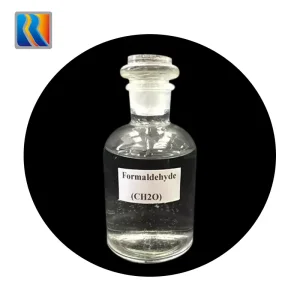
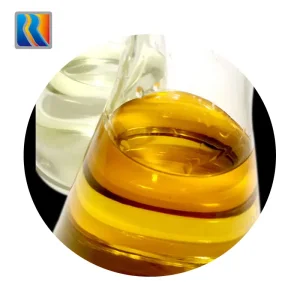
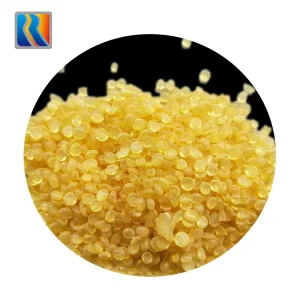
An in-depth whitepaper analysis on structural characteristics, synthesizing kinetics, market demands, and application engineering.
Urea Formaldehyde (UF) resin stands as a foundation of the global polymer and adhesive sectors. Functioning as a non-transparent thermosetting synthetic resin, it is polymerized through the chemical interaction of urea and formaldehyde under tailored catalytic configurations. The global market value for amino resins, specifically dominated by UF formulations, continues to expand steadily. This trajectory is driven by extensive infrastructural developments and the growing demands of the wood composite panel sector, including Medium-Density Fiberboard (MDF), High-Density Fiberboard (HDF), particleboards, and structural plywood.
Globally, industrial demands are shifting toward reduced gas emissions and sustainable chemical profiles. Modern manufacturing demands that suppliers offer high-performance resins that adhere strictly to international safety limits, such as European E0 and E1 limits, alongside the California Air Resources Board (CARB) Phase 2 mandates. Consequently, wholesale buyers and procurement managers prioritize partners who combine large-scale output capacities with modern analytical control systems.
The formulation of industrial UF resin is a complex, multi-stage reaction system. Synthesizing proceeds via two primary phases: alkaline hydroxymethylation (addition reaction) followed by acid condensation (condensation polymerization):
Phase 1 (Hydroxymethylation): NH₂-CO-NH₂ + HCHO ⇋ H₂N-CO-NH-CH₂OH (Monomethylolurea) & HOCH₂-NH-CO-NH-CH₂OH (Dimethylolurea)
Phase 2 (Condensation): n(HOCH₂-NH-CO-NH-CH₂OH) ⇋ H-[NH-CO-NH-CH₂]n-OH + (n-1)H₂O
Adjusting the Formaldehyde-to-Urea (F/U) molar ratio is critical. While a higher molar ratio increases curing speeds and structural stiffness, it also increases free formaldehyde release. Today, advanced manufacturers utilize a dynamic synthesis approach, introducing urea at multiple points during the process to keep the final F/U molar ratio within safe, modern limits (typically between 1.05 and 1.15) without compromising curing efficiency or final adhesive strength.
The industrial applicability of Urea Formaldehyde compounds is remarkably diverse, adapting to varied localized operational climates:
| Polymer Class | Key Mechanical Properties | Environmental Profiles | Primary Applications |
|---|---|---|---|
| Urea Formaldehyde (UF) | High rigidity, fast hot-press curing cycles, high tensile strength. | Subject to moisture degradation; customizable for low formaldehyde emissions. | Interior particleboards, fiberboards, electrical accessories. |
| Melamine Formaldehyde (MF) | Outstanding surface hardness, scratch protection, and heat resistance. | Highly stable under exposure to moisture and high temperatures. | Laminated wood surfaces, dinnerware, electrical insulators. |
| Phenolic Resin (PF) | Excellent weatherproofing, structural integrity, moisture protection. | Very low emissions, highly durable in outdoor environments. | Exterior plywood, structural OSB panels, automotive friction materials. |
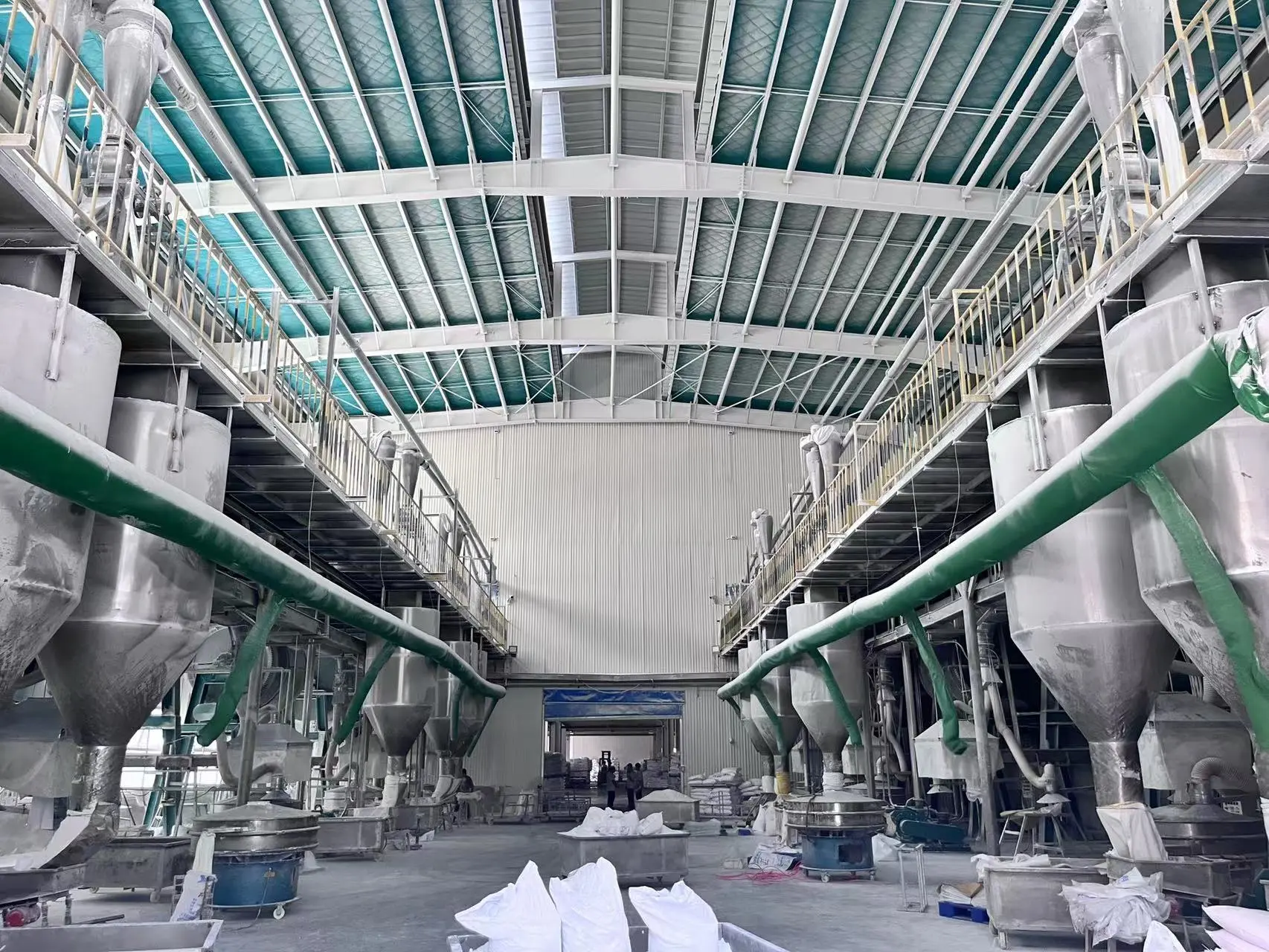
Established in March 2020, Shandong Runtai New Materials Co., Ltd. has developed into a leading comprehensive industrial group specializing in fine chemicals. With its main production base and corporate headquarters located in Zaozhuang City, Shandong Province, the enterprise spans an expansive footprint of 270,000 square meters. Backed by a total investment of 2.06 billion yuan, our modern facilities are designed to deliver high-quality, high-consistency chemicals to global markets.
Our product portfolio includes formaldehyde, paraformaldehyde, urea formaldehyde resin, melamine, and melamine glazing powder. To ensure prompt logistics and reliable technical support, the group operates branches across five strategic industrial centers nationwide, offering efficient supply chain management and technical service.
Through continuous investment in process automation and production line upgrades, Runtai New Materials has established itself as a premier chemical manufacturer. Currently, the company maintains annual production capacities of 380,000 tons of formaldehyde, 60,000 tons of melamine, 20,000 tons of melamine glazing powder, 11,000 tons of specialized resins, and 300,000 tons of urea formaldehyde resin.
This scale has enabled us to secure approximately 80% market share within China's domestic space. In parallel, our export operations continue to grow, delivering high-performance products and customized solutions to clients in the United States, Thailand, Kenya, Egypt, and other international markets.
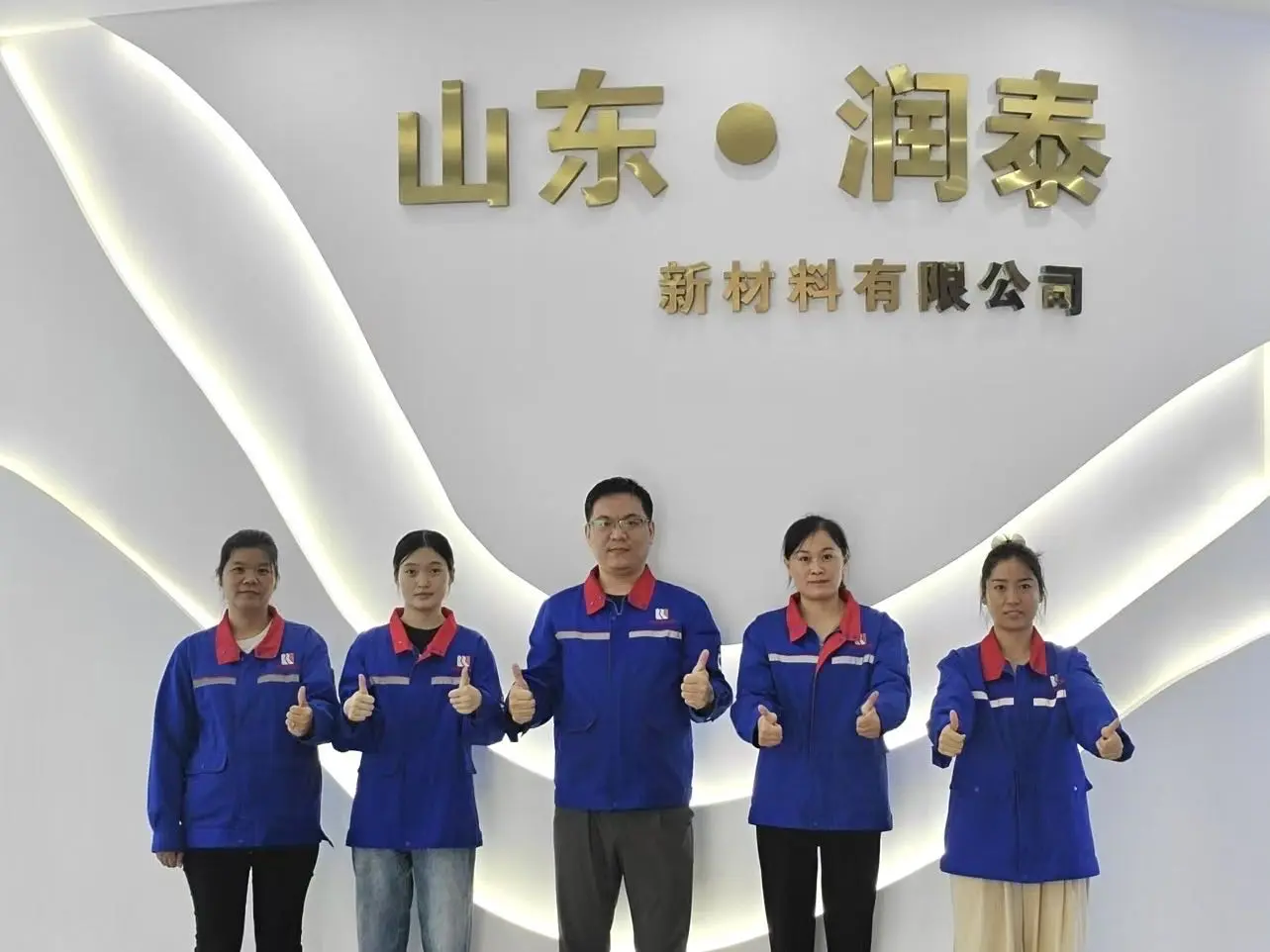

As an environmentally conscious enterprise, Runtai New Materials prioritizes sustainable development and green chemistry. We are dedicated to developing and manufacturing eco-friendly products that reduce ecological footprints while complying with local and international environmental standards, including ISO 14001, OHSAS 18001, and REACH.
Guided by our core principle of "quality first, customer first," we provide technical service with transparency and professional integrity. We welcome partners from both domestic and international markets to visit our facilities in Shandong and build long-term, mutually beneficial collaborations.
Why industrial procurement leaders partner with Runtai New Materials for global wholesale resin supplies.
Following the commissioning of our melamine and formaldehyde lines, Runtai New Materials has become a key player in the research, production, and distribution of formaldehyde-derived materials, securing a leading position in major industrial sectors.
Our production facilities utilize modern Distributed Control Systems (DCS). This enables real-time monitoring and adjustment of reaction parameters, ensuring consistent product quality, process safety, and optimized raw material consumption.
To verify the mechanical and physical properties of our resins, we employ advanced analytical and testing instrumentation. Increased automation in our quality control lab helps lower testing costs while maintaining high quality standards.
Through our long-term research partnership with the Changzhou Research Institute of Beijing University of Chemical Technology, Runtai has built a dedicated R&D team and secured several patents for resin optimization.
Our integrated formaldehyde-based value chain allows for the production of a wide range of derivatives. These materials find application in wood adhesives, industrial coatings, thermosetting resins, plastic molding powders, additives, and specialized mechanical components.
Strict quality compliance verified by international certification authorities and protected chemical technology patents.
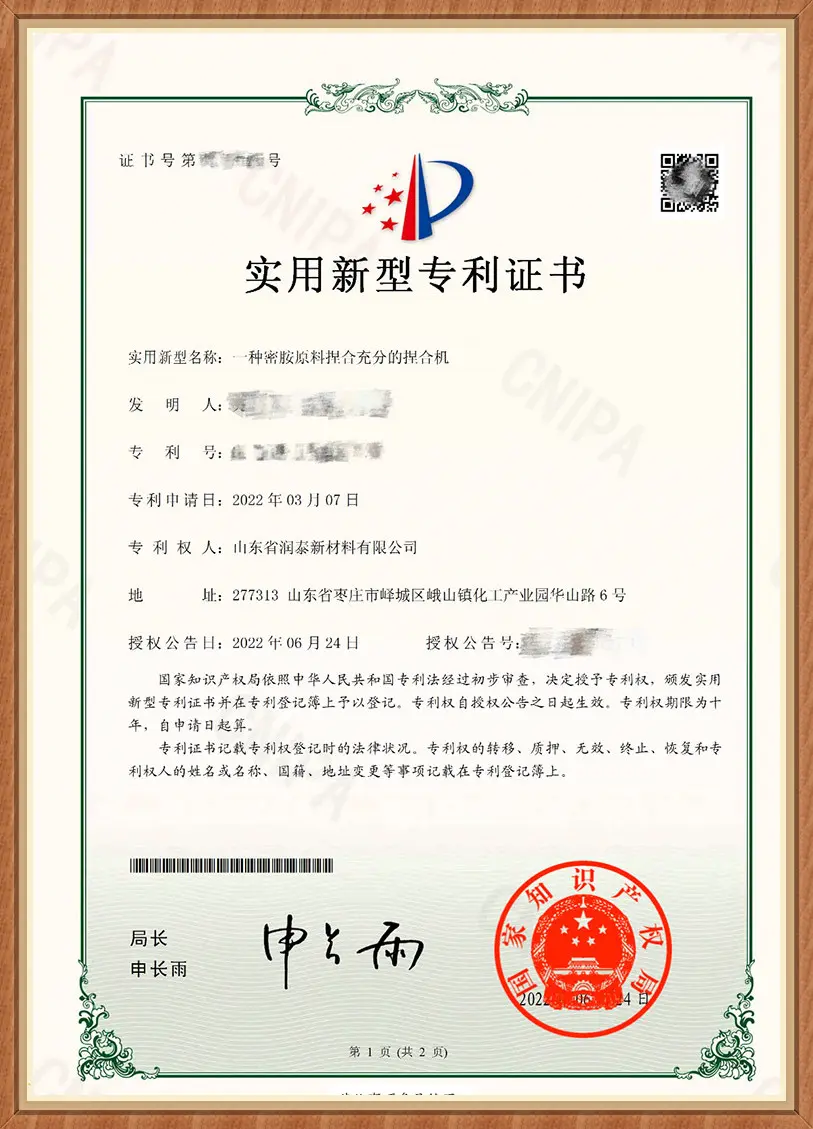
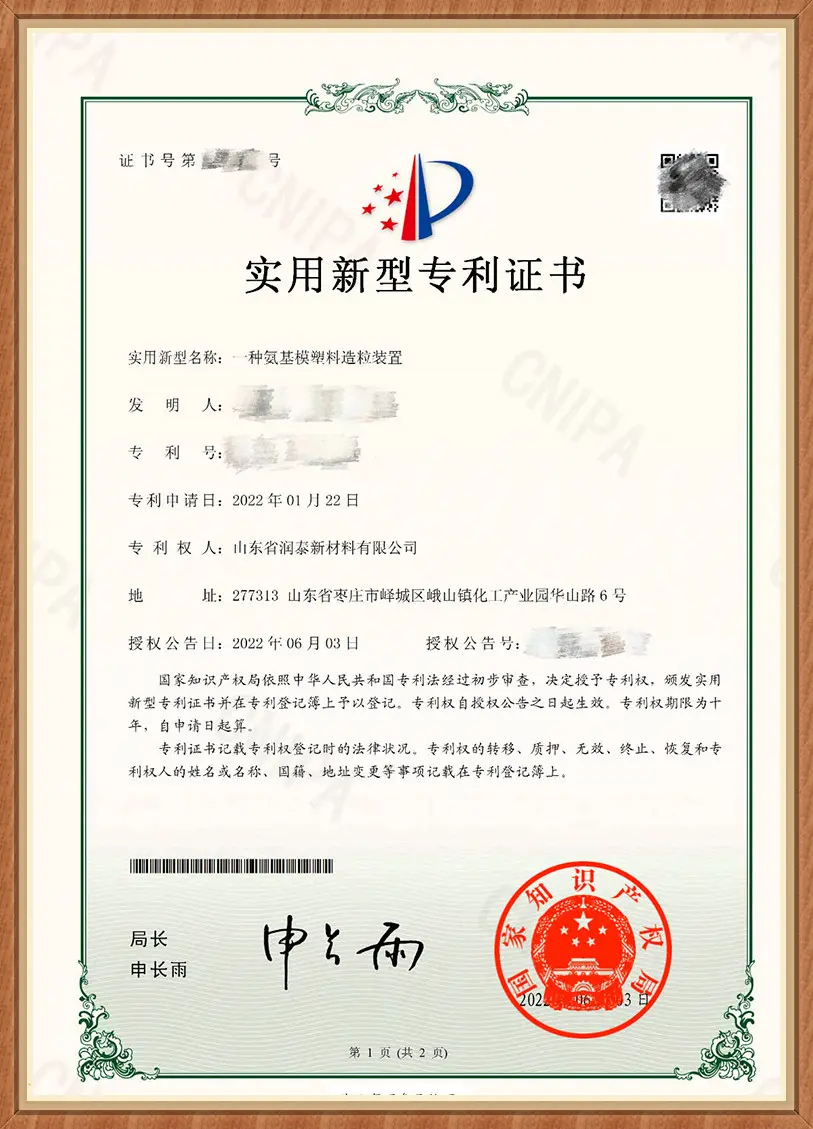
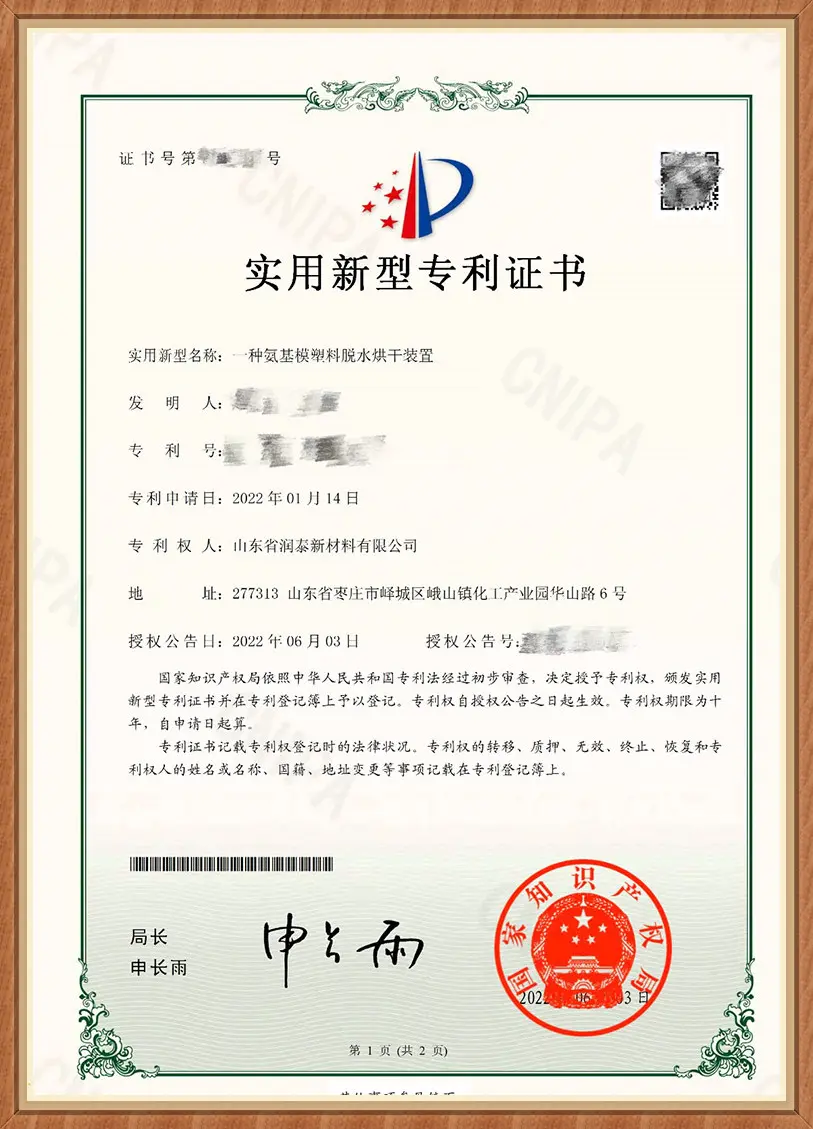
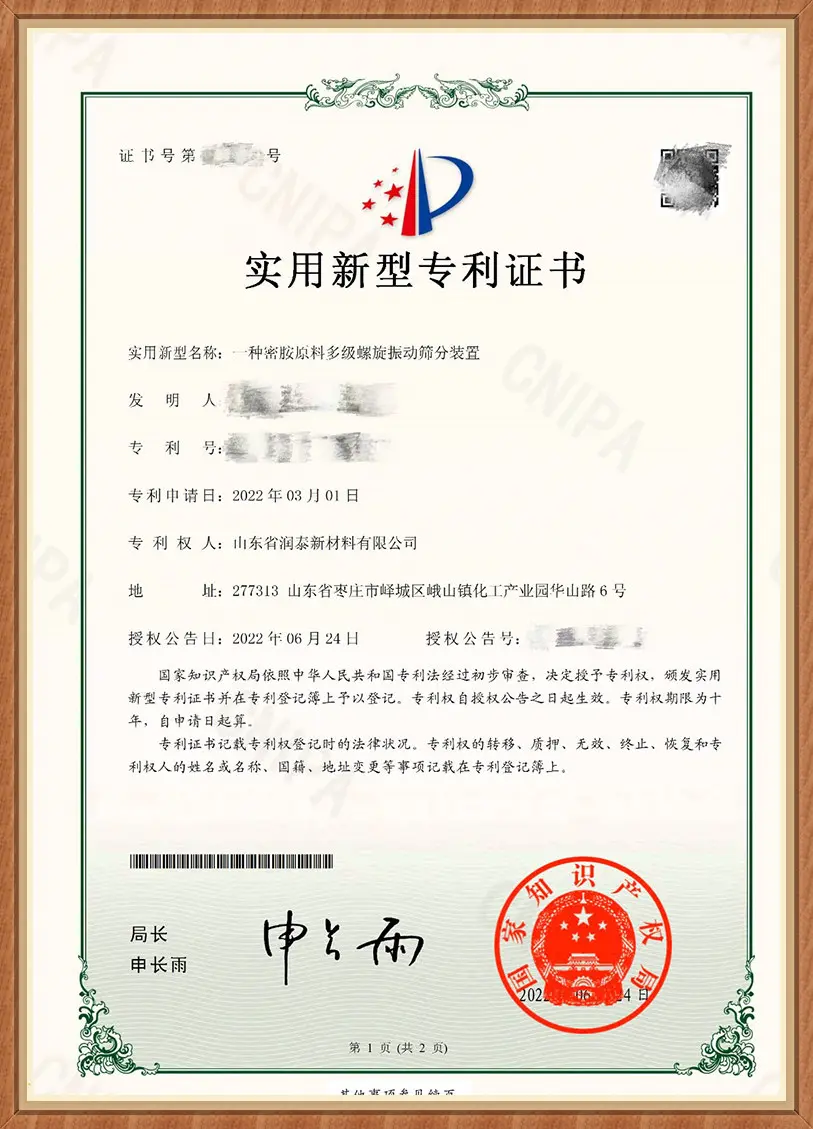
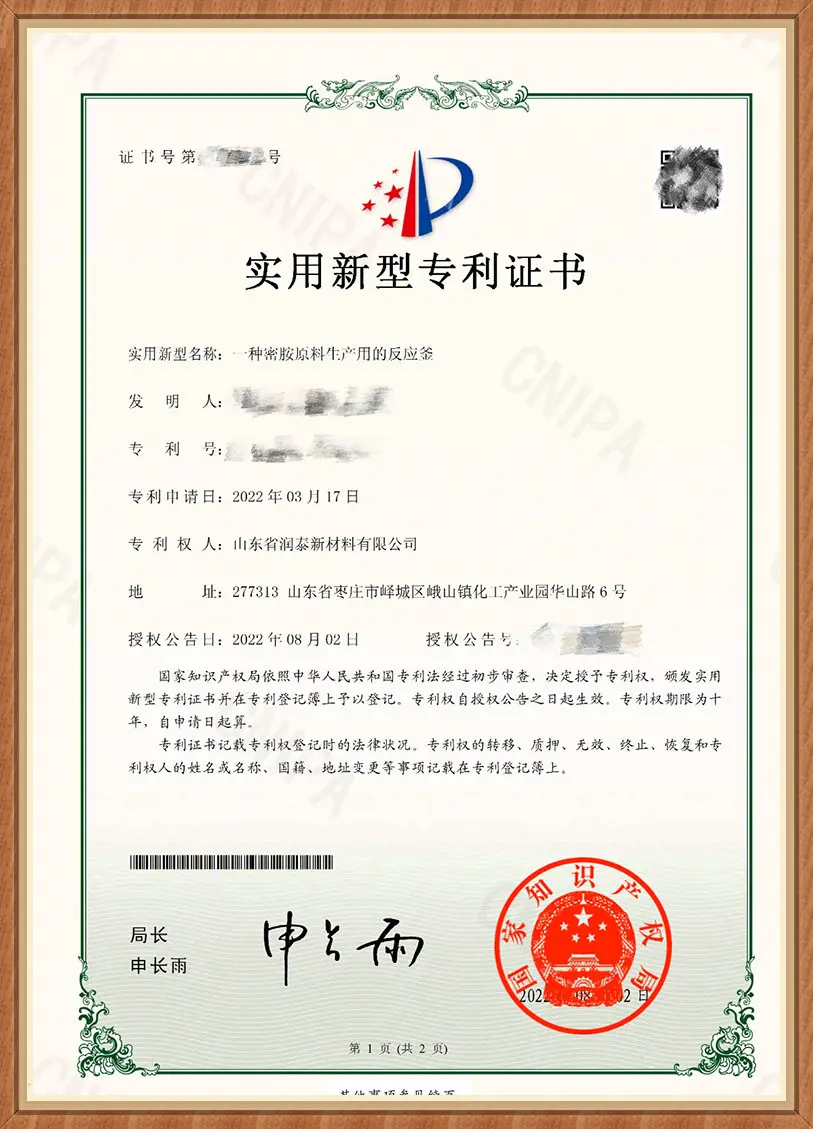
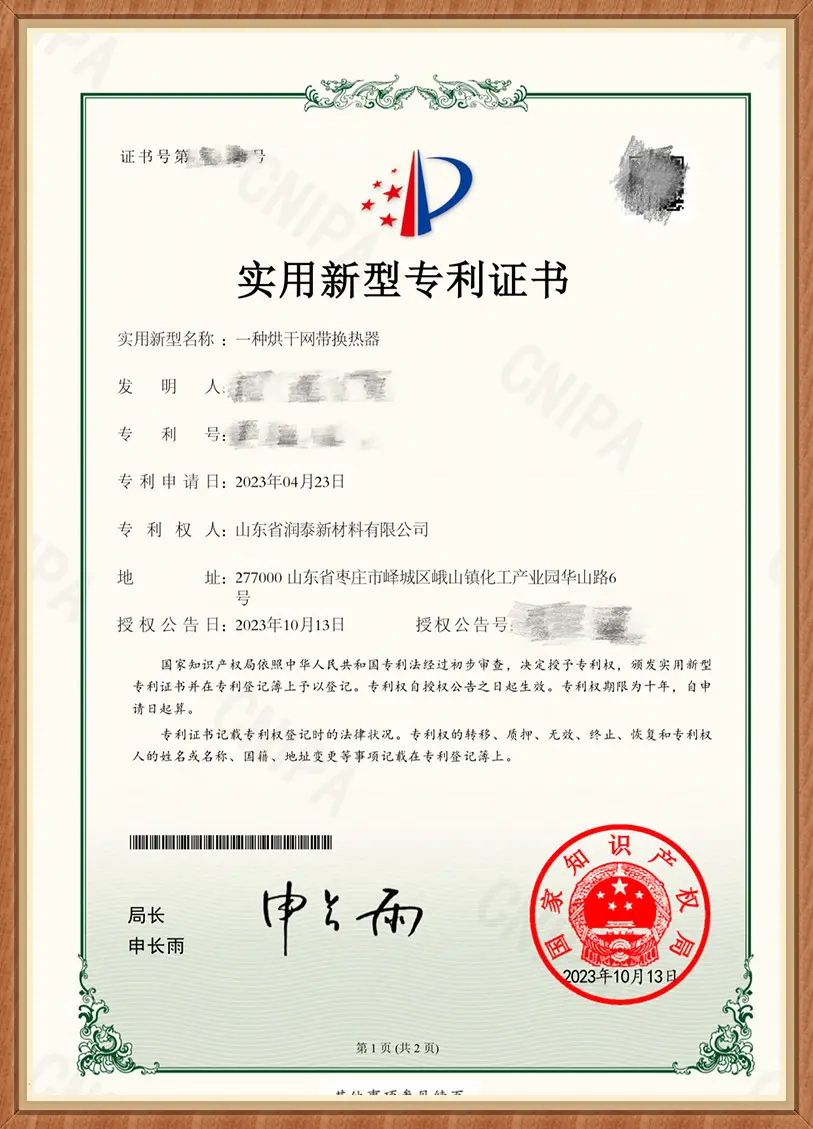
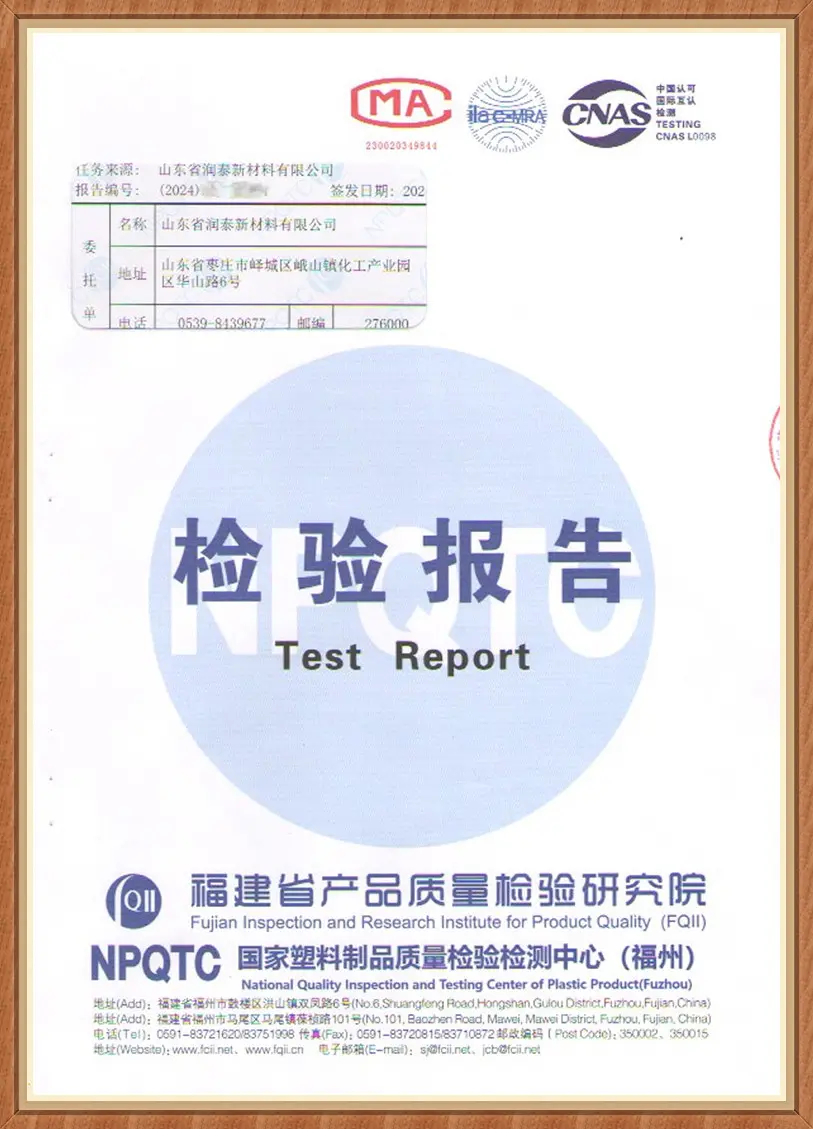
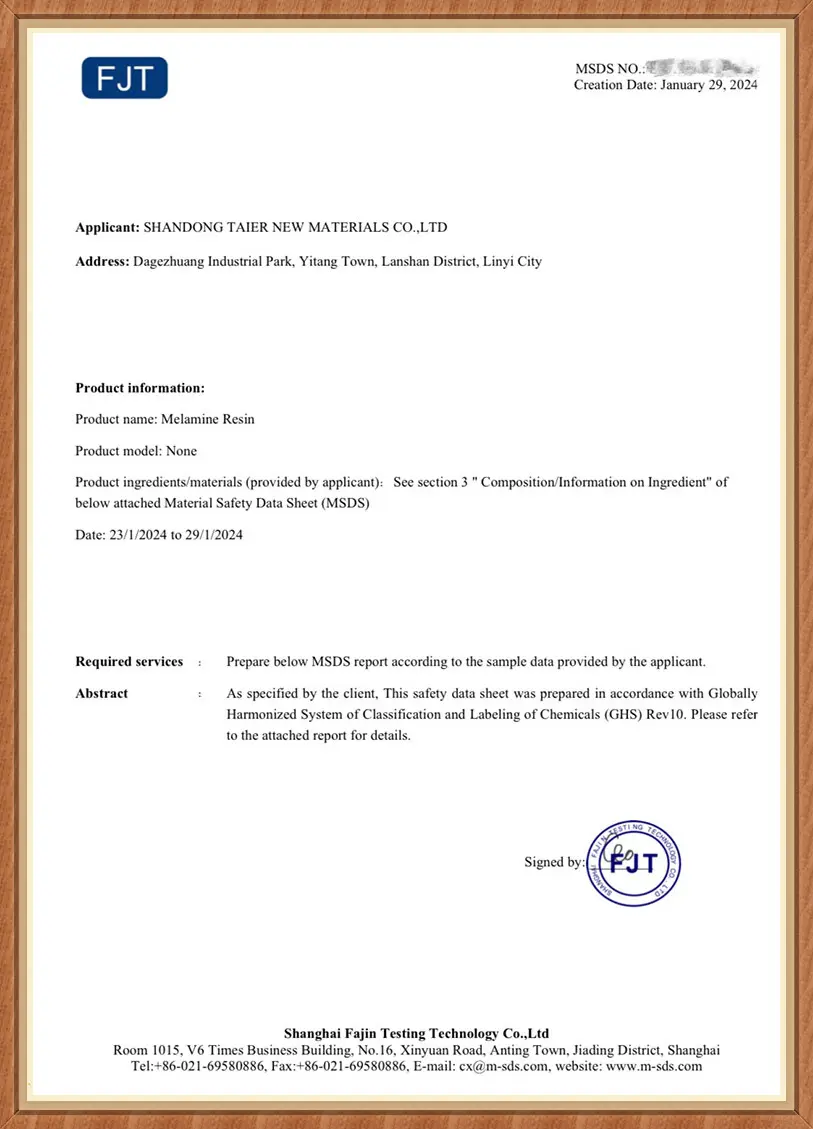
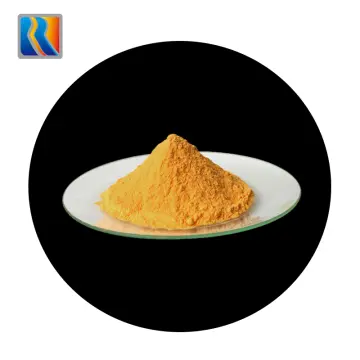
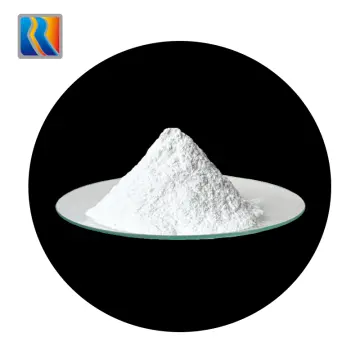
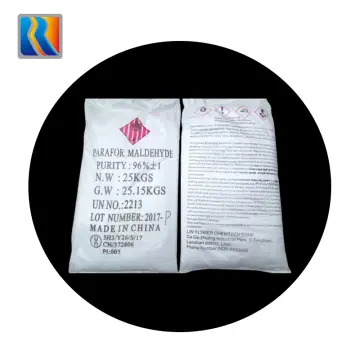
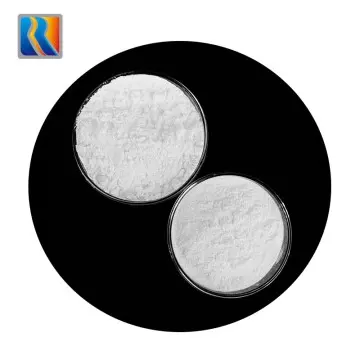
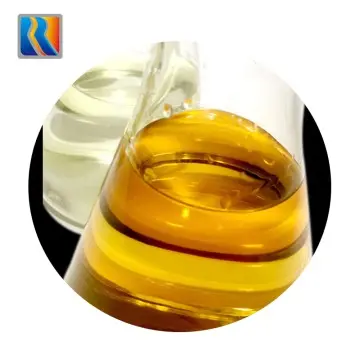
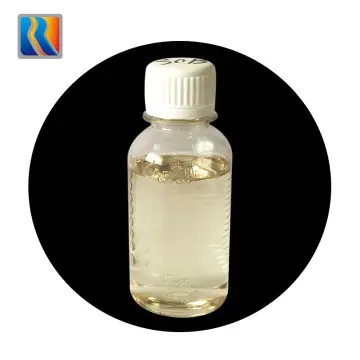
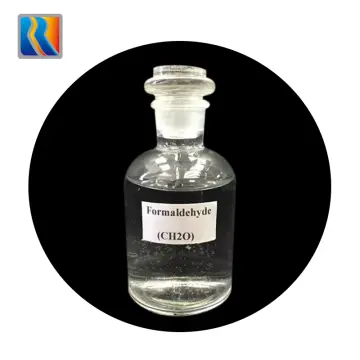
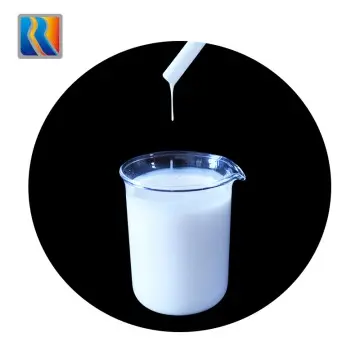
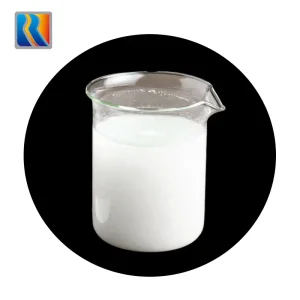
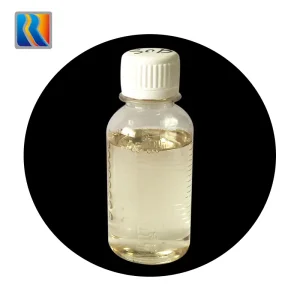
A comprehensive overview of fine chemicals and specialized polymer solutions manufactured in our facilities.
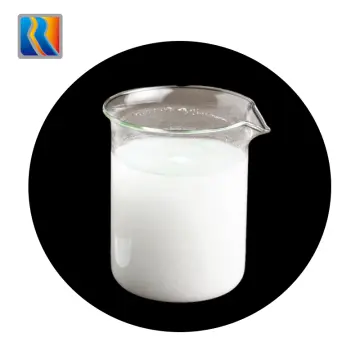
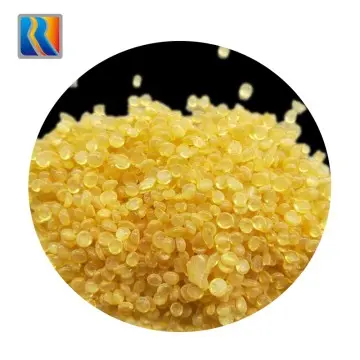
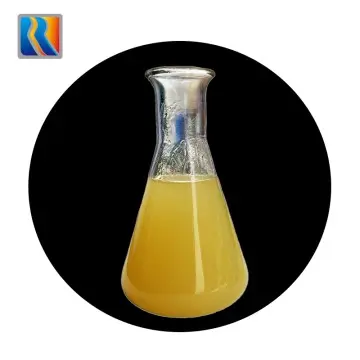
Understanding the transition to ultra-low emissions, green chemical synthesis, and bio-based alternatives.
The industrial roadmap for aminoplast resins is centered on reducing free formaldehyde emissions. Historically, achieving E0 or CARB Phase 2 compliance required post-treatment scavengers or extended press cycles, which reduced throughput. Runtai's current research focuses on modifying the polymer backbone with non-volatile aldehydes and co-reactants. By incorporating melamine segments at specific stages of synthesis, we produce resins that combine the low-emission profile of melamine-formaldehyde with the cost-efficiency of standard UF adhesives.
To reduce dependence on fossil-derived raw materials, we are exploring bio-based modifiers such as industrial lignin and condensed tannins. Lignin's polyphenolic structure makes it a viable partial replacement for urea in adhesive systems. This modification enhances water resistance and thermal stability, paving the way for sustainable, high-performance bonding solutions in wood composite manufacturing.
Our commitment: By integrating advanced synthesis control, raw material supply chain control, and research partnership with institutions like Beijing University of Chemical Technology, Runtai aims to lead the development of high-performance, low-emission thermosetting materials.
Common technical, commercial, and logistical inquiries regarding our Urea Formaldehyde resin supplies.
Liquid UF resin has a shelf life ranging from 3 to 6 weeks, depending on storage conditions and the specific formulation's reactivity. To prevent premature gelation, it should be stored in a cool, well-ventilated area between 15°C and 25°C. Temperatures above 30°C accelerate the polymer condensation reaction, significantly shortening shelf life.
We manage formaldehyde emissions by controlling the chemical synthesis parameters. Using DCS automation, we monitor the F/U molar ratio throughout the reaction steps. Additionally, we integrate formaldehyde scavengers and co-polymerize with melamine segments where necessary to meet E1, E0, and CARB Phase 2 emission standards.
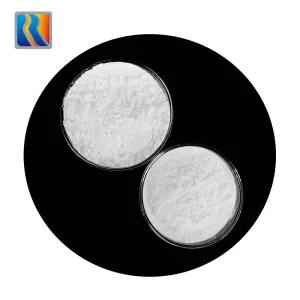
Yes, we process our liquid UF resin into spray-dried powder formulations (often referred to as Urea Moulding Compound or powdered adhesive). The spray-dried powder has a shelf life of up to one year when stored in dry, moisture-resistant packaging, making it highly suitable for long-distance transport and export markets.
Our standard MOQ for wholesale chemicals is 20 metric tons (typically one full container load). Lead times range from 15 to 25 days depending on the customization required, destination port, and current production scheduling. We handle bulk shipping out of Qingdao Port, which offers direct logistics routes to major global markets.
Direct supply options for resin polymers, thickeners, dispersants, and process additives.
 Runtai