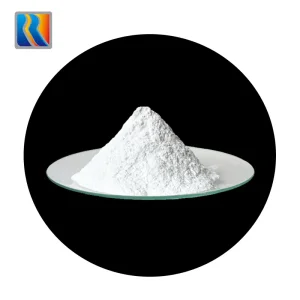
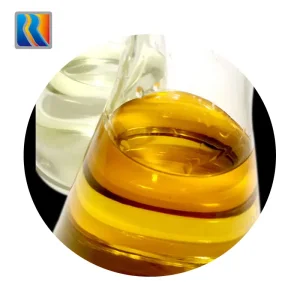
Explore our premium core chemical catalog. As an industry-leading manufacturer, we maintain consistent raw material streams and integrated production architectures.
A deep dive analysis of chemical dynamics, polymerization characteristics, market indicators, and sustainable supply pathways in high-performance bonding.
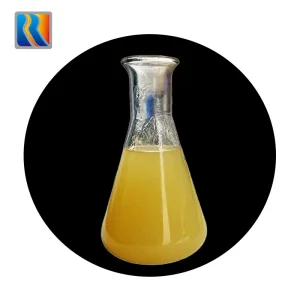
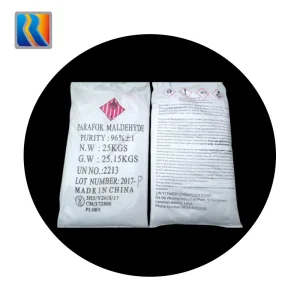
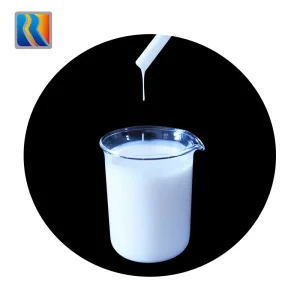
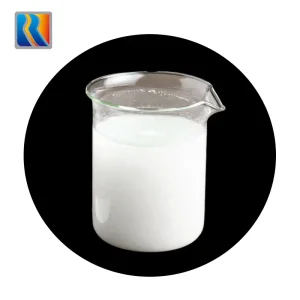
Urea-formaldehyde (UF) resin is a non-transparent thermosetting polymer synthetic resin produced through the chemical condensation of urea and formaldehyde. The synthesis comprises two crucial operational stages: alkaline methylolation followed by acidic condensation polymerization. Fine control over parameters like F:U molar ratios, reaction pH, temperature profiles, and viscosity endpoints allows manufacturers to design adhesives engineered for specific curing speeds, shear strengths, and hydrolytic stability profile limits.
The UF resin market is heavily correlated with the growth of housing sectors, civil infrastructure, and commercial interior installations. Key dynamics influencing the cost structure of wholesale UF resin include downstream petrochemical feedstock prices (such as methanol used in catalytic formaldehyde generation, and natural gas utilized in urea synthesis via the Haber-Bosch/BAMAG process). Modern buyers utilize forward supply planning contracts with fully integrated manufacturers to protect margins from volatile price shifts.
Strict structural board standards (such as EN 13986, California Air Resources Board CARB Phase 2, EPA TSCA Title VI, and Japanese F★★★★ classifications) have reshaped standard UF formulation approaches. Modern manufacturers focus heavily on minimizing "free formaldehyde content" within cured composite matrix designs. This is done by adding specialized scavengers (e.g., melamine, urea dosing, or ammonium salts) to keep chemical emissions close to wood's natural output without reducing bonding performance.
Navigating key technical specifications, chemical stabilization, and logistical risk management for global B2B procurement managers.
When selecting a high-volume UF resin supplier, chemical buyers evaluate key quality indicators to ensure consistent processing results. Technical criteria include:
Runtai New Materials supplies fully customized Certificates of Analysis (COA) for every shipment, using modern manufacturing equipment to ensure batch-to-batch consistency.
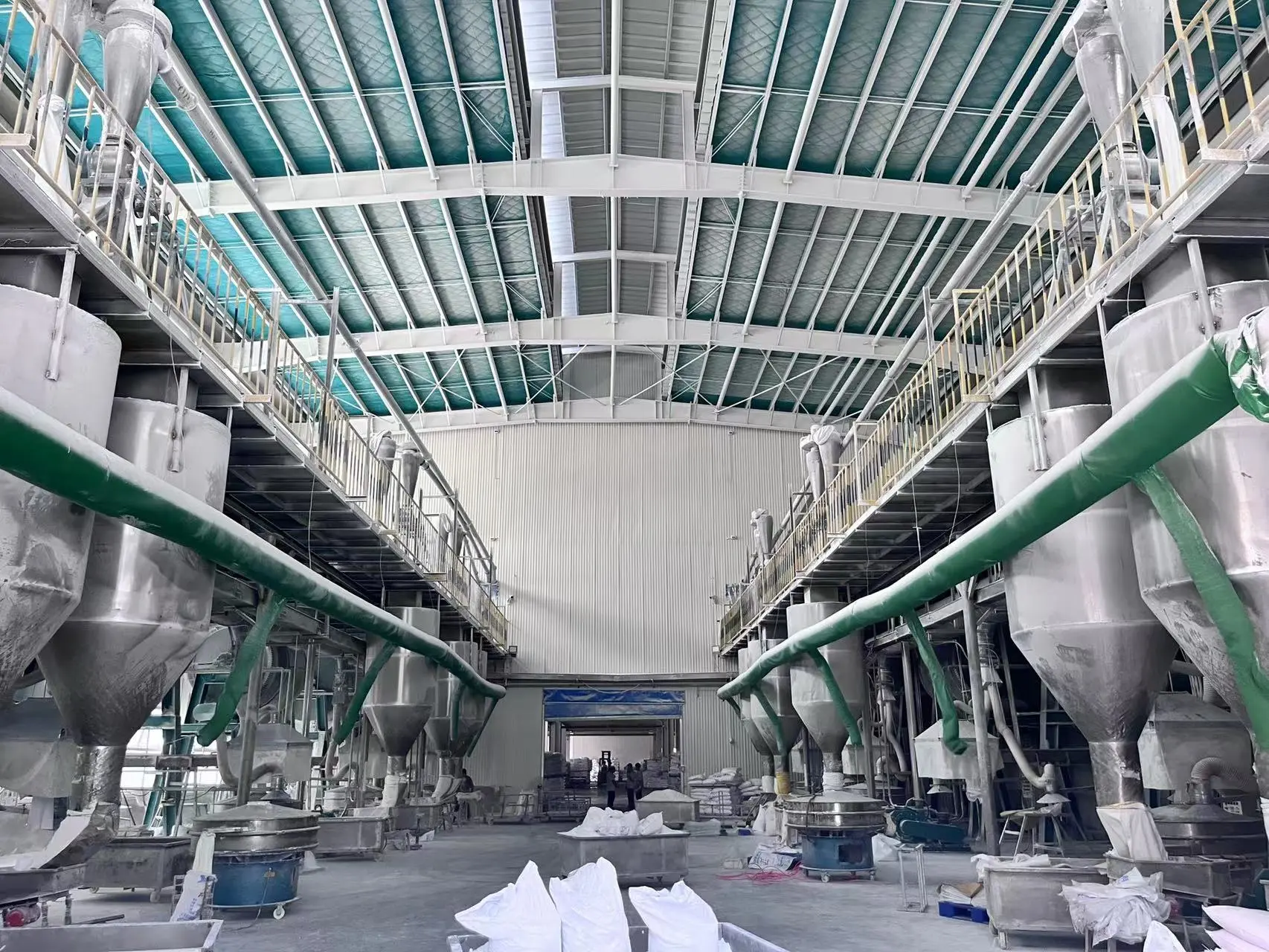
How integrated manufacturing hubs leverage advanced process control, digital supply tracking, and regional scale to guarantee global supply security.
Runtai New Materials runs advanced Distributed Control Systems (DCS) to monitor critical manufacturing variables in real time. Automated feed streams regulate reaction temperatures, catalysts, and raw materials, reducing variations and lowering energy consumption.
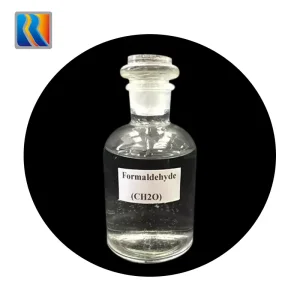
By producing our own primary feedstocks (like formaldehyde), Runtai protects production from market supply disruptions and price spikes. Our facility features direct pipelines that link our 380,000-ton formaldehyde unit to our 300,000-ton UF resin plant, ensuring uninterrupted production capacity.
From standard wood composites to advanced technical coatings: how UF resin delivers high-performance bonding across multiple industries.
Urea-formaldehyde resin is the primary adhesive for medium-density fiberboard (MDF), high-density fiberboard (HDF), and plywood. Under hot-press conditions, it forms highly stable covalent networks with wood cellulose fibers, ensuring excellent mechanical strength and dimensional stability.
Combined with alpha-cellulose fillers and curing agents, UF resins are processed into Urea Moulding Compounds (UMC) and Melamine Moulding Compounds (MMC). These compounds are widely used to manufacture electrical components, sanitaryware, and durable decorative tableware.
UF modifications are used in specialty flexible packaging film adhesives and paper treatments. They improve dry-tensile performance, moisture barrier properties, and resistance to environmental stress cracking.
Founded in March 2020, Shandong Runtai New Materials Co., Ltd. is a comprehensive group firm that specializes in fine chemical products. Our primary products include formaldehyde, polyformaldehyde, urea formaldehyde resin, melamine powder, and melamine glazing powder. Headquartered in Zaozhuang City, Shandong Province, our chemical park covers an area of 270,000 square meters, with a total investment of 2.06 billion yuan.
Through our dedicated doctoral research and development team, we have expanded our sales footprint to international markets, including the United States, Thailand, Kenya, and Egypt.
As a responsible manufacturer, Runtai prioritizes sustainable chemistry. We invest in green manufacturing processes that minimize environmental impacts while meeting all international chemical production regulations. We follow a "quality first, customer first" philosophy, delivering consistent and honest service to our global partners.

Accelerating clean synthesis, process automation, and new chemical applications through active industry-university collaborations.
We work closely with the Changzhou Research Institute of Beijing University of Chemical Technology. This collaboration helps us transform advanced lab research into large-scale industrial solutions.
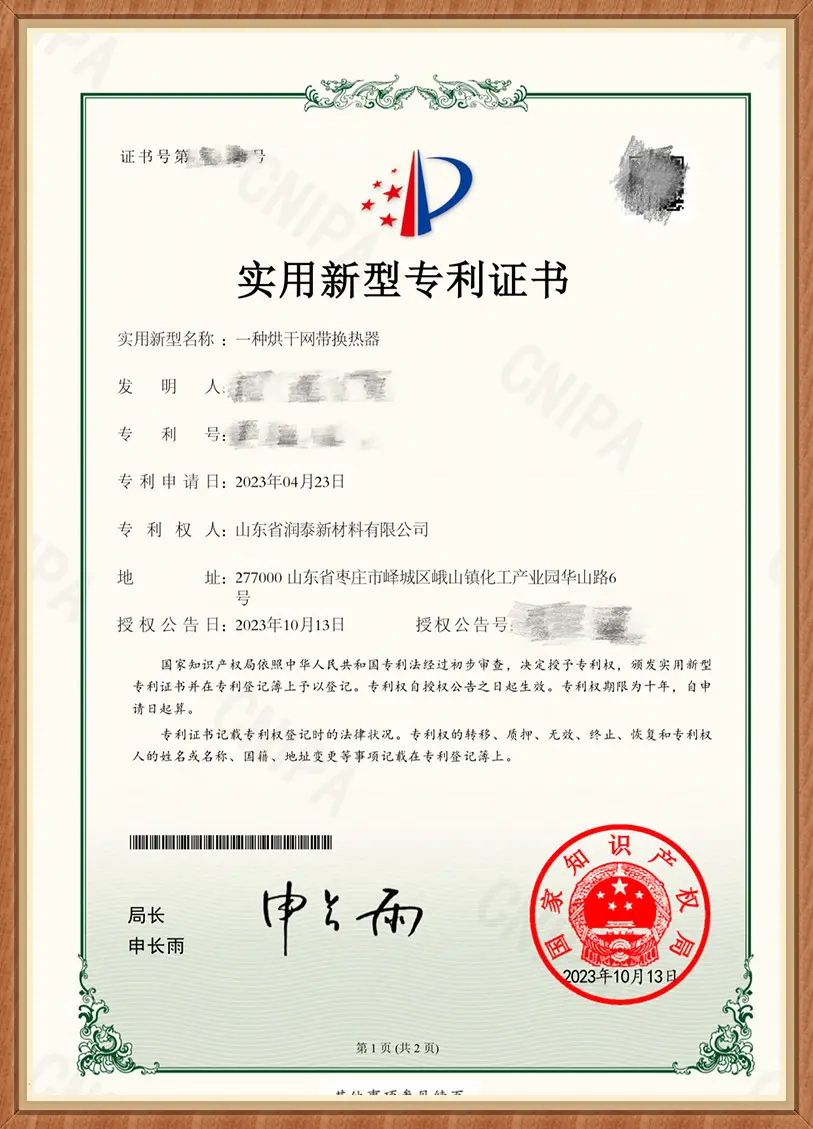
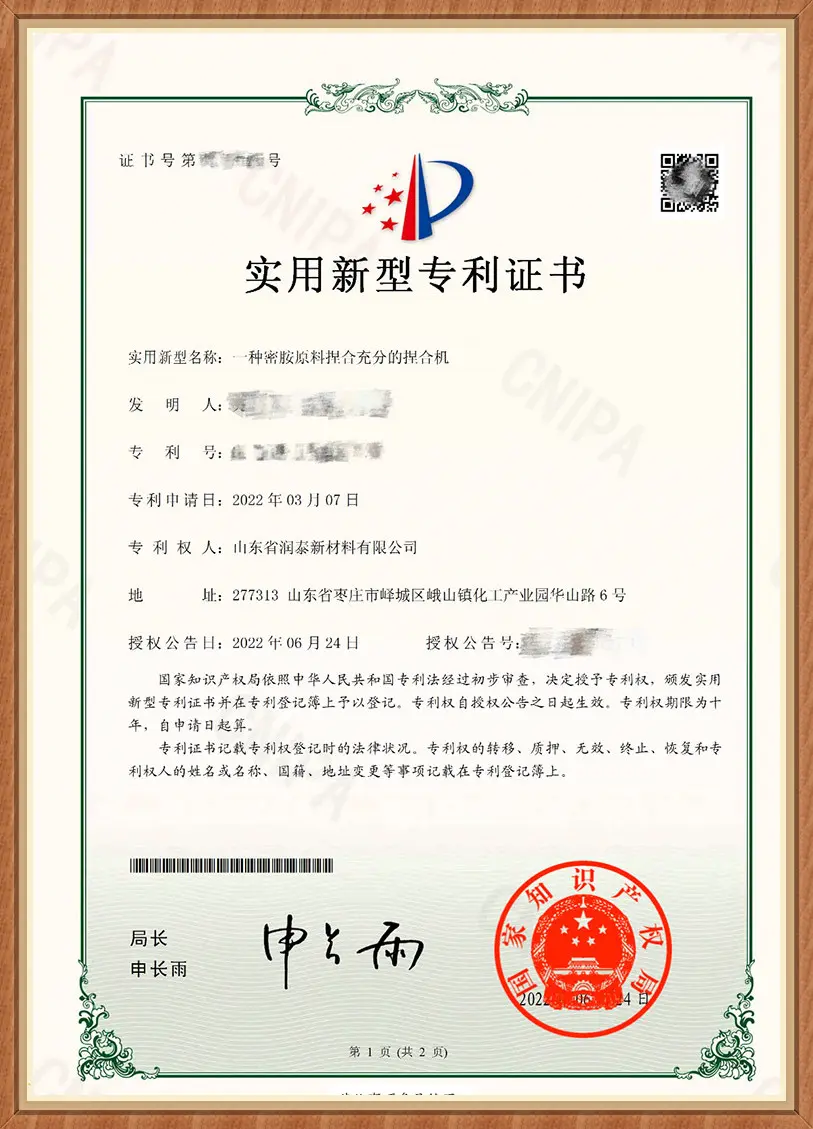
Our R&D team has developed several proprietary technologies that reduce free formaldehyde in wood composites, helping manufacturers meet strict environmental certifications.
By using modern DCS controls and high-precision testing instruments, we ensure our production lines run efficiently, saving energy and reducing costs.
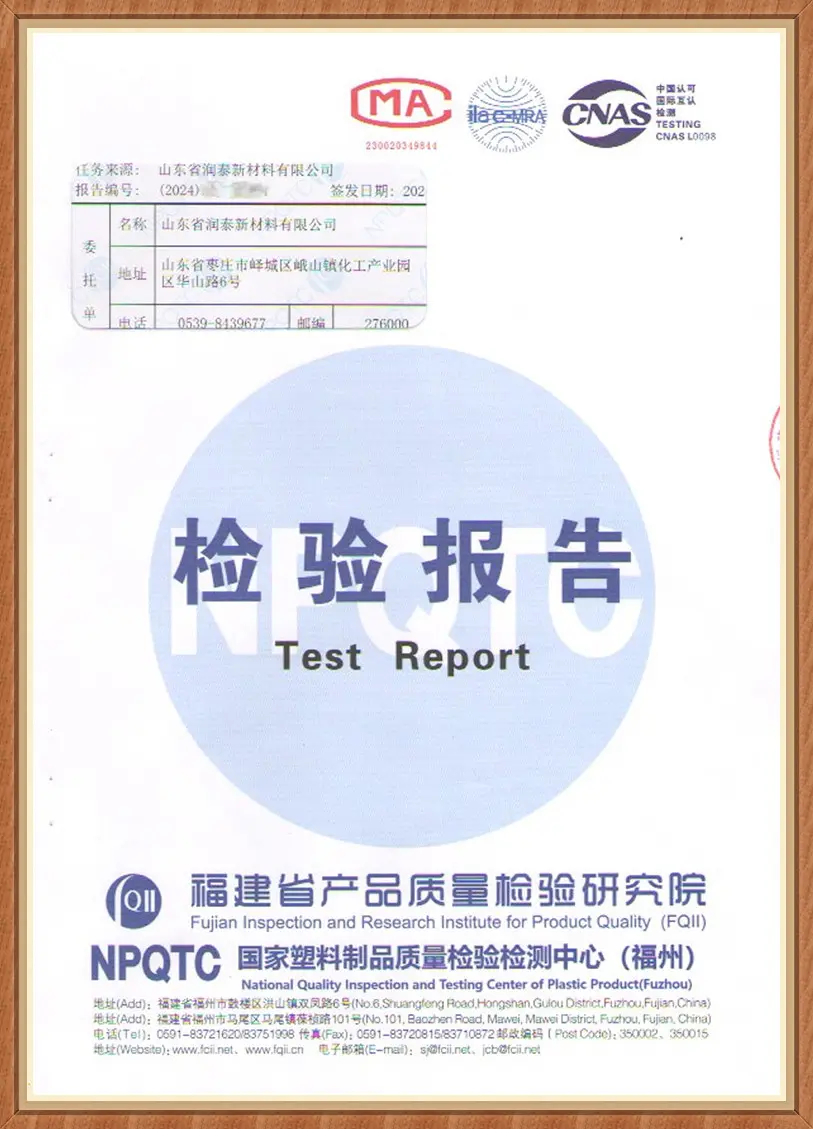
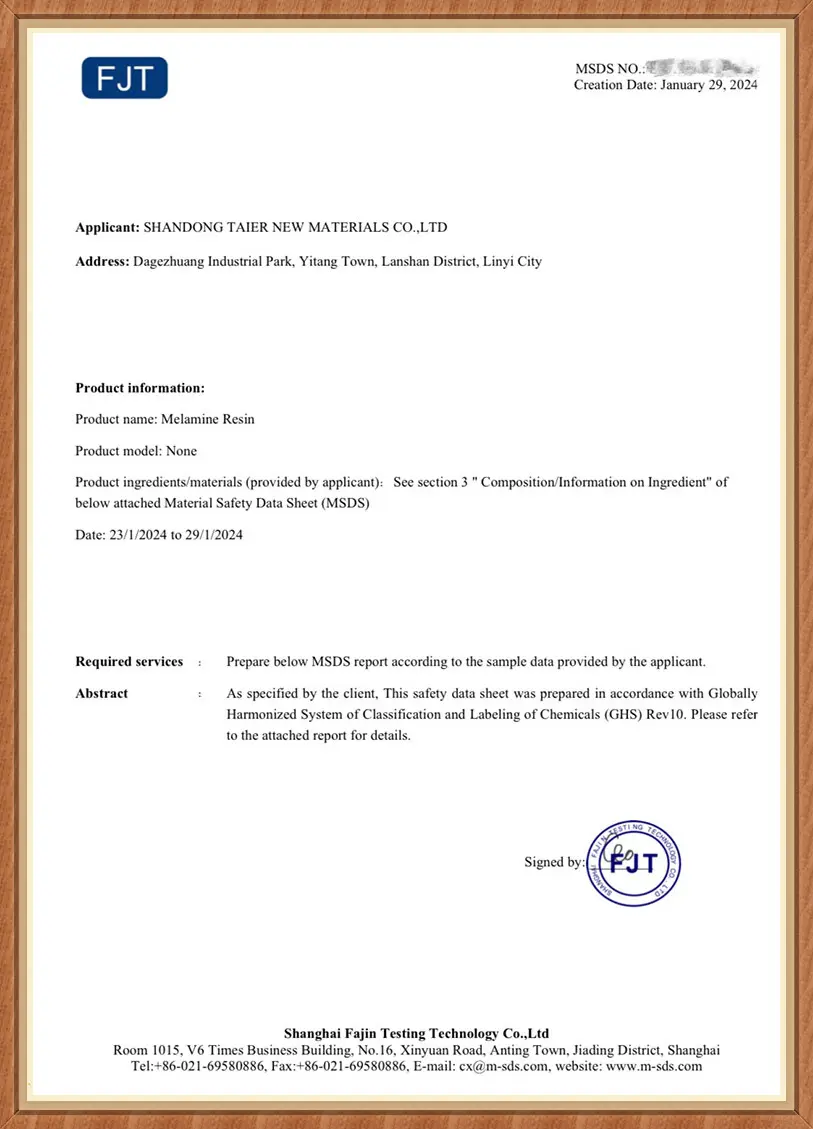
Our manufacturing processes comply with strict quality, environmental, and safety management standards.
Expert technical answers to common questions about storage, application optimization, and environmental regulations.
Explore our complete range of high-performance resins, molding compounds, and specialty industrial additives.
 Runtai