Explore our core industrial chemical range manufactured under rigorous international quality standards.
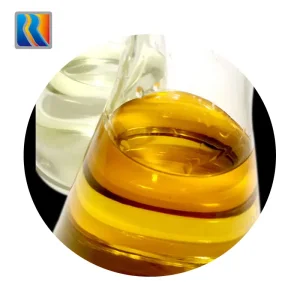
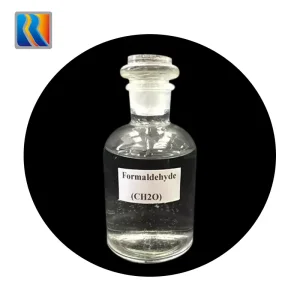
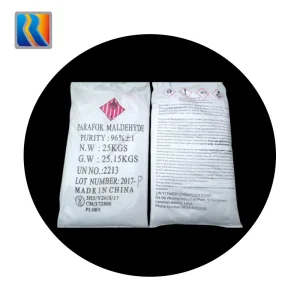
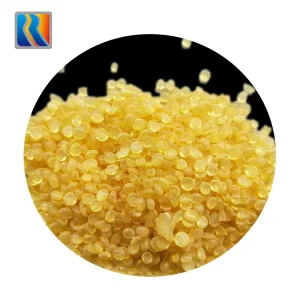
In high-precision laboratory environments and sophisticated industrial chemical synthesis, Paraformaldehyde (PFA) acts as the quintessential solid donor of anhydrous formaldehyde. While researchers worldwide rely on the standard of Sigma Aldrich Paraformaldehyde for high purity (typically 95% to 98% prills or powder), industrial manufacturers must bridge the gap between this premium analytical benchmark and bulk logistics feasibility.
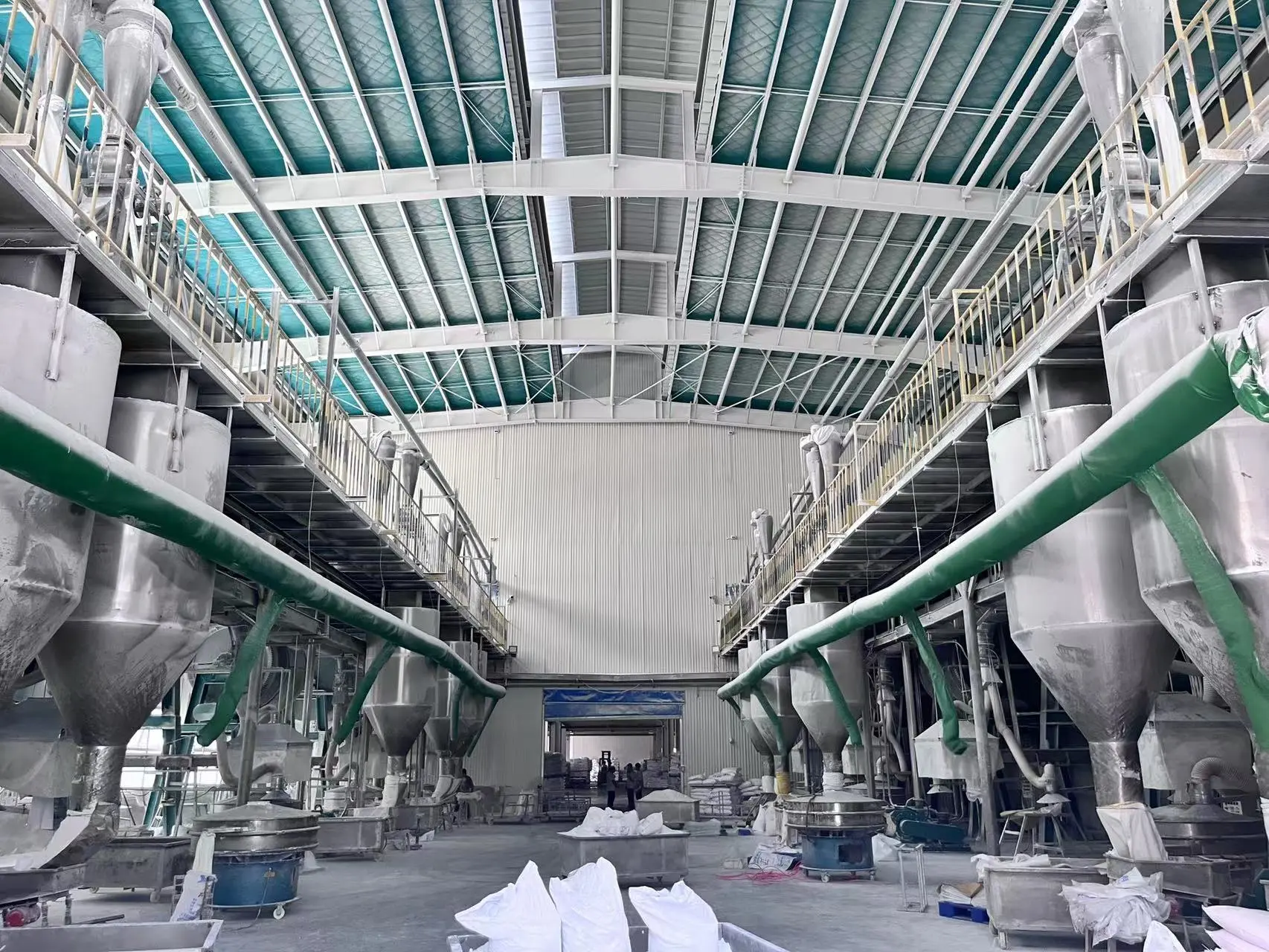
Shandong Runtai New Materials Co., Ltd. has specialized in mastering this equilibrium. By deploying automated DCS chemical controls, we manufacture high-purity paraformaldehyde that matches laboratory-grade specifications at scale. The goal is to provide local distributors, bulk buyers, and manufacturing operations with the stability of a direct manufacturer alongside chemical purity profiles comparable to analytical reagent standards.
Understanding the molecular behavior of polyoxymethylene to maximize reaction yields in downstream processes.
Paraformaldehyde is a polyoxymethylene glycol mixture with a degree of polymerization (n) between 8 and 100. Upon heating or in the presence of acid/base catalysts, it depolymerizes cleanly into monomeric formaldehyde gas, avoiding the introduction of excess water typical of formalin solutions.
High-end applications require extremely low heavy metal and ash content (< 0.05%). Through continuous crystallization and vacuum drying technologies, our process ensures that non-volatile residues and contaminants are suppressed to trace levels.
Unlike aged PFA which becomes highly crystalline and insoluble, our fresh, batch-controlled PFA maintains an amorphous polymeric structure, dramatically accelerating dissolution rates in hot water or alkaline systems.
| Analytical Parameter | Sigma Aldrich Analytical Grade (Reagent) | Runtai Premium Industrial Grade (Bulk) | Primary Industrial Test Standard |
|---|---|---|---|
| Assay (as CH₂O) | 95.0% - 98.0% | 96.0% ± 1.0% | Acid-base titration / Sodium sulfite method |
| Moisture Content (H₂O) | ≤ 2.0% | ≤ 3.0% | Karl Fischer Titration |
| Ash Content | ≤ 0.05% | ≤ 0.05% | Gravimetric ignition analysis |
| Acidity (as Formic Acid) | ≤ 0.03% | ≤ 0.05% | Direct potentiometric titration |
| Iron (Fe) Content | ≤ 0.0005% (5 ppm) | ≤ 0.001% (10 ppm) | ICP-OES / Spectrophotometry |
Analyzing the crucial role of Paraformaldehyde across multiple regional industries and laboratories.
In regional biomedical labs, a 4% buffered paraformaldehyde solution (PFA) is prepared fresh to achieve consistent cross-linking of proteins without tissue shrinkage, preserving cellular structures for immunohistochemistry (IHC).
Paraformaldehyde is an essential reactant in synthesizing herbicides such as glyphosate, acetochlor, and butachlor. Utilizing solid PFA instead of liquid formalin limits wastewater production, supporting eco-friendly farming.
Pharmaceutical manufacturers utilize PFA to introduce methylol groups or generate methylene bridges in active pharmaceutical ingredients (APIs). Contaminant-free batches prevent catalytic poisoning during hydrogenation steps.
PFA is integral to fabricating high-performance phenolic, melamine, and urea resins. These polymers are heavily utilized in flexible packaging adhesives, molding compounds, and composite panels.
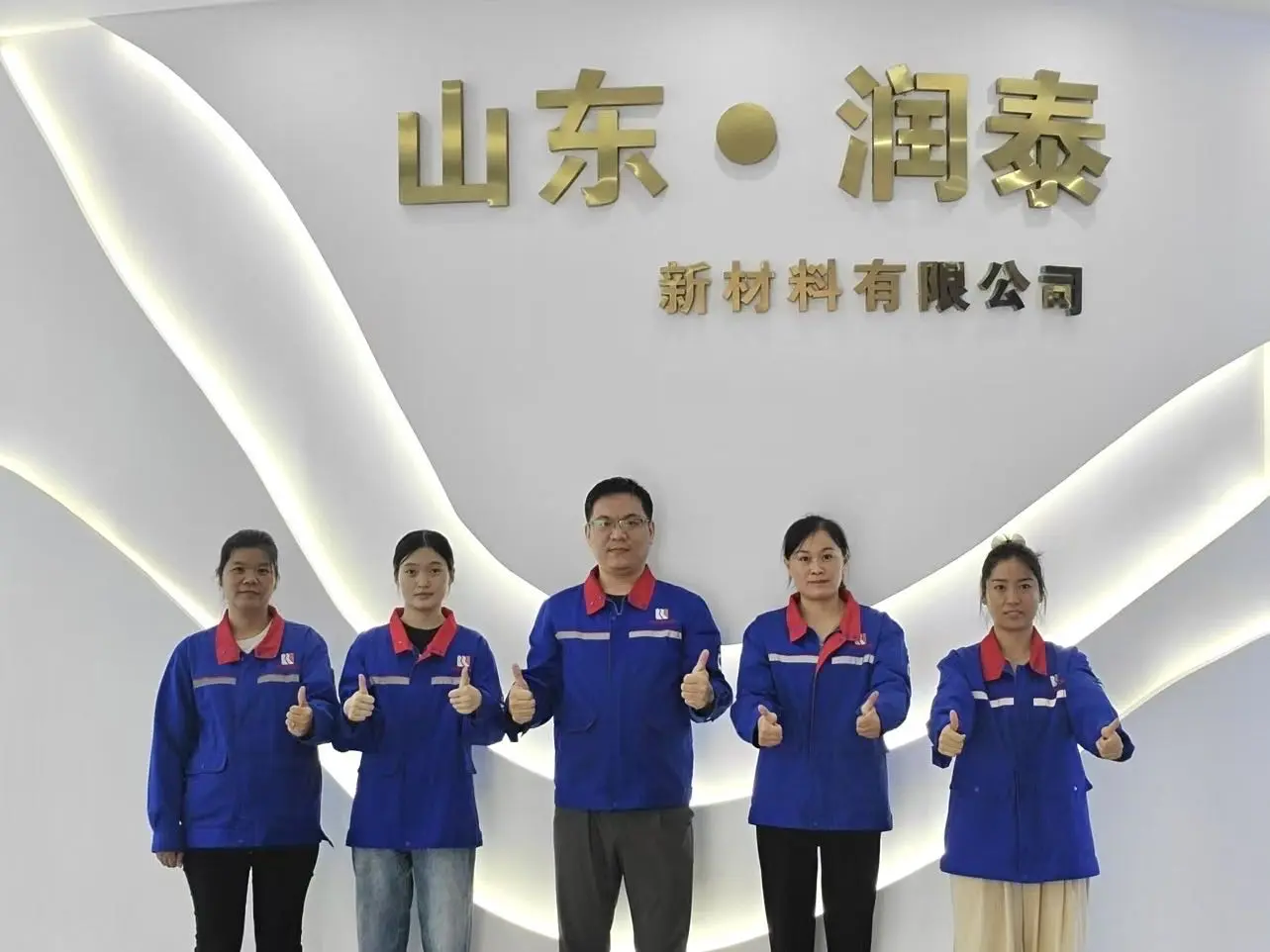
Founded in March 2020, Shandong Runtai New Materials Co., Ltd. is a comprehensive group firm that specializes in fine chemical products. Our headquarters is located in Zaozhuang City, Shandong Province, and we operate branches in five different cities throughout China. Runtai covers an area of 270,000 square meters with a total investment of 2.06 billion yuan.
Our commitment is centered on scaling high-end chemical synthesis to support industrial and scientific systems worldwide. We maintain an independent R&D pipeline in cooperation with elite universities to pioneer cleaner manufacturing solutions for global clients.
How Runtai secures stable, cost-effective chemical shipping across international boundaries.
By producing raw formaldehyde and melamine monomers in-house, we control the entire value chain. This insulates our international buyers from regional raw material price spikes and ensures a steady supply of inputs for PFA polymerization.
Located in Shandong Province, our facilities benefit from direct highway and rail connections to major maritime hubs like Qingdao Port. This geographic advantage reduces transit times and local handling costs for bulk exports.
We supply PFA in double-layered, moisture-proof 25kg woven bags, as well as 500kg and 1000kg UN-certified jumbo bags. This protects the product from atmospheric moisture absorption and polymerization decay during ocean transit.
To stay ahead of global standards, Runtai New Materials has partnered with the Changzhou Research Institute of Beijing University of Chemical Technology. This joint effort combines academic research with our industrial capacity, driving innovations in green chemistry and automated process controls.
Through our dedicated doctoral R&D team, we have patented multiple technologies focused on refining the purity of paraformaldehyde, decreasing raw energy consumption, and implementing Distributed Control Systems (DCS) across our manufacturing facilities. This guarantees consistent quality and safety at every stage of production.

Ensuring complete alignment with international chemical handling and environmental standards.
Our export-bound paraformaldehyde strictly complies with EU REACH regulations and European Chemicals Agency (ECHA) standards. We provide fully translated Safety Data Sheets (SDS) matching GHS requirements in multiple target languages.
As a Class 4.1 flammable solid, Paraformaldehyde requires specialized logistics management. Runtai works exclusively with certified dangerous goods (DG) carriers to prevent accidental heat exposure, keeping shipping temperatures below 30°C.
We prioritize sustainable development and environmental preservation. Our operations strictly adhere to local environmental protection laws, utilizing advanced air filtration and closed-loop water treatment systems to minimize emissions.
Addressing the critical questions asked by procurement managers, laboratory leads, and distribution partners.
Yes. For histology and immunohistochemistry, researchers require monomeric formaldehyde without methanol stabilization. By depolymerizing our premium 96% PFA in warm, phosphate-buffered saline (PBS) with a catalytic amount of NaOH, you get a clean 4% formaldehyde solution. For highly sensitive electron microscopy, filtration is recommended to remove trace insolubles.
The depolymerization rate depends on the length of the polymer chains (polymerization degree, n). Through our DCS-controlled crystallizers, we keep the chain length uniform (typically n = 8 to 100). This balance ensures the product remains stable during storage, yet dissolves smoothly when heated under mild acid or basic conditions.
PFA is moisture and temperature sensitive. It should be stored in a cool, dry, well-ventilated warehouse away from direct sunlight, open flames, and incompatible materials like strong oxidizing agents, acids, or bases. Keep containers tightly sealed; exposure to atmospheric moisture can accelerate polymerization, making it harder to dissolve.
Yes. We support custom orders tailored to your specific application. Our standard prill form minimizes dust during handling, which reduces inhalation risks for operators. Alternatively, our micro-powder format is optimized for applications requiring rapid dissolution and dry reactions.
We supply full GHS-compliant Safety Data Sheets (SDS), certificates of analysis (COA) for every batch, and REACH registration documents. Our logistics teams handle all necessary customs clearances for dangerous goods, ensuring safe and legally compliant transport to your destination.
Browse our selection of resins, molding compounds, and specialized performance additives.
 Runtai