Wholesale Phenol Formaldehyde Resin Is Called Suppliers & Supplier

Global High-Performance Thermosetting Phenolic Polymer Solutions for Abrasives, Friction Materials, Coatings, and Industrial Adhesives Sourced from China's Factory 4.0 Infrastructure

Featured Chemical Solutions

High-Quality Thermosetting Resin & Fine Chemical Products

Premium selection of compounds, raw materials, and modifiers supplied direct from our advanced manufacturing facilities.
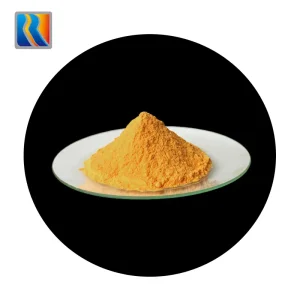
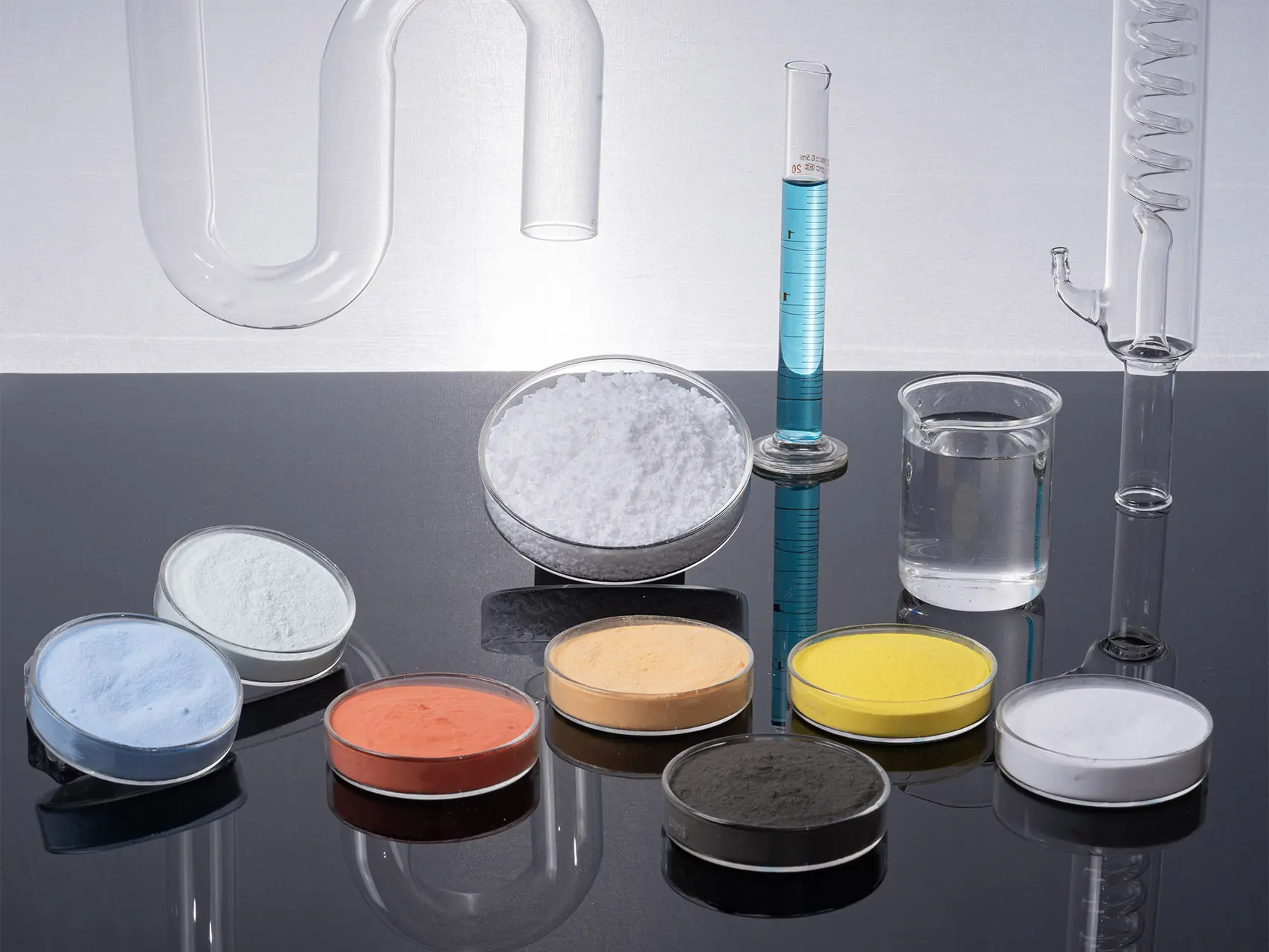
Urea Moulding Compound UMC

Cheap China Urea Moulding Compound (UMC) Suppliers - Quality Products from Reliable Factory in Powder and Granular Form

View Details →
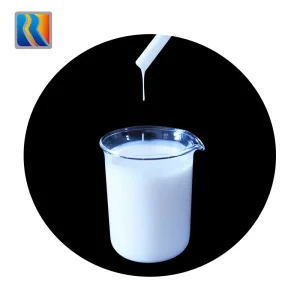
Acrylic Acid Thickeners

Best China Acrylic Acid-Based Swelling Thickeners Suppliers - Factory Direct Rheology Modifiers for Viscosity Improvement

View Details →
Melamine Moulding Compound MMC

Best China Melamine Moulding Compound (MMC) Suppliers - High Quality Factory Direct Compression Molding Solutions

View Details →
Urea Moulding Compound UMC

China China Urea Moulding Compound (UMC) Suppliers - Quality Factory Products for Compression Molding

View Details →
Phenolic Resin

Famous China Phenolic Resin Suppliers - High Strength Thermosetting Phenol-Formaldehyde Resin from Factory

View Details →
Water-Based Additives

Wholesale China Water-Based Additives Suppliers and Factory: Enhance Product Performance with Innovative Solutions

View Details →
Ammonium Salt Dispersants

Best China Ammonium Salt Dispersants Suppliers | High-Quality Dispersing Agents from Trusted Factory

View Details →
Water-Based Additives

Famous China Water-Based Additives Suppliers - Enhance Product Performance from Reliable Factory

View Details →
TECHNICAL WHITEPAPER & TERMINOLOGY

What is Phenol Formaldehyde Resin Called in Global B2B Industries?

In international business-to-business chemical commerce, Phenol Formaldehyde Resin is designated by several industry-specific and chemical terms. Sourcing departments, research engineers, and global procurement offices often search for these polymers under various names depending on their chemical formulation, physical structure, and application fields:

  • Phenolic Resin: The most common shorthand name, representing the entire family of condensation polymers derived from phenols and aldehydes.
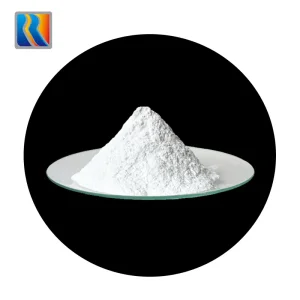
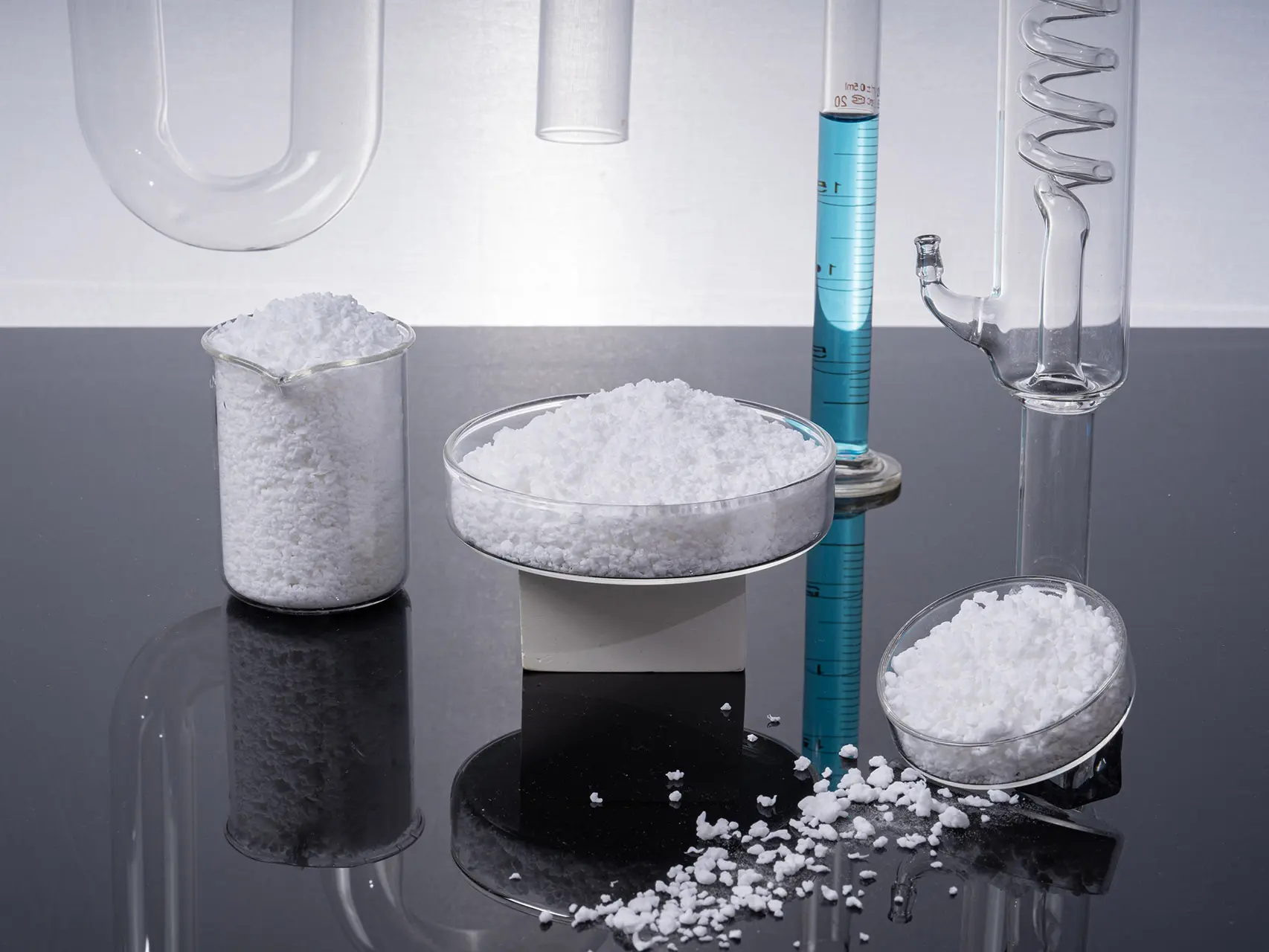
  • Novolac Resin: An acid-catalyzed phenol-formaldehyde resin produced with a formaldehyde-to-phenol molar ratio of less than 1. They are thermoplastic and require a cross-linking agent (commonly hexamethylenetetramine or "hexa") to cure.
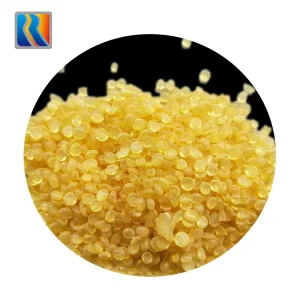
  • Resol Resin: A base-catalyzed phenol-formaldehyde resin made with a formaldehyde-to-phenol ratio greater than 1. Resols are inherently self-curing upon the application of heat and do not require external cross-linkers.
  • Bakelite: The historical, commercialized name for the first synthetic thermosetting plastic, which remains a key cultural and industrial synonym for molded phenol-formaldehyde components.
  • PF Resin / Phenolic Polymer: Common structural nomenclature utilized in safety data sheets (SDS) and customs tariff lists (HS Code: 3909.4000).

Understanding these precise definitions is critical when choosing a supplier. Finding a partner like Shandong Runtai New Materials Co., Ltd. ensures that whether your recipe demands a novolac powder for friction pads, a liquid resol for wood impregnation, or advanced urea-formaldehyde mixtures, the molecular design will match your production requirements perfectly.
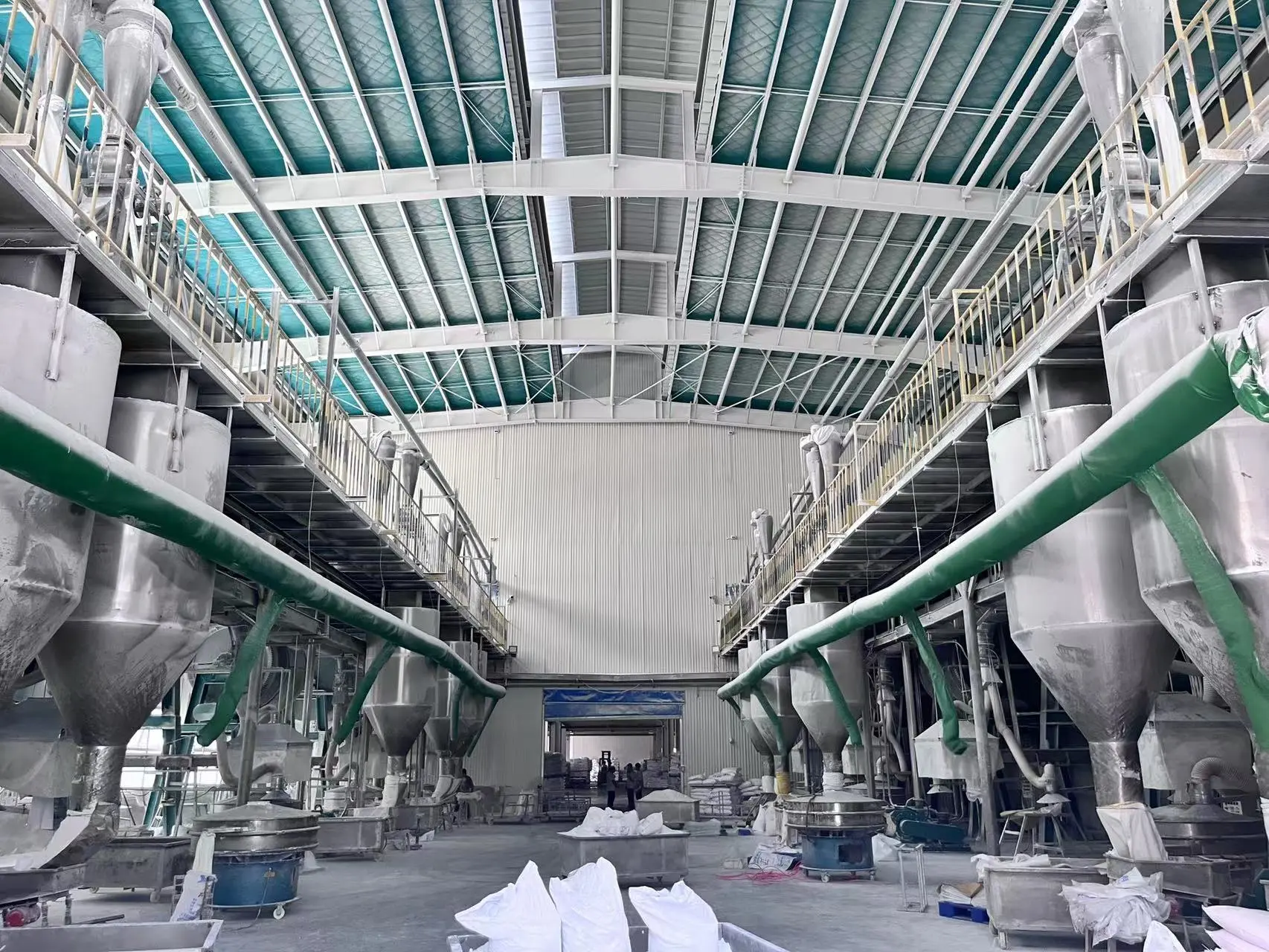
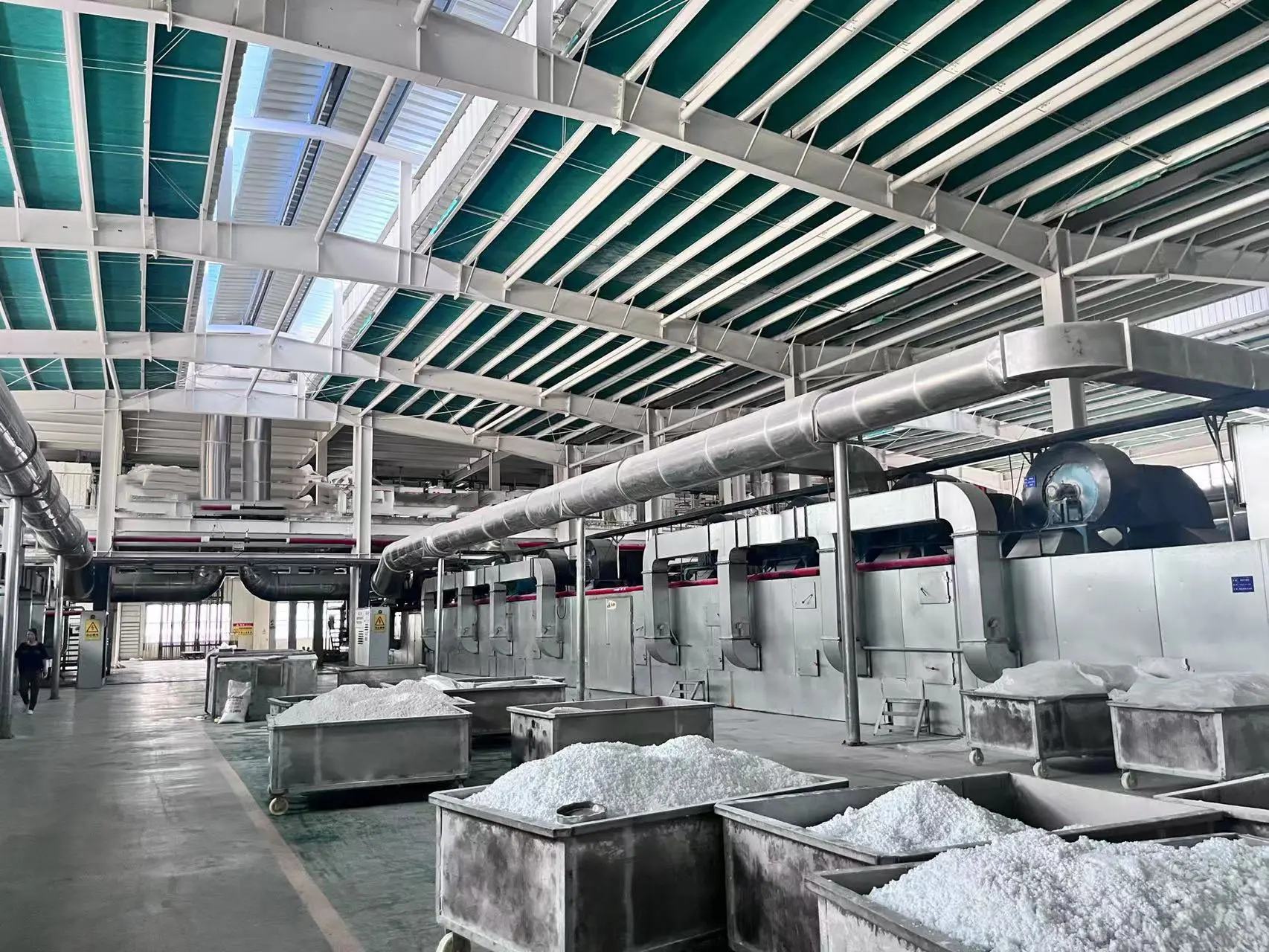
Runtai New Materials Production Facility
Industrial Output & Scale

Robust Supply Capacity & Verified Market Dominance

Shandong Runtai New Materials Co., Ltd. has established itself as an elite player in China's fine chemical sector.

380,000 T
Formaldehyde
Annual production volume of premium formaldehyde raw feedstock.
300,000 T
Urea Formaldehyde Resin
Supplied to global plywood, MDF, and adhesive processors.
60,000 T
Melamine Powder
High-purity raw feedstock for high-temperature compression molding.
11,000 T
Phenolic & Fine Resins
Customized high-strength thermosetting phenolic formulations.

A Dominant Market Presence Built on Scale and Quality

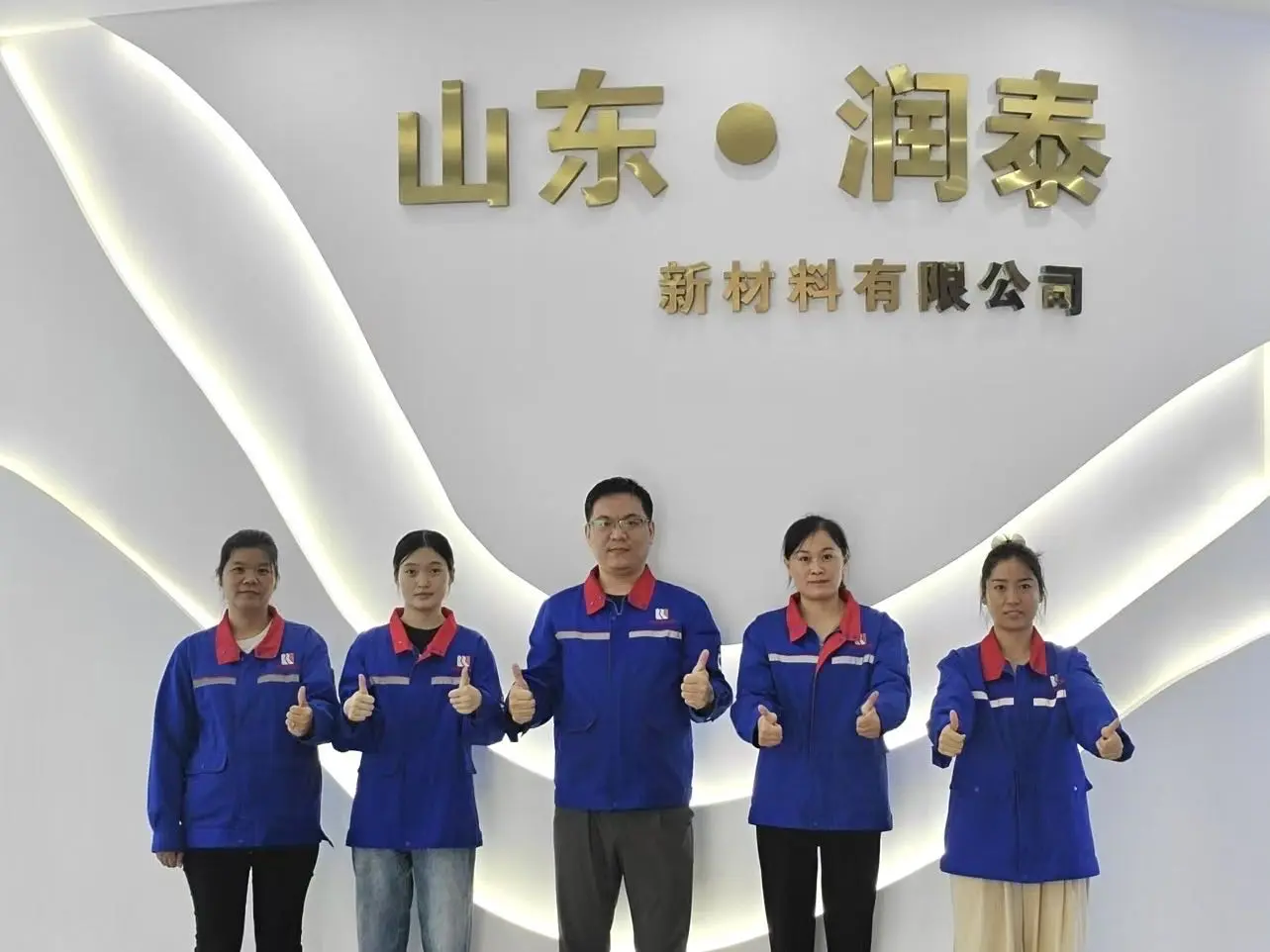
Founded in March 2020 with a massive capital investment of 2.06 billion yuan, Runtai New Materials occupies 270,000 square meters of state-of-the-art chemical processing space in Zaozhuang City, Shandong Province. With offices and branches operating in five domestic industrial hubs, our domestic market share has reached approximately 80%. This high concentration of capacity translates to massive cost advantages, unmatched feedstock stability, and strong negotiation power on primary inputs.

Macro Dynamics

Global Industry Trends & Sourcing Demands

Analyzing key market drivers shaping the procurement of Phenol Formaldehyde Resins.

Green & Low-Emission Chemistry

Environmental mandates (like CARB Phase II and EPA TSCA Title VI) demand extremely low free-formaldehyde emissions. Suppliers must optimize synthesis, adjusting F/P ratios and using chemical scavengers to maintain high adhesive performance while limiting emissions.

Aerospace & EV Lightweighting

Modern electric vehicles and commercial aerospace require lightweight structural matrices. Phenolic resins, with outstanding flame-retardant properties, low smoke emission levels, and high heat resistance, are being widely adopted in carbon-fiber and fiberglass composites.

Global Supply Chain Resilience

Due to energy price fluctuations and logistics disruptions, procurement teams are shifting toward integrated chemical suppliers that control raw materials (like formaldehyde) directly. This guarantees consistent B2B deliveries.

Resin Type Common Synonyms Primary Industrial Field Key Properties Inspected
Novolac (Solid/Powder) Two-stage phenolic resin, Bakelite powder Friction linings, abrasive wheel binding, refractory molds Free phenol content (<1%), flow length, gel time at 150°C
Resol (Liquid/Emulsion) One-stage phenolic resin, liquid thermoset Wood adhesives, mineral wool binding, insulation plates Solid content %, viscosity (mPa.s), water tolerance, pH level
Urea-Formaldehyde (UF) Urea Moulding Compound, Aminoplast Furniture plywood panels, tableware, electrical switches Hardness, curing speed, free formaldehyde release class
Runtai Advanced Chemical Factory Infrastructure
Manufacturing Excellence

China Factory 4.0: Supply Chain Resilience & Process Automation

The production of thermosetting polymers requires precision. Small deviations in temperature or process parameters can alter molecular weight distribution and mechanical performance.

At Runtai New Materials, we address this challenge through our modern plant design based on Factory 4.0 principles:

  • Distributed Control Systems (DCS): Our production floors utilize high-end DCS frameworks. This allows real-time tracking of polymerization steps, ensuring batch-to-batch consistency and minimizing human error.
  • Feedstock Integration: With our facility producing 380,000 tons of formaldehyde annually, we route raw chemical inputs directly into our downstream resin plants. This ensures we are insulated from external chemical raw material shortages.
  • Advanced Environmental Controls: Closed-loop waste recycling systems convert heat and gas, aligning our facility with modern environmental guidelines.

For global buyers sourcing from the USA, Europe, Southeast Asia, or Africa, this setup ensures consistent product quality and a reliable supply chain.

Why Choose Runtai

Competitive Advantages: From Raw Material to Application

A look at the technology, infrastructure, and values driving our leadership in the chemical sector.

Collaboration-Driven Innovation

We prioritize continuous research and development. Runtai New Materials works closely with the Changzhou Research Institute of Beijing University of Chemical Technology, combining university research with our large-scale industrial capability.

Our research and development team, led by experienced doctoral professionals, holds several patents. This focus on innovation allows us to customize formulation variables—such as adjustment of viscosity levels, gelation times, and thermal resistance properties—to match our clients' unique manufacturing lines.

Responsible Manufacturing & Global Compliance

Our core values center around customer focus, quality, and environmental responsibility. We follow strict quality management systems (ISO 9001, ISO 14001) to ensure safety and consistency.

Our products are successfully exported to markets in the United States, Thailand, Kenya, Egypt, and beyond, earning positive feedback for their reliable performance in various demanding industrial settings.

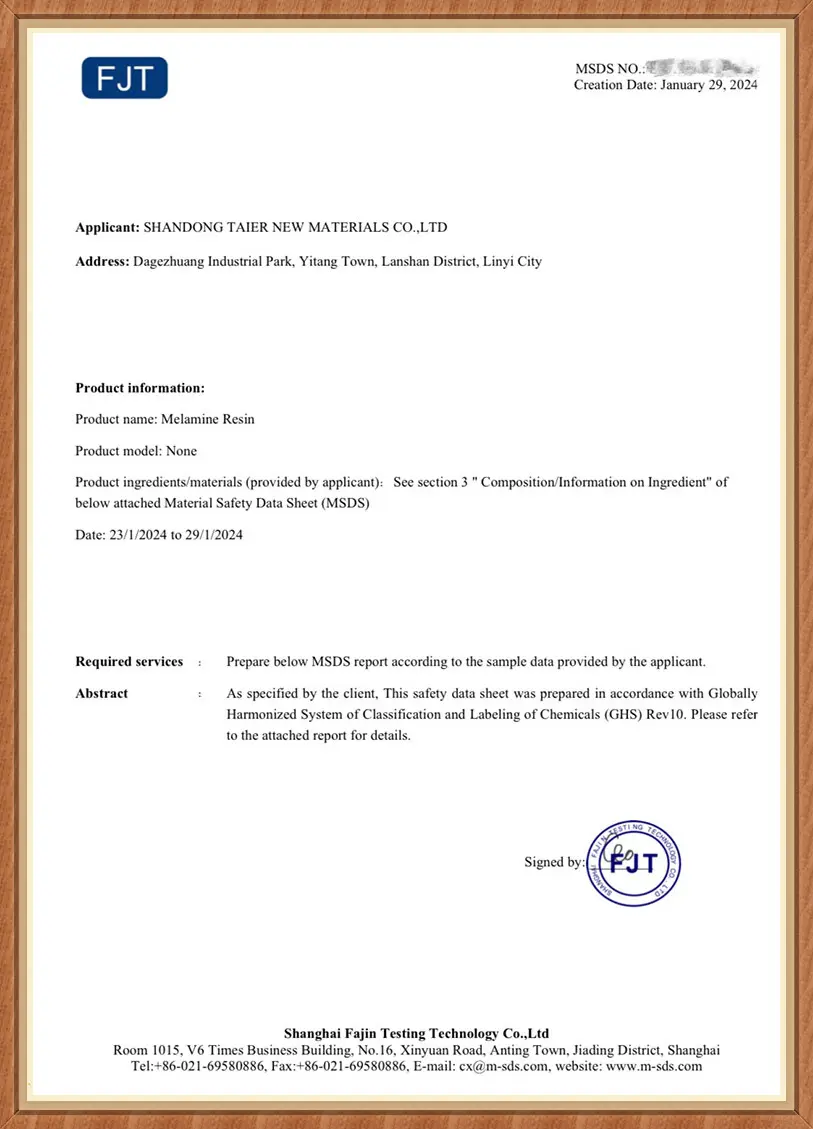
Runtai Quality Inspection Lab and Certificates

Feedstock Stability

Direct pipeline integration of our 380,000 TPA formaldehyde production keeps our downstream resin manufacturing steady and insulated from market supply swings.

Automated Quality control

Real-time DCS tracking monitors variables at every step of synthesis. This ensures we deliver reliable, batch-to-batch consistency for all our clients.

Custom Formulations

We work closely with customers to adjust gel times, viscosity levels, and solid content to match their specific application lines and equipment settings.

Versatile Implementations

Localized Applications of Phenol Formaldehyde Resins

How global manufacturers leverage our polymers in critical industrial applications.

Abrasives & Grinding Wheels

Novolac powders, when combined with hexamethylenetetramine (hexamine), act as high-strength binders in resin-bonded cutting and grinding discs. They withstand intense heat and mechanical stress during operation.

Automotive Friction Linings

Brake pads, shoe linings, and clutch faces rely on phenol-formaldehyde resins to bind friction-modifying fillers. The polymer provides high friction stability and minimal wear under high thermal loads.

Industrial Laminates & Wood

Waterproof plywood, oriented strand boards (OSB), and structural beams use liquid resol and urea-formaldehyde resins. These binders offer high moisture resistance and excellent structural integrity over time.

Industrial Applications Flow
Quality Proofs

Certificates, Patents, & Plant Views

Runtai operates under strict international regulatory frameworks, ensuring premium quality output.
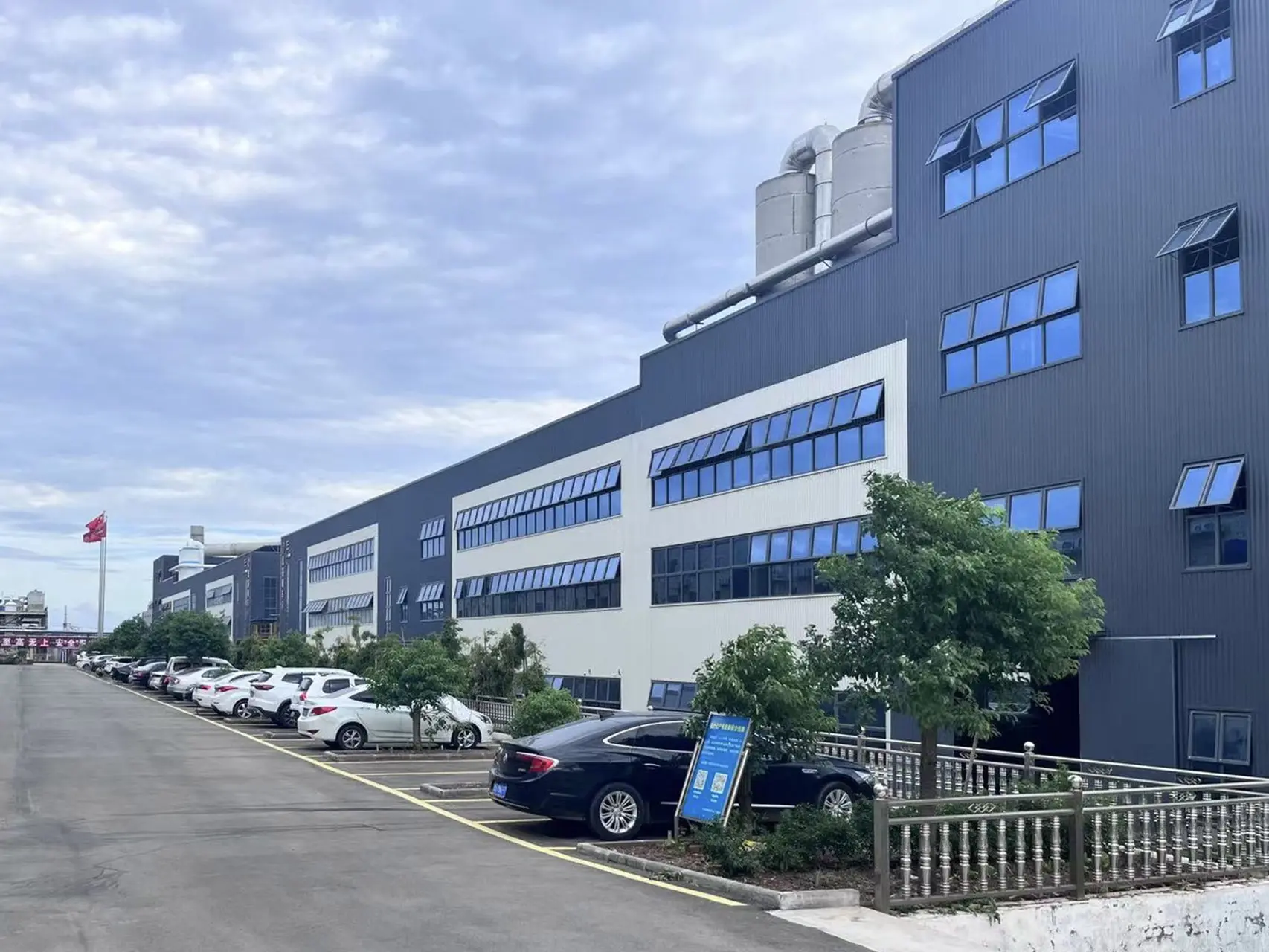
Runtai Plant View 1
Runtai Plant View 2
Runtai Storage Tanks
Runtai Chemical Reactors

Global Compliance Certifications

Our operations comply with global industry safety, quality, and environmental protection guidelines. From processing raw chemicals to shipping finished products, our teams follow standardized protocols to guarantee consistent performance.
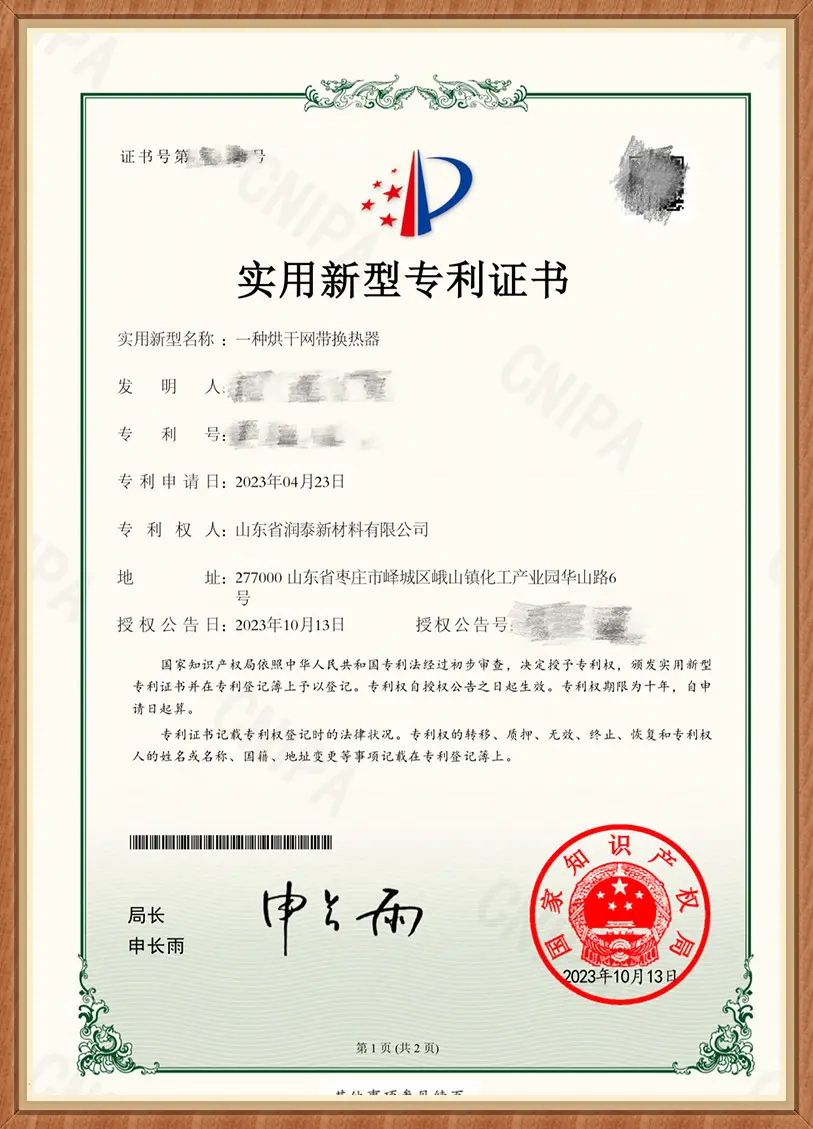
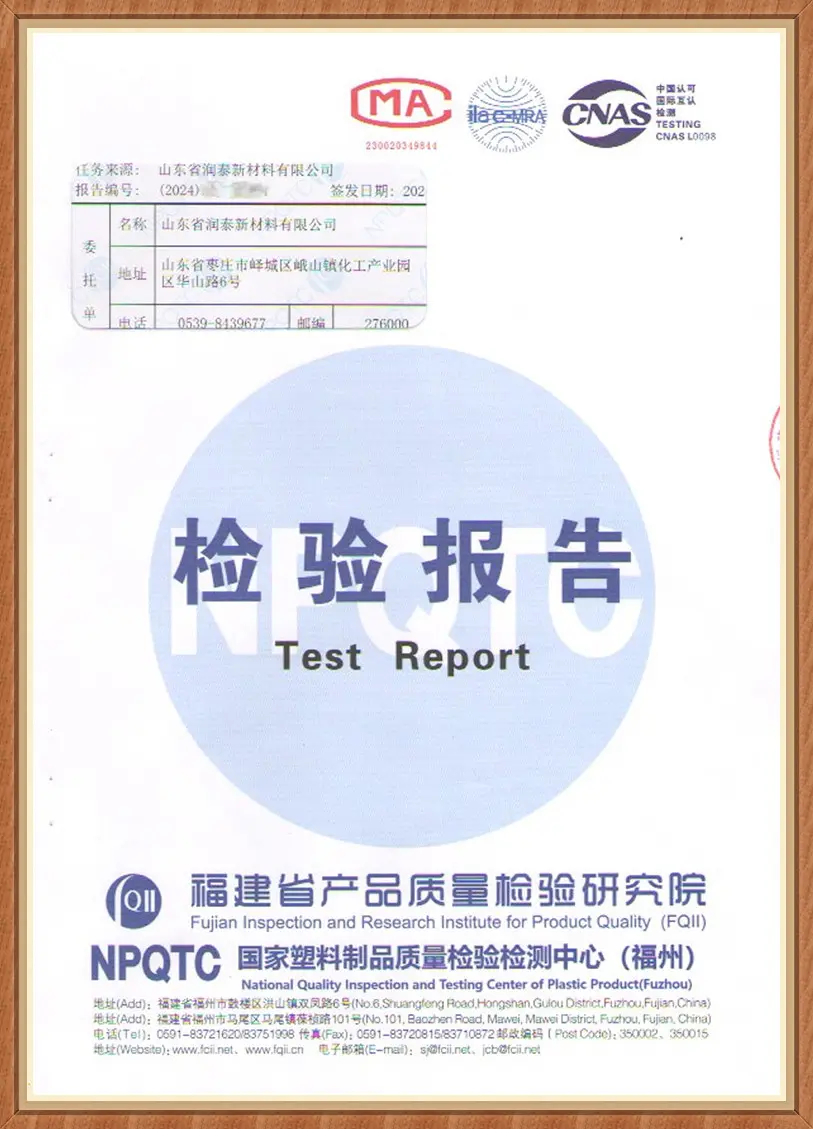
Certificate 1 Certificate 2 Certificate 3
Answers For Procurement Specialists

Frequently Asked Questions (FAQ) - Phenolic Resin Sourcing

Technical and commercial information to help guide your purchasing decisions.

What is the difference between Novolac and Resol resins?
Novolac resins are thermoplastic polymers synthesized under acid-catalyzed conditions with an excess of phenol. They are solid at room temperature and require a cross-linking agent, such as hexamethylenetetramine, to cure. Resol resins are thermosetting polymers synthesized under base-catalyzed conditions with an excess of formaldehyde. They are self-curing upon heating and do not require external cross-linking agents, making them suitable for liquid coating applications and wood adhesives.
How does Runtai ensure low free-formaldehyde content?
We use DCS-controlled manufacturing to monitor raw material feeds and manage reaction kinetics. By optimizing temperature profiles and incorporating effective formaldehyde scavengers during polymerization, we minimize free-formaldehyde levels to meet international environmental regulations.
What is the standard packaging and shelf life for phenolic resins?
Powdered resins are typically packaged in 25kg multi-layer moisture-proof bags or large bulk bags. Liquid resol resins are shipped in IBC drums or bulk liquid containers. To maintain reactivity, powdered novolacs should be stored below 25°C in dry conditions, which yields a shelf life of 6 to 12 months. Liquid resols are temperature-sensitive and often require refrigerated storage (5°C to 15°C) to prevent premature gelation.
What is the HS Code for Phenol Formaldehyde Resin?
The standard Harmonized System (HS) code classification for Phenol Formaldehyde resin and related phenolic resins is 3909.4000. This category includes modified and unmodified phenolic polymers in primary forms, facilitating smooth customs clearance globally.
Complete Catalog Sourcing

Explore Our Complete Fine Chemical Portfolio

Premium raw materials, molding compounds, and additives manufactured under strict quality standards.
Melamine Moulding Compound MMC

Best China Melamine Moulding Compound (MMC) Suppliers - High-Quality Molding Compounds from Trusted Factory

View Details →
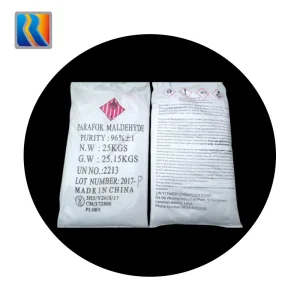
Paraformaldehyde

Cheap High-Quality Paraformaldehyde Suppliers and Factory in China for Industrial and Laboratory Applications

View Details →
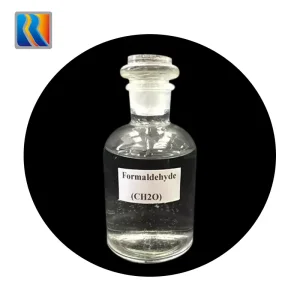
Formaldehyde

Wholesale High-Quality Formaldehyde from Trusted China Suppliers and Reliable Factory Production

View Details →
Urea Moulding Compound UMC

Famous High-Quality Urea Moulding Compound (UMC) from Trusted China Suppliers | Reliable Factory Production

View Details →
Acrylic Acid Thickeners

Best Acrylic Acid-Based Swelling Thickeners from China Suppliers - Quality Products from Our Factory

View Details →
Phenolic Resin

Wholesale High-Quality Phenolic Resin from China Suppliers - Durable Thermosetting Polymer by Leading Factory

View Details →
Melamine Glazing Powder

China Melamine Glazing Powder from China Suppliers - Durable Decorative Coating for Tableware Factory

View Details →
Water-Based Additives

China Water-Based Additives from China: Leading Suppliers and Factory Solutions for Enhanced Product Performance

View Details →