Explore our primary high-performance compounds engineered for structural durability, adhesive reliability, and heat resistance across diverse applications.
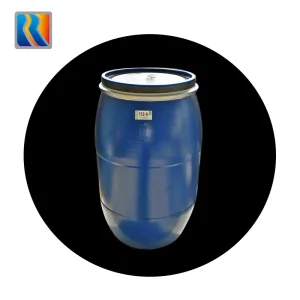
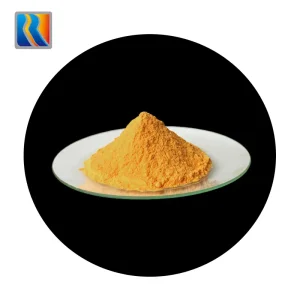
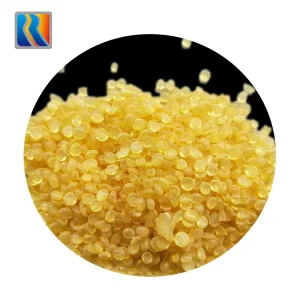
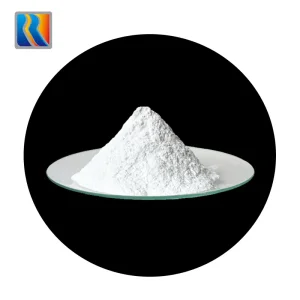
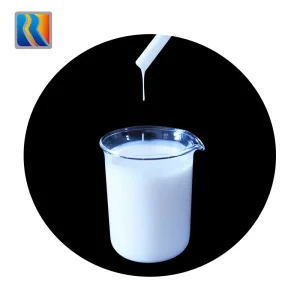
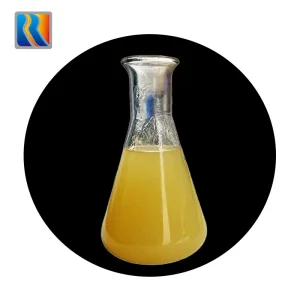
Founded in March 2020, Shandong Runtai New Materials Co., Ltd. is a comprehensive group firm that specializes in manufacturing and engineering fine chemical products. With a solid foundation built on technical expertise and vertical industrial integration, our primary portfolio includes formaldehyde, polyformaldehyde (paraformaldehyde), urea formaldehyde resin, phenolic resin (PF resin), melamine powder, and melamine glazing powder.
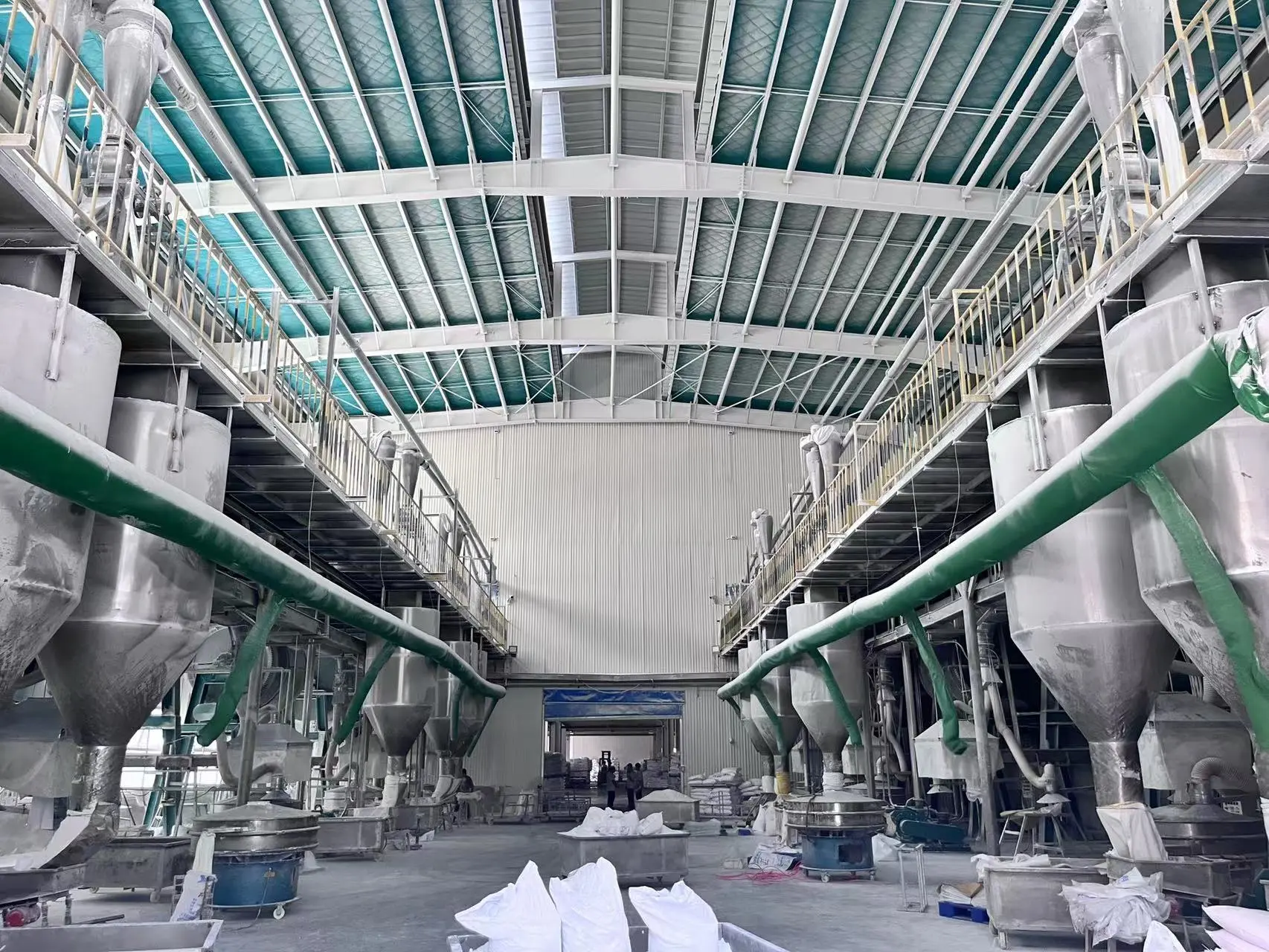
Headquartered in Zaozhuang City, Shandong Province, the corporation spans branches in five different strategic industrial cities throughout China. Runtai New Materials covers an extensive area of 270,000 square meters with a total investment of 2.06 billion yuan. We utilize state-of-the-art chemical synthesis machinery, delivering dependable high-volume raw materials for regional and global partners.
Runtai New Materials has grown to be one of China's top producers of melamine and formaldehyde derivatives, driven by modern infrastructure upgrades and production line growth. Beyond our main capacities, we produce 20,000 tons of melamine glazing powder annually, securing an approximate 80% market share in domestic trade. Leveraging advanced distributed control systems (DCS), our manufacturing team manages precise reaction parameters in real-time, optimizing energy use and ensuring batch-to-batch reproducibility.
Our global footprint continues to expand, with products actively exported to the United States, Thailand, Kenya, Egypt, and other countries throughout Latin America, Europe, and Southeast Asia. We are dedicated to providing tailored formulations that suit specific local market conditions and application requirements, from high-strength bonding agents to custom flow behaviors.
Why global industrial buyers select Shandong Runtai as their long-term chemicals manufacturing partner.
By producing our own raw materials like formaldehyde, we maintain tight control over product consistency, delivery schedules, and price stability against volatile chemical markets.
We utilize the latest distributed control systems (DCS) to monitor critical parameters throughout the reaction stages, reducing human error and chemical waste.
In partnership with the Changzhou Research Institute of Beijing University of Chemical Technology, our doctoral team drives ongoing improvements in resin characteristics.
Phenol-Formaldehyde (PF) resins represent the oldest and most widely used synthetic thermosetting polymers. They are synthesized via the polycondensation of phenol with formaldehyde. The structural outcome and performance criteria of PF resins are highly dependent on the choice of catalyst and the molar ratio of the reactants. They are categorized into two major classes: Resoles and Novolacs.
| Property | Resole Phenolic Resins | Novolac Phenolic Resins |
|---|---|---|
| Reactant Ratio (F:P) | Formaldehyde-to-Phenol ratio > 1 (typically 1.5 to 3.0) | Formaldehyde-to-Phenol ratio < 1 (typically 0.75 to 0.85) |
| Synthesis Catalyst | Alkaline catalysts (NaOH, KOH, NH4OH, Ba(OH)2) | Acidic catalysts (oxalic acid, hydrochloric acid, sulfuric acid) |
| Curing Agent Requirements | Self-curing upon application of heat (contains reactive methylol groups) | Requires a crosslinker, typically Hexa (hexamethylenetetramine) |
| Shelf Life & Storage | Limited shelf life; temperature-sensitive (refrigerated storage recommended) | Excellent shelf life stability; solid state storage at room temperature |
| Common Industrial Uses | Plywood adhesives, wood bonding, coatings, laminates | Molding compounds, brake pads, refractory binders, photoresists |
PF resins are engineered to perform under demanding conditions. Their high carbon yield, thermal stability, and chemical resistance make them a preferred choice across various sectors:
Our custom novolac resins serve as binders in brake pads, clutches, and brake linings. They maintain structural integrity under high temperatures, reducing wear and squeal.
In high-temperature steelmaking applications, PF resins bind silica, alumina, and magnesia aggregates in sliding gate plates and carbon-bonded bricks, yielding high residual carbon matrix strength.
For grinding wheels and cutting disks, our PF resins provide high tensile strength and thermal durability, allowing tools to operate safely at high speeds.
Exterior-grade plywood, OSB, and LVL require waterproof adhesives. Our resole resins form stable chemical bonds with wood fibers, resisting moisture and fungal attacks.
PF resins act as insulating matrices in paper-based and glass-reinforced laminates (such as FR-2), offering low electrical conductivity and flame-retardant properties.
Our phenolic matrices exhibit low smoke emission and toxicity, making them suitable for aircraft interiors and heat-shield insulation components.
Modern regulatory standards and industrial requirements drive the evolution of PF resin development. Runtai’s R&D team focuses on three key technological areas:
Shandong Runtai's headquarters in Zaozhuang City, Shandong Province, sits in a well-established chemical production corridor. This location ensures reliable access to key raw materials, including coal-derived methanol, phenol, and urea. Our direct pipeline setup and raw material storage systems insulate our manufacturing lines from sudden supply fluctuations.
We manage all aspects of shipping, from factory preparation to international port delivery. Our proximity to major shipping hubs, such as Qingdao and Tianjin ports, helps us coordinate container shipping processes efficiently. With dedicated logistical teams handling customs paperwork, we ensure timely deliveries for international projects.
The global phenolic resin market remains driven by infrastructure growth, automotive production, and expanding electronics manufacturing. Demand in the Asia-Pacific region, led by China and India, continues to grow, supported by construction investments and electronics assembly hubs. In North America and Europe, requirements focus on low-emission materials, wood composites, and aerospace insulation.
As standard regulatory frameworks tighten globally, suppliers must match strict chemical safety requirements. Runtai's operational protocols are designed to align with international regulatory changes, keeping export processes smooth for our global business partners.
To help clients integrate our resin systems, Shandong Runtai provides comprehensive field engineering support. We assist customers with viscosity profiling, adjustments to curing rates, and temperature adjustments to match local production setups. Our QC labs operate under ISO 9001 and ISO 14001 guidelines to verify batch-to-batch consistency. Where applicable, our products comply with REACH regulations for EU exports, RoHS requirements for electronic devices, and international shipping safety standards.
Technical answers for polymer engineers and industrial chemical procurement managers.
Resoles are alkaline-catalyzed resins with a formaldehyde-to-phenol ratio greater than 1, containing active methylol groups that allow them to self-crosslink under heat. Novolacs are acid-catalyzed with a ratio less than 1, requiring an external curing agent (typically hexamethylenetetramine) to achieve a thermoset structure.
We manage free formaldehyde levels through exact raw material ratio monitoring, stage-wise temperature control during synthesis, and post-reaction vacuum stripping. We also integrate specialized scavengers to meet CARB Phase 2 and E0/E1 wood panel standards.
Liquid resoles contain reactive chemical groups and should be stored in refrigerated environments (typically 5°C to 15°C) to prevent premature viscosity increases and preserve their performance properties.
Yes. We regularly adjust viscosity, solid content, gel time, and curing profiles to match client requirements for application methods such as impregnation, spray coating, or dry powder mixing.
When stored in dry, cool conditions (under 25°C) in sealed packaging, solid novolac powders typically remain stable for 12 months without clumping or losing performance.
Phenolic resins offer good natural flame resistance and high char yields. They release minimal smoke and toxic fumes compared to many other polymers, making them suitable for mass transit and aerospace components.
Novolac resin blends containing hexamethylenetetramine typically cure at temperatures between 130°C and 180°C, depending on the thickness of the part and the desired processing speed.
Yes, we supply solid novolac resins with specific lubricant additives designed for hot-coating silica sand, helping foundry operations produce durable shell molds and cores.
We formulate resole resins with high alkali resistance and crosslinking densities, which helps maintain bond strength under exterior moisture and boiling-water testing conditions.
Operators should wear appropriate personal protective equipment (PPE), including nitrile gloves, safety goggles, and protective clothing. Local exhaust ventilation is recommended to manage trace emissions during hot curing.
Providing reliable performance additives and polymer solutions for diverse manufacturing sectors.
Operational transparency and certified standards across our Chinese manufacturing sites.
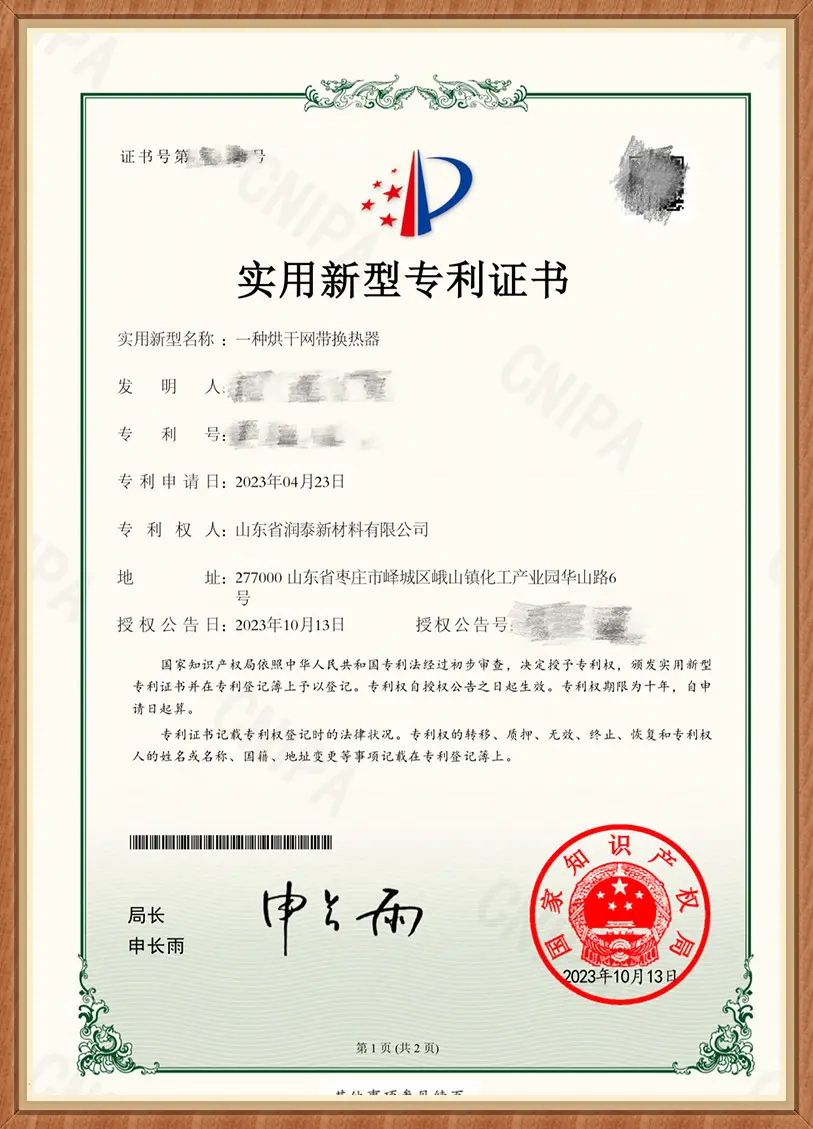
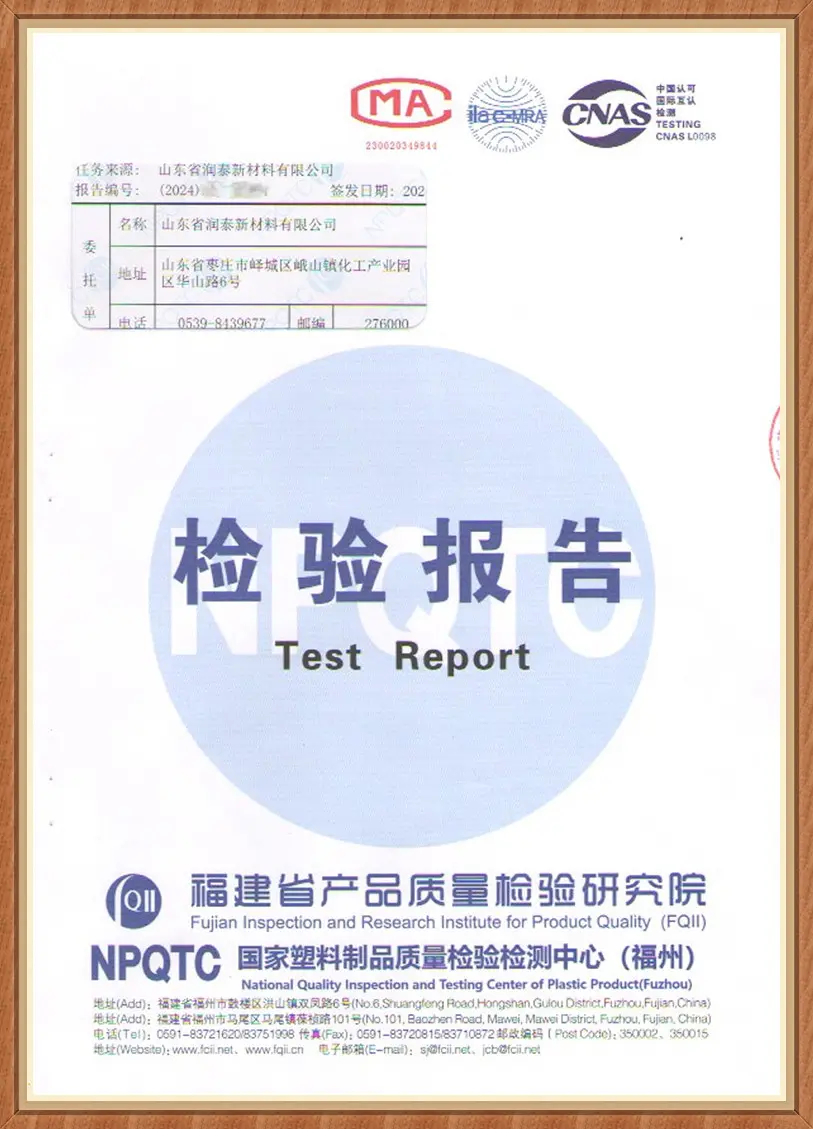
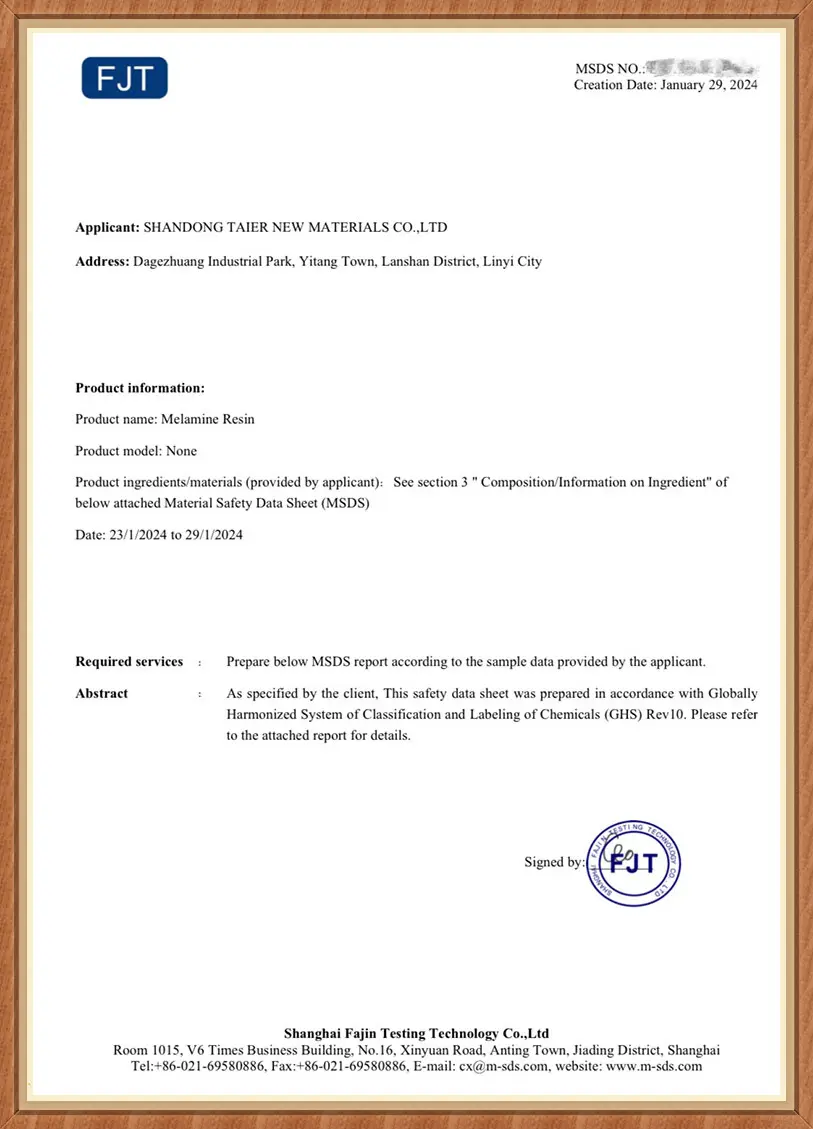
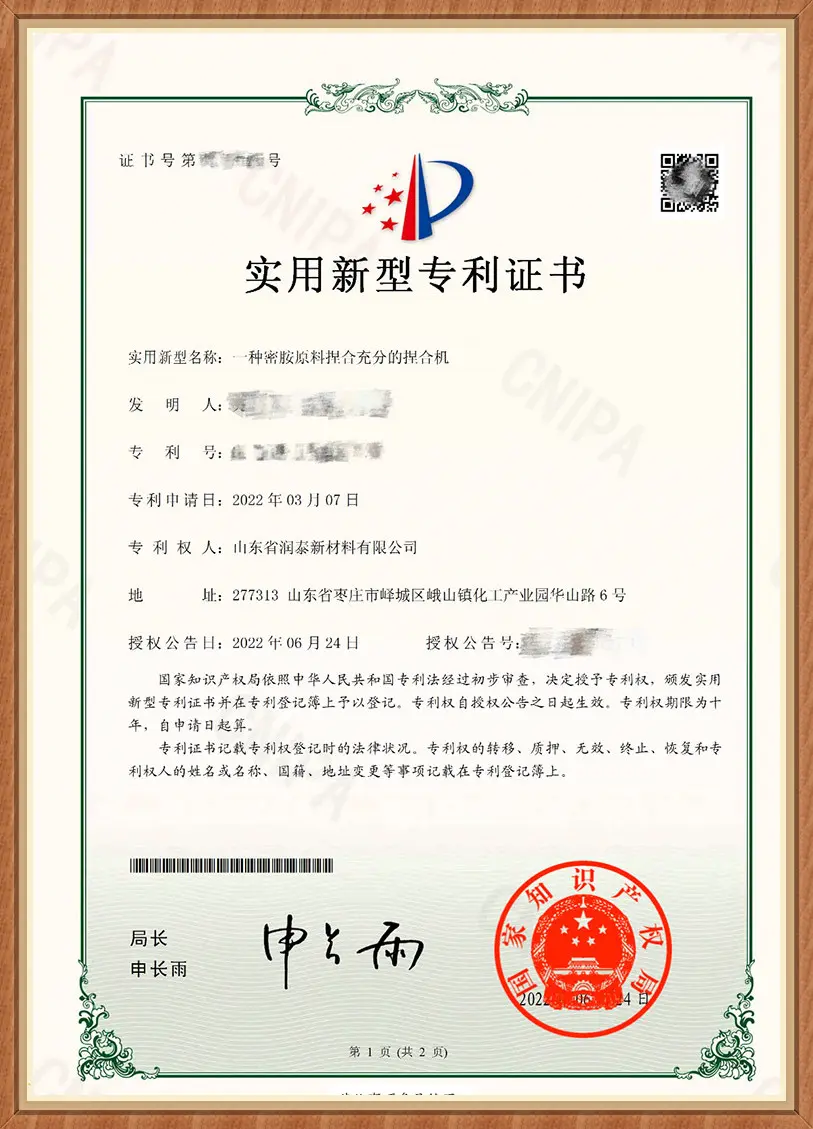
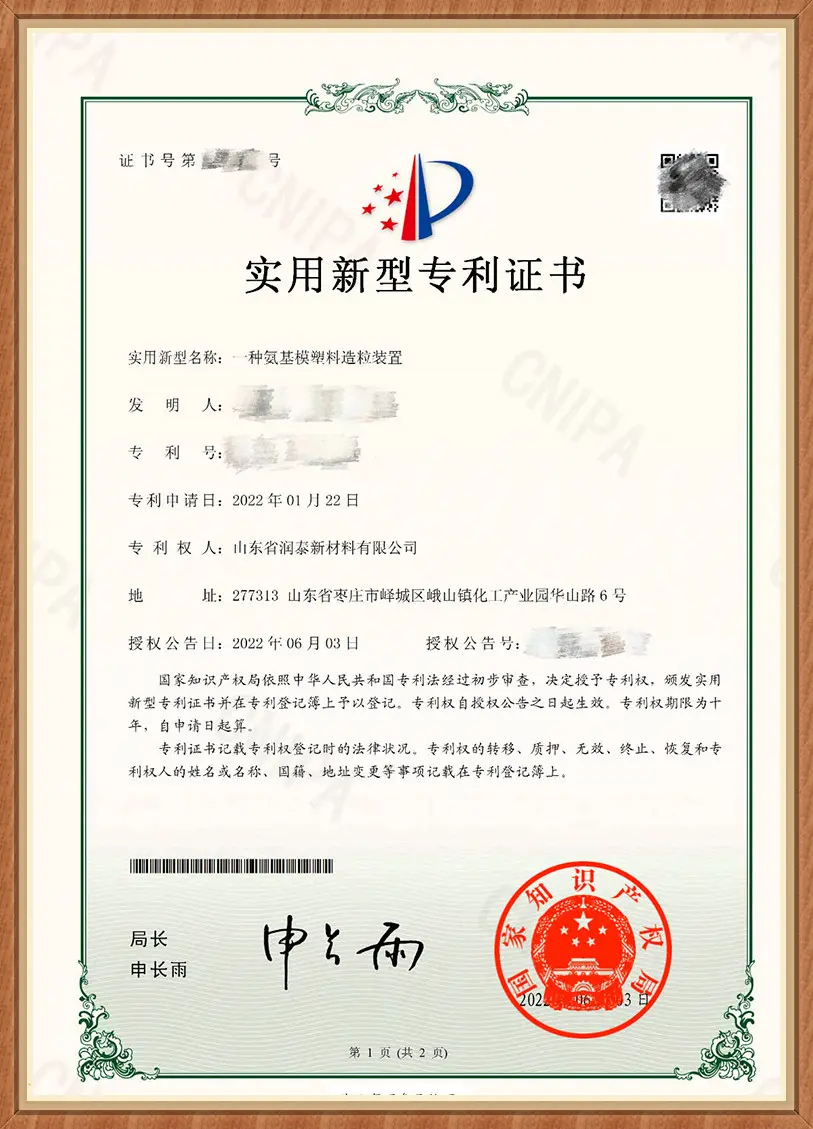
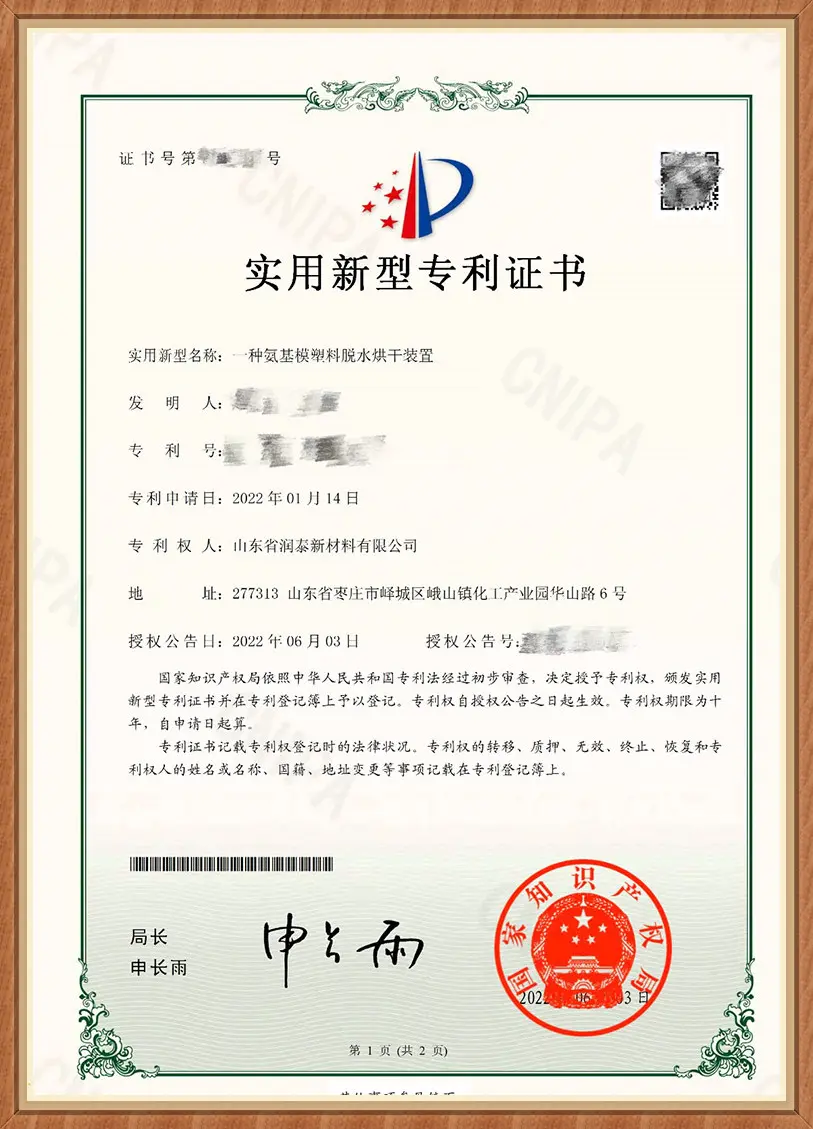
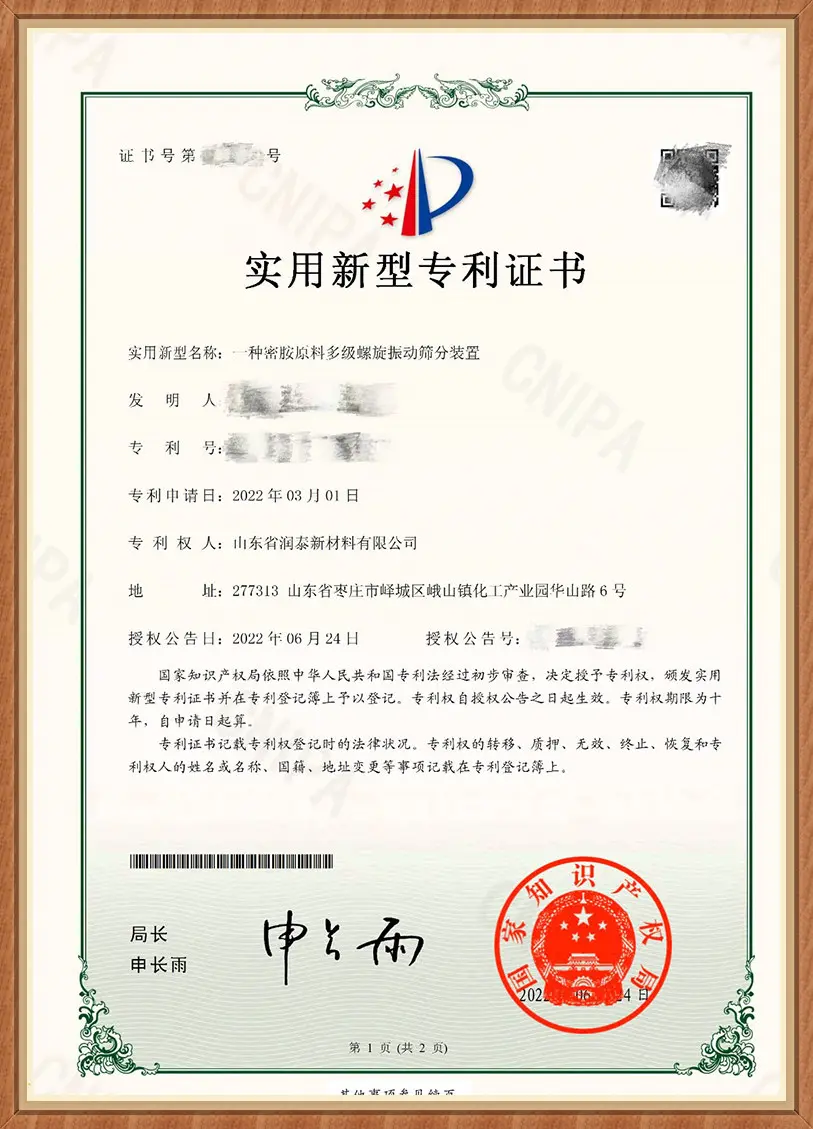
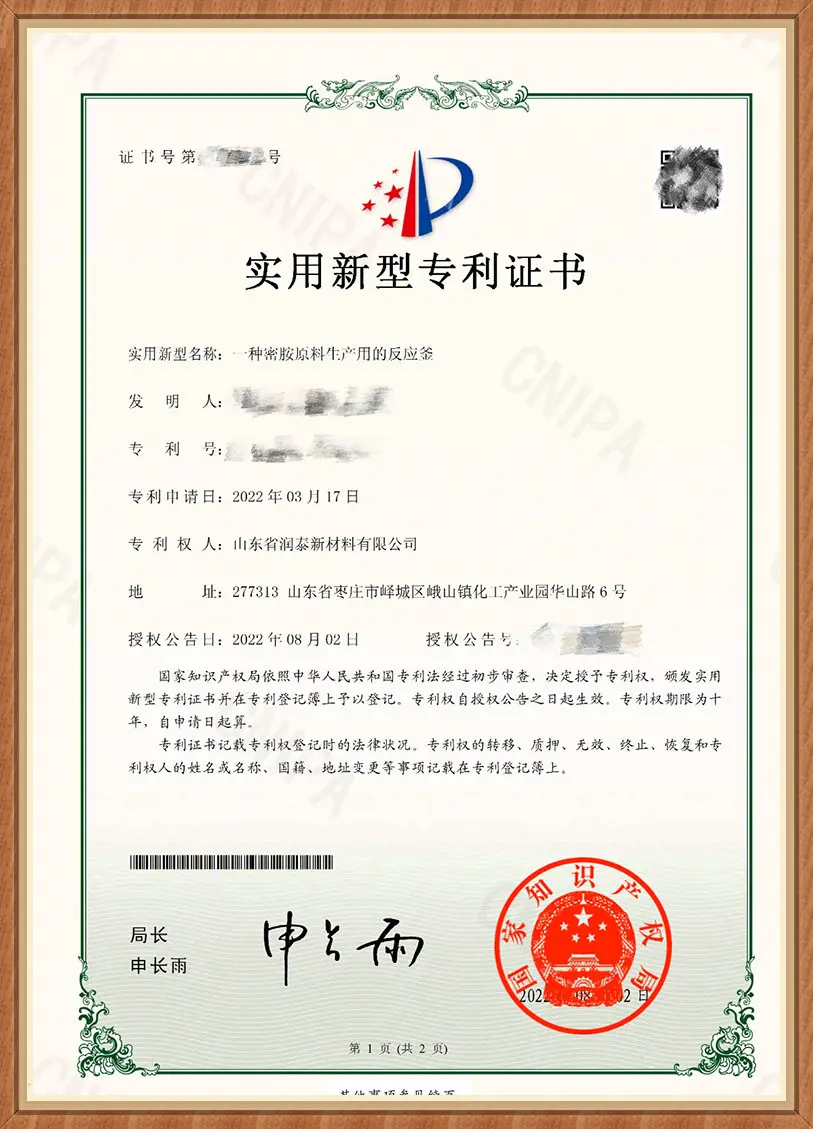
Shandong Runtai is committed to supporting environmental management and sustainable operations. We invest in green engineering technologies, such as regenerative thermal oxidizers (RTO) for VOC containment and advanced water treatment facilities, to ensure our production processes align with national environmental guidelines.
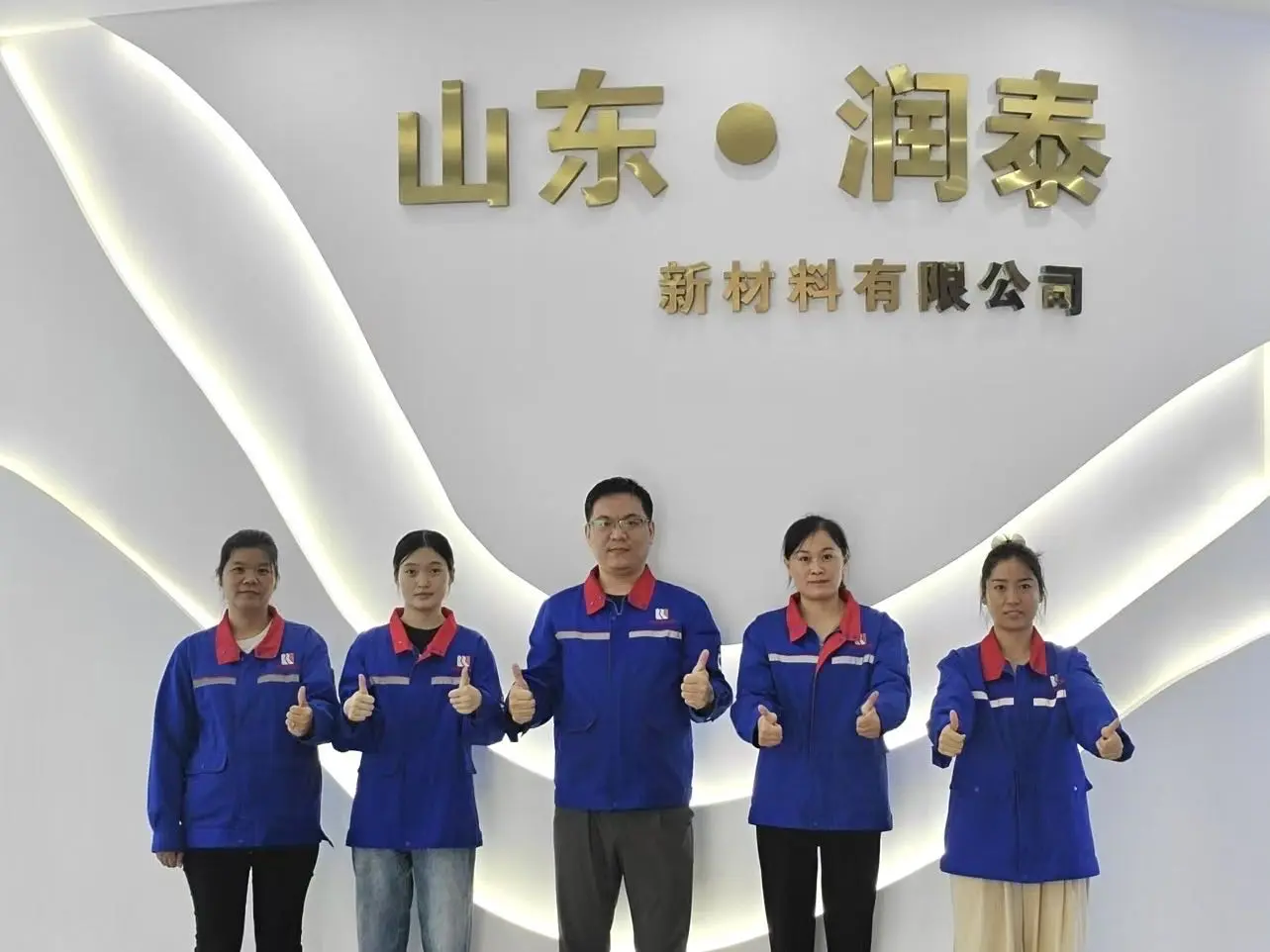
Guided by our core values of customer service and quality focus, we work to build supportive relationships with partners globally. We welcome business inquiries and invite international customers to visit our sites to discuss projects and future collaborations.
 Runtai