Direct supply of high-performance chemical compounds, resin bases, and advanced additives from our automated production facilities.
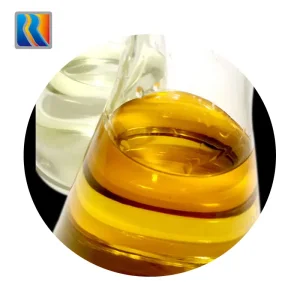
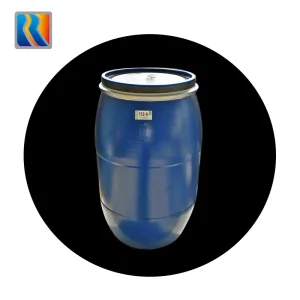
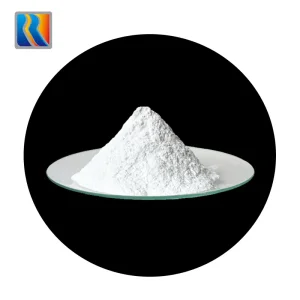
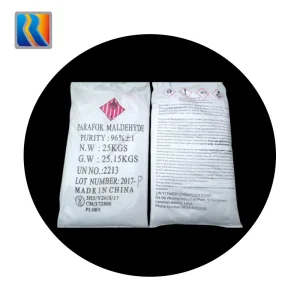
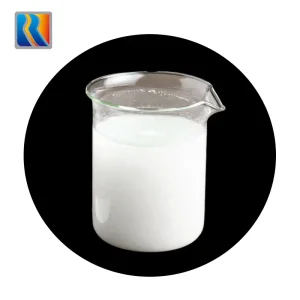
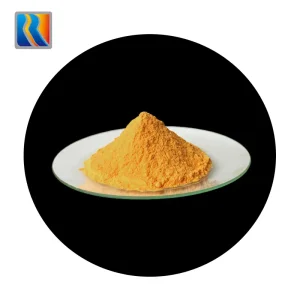
Founded in March 2020, Shandong Runtai New Materials Co., Ltd. stands at the vanguard of the fine chemical sector, operating a state-of-the-art chemical synthesis infrastructure. With an expansive layout of 270,000 square meters and an asset footprint bolstered by a total investment of 2.06 billion yuan, we have constructed highly integrated, closed-loop manufacturing corridors centered in Zaozhuang City, Shandong Province, with branches spanning five major industrial hubs nationwide.
As a leading supplier of solid-form formaldehyde derivatives, our strategic priority focuses on synthesizing premium-grade Paraformaldehyde (PFA)—the polymerized solid state of gaseous formaldehyde (HO(CH2O)nH). PFA serves as an essential chemical reagent in synthetic chemical pathways, circumventing the logistical and processing inefficiencies associated with liquid formalin solutions. By concentrating formaldehyde molecules into high-purity prills and powders, we supply international markets with stable, easily transportable, and highly reactive organic building blocks.
Our industrial-grade Paraformaldehyde features a polymerization range (n-value) optimized for rapid depolymerization and high solubility under targeted thermal and catalytic conditions. This yields immediate, stoichiometric formaldehyde release for synthesis loops, reducing wastewater footprints by up to 70% compared to conventional formalin inputs.
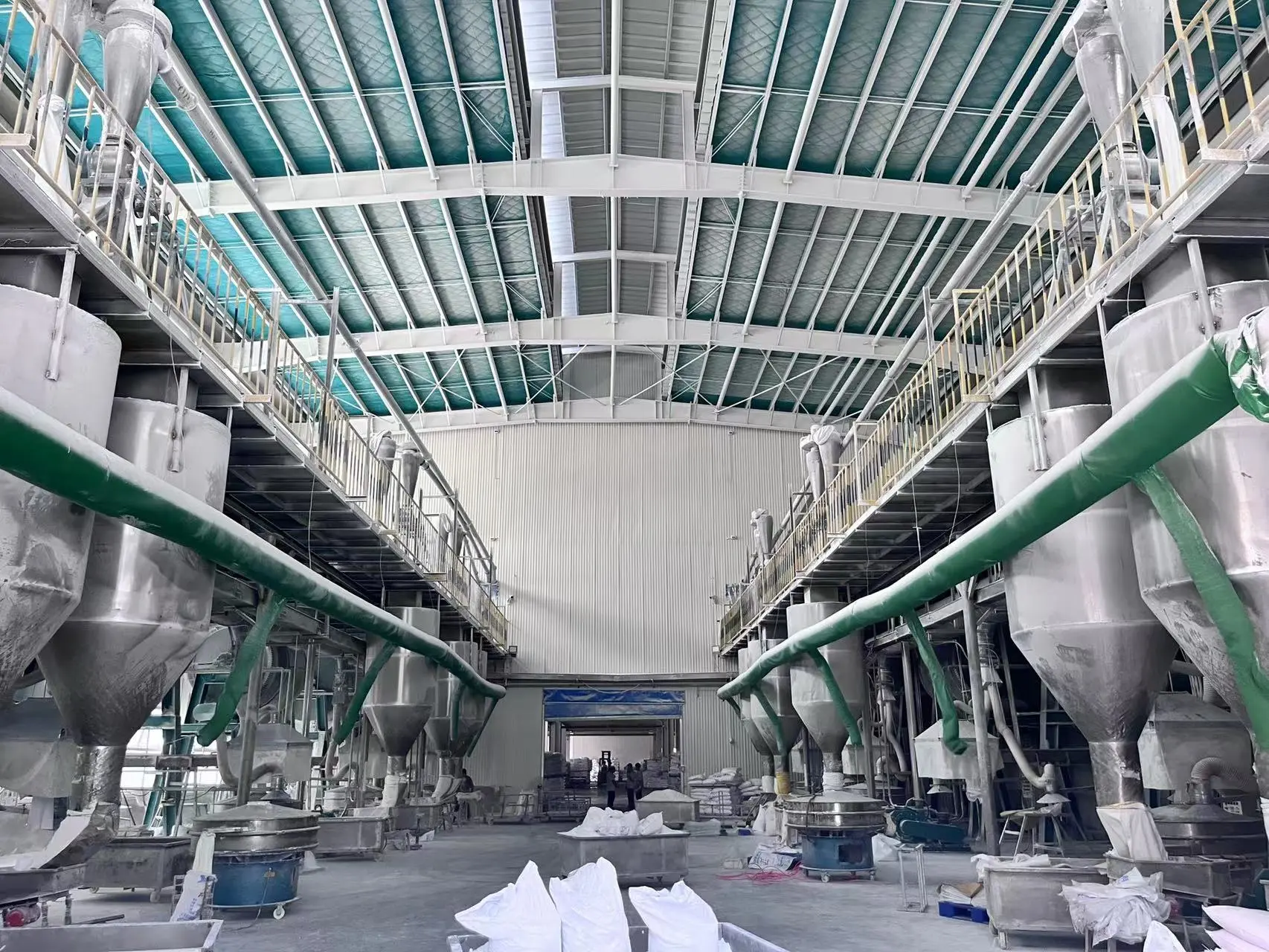
Runtai New Materials has consolidated its leadership in the chemical value chain through significant, continuous investments in chemical processing equipment and advanced automation. Our infrastructure supports immense throughput metrics that solidify supply-chain resilience for global bulk buyers:
Controlling 80% of the domestic market share within specific high-performance resin precursors, our enterprise has effectively translated this supply reliability to foreign trade channels. We satisfy bulk import demands across the United States, Thailand, Kenya, Egypt, and the European Union, complying with international chemical shipping protocols and regional environmental declarations.
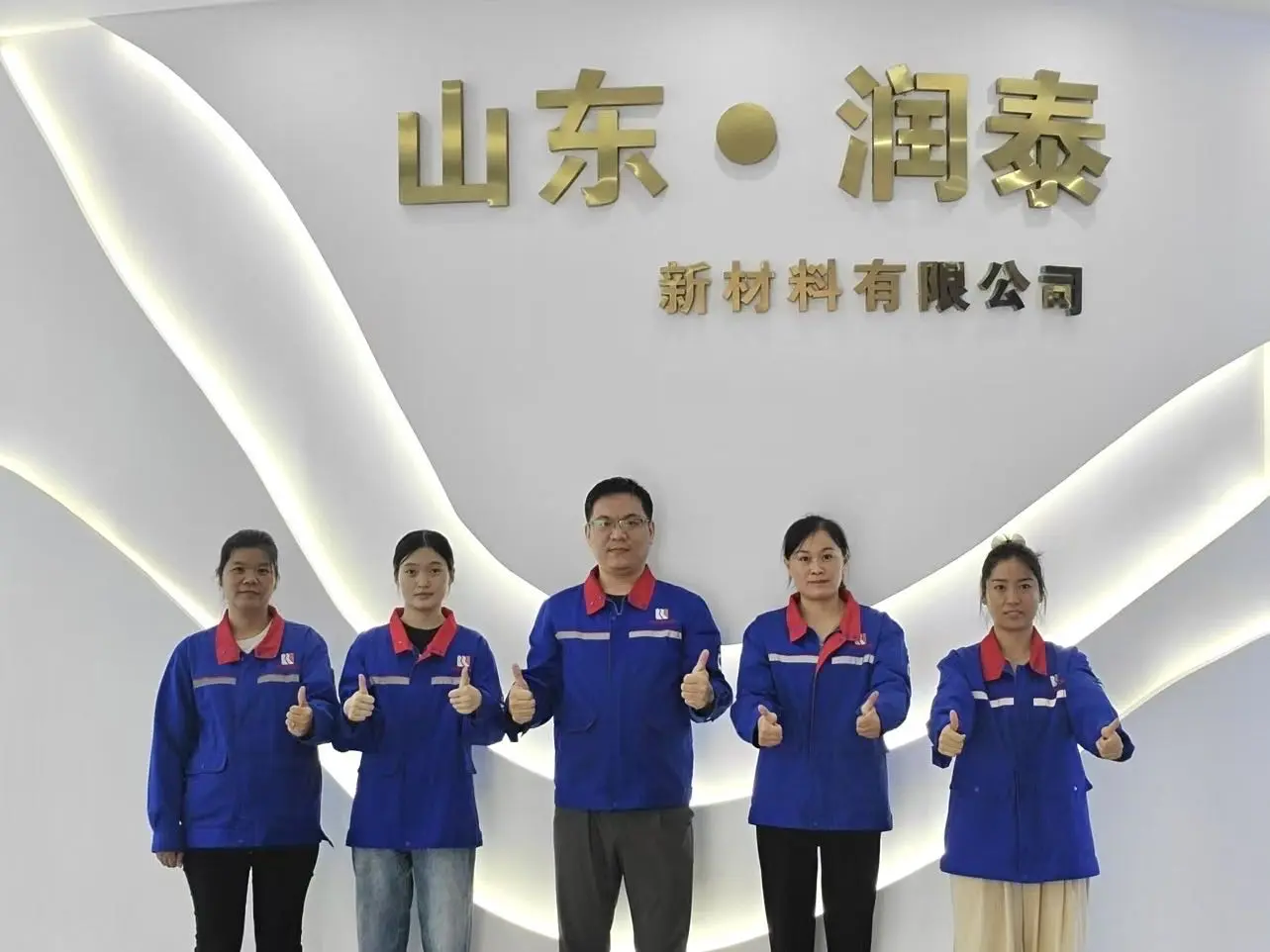
An analytical overview of current global market shifts, logistical parameters, and why solid-phase paraformaldehyde is replacing liquid form alternatives.
The global paraformaldehyde market is experiencing a profound transition, driven by growing environmental awareness, stringent shipping safety mandates, and the pursuit of manufacturing efficiency. Traditionally, industrial processes relied heavily on liquid formalin (aqueous solutions containing 37%–50% formaldehyde). However, the transit of liquid formalin poses major logistical challenges: it is classified as a hazardous corrosive material, requires temperature-controlled stainless steel tankers to prevent precipitation (paraformaldehyde sludge formation), and incurs high freight costs due to the transport of bulk water (up to 63% water content).
Paraformaldehyde (PFA) addresses these pain points. As a solid polymeric form of formaldehyde, it yields high active chemical concentration (92% to 96% purity) in a stable dry powder or granular state. Transporting solid PFA reduces freight costs, lowers container requirements, and eliminates the risk of tank leakage. On-site at processing plants, the high concentration of active ingredient allows developers to formulate high-solid resins, coatings, and chemical intermediates without evaporation steps. This dramatically reduces wastewater treatment overheads and shortens batch cycle times.
North American and European agrochemical and resin manufacturers face strict regulatory frameworks under EPA, REACH, and ECHA, which drives the consolidation of suppliers towards certified, large-scale factories capable of trace-contaminant documentation. In emerging markets across Latin America, Southeast Asia, and Africa, industrial growth in wood panels, packaging film adhesives, and automotive coatings has triggered a surge in bulk import orders. Importers require factories that can balance high-volume logistics with precise chemical consistency.
Leveraging automated control systems, localized coal-to-chemical corridors, and university research partnerships to yield unmatched quality control.
Our production line runs on an advanced Distributed Control System (DCS). This allows real-time regulation of pressure, temperature, and reaction speeds, ensuring stable polymerization indices and extremely low trace metal counts across batch runs.
Through long-term collaboration with the Changzhou Research Institute of Beijing University of Chemical Technology, our doctoral R&D team continuously refines production chemistry, developing patented molecular separation and crystallization processes.
Located in Shandong Province—the core of China's petroleum and coal chemical industries—we secure raw methanol feedstock directly through regional pipelines. This insulates our production cost structure from global logistics fluctuations.

Paraformaldehyde serves as a critical reaction starter across several sectors. Because it provides high concentration with minimal water content, it is highly valued by chemical synthesis engineers:
The manufacture of Urea-Formaldehyde (UF), Melamine-Formaldehyde (MF), and Phenolic (PF) resins relies heavily on our paraformaldehyde. It reduces dehydration cycles during the condensation polymerization process. This is particularly critical in producing low-emission, moisture-resistant plywood, particle board, and OSB panels for international construction markets.
Agrochemical producers utilize paraformaldehyde as an intermediate for synthesizing herbicides and fungicides, such as Glyphosate, Acetochlor, Butachlor, and Glyphosine. The high-purity solid form prevents side reactions with water, improving yield purity and accelerating reaction kinetics.
Within active pharmaceutical ingredient (API) synthesis, paraformaldehyde serves as an essential formylating agent. Our low-ash, ultra-pure granular grades are widely used in synthesizing chloromethyl ether, adrenaline, and amino acids, meeting strict heavy metal limit guidelines.
In coating formulations, PFA acts as a cross-linking agent in baking enamels, alkyd resins, and acrylic finishes. It enhances coating hardness, chemical resistance, and weatherability under extreme UV exposure.
Aligning mass production with ecological stewardship and safe logistics.
As a global chemical manufacturer, Shandong Runtai New Materials Co., Ltd. integrates environmental, social, and corporate governance (ESG) targets directly into our operations. Operating large-scale synthesis facilities requires strict compliance with atmospheric emission standards. We utilize closed-loop recovery scrubbers to capture VOCs, converting trace emissions back into feedstock systems to minimize waste.
Paraformaldehyde is classified under UN Class 4.1 (Flammable Solid), requiring precise handling, specialized logistics packaging, and compliance with the International Maritime Dangerous Goods (IMDG) code. We offer moisture-barrier woven bags (typically 25kg, 500kg, or 1000kg bags with sealed inner PE liners) to protect the product from ambient humidity, preventing premature degradation during long sea transits. Our global logistics team manages customs declarations, hazardous chemical classification certificates, and SDS documentation, ensuring hassle-free clearance at major ports worldwide.
Our manufacturing complex is ISO 9001:2015, ISO 14001:2015, and ISO 45001:2018 certified. We hold multiple safety and green-manufacturing patents, backed by advanced testing equipment (GC, HPLC, FTIR) to verify compliance with batch specifications before shipment.
Find answers to common technical, logistics, and quality questions about bulk paraformaldehyde procurement.
We manufacture Paraformaldehyde in two primary commercial grades: 96% and 92% purity. Our internal quality control labs verify each batch using acid-base titration methods alongside Gas Chromatography (GC) analysis to monitor aldehyde content, moisture percentage (typically under 4% to 8%), and trace impurities such as iron and heavy metals.
Using solid Paraformaldehyde eliminates the need to dehydrate or evaporate bulk water during condensation polymerization. This allows manufacturers to formulate high-solid resins with minimal liquid waste, reducing processing times, increasing batch capacity, and significantly lowering wastewater disposal costs.
Paraformaldehyde is classified as a hazardous chemical (UN 2213, Class 4.1). We use moisture-barrier packaging, consisting of double-layer woven polypropylene bags with heat-sealed PE inner liners. Containers are loaded with desiccants to prevent humidity damage, and all shipments are accompanied by detailed SDS sheets, IMDG declarations, and custom inspection certificates.
We recommend storing paraformaldehyde in cool, dry, well-ventilated warehouses, away from ignition sources, oxidizers, and direct sunlight. The storage temperature should ideally remain under 30°C. Under these conditions, the product maintains its reactive properties and physical granular structure for at least 12 months.
Yes. We offer customizable molecular weight distribution, bulk density, particle size (powder vs. prilled), and custom packaging sizes (such as 25kg, 500kg, or 1000kg super sacks) to integrate seamlessly with your automated processing systems.
Explore our wider range of high-performance chemical formulations and specialized polymer additives.
 Runtai