Wholesale Novolac Resins Factories & Suppliers

Premium Phenolic Polymers, Advanced Curing Solutions, & Global Chemical Logistics Expertise

Decoding Novolac Resins: Chemistry & Global Production Standards

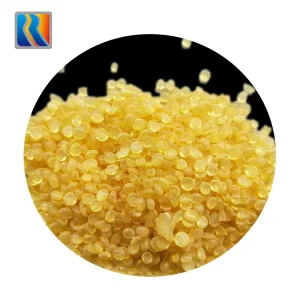
Novolac resins represent a vital class of phenol-formaldehyde resins configured under specific acid-catalyzed conditions. Synthesized with a formaldehyde-to-phenol molar ratio of less than one (typically 0.7 to 0.8), these thermoplastic prepolymers require a cross-linking agent—most commonly hexamethylenetetramine (HMTA or "Hexa") or a solid resol co-reactant—to cure.

As top-tier chemical manufacturers, understanding the molecular weight distribution, free phenol concentration, and molecular composition is critical to delivering consistency. Novolacs are inherently heat-resistant, possess superior electrical insulation, and provide outstanding dimensional stability. This makes them indispensable in engineering sectors, including microelectronics packaging, friction linings, grinding wheels, and structural adhesives.
Technical Note: Unlike resol resins, which are self-curing under thermal load due to reactive methylol groups, Novolac resins remain stable at room temperature indefinitely. They undergo rapid curing only when mixed with a formal donor agent and subjected to temperatures above 130°C.
Chemical Research Laboratory - Novolac Resin Testing

Global Market Dynamics and Technological Trends

The global Novolac resin industry is experiencing a profound shift, driven by strict green building guidelines, microelectronics demand, and structural light-weighting trends.

Ultra-Low Free Phenol Specifications

Regulatory organizations like REACH and OSHA are imposing stricter rules on Volatile Organic Compounds (VOCs). Wholesale buyers now demand Novolac resins with free phenol content below 1%, and in custom electronics, below 0.1% to prevent hazardous outgassing during thermal curing cycles.

High-Tg Semiconductor Grade Polymers

The rise of 5G infrastructure, artificial intelligence computing hardware, and automotive electrification has pushed the thermal limit of packaging resins. Next-generation Novolacs function as curing agents for epoxy molding compounds (EMC), achieving Glass Transition Temperatures (Tg) exceeding 220°C.

Sustainable Bio-Based Phenolics

There is active research into substituting synthetic petrochemical phenol with bio-derived chemical compounds like lignin, cardanol (cashew nut shell liquid), and tannin. Leading factories are investing in green chemistry routes to lower the carbon footprint of structural adhesives.
380,000T
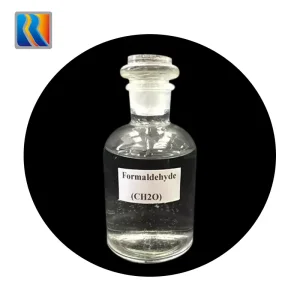
Formaldehyde Production / Yr
60,000T
Melamine Production / Yr
300,000T
Urea Formaldehyde / Yr
80%
Domestic Market Share
Shandong Runtai New Materials Plant Exterior

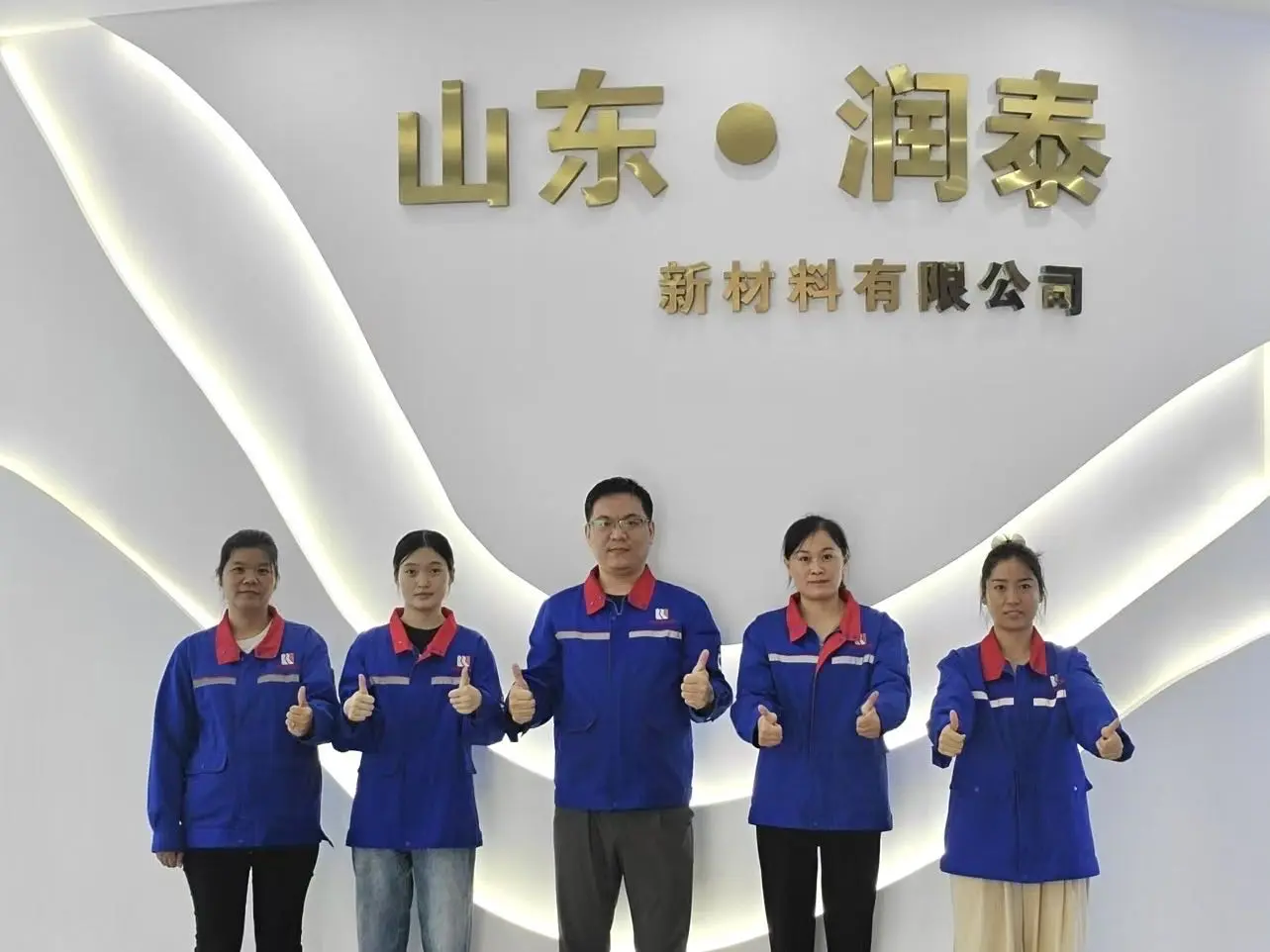
About Shandong Runtai New Materials Co., Ltd.

Established in March 2020, Shandong Runtai New Materials Co., Ltd. is a leading integrated fine chemical corporation. Operating from a massive facility of 270,000 square meters in Zaozhuang City, Shandong Province, we represent a total corporate investment of 2.06 billion yuan.

Our downstream output capacity features state-of-the-art facilities producing 380,000 tons of formaldehyde, 60,000 tons of melamine, 20,000 tons of melamine glazing powder, 11,000 tons of specialized resins (including premium phenolic and Novolac variants), and 300,000 tons of urea formaldehyde resin annually. Backed by our robust supply chain and large production capacity, we have captured a dominant 80% domestic market share and expanded into global regions like the United States, Thailand, Kenya, Egypt, and beyond.

  • Modern DCS automatic manufacturing controls for maximum batch uniformity
  • Direct feedstock supply chains from primary petrochemical sources
  • In-house analytical laboratories using Gel Permeation Chromatography (GPC)
  • Strategic partnership networks spanning five branches across China

Macroscopic Industry Solutions & Procurement Requirements

Procuring industrial polymers at scale requires more than finding competitive pricing. It demands compliance, reliability, and robust product formulations.

Friction Materials & Abrasives

For manufacturers of brake linings, clutch plates, and high-speed grinding wheels, our phenolic resins act as durable binders. Under high shear forces and dynamic thermal friction, these binders maintain their structural matrix, keeping structural wear rates low and reducing thermal cracking.

Refractory Binder Solutions

For steel, glass, and metal manufacturing processes, refractories require carbon-rich binders to withstand temperatures exceeding 1500°C. Runtai's high-purity resins produce a high carbon yield upon carbonization, which strengthens refractory bricks and monolithic linings against thermal shock.

Electronic Packaging (EMC)

Our ultra-pure Novolacs act as effective hardeners in epoxy molding compounds. By minimizing ionic impurities like sodium, potassium, and chloride, they prevent galvanic corrosion on fine microchip wires, protecting sensitive electronic components.

Advanced R&D and Equipment Capabilities

Shandong Runtai New Materials maintains its competitive edge through a focus on technological innovation and equipment investments:

  • Distributed Control System (DCS): Our fully computerized DCS system continuously monitors critical synthesis parameters, including reaction temperature, catalyst feed rate, pressure, and vacuum levels, to ensure batch-to-batch consistency.
  • Academic Collaborations: We work closely with the Changzhou Research Institute of Beijing University of Chemical Technology, integrating academic research with practical industrial manufacturing.
  • Doctoral Innovation Group: Our in-house research laboratory is led by industry PhDs, focusing on low-free-phenol chemistry and customized molecular weights.
  • Advanced Testing Instruments: We use high-precision analytical equipment, including Gel Permeation Chromatography (GPC), Differential Scanning Calorimetry (DSC), and FTIR spectroscopy, to verify the specifications of every batch.
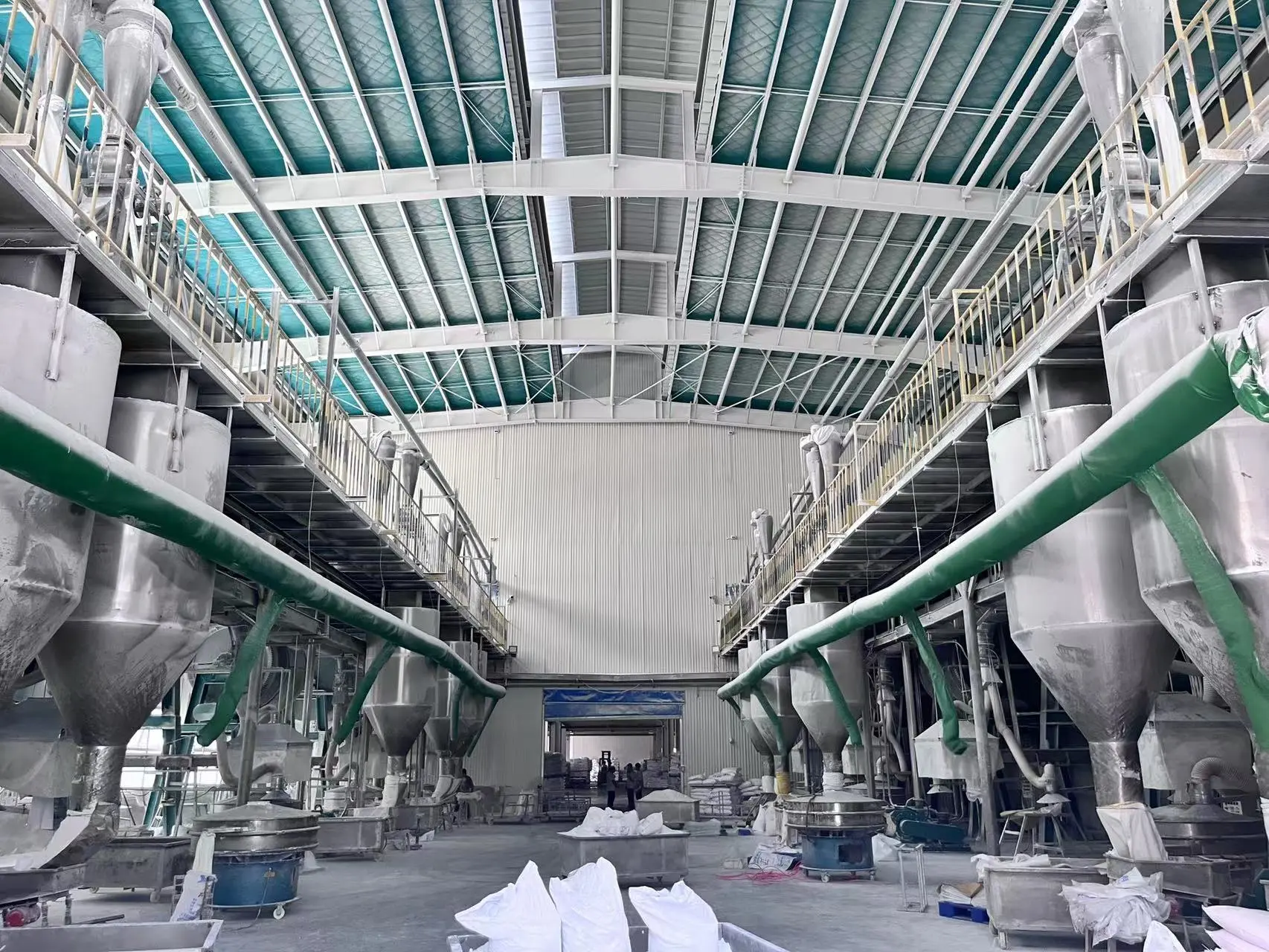
Chemical Reactor & High-End Factory Equipment

Quality Certifications, Environmental Protection, & Social Responsibility

We operate with a strong commitment to quality and environmental care. We follow international standards to support sustainable, high-volume chemical manufacturing.
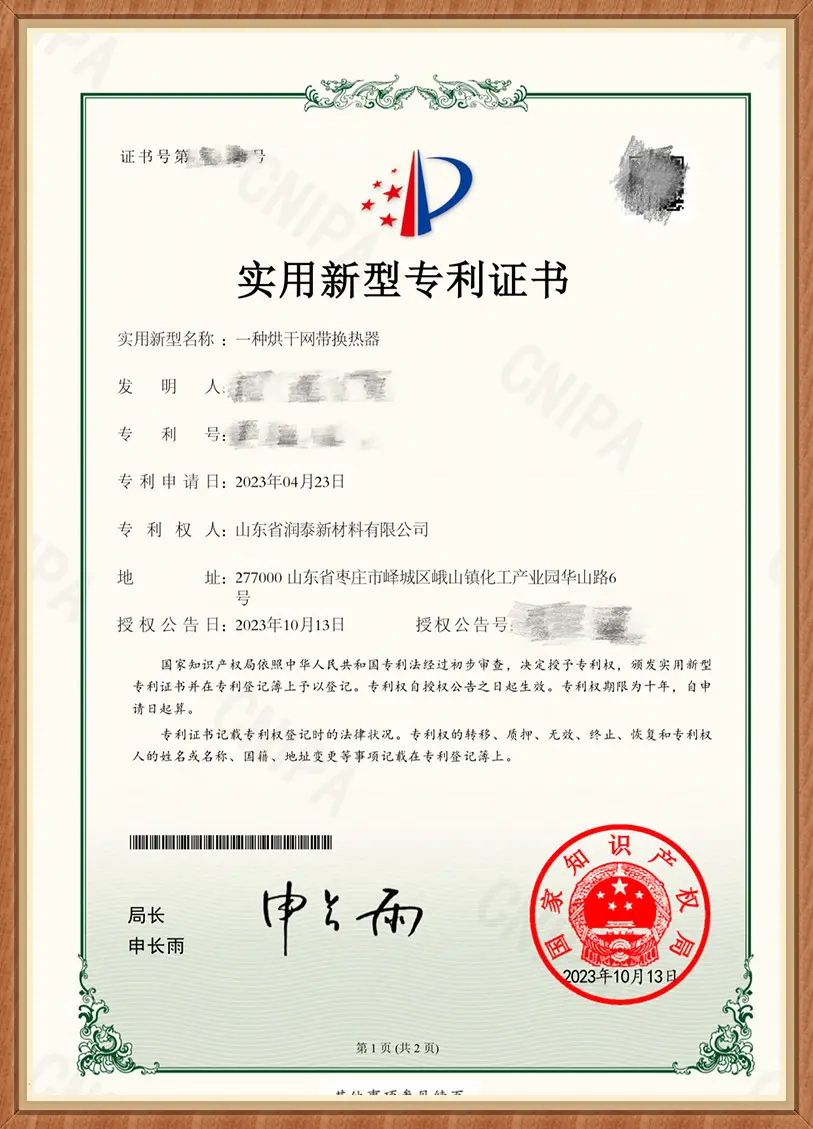
ISO 9001 Quality System Certificate

ISO 9001 Quality Management System

ISO 14001 Environmental System Certificate

ISO 14001 Environmental Management System
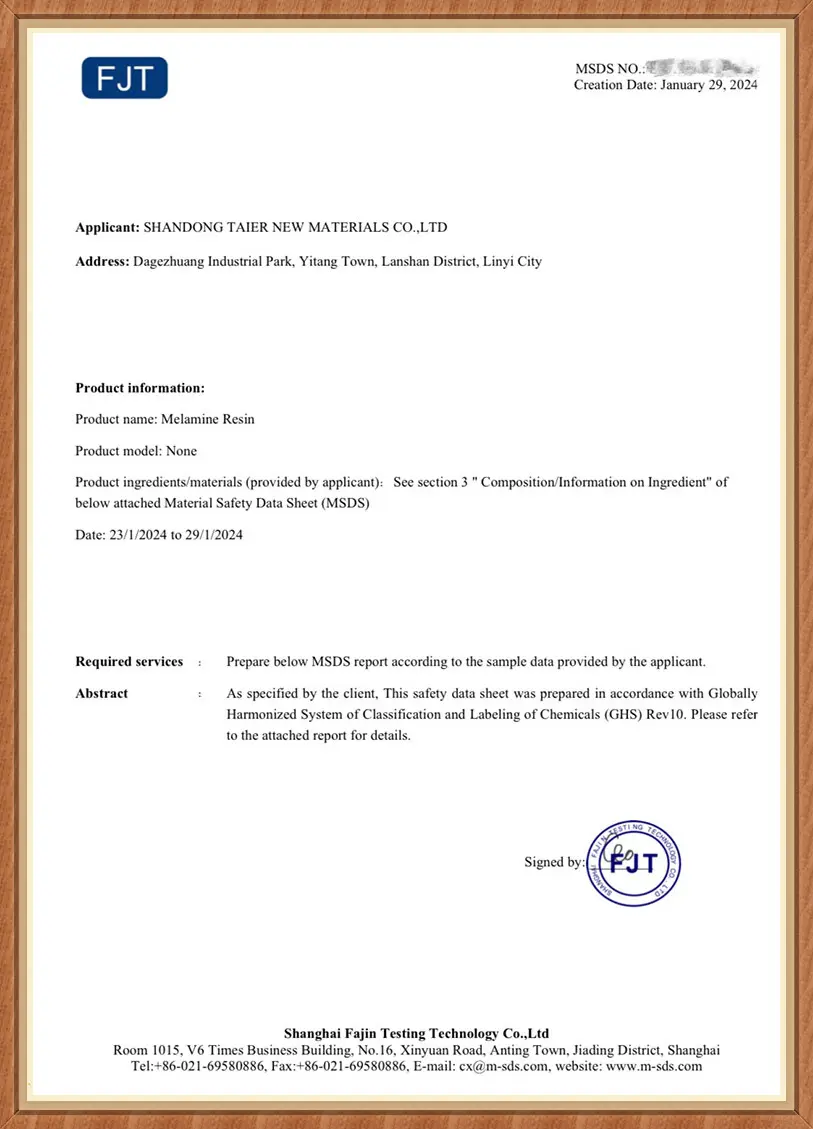
ISO 45001 Safety Management Certificate

ISO 45001 Occupational Health & Safety
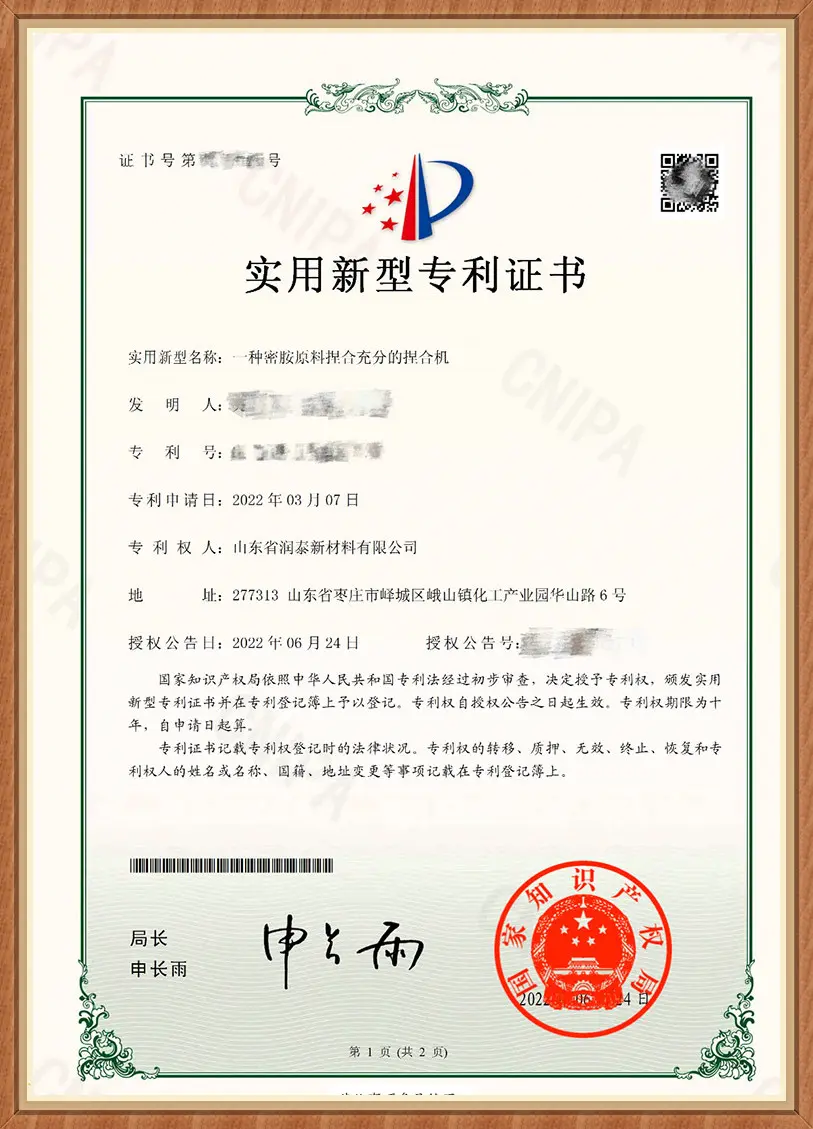
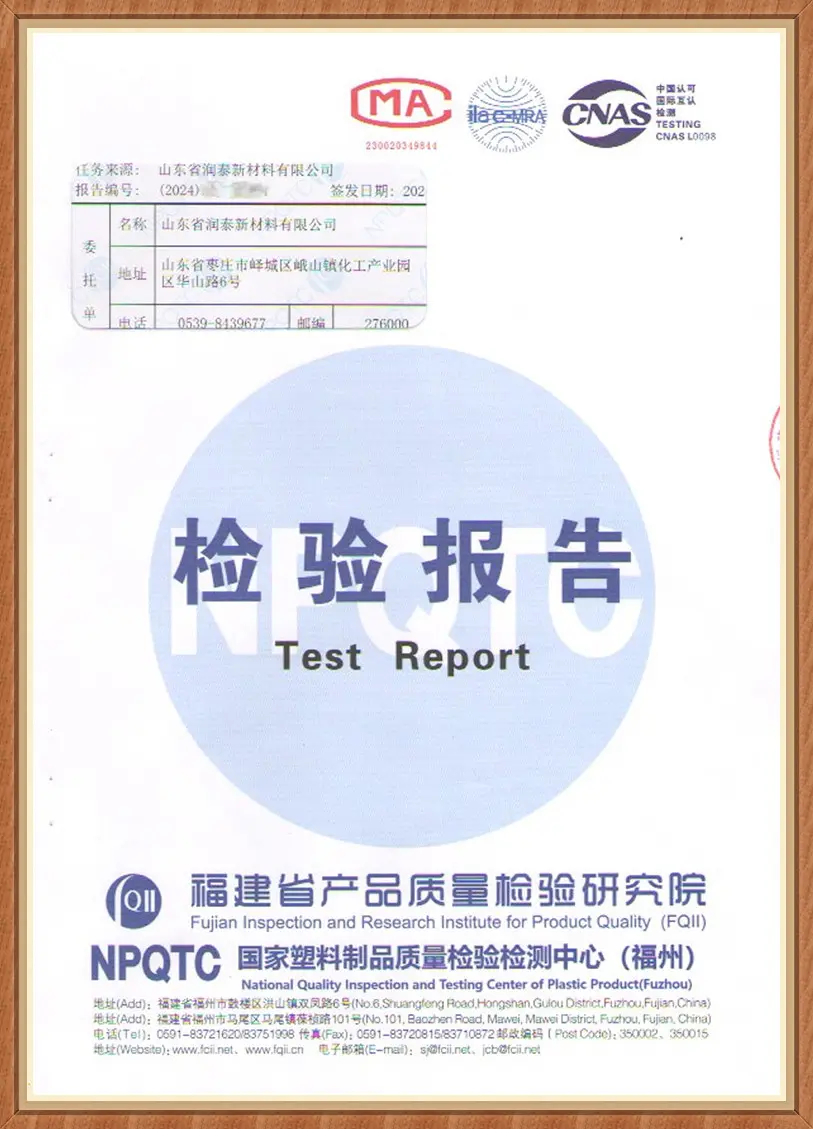
Quality Compliance Certificate

National Standard Product Certification
Safety and Environmental Protection Control Center

Environmental Compliance & Logistics Reliability

Shandong Runtai operates and maintains its facilities with a strong focus on sustainable chemical processing. Our modern safety and environmental control center monitors exhaust purification, water recycling systems, and safety metrics in real time.

We supply chemical products to customers worldwide with complete regulatory compliance. We handle REACH pre-registrations for Europe, meet EPA requirements for North America, and adhere to environmental regulations in major Asian markets. Our team manages dangerous goods logistics, exports, and bulk shipping procedures, ensuring on-time delivery across ocean, rail, and road freight.

Technical Roadmap & Future Outlook

Our chemical engineering roadmap focuses on sustainability, high thermal resistance, and advanced molecular control.

Phase 1: Bio-Based Feedstock Substitution
Reducing dependency on petrochemical sources by incorporating plant-based alternatives like lignin and alkyl-substituted bio-phenols. This transition maintains mechanical and thermal performance while lowering overall carbon footprint.
Phase 2: Ultra-Pure Electronics Grade Development
Upgrading purification processes to lower free monomer levels and trace metals, helping meet the requirements of next-generation semiconductor devices and electronic applications.
Phase 3: Automated Custom Synthesis
Implementing automated synthesis systems that allow customers to specify desired molecular weight distributions and receive tailor-made batches with minimal development time.

Technical FAQ: Sourcing & Engineering Novolac Resins

Find answers to common questions about formulation, storage, quality testing, and ordering.

What is the difference between Novolac and Resol phenolic resins?
Novolac resins are thermoplastic polymers synthesized under acid-catalyzed conditions with a formaldehyde-to-phenol ratio of less than one. They do not contain reactive methylol groups and require a curing agent like hexamethylenetetramine (HMTA) to cross-link. Resol resins are base-catalyzed thermosetting prepolymers with a formaldehyde-to-phenol ratio of greater than one. They contain reactive methylol groups and can self-cure under heat without additional curing agents.
How does Shandong Runtai control the free monomer level in wholesale shipments?
We use high-vacuum distillation during the final stages of synthesis to remove unreacted phenol and water. This allows us to keep free phenol content below target limits (e.g., <1% for standard grades and lower for specialty options). We verify the free phenol concentration of every production run using gas chromatography (GC) prior to shipment.
What is the typical shelf life of Novolac resin compared to Resol?
Since Novolacs do not contain reactive methylol groups, they are highly stable at room temperature. In dry, cool storage conditions, solid Novolac resins have an almost indefinite shelf life (typically 12 to 24 months for guaranteed performance). Resol resins, in contrast, gradually advance in cure even at room temperature and often require refrigerated storage.
How does molecular weight distribution affect the performance of Novolac resins?
The molecular weight distribution (measured via GPC) directly influences the resin's melt viscosity, softening point, flow behavior, and curing rate. A narrow distribution offers predictable flow characteristics in injection molding applications, while a broader distribution can improve green strength and dimensional stability in refractory shapes.
Can you customize the softening point for specific friction or abrasive applications?
Yes. By adjusting the monomer ratio, catalyst type, reaction time, and distillation parameters, we can tailor the softening point (typically ranging from 75°C to 110°C) and cure characteristics to match your specific production processes.
What international logistics regulations apply to importing these resins?
Solid Novolac resins without added curing agents are generally classified as non-hazardous for transport. However, formulations containing curing agents (such as HMTA blends) may be classified under UN regulations as Class 4.1 flammable solids. Our experienced logistics team manages the classification, documentation, packaging, and shipping compliance for all global destinations.