Direct factory-sourced raw chemical supplies for high-strength application optimization.
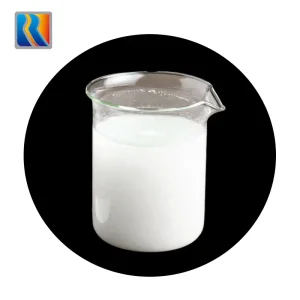
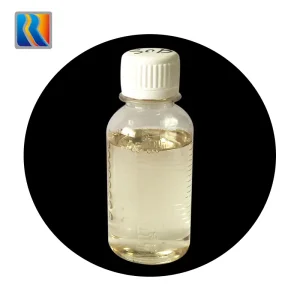
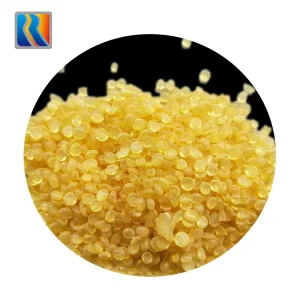
Shandong Runtai New Materials Co., Ltd.
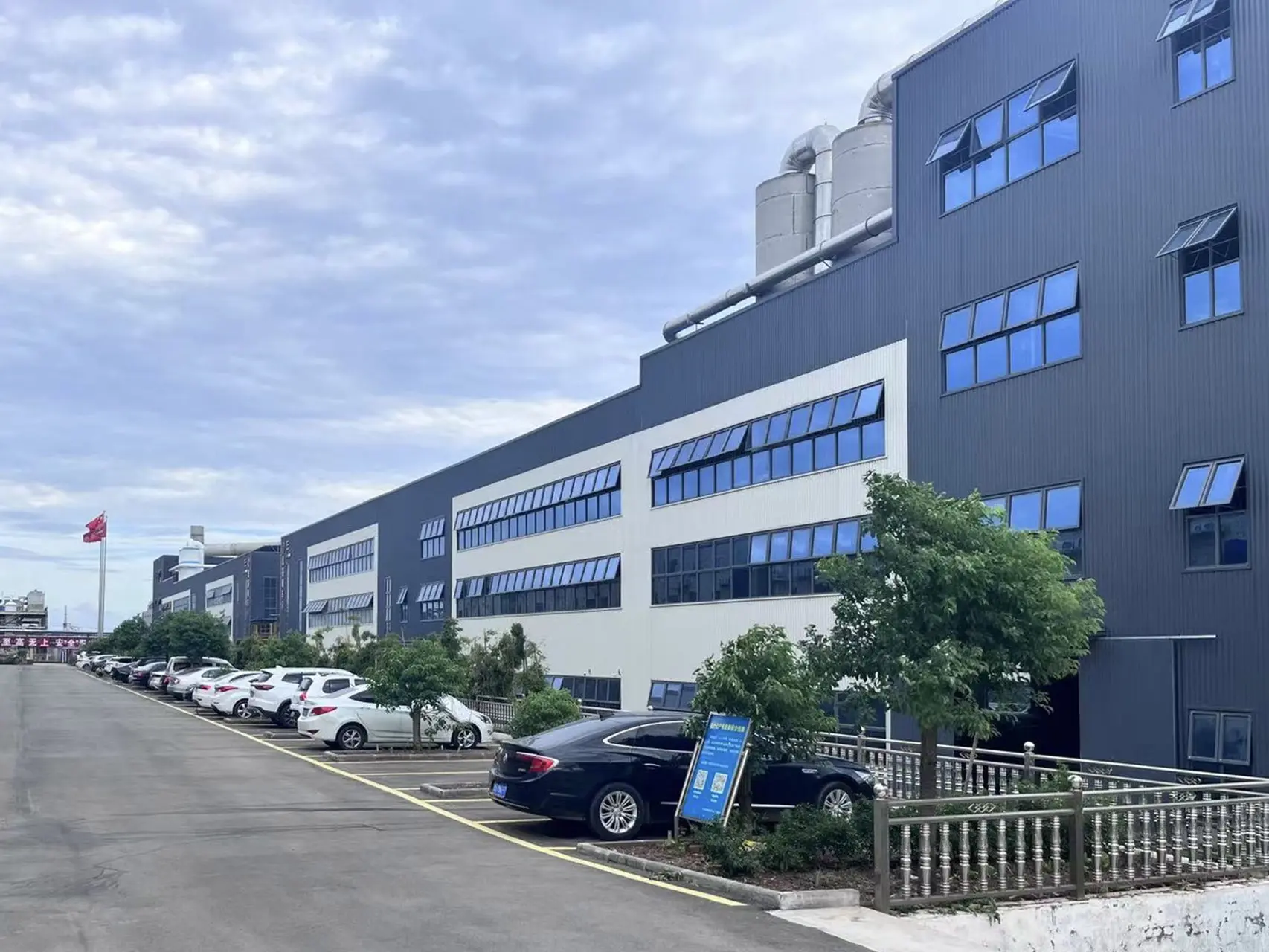
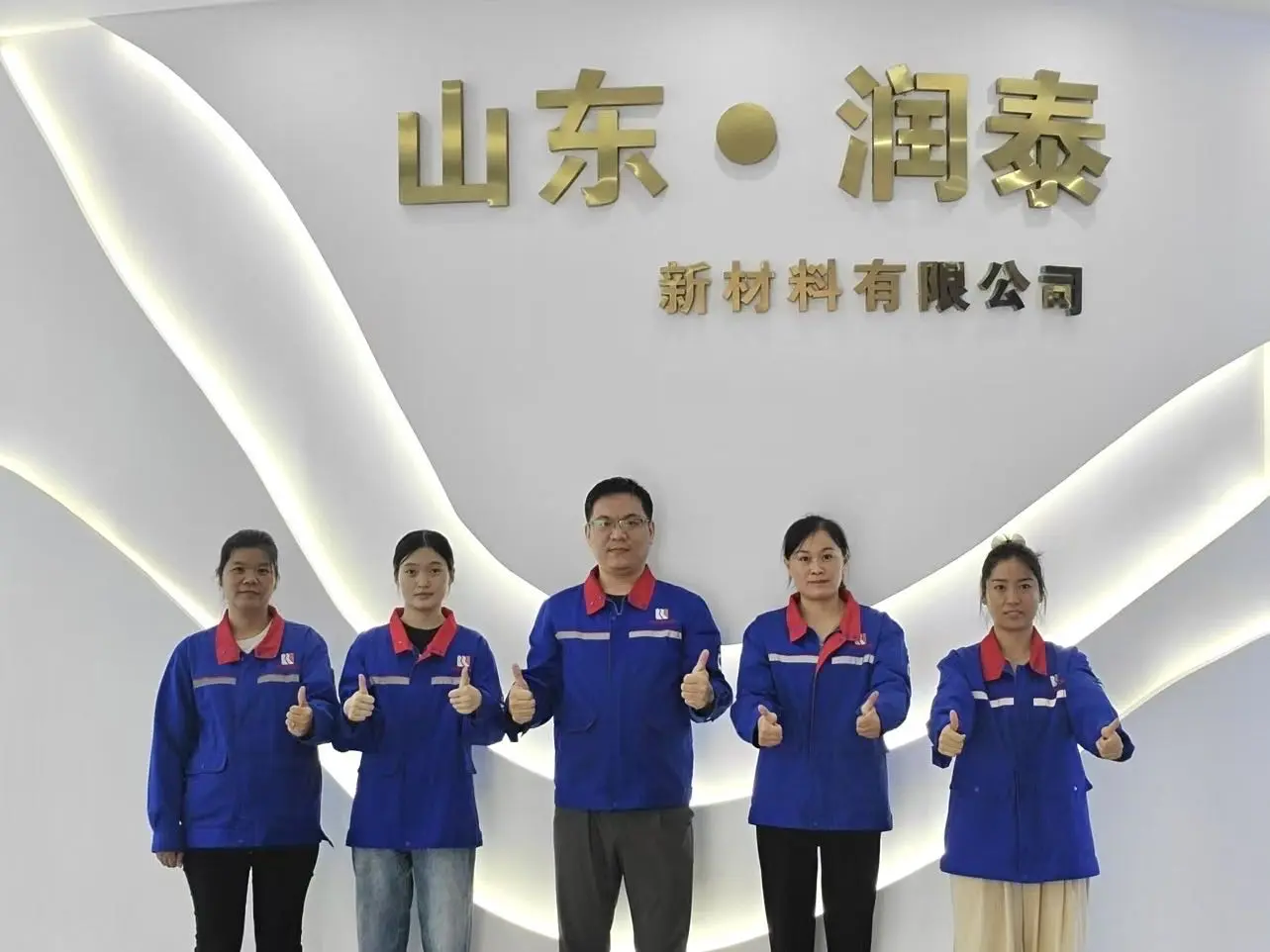
Founded in March 2020, Shandong Runtai New Materials Co., Ltd. has rapidly developed into a comprehensive group firm specializing in fine chemical production. Our corporate headquarters is situated in Zaozhuang City, Shandong Province. Spanning a state-of-the-art facility of 270,000 square meters with a total infrastructure investment of 2.06 billion yuan, our organization operates branches across five strategic industrial centers throughout China.
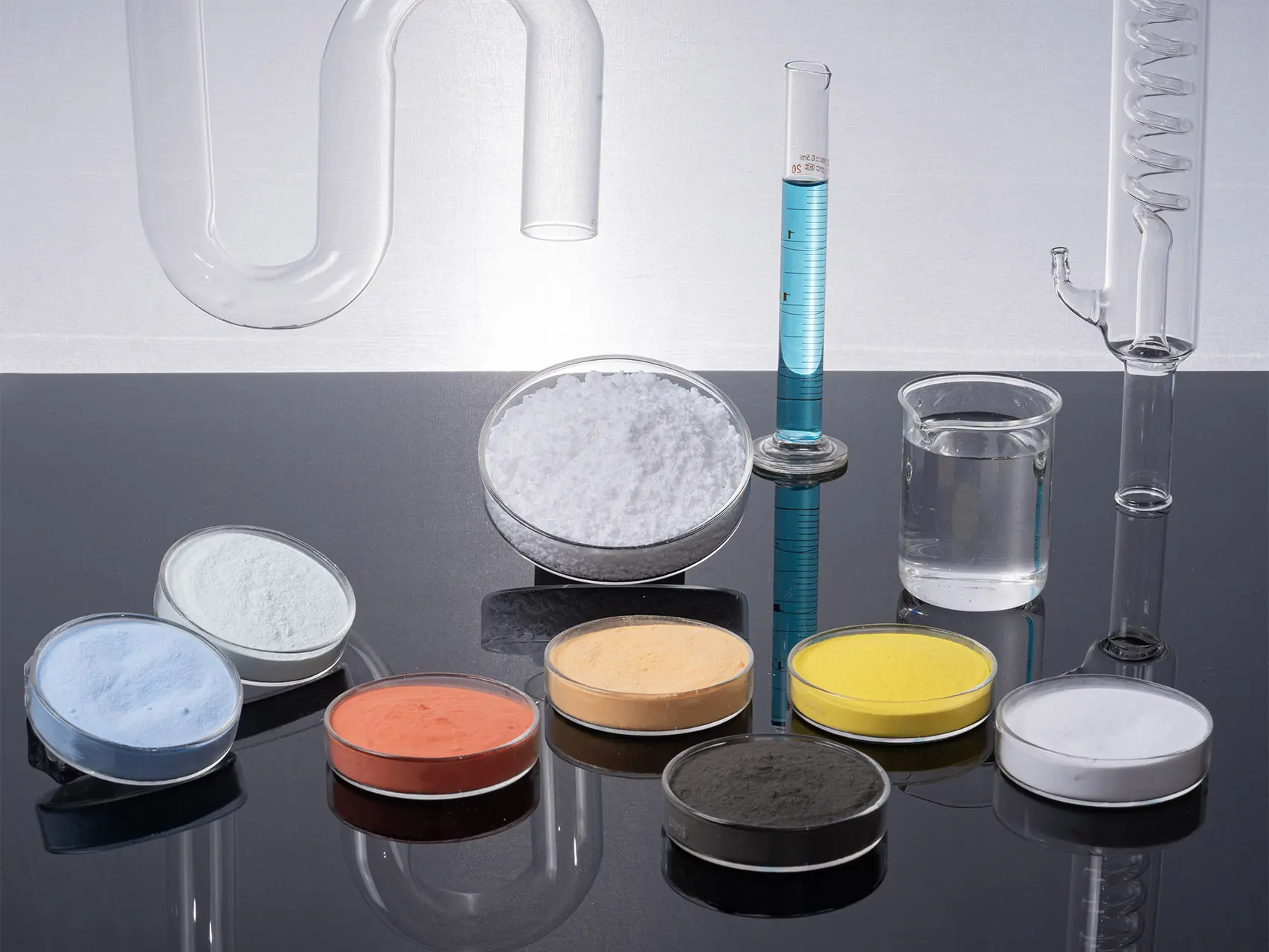
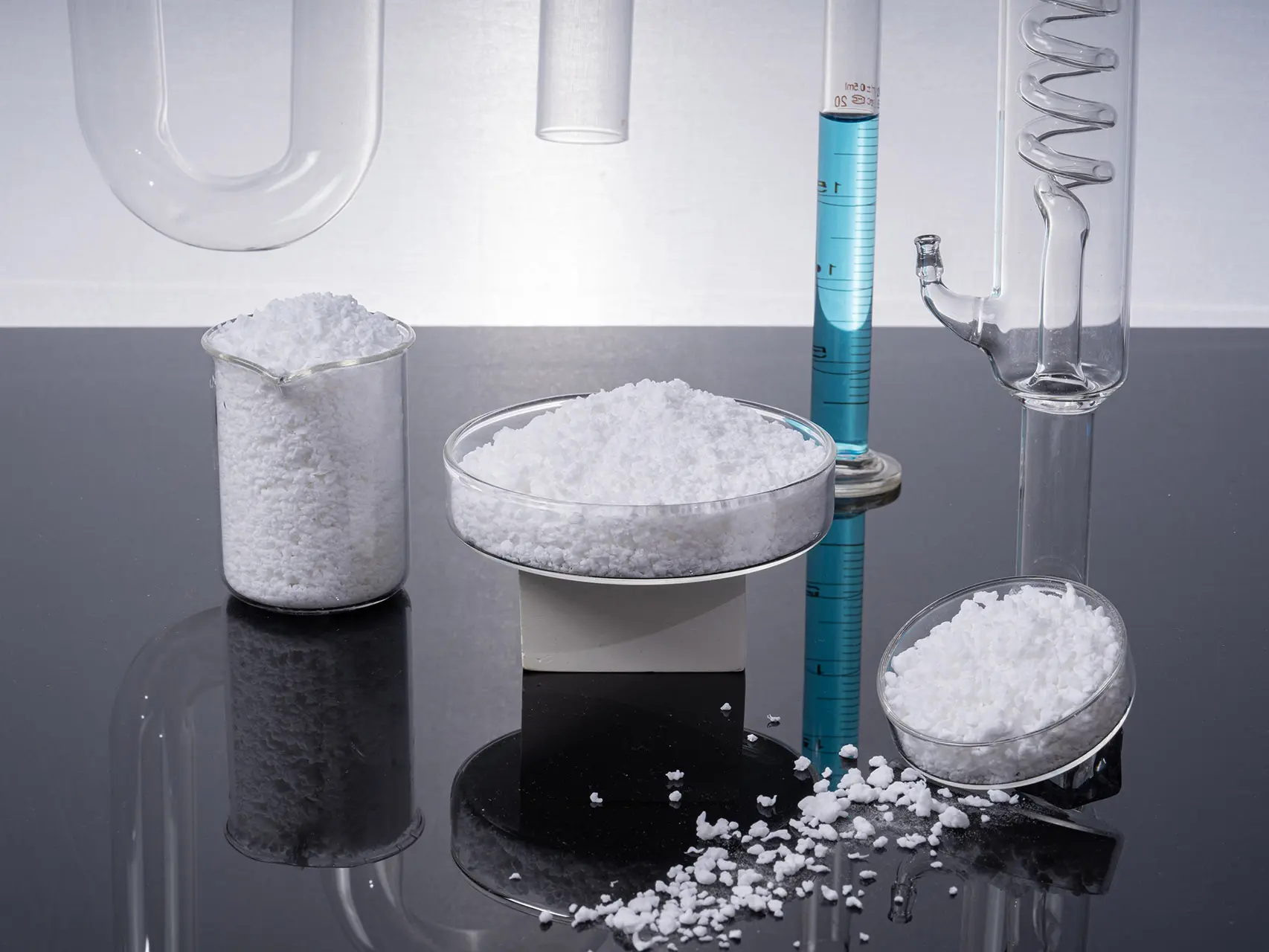
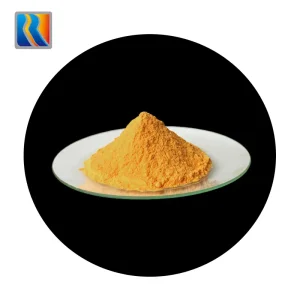
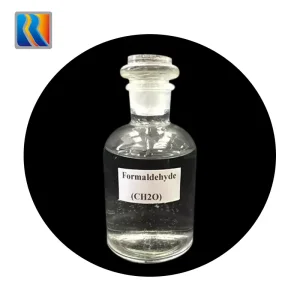
By integrating production, advanced scientific research, and complex chemical synthesis, we supply critical manufacturing ingredients including formaldehyde, paraformaldehyde, urea formaldehyde resin, melamine powder, and melamine glazing powder. Our operations emphasize environmental preservation, low-emission formulations, and rigorous compliance with international quality standards.
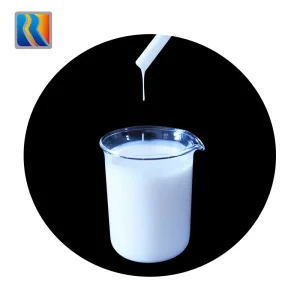
Melamine Formaldehyde (MF) resins are indispensable thermosetting polymers famous for their superior hardness, thermal stability, flame retardancy, and chemical resistance. Unlike simpler thermoplastic alternatives, MF undergoes structural chemical cross-linking during thermal curing. This forms an infusible, insoluble three-dimensional network structure highly favored in high-pressure laminates (HPL), wood board adhesives, molding compounds, and surface coatings.
On a macro level, the global demand for Melamine Formaldehyde resin systems is propelled by the construction, decorative paneling, automotive coating, and specialty packaging sectors. Asia-Pacific stands as both the largest production base and consumer market, driven by expanding infrastructure. Modern global trade and safety organizations place high priority on volatile organic compound (VOC) levels, shifting the chemical sector's focus toward low free-formaldehyde emission levels (E0 and F★★★★ compliance). As primary suppliers, Runtai New Materials supports global customers with optimized, highly stabilized resins that meet tough European and American ecological guidelines.
The production of high-stability Melamine Formaldehyde relies on the nucleophilic addition of formaldehyde to melamine, forming methylol derivatives. Under controlled heating and precise pH environments, these methylol intermediates undergo condensation polymerization to build prepolymers:
To ensure structural uniformity and prevent premature gelation, Shandong Runtai employs state-of-the-art Distributed Control Systems (DCS) to monitor reaction rates, thermal profiles, and raw material inputs. Precise controls prevent unwanted polymer precipitation, resulting in a product with consistent water solubility, excellent storage stability, and optimal curing behavior during final manufacturing processes.
| Resin Type | Thermal Stability (°C) | Surface Hardness | Moisture Resistance | Typical Target Industry |
|---|---|---|---|---|
| Melamine Formaldehyde (MF) | Up to 150°C - 180°C | Excellent (Mohs scale 3.5-4) | High (Type I standard) | HPL, Tableware, Premium Laminates |
| Urea Formaldehyde (UF) | Up to 100°C | Moderate | Low-Medium | Indoor Furniture, MDF, Particle Board |
| Phenol Formaldehyde (PF) | Up to 250°C | High | Excellent (Weatherproof) | Exterior Plywood, Insulation, Aviation |
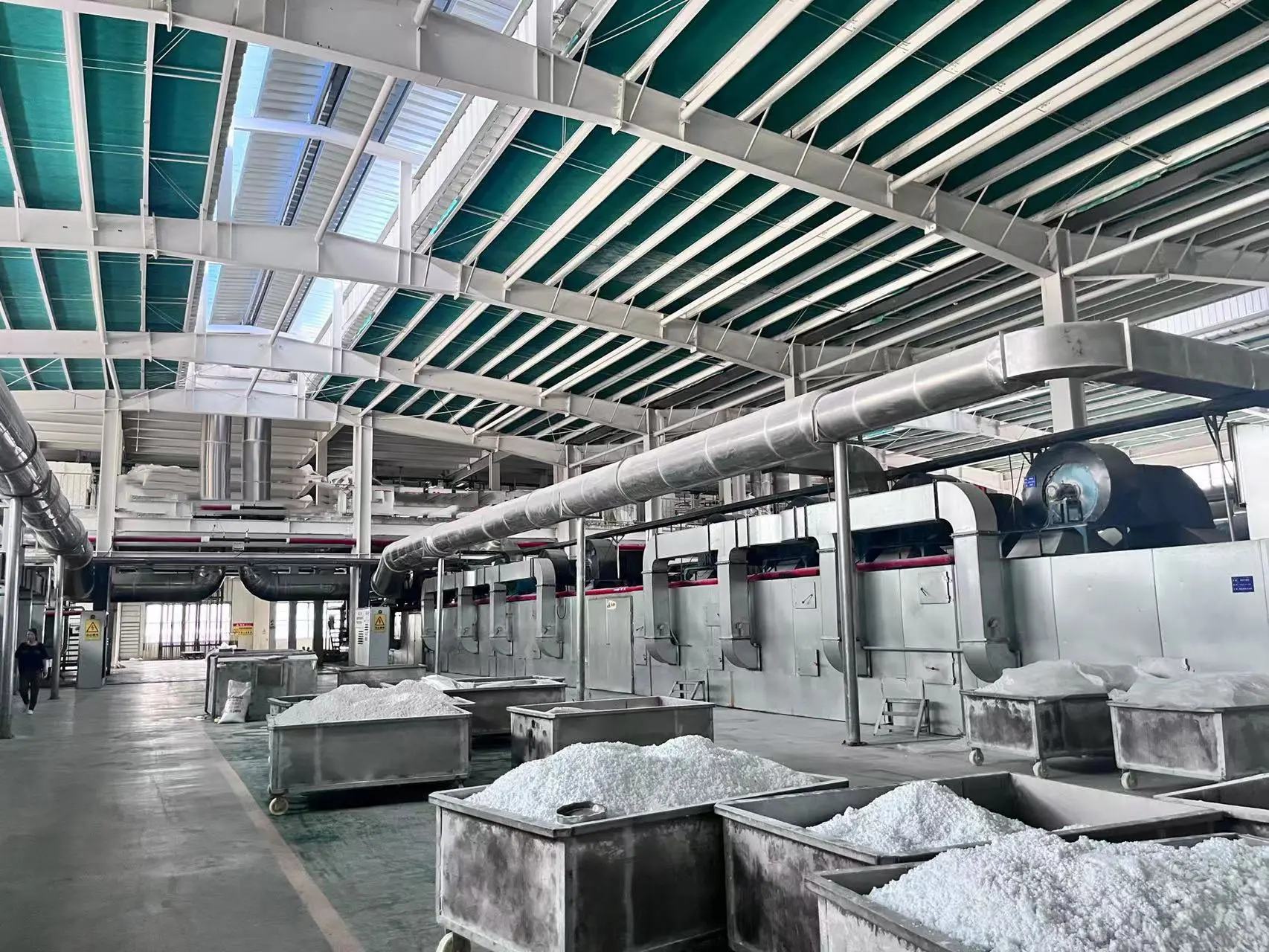
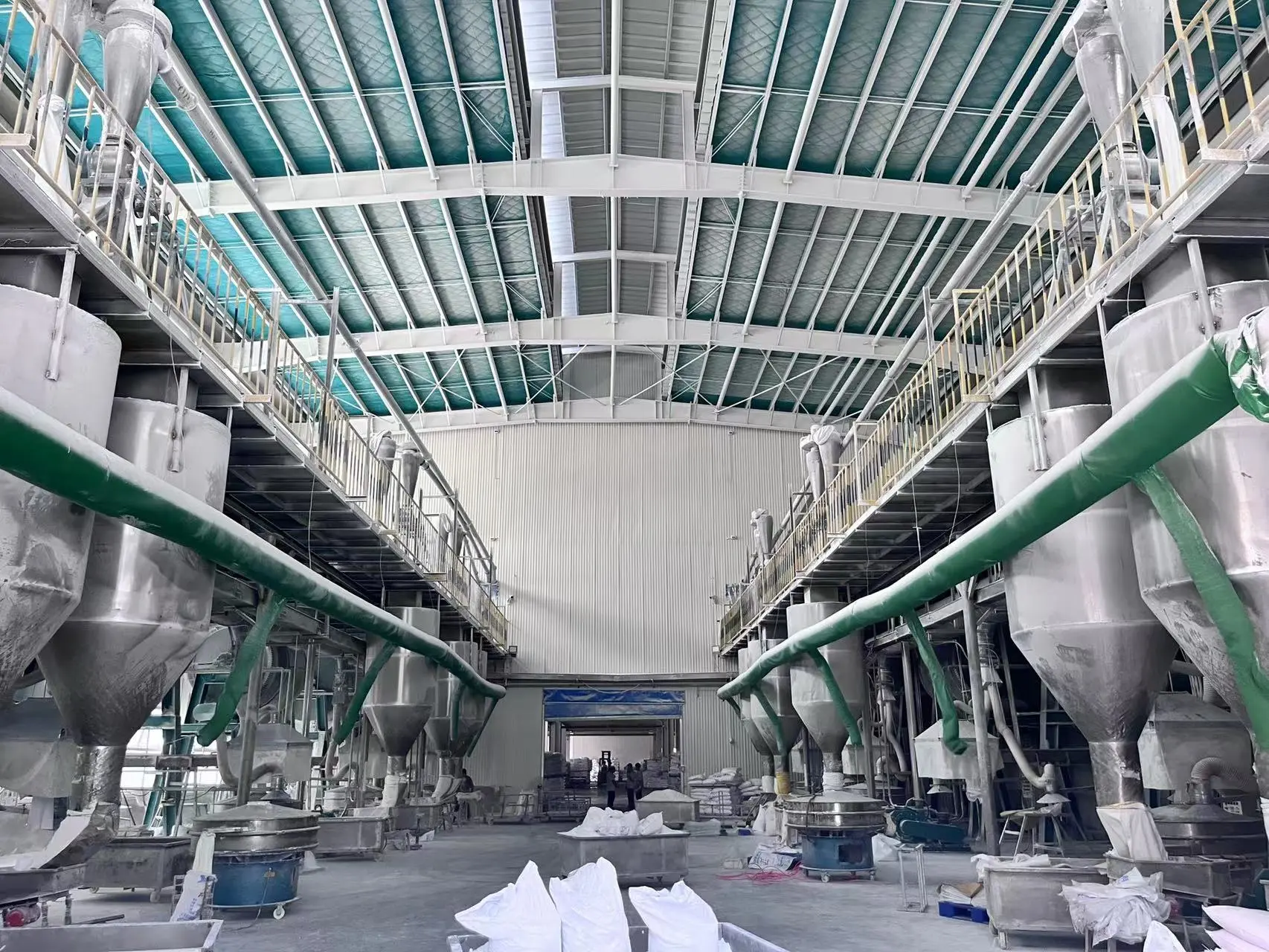
Runtai New Materials has grown into one of China's top manufacturers of melamine, formaldehyde, and downstream polymer derivations through systematic expansion. Modern factories handle major processing tasks safely, securing a continuous supply chain for our global client base.
Our annual manufacturing outputs are designed to support heavy volume needs:
Our service department handles both bulk distributions and custom formulations. Whether adjusting viscosity profiles, setting custom curing temperatures, or refining volatile components, our technicians deliver matching chemical solutions that fit our client's unique regional frameworks.
Developing and delivering advanced new chemical materials under strict control metrics.
Following the launch of our melamine operations, Runtai New Materials has secured a prominent role in China's fine chemical sector. With an estimated domestic market share of approximately 80% for primary products, we provide dependable batch stability and supply chain security.
We implement advanced Distributed Control Systems (DCS). This setup controls raw parameters across the synthesis lines, guaranteeing stable reaction thresholds, minimal waste, and reduced risk during manufacturing cycles.
Runtai utilizes cutting-edge global production and testing devices. Automating material feeds and refining temperature controls helps optimize energy usage, lower manual workloads, and maintain clean manufacturing parameters.
Partnering with the Changzhou Research Institute of Beijing University of Chemical Technology, our doctoral team conducts research into specialized polymers and environmental improvements. This joint effort has yielded multiple patents in low-emissions and strong adhesion resins.
Using formaldehyde as a foundational block, we produce a wide variety of secondary solutions. These are applied in woodworking adhesives, protective coatings, resin systems, textile finishes, and structural components.

"Quality first, customer first" - Guided by honesty, safety, and sustainable growth.
Runtai New Materials prioritizes sustainable development and environmental preservation. We focus on engineering and producing eco-friendly chemical products that minimize negative ecological impacts while complying with international laws, safety policies, and standards.
We maintain strict waste-management processes at our facilities and develop resins that release fewer emissions during manufacturing. Buyers and corporate visitors from around the world are welcome to visit our operations in Shandong Province. We look forward to collaborating with you to build a better future together!
Supporting global builders and molders with targeted resin formulations.
Modifying the formaldehyde-to-urea/melamine ratio using clean synthesis steps. This helps manufacturers meet global emissions benchmarks, such as TSCA Title VI, CARB Phase 2, and European E1/E0 standards.
Blending nanosilica and modifying elements directly into the resin matrices. This hybrid approach improves flame resistance, UV protection, and mechanical impact durability for automotive and exterior-grade panels.
Exploring the replacement of fossil-based materials with sustainable plant-derived alternatives. This aims to lower carbon footprints while maintaining the chemical performance of the final polymers.
We group our products to match distinct industrial manufacturing settings, helping customers select appropriate viscosities and gel-times:
Modified melamine resin solutions for surface paper treatments. Provides scratch resistance and hard, smooth surfaces on decorative panels.
Urea and Melamine Moulding Compounds tailored for compression presses, delivering solid electrical insulation and dimensional stability.
Water-resistant wood resins designed for exterior plywood, particle board, and structural beams, keeping layers securely bonded under heat and humidity.
Verified manufacturing procedures ensuring consistent chemical shipments.
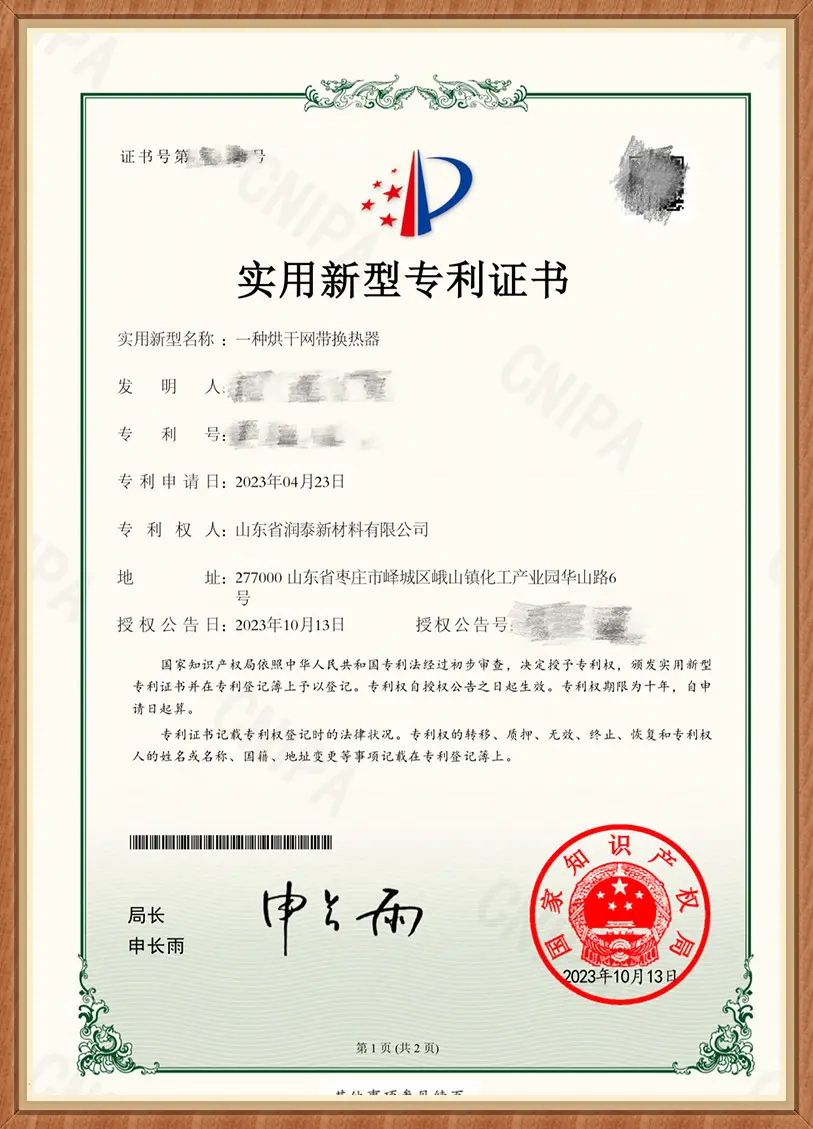
Quality Standard ISO 9001
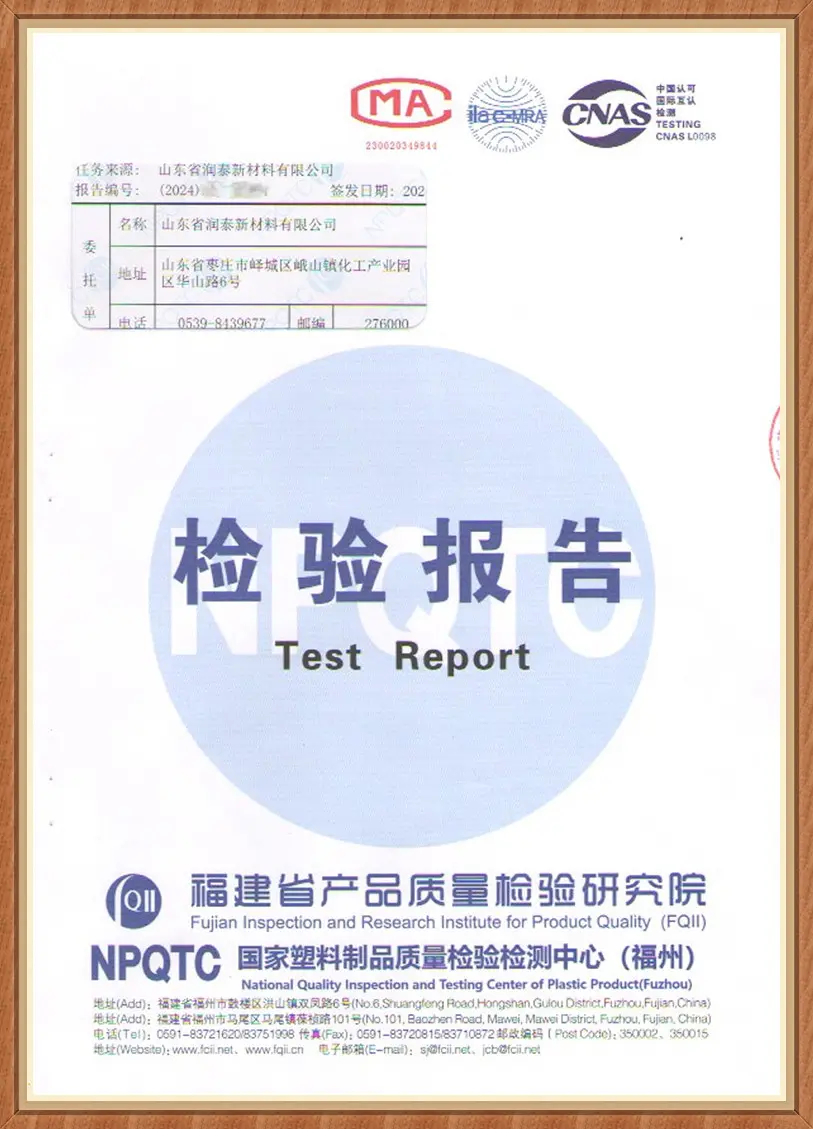
Environmental ISO 14001
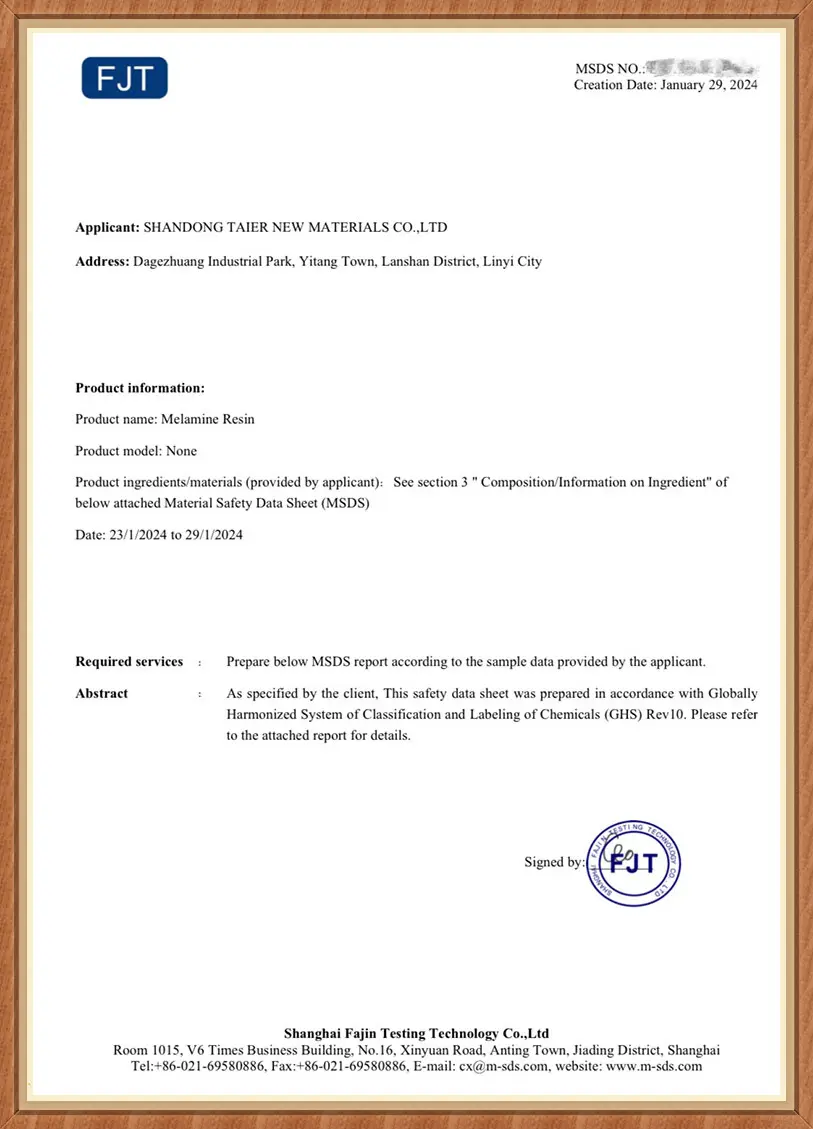
Occupational Safety ISO 45001
Our chemical analytics lab verifies active ingredients and monitors key values like free-formaldehyde, dynamic viscosity, shelf-life, and curing times before products leave our facility.
Technical guidance for global procurement teams and manufacturing plants.
Browse our comprehensive selection of industrial materials and process defoamers.
 Runtai