Wholesale Formalin & Derivative Compounds: Industrial-Grade Supply, Safety Standards, and Global Factory Solutions

A comprehensive whitepaper analysis on the logistics, risk management, and procurement efficiency of high-performance formaldehyde solutions and resin structures.

The Dual Nature of Formalin: Indispensable Catalyst vs. Risk Mitigation

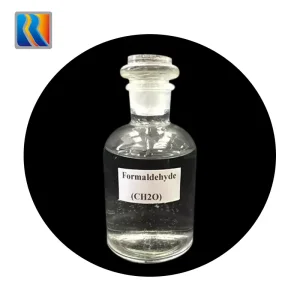
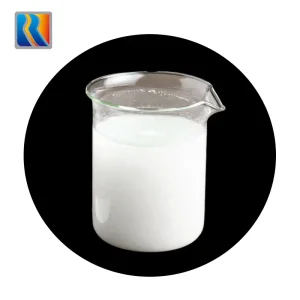
Formalin (aqueous formaldehyde, typically 37% to 50% concentration by weight) is a corner-stone molecule of the organic synthesis matrix. Its high reactivity makes it indispensable in the manufacture of complex thermosetting resins, adhesives, coatings, and molding powders. However, because of its chemical potential, formaldehyde has been classified by the International Agency for Research on Cancer (IARC) as a Group 1 Human Carcinogen.

This classification implies that commercial sourcing of formalin must not look only at pricing. Procurement departments must focus on compliance protocols, advanced vapor mitigation, stabilization strategies, and transitioning to low-emission formulations. At Shandong Runtai New Materials, we work under these parameters to ensure safety, industrial efficiency, and strict regulatory adherence.
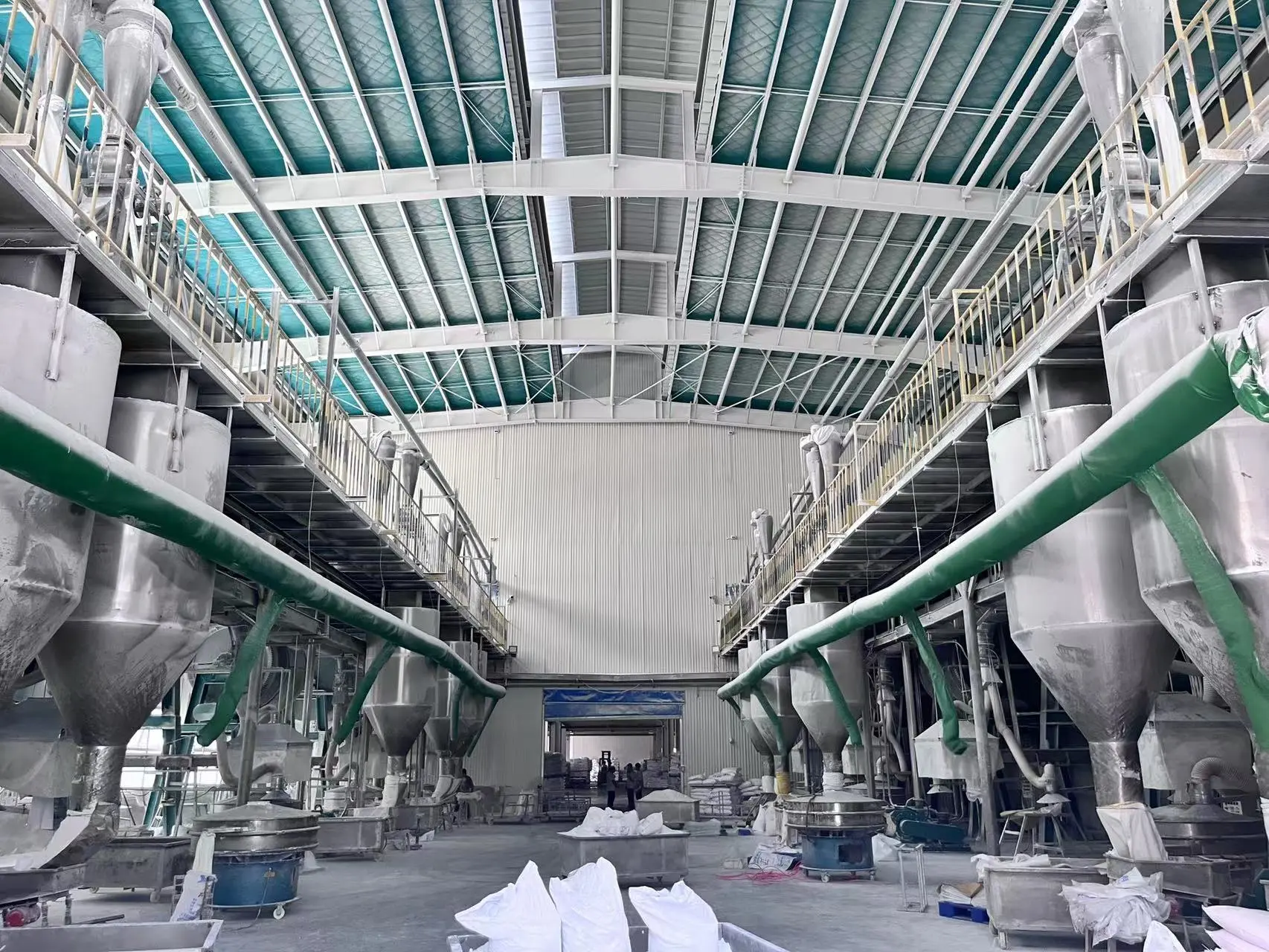
Runtai Chemical Production Area

Shandong Runtai New Materials: Scale, Power, & Infrastructure

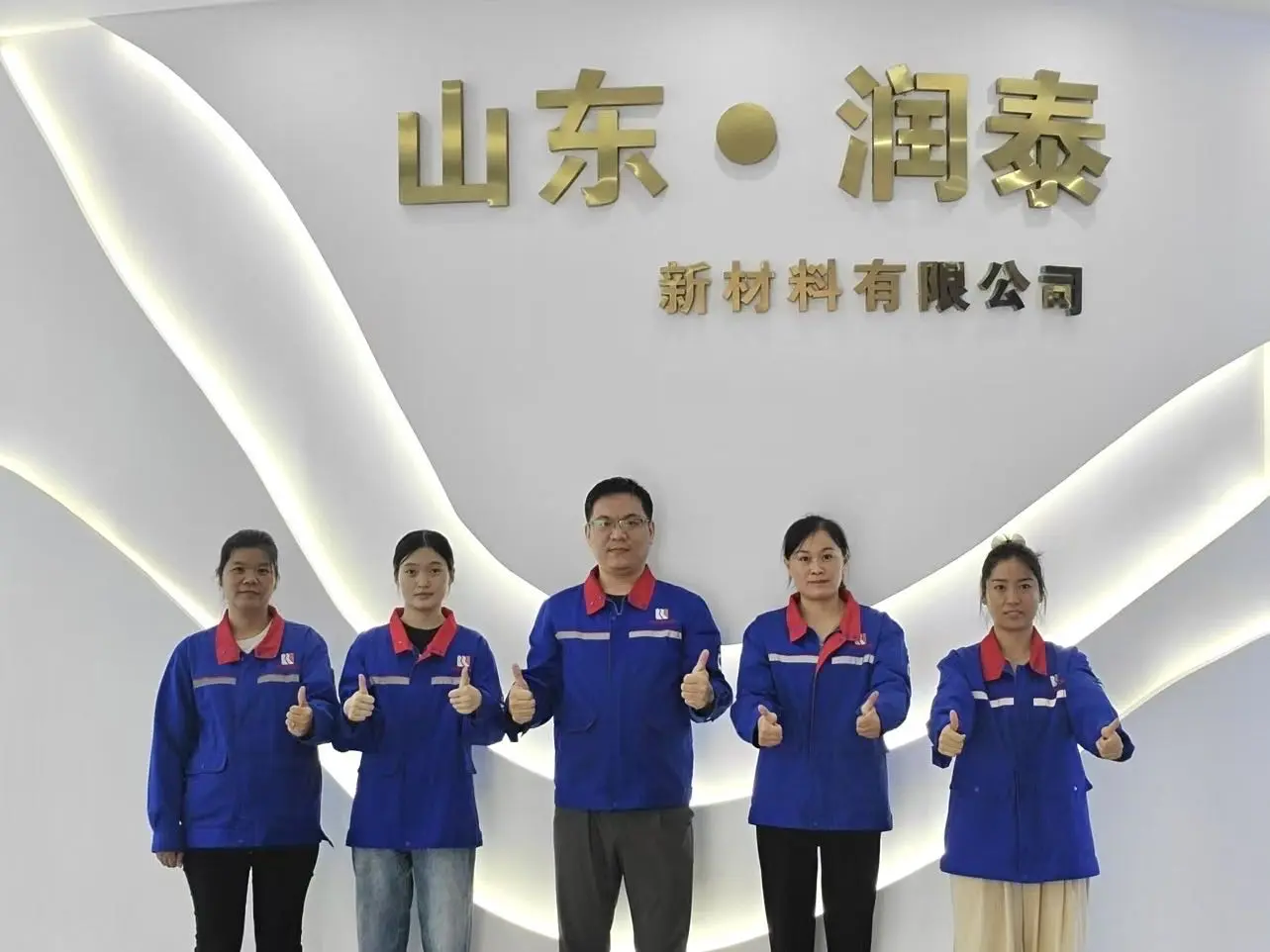
Founded in March 2020 in Zaozhuang City, Shandong Province, Runtai is a premier manufacturer of melamine and formaldehyde derivatives in East China.
380K
Formaldehyde Tons / Yr
300K
Urea Formaldehyde Resin Tons / Yr
60K
Melamine Powder Tons / Yr
2.06B
Total Investment (RMB)
Production Capacity Control Plant

Advanced DCS Controls and Yield Management

Our infrastructure covers over 270,000 square meters, incorporating advanced automation systems to maintain precise reaction profiles. To ensure environmental compliance and personnel safety, we utilize the Distributed Control System (DCS).

  • Automated Vapor Extraction: Minimizing human contact with formaldehyde fumes throughout synthesis and storage stages.
  • Stable Temperature Controls: Eliminating temperature-spikes that cause premature paraformaldehyde precipitation.
  • Resource Recycling loops: Capturing and recycling process off-gases into thermal energy to reduce our carbon footprint.
  • 80% Domestic Market Share: Serving major industrial clients across China while expanding to global shipping routes.

Global Trends: Sourcing Safely in the Era of Chemical Restrictions

The regulatory and environmental guidelines around formaldehyde derivatives are shifting. Sourcing operations must balance material properties with changing safety standards.

Eco-Friendly Formulations

Markets now require ultra-low free formaldehyde formulations. Buyers are seeking alternative binder systems that comply with global emissions laws while maintaining high adhesive strength.

Rigid Compliance

Procuring raw resins requires compliance with EPA TSCA Title VI, CARB Phase 2, and REACH regulations. Non-compliant imports face containment at borders, leading to project delays.

Supply Chain Reliability

B2B buyers are looking for suppliers with large-scale capacity, reducing vulnerability to regional raw material shortages and transport disruptions.

China Factory 4.0: Runtai's Structural and Logistical Strengths

Under China's modern manufacturing transition, chemical production has changed. Runtai New Materials has constructed an integrated industrial chain where formaldehyde is synthesized on-site, feeding directly into our downstream resin plants. This closed loop minimizes logistics and transit hazards, while significantly lowering emissions.

By partnering with academic institutions such as the Changzhou Research Institute of Beijing University of Chemical Technology, we keep our technical processes current. Our doctoral R&D teams constantly optimize the mole ratios of our polymers, ensuring that our products like Urea Moulding Compound (UMC) and Melamine Moulding Compound (MMC) contain minimized free formaldehyde, satisfying both regulatory compliance and high-performance physical property requirements.

Sustainability and Chemical Synthesis Research

Targeted Industrial Application Scenarios

How our polymer derivatives serve primary global manufacturing sectors, delivering reliable performance under varied operating conditions.

Wood-Based Composites & Particle Board

Our Urea Formaldehyde Resin is used to produce structural MDF, HDF, and plywood. It provides structural integrity and reliable bonding under humid conditions, while complying with emission caps.

High-End Melamine Kitchenware & Moldings

Using our high-purity Melamine Moulding Compound (MMC) and Glazing Powder, manufacturers create scratch-resistant, heat-stable, and food-grade kitchenware and sanitary fittings.

Automotive Parts & Electrical Systems

Our high-strength Phenolic Resins are used in brake pads, friction linings, engine moldings, and electrical switchgear where thermal stability and electric insulation are required.

Water-Based Additives & Specialty Defoamers

Our acrylic acid-based thickeners and mineral oil defoamers ensure stable rheological control and foam mitigation in paints, adhesives, and textile processing.

Certified Quality & Intellectual Patents

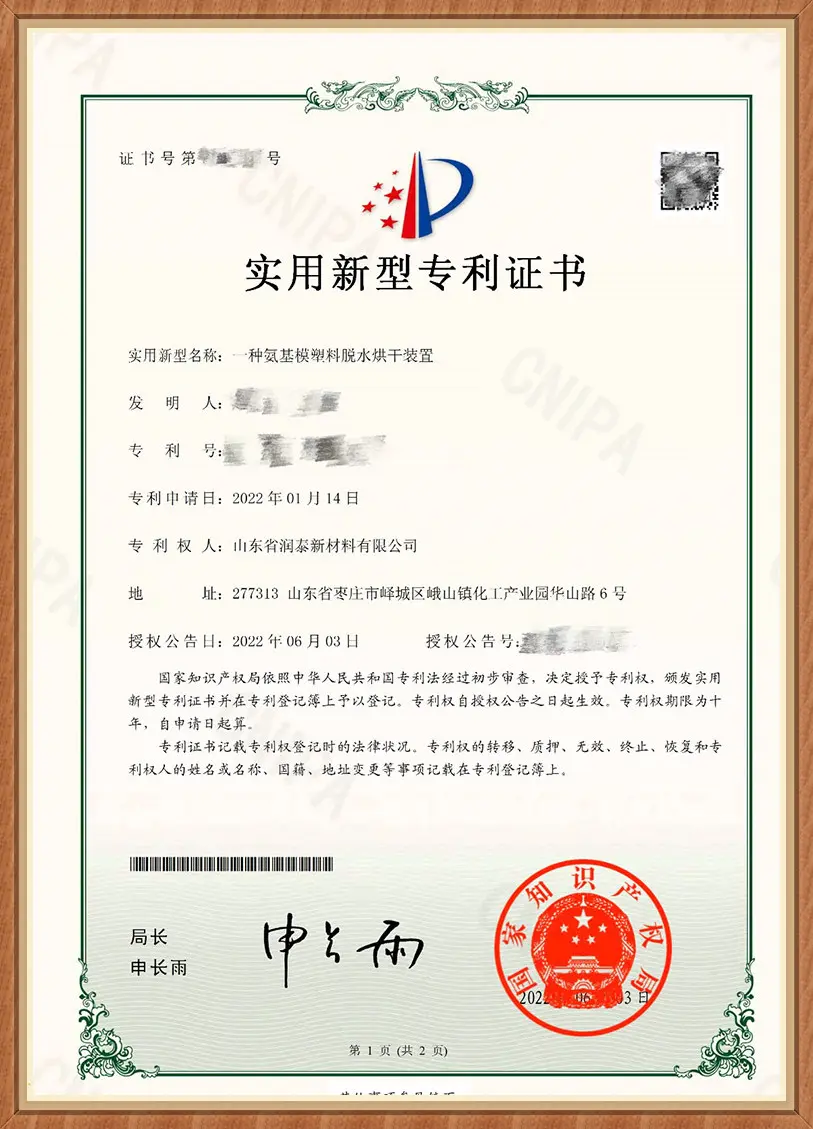
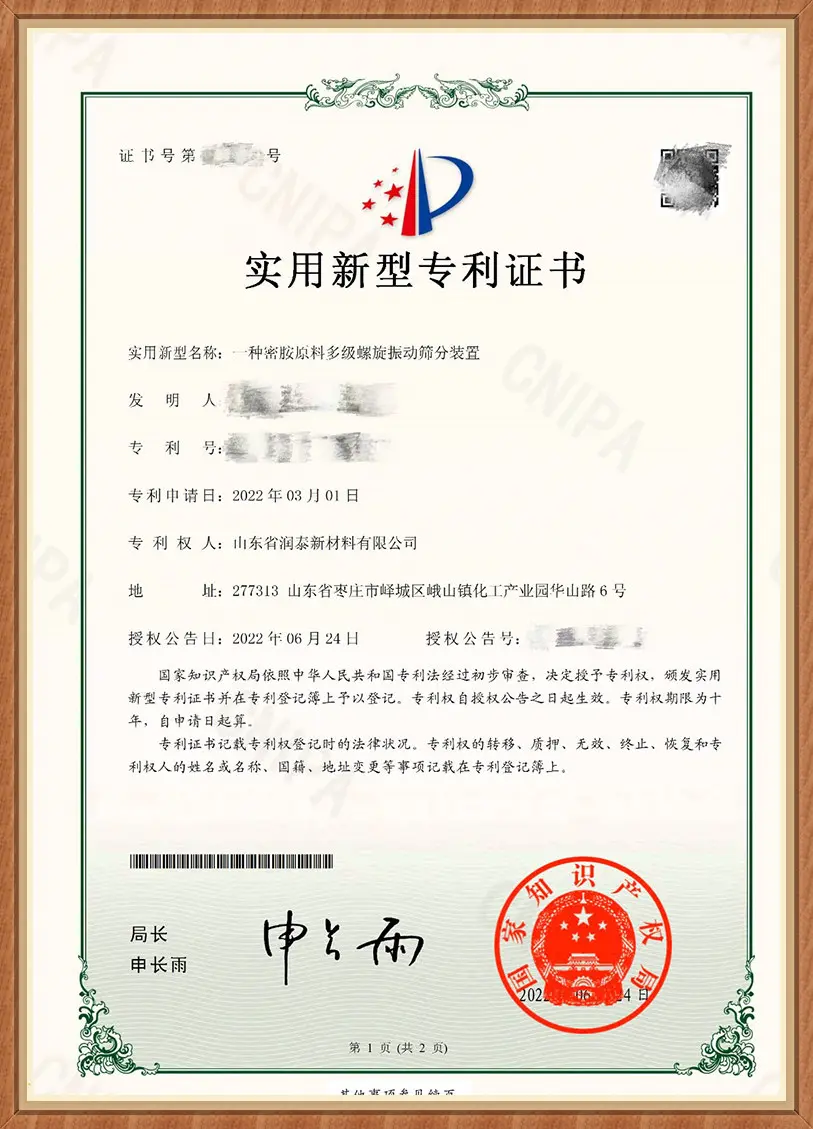
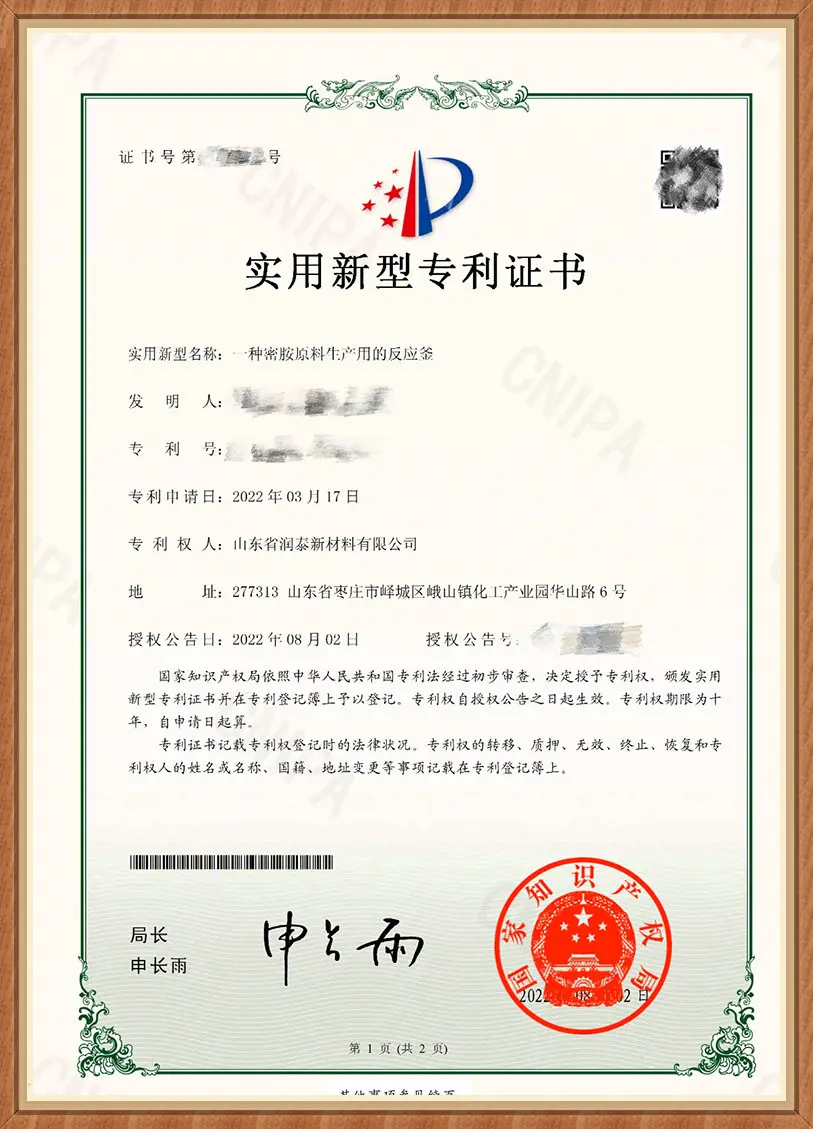
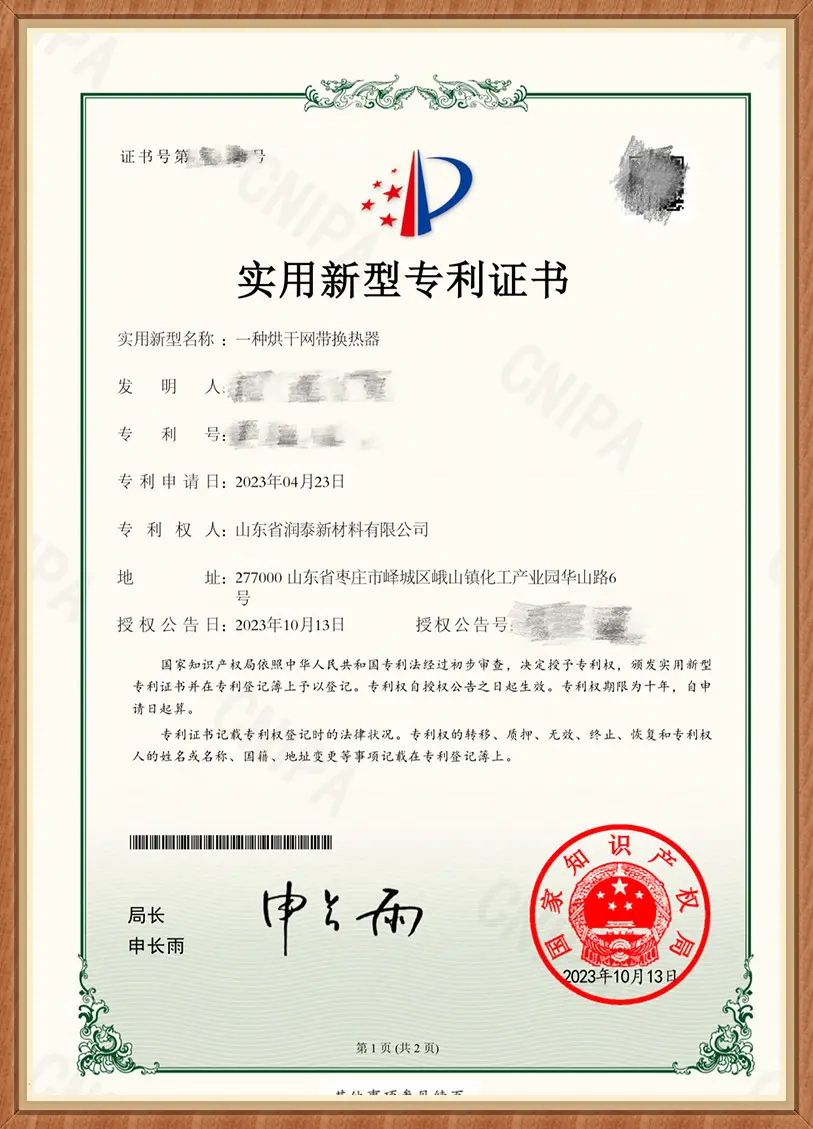
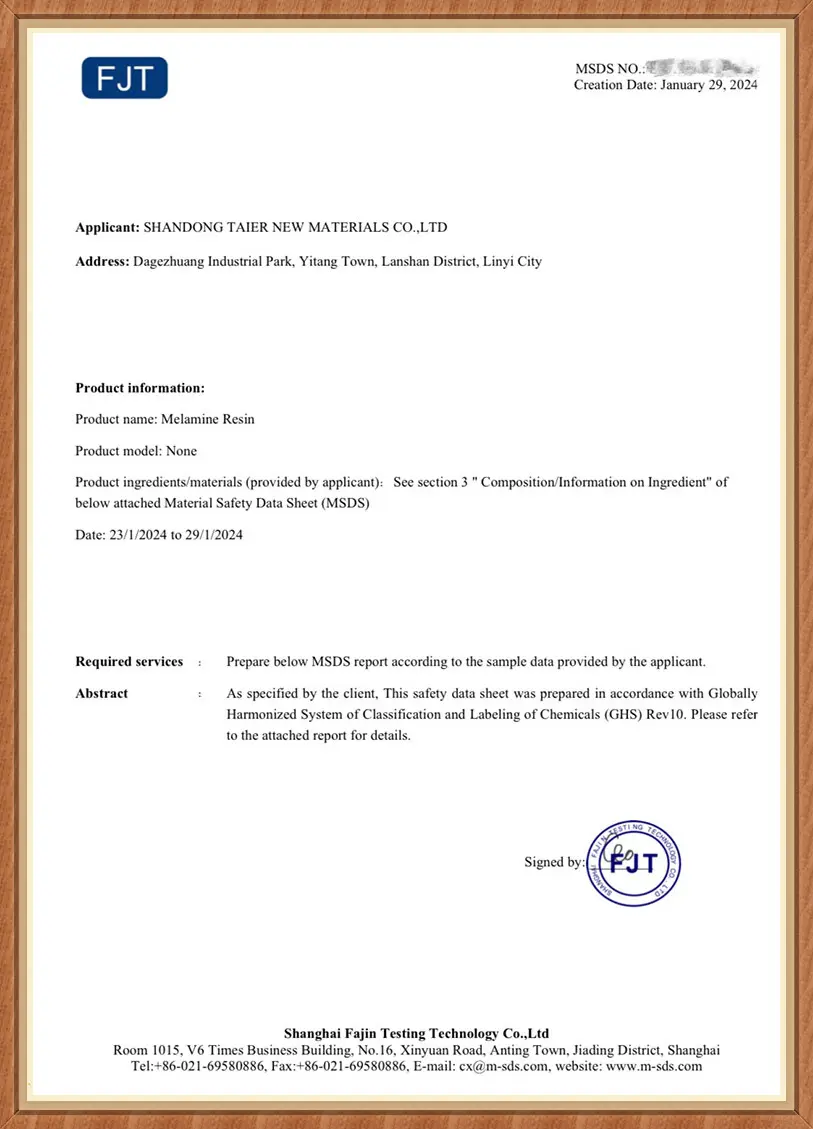
Our processes conform to global chemical safety and quality management criteria. Browse our certification portfolio below.
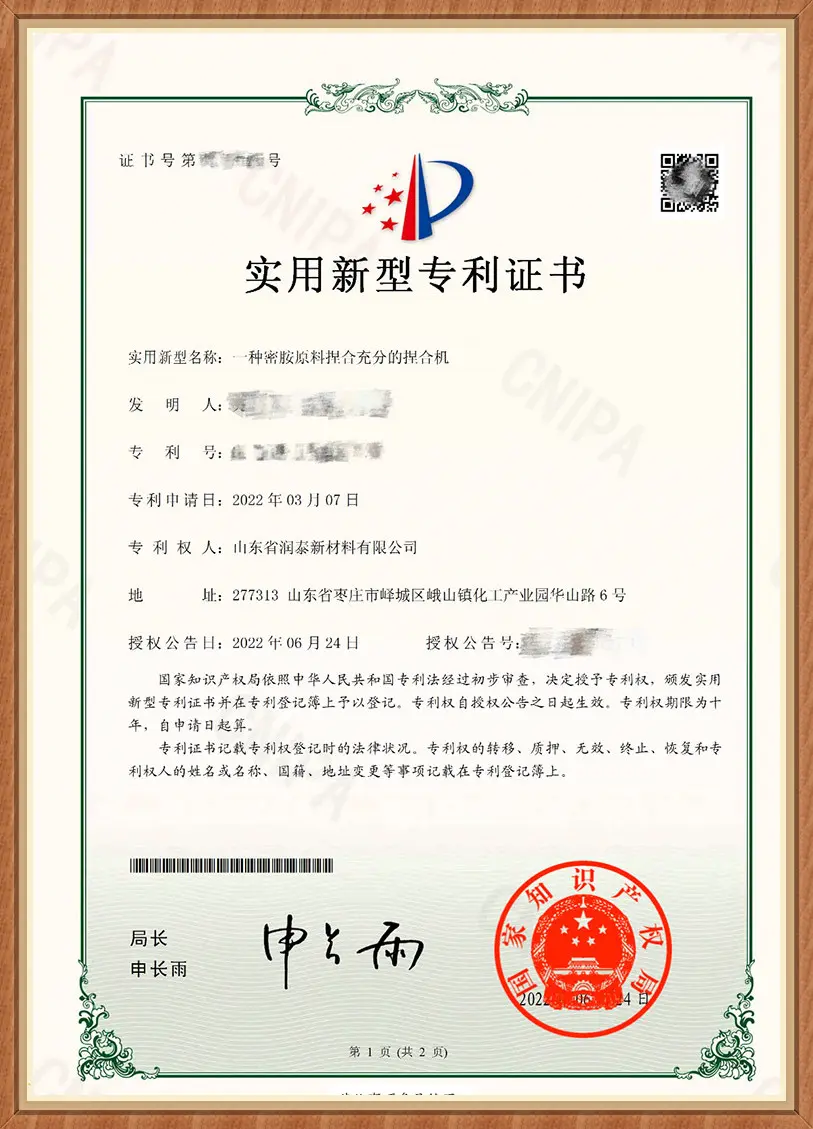
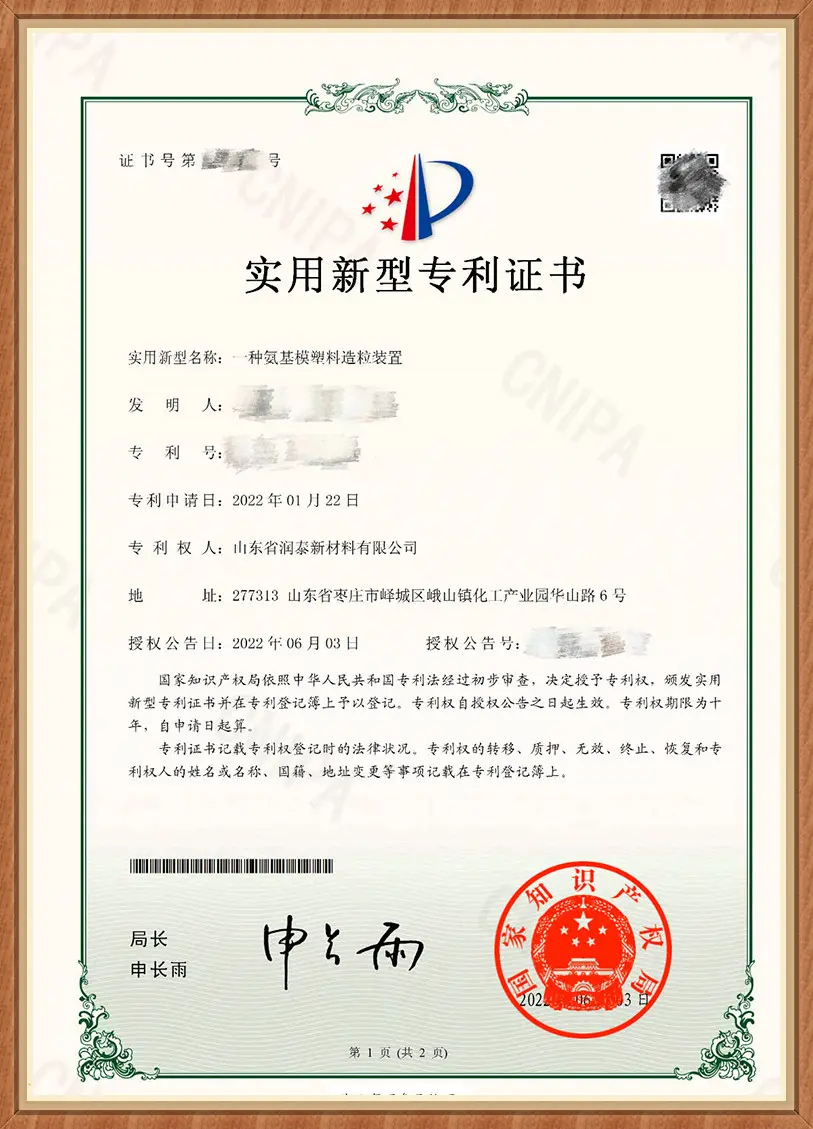
Quality Certificate 1
Quality Certificate 2
Quality Certificate 3
Quality Certificate 4
Quality Certificate 5
Quality Certificate 6
Quality Certificate 7
Quality Certificate 8

Technical Strengths of Runtai New Materials

Our engineering practices and supply capabilities ensure stability and quality for global industries.

High Market Share

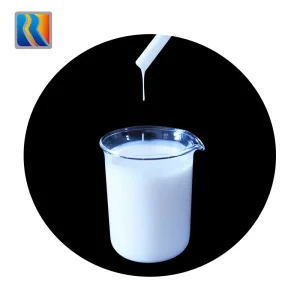
Our melamine materials and resin formulations maintain a leading market share in China, providing pricing stability and dependable supply lines.

Advanced Technology

Our DCS integration controls parameters across the entire production line. This helps minimize energy use and emissions while maintaining product consistency.

High-End Equipment

We source testing and processing equipment internationally. This allows us to reduce labor intensity, lower costs, and perform accurate quality testing.

Long Industrial Chain

We process formaldehyde into multiple derivative resins, molding materials, and industrial additives under one integrated production footprint.

Expert Q&A: Navigating Sourcing, Safety, & Chemistry

Clear, direct technical answers regarding the handling, safety, and application of formaldehyde-based compounds.

Q1: Why is Formalin categorized as a carcinogen, and how does your factory manage this exposure risk?
Formalin (gaseous formaldehyde dissolved in water) is classified by the WHO's IARC as a Group 1 carcinogen due to its potential to cause respiratory irritation and chronic health effects through vapor inhalation. Our facility manages this risk by using sealed, closed-loop reactor systems under DCS automation. Air scrubbers and active carbon columns extract and treat trace vapors before they reach the work area, keeping personnel exposure well below international limits (OSHA PEL: 0.75 ppm).
Q2: How does Paraformaldehyde compare to liquid Formalin in terms of storage safety and handling?
Paraformaldehyde (PFA) is the solid polymer form of formaldehyde, typically containing 91% to 96% active agent. For overseas shipping and storage, PFA is generally safer to handle than liquid formalin because it avoids liquid spills, reduces cargo weight, and is less subject to transport restrictions. It also resists precipitation at low temperatures. In industrial processes, PFA is depolymerized back into active formaldehyde monomers by heating or adjusting the pH, making it convenient for downstream resin synthesis.
Q3: Can Urea Formaldehyde Resin satisfy strict low-formaldehyde emission standards such as CARB Phase 2?
Yes. Standard Urea Formaldehyde (UF) resins can release free formaldehyde over time. However, our R&D team has developed low-free-formaldehyde formulations by adjusting the urea-to-formaldehyde molar ratio (F:U) and introducing chemical scavengers. This ensures the cured wood boards comply with CARB Phase 2 and EPA TSCA Title VI standards (<0.05 ppm emission limits) without compromising bonding strength.
Q4: What parameters are critical to check when ordering bulk Melamine Moulding Compounds (MMC)?
Key technical parameters include flow rate (plasticity), molding temperature range, curing time, particle size distribution, and heavy metal limits. For tableware manufacturers, conformity to FDA, EU 10/2011, and LFGB food contact certifications is critical. We perform batch testing using high-pressure liquid chromatography (HPLC) to guarantee that all MMC lots maintain consistent curing speeds and structural stability under high compression molding pressure.
Q5: How does the integration of DCS automation impact final product stability?
DCS (Distributed Control System) monitors parameters like reaction temperatures, mixing speeds, and monomer feed rates in real time. For exothermic reactions like the synthesis of Phenol-Formaldehyde (Phenolic) resin, even small temperature changes can affect molecular weight distribution. Our DCS setup automatically corrects deviations, which helps prevent over-condensation and ensures consistent product viscosity, curing speed, and long-term shelf life.
Q6: What steps are taken to ensure secure packaging and shipping for long-distance transport?
For powders like MMC and UMC, we use multi-layer, moisture-resistant PE/PP woven bags or high-strength bulk containers to prevent moisture absorption. For liquid formulations, we use thick-walled, UV-stabilized IBC tanks or bulk ISO containers. Every export shipment includes updated Safety Data Sheets (SDS), certificates of analysis (COA), and customs declarations to ensure safe transport through international ports.