Explore our flagship industrial chemical reagents, customized polymer resins, and high-purity processing additives manufactured under stringent E-E-A-T guidelines.
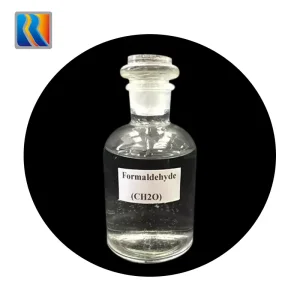
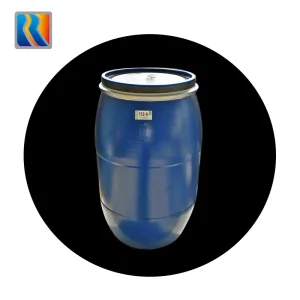
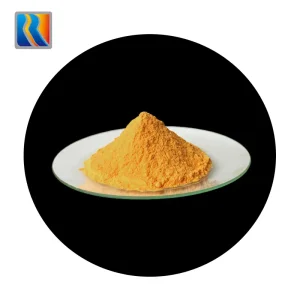
Formaldehyde liquid (methanal, CH₂O), typically commercialized as a 37% to 50% aqueous solution (formalin), serves as a foundation block in organic synthesis and industrial chemistry. Across international supply chains, industrial sourcing agents look for manufacturers that can ensure strict control of impurities (especially methanol and formic acid), high volume consistency, and robust regulatory compliance.
In Europe, the Americas, and Southeast Asia, current sourcing requirements emphasize sustainability metrics alongside performance standards. Large-scale procurement plans demand long-term supply predictability to feed massive polymer production units. At Shandong Runtai New Materials Co., Ltd., we tackle these demands through integrated chemical setups, minimizing downstream volatility for global buyers.
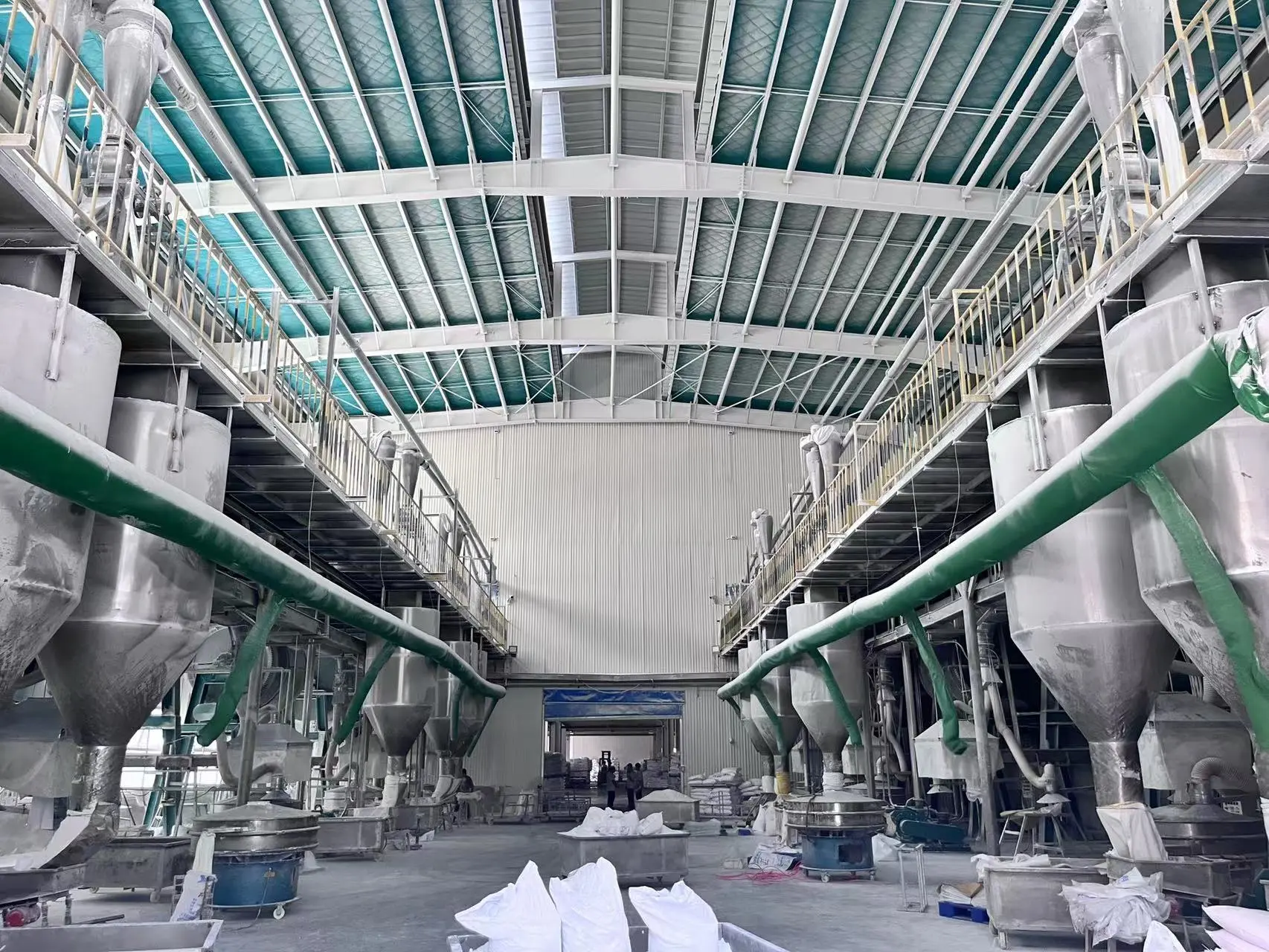
Establishing dominance in modern chemical processing through extensive capacity and infrastructural investments.
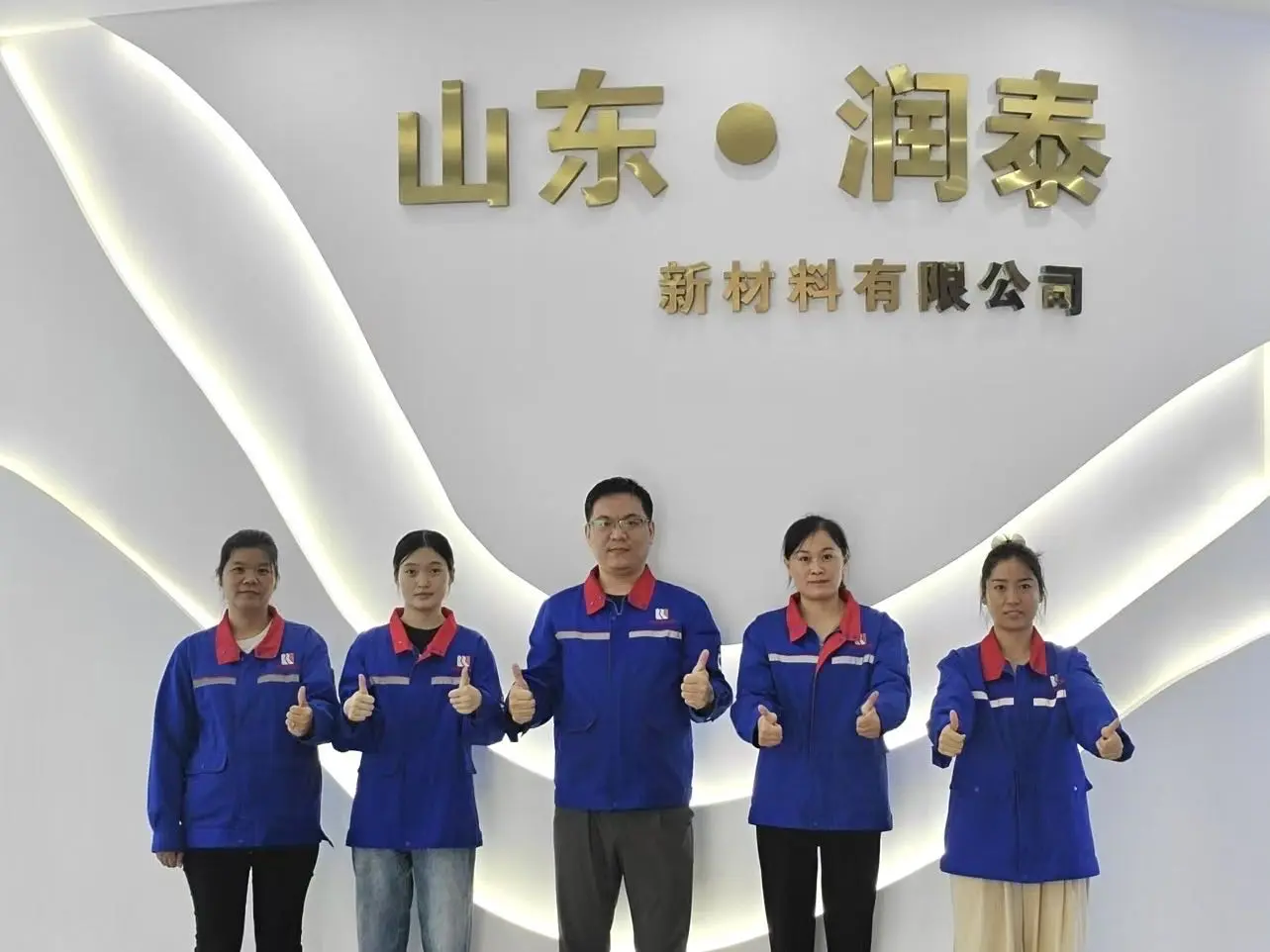
Runtai New Materials leverages an integrated industrial chain value proposition. By utilizing our massive 380,000-ton formaldehyde supply directly inside our production complexes, we synthesize downstream polymers like Urea-Formaldehyde (UF) resins, Melamine Moulding Compounds (MMC), and Paraformaldehyde with minimal transport overhead and zero exposure to environmental contaminants.
This closed-loop system directly benefits industrial end-users across several fields:
Pioneering automated process optimization to achieve chemical stability and batch-to-batch consistency.
Our plant operates via an advanced Distributed Control System (DCS) allowing real-time monitoring of pressure, temperature, and reactor concentrations, guaranteeing high yields and extremely low levels of byproduct formic acid.
Using next-generation metal oxide catalysts in the oxidation process allows us to achieve higher formaldehyde concentration levels (up to 55%) without requiring post-reaction distillation, saving massive thermal energy.
In partnership with the Changzhou Research Institute of Beijing University of Chemical Technology, our PhD-led R&D team continuously files international patents and creates innovative formulations for water-based systems.
By investing in state-of-the-art laboratory testing equipment, including Gas Chromatography (GC) and High-Performance Liquid Chromatography (HPLC) setups, Shandong Runtai verifies that every batch of Formaldehyde Liquid complies with target levels for active content, methanol stabilization ratios, and trace metal contents.
Operating a chemical manufacturing plant with a total capacity exceeding 700,000 tons of derivative products requires strict adherence to international safety regulations. Runtai New Materials prioritizes sustainable manufacturing processes to minimize emissions and energy consumption.
Our facilities are fully certified according to ISO 9001:2015, ISO 14001:2015, and ISO 45001:2018 standards. In terms of downstream applications, we provide product certifications verifying compliance with EPA TSCA Title VI, CARB Phase II, and European REACH registrations. Our safety protocols include specialized storage and transport systems to handle formaldehyde's hazards as a volatile organic compound (VOC).

Established in March 2020 and headquartered in Zaozhuang City, Shandong Province, Shandong Runtai New Materials Co., Ltd. has grown to become a leading comprehensive chemical group specializing in fine chemicals and polymer matrices. Our operations span 270,000 square meters, supported by five domestic branches to ensure reliable regional distribution.
Our commitment to quality first and customer satisfaction drives us to supply chemical materials worldwide. With products exported to the United States, Thailand, Kenya, Egypt, and beyond, our logistics infrastructure handles dangerous goods shipping via road, rail, and sea pipelines under rigorous safety controls.
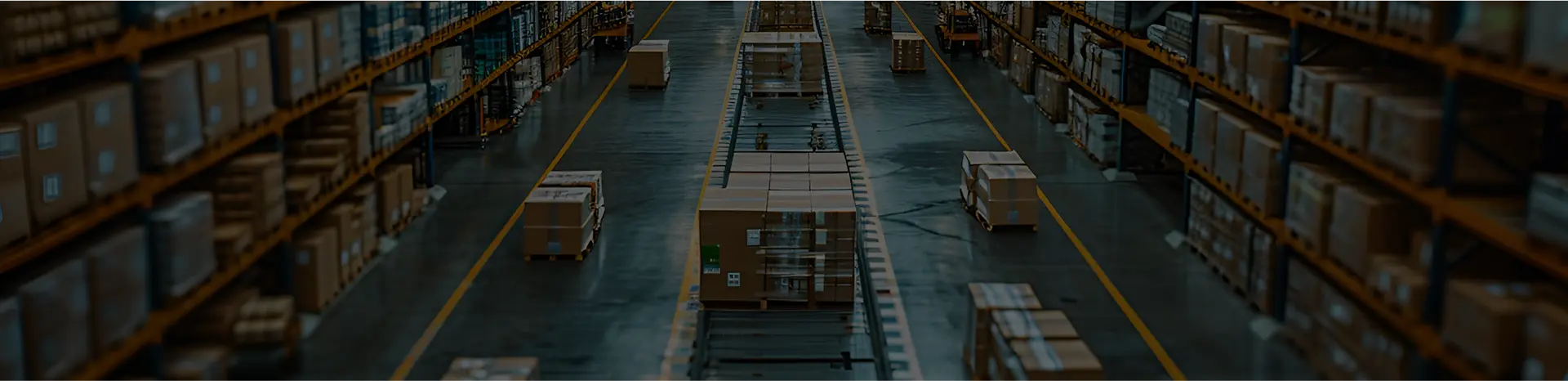
Ensuring compliance, high quality, and continuous innovation through academic partnerships.
Our production facilities utilize modern technology and comply with international manufacturing standards. Through integration with academic research centers, we design new polymer compositions that reduce formaldehyde emission limits in wood adhesives to levels well below the E0 safety threshold.
From testing chemical composition to shipping under precise conditions, our quality assurance systems verify every process parameter. We provide certificate documentation for REACH, ISO, and EPA compliance with every bulk delivery.
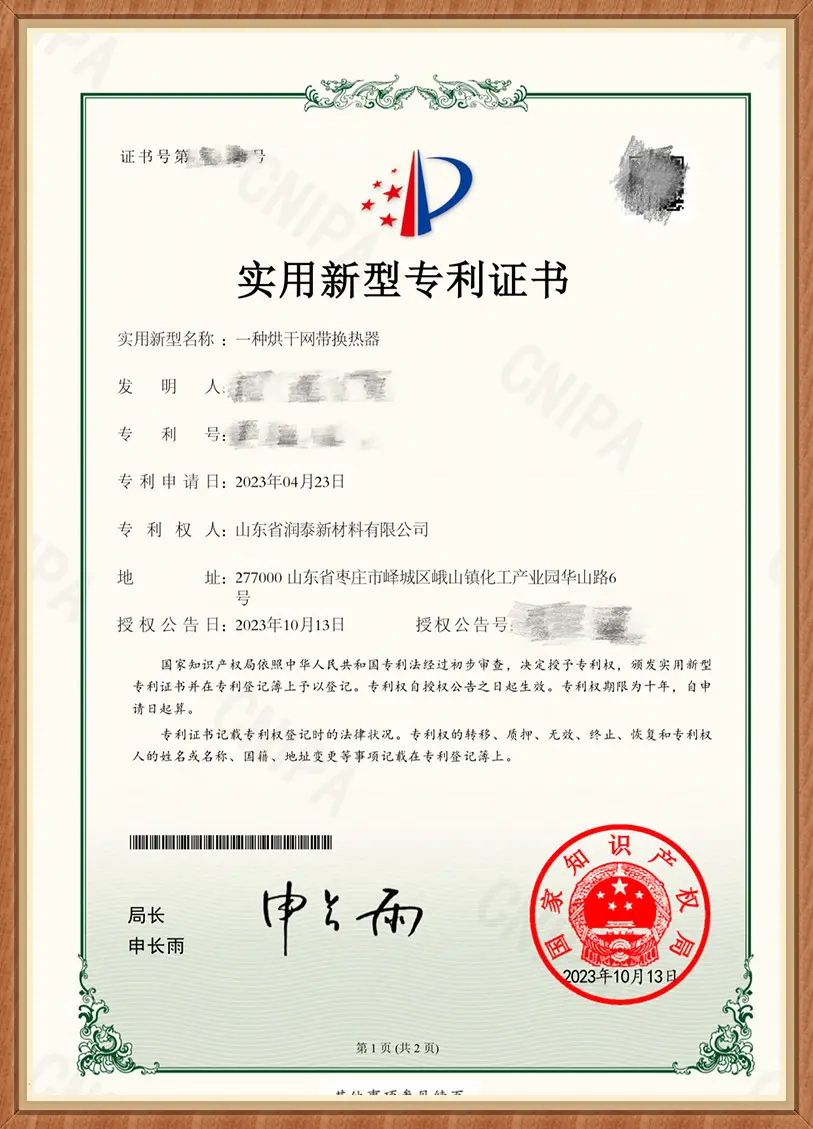
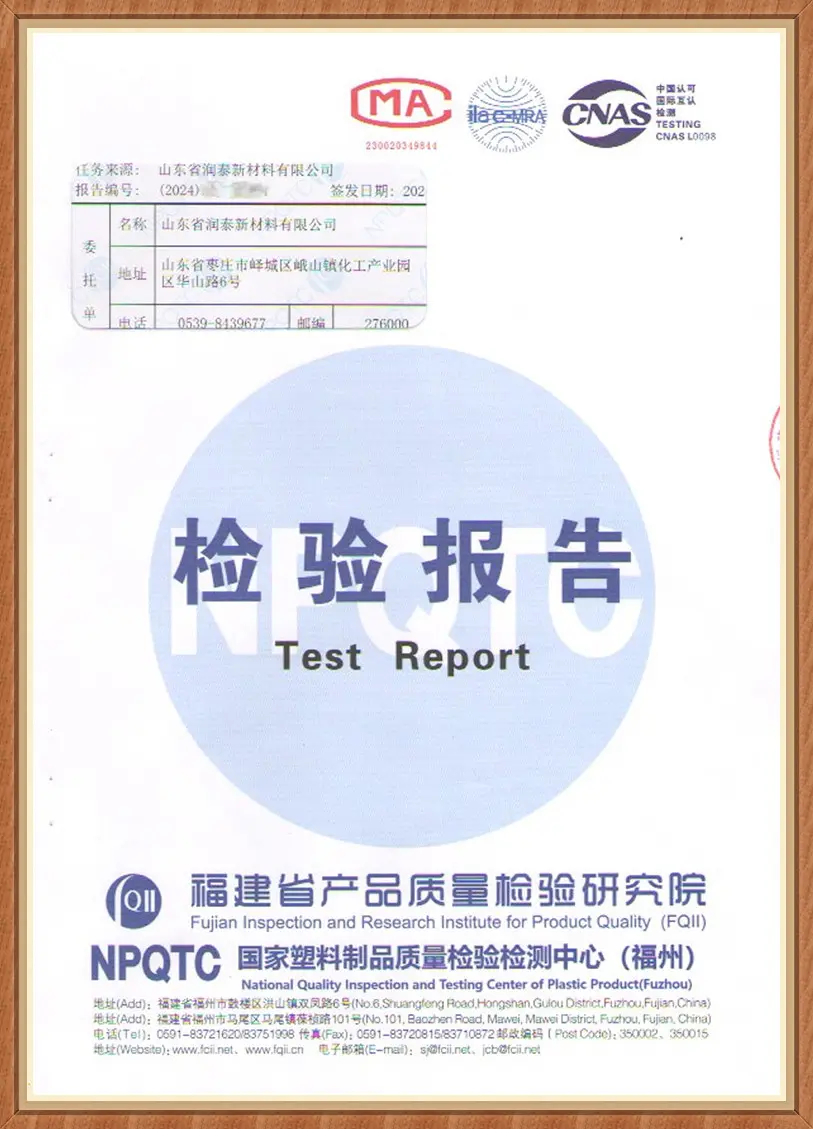
Answering common questions regarding the procurement, storage, safety, and applications of Formaldehyde Liquid.
Complete your chemical supply chain with our range of performance modifiers, moulding resins, and additives.
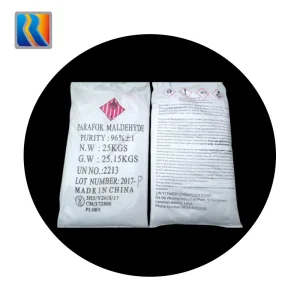
 Runtai