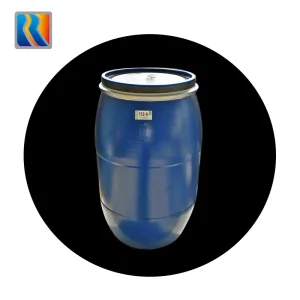
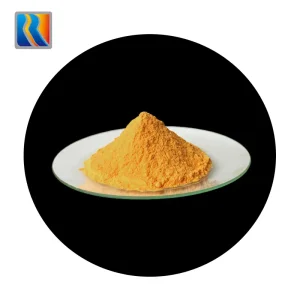
Explore our primary chemical systems optimized for high-durability composite board fabrication and surface protective treatments.
The global engineered flooring market requires advanced adhesives to meet strict strength and environmental standards. Standard MDF, HDF, and plywood flooring use formaldehyde-based polymer backbones (specifically Urea-Formaldehyde and Melamine-Formaldehyde) for moisture resistance, dimensional stability, and durability.
Shandong Runtai New Materials Co., Ltd., founded in March 2020, is a major chemical group based in Zaozhuang City, Shandong Province. With five branches nationwide, we cover 270,000 square meters with a total investment of 2.06 billion yuan. We manufacture the key chemical precursors required for high-strength flooring core-boards, surface overlays, and wear-resistant backing layers.
Understanding the synthesis and performance profiles of modern thermosetting resins in laminate and engineered wood cores.
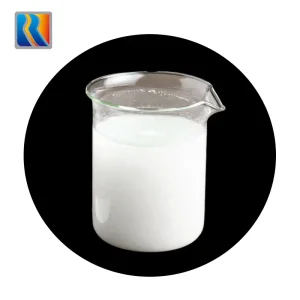
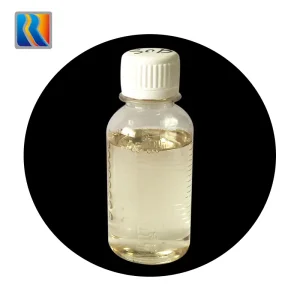
The standard adhesive for indoor wood composites. Our UF formulations feature high crosslinking rates, high bonding strength, and lower curing temperatures, optimizing production speeds for HDF flooring substrates.
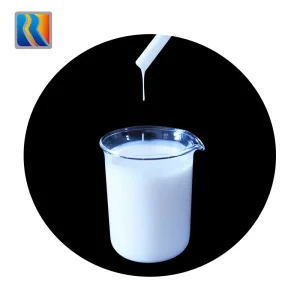
By blending melamine with urea-formaldehyde, we improve moisture and water resistance. Ideal for kitchen-grade and moisture-prone engineered flooring systems requiring low swelling properties.
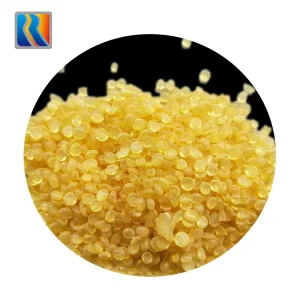
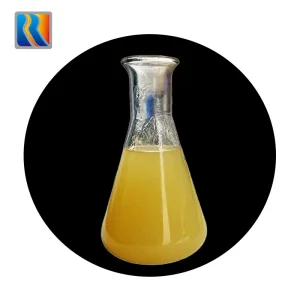
Used for heavy-duty, marine-grade, and exterior-grade composite board laminations. Our phenolic resins provide excellent thermal, weather, and chemical resistance for industrial and subfloor applications.
How Runtai is lowering emission limits and enhancing performance through R&D partnerships.
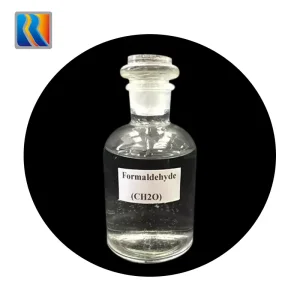
Integrating our upstream formaldehyde production (380,000 tons/year) with our downstream polymerization facilities provides stable supply and competitive pricing for global wholesalers.
Our Distributed Control System (DCS) manages critical process inputs—like temperature curves, pH adjustments, and molar ratio controls—to reduce free formaldehyde in the final resin.
Our R&D team works with the Changzhou Research Institute of BUCT to develop low-emission polymers matching E0, F****, and CARB Phase 2 standards.
We export to the US, Thailand, Kenya, Egypt, and beyond, offering customized viscosity profiles, variable solids content, and adjustable cure speeds to fit client machinery.
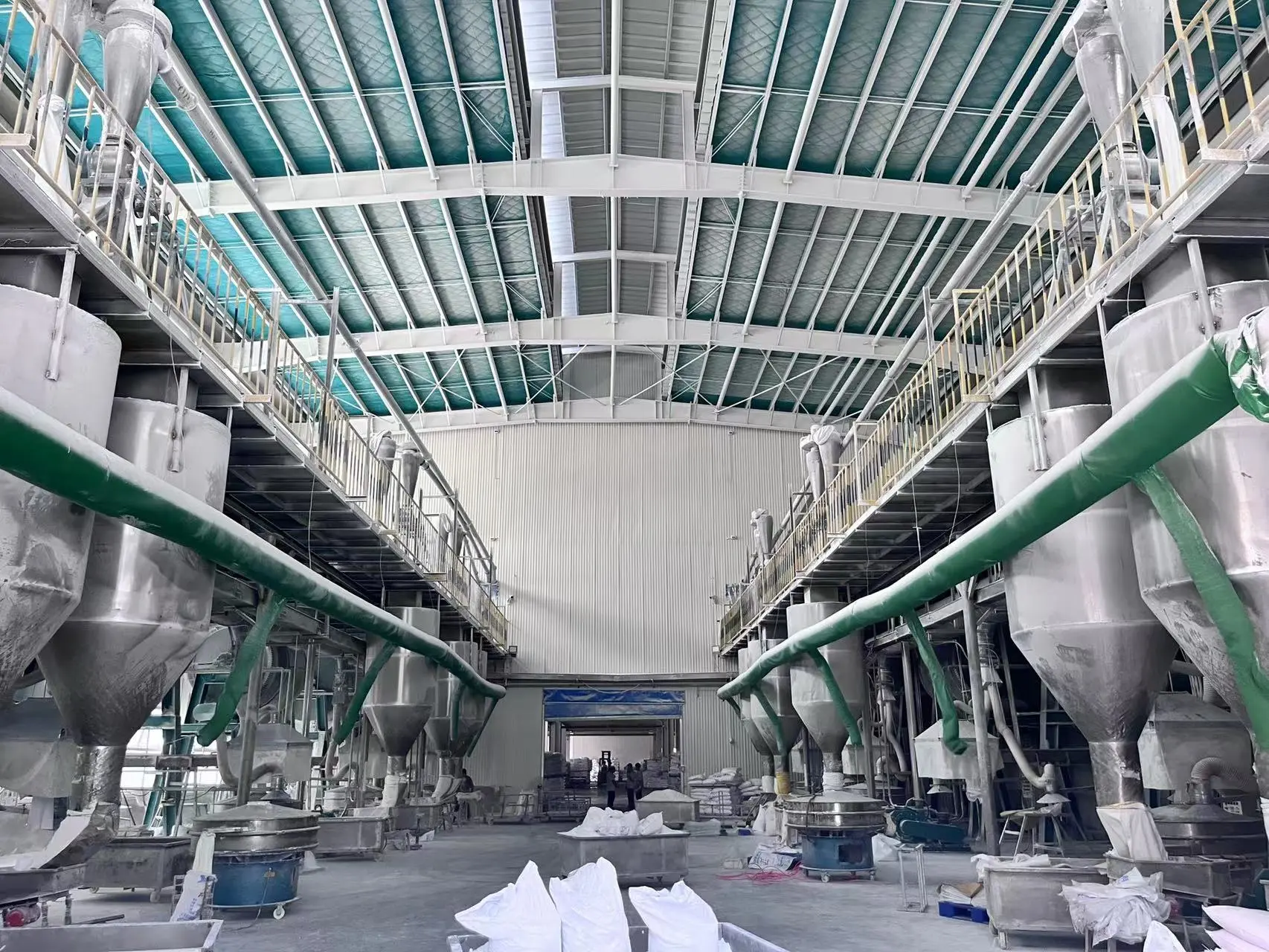
Visual evidence of our automated production facilities, large-scale storage silos, and laboratory facilities.
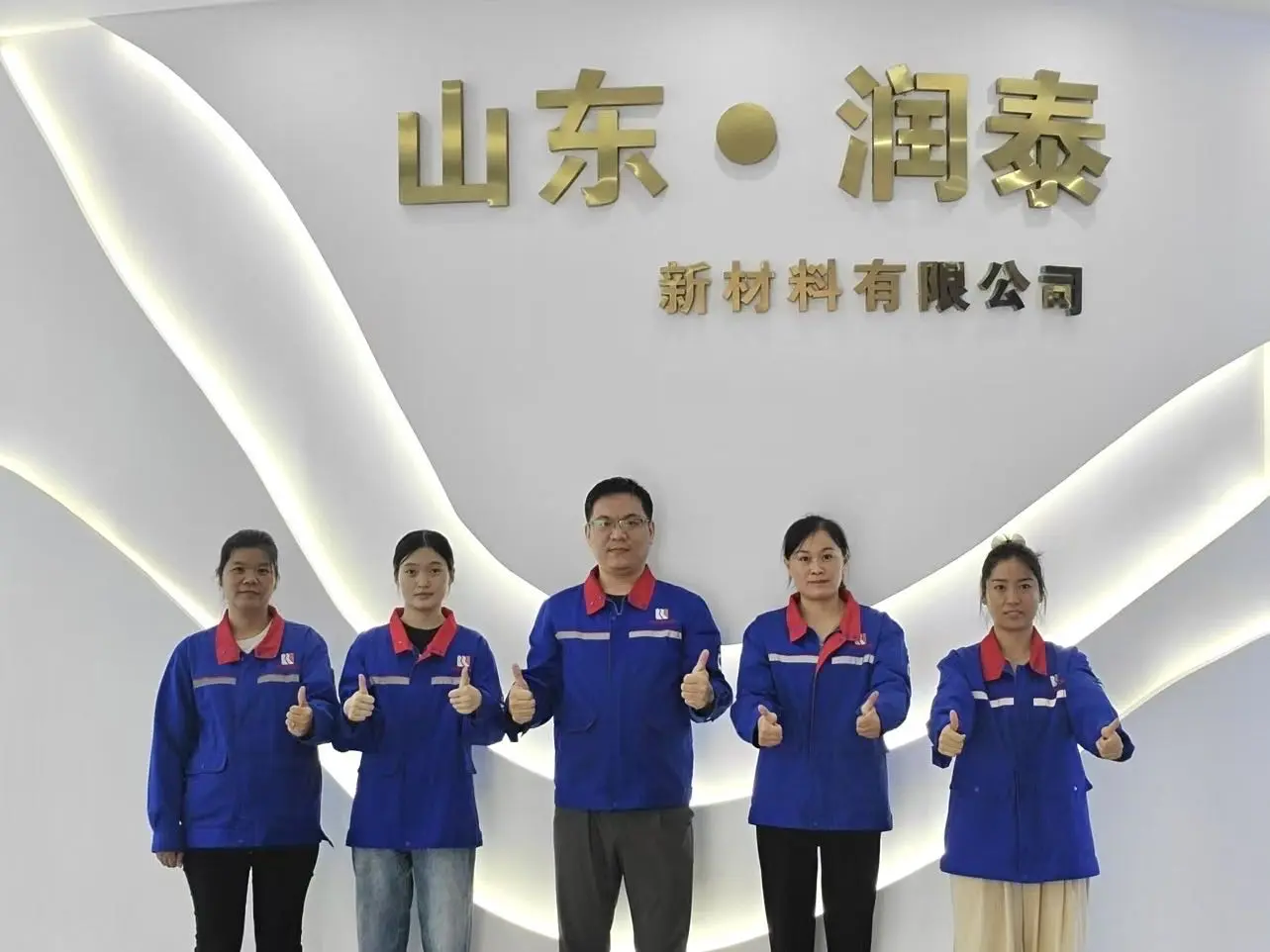


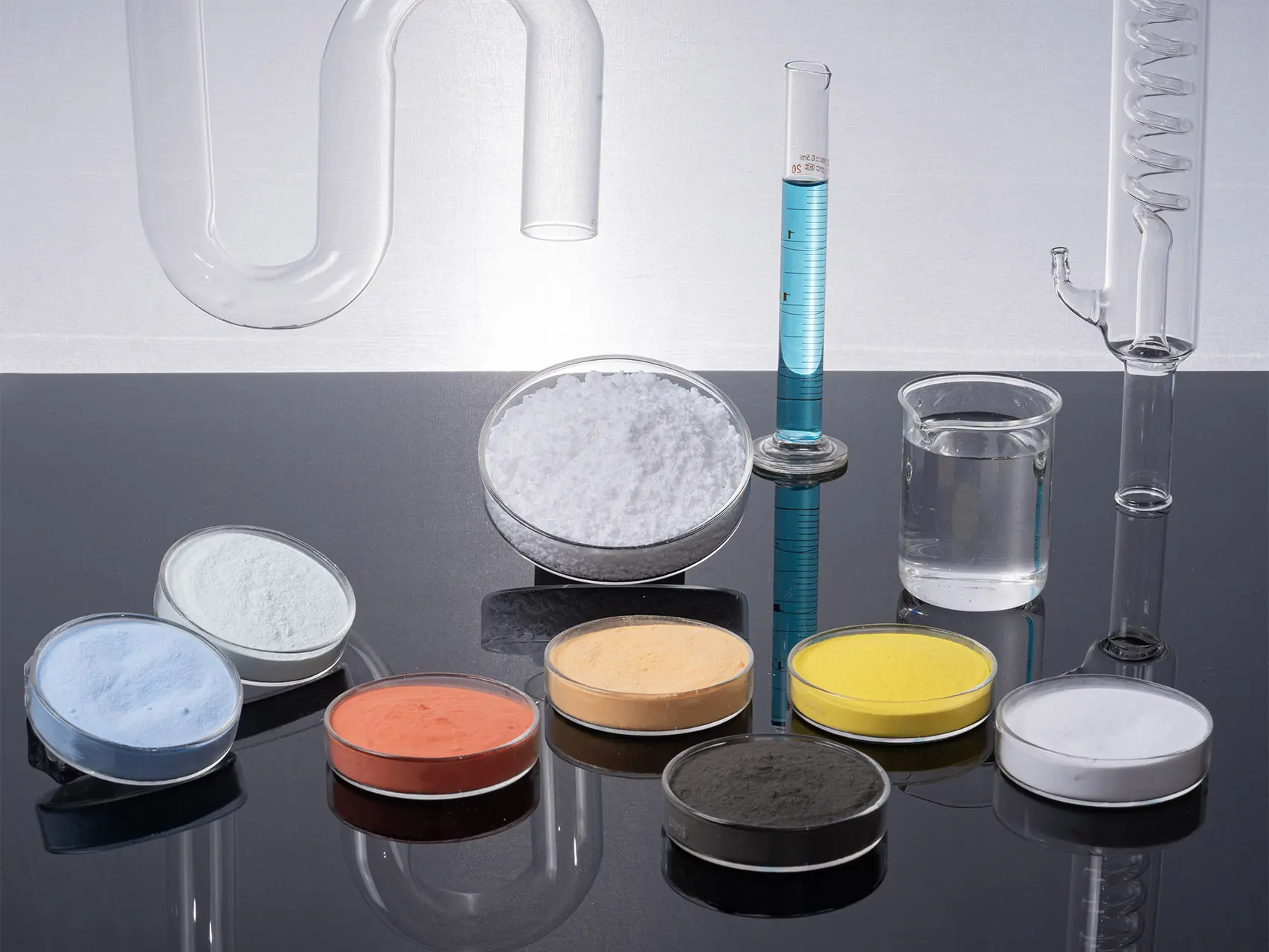
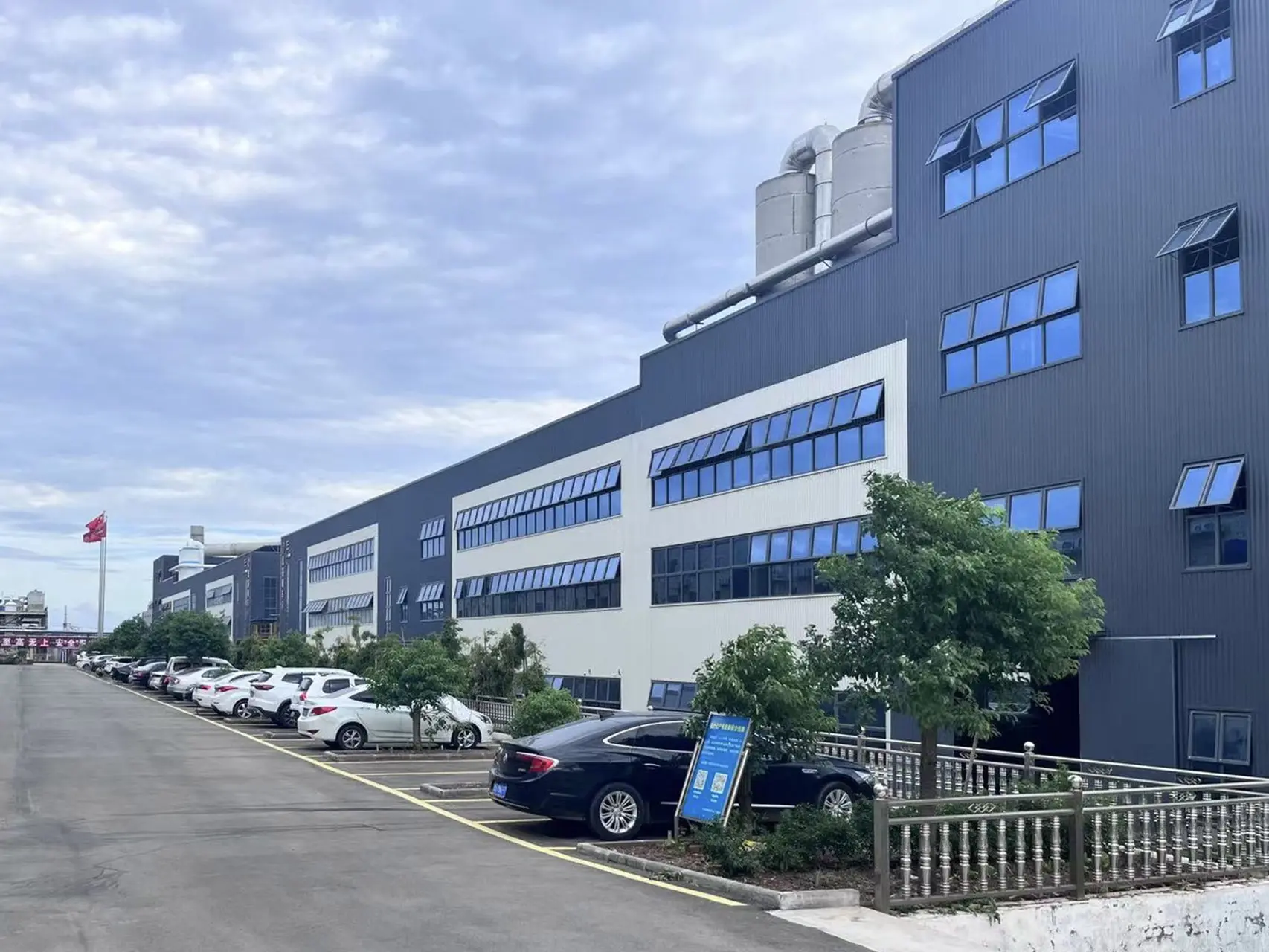
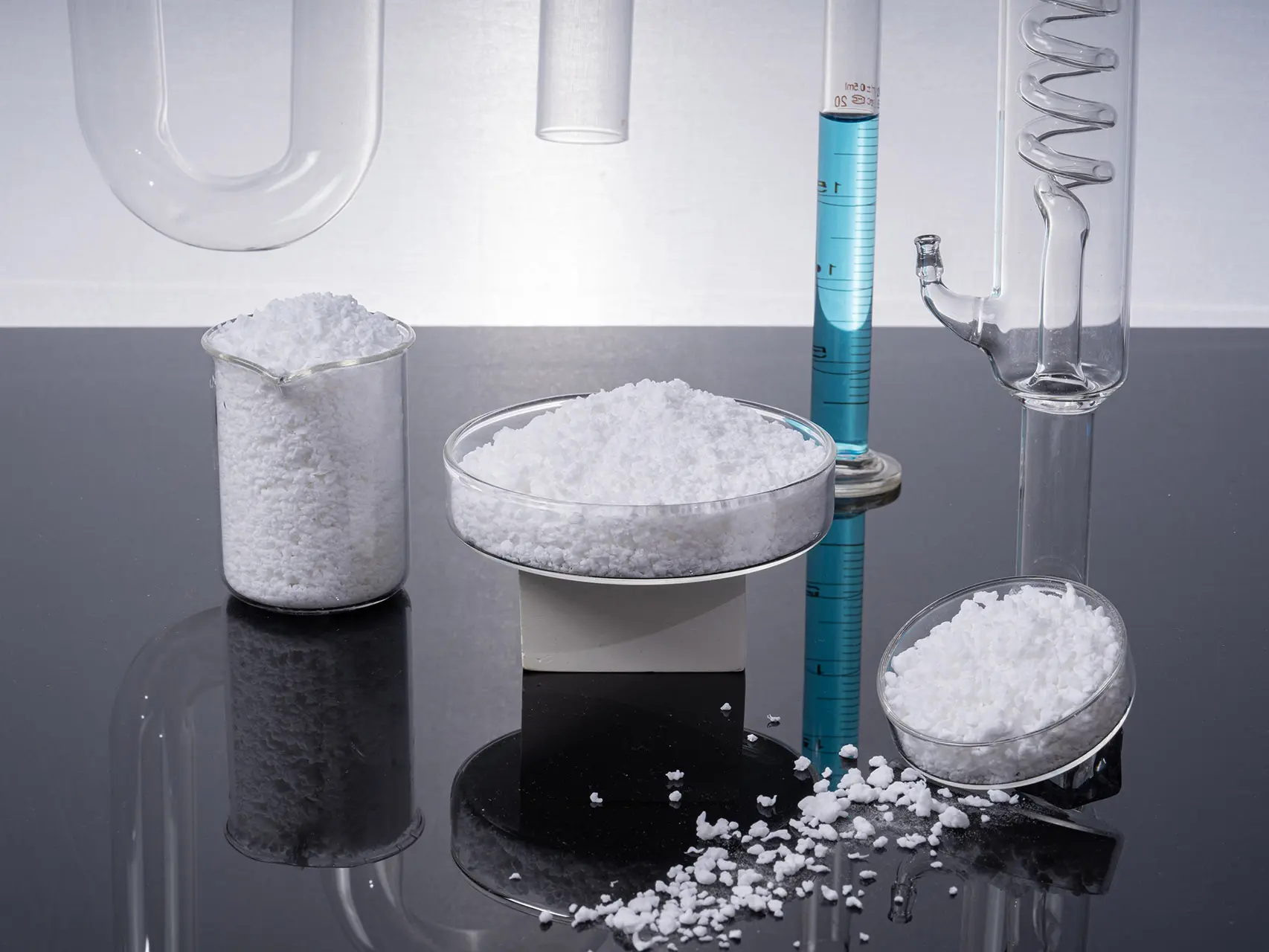
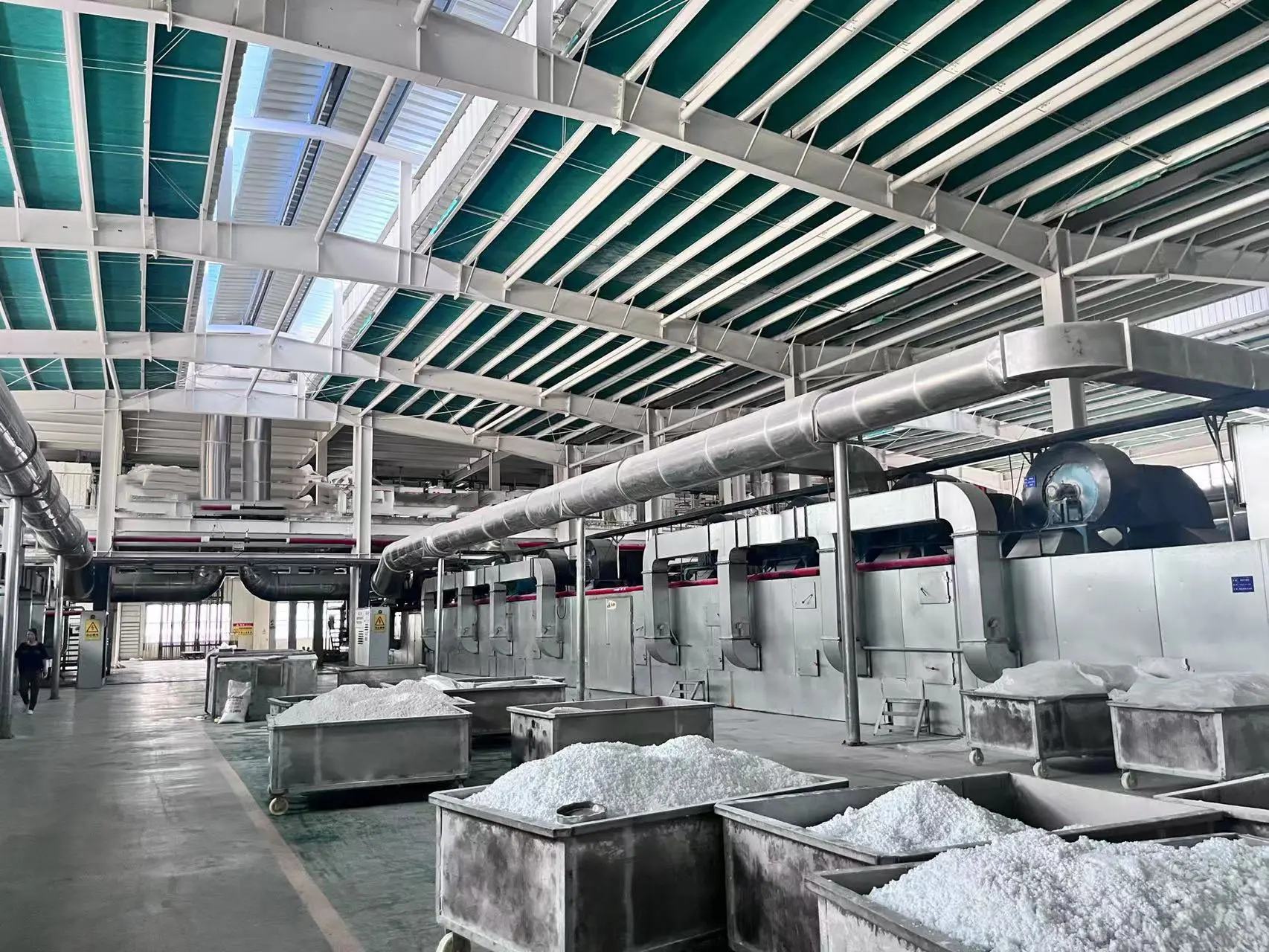
Our structured operational capabilities ensure stable pricing, consistent chemical purity, and high reliability.
Following the completion of our melamine project, Runtai New Materials has grown into a major Chinese enterprise for the research, production, sales, and application of formaldehyde-derived chemical materials.
We choose production systems focused on safety, stable operation, energy efficiency, and resource utilization. We use advanced DCS (Distributed Control Systems) to manage process parameters, ensuring consistent quality and lowering raw material consumption.
We use modern, reliable production and testing devices from domestic and international suppliers. Automation helps reduce manual labor, increase productivity, and lower testing and production costs.
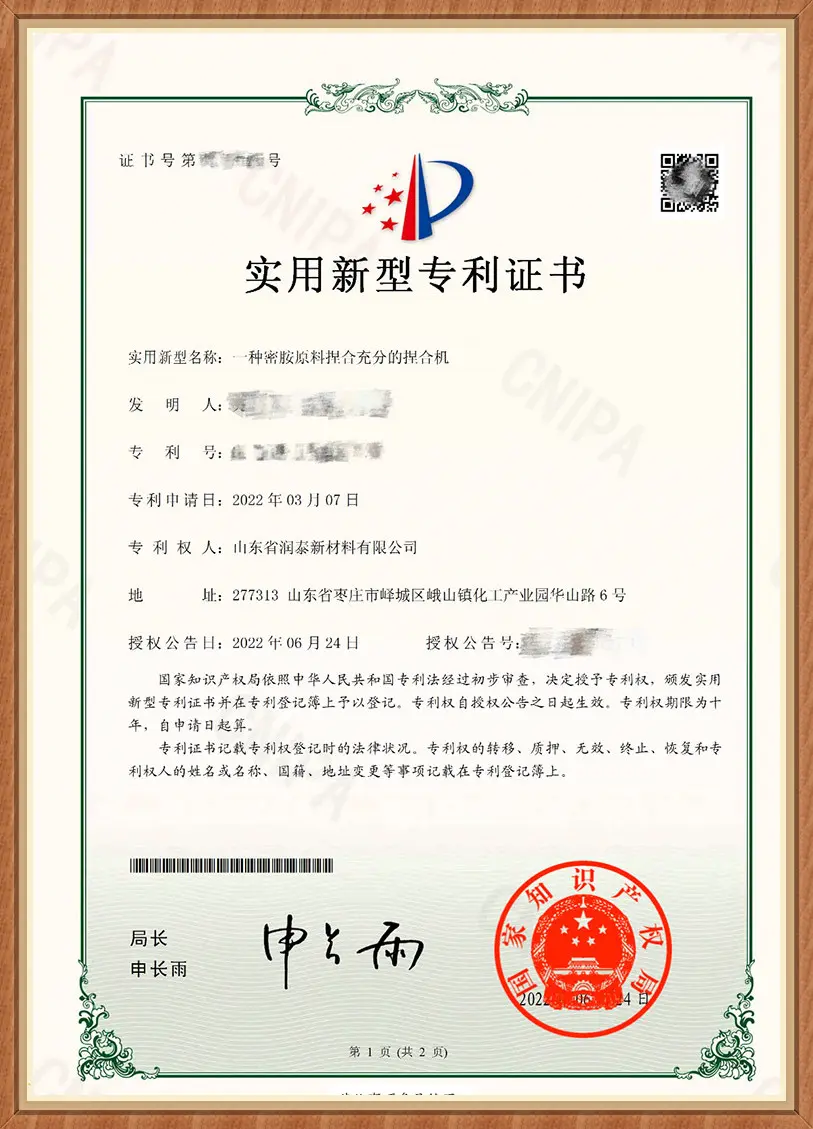
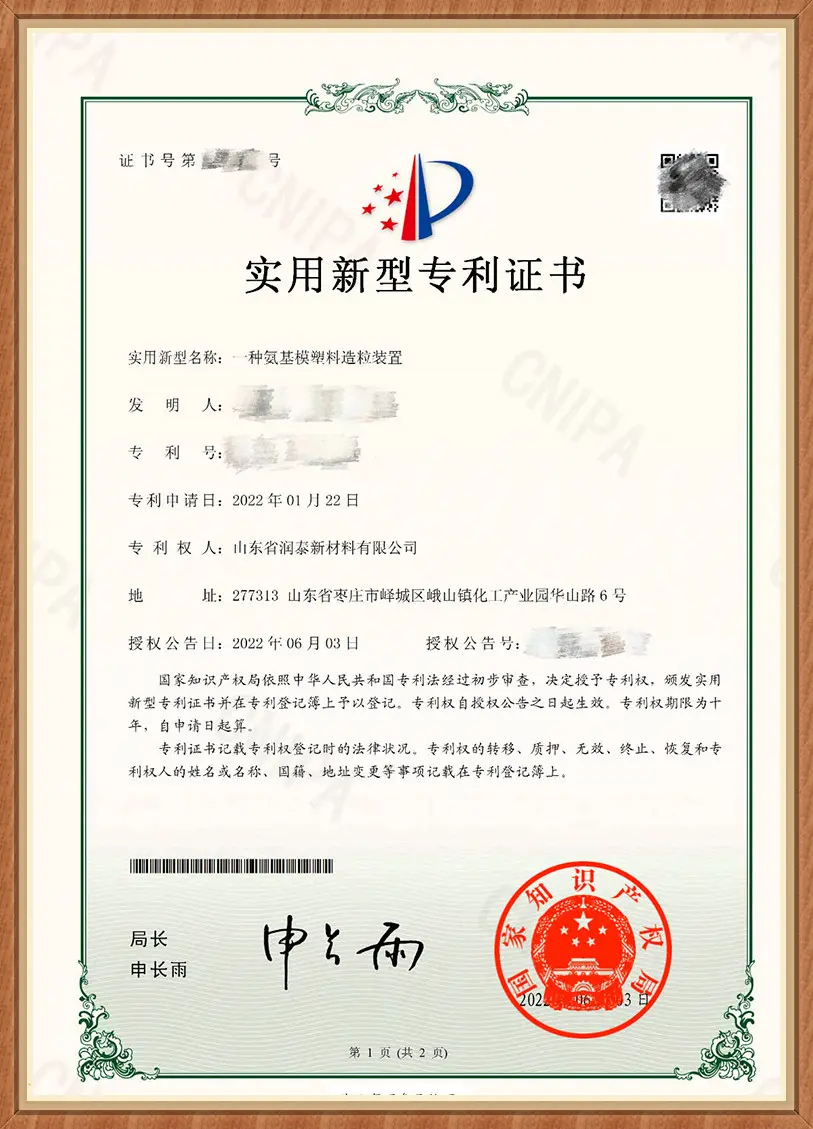
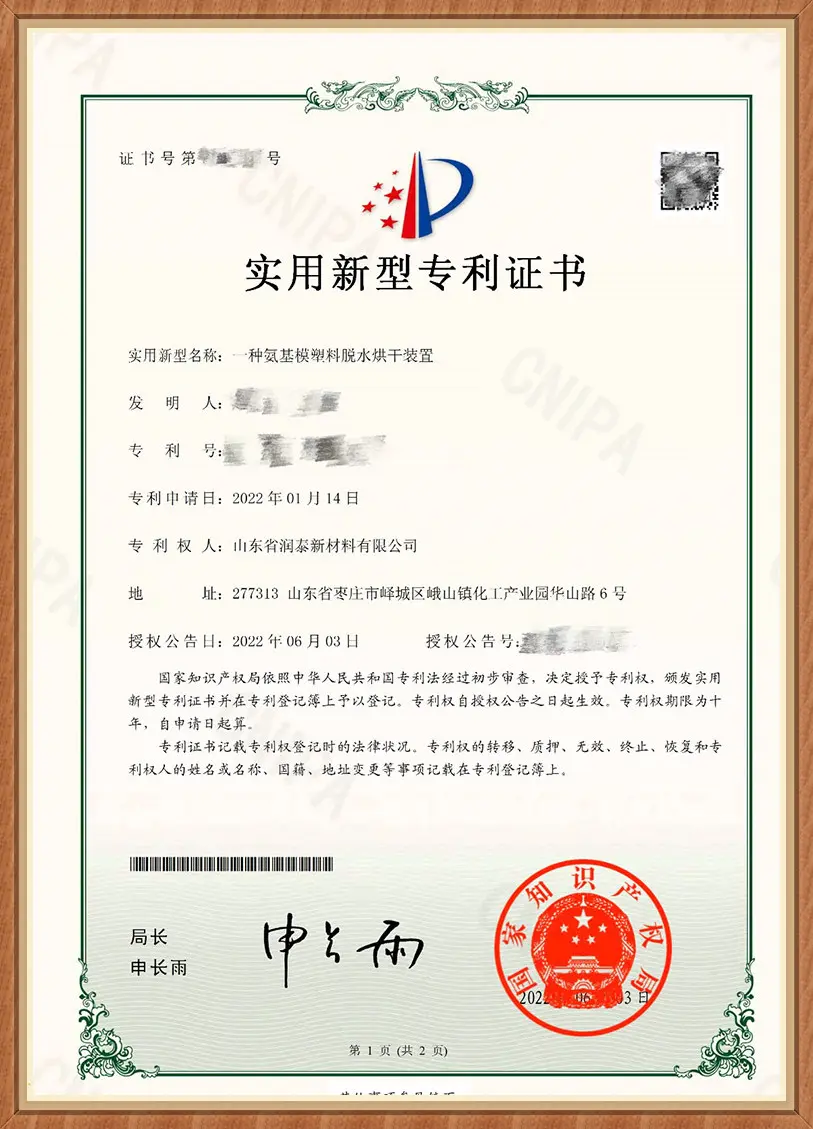
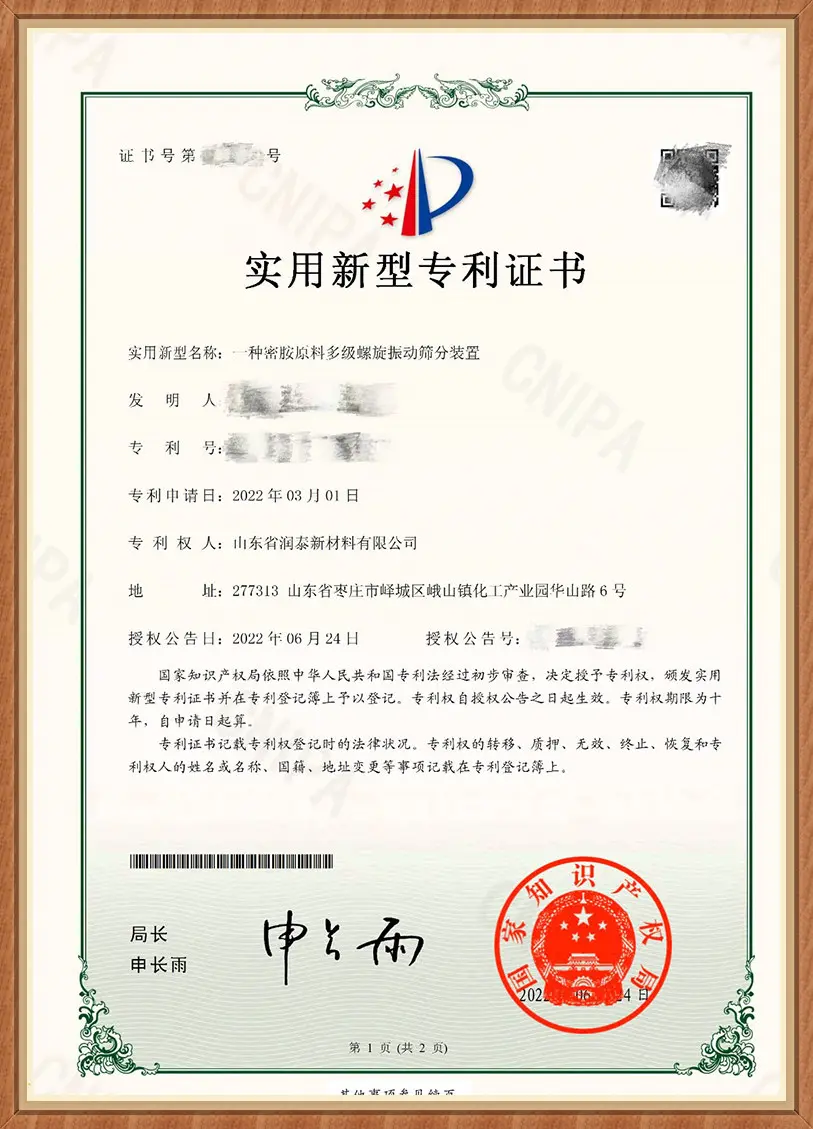
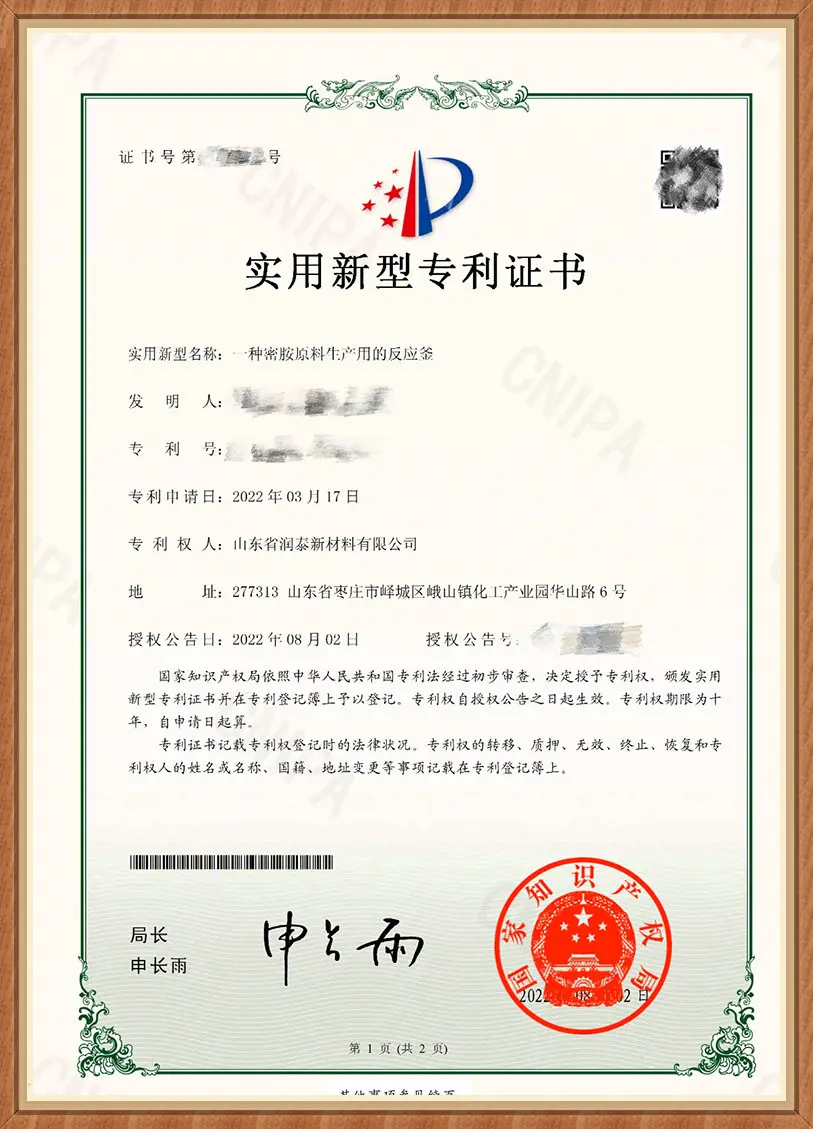
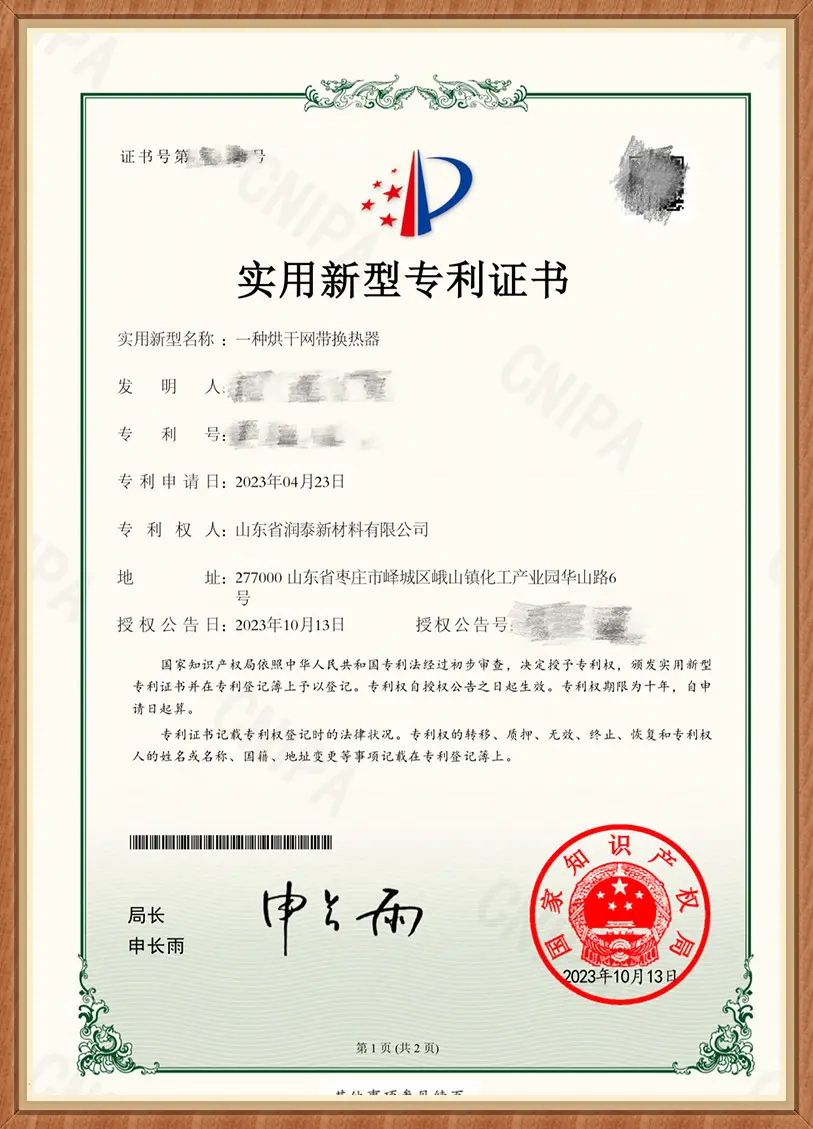
Partnering with institutions like the Changzhou Research Institute of Beijing University of Chemical Technology, we maintain a dedicated R&D team and hold multiple patented technologies.
Formaldehyde-derived chemicals have diverse applications across adhesives, coatings, resins, dyes, pharmaceutical raw materials, and electronics.
As an ethical company, we prioritize sustainable development and environmental preservation. We focus on developing eco-friendly products that adhere to global laws and standards, following a "quality first, customer first" approach.
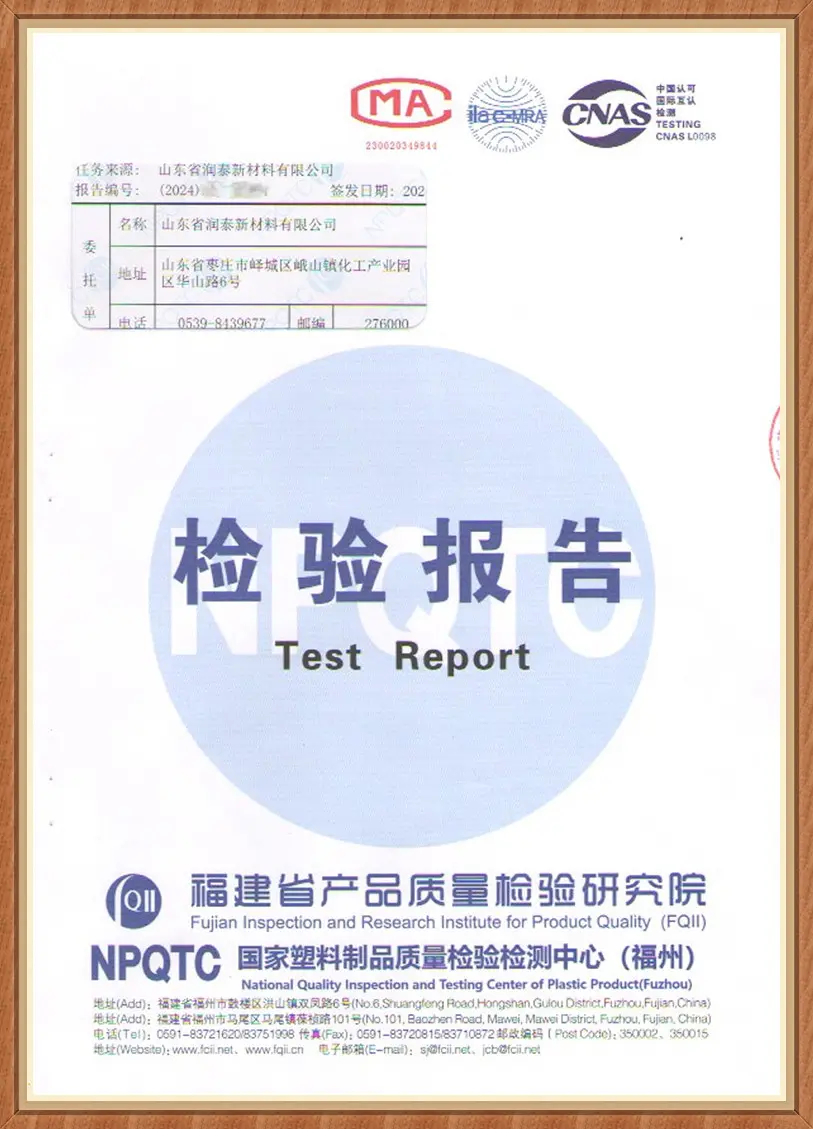
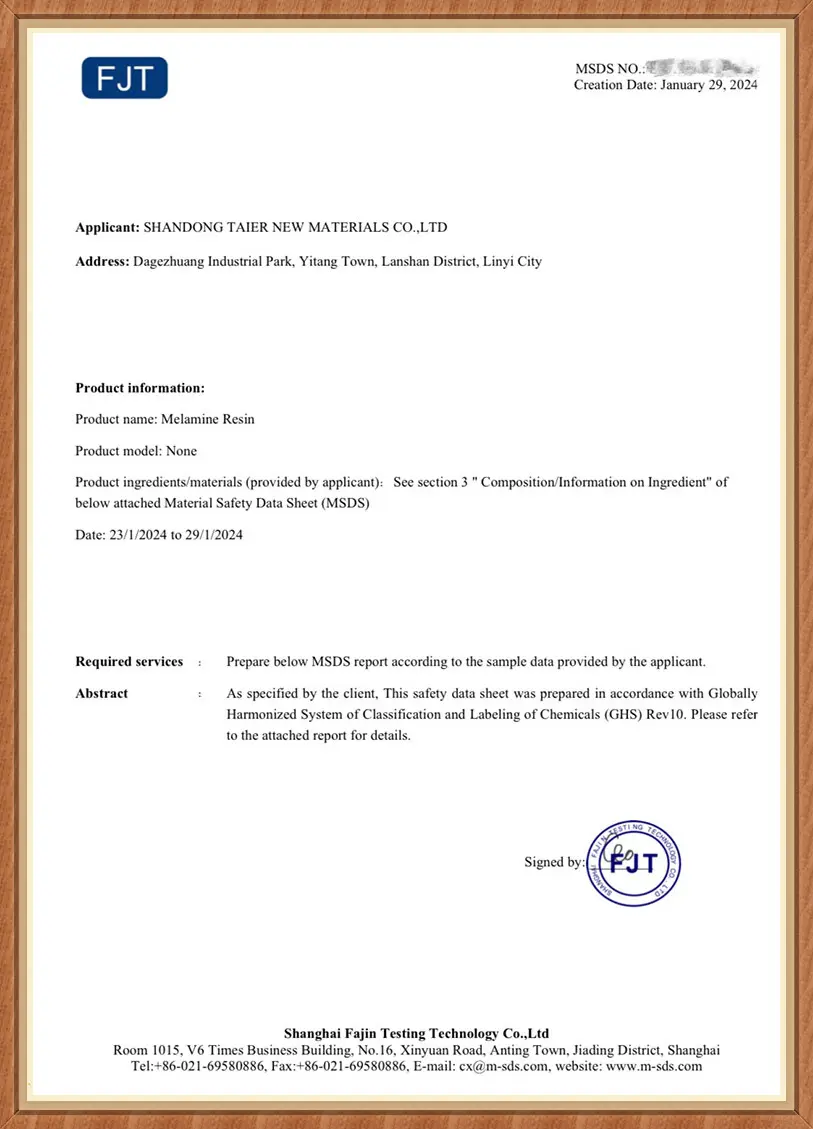
We maintain a comprehensive quality management system to support our manufacturing and export operations.
Common questions from flooring manufacturers and chemical procurement managers.
Our resins utilize custom molar ratio formulations (F:U ratios) combined with specific synthesis stages, reducing free formaldehyde emissions while preserving the bond strength needed for dense HDF boards.
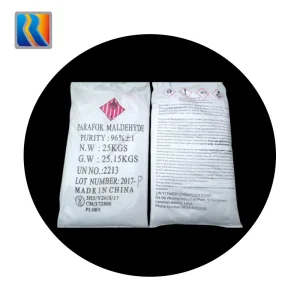
Liquid resins have a temperature-dependent shelf life, typically 3 to 6 weeks. For long-distance shipping, we recommend shipping raw Paraformaldehyde or dry melamine compounds for local blending, or using temperature-controlled containers for ready-made resins.
Yes. Our R&D team adjusts polymer solid content, pH buffers, and catalyst ratios to match your press cycles and temperature requirements.
Adding melamine improves the moisture resistance and durability of Urea-Formaldehyde formulations. Melamine-Urea-Formaldehyde (MUF) resin is ideal for flooring requiring low thickness swelling in humid environments.
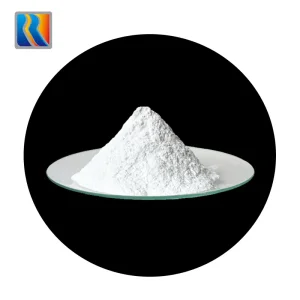
Supplementary chemical components for processing, viscosity modification, and material treatment.
 Runtai