Premium grade chemicals engineered to standard industrial specifications, directly sourced from our DCS-integrated manufacturing center.
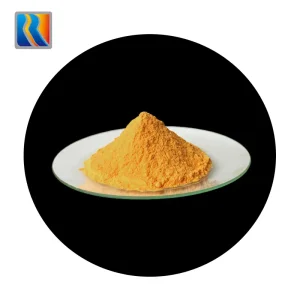
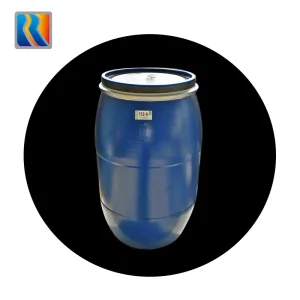
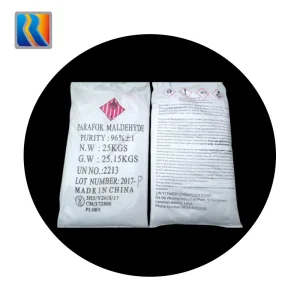
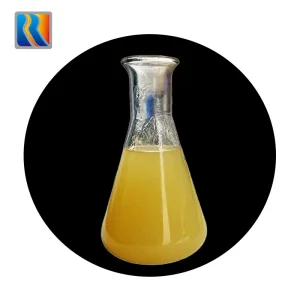
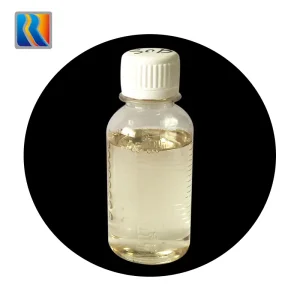
Formaldehyde (specifically high-concentration formalin solutions and solid paraformaldehyde derivatives) is universally classified under the United Nations Dangerous Goods Protocol. Depending on the composition and temperature, liquid formaldehyde solutions with flashpoints below 60°C are categorized as Class 8 Corrosives (UN 2209) or Class 3 Flammable Liquids (UN 1198).
For global supply chains, procuring these raw materials is not just a transaction—it is a critical exercise in risk mitigation. Industrial buyers must coordinate with factories that demonstrate strict adherence to manufacturing, handling, and environmental protocols. This is where Shandong Runtai New Materials Co., Ltd. excels.
Our production protocols are aligned with the highest parameters of the Globally Harmonized System (GHS). By choosing a manufacturer with certified infrastructure, downstream buyers prevent compliance issues, chemical degradation, and logistic disasters. We manage heat-exchanger performance, oxidation loops, and exhaust-gas recycling to maintain safe thresholds at every stage of synthesis.
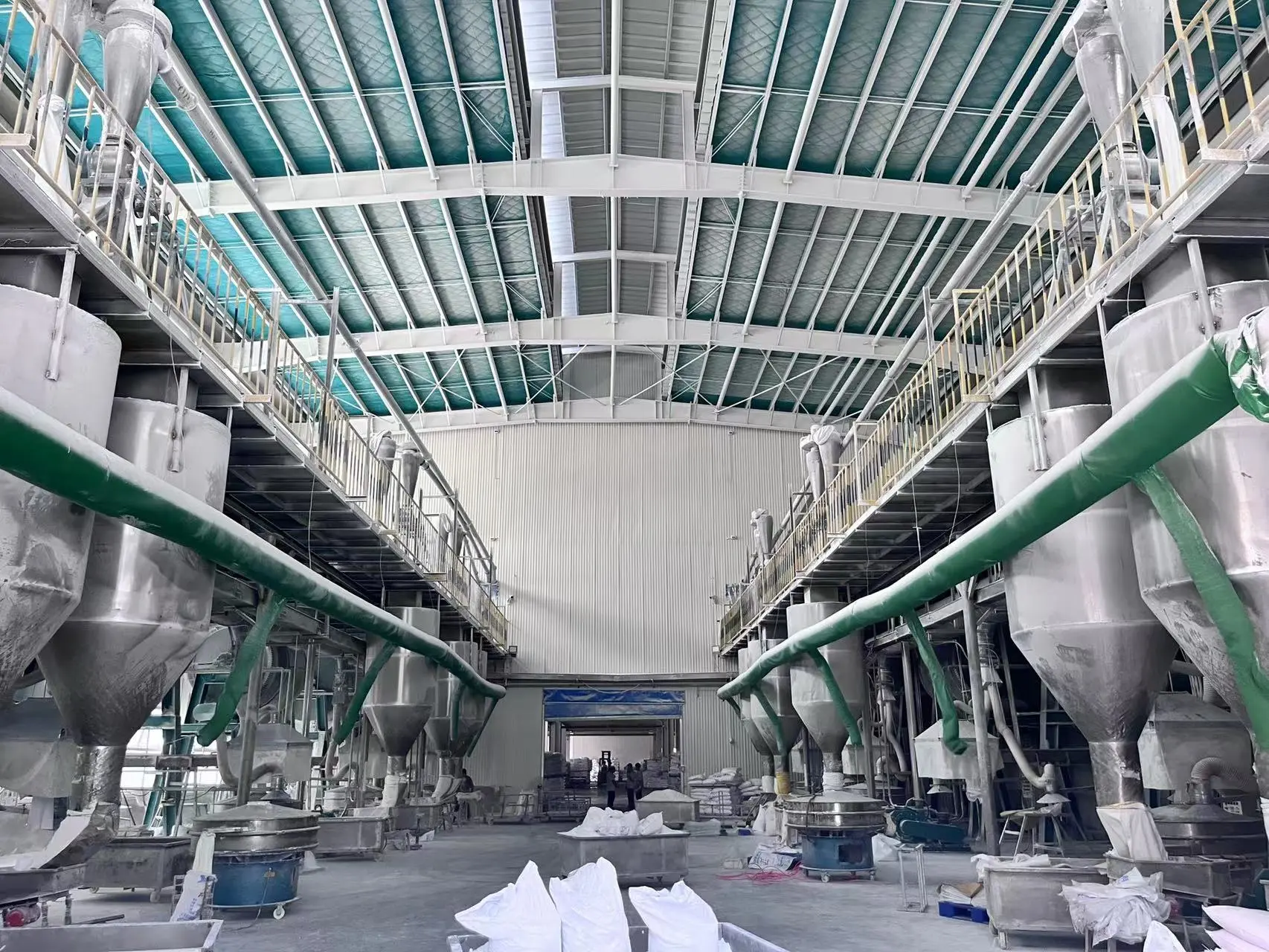
Shandong Runtai New Materials Co., Ltd. represents one of China's most robust fine chemical production sites, backing our global distribution pipelines with massive investment and capacity.
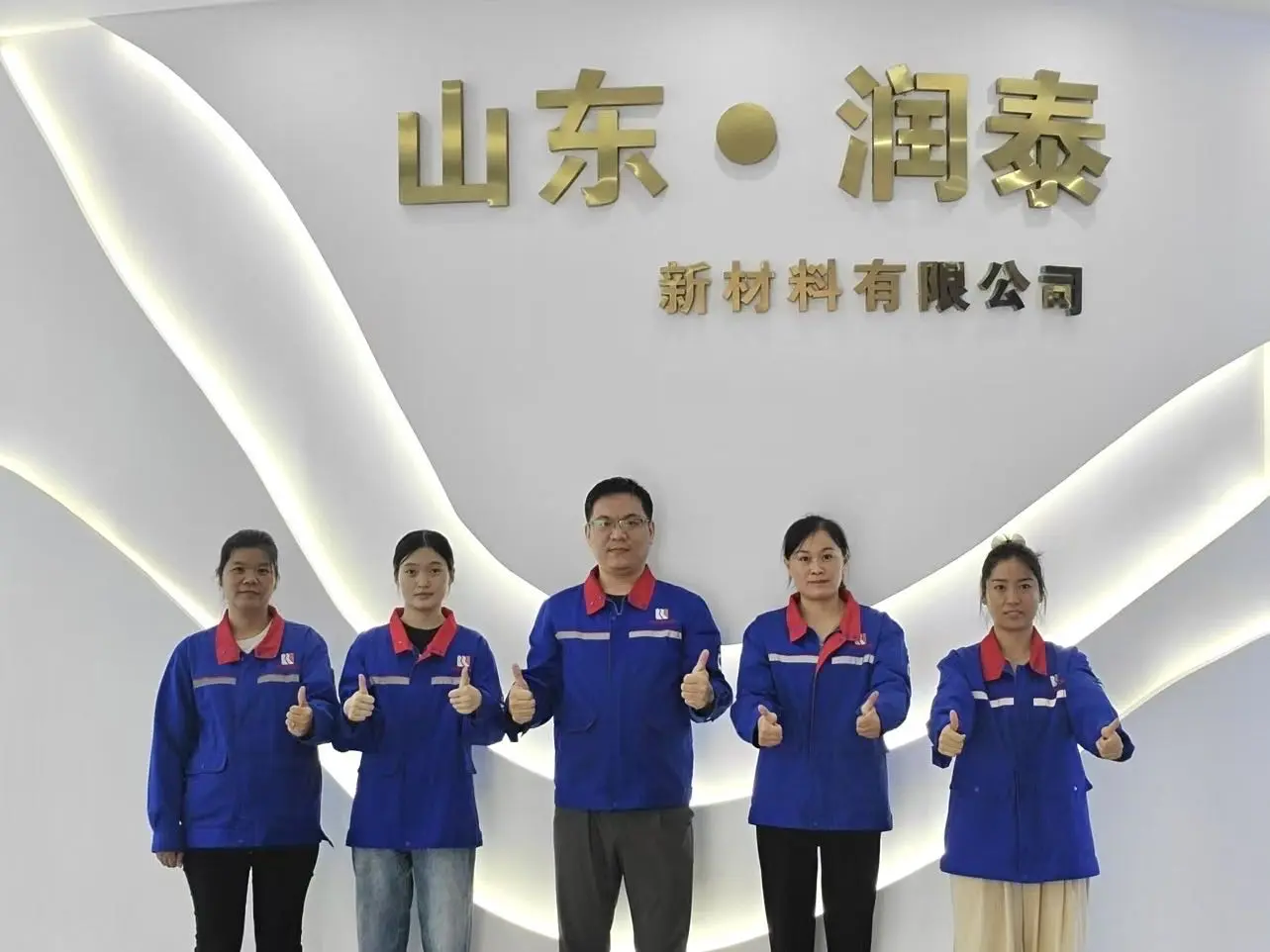
Founded in March 2020, Shandong Runtai New Materials Co., Ltd. is a comprehensive group firm that specializes in fine chemical products. Our primary products include formaldehyde, polyformaldehyde (paraformaldehyde), urea formaldehyde resin, melamine powder, and melamine glazing powder. Headquartered in Zaozhuang City, Shandong Province, the corporation spans an area of 270,000 square meters with five nationwide regional branches and a total corporate investment of 2.06 billion yuan.
Through our technological evolution, we have grown to be one of China's leading producers of melamine and formaldehyde. Currently, our plants yield:
We actively ship to markets including the United States, Thailand, Kenya, Egypt, and beyond, earning critical acclaim for logistical precision and consistent quality metrics.
Our operational success is driven by modern process control, deep academic partnerships, and end-to-end industrial chain optimization.
We deploy state-of-the-art Distributed Control Systems (DCS) to monitor reaction kinetics in real-time, reducing safety risks and ensuring consistent raw material conversion efficiency.
Collaborating with the Changzhou Research Institute of Beijing University of Chemical Technology, our doctoral R&D teams hold numerous patents focused on formaldehyde stabilization and low-emission polymers.
From formaldehyde synthesis to downstream adhesives, melamine resin powders, and tableware glazes, our fully integrated supply chain guarantees stability and cost control.
When sourcing formaldehyde or paraformaldehyde globally, enterprise procurement teams must navigate complex international regulatory landscapes. In addition to transport safety, compliance with chemical control registries is mandatory:
Our logistics team handles dangerous goods handling end-to-end. We pack crystalline solid paraformaldehyde in UN-certified woven bags or bulk containers, and liquid formaldehyde in specialized stainless steel tankers with continuous temperature monitoring. This prevents crystallization, polymerization, and pressure buildup during transit.

As environmental policies tighten globally, Runtai is actively researching and deploying next-generation synthesis techniques to minimize the industry's carbon footprint.
We are refining polycondensation parameters to develop urea-formaldehyde and melamine resins with ultra-low monomer levels. This makes it easier for composite board manufacturers to meet E0 and F-four-star standards.
Collaborating with academic partners, we are upgrading our silver catalyst beds to increase per-pass conversion yields. This reduces both methanol emissions and energy requirements per ton of synthesized formaldehyde.
By transitioning our utility grids to utilize regional wind and solar power in Shandong, we aim to lower the carbon footprint of our operations by 30% by 2028.
Proven engineering compliance, strict international quality assurance, and validated environmental standards.
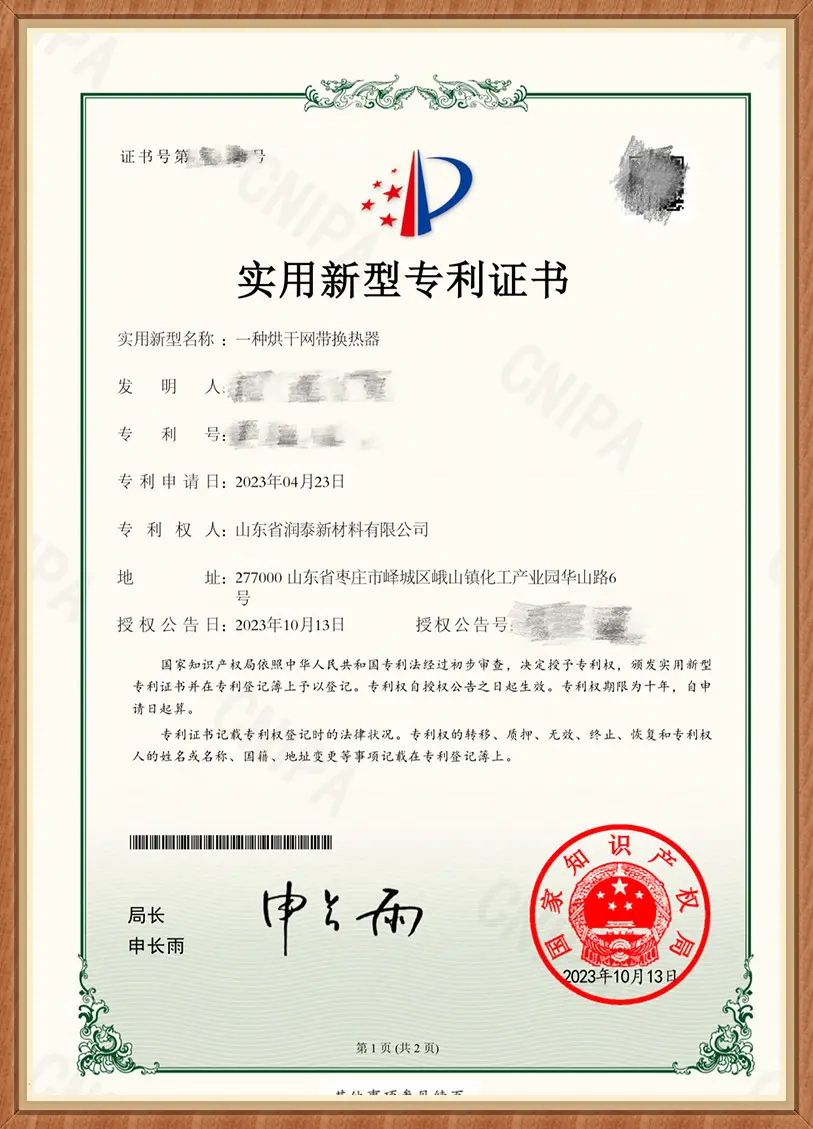
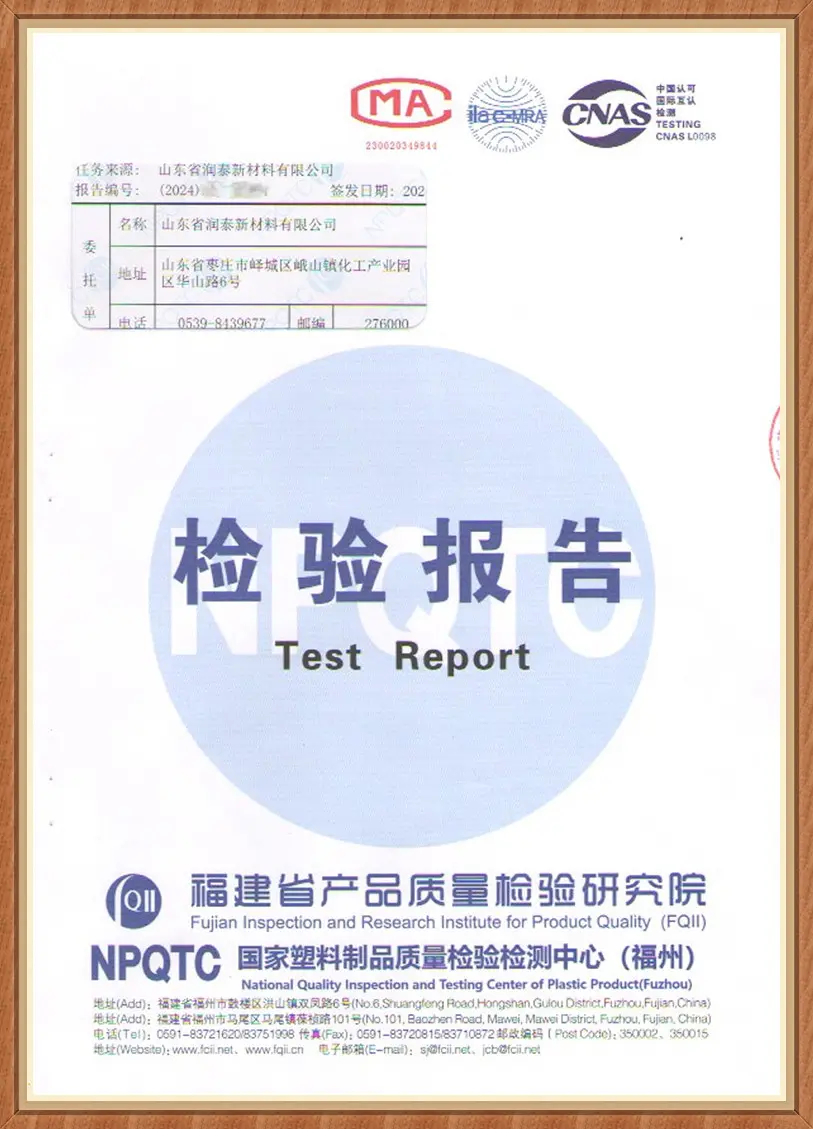
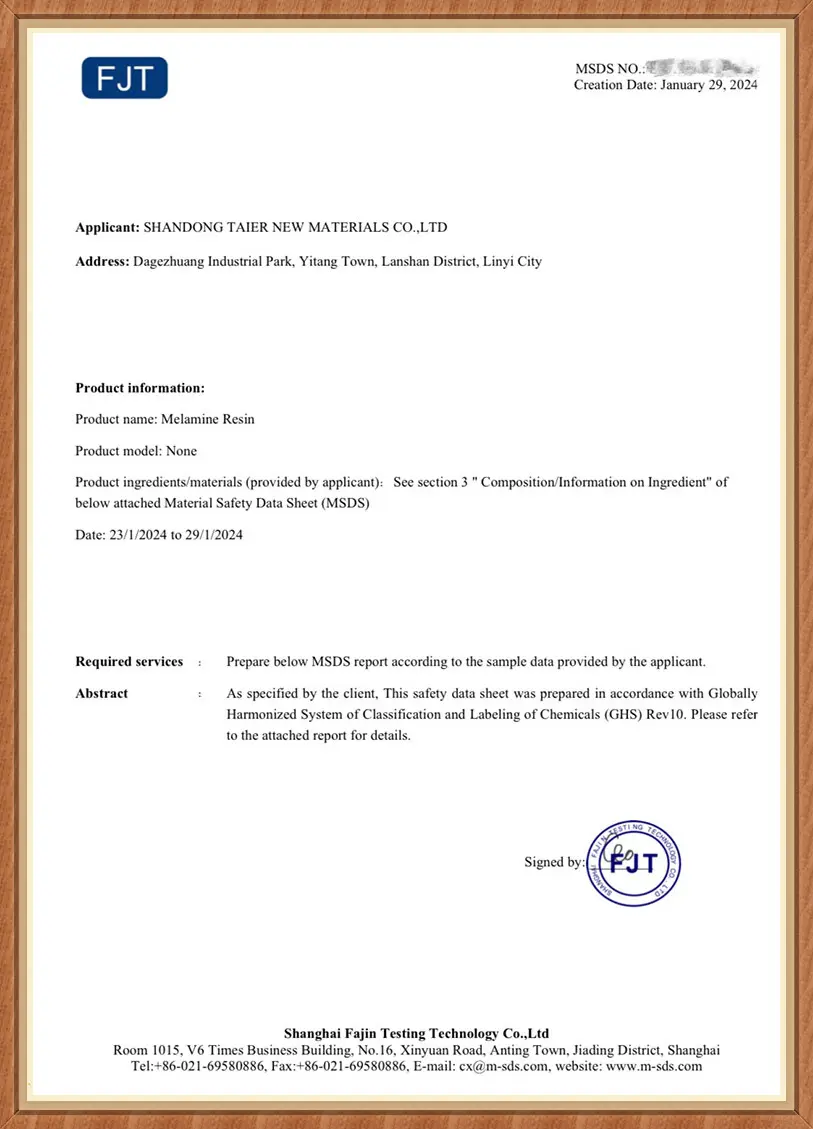
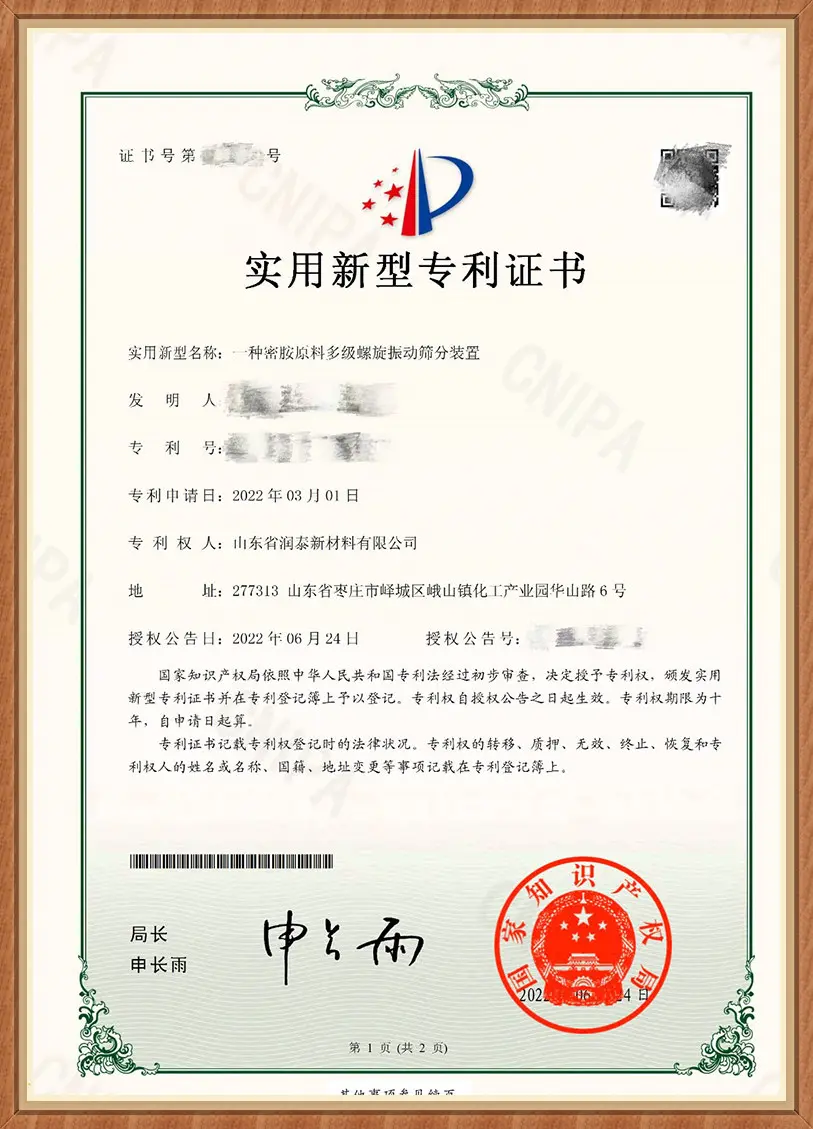
Essential information for industrial buyers, compliance officers, and chemical engineers regarding formaldehyde supply chains.
Explore our full catalog of water-based additives, defoamers, and polymer resins produced under certified safety management systems.
 Runtai